Post Comment Love 15 - 17 May

Hello there, welcome to this week’s #PoCoLo - a relaxed, friendly linky which I co-host with Suzanne, where you can link any blog post published in the last week. We know you’ll find some great posts to read, and maybe some new-to-you blogs too, so do pop over and visit some of the posts linked, comment and share some of that love.

Please don’t link up posts which are older as they will be removed, and if you see older posts are linked then please don’t feel that it’s necessary to comment on those. If you were here last week it was great to have you along, if you’re new here we’re pleased you’ve joined us.

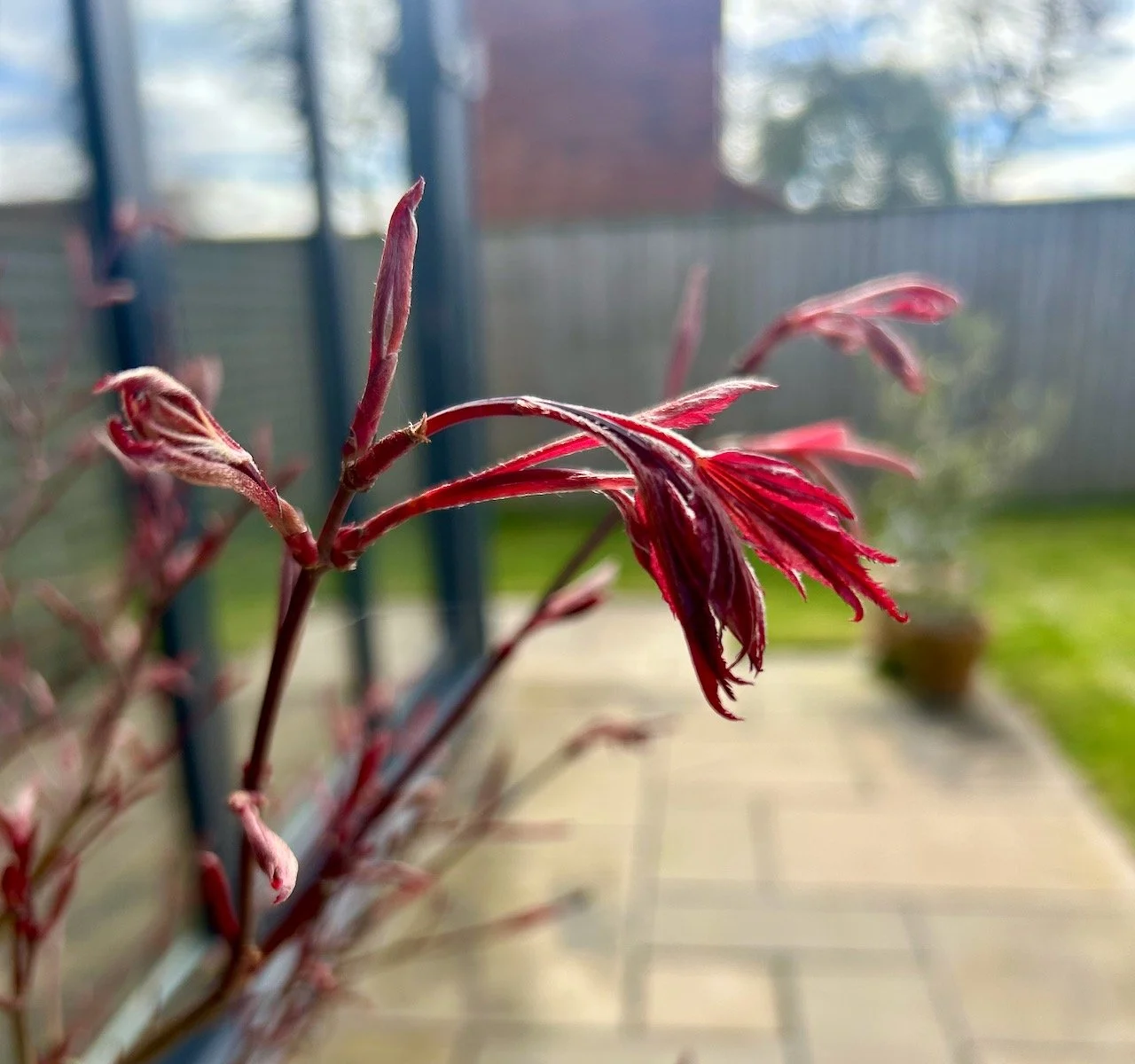
This week I’ve wanted to do much more gardening than I’ve been able to thanks to the weather - it’s been quite changeable here with more typical April showers weather, although there’s been some downpours too and I haven’t really wanted to take my chance with them. I’m hopeful I’ll get through the ever growing list of jobs - or at least start them, soon.

I’ve been meaning to pop into town to see the Knife Angel sculpture which is in our market square for a month, and this week I made it happen - along with lunch out, some errands and an eye test.

The sculpture was worth seeing, it is both shocking and moving. In 2014 the ‘Save a Life, Surrender Your Knife’ campaign was born by Clive Knowles, Chairman of the British Ironwork Centre in Shropshire. Struck by the large number of knife crimes reported in the media he set about finding a way to make a real difference by highlighting this national issue.

Speaking to families and communities affected by the horrific acts of violence, many of whom were already working tirelessly to help raise better awareness the Ironworks offered to fund and provide all knife banks with police constabularies across the UK holding an amnesty or surrender campaign to better educate their communities about knife crime.

Thousands of weapons were collected in these knife banks, they were cleaned and blunted and included in the Knife Angel sculpture. Some of the blades have messages engraved by families who experienced knife crime first hand, and these were placed strategically in the sculpture which is now known as the National Monument Against Violence and Aggression.

It took four years to make, involved all 43 Police Constabularies in the UK and standing over 20ft tall is built from over 100,000 blades removed from UK Streets. It’s purpose was to evoke emotion and raise better awareness and importantly make educational change everywhere it visits.

As I said it’s both shocking and moving - and also quite beautiful - I really hope it can be part of reducing knife crime, something that is truly needed.

Have a good week.
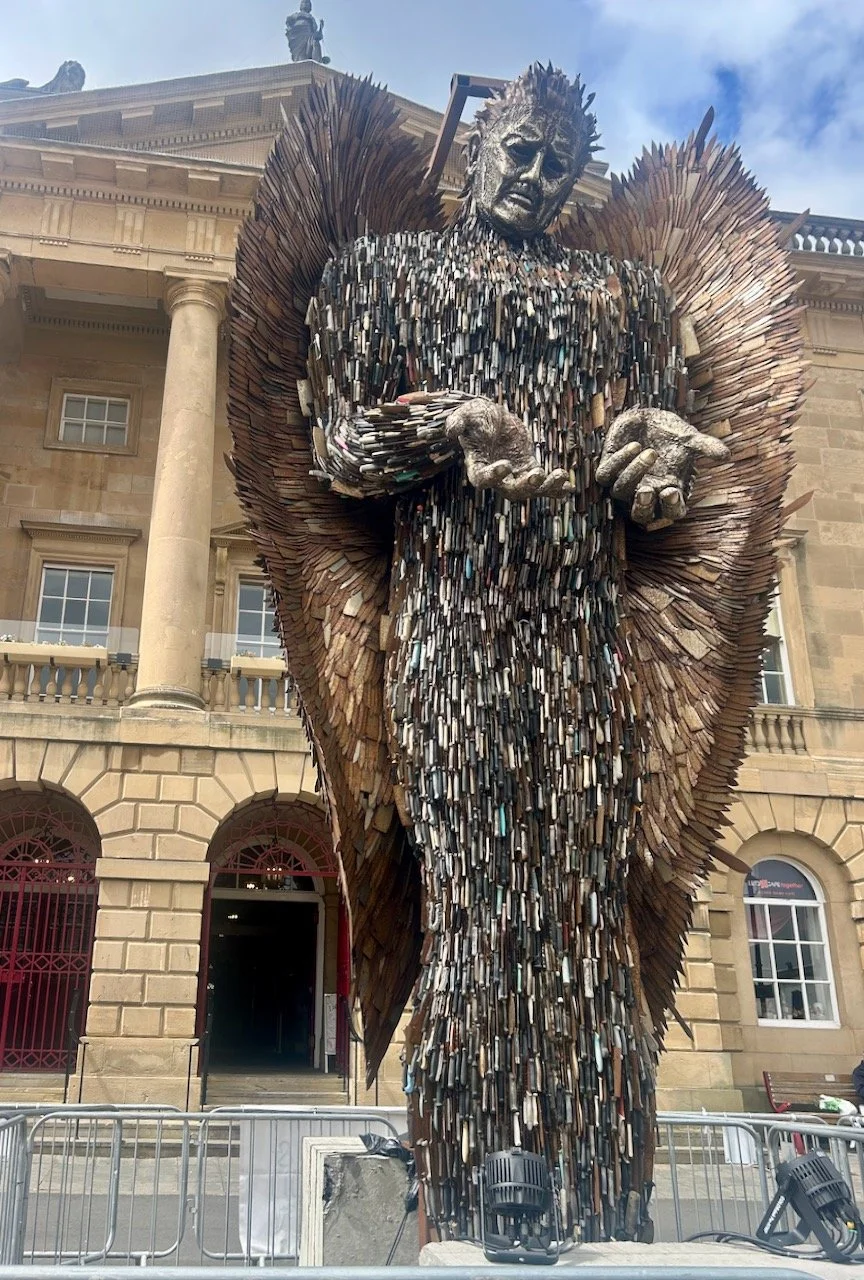
The Knife Angel in Newark's market square

You are invited to the Inlinkz link party!

Click here to enter

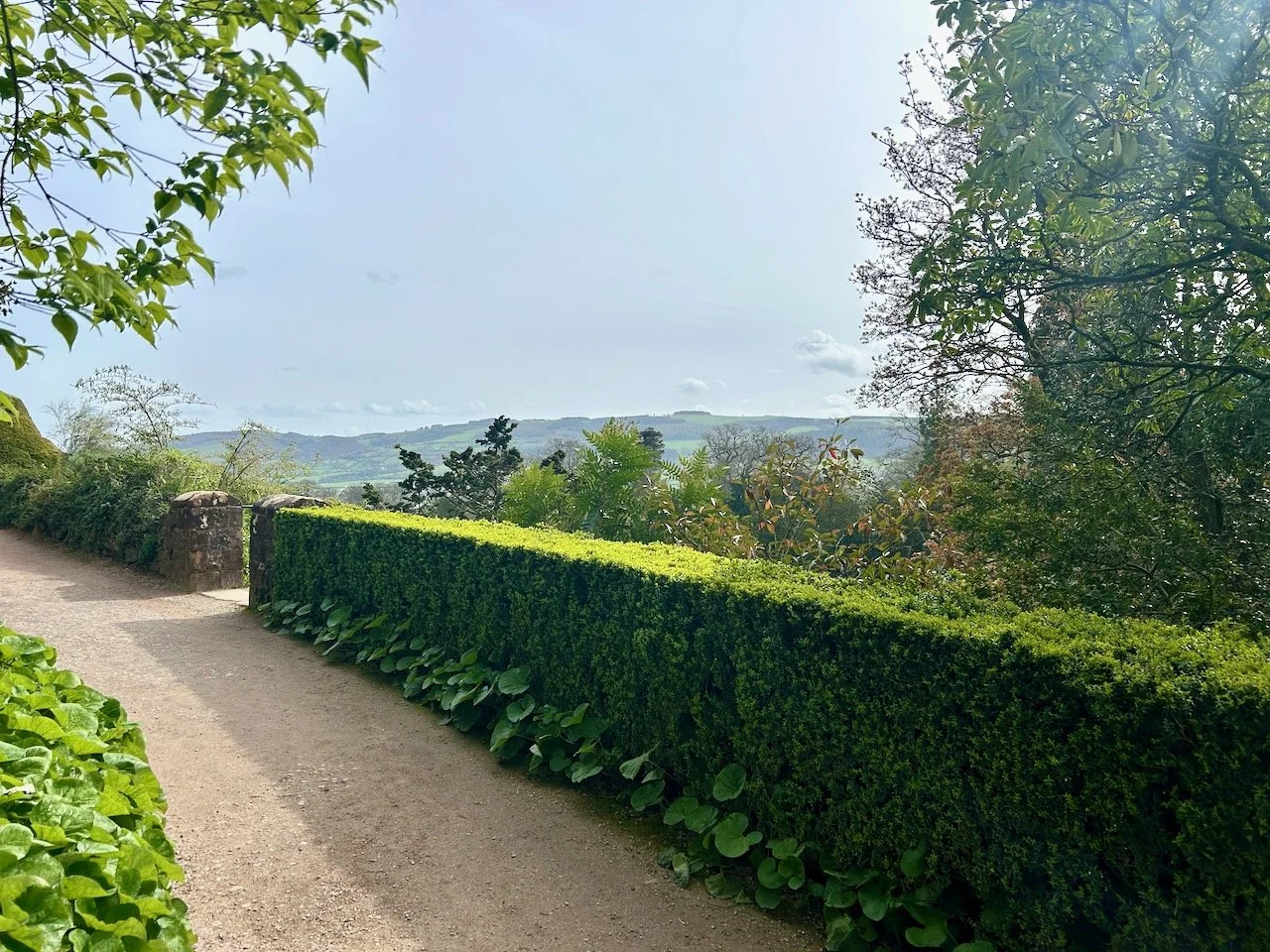
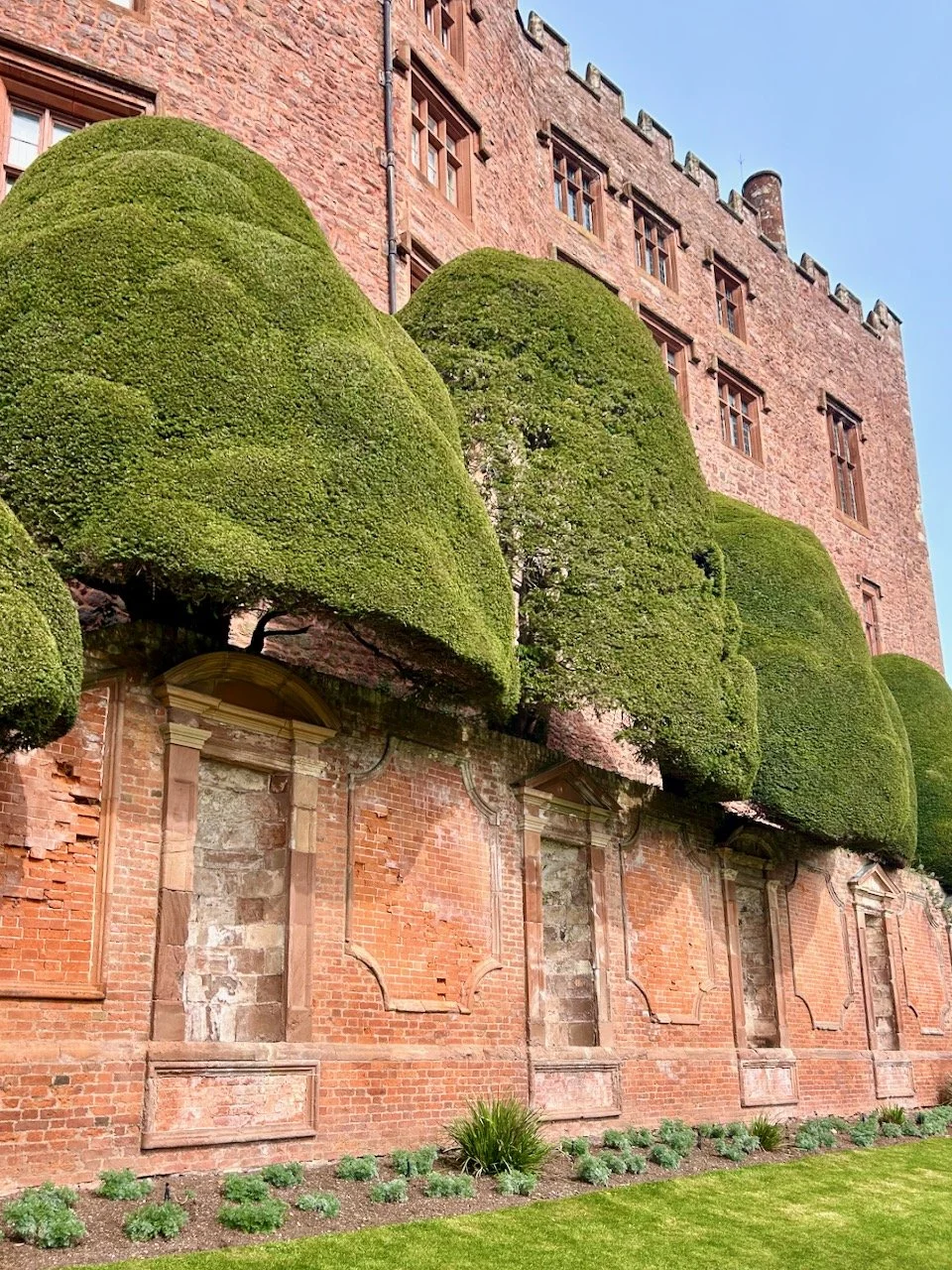
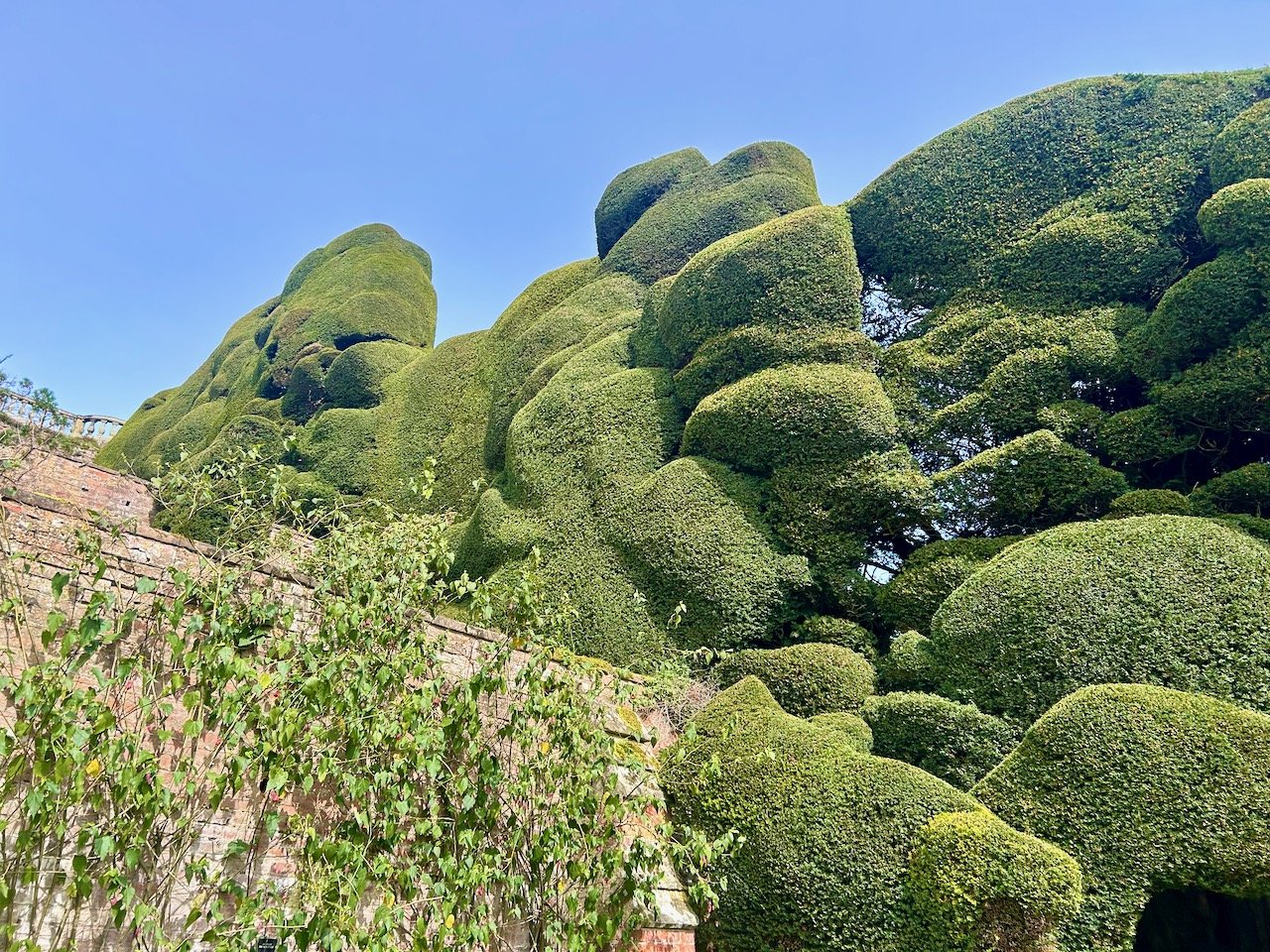
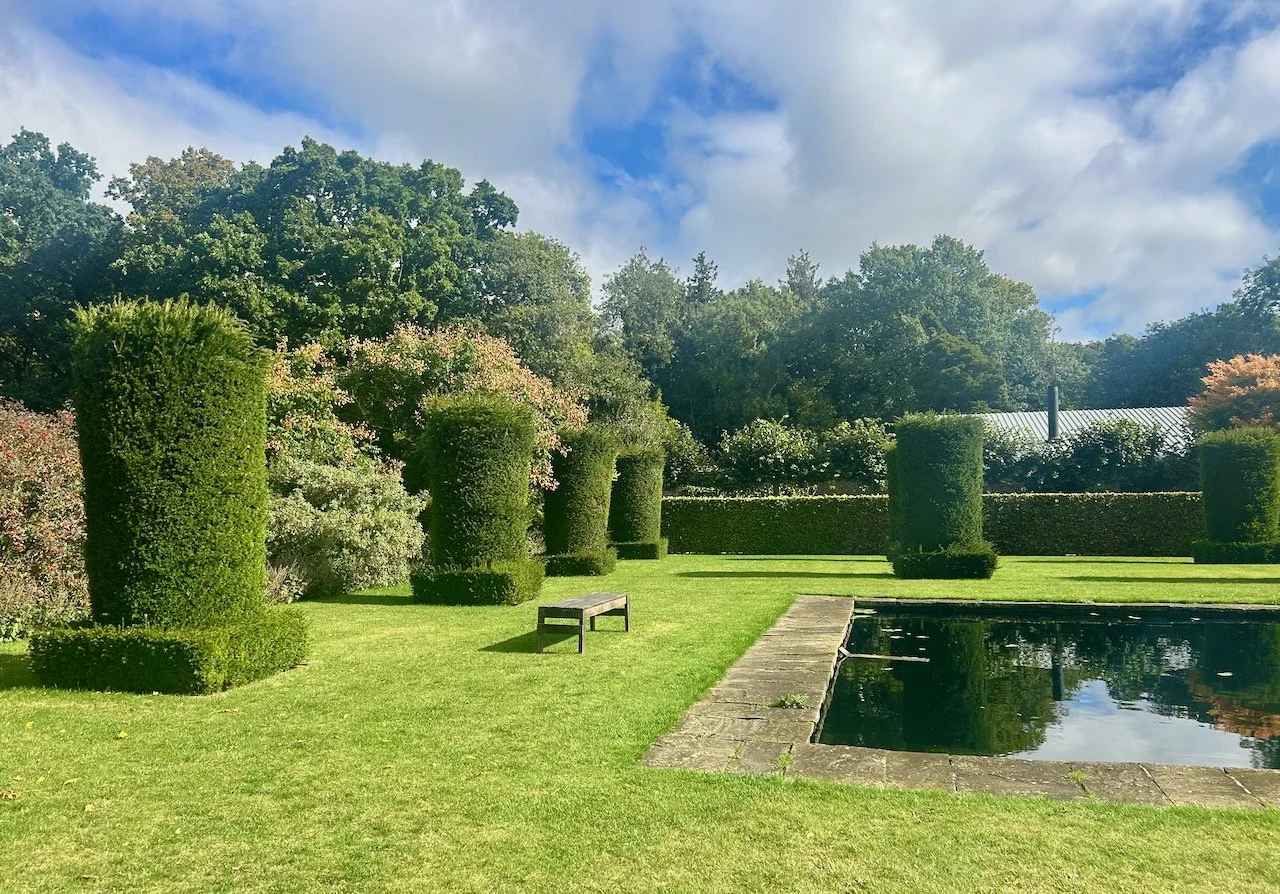
The yew hedges at Powis Castle

Time has flown and it’s hard to believe it’s already over a month since our trip to Wales, and our visit to Powis Castle. I’d planned to get out in the garden as there’s plenty to do out there, but the weather had other ideas so instead I’ve edited my photos of the gardens and hedges at Powis, and well, there’ll be more than one blog post!

But when you walk into a garden and this is the opening view, you just know you’re going to have a fabulous visit, and we did.

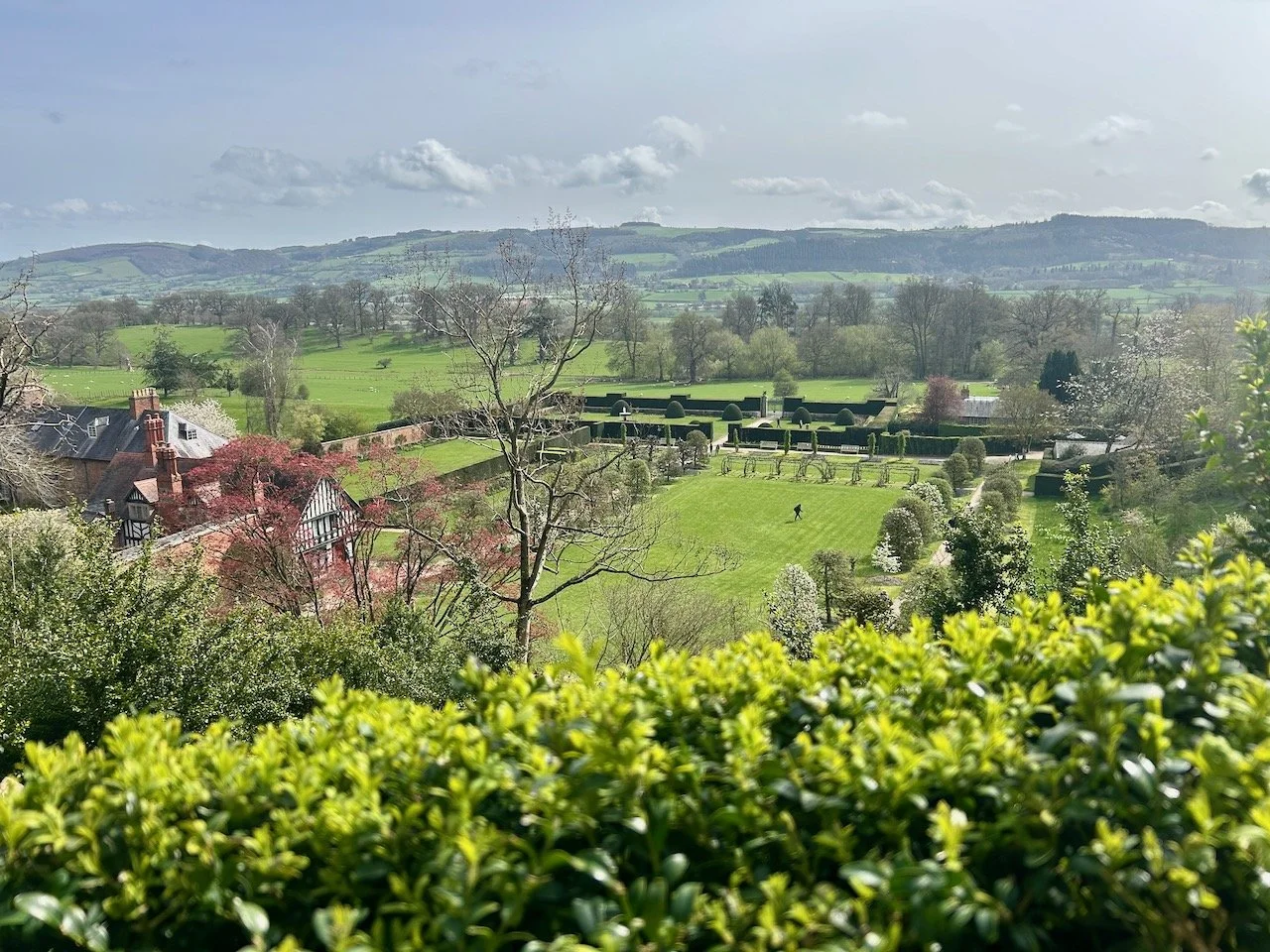
A view across the clipped hedges of the Severn valley
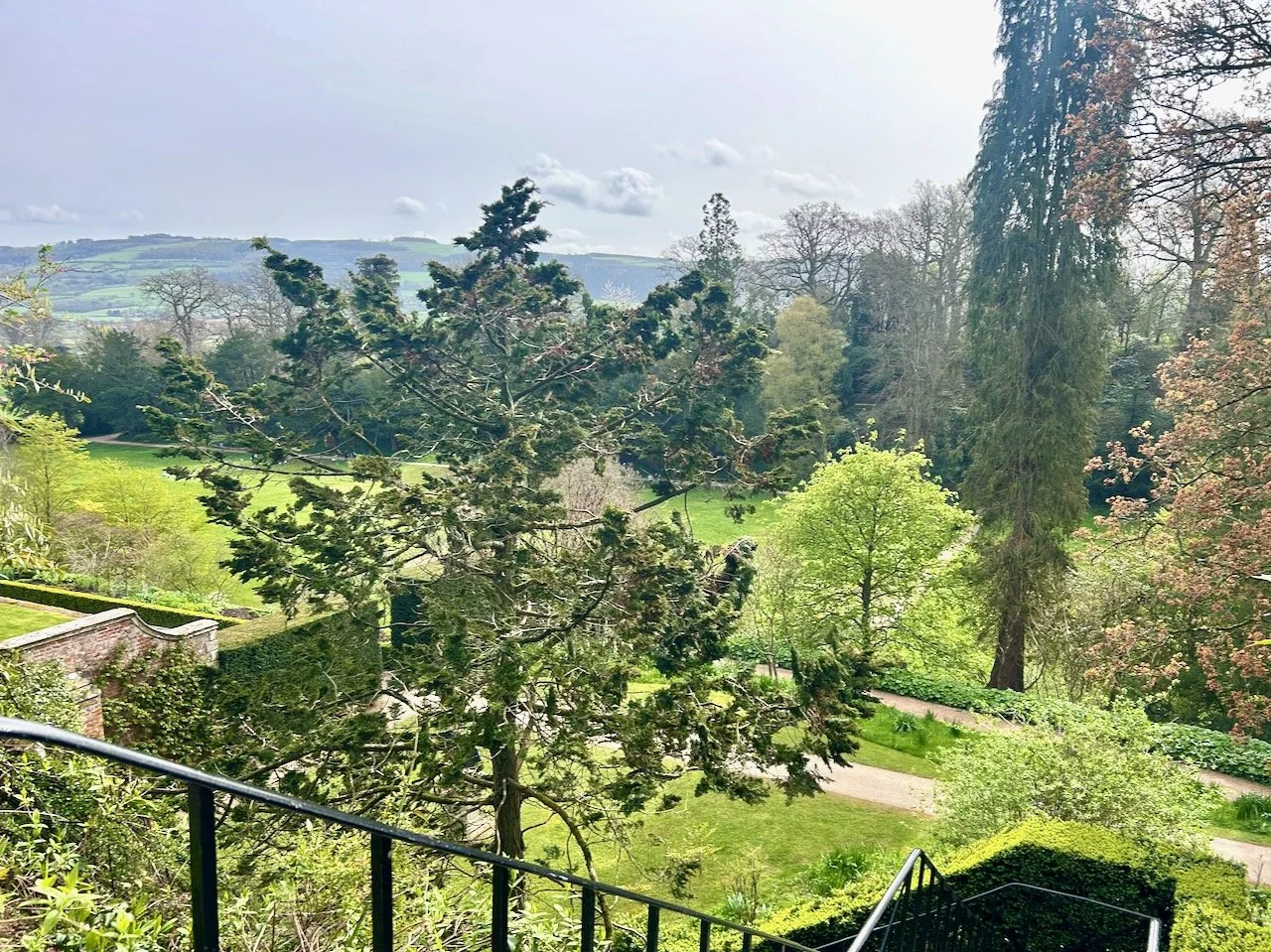
Looking down and across the garden at Powis Castle

The castle was built in the 13th century as a medieval fortress and over the years has changed to reflect the Herbert family who have occupied the castle from the 1570s. The views across the Severn Valley are fantastic, and the gardens retain many of its original features including the 17th century Italianate terraces lined with fantastic borders, and 30ft clipped yew trees. Plus there’s an Edwardian formal garden with century old apple trees and rosebeds and so much more.

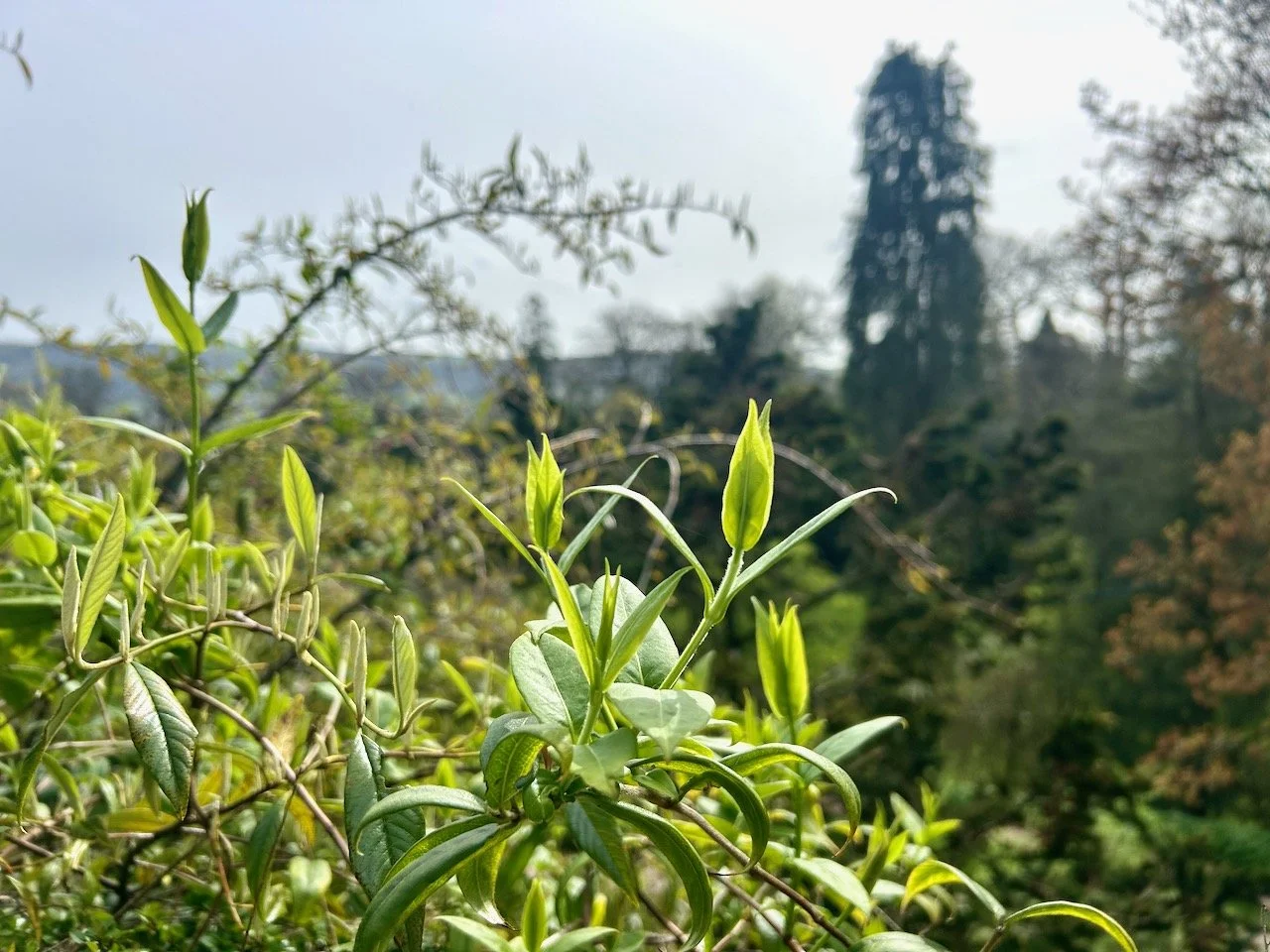
fresh new growth of plants clambering across the hedge
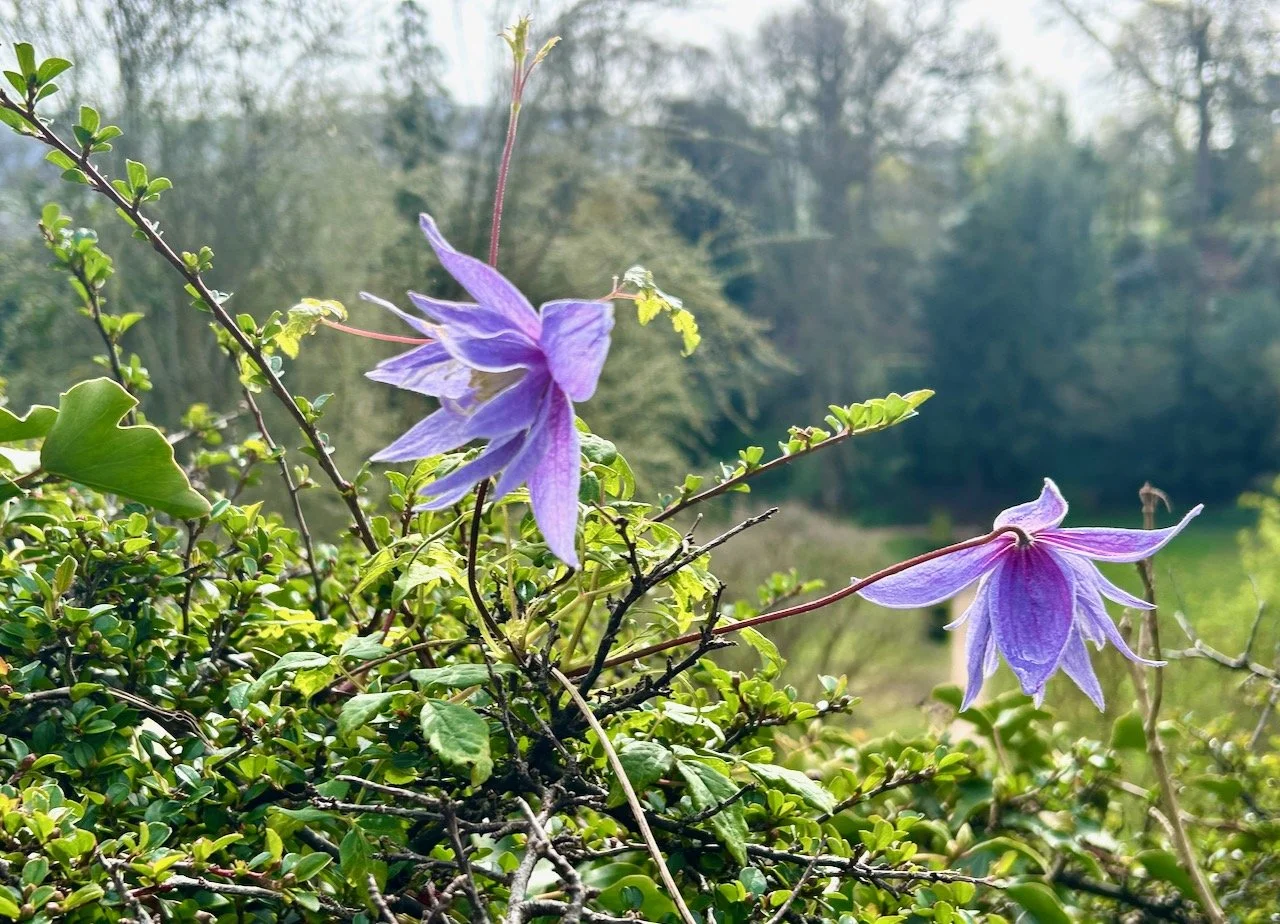
pretty blue/purple 'dancing' clematis also on top of the hedge

As with any garden though it’s about the plants big and small, and in the gardens there was a vast scale from delicate buds, dancing flowers and huge, huge yew hedges.

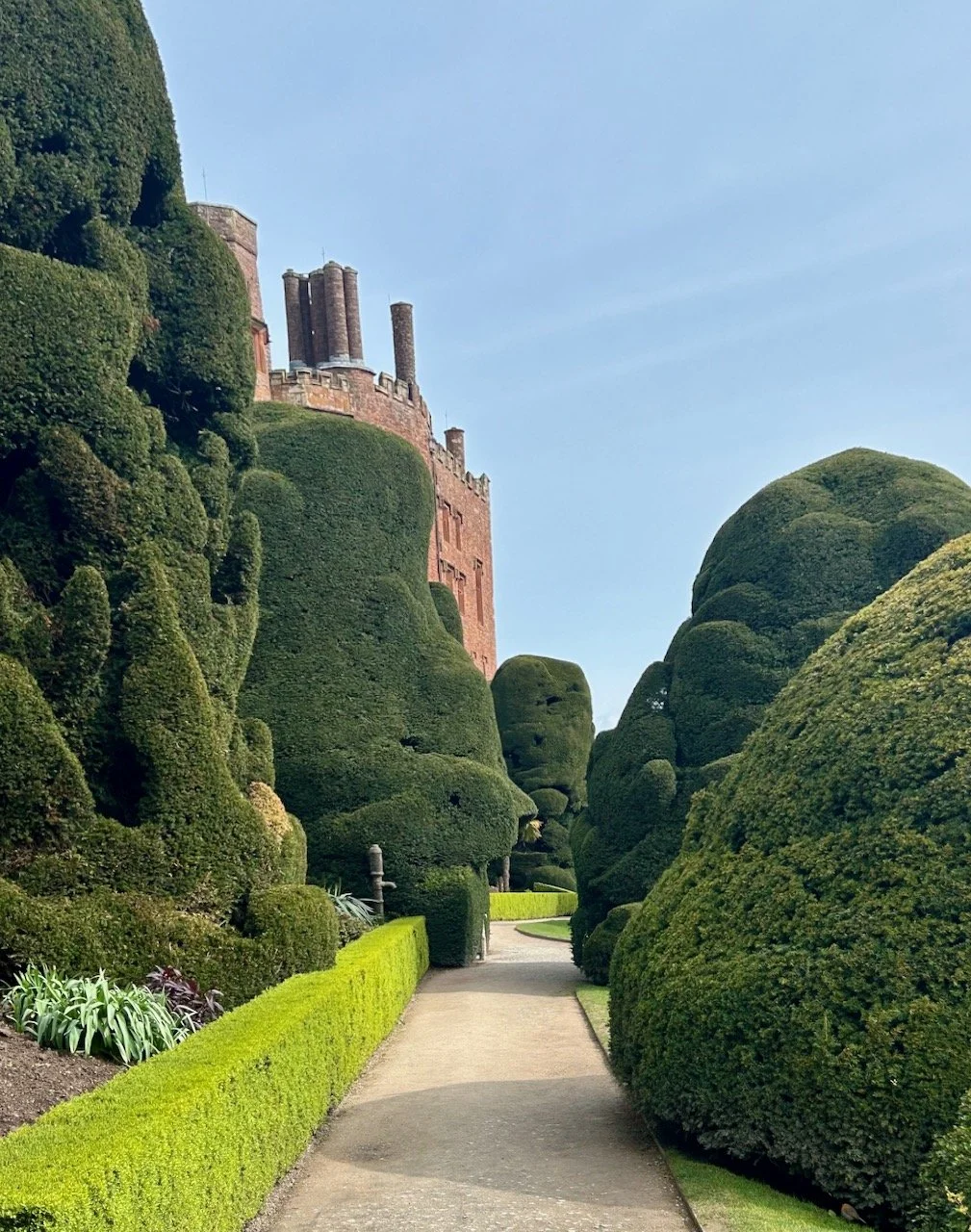
The castle in the distance, the path in the foreground is edged with the most magnificent giant yew topiary

I told you they were big!

So big I think we can agree with the National Trust when they say giant.

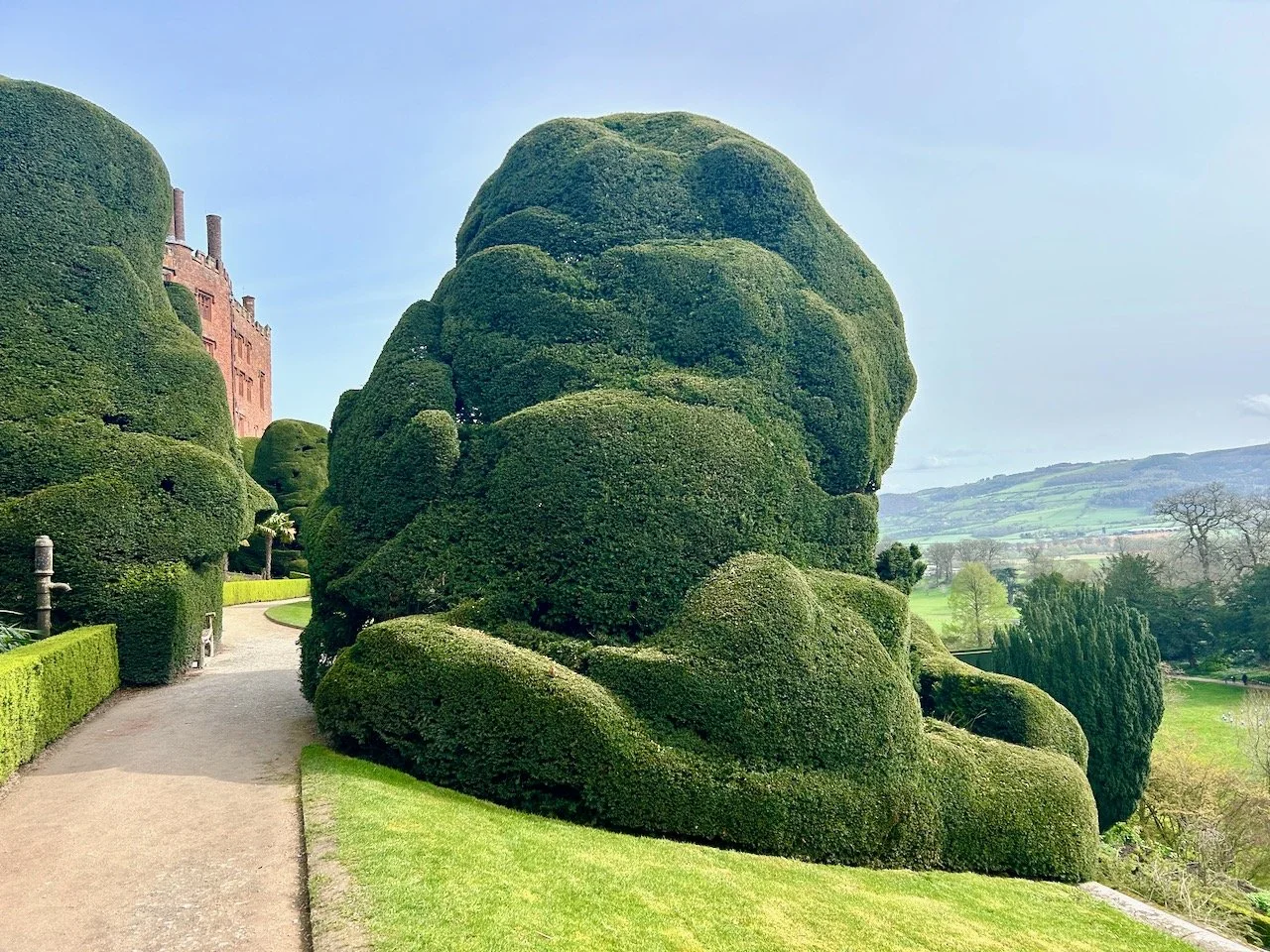
More views of the giant yew topiary

The giant yew topiary was first planted at Powis in the 1680s; then the fashion was for strict geometric patterns or formal gardening, so the yews here began life as a trimmed obelisk shape. By the 1780s garden fashions had changed favouring a natural blending of garden with the surrounding countryside, so the topiary trees that were kept were allowed to grow in their natural shape.

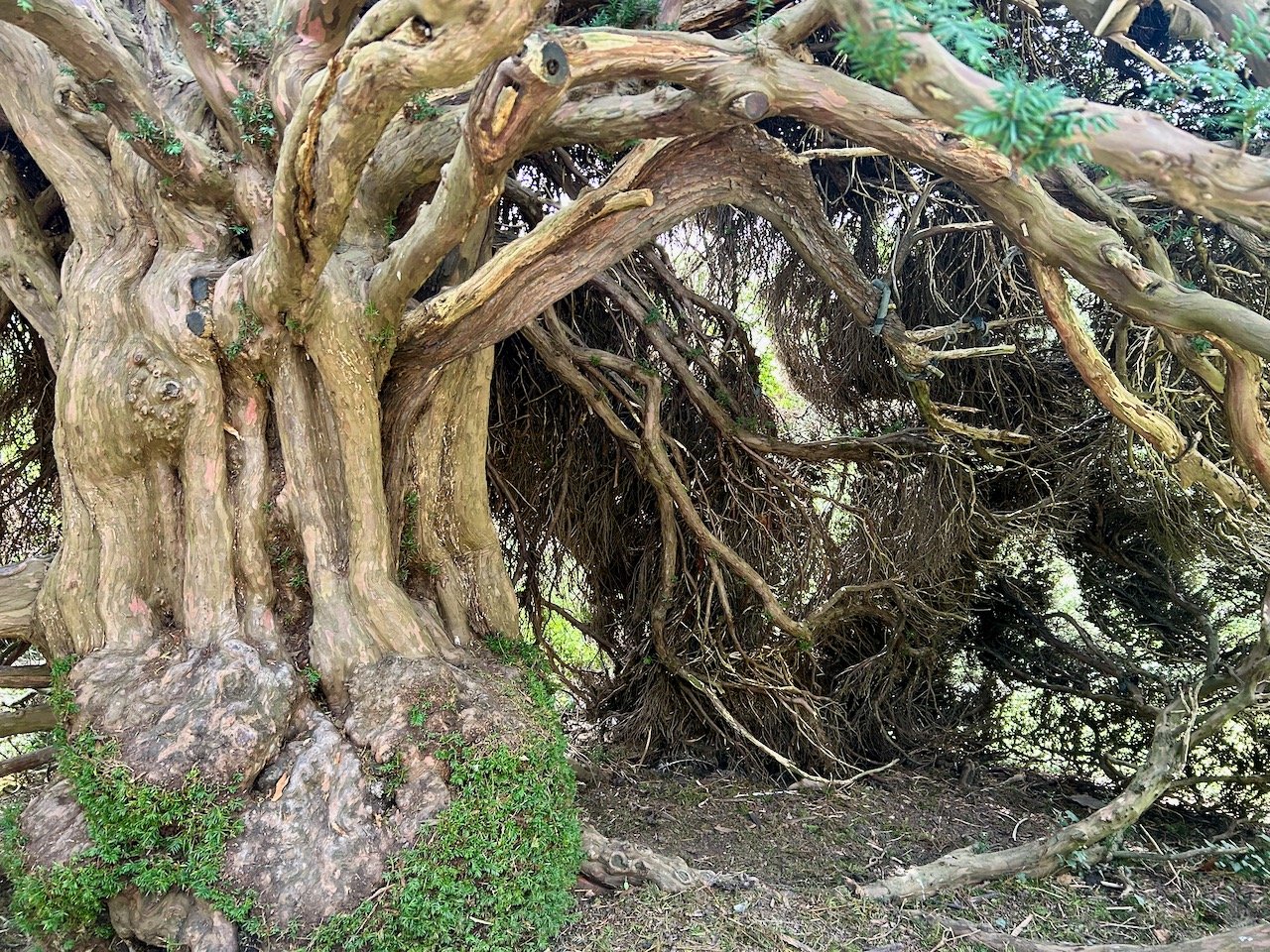
'inside' the yew topiary - the trunk and inner branches on show

During Victorian times the fashion for stricter controls returned and the National Trust say that yews were shaped using a sickle, while the other hand held onto the ladder - definitely not a job for the faint hearted. Today they use electric hedge trimmers to keep the unique character of these topiary trees. It takes four staff three months to cut all the hedges once a year, with the yew topiary trimmed between late August and early November.

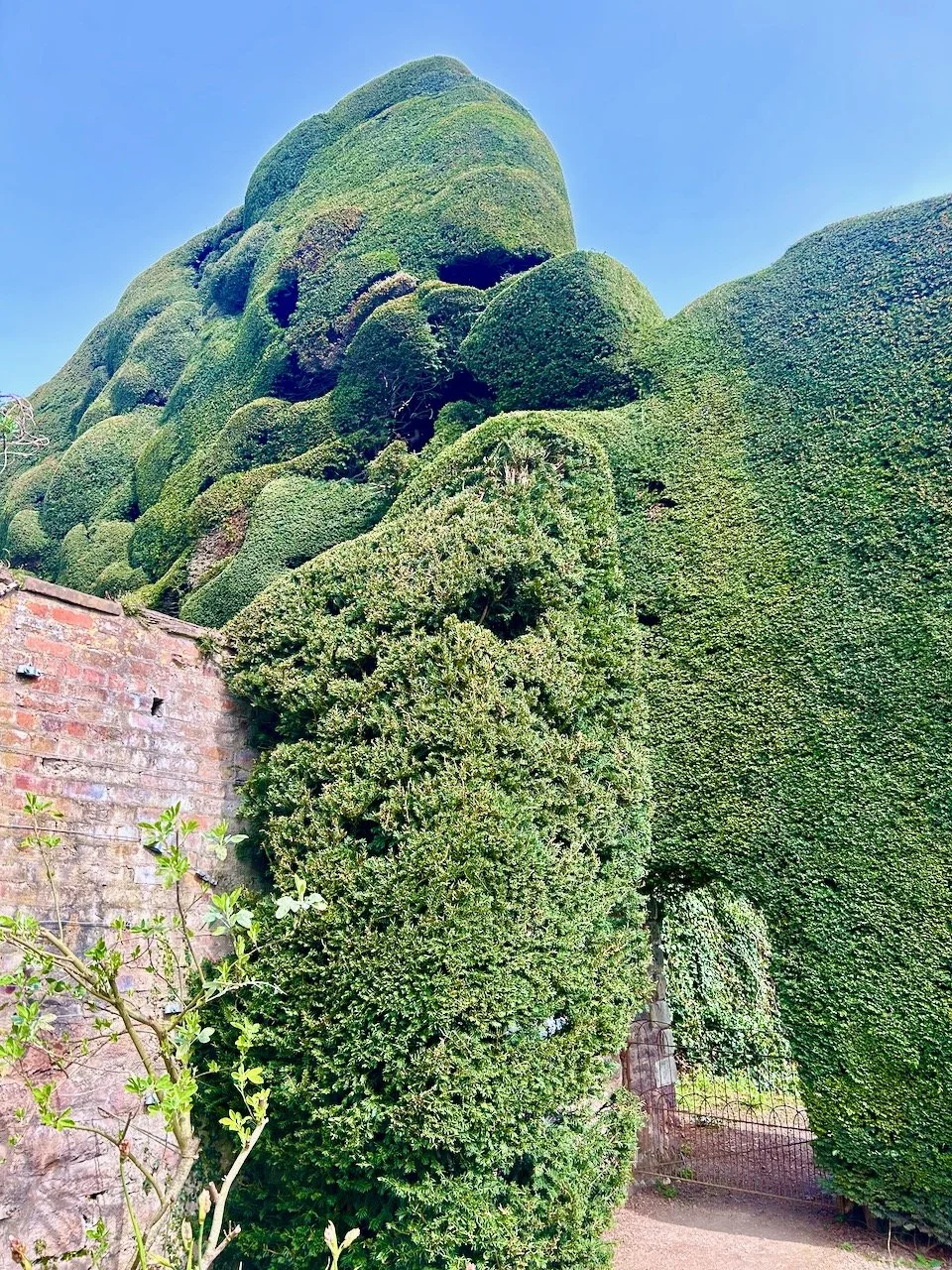
A gateway cut into the yew topiary which towers above the 8ft+ brick wall and beyond
Yew topiary and the castle
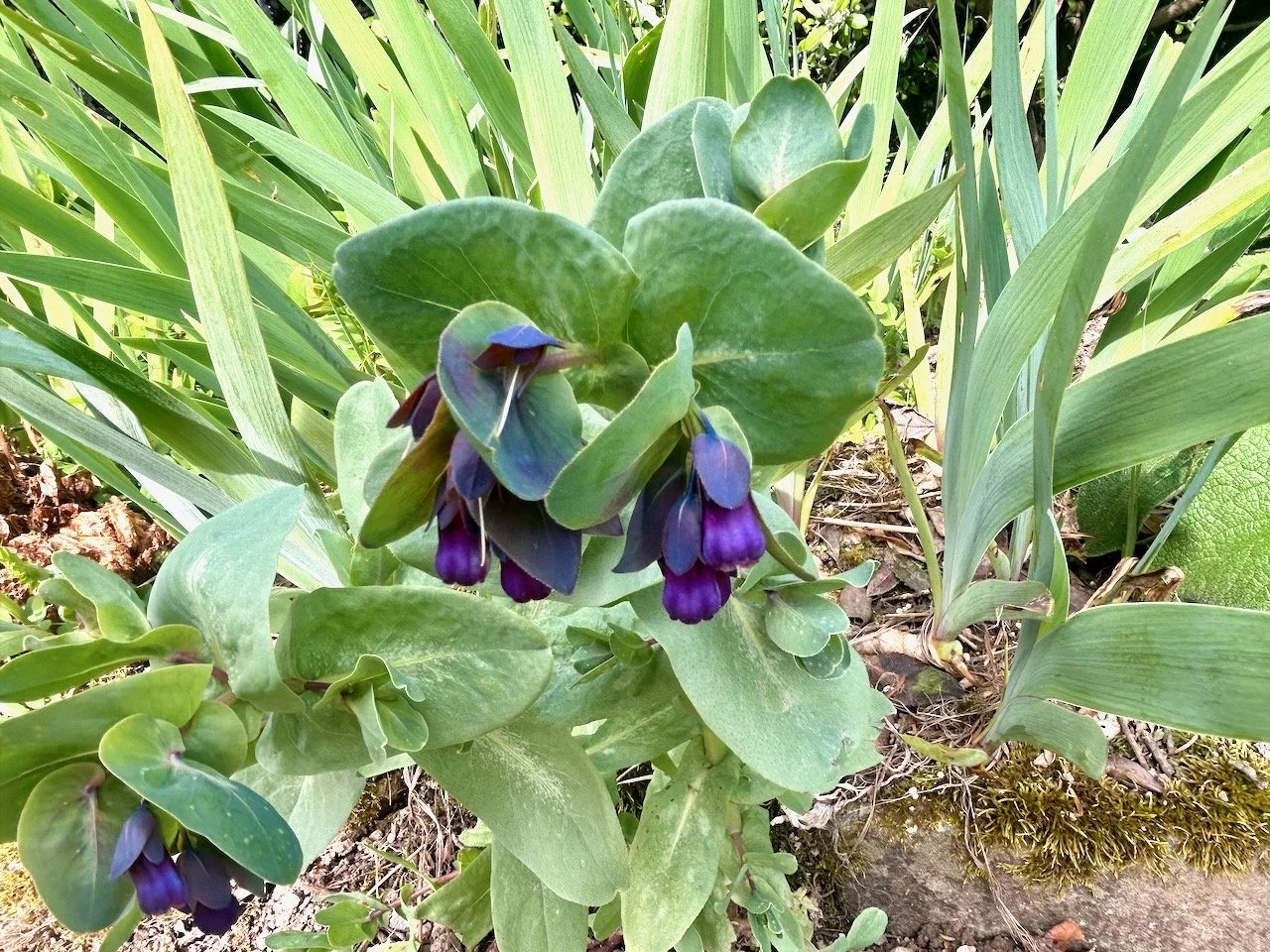
A small dusky purple 'wort' type plant
Another shot of the giant cloud like topiary

Like many great houses the gardens evolve and reflect both the fashion of the day and the desires of the garden’s supporter. The garden here at Powis owes much to Lady Violet, wife of the 4th Earl of Powis who set out to make it ‘one of the most beautiful, if not the most beautiful in England and Wales’.

She worked on the garden for 18 years enriching the planting on the terraces and adding new shrubs and perennials. Her biggest contribution was to relocate the Kitchen Garden, including the glasshouses, to a new position out of sight of the castle and in its place she created the picturesque formal garden, complete with a croquet lawn, cottage style flower borders and meticulously trimmed fruit trees.

Looking across the Severn valley with the formal garden in the foreground

The garden remained unchanged after her death in 1929, until 1952 when it came under the care of the National Trust. They have continued to pursue her ambitions while preserving its many layered historic structure.

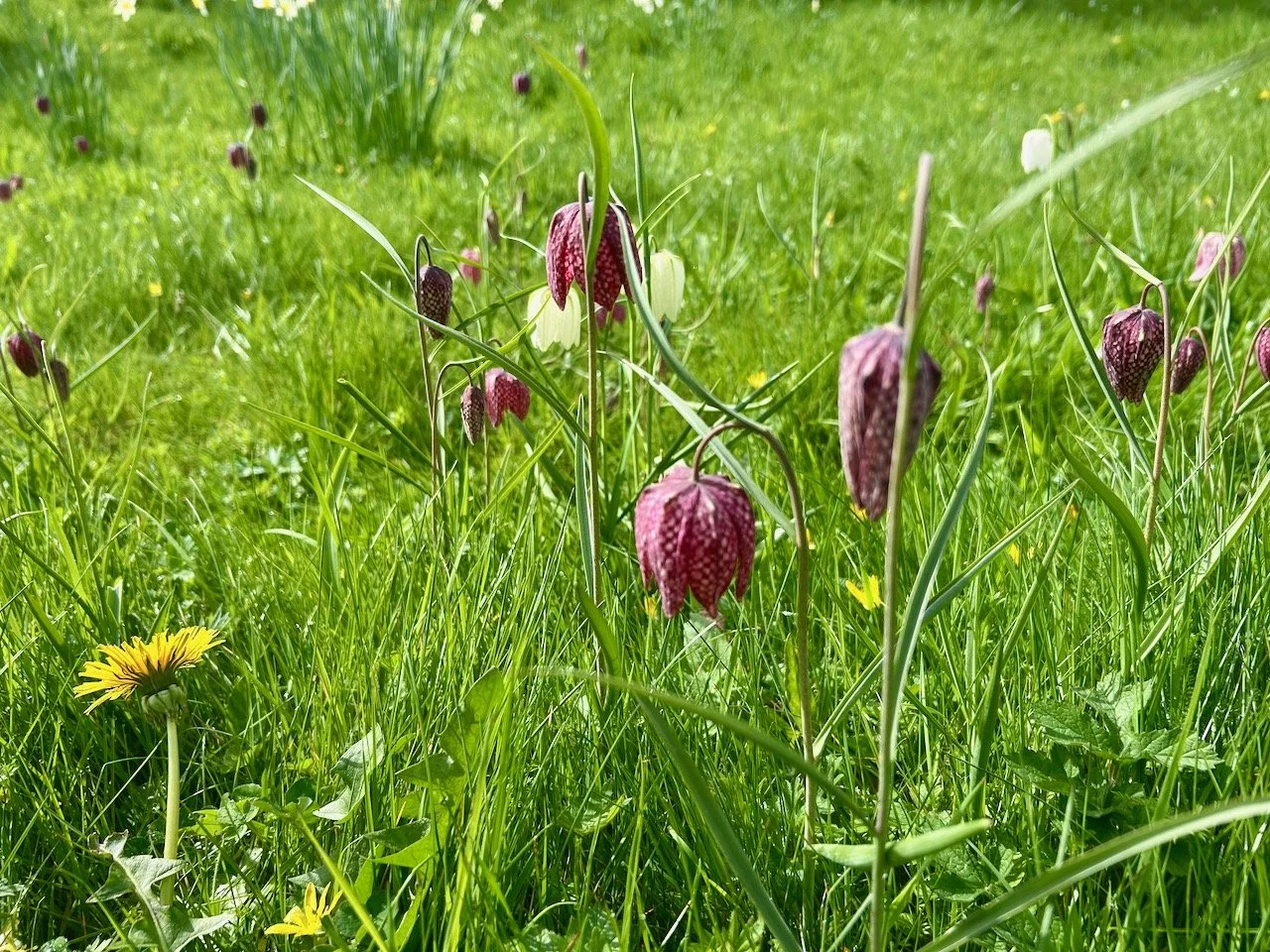
frittilaries and the odd dandelion in the grass
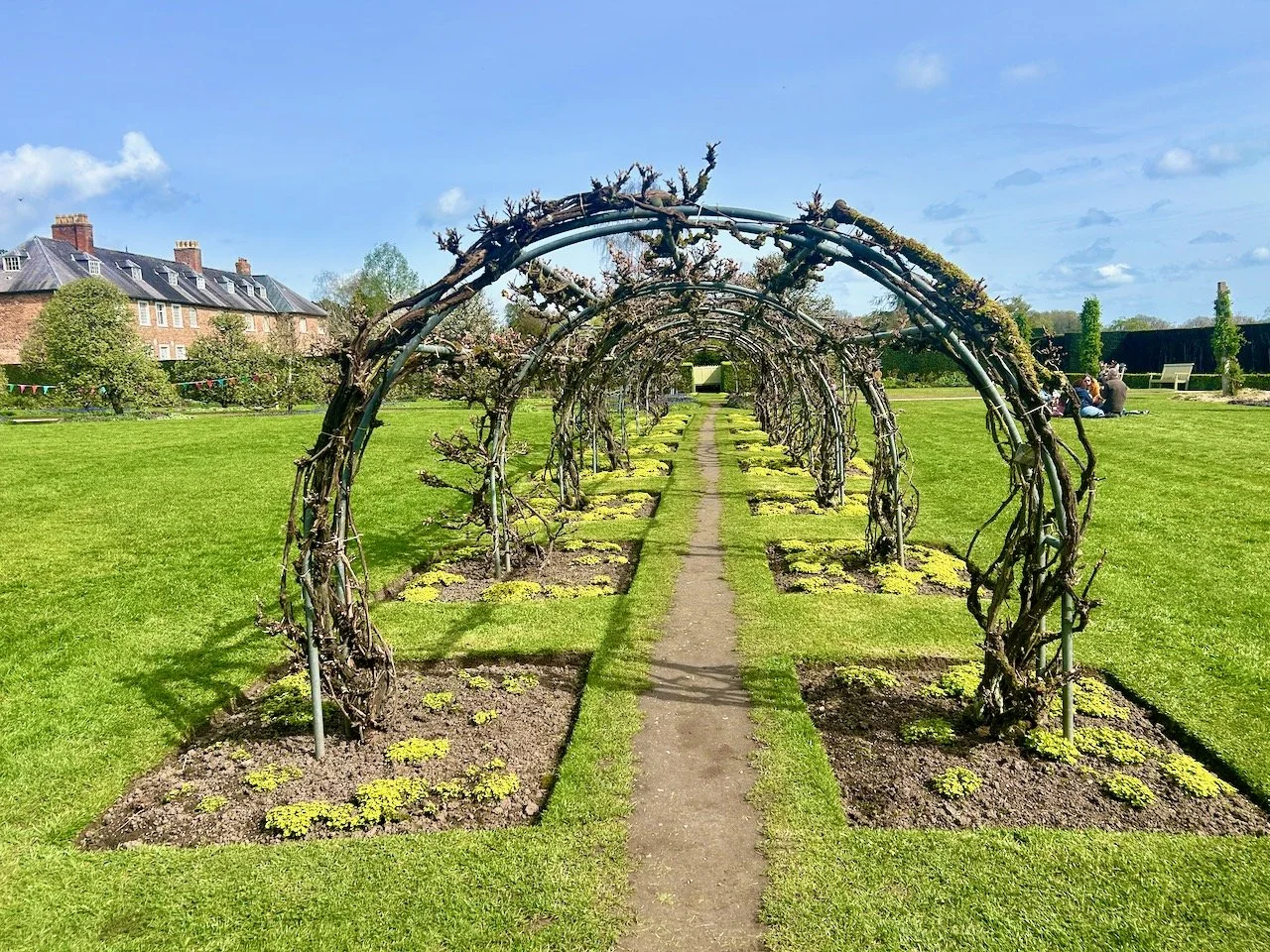
An archway of roses (not yet in leaf or flower)
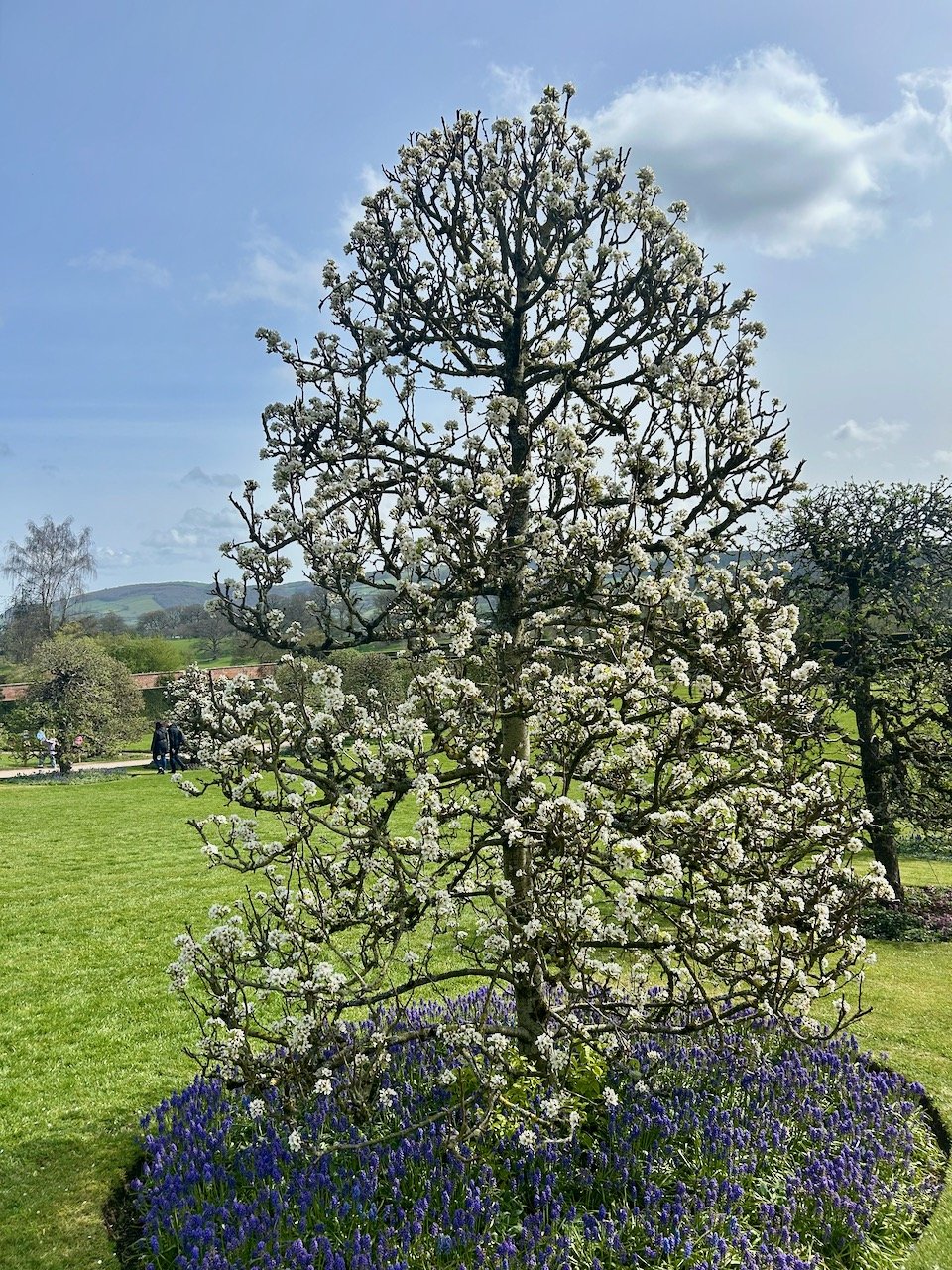
One of the shaped fruit trees at Powis Castle

It’s a fantastic space and I’m sure will be even more stunning when it’s in full flower. We visited in early April, and the magnolias were getting going and much of the terraced borders were coming into bud. I’ve so many more photos of the terraces to share, but I’ll save these for the next post.

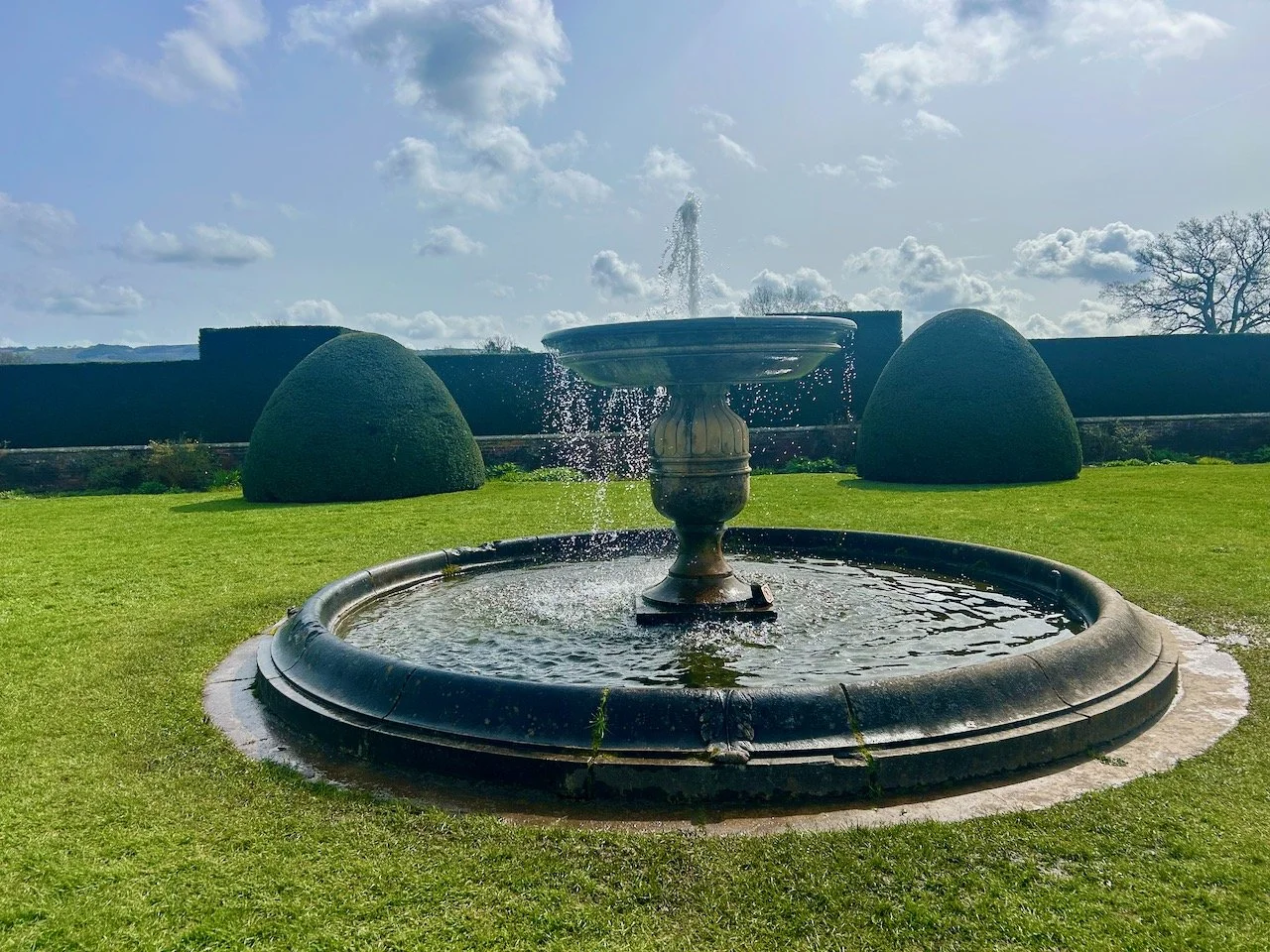
The fountain in the lower part of the garden among more yew 'flump like' topiary
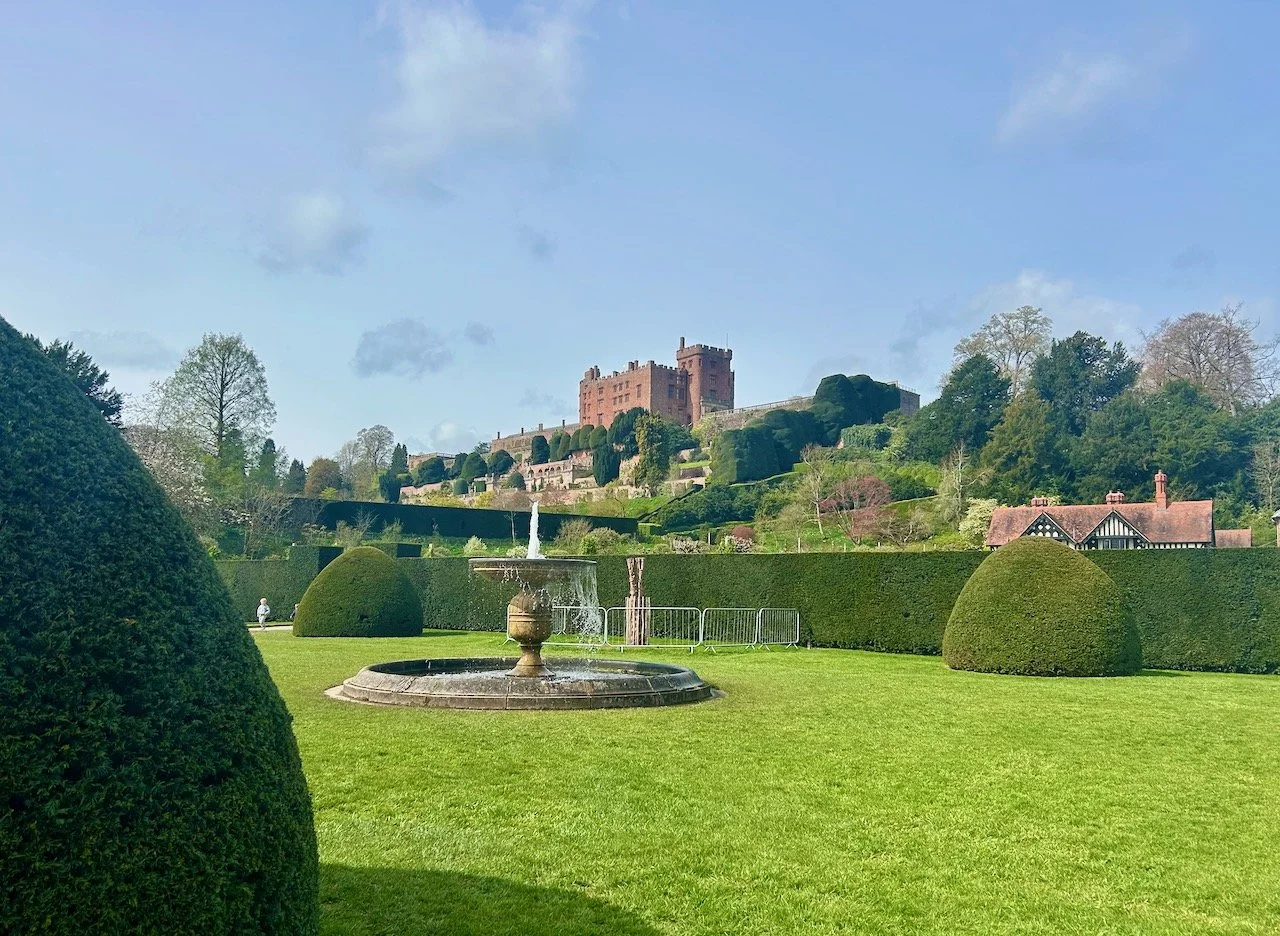
Looking back from the lower level up towards the castle and the terraced garden

And the view from the bottom of the garden looking up at the castle, is just as good as the one from the top looking down. Now that’s the sign of a great garden isn’t it?

A quick look at miniature quilts

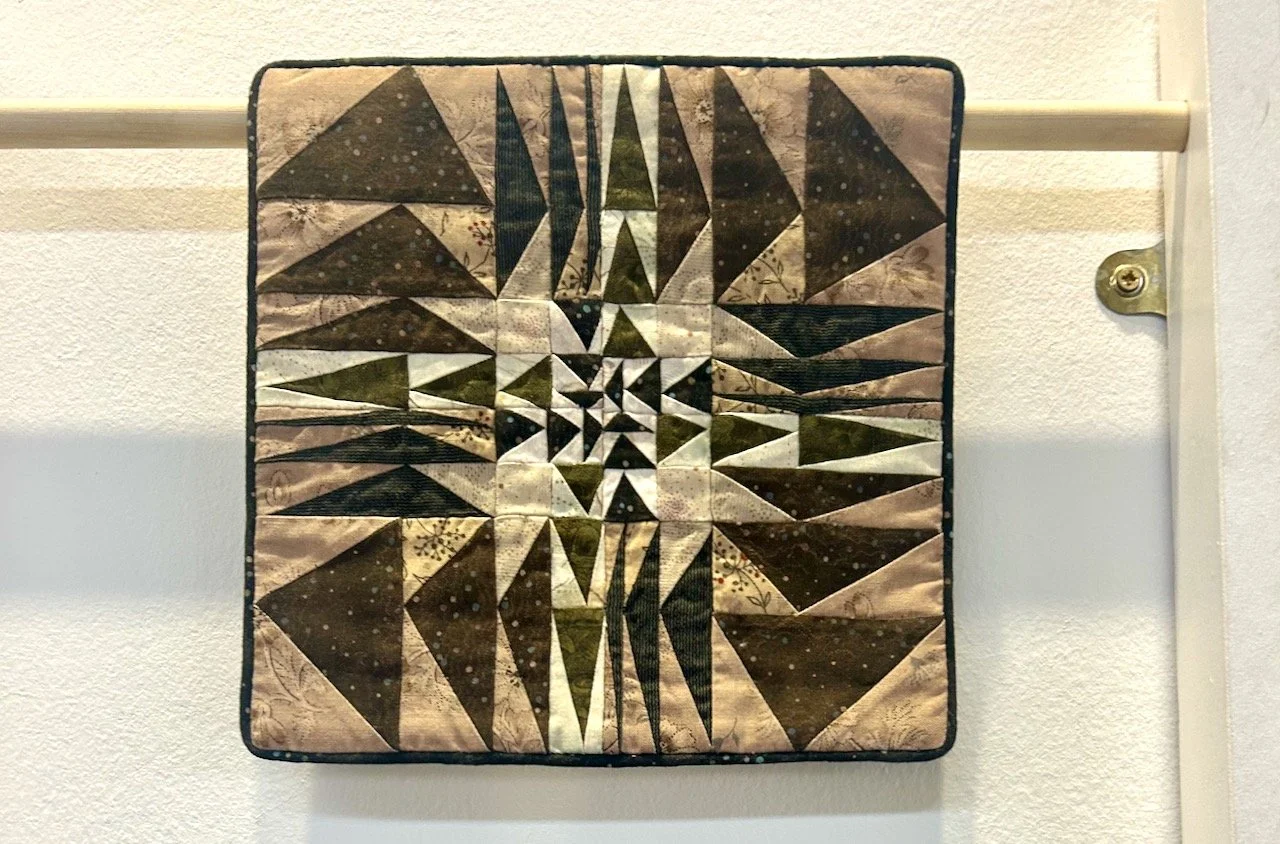
Unsurprisingly the miniature quilts category at Festival of Quilts was full of tiny quilts, and by tiny I mean small. The flying geese one below is the approximately a hand’s length, so considering the size of many of the quilts on display, it’s teeny tiny!

The category guidance says that any technique or combination of techniques can be used, and the maximum length of any side is 30cm. It also says that in a photo (without any indication of scale) it should look like a full size quilt or wall hanging.

And these definitely do. Though I can’t get over the sizes of the centre geese in this miniature quilt.

GEESE IN A SPIN, JENNY ANDERSON - FESTIVAL OF QUILTS 2025

GEESE IN A SPIN, JENNY ANDERSON

Would you have known this one was the length of my SIL’s hand? (BTW she has a normal sized hand in case you were wondering!) I’m not sure I would, and I’m also pretty sure I don’t have the patience (or the skill) to create something so intricate and so small.

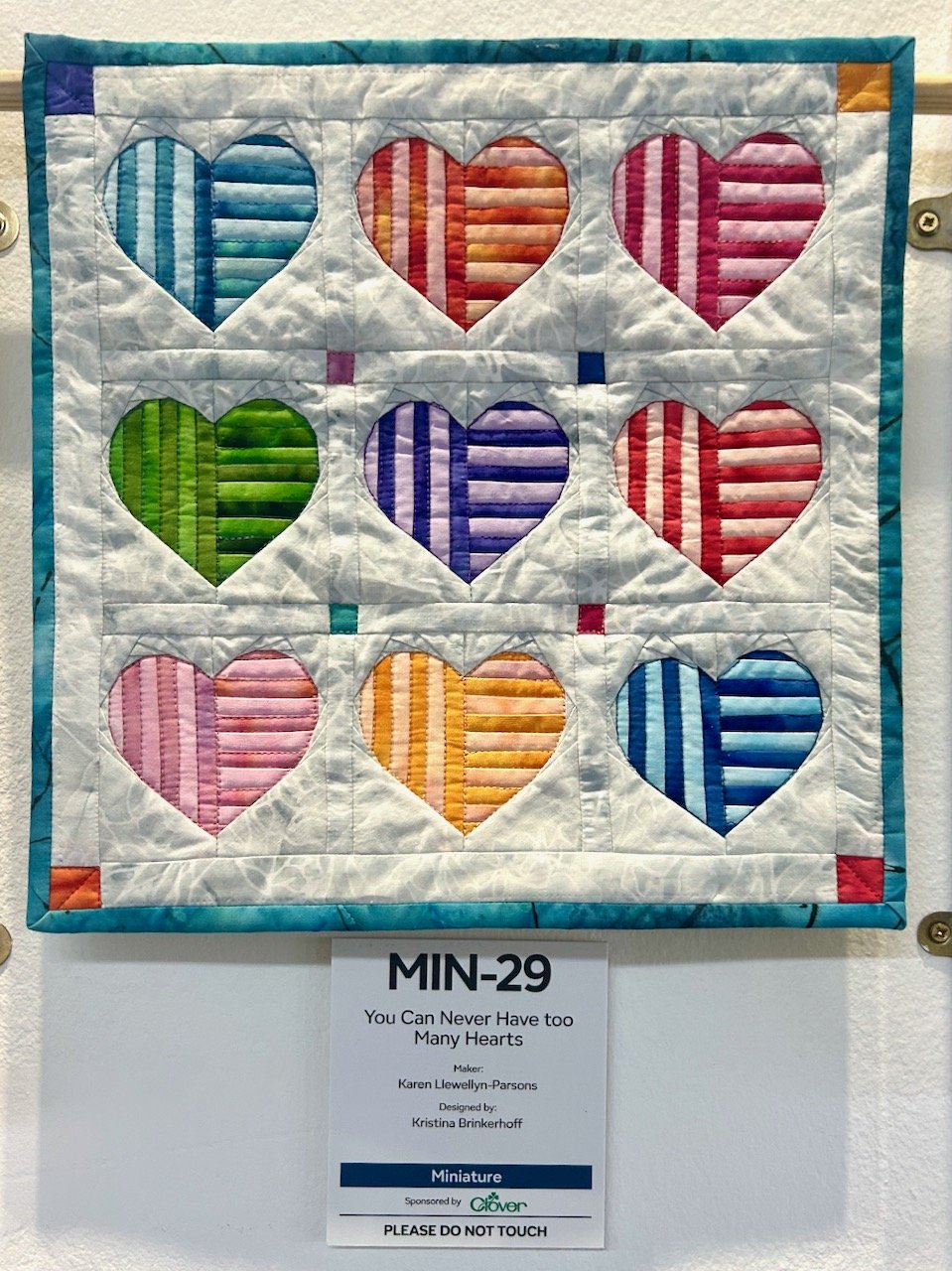
While there were many miniature quilts on display, I only seem to have captured three of them. I think I must have been so wowed I forgot all about capturing all but my very favourites, and I totally agree with the title of this next one - you can never have too many hearts. Especially stripey ones!

YOU CAN NEVER HAVE TOO MANY HEARTS, KAREN LLEWELLYN-PARSONS - FESTIVAL OF QUILTS 2025

YOU CAN NEVER HAVE TOO MANY HEARTS, KAREN LLEWELLYN-PARSONS

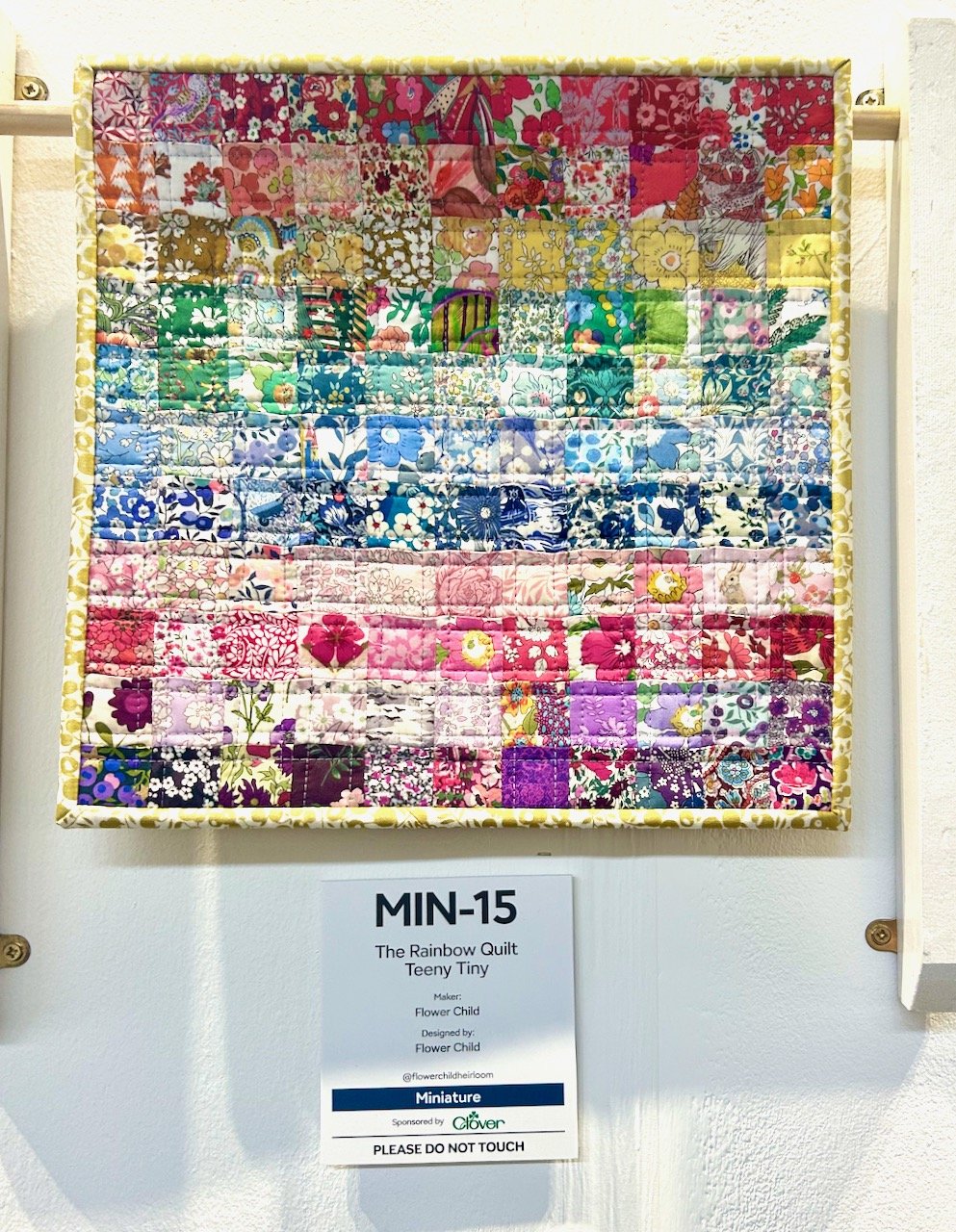
This final teeny tiny quilt is my favourite. You know I love a rainbow and a Liberty fabric rainbow is even better.

THE RAINBOW QUILT TEENY TINY, FLOWER CHILD - FESTIVAL OF QUILTS 2025

THE RAINBOW QUILT TEENY TINY, FLOWER CHILD

Isn’t it gorgeous.

And I guess that I need to pay more attention to this category when I’m back at this show later in the year, though it’s also quite fitting that it’s a tiny post for a tiny subject matter!