




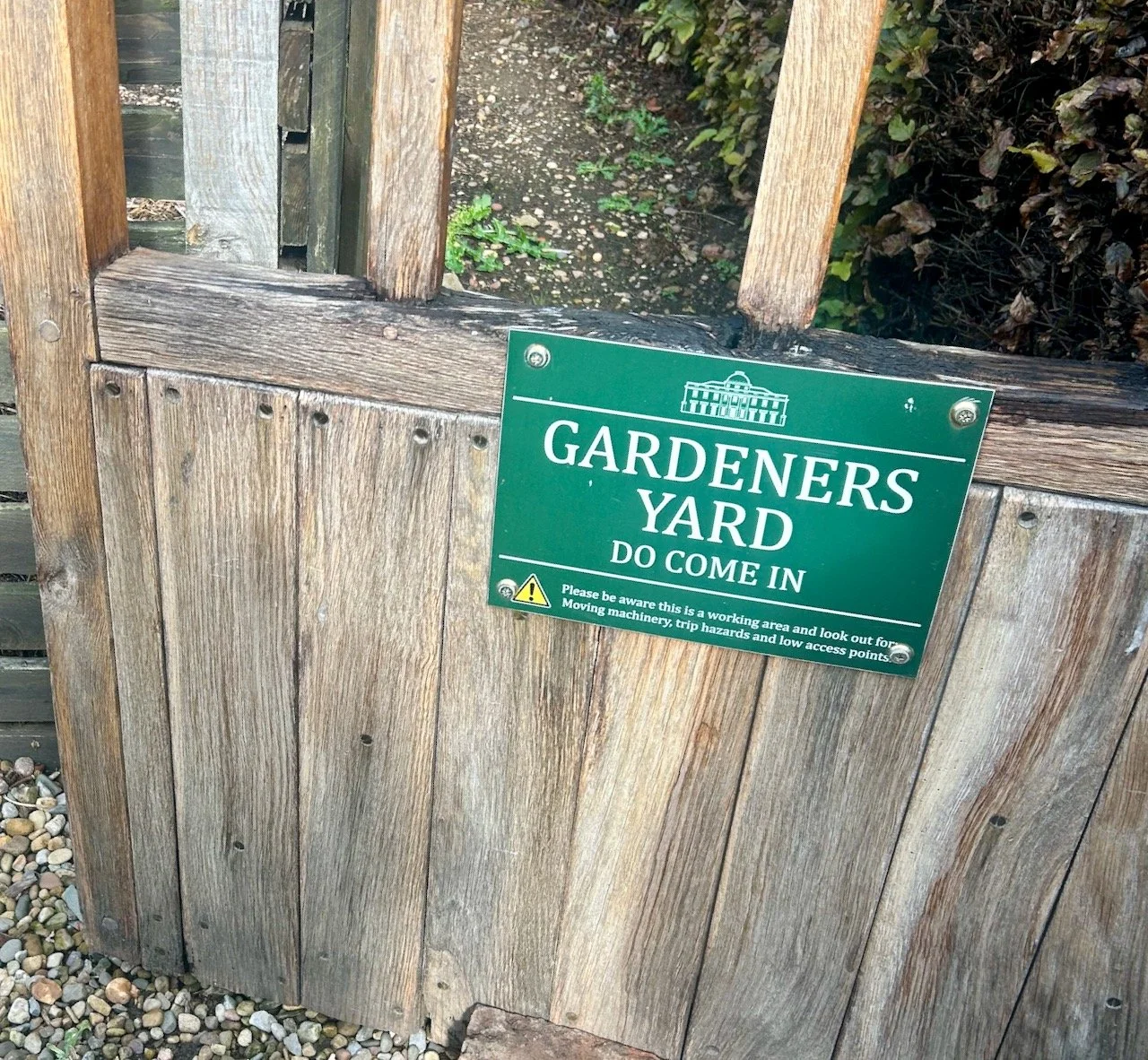
I said in an earlier post in this series that there’s nothing better on a garden gate than a sign welcoming you in, especially when it’s an invite into a working part of the garden, which for me is just as interesting as the more public facing aspects of a garden.
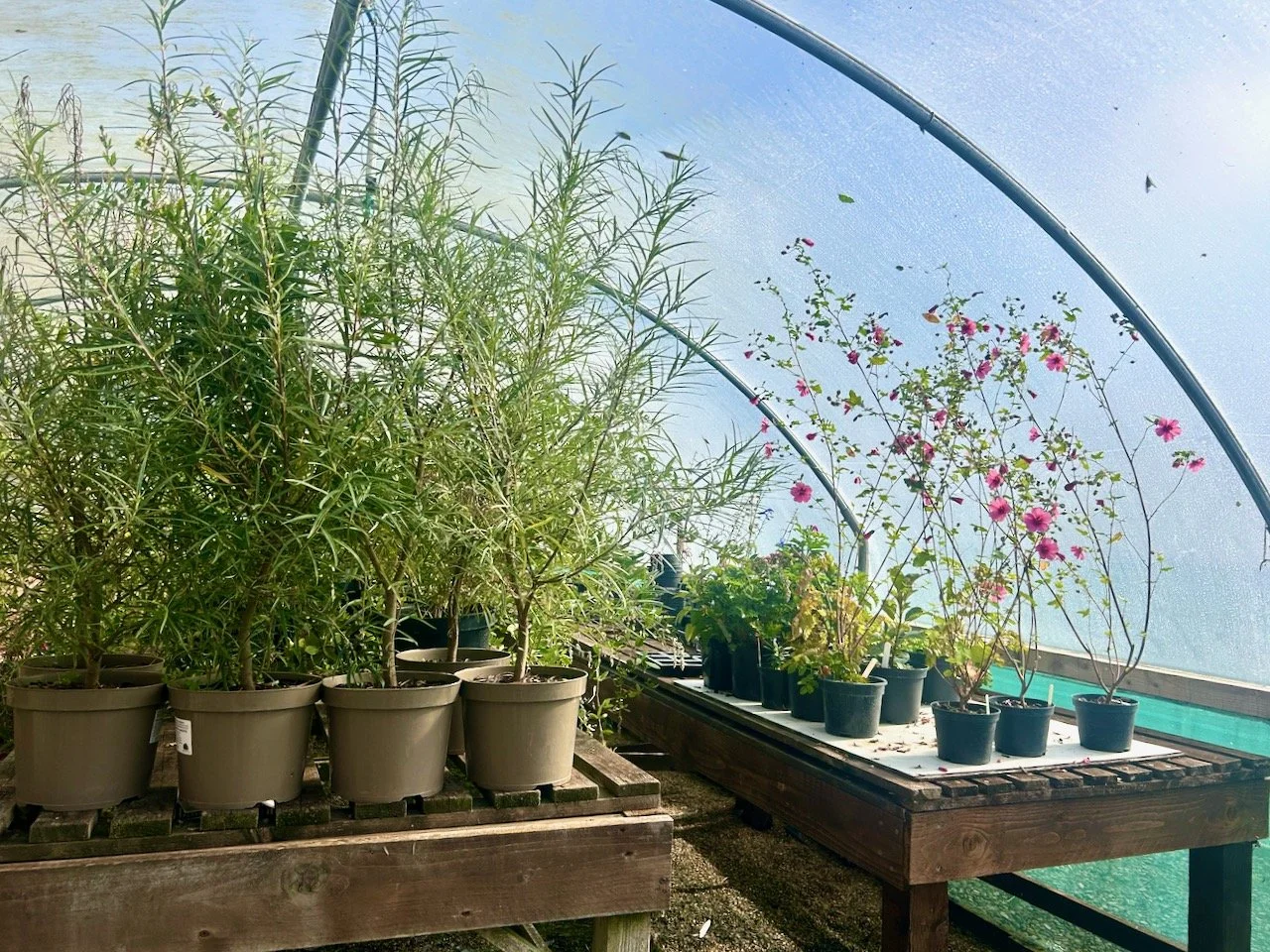
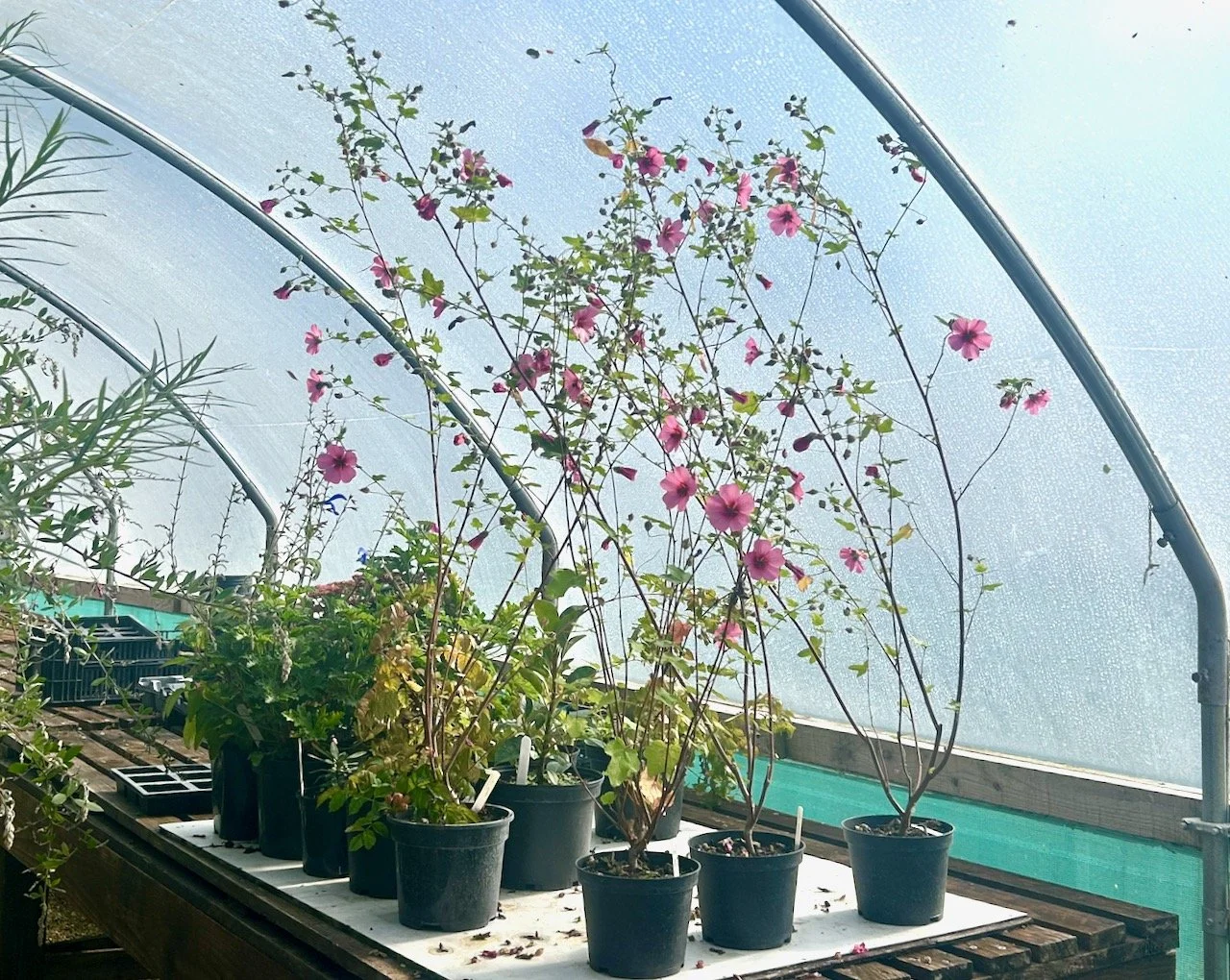
So it was great to be so warmly welcomed into the Gardeners Yard and their polytunnel, which even though it was a proper working space still looked pretty with the pink flowers on the right growing up against the bend of the tunnel’s outer covering.
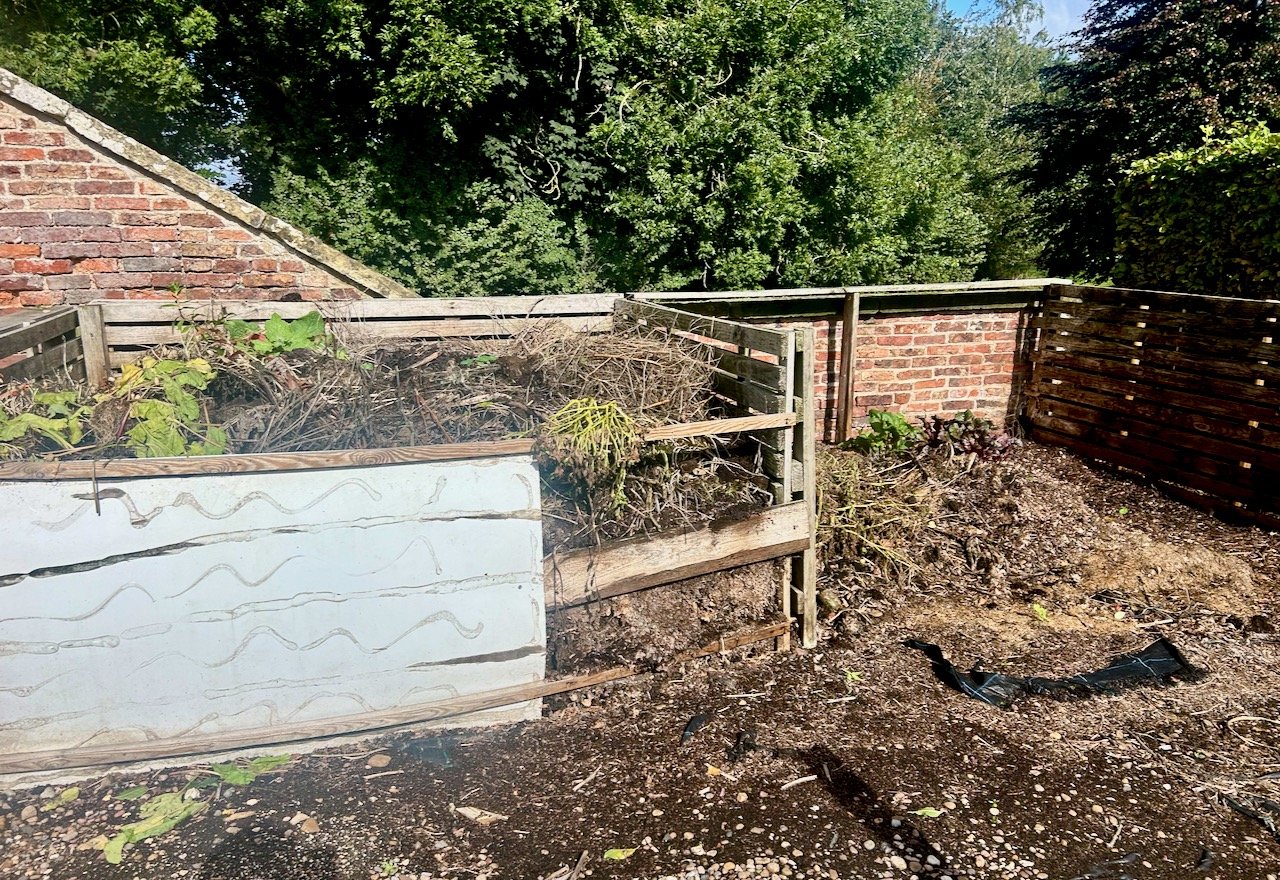
I’m always interested to see the compost area, and this one was pretty sizeable, as you’d expect for a larger garden. I like the open bay approach to these compost ‘bins’ but clearly I won’t need anywhere near as big in my own garden - and where to site that is a bit of a headache too.
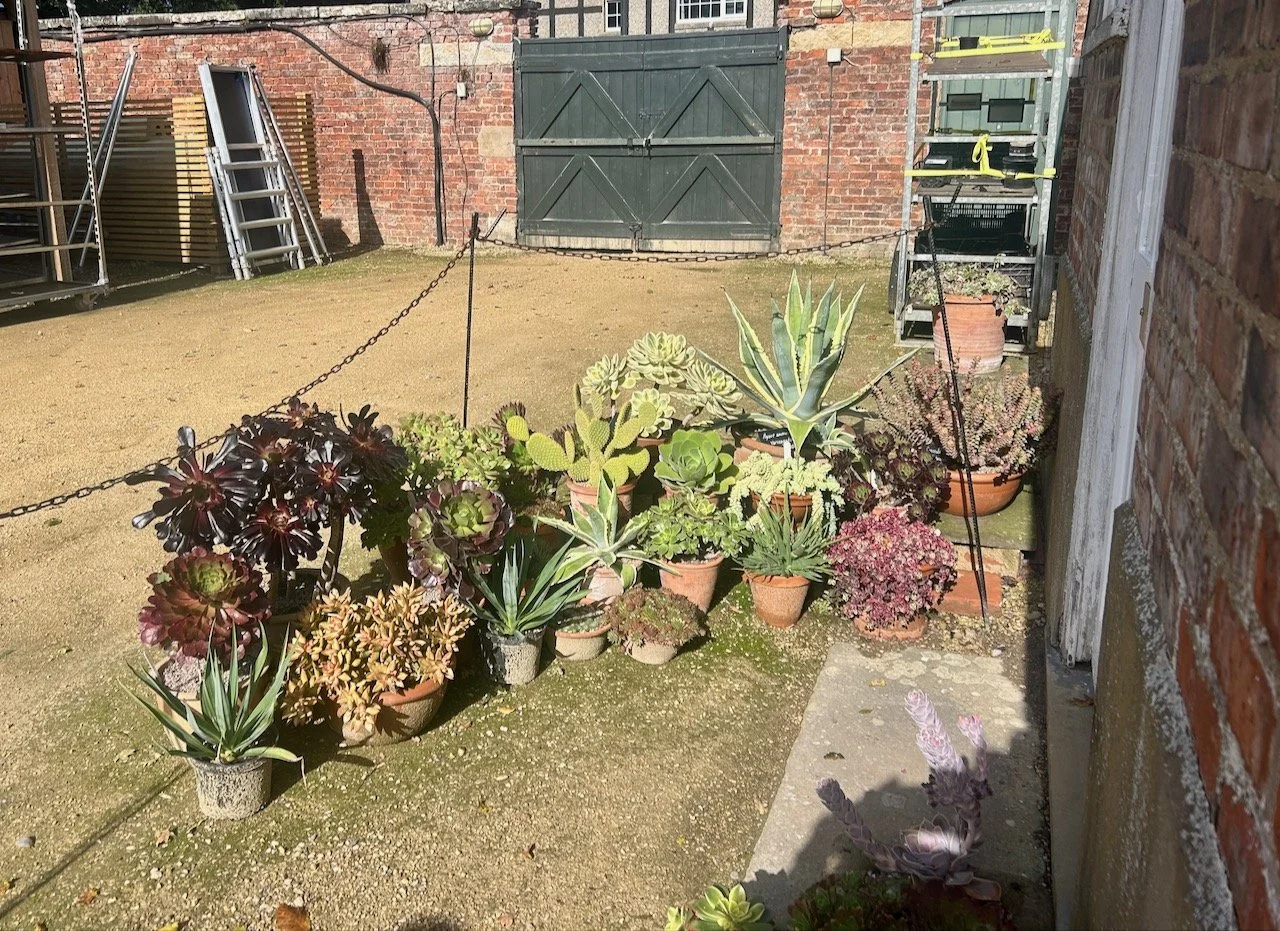
At the far end of the Gardeners Yard was the Arid House and as you can see many of the plants were enjoying the sun when we visited, and with my own growing collection of succulents I was keen to see the leaf shapes, the sizes of pots used and how the pots were organised.
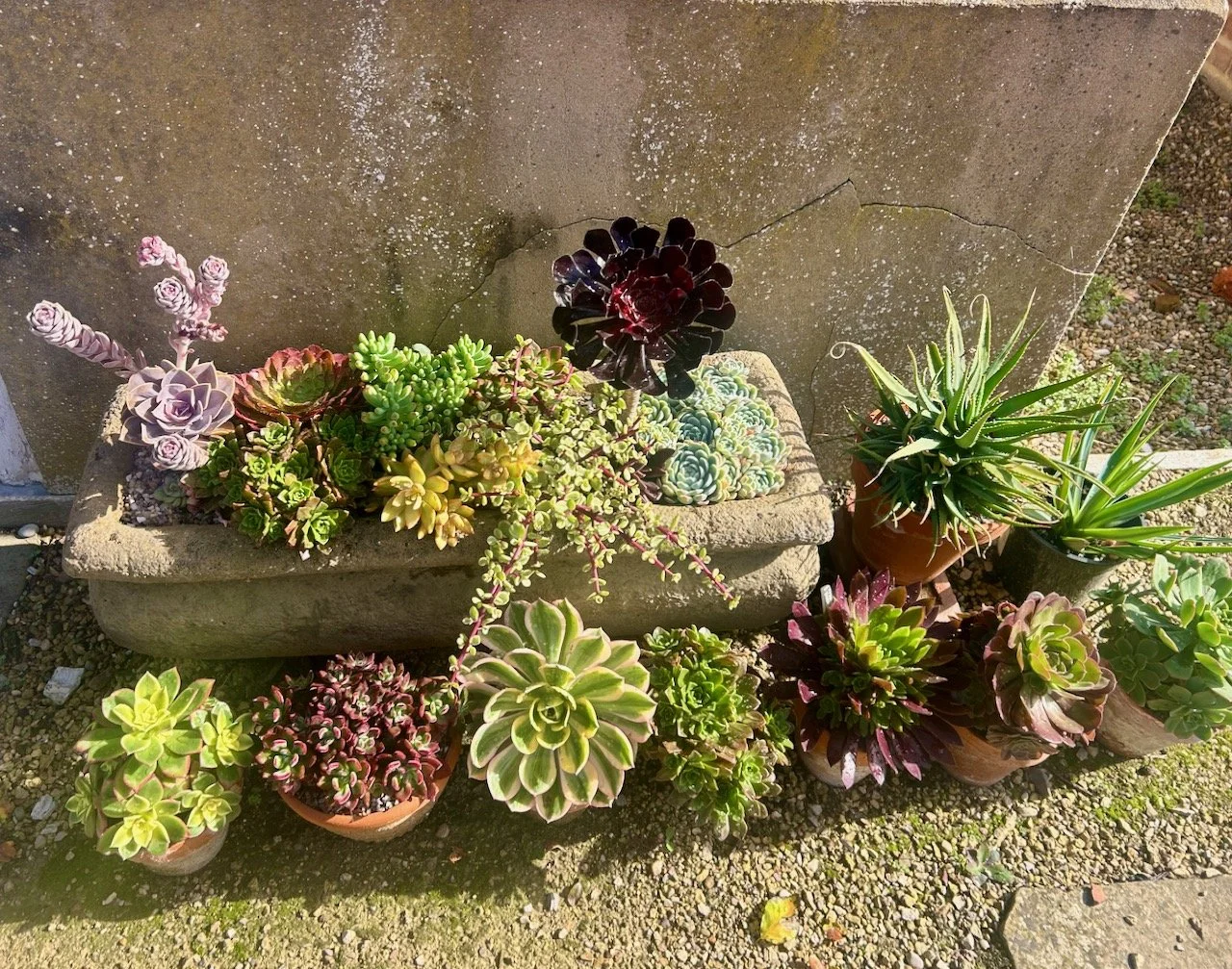
And also I thought to myself that I should keep an eye out for my own stone trough, as these look great in that don’t they?
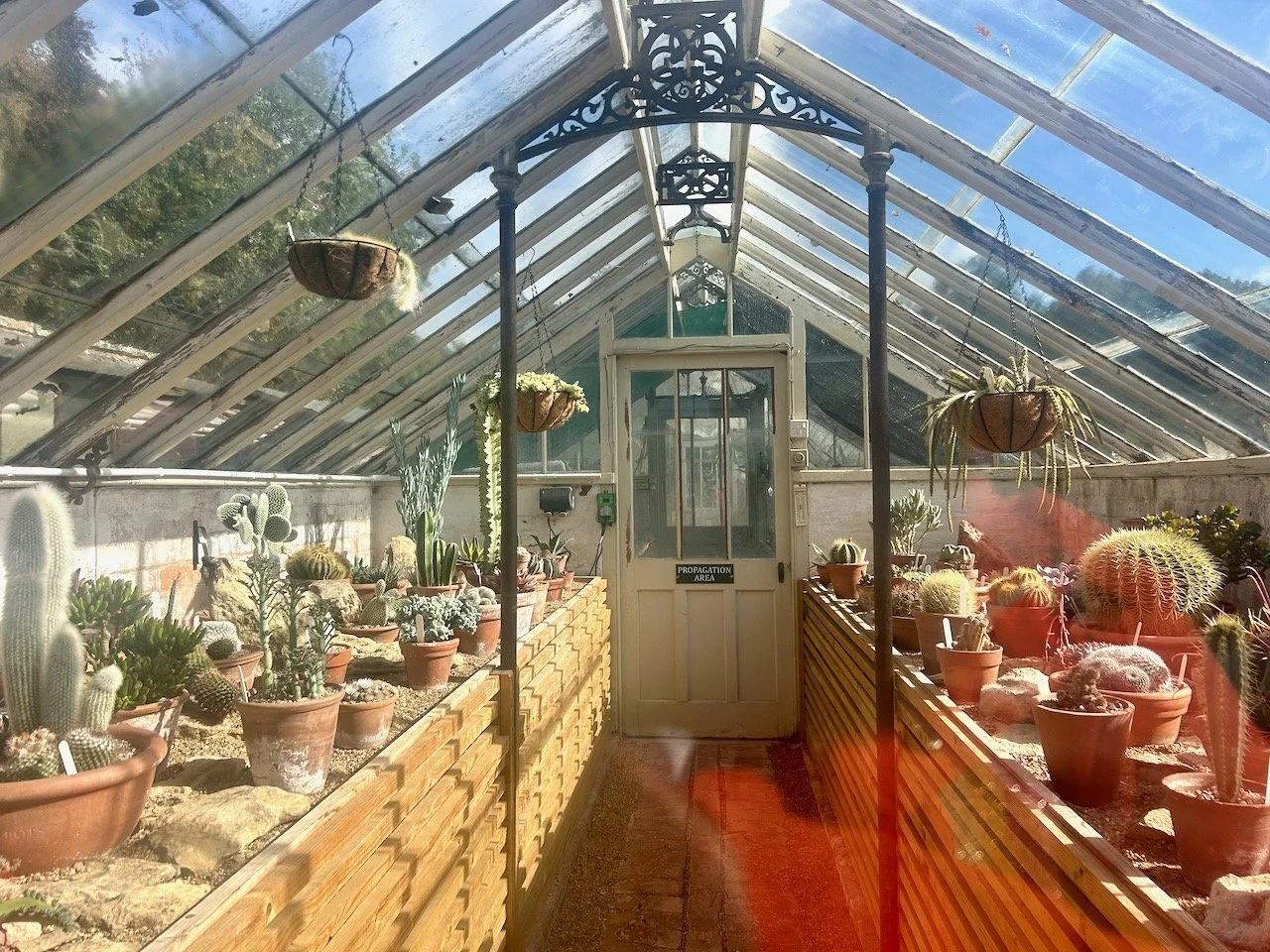
The Arid House wasn’t actually open but I did my best to get a shot through the window and to imagine the temperature inside.
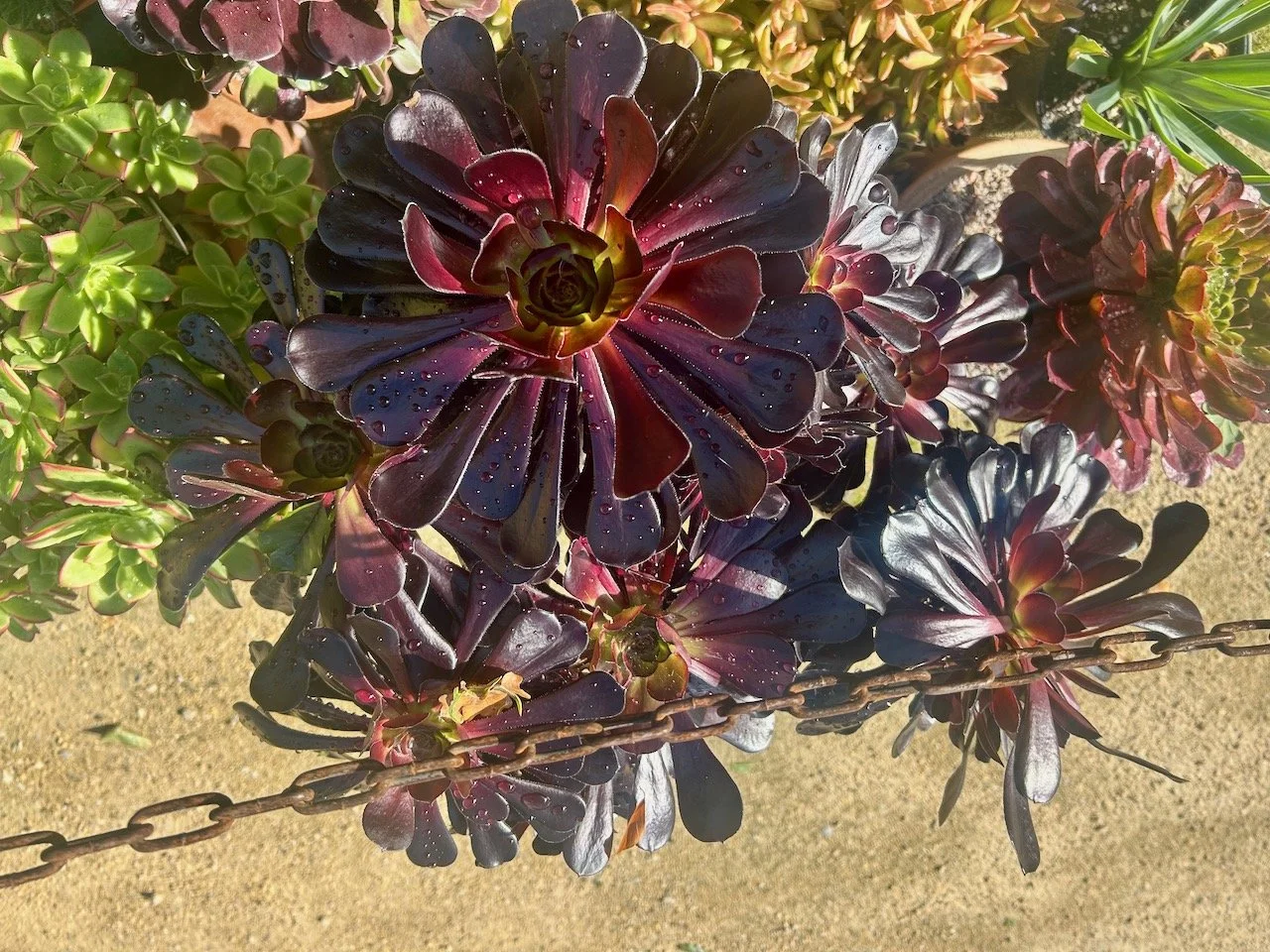
And as we left the Gardeners Yard behind us I was reminded just how much I love, and how beautiful, the aeoniums are. I need more of these, though I need to learn how to overwinter them properly as my single plant is looking decidedly sorry for itself. There’s always something to learn when we’re gardening though isn’t there?