
The Cascade Circuit

In this last in the series of posts from Scampston Hall in North Yorkshire join me for a walk around the parkland, and the Cascade Circuit, which is about a mile and takes in the wooded gardens and lakes around the Hall, with plenty of vistas along the way.
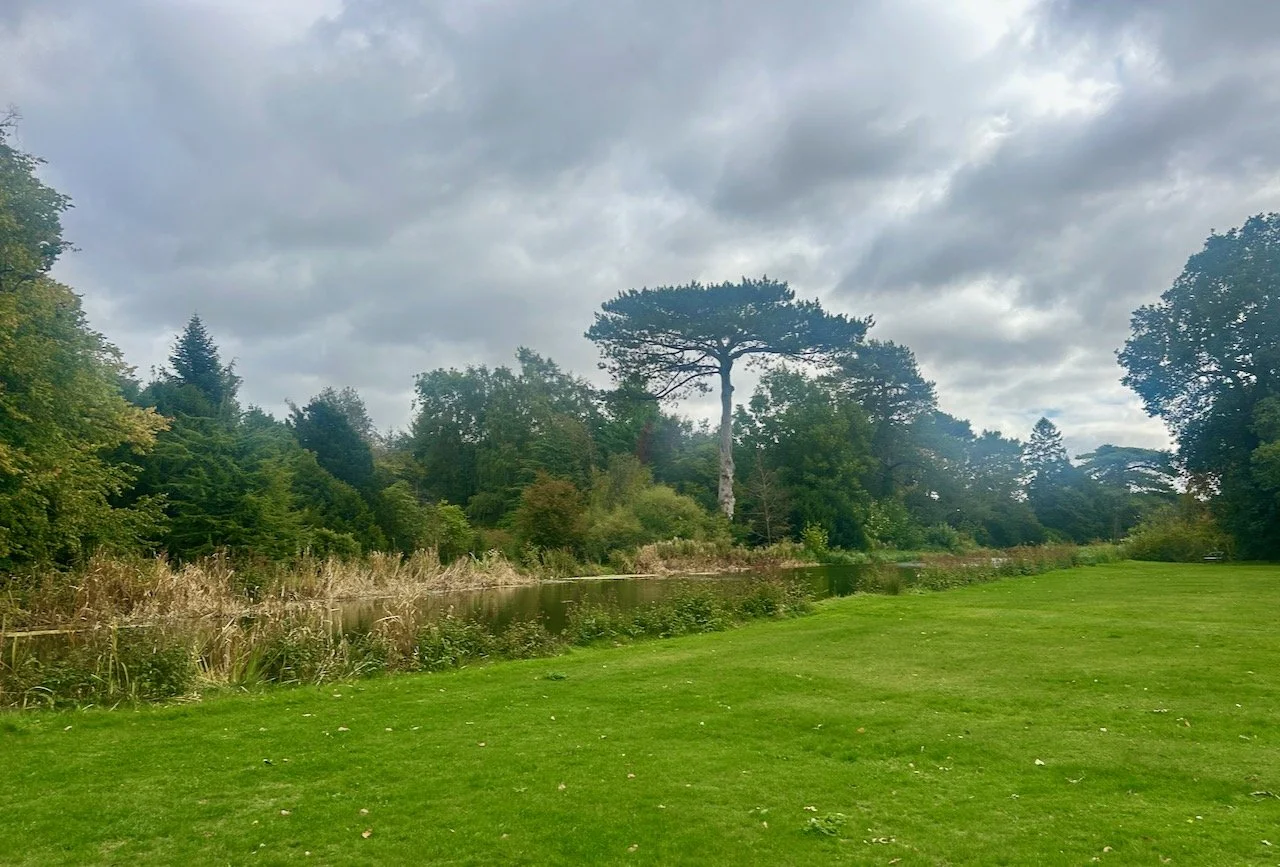
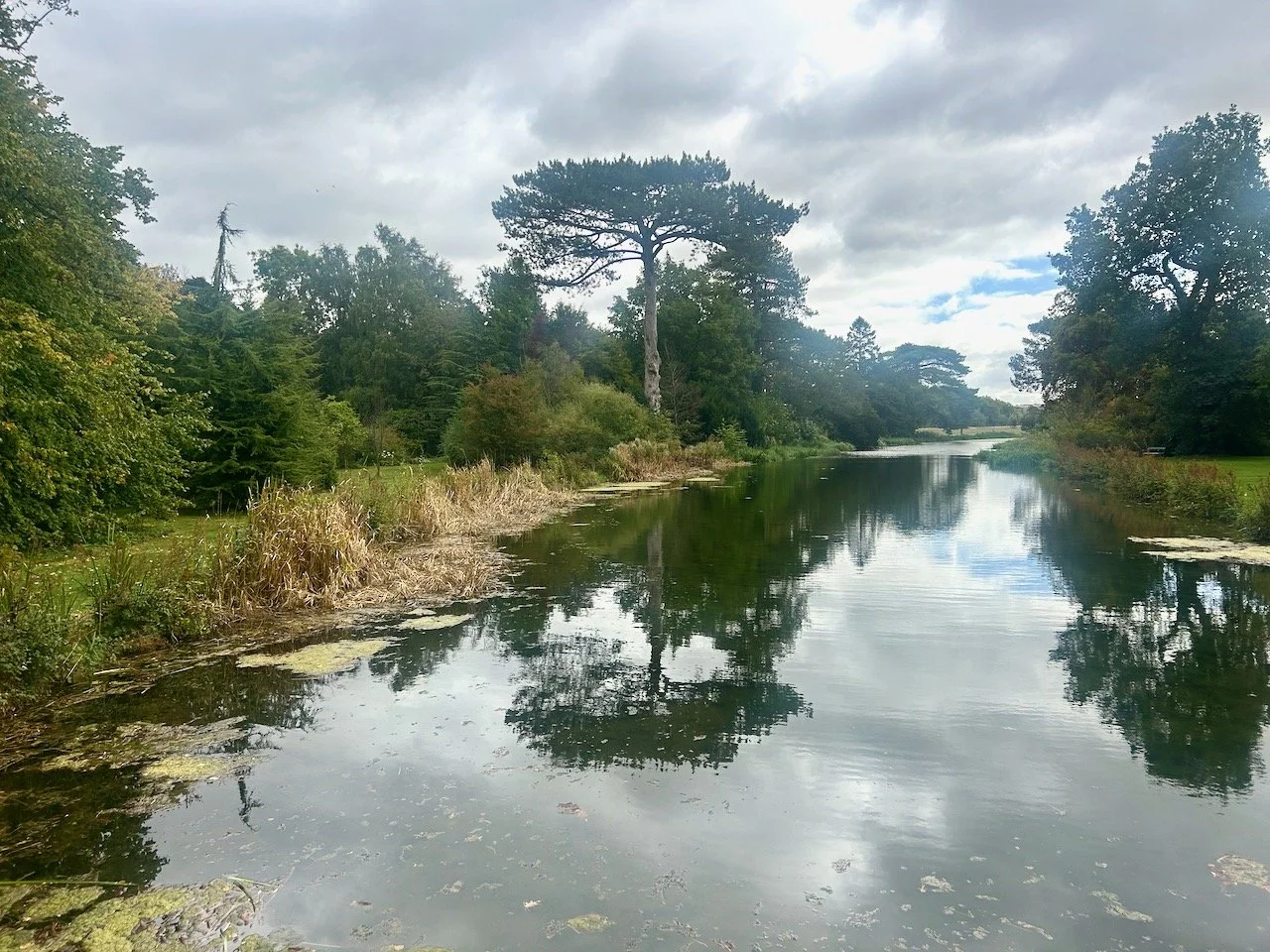
The parkland at Scampston Hall
A cedar reflected in the lake at Scampston Hall

The parkland was redesigned by Capability Brown following a request from the 5th Baronet in 1771 replacing an earlier eighteenth century garden. Capability Brown continued to visit over the years to monitor the progress as his plans were brought into fruition.

He designed the landscapes to be both practical and elegant, and the expansive lakes were made to appear as if they were a river running through the landscape. Similarly by using a ha ha and avoiding fences’ the parkland also appears to be indefinite. The house wasn’t open when we visited but it’s said that the views from the windows are spectacular and even today you can clearly see how he created vistas across the landscape, frame carefully by trees and other natural features.

Which is amazing really, as given how long ago the parkland was designed and how much nature tends to grow, as I’m discovering with my own garden after returning from holiday!
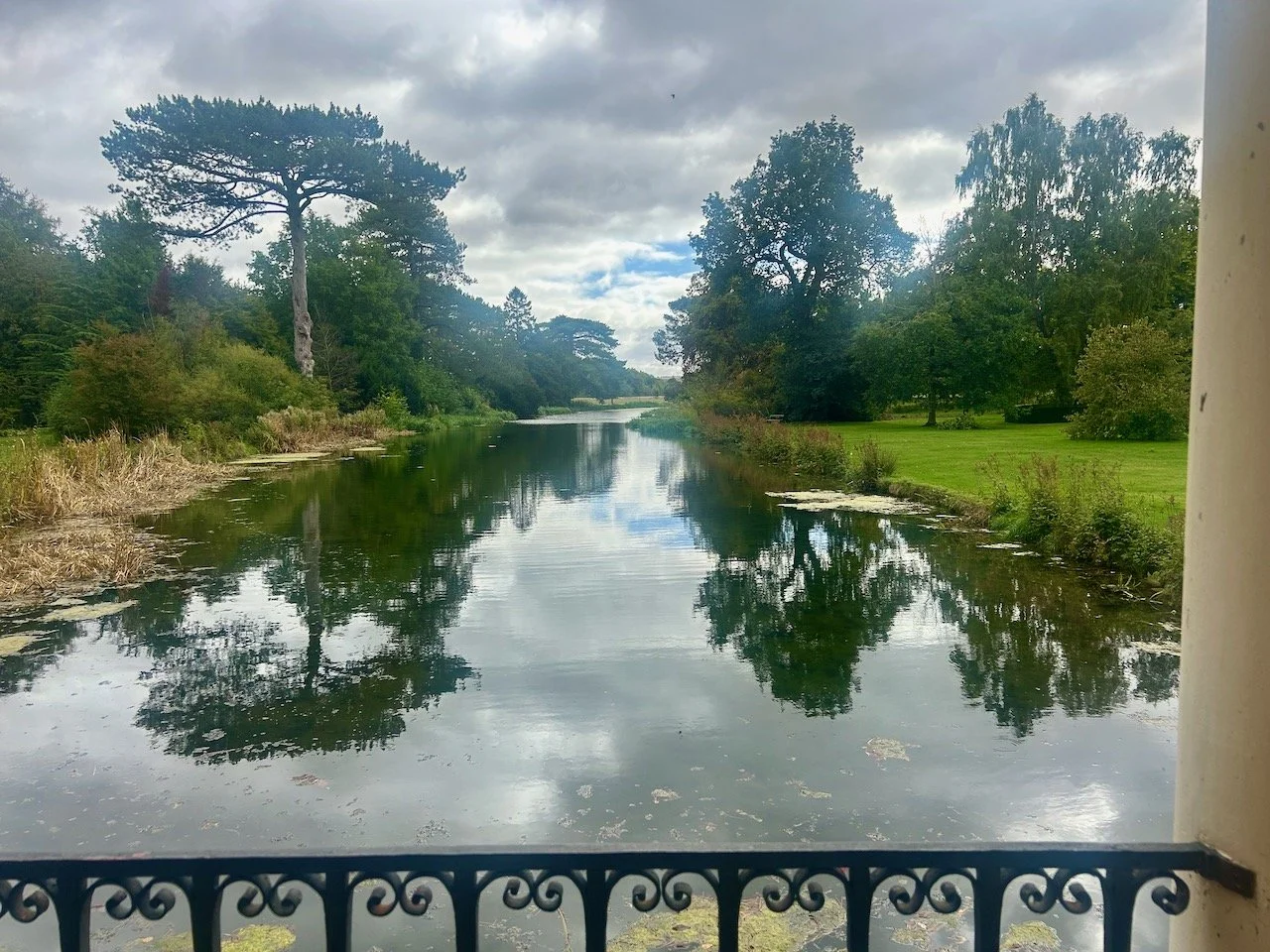
Looking at reflections in the lake standing on the Palladian Bridge at Scampston Hall
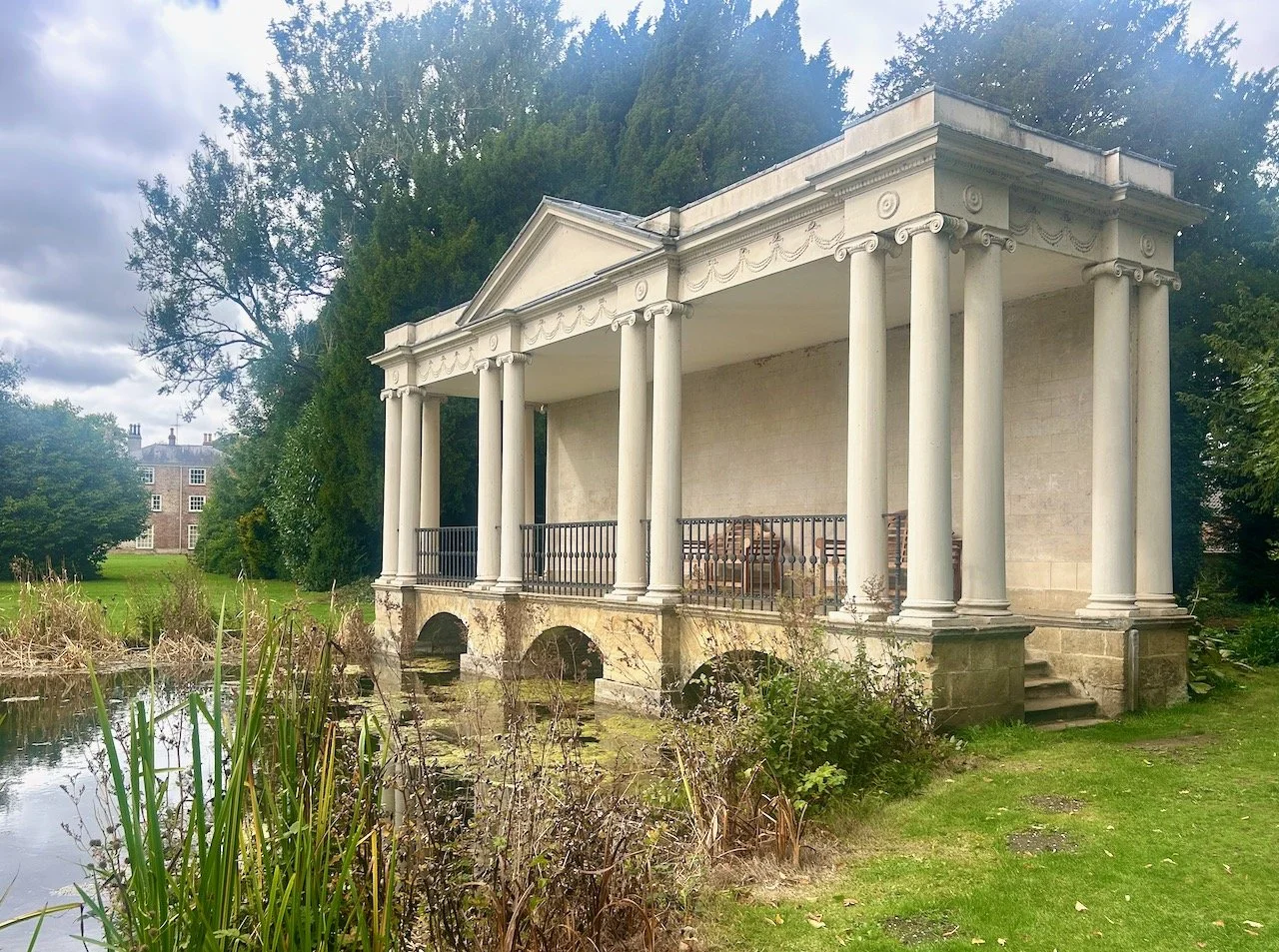
The rather grand Palladian Bridge at Scampston Hall

The views from the Palladian Bridge were spectacular; the bridge itself stands at the end of three linked lakes in the park it was designed by Capability Brown in the style of the renaissance architect Palladio and makes a great statement as well as acting as a dam for an existing stream.
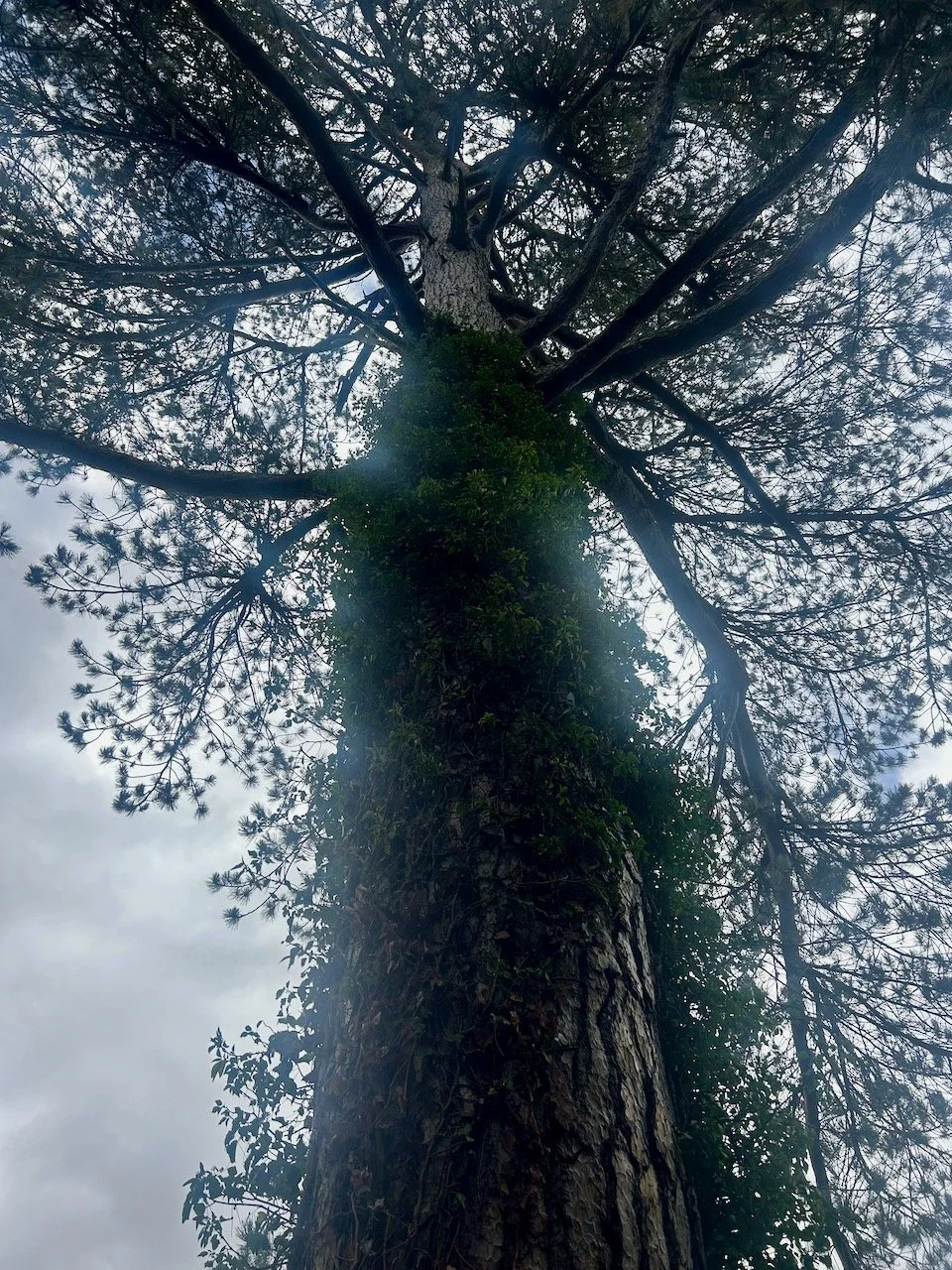
Looking up the trunk of one of the large trees at Scampston Hall

It looked like it might rain as we set out along the side of the lake towards the Cascade, but thankfully it held off.
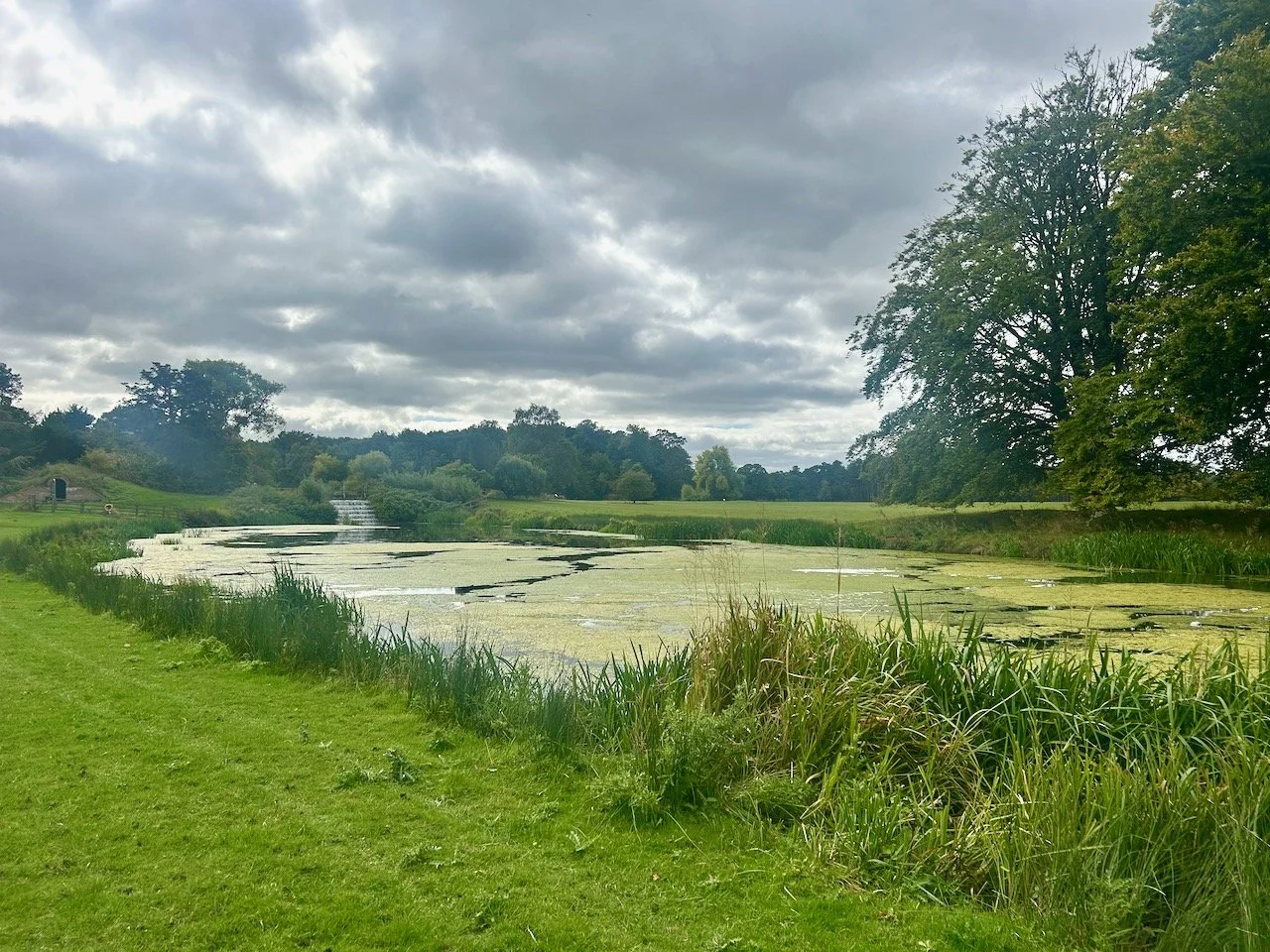
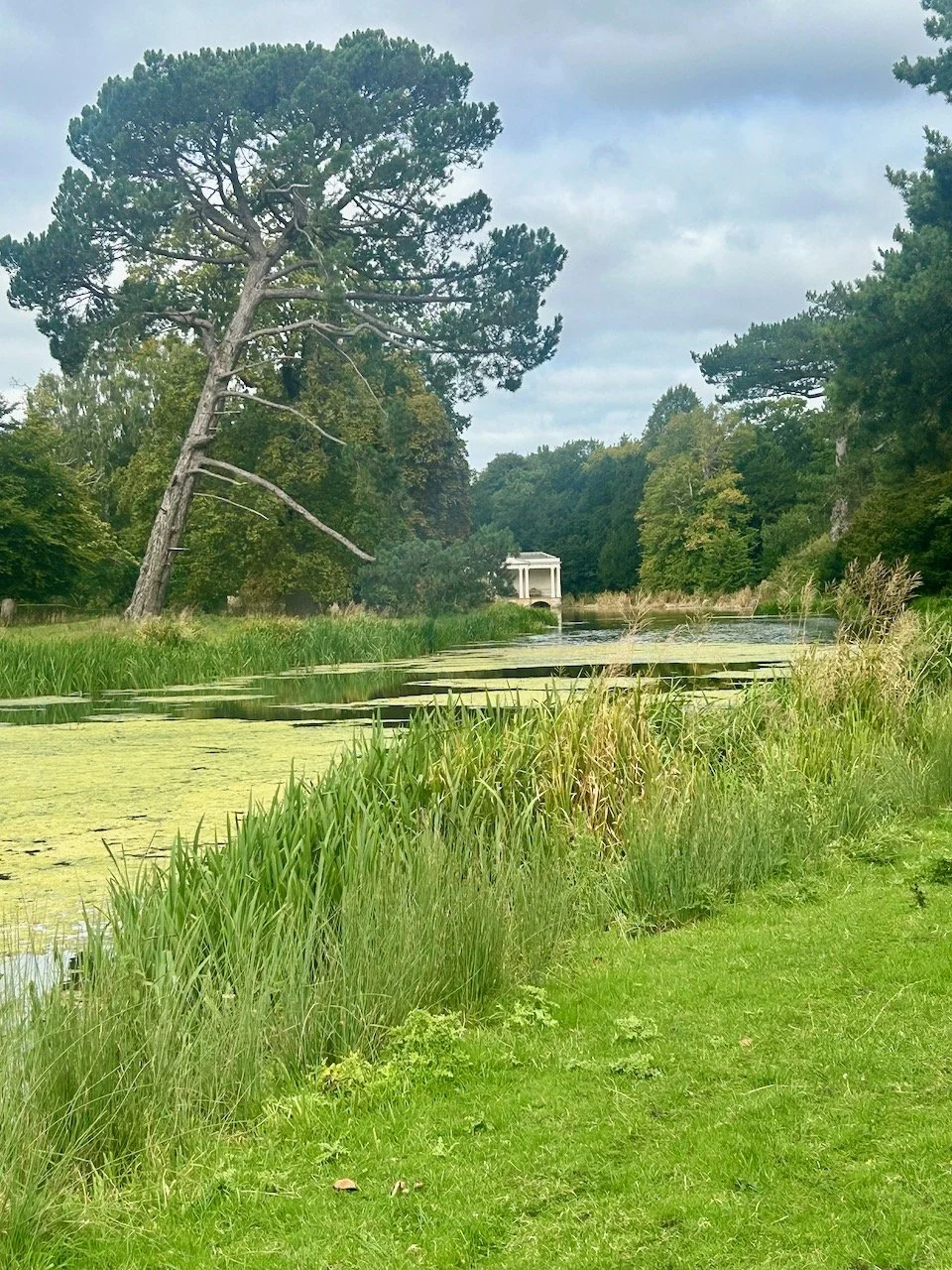
Midway along the lake at Scampston Hall looking towards The Cascades
Midway along the lake at Scampston Hall looking back towards the Palladian Bridge

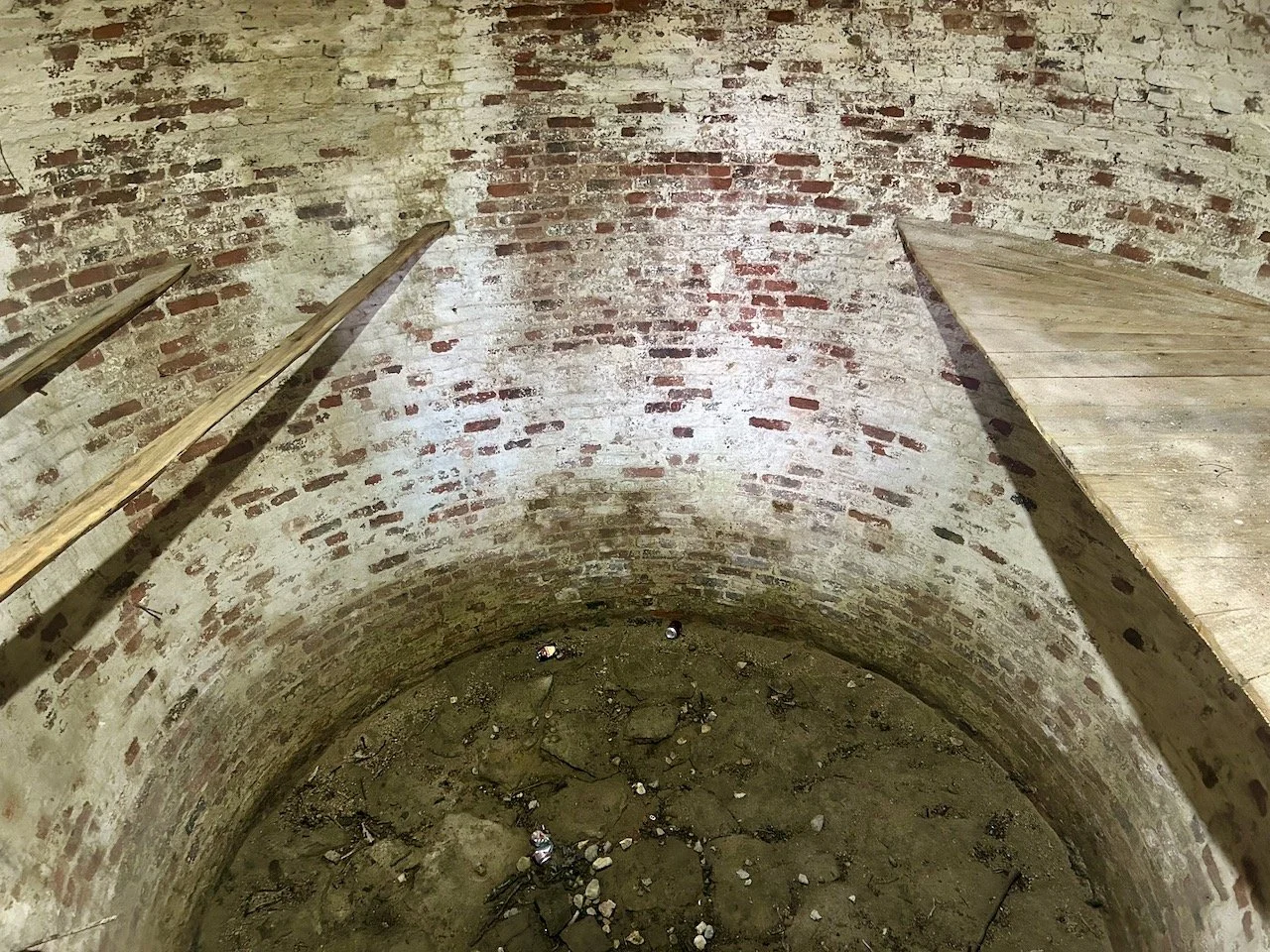
We couldn’t resist a peek into the Old Ice House which dates from 1759 and has recently been restored. The building’s walls are multi-layered which kept the ice from the lake insulated, it was then crushed and moved to a deep shaft beneath the Hall for use in the kitchen.
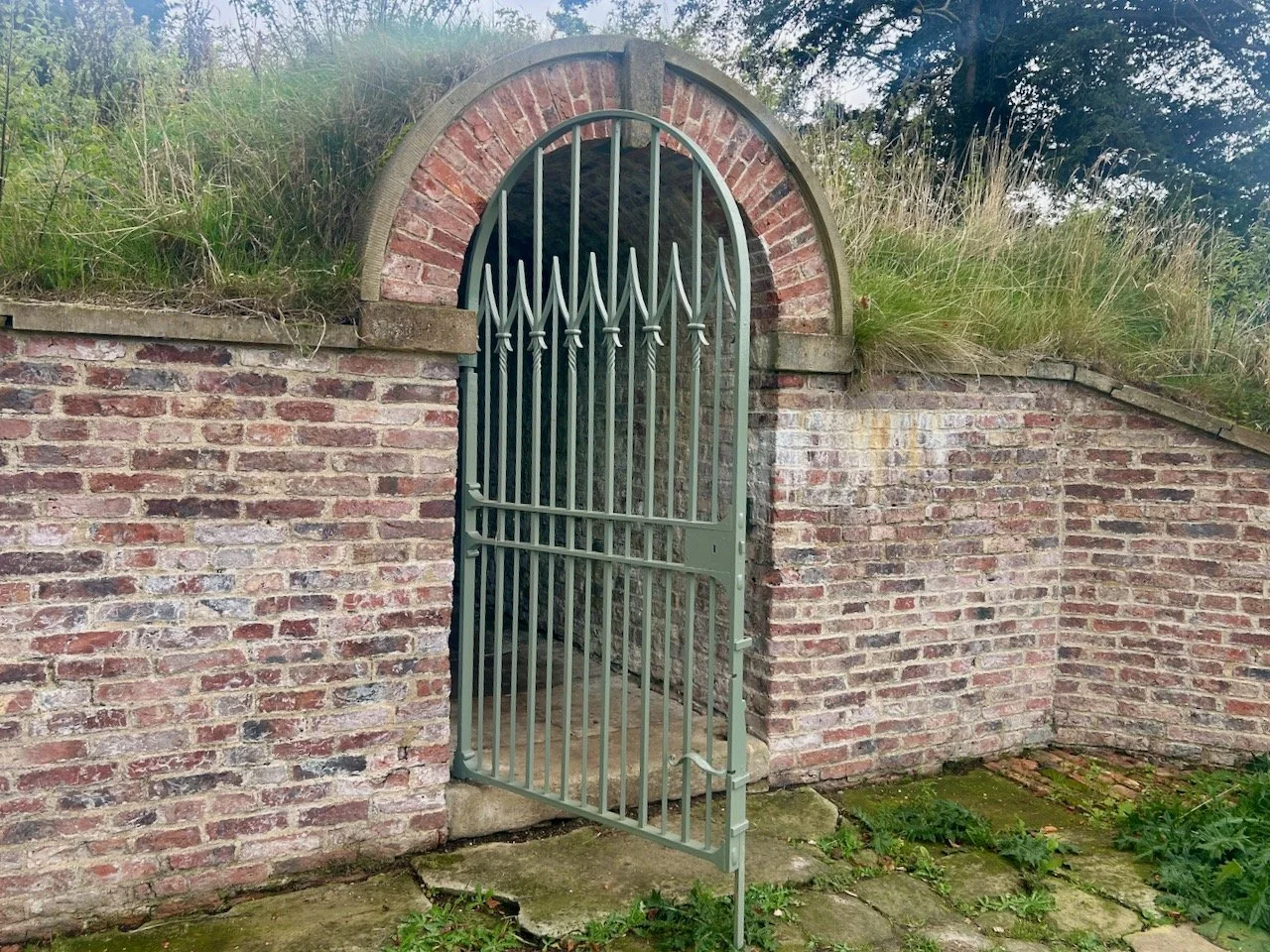
The metal gate at the entry to the Old Ice House at Scampston Hall
Inside the Old Ice House at Scampston Hall
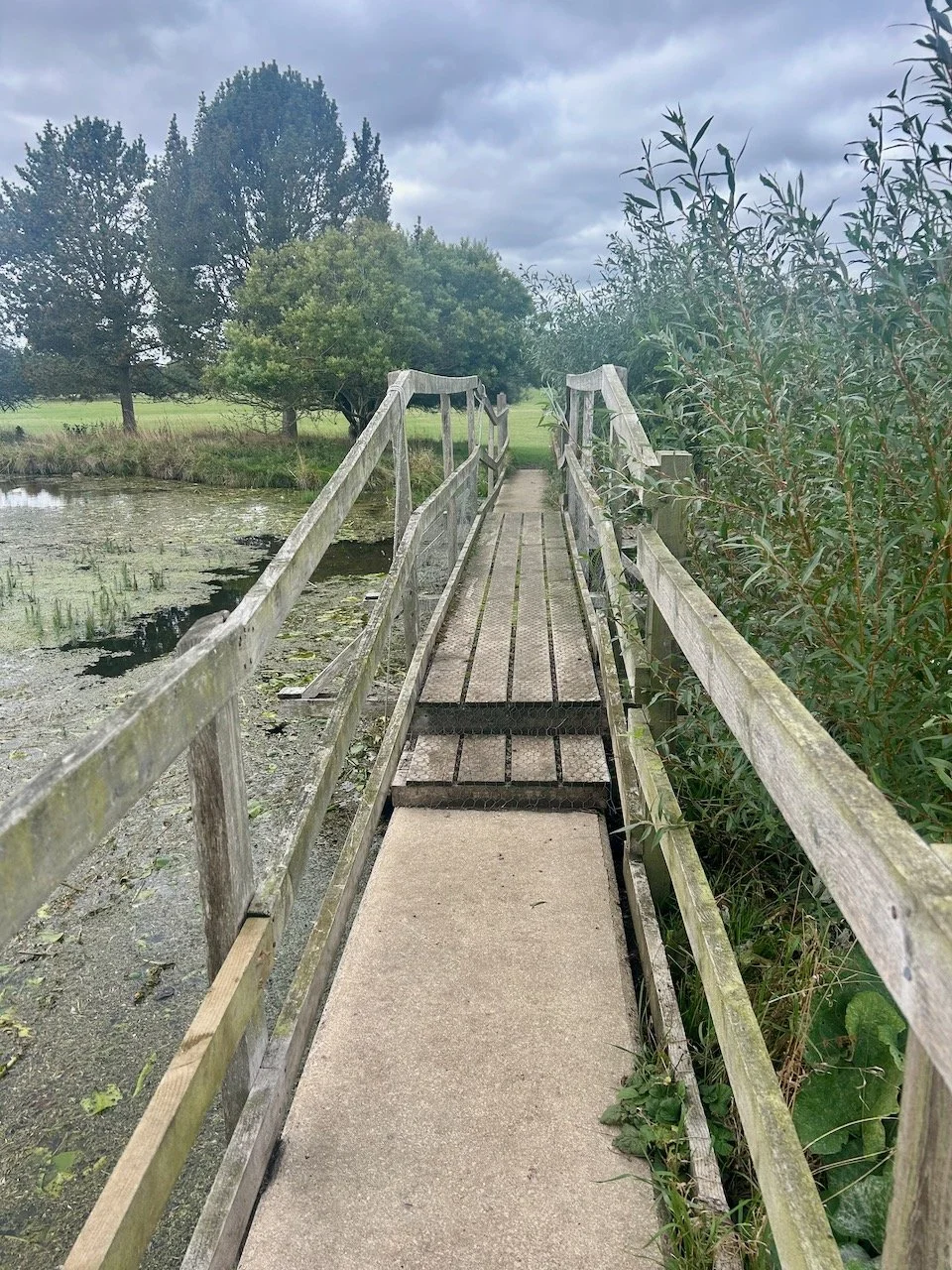
A wooden bridge heading across the lakes at Scampston Hall

We crossed the bridge, pausing mid way to enjoy the replacement Cascade; the original was destroyed with the dam further upstream burst in the 1950s. And it was quite a view.
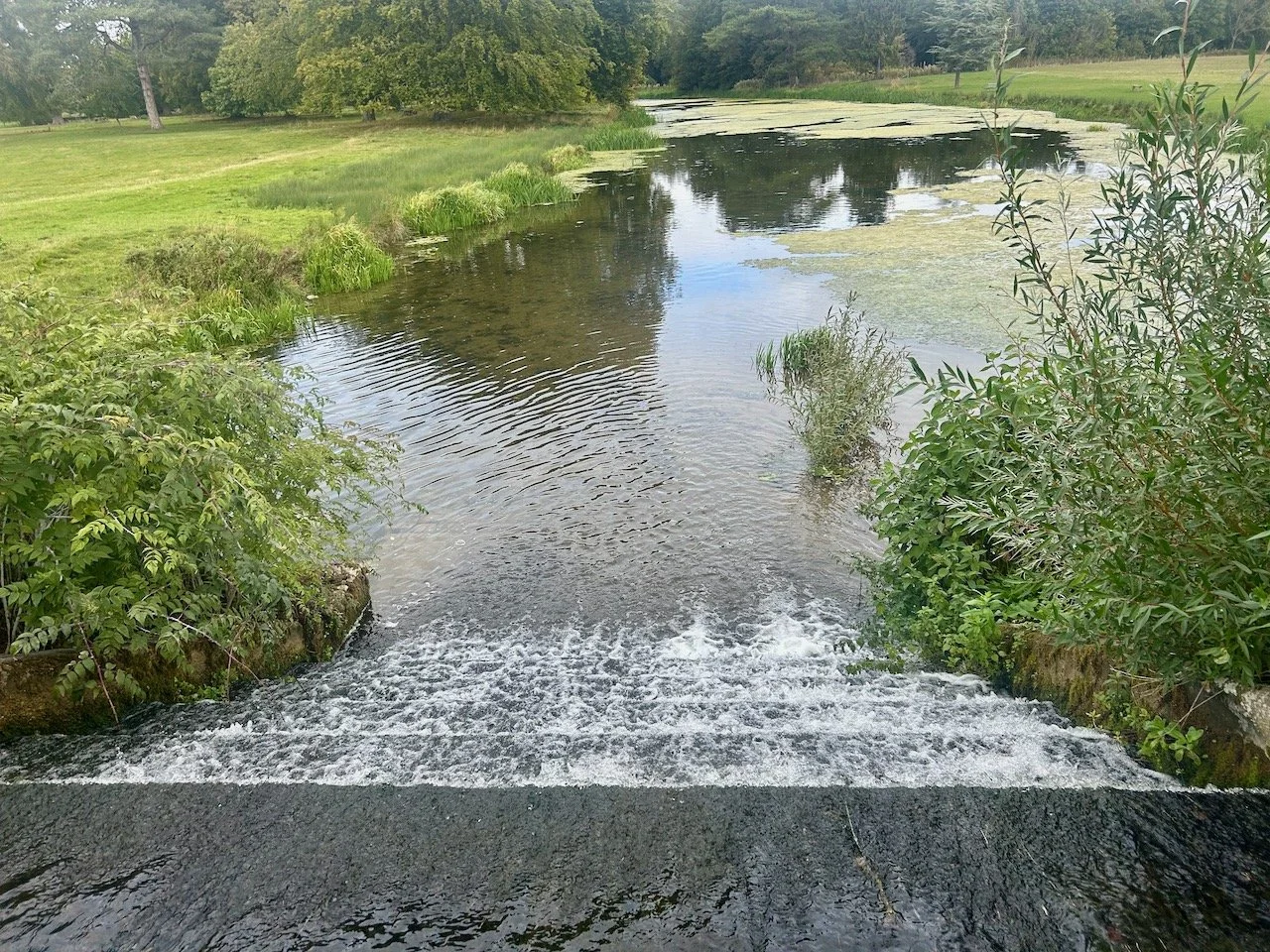
Looking over The Cascades at Scampston Hall

At this point we headed through a field of sheep watching carefully where we walked - hence no photos! - and back towards the Hall. After a snack and a cup of tea in the cafe (well worth a stop) we were soon heading back to our hotel and wondering at how we’d managed to book somewhere so close to this fabulous garden completely unknowingly!

But we’re ever so glad we did.
The Head Gardener's Office at Scampston

Not only were we able to look around the Gardeners Yard at Scampston Hall, we also got to look ino the Head Gardener’s Office - and while it was set up more as an exhibit rather than a working office, it was still a delight to see.

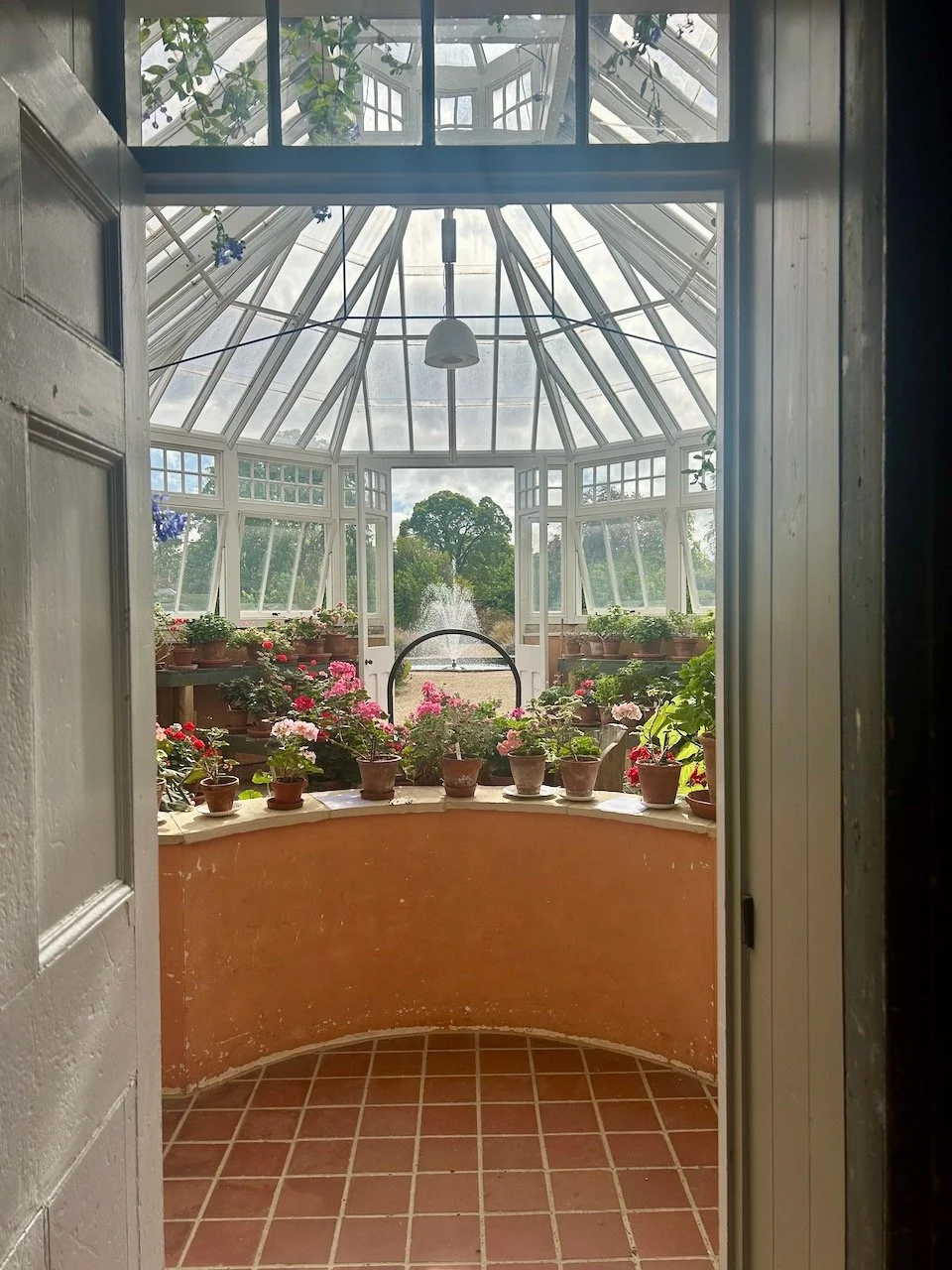
We made our way in through the Conservatory which was built by Richardson of Darlington in 1894 and restored in 2015 with help from the Heritage Lottery Fund amongst others and now housing a series of exhibition rooms, displays and with a space for community engagement too.

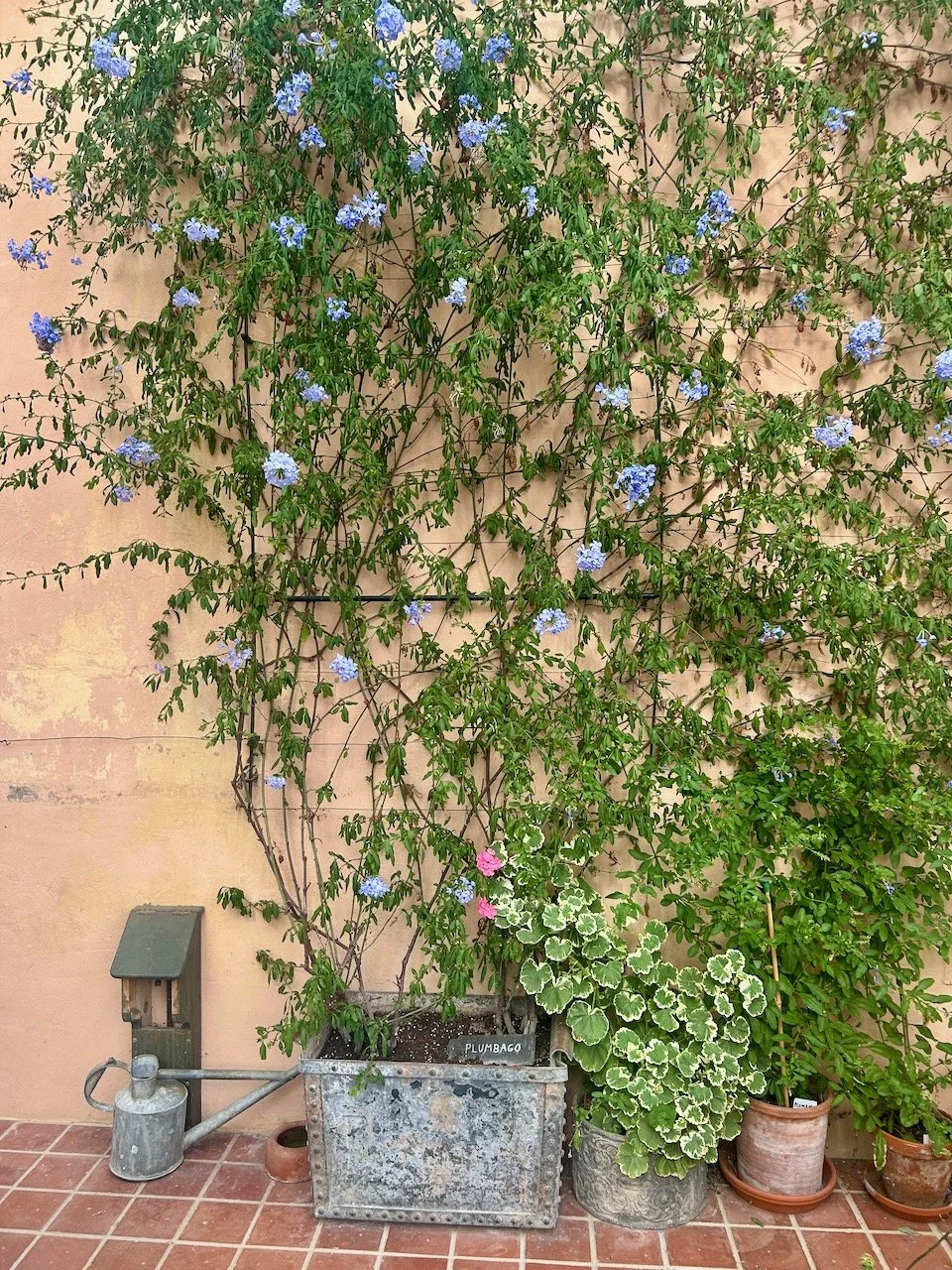
Blue flowers of the plumbago climbing the peach coloured wall in the conservatory

The blue flowered plumbago clambering up the peach wall inside the conservatory definitely drew me in, but turning around the view was just as spectacular and I can see how important it was for the garden to restore the glasshouse to its former glory.

Looking back out of the conservatory towards the fountain with the geraniums in an arc at the bottom of the picture
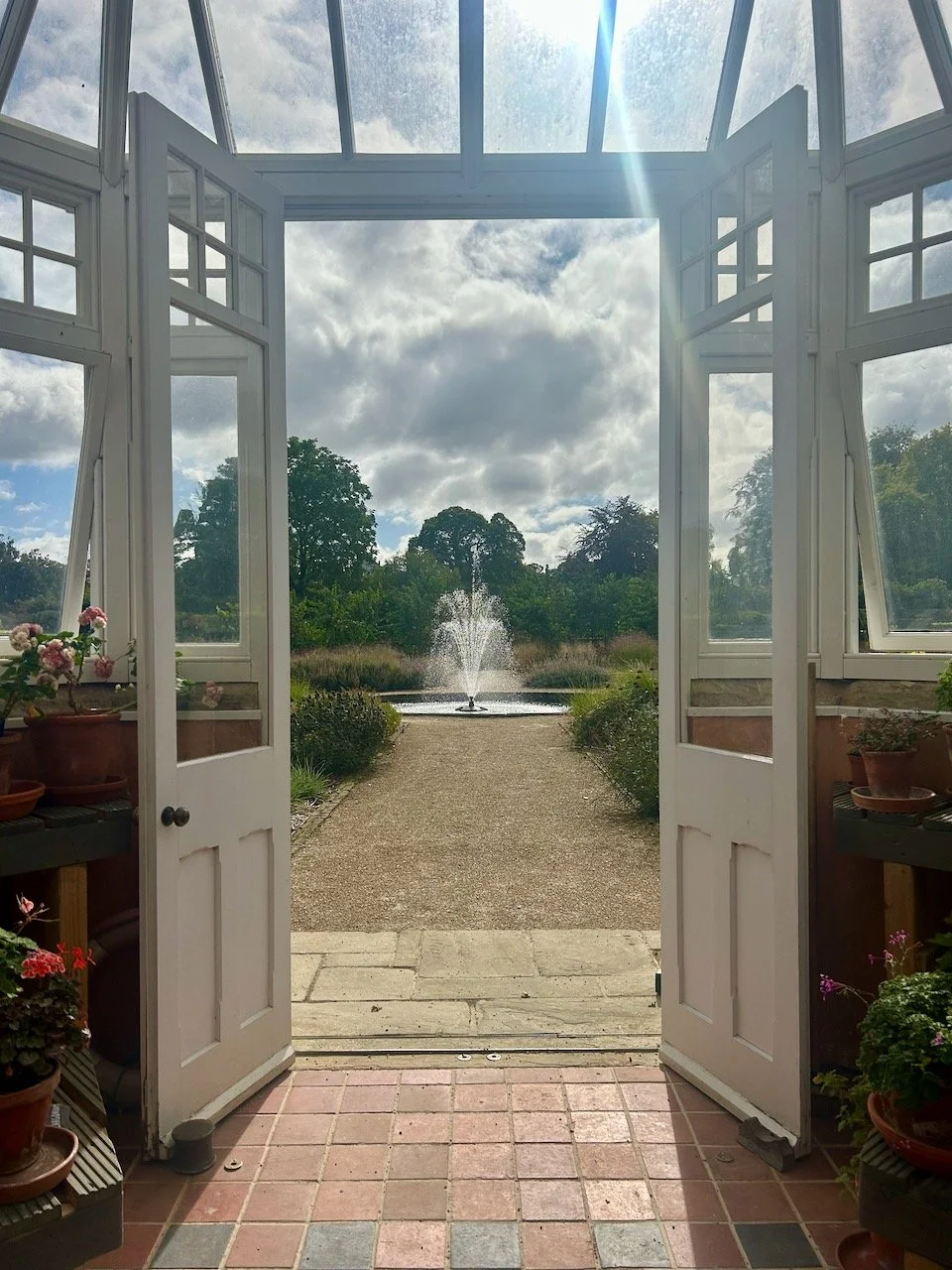
Looking out of the conservatory to the central fountain in the garden (and a cloudy sky!)

If only all conservatories had this view!

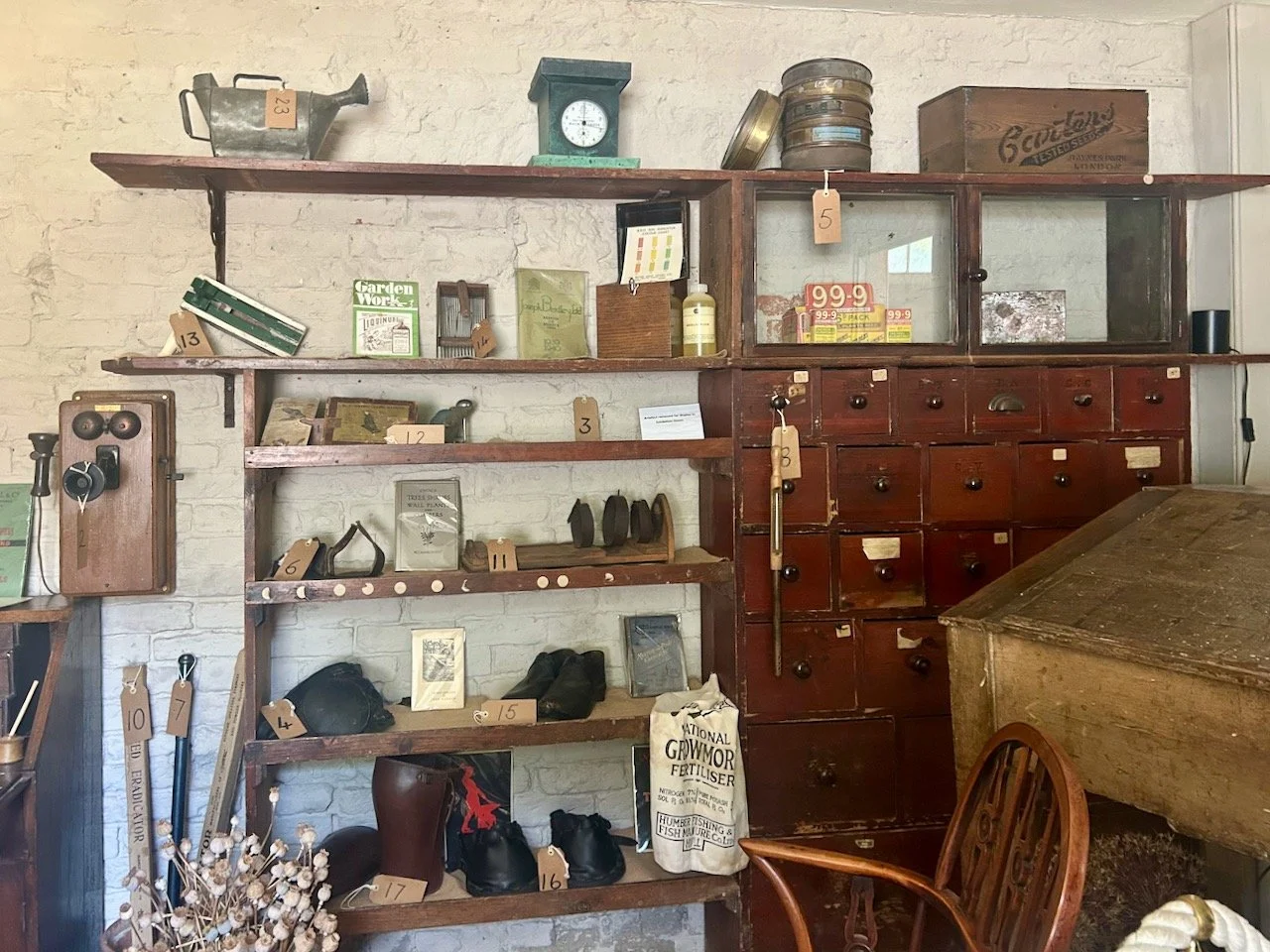
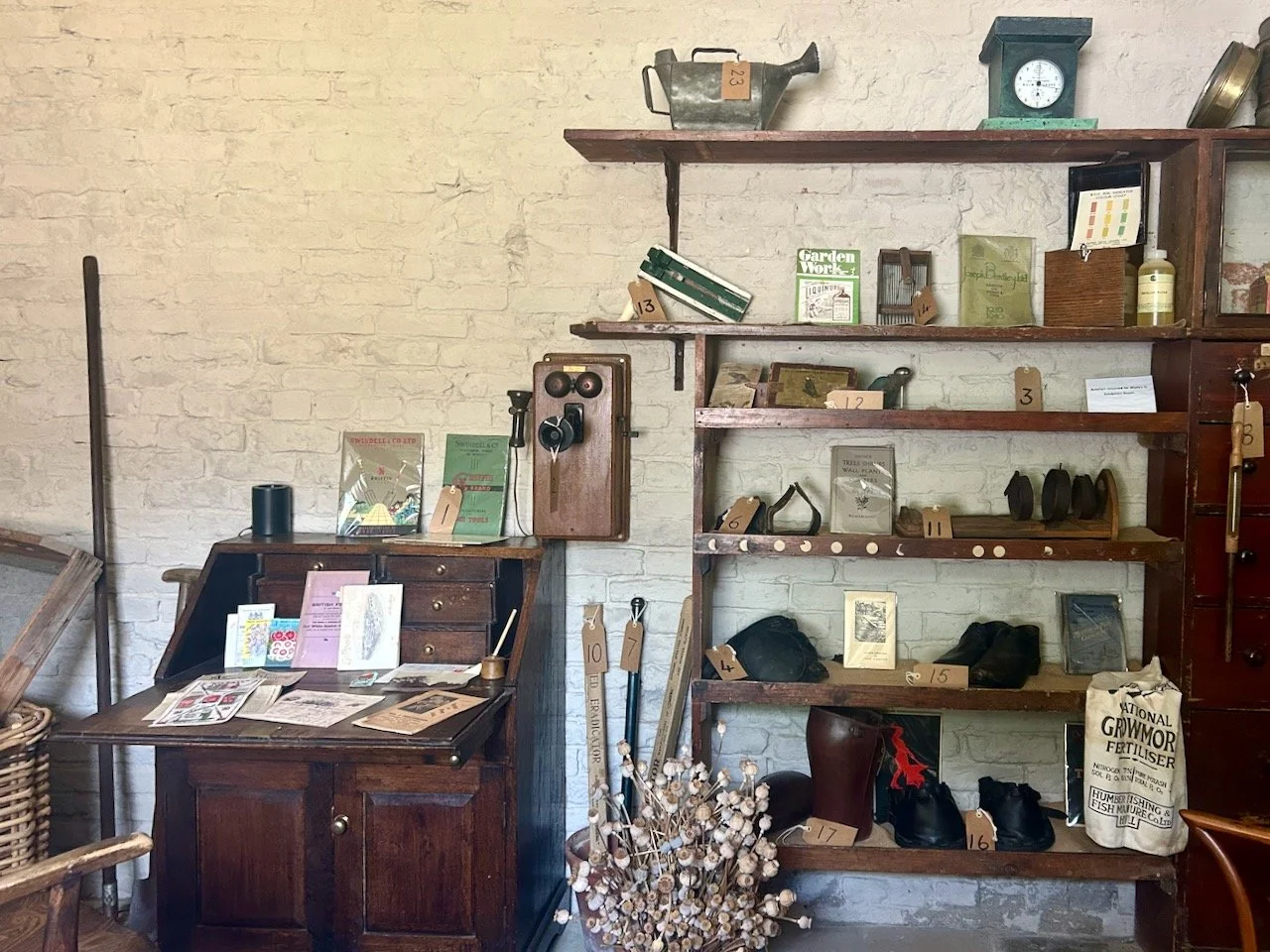
Turning further into the building we found the Head Gardener’s Office, and wouldn’t it just be a dream to manage and plan the garden from here - and I’d especially like that wooden drawer unit to organise my own garden plans.

Shelving and storage in the Head Gardener's Office with plenty of garden paraphernalia
The open shelves with a wooden bureau in the Head Gardener's Office at Scampston Hall

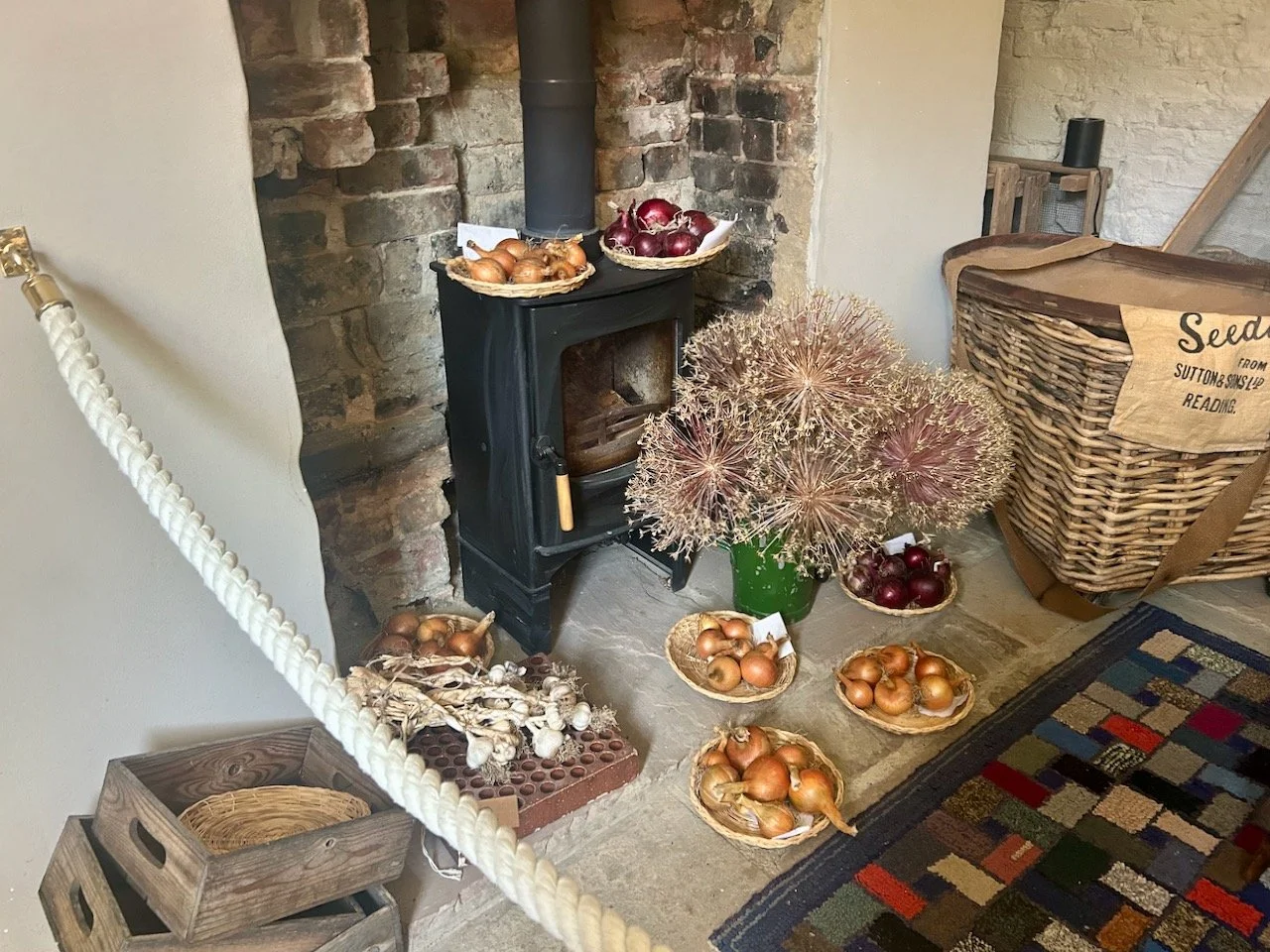
And while this is a great place for drying onions, garlic and seed heads I think this would be hard to replicate in my own garden setup, and actually I never seem to have much luck with onions anyway, so that’s probably just as well.

The log burner adorned with onions, garlic and seed heads drying

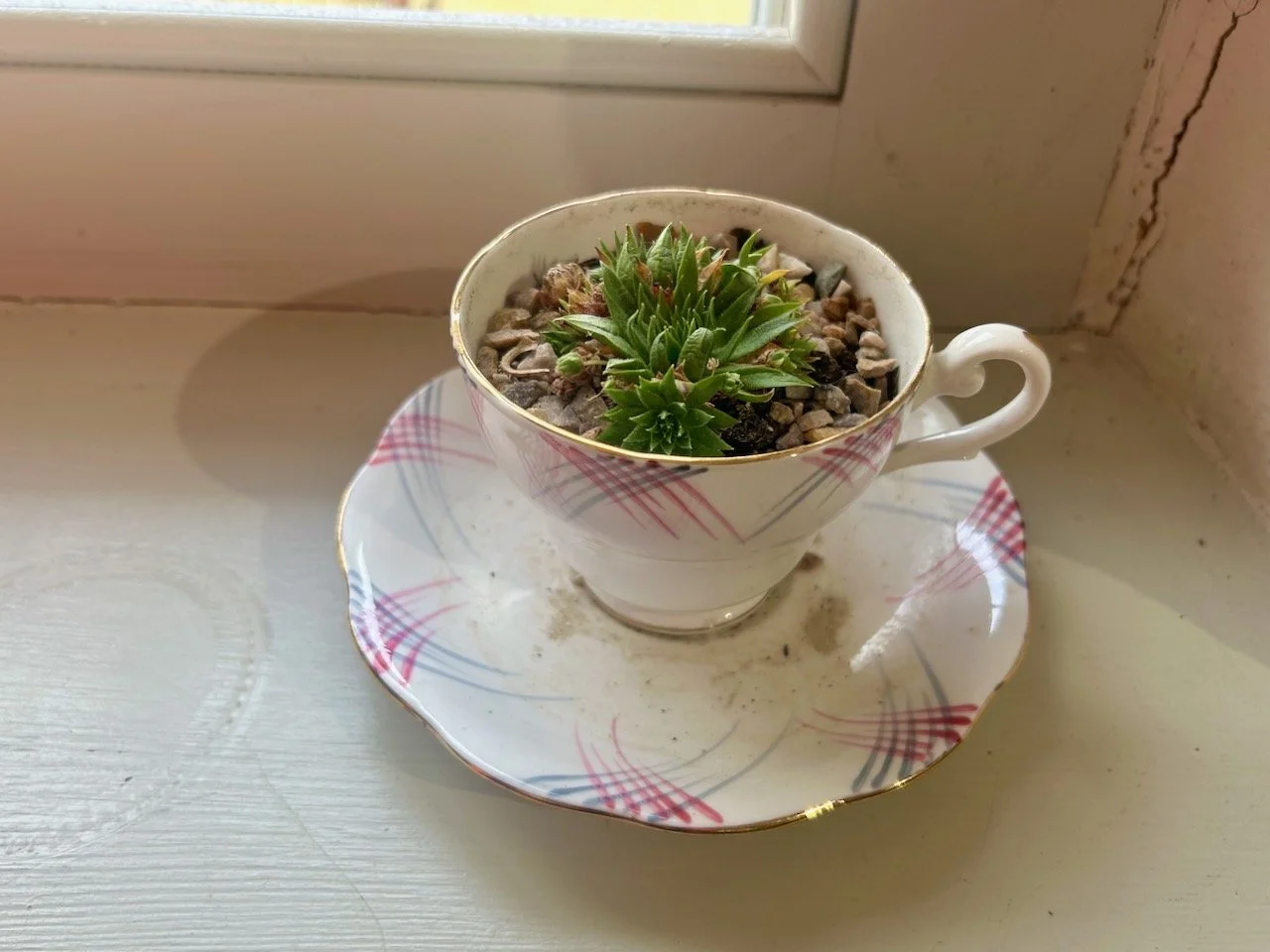
But I did see some inspiration on how I could pot up some succulents, isn’t it darling?

A succulent in a tea cup

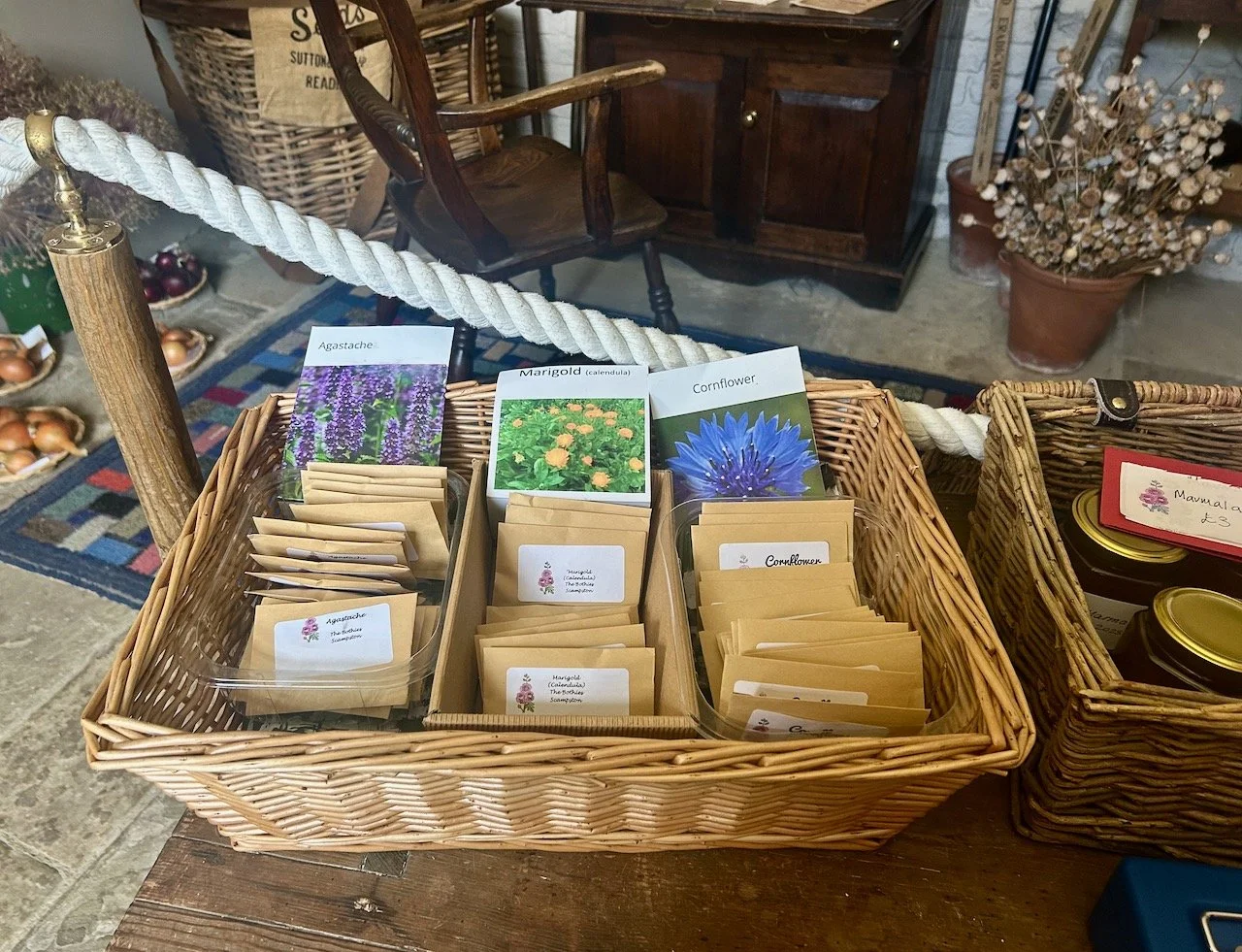
Of course I left with some seeds of my own - and actually this post is a great reminder for me to look them out and actually do something with them. I saw some Agastache in the garden centre earlier this week, and I thought it sounded familiar but I couldn’t remember why. Here’s why!

Packets of seeds for sale in the Head Gardener's Office

And finally one connection in history that I learnt as we read the interesting information boards around the space. The glasshouse was originally made by Richardson of Darlington, which went on to become one of the glasshouse companies in the Victorian era. It was also the only company to last into this century, rebranding in the 1960s as Amdega. That company finally closed in 2011, but the liquidators sold the brand to Everest the double glazing company, and so the brand lives on with heritage at its heart. I love discovering things like that.

Now I’m off to look out those seeds…

The Gardeners Yard at Scampston Hall

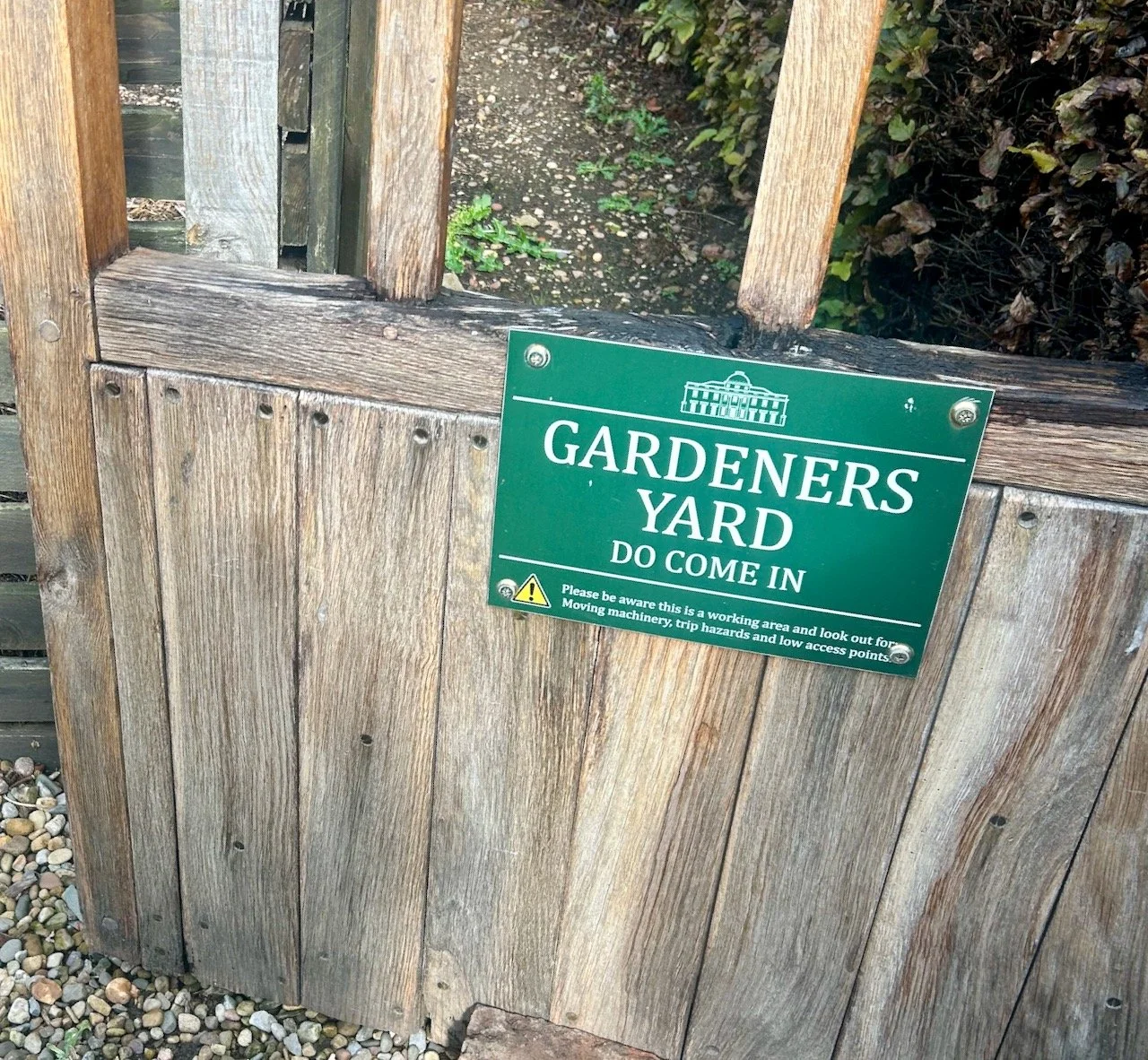
I said in an earlier post in this series that there’s nothing better on a garden gate than a sign welcoming you in, especially when it’s an invite into a working part of the garden, which for me is just as interesting as the more public facing aspects of a garden.

Do come in - says the sign on the Gardeners Yard gate

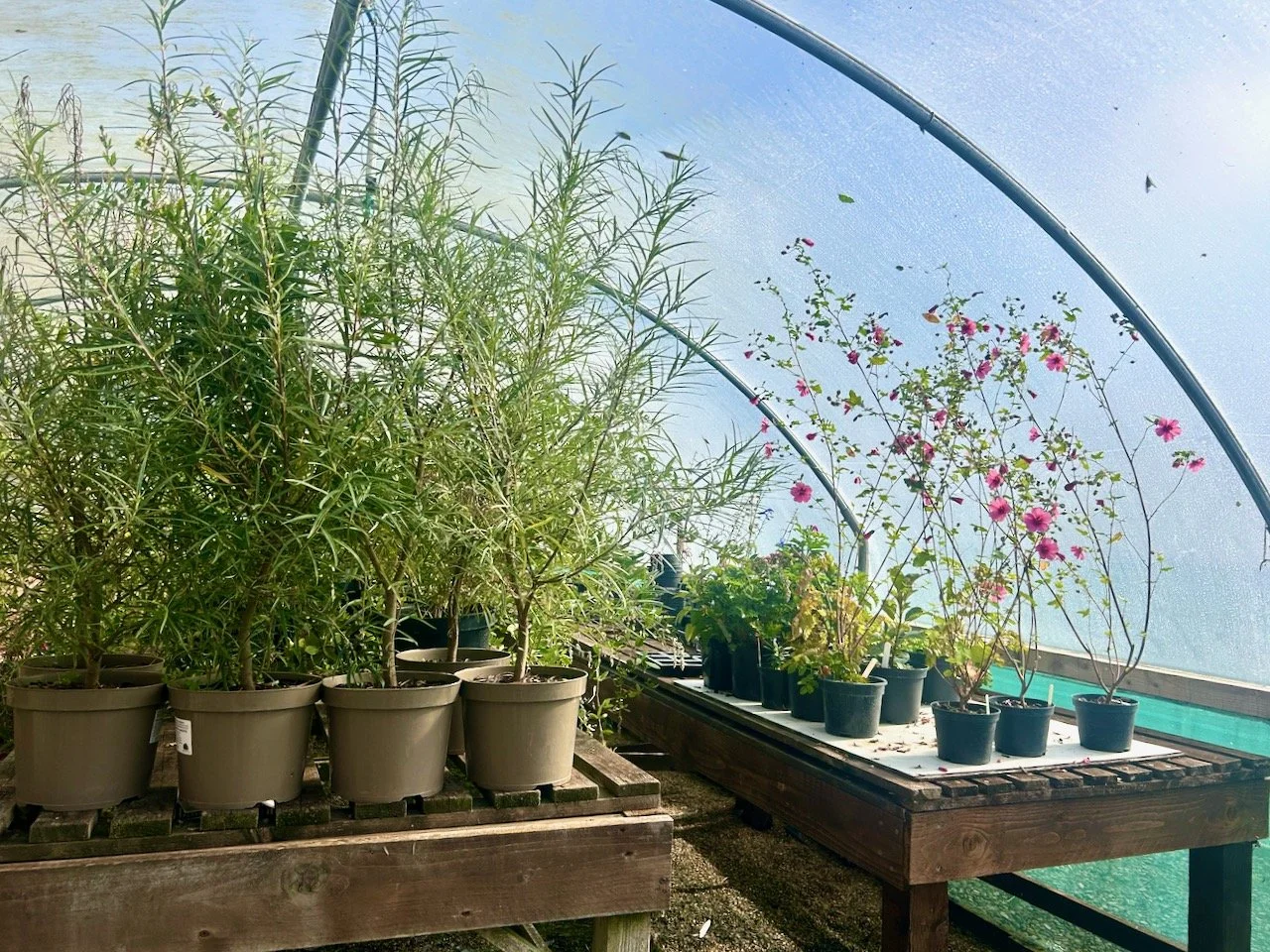
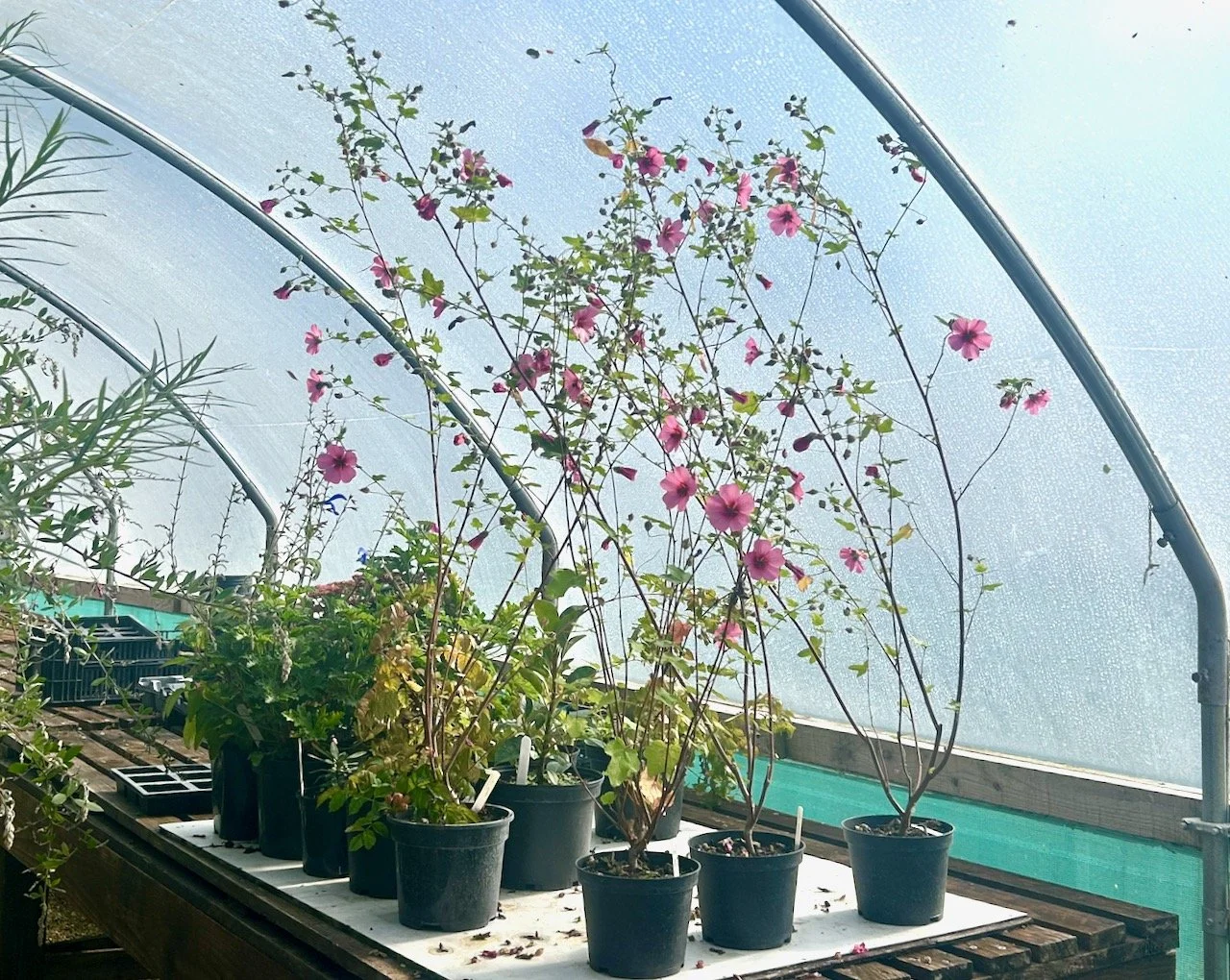
So it was great to be so warmly welcomed into the Gardeners Yard and their polytunnel, which even though it was a proper working space still looked pretty with the pink flowers on the right growing up against the bend of the tunnel’s outer covering.

Inside the polytunnel in the Gardeners Yard at Scampston Hall
The three potted plants with pink flowers against the outer covering of the polytunnel

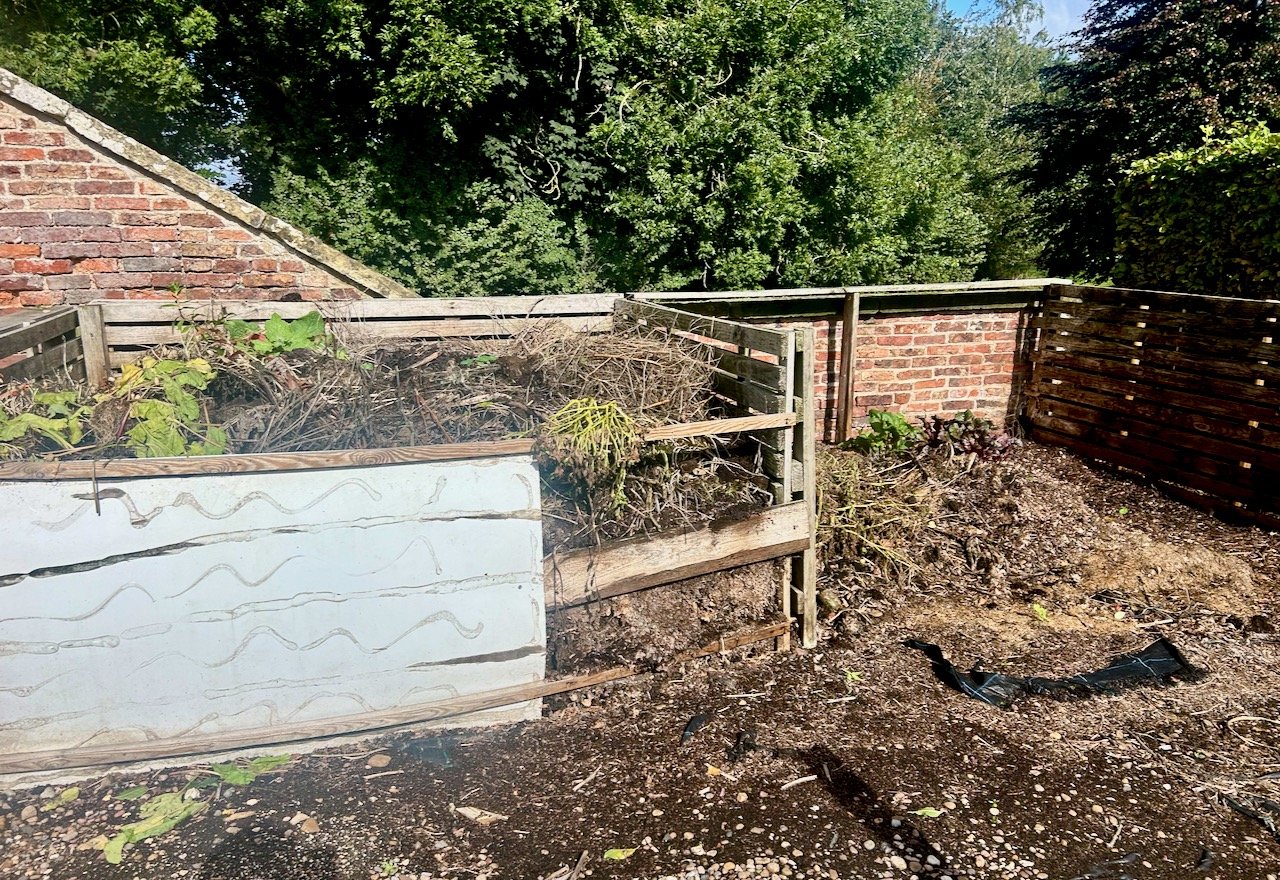
I’m always interested to see the compost area, and this one was pretty sizeable, as you’d expect for a larger garden. I like the open bay approach to these compost ‘bins’ but clearly I won’t need anywhere near as big in my own garden - and where to site that is a bit of a headache too.

A two bay working compost heap

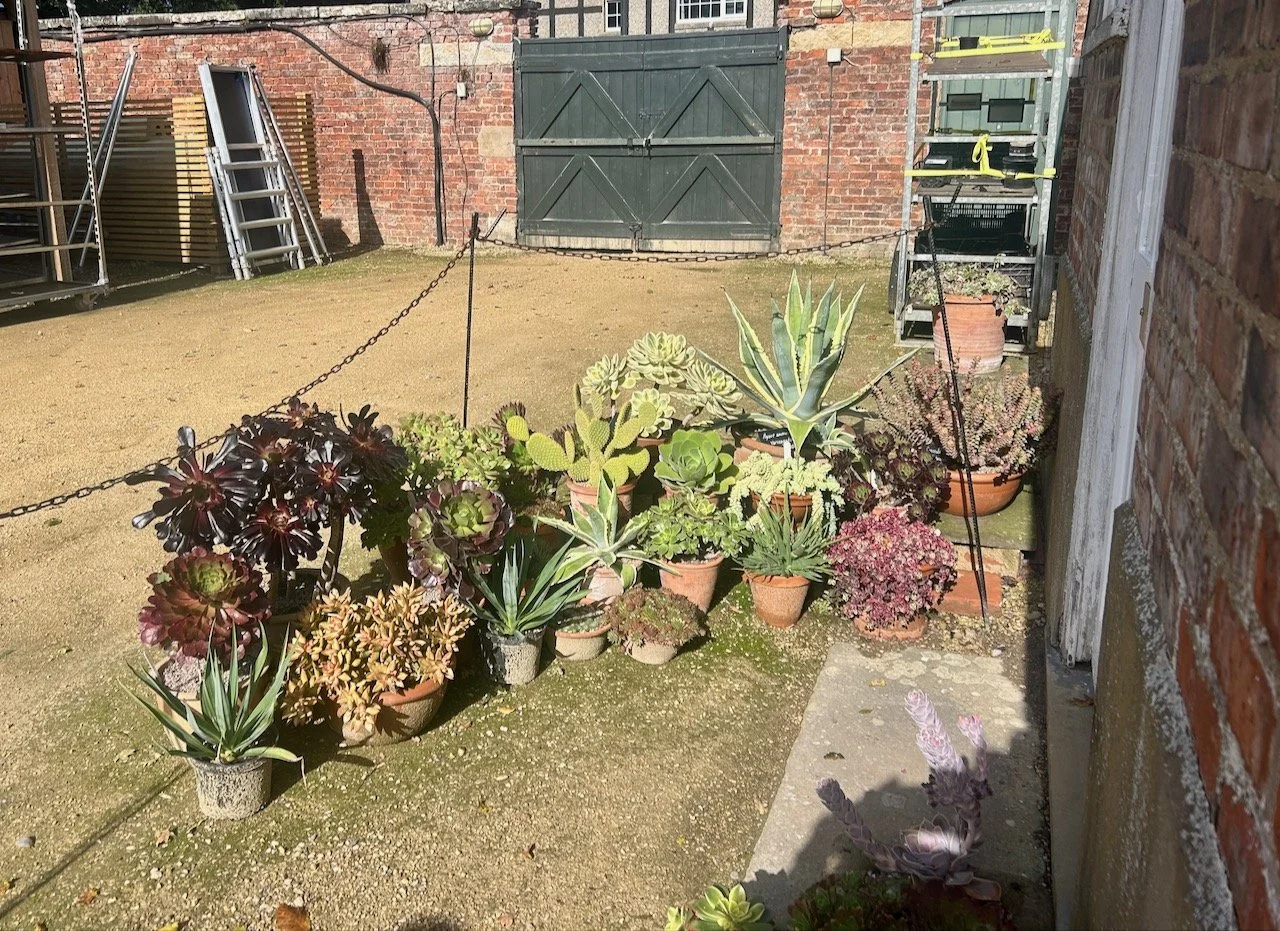
At the far end of the Gardeners Yard was the Arid House and as you can see many of the plants were enjoying the sun when we visited, and with my own growing collection of succulents I was keen to see the leaf shapes, the sizes of pots used and how the pots were organised.

A display of succulents in varying sizes, colours and leaf sizes forming a welcome to the arid house

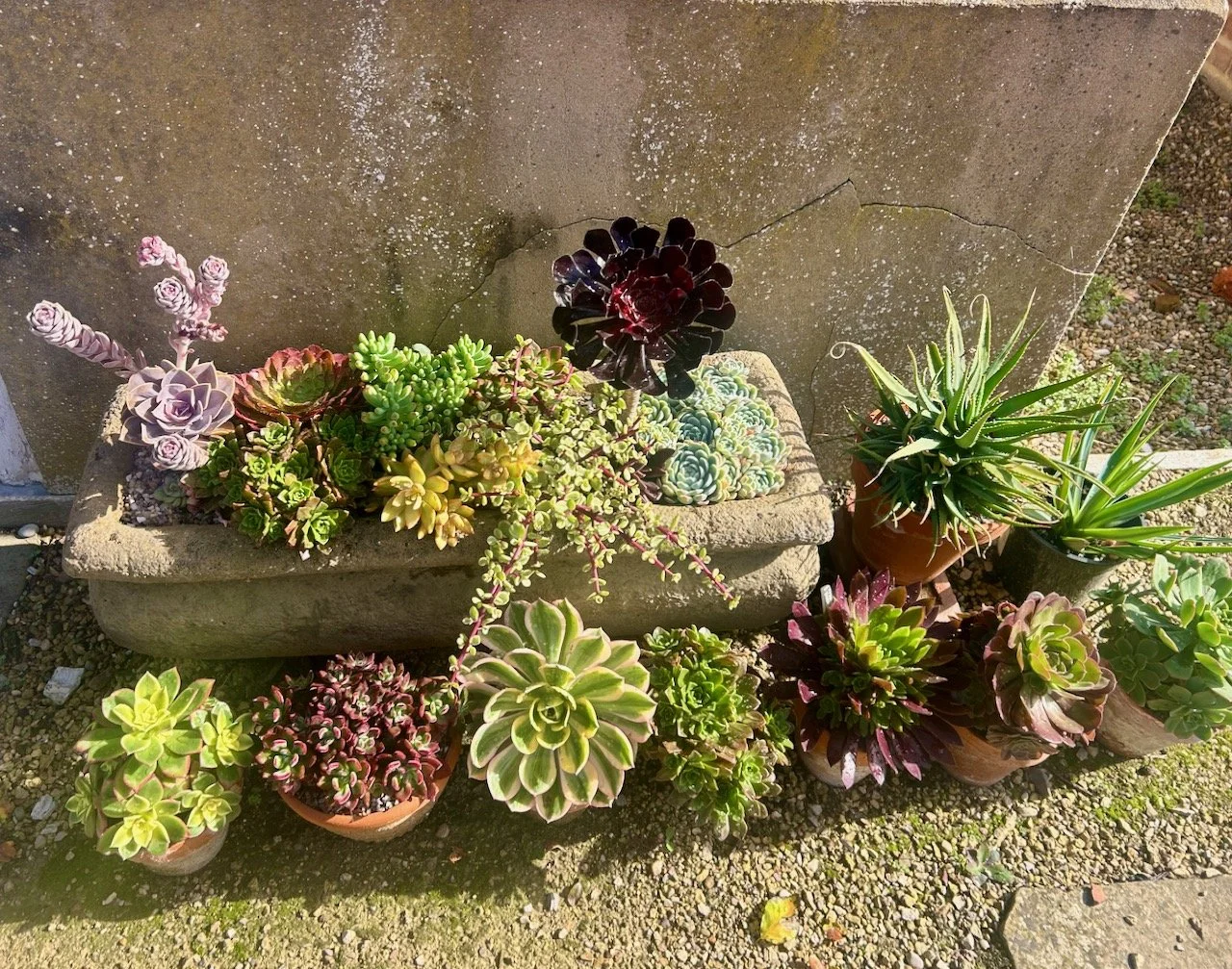
And also I thought to myself that I should keep an eye out for my own stone trough, as these look great in that don’t they?

A stone trough filled with various succulents and surrounded by more succulents in terracotta pots

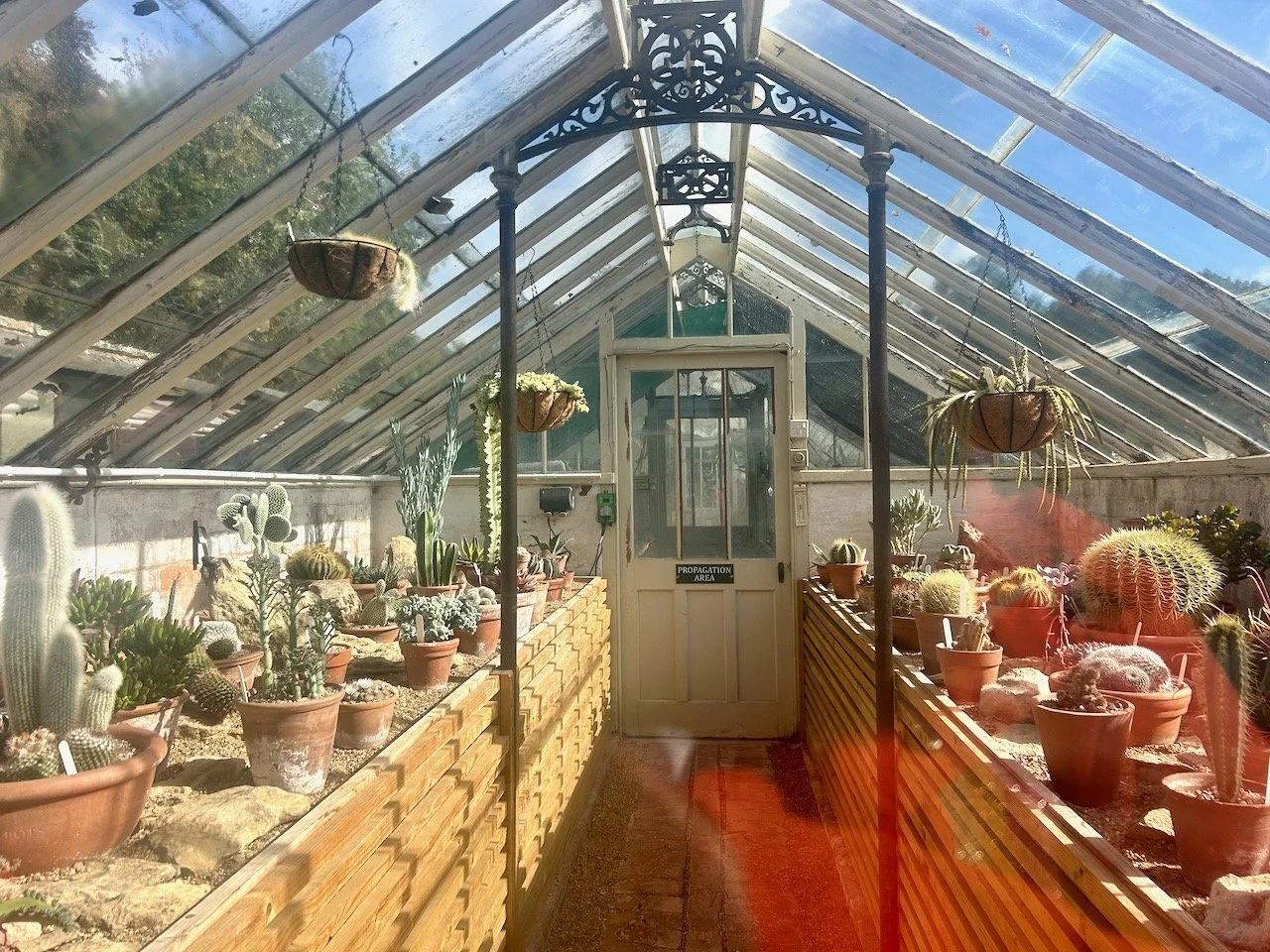
The Arid House wasn’t actually open but I did my best to get a shot through the window and to imagine the temperature inside.

Peering into the Arid House from the window in the door
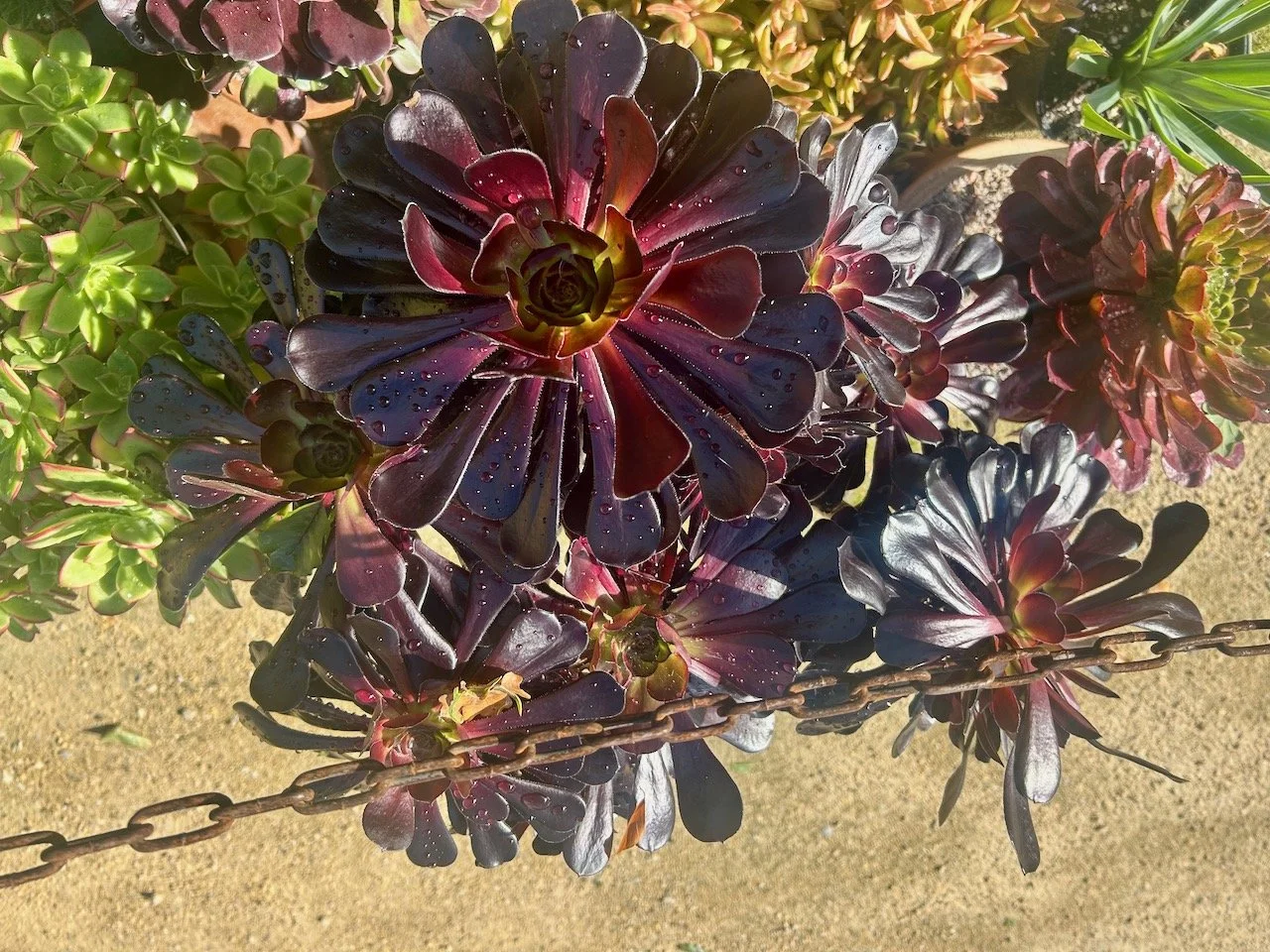
A purple aeonium behind a rusty chain

And as we left the Gardeners Yard behind us I was reminded just how much I love, and how beautiful, the aeoniums are. I need more of these, though I need to learn how to overwinter them properly as my single plant is looking decidedly sorry for itself. There’s always something to learn when we’re gardening though isn’t there?