






More from the Walled Gardens at Scampston Hall

I surprised myself at the end of the first post exploring the walled gardens here by how few I’d managed to cover in that post, I’m hoping that we’ll cover many more in this post. Though I’ll admit I’m probably cheating (a bit) as I’ve split out some of my favourite parts, like the potager and the still to come gardener’s yard into separate posts!

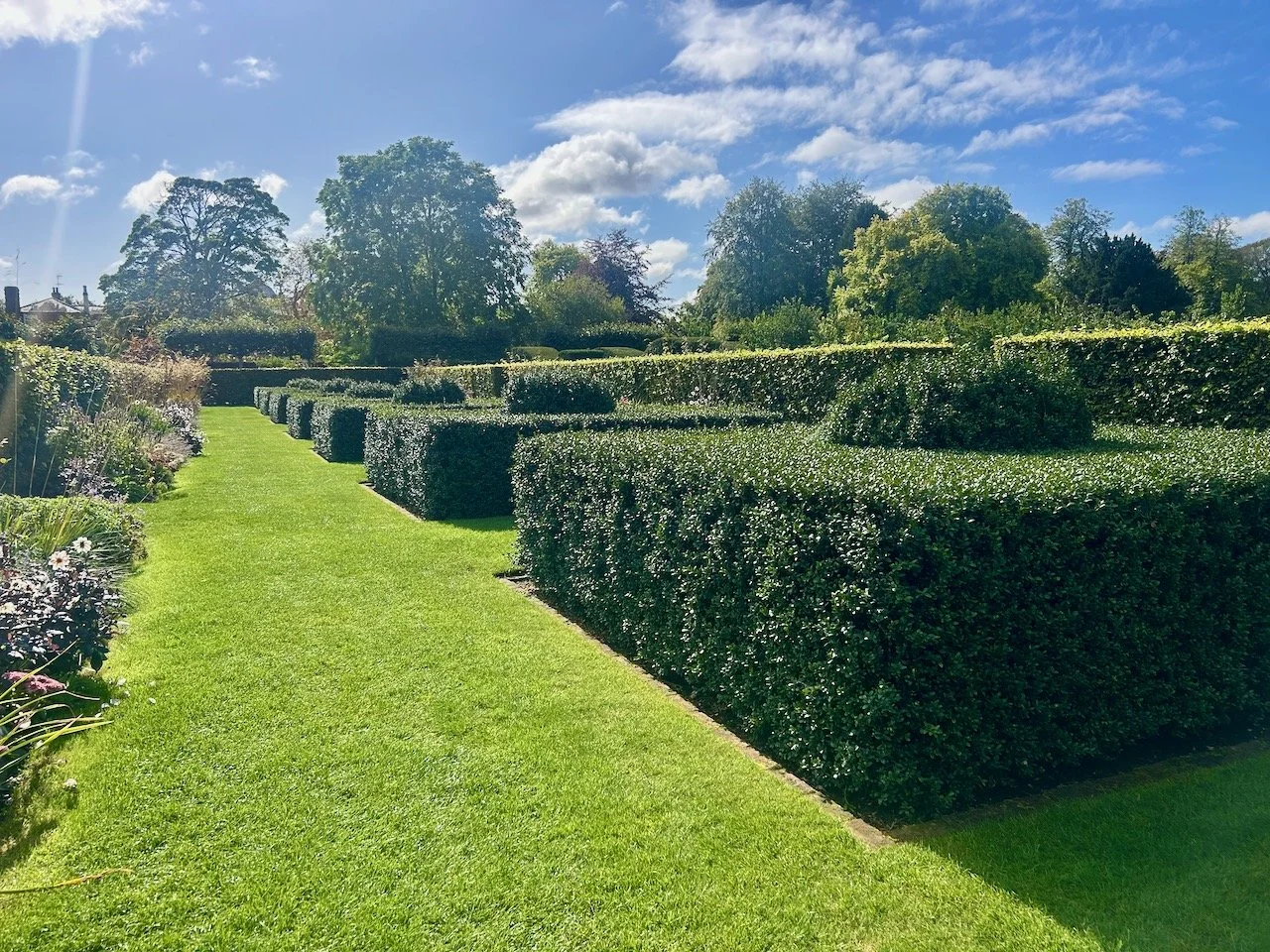
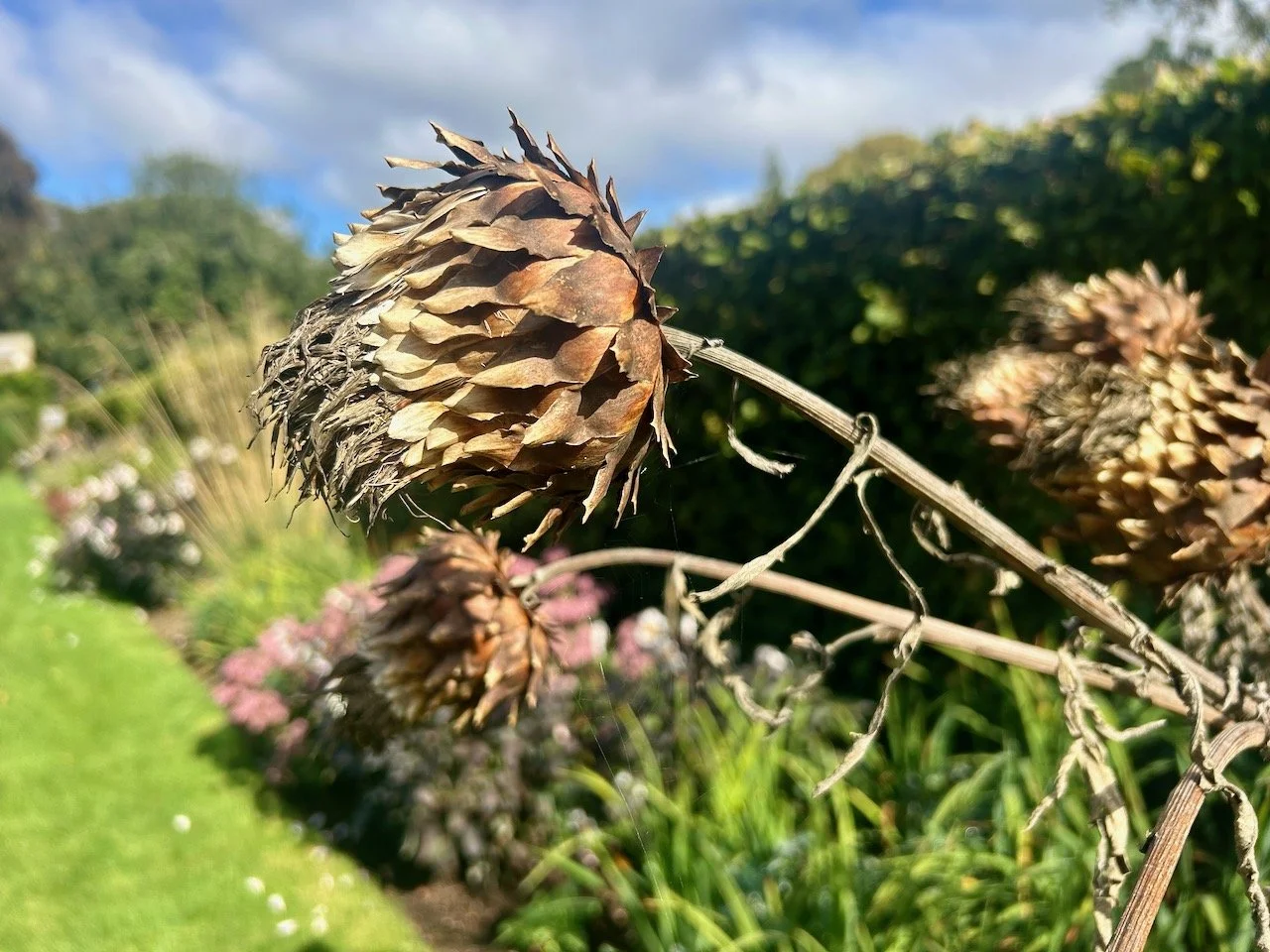
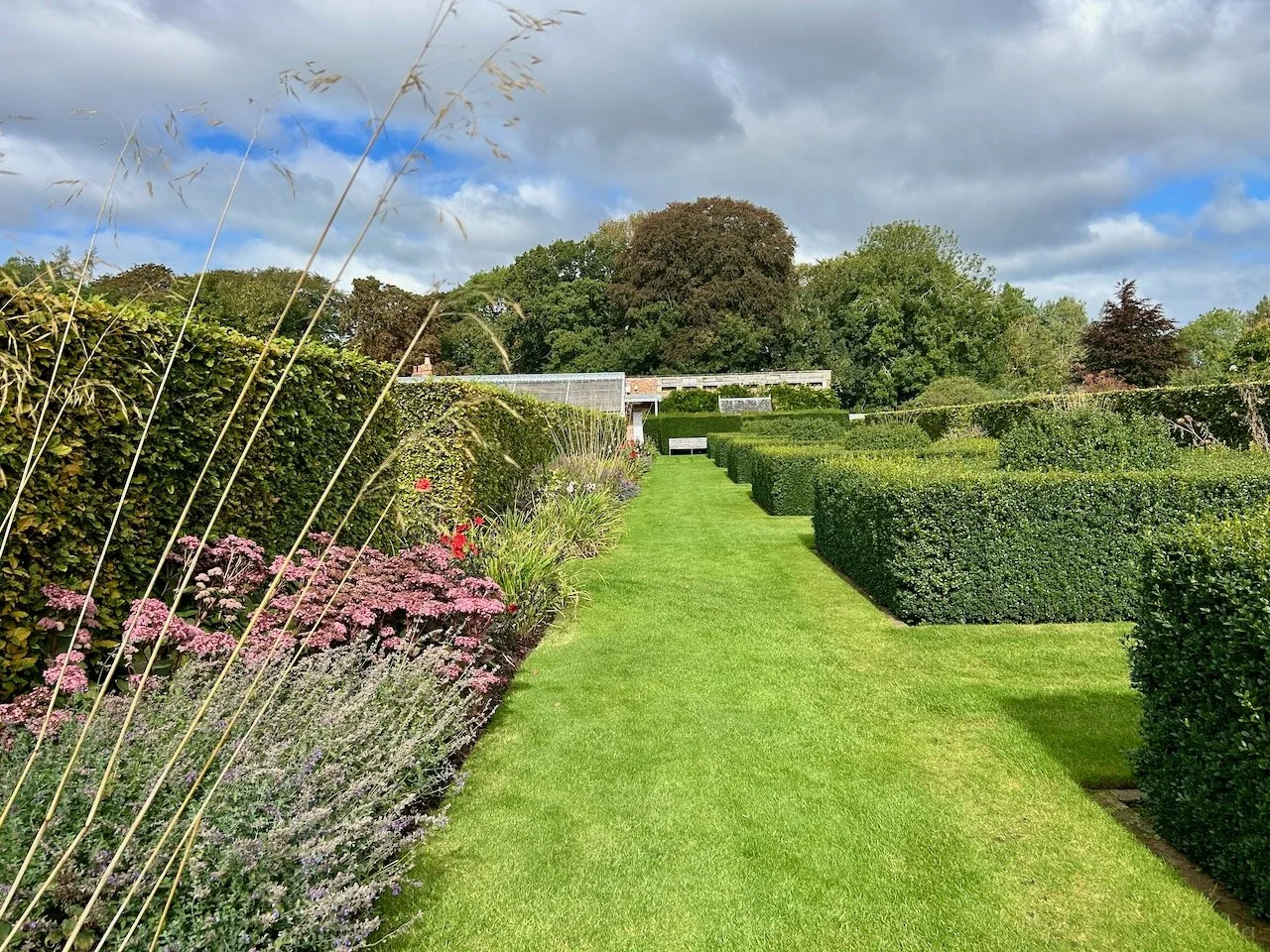
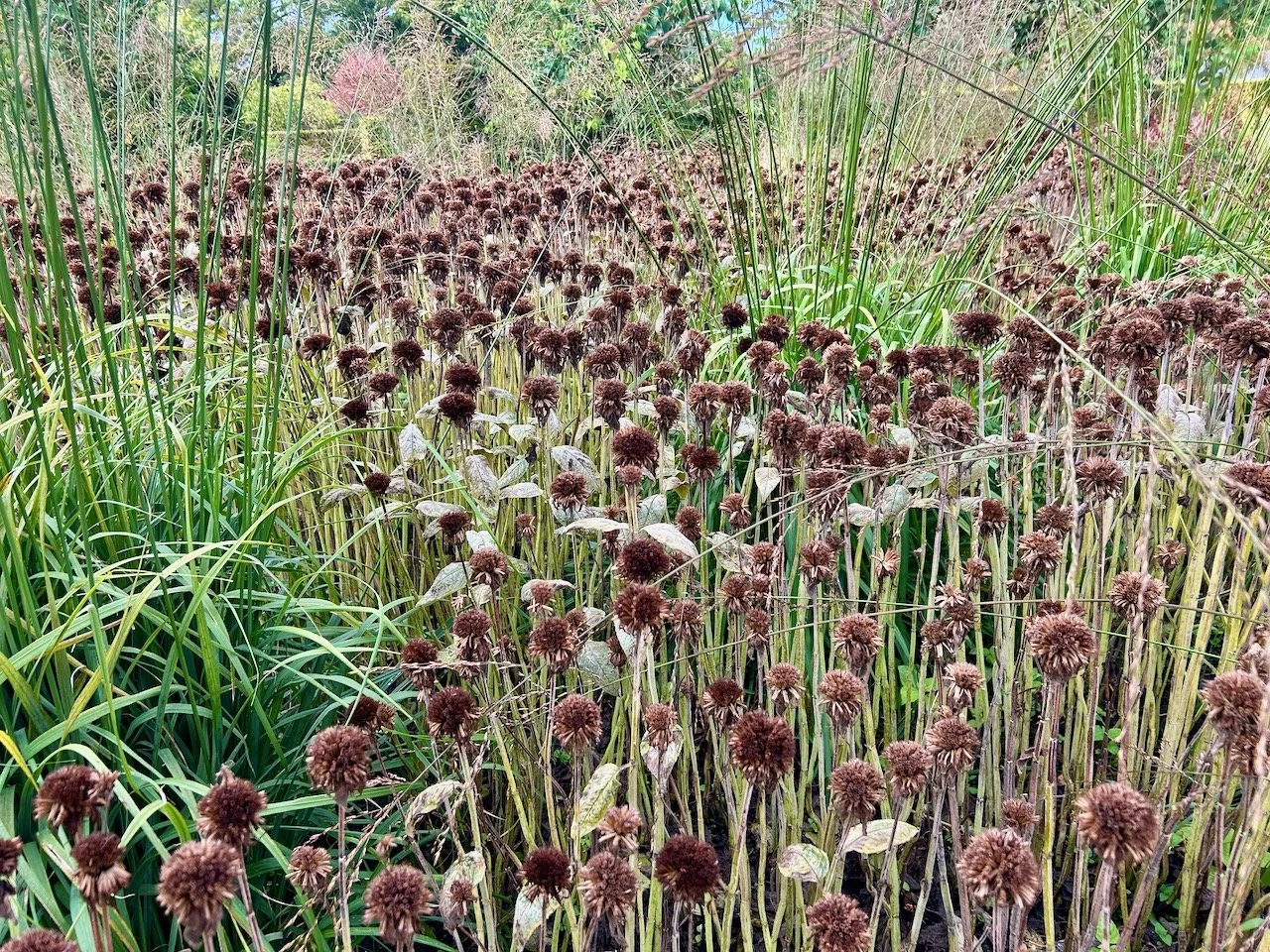
But anyway, leaving the cut flower garden behind us we wandered amongst the three metre squares of box, flanked by more traditional herbaceous borders of garden 6, enjoying the decaying flower heads as we went.

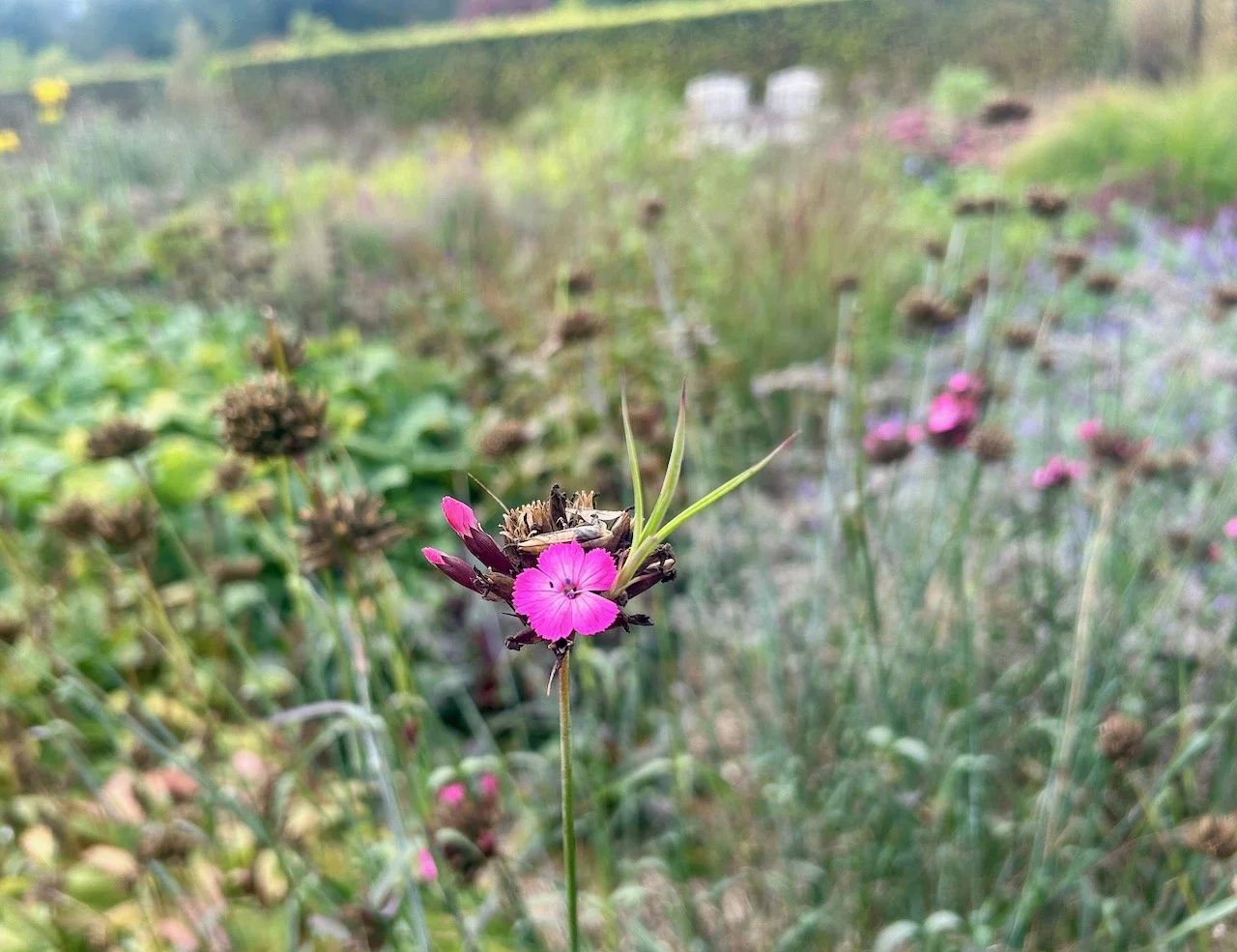
When the flower heads get to this stage, they’re still beautiful aren’t they - but to me now almost sculpturally and architecturally beautiful, and they were a great palate cleanser for the Silent Garden (garden number five).

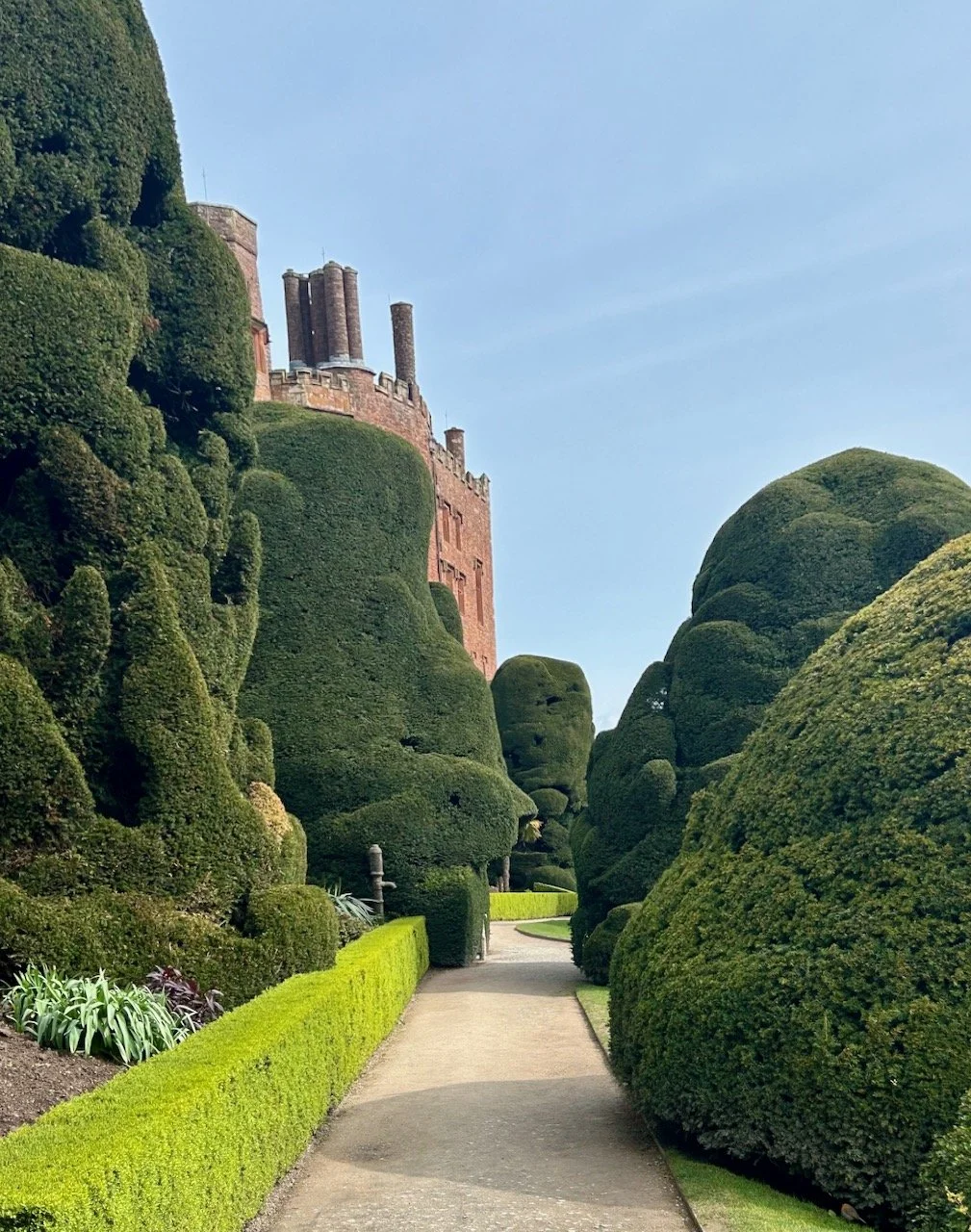
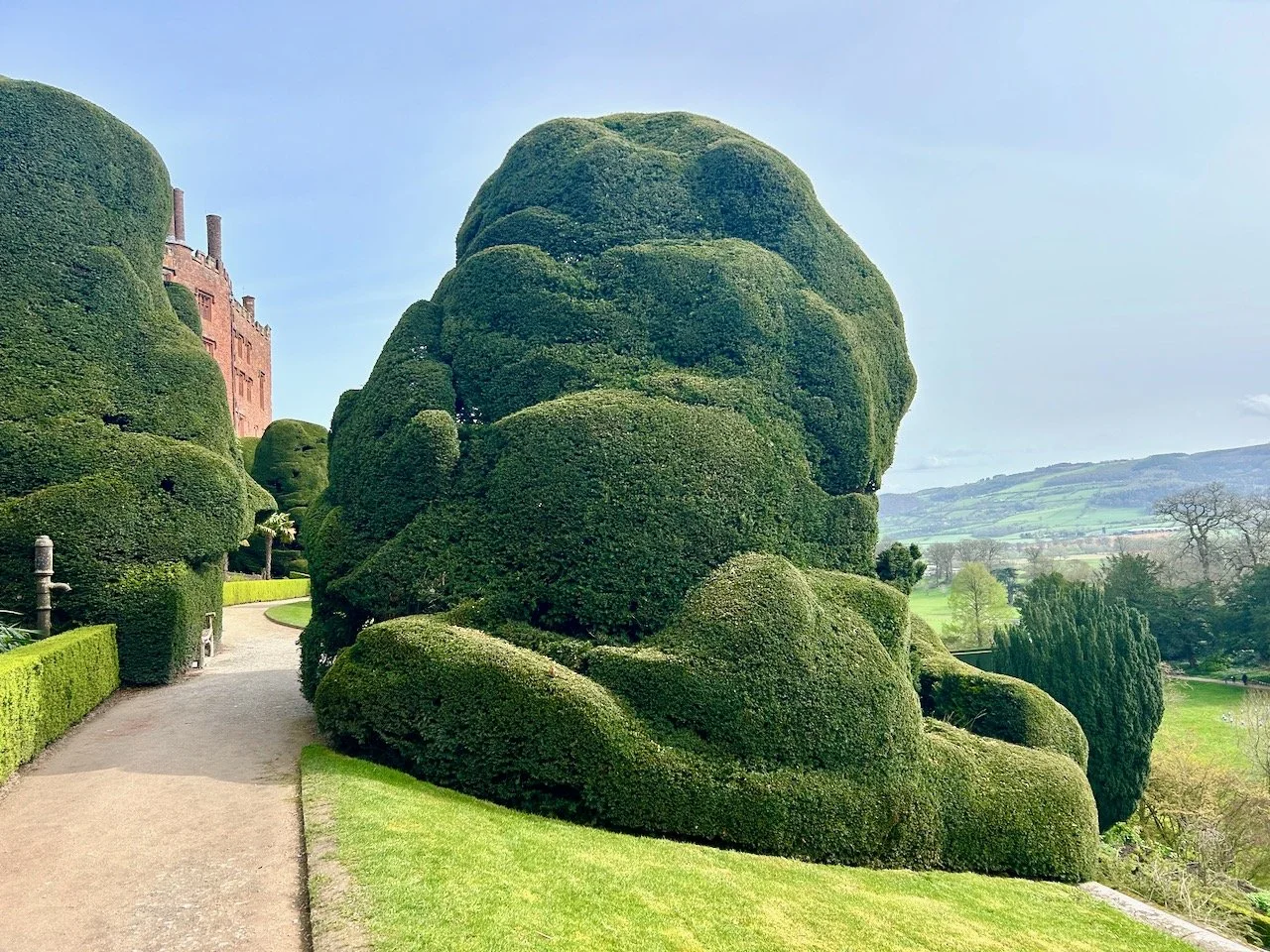
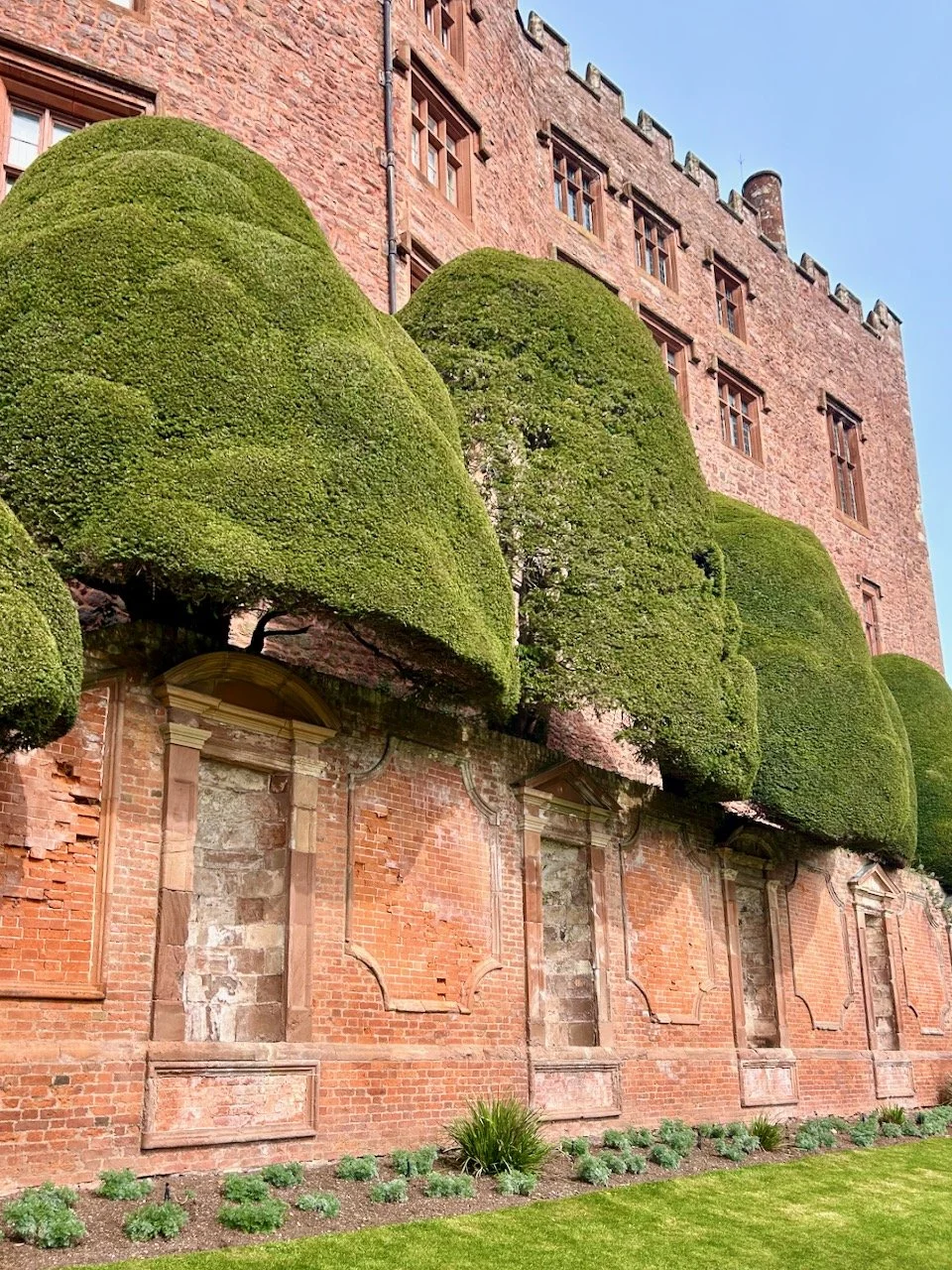
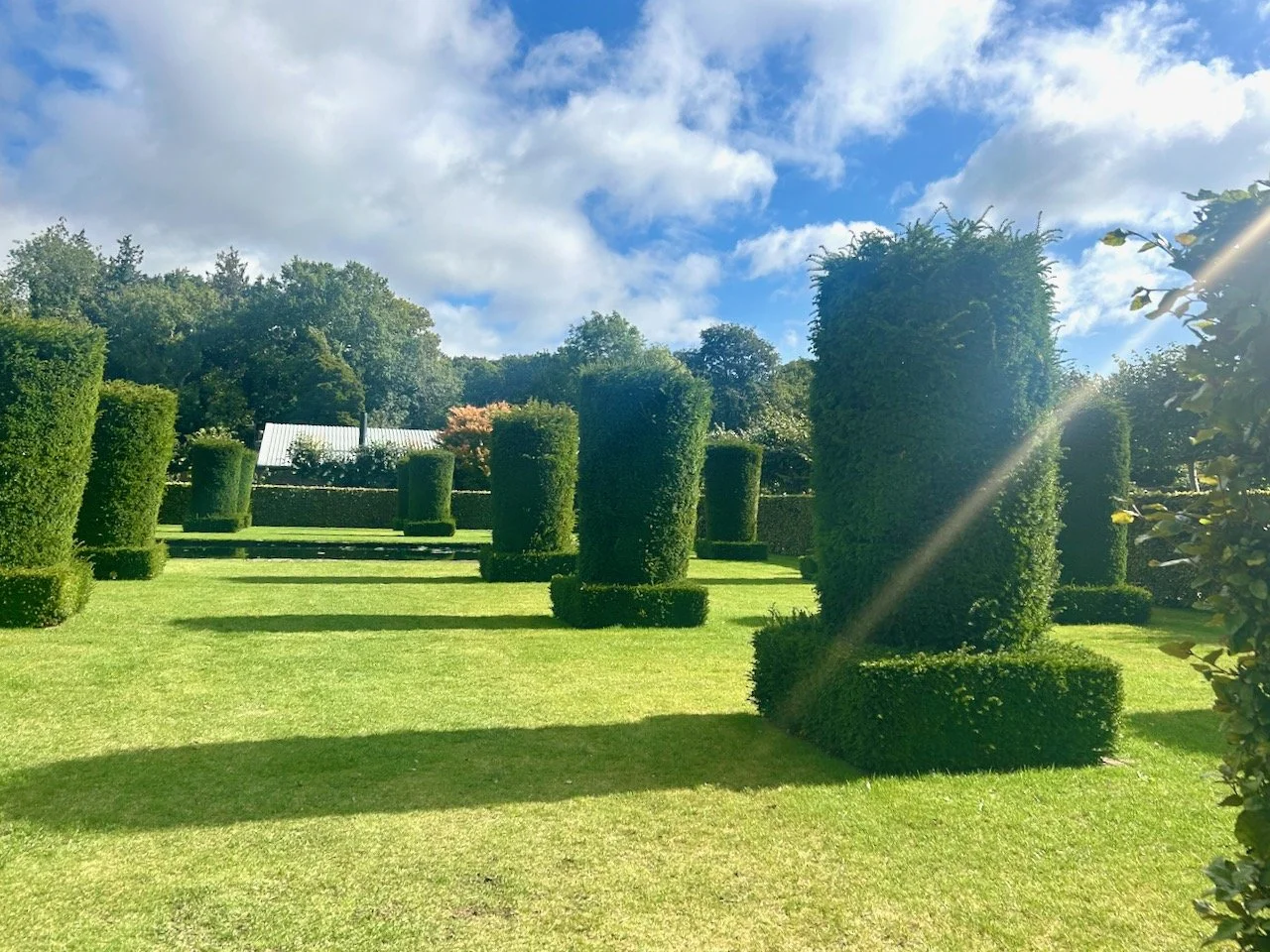
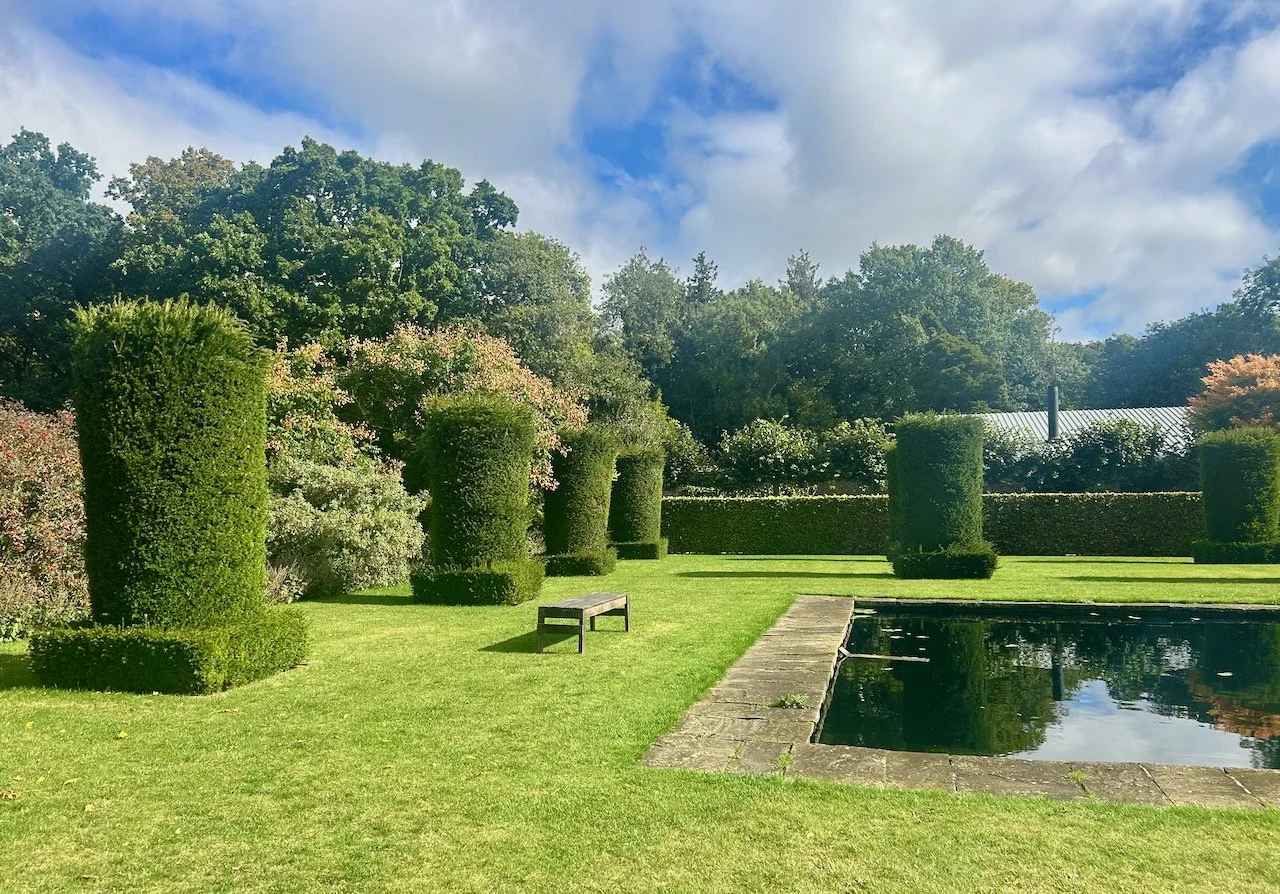
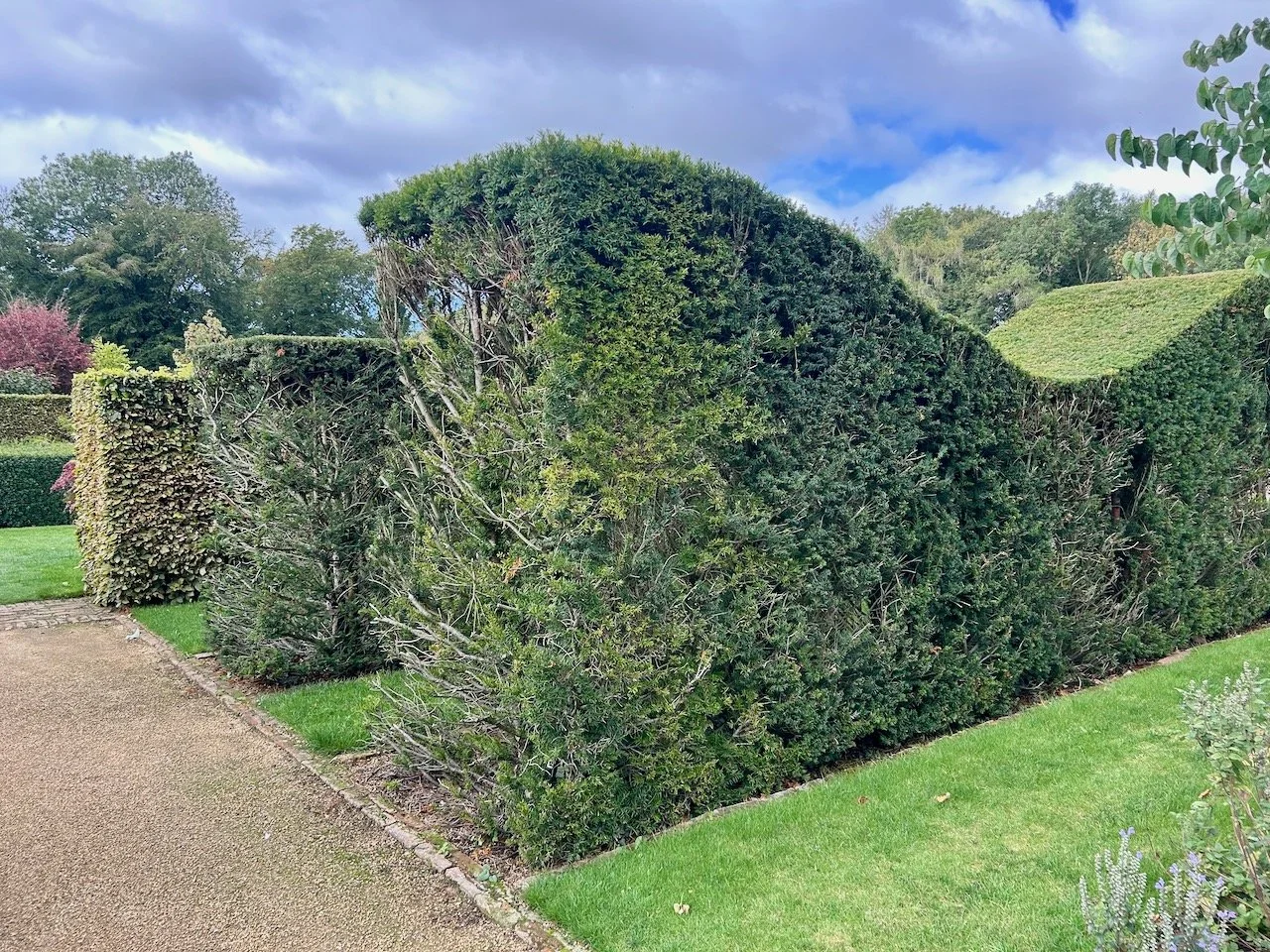
You know how much I like topiary, well after the large three metre squares we’d just walked past, to then come across 24 round columns of yew was a delight. These are permitted to grow to a height of three metres before their tops are levelled.

They certainly have impact.

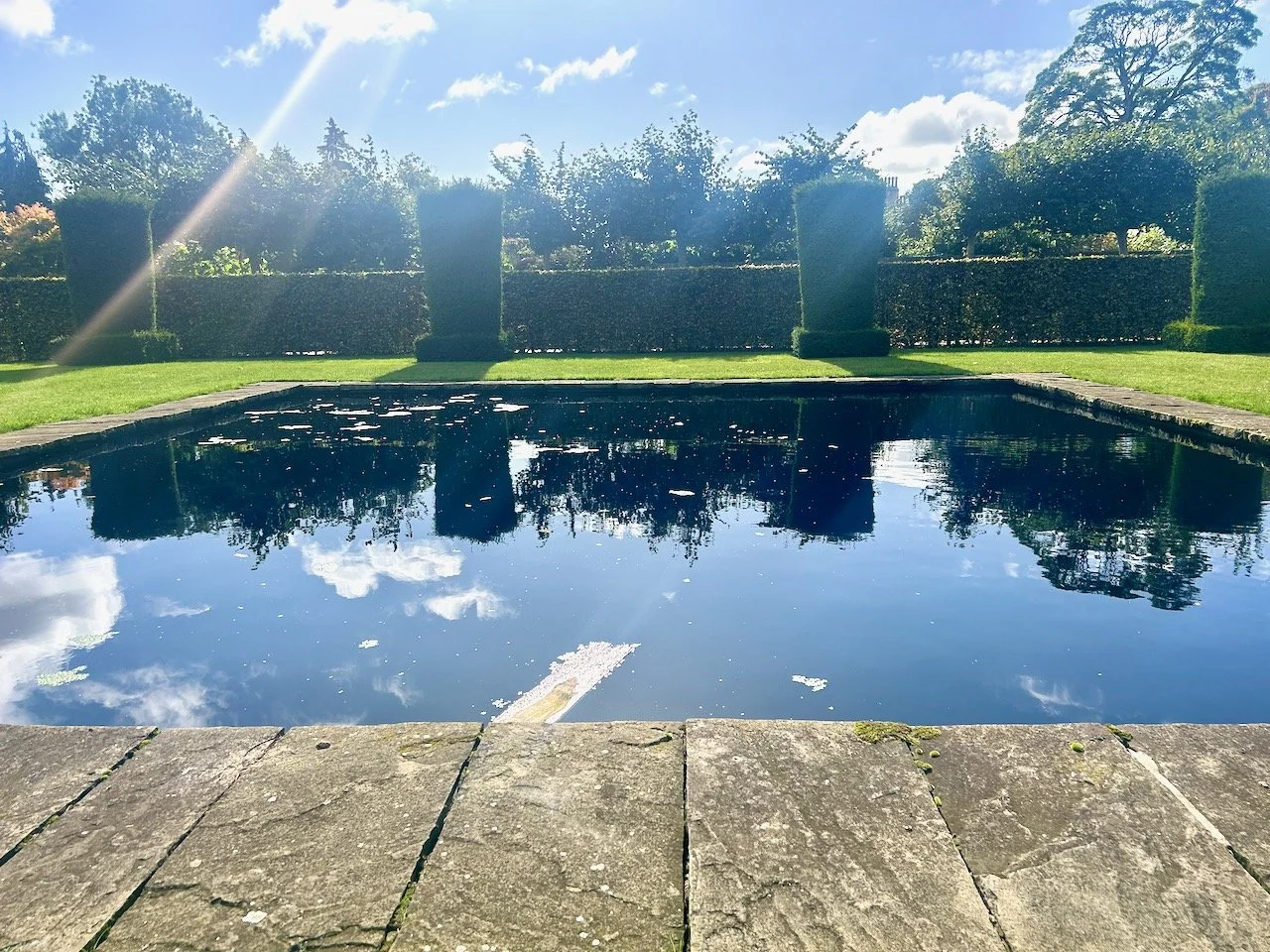
In the centre of the garden there’s a rectangular pond and the yew columns reflect majestically in this, and their symmetry is divine. It’s clearly a minimalist garden - so while I enjoy it, it’s probably not for me in my own garden - and it exudes calmness, and that low bench was a great place to sit and just be.

Though much of my sitting and enjoying the garden also included trying to work out if that was a plank of wood in the pond - it was - and wondering where it had come from. There’d been a bit of a storm the night before so it was relatively easy to work out how it got there, but it wasn’t obvious where it had come from though I think it had probably travelled a fair way.

We headed back towards the borders with the large box borders, the spaces are edged with beech hedges so you can just imagine how great they look as the seasons turn to winter and as their leaves turn bronze.

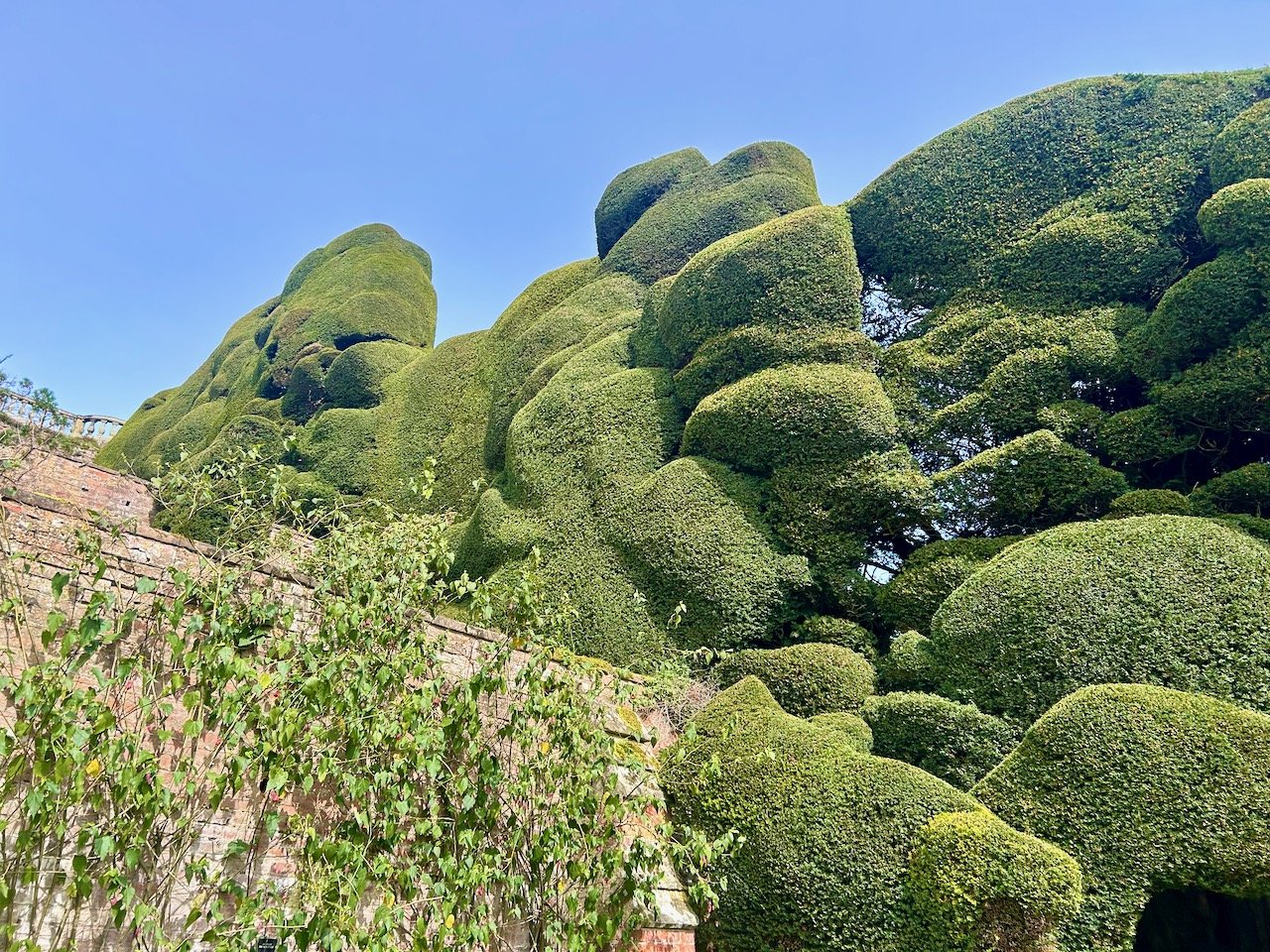
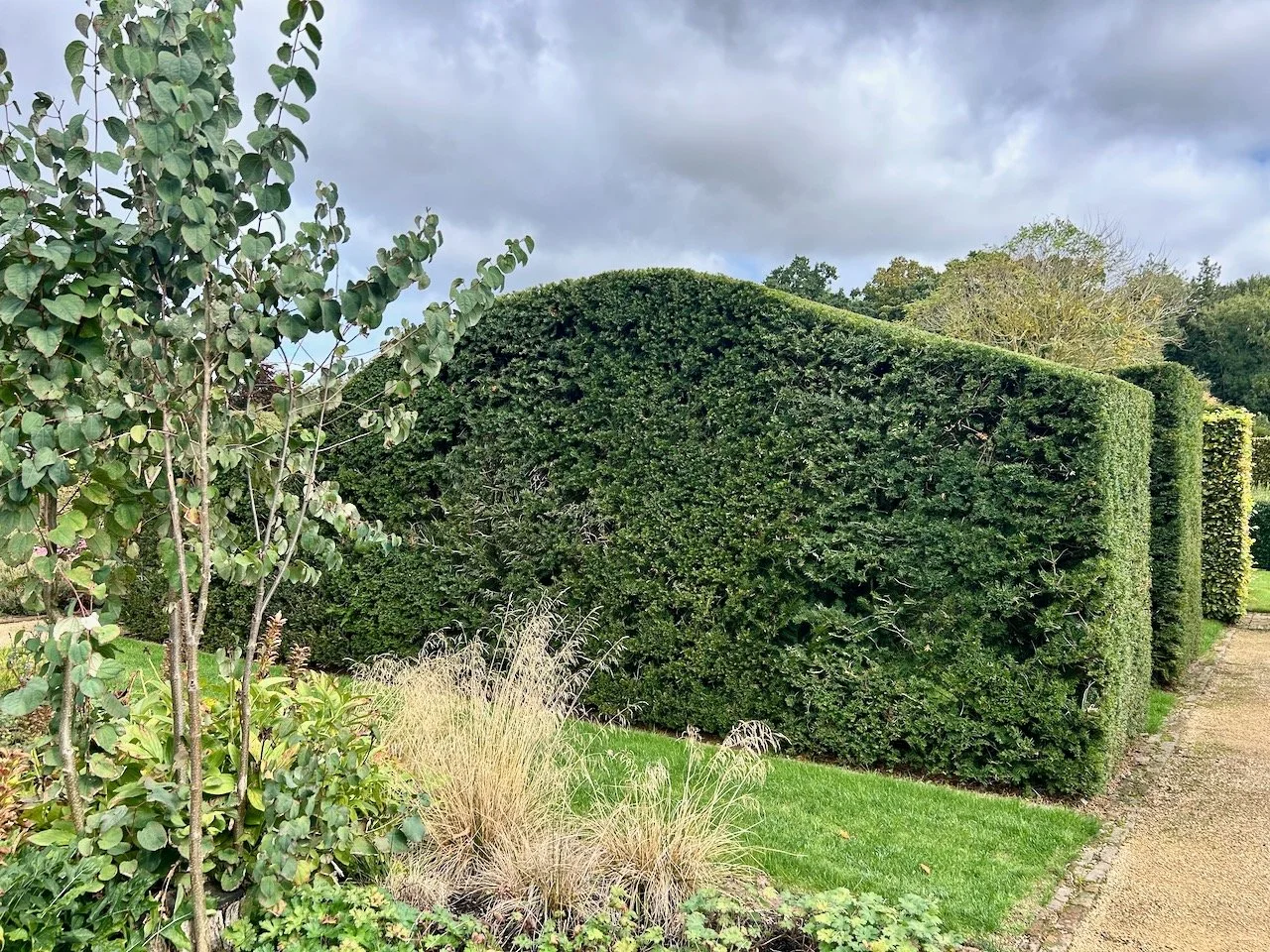
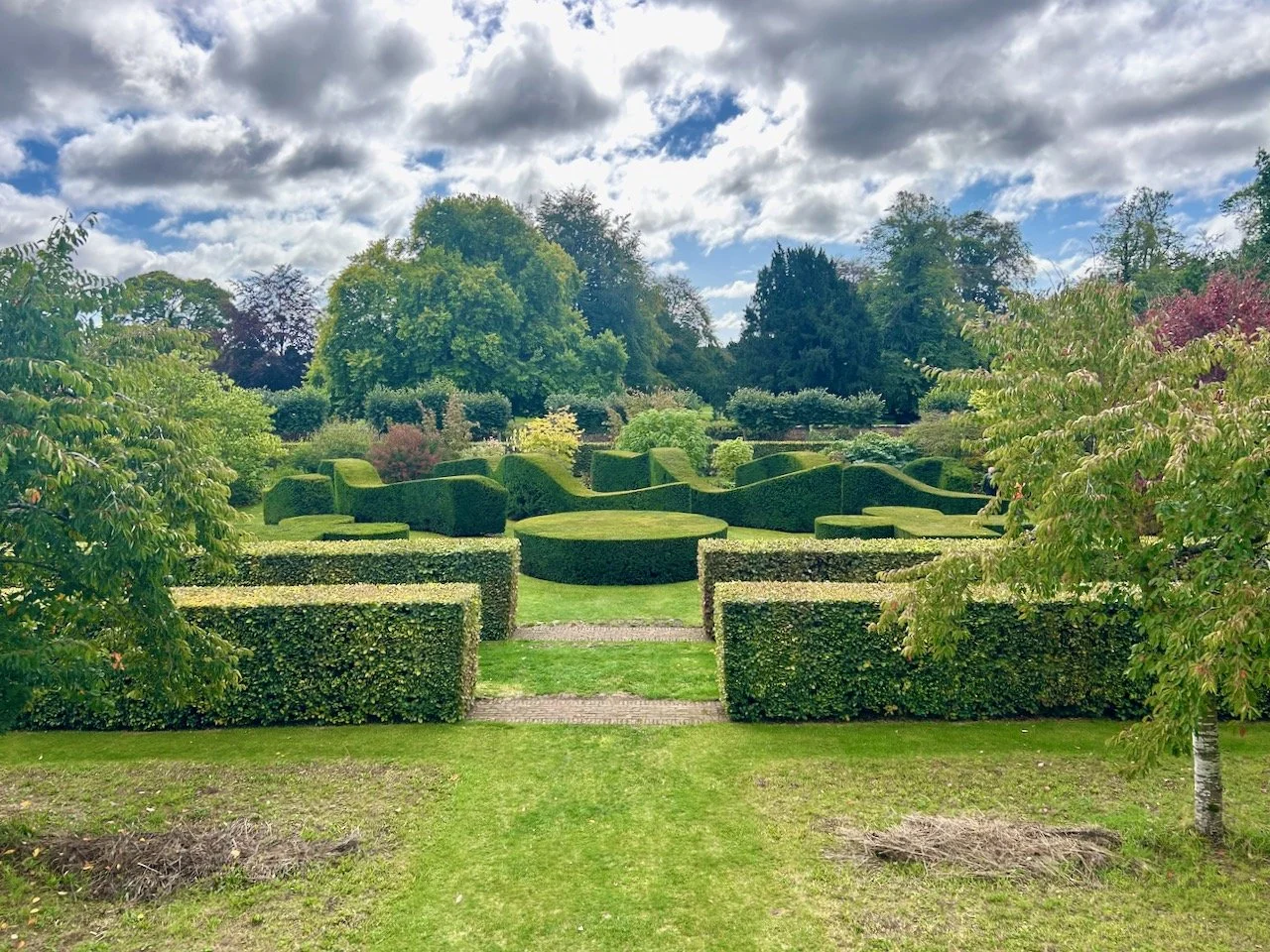
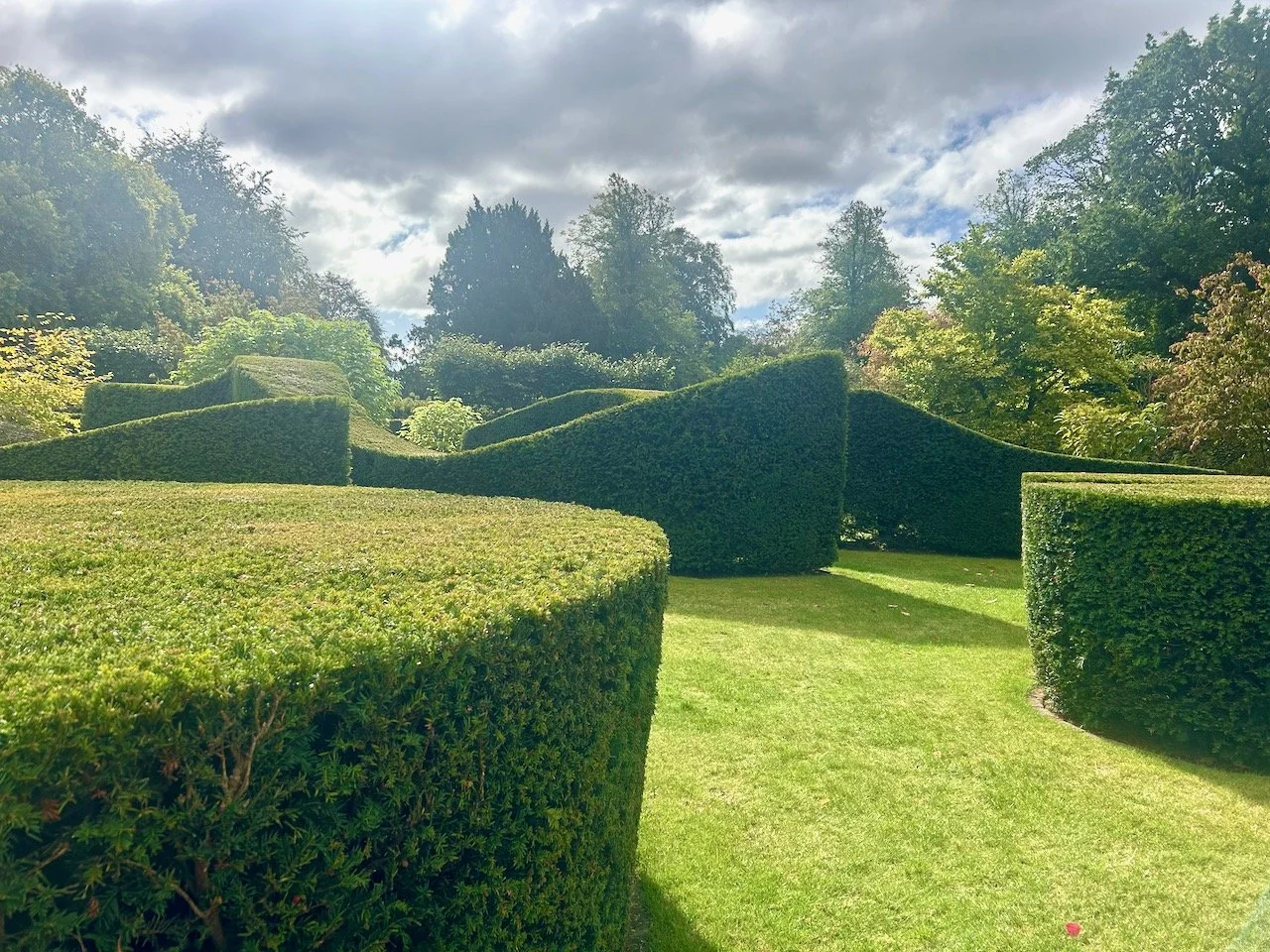
I could spy more topiary in the distance, and so as it was calling me we jumped the structured and numbered order of the gardens again this time making our way to garden 11, named the Serpentine Garden. Named so because it has six serpentine hedges of clipped yew - what a joy!

The clover shaped beds as you entered this garden were also full of spent flower heads which gave a hint to their fabulousness when in full flower.

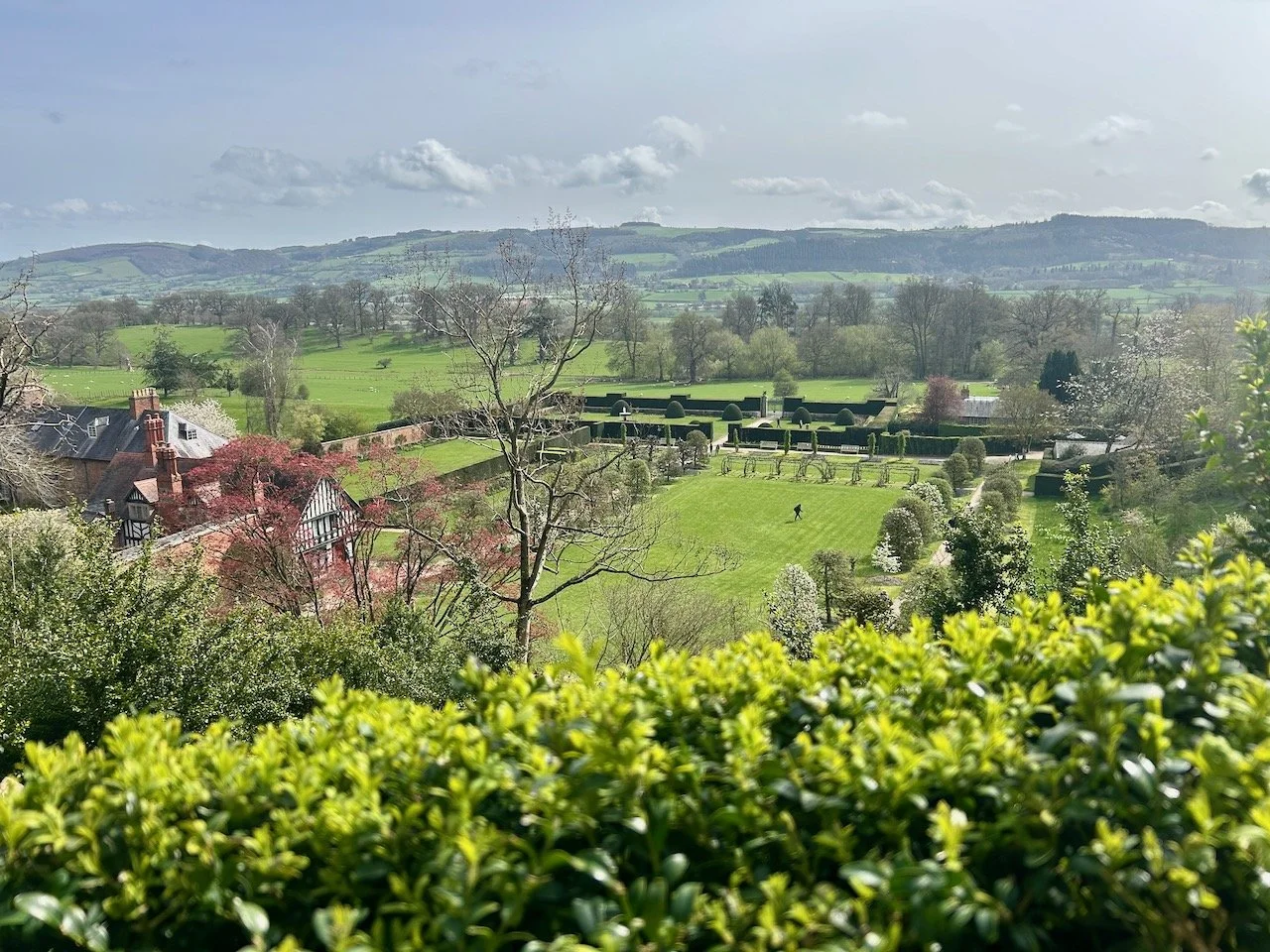
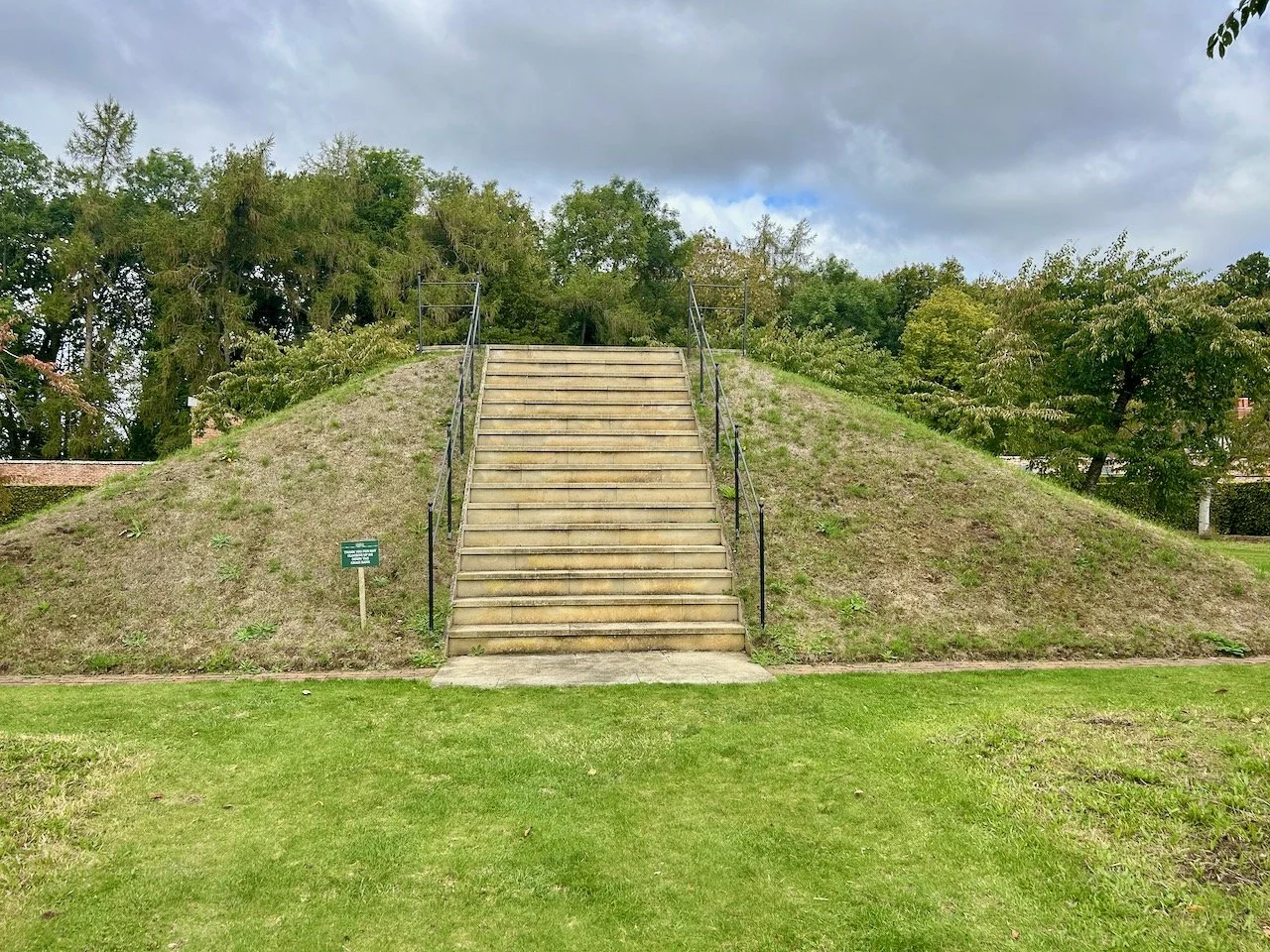
Behind us we spotted The Mount (garden 12) and not one to turn down an invitation to explore further we headed straight up the steps.

And oh, what views across the garden.

The guide to the garden suggests that this is where we should leave the garden, but as we’d skipped gardens along the way that wasn’t our plan. Instead we retraced our route past the serpentine hedges (which reminded me of the hedges at the Thames Barrier park) and garden 10 which had the same three metre squares of box as garden 3, bringing symmetry to the overall garden design.

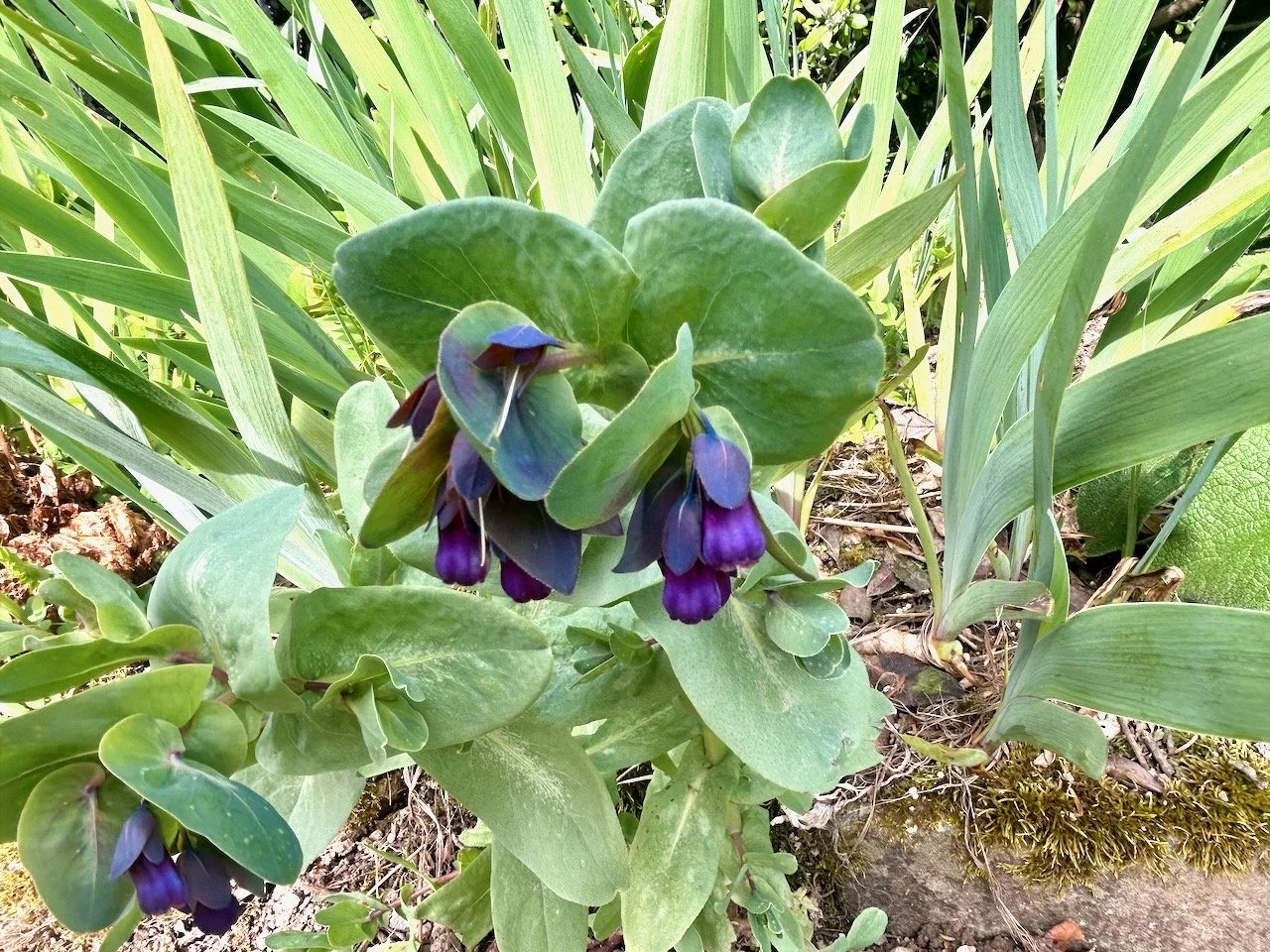
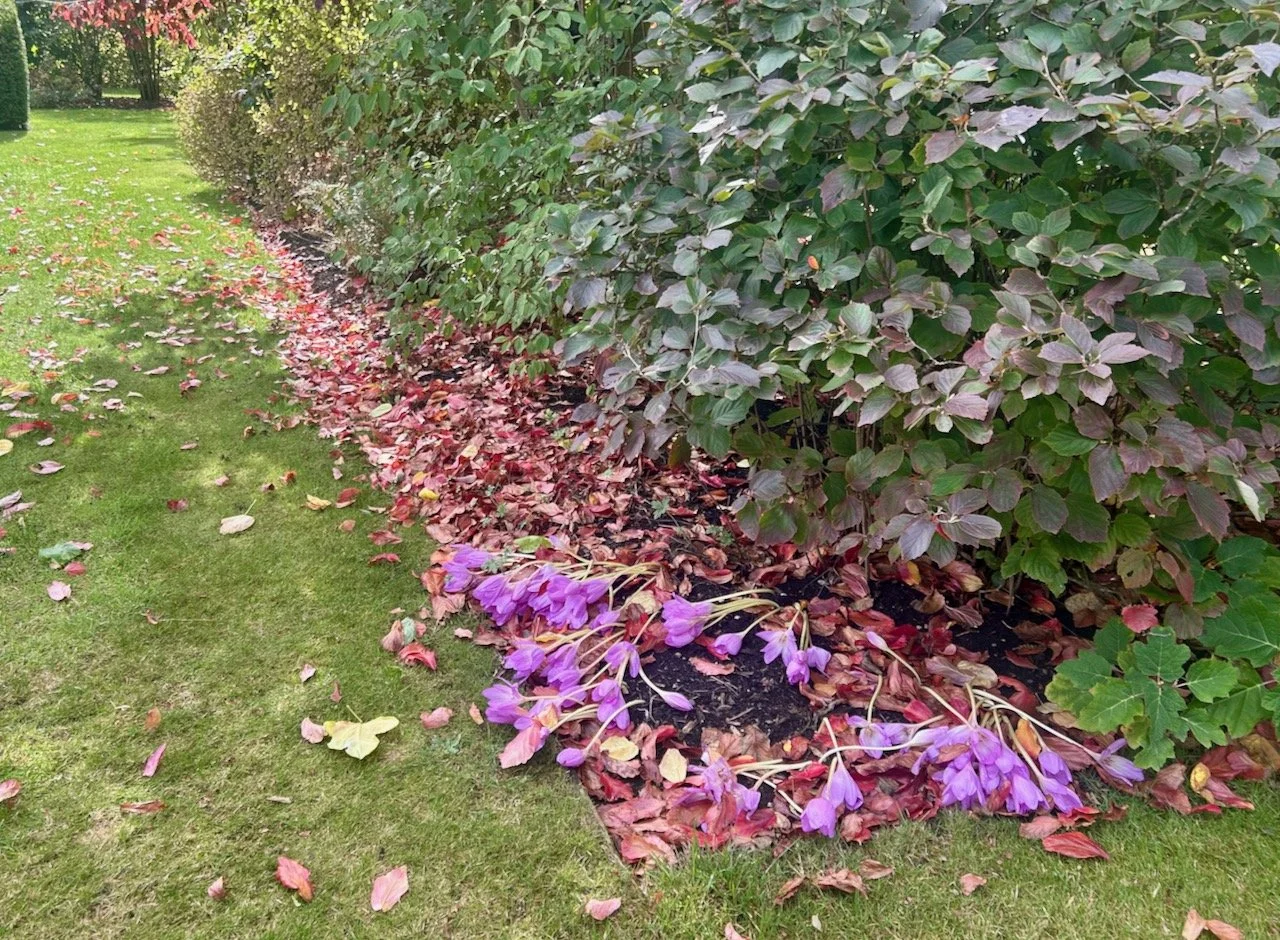
We walked past the Katsura Grove but didn’t spend much time here, but this picture of the exhausted colchicums (or autumn crocuses) made me smile, and reassured me too as mine in my previous garden always seemed to be more horizontal than vertical.

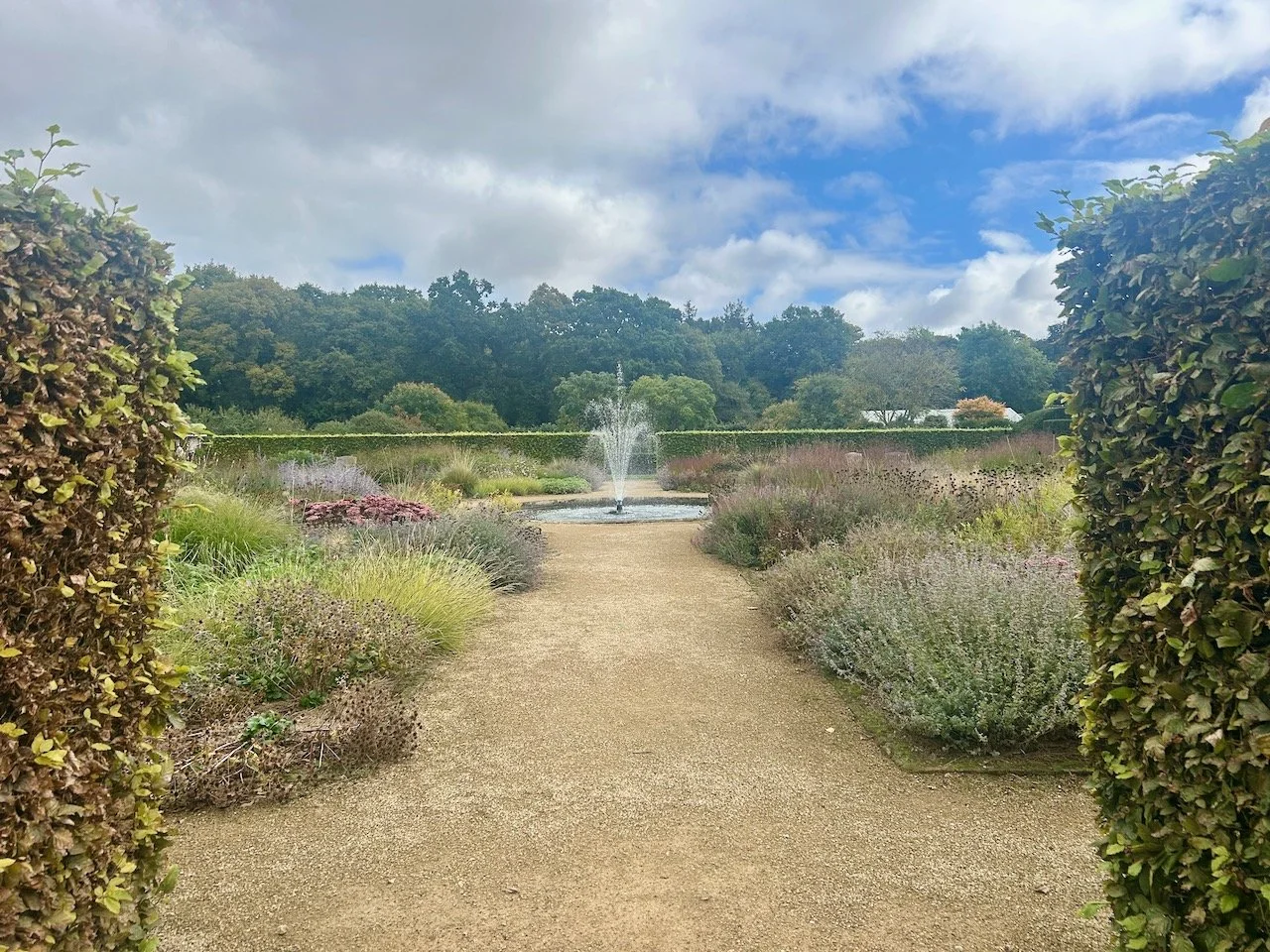
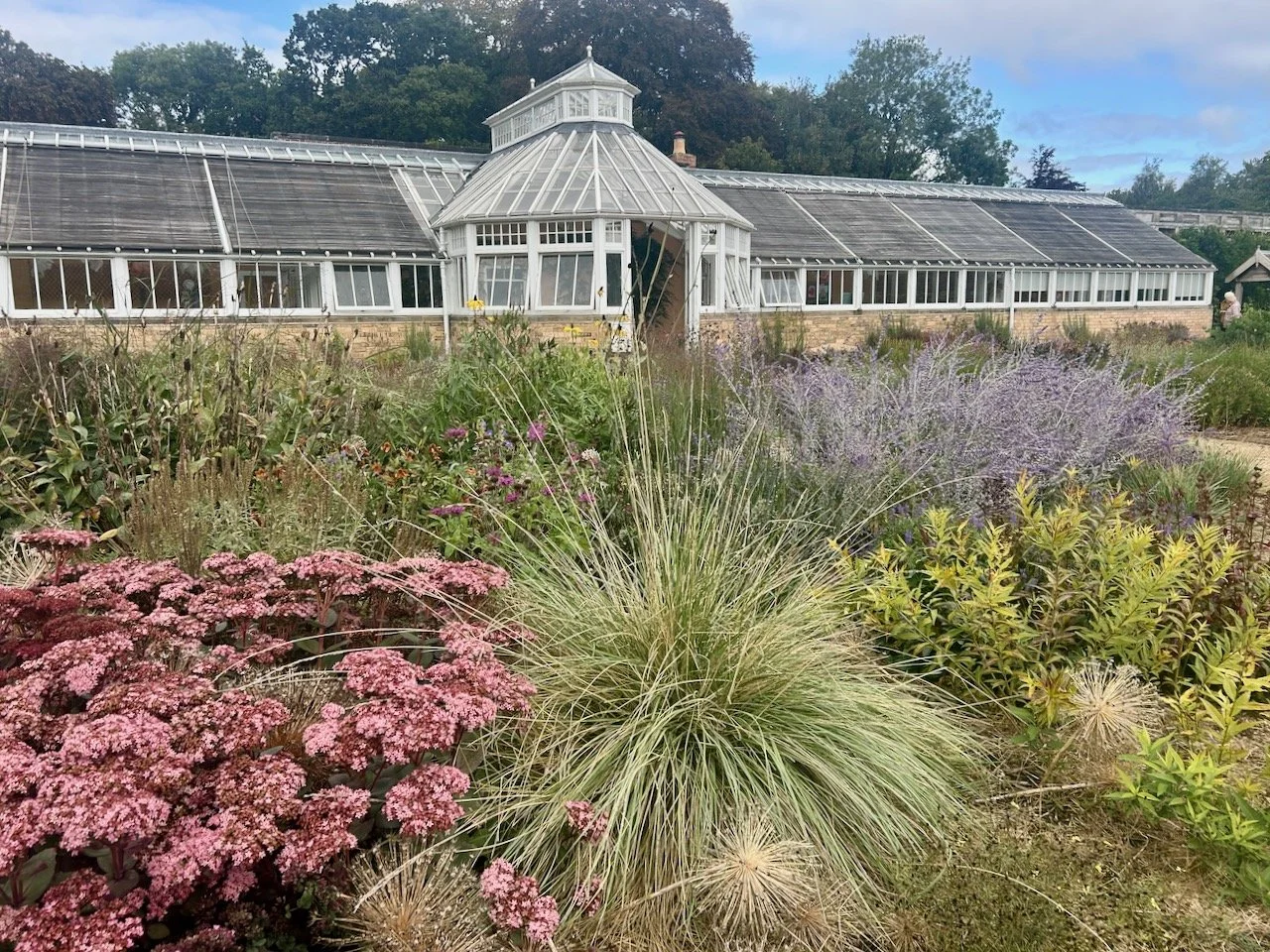
What drew us away from the Katsura Grove was the showstopper of the garden, even in autumn - the Perennial Meadow, located in front of the Conservatory. The Perennial Meadow, or garden seven, is pure Ouldolf and the naturalised planting has been chosen to give a long season of interest, and that certainly works doesn’t it?

The garden notes told us that ‘the form of each plant - leaf, flower head and stem - is just as important as its colour and scent.’ We also noticed that none of these plants were staked, and that again is down to the choice of plants alongside the maintenance routine in this part of the garden,

And as great as it was on our visit, I can’t help but imagine what it’s like in both spring and summer. No doubt it’s full of butterflies and bees, and it’s easy to see why.

So looking back we have covered more gardens in this second post - seven in total, but there’s still the conservatory and the gardeners’ yard and more to share so look out for more posts on those soon.

Topiary at Levens Hall

This garden wasn’t on my ‘to visit’ list, but when our hosts said it was a garden full of topiary, well it jumped to the top of my list. It was less than a fifteen minute drive from where we were staying so it seemed a complete no brainer, and we worked out that we could pair it with a visit to the National Trust’s nearby Sizergh Castle, which was on my list, so even better.

This was the view that met us as we walked through the wooden gate to the gardens:

IMG_4933.jpeg

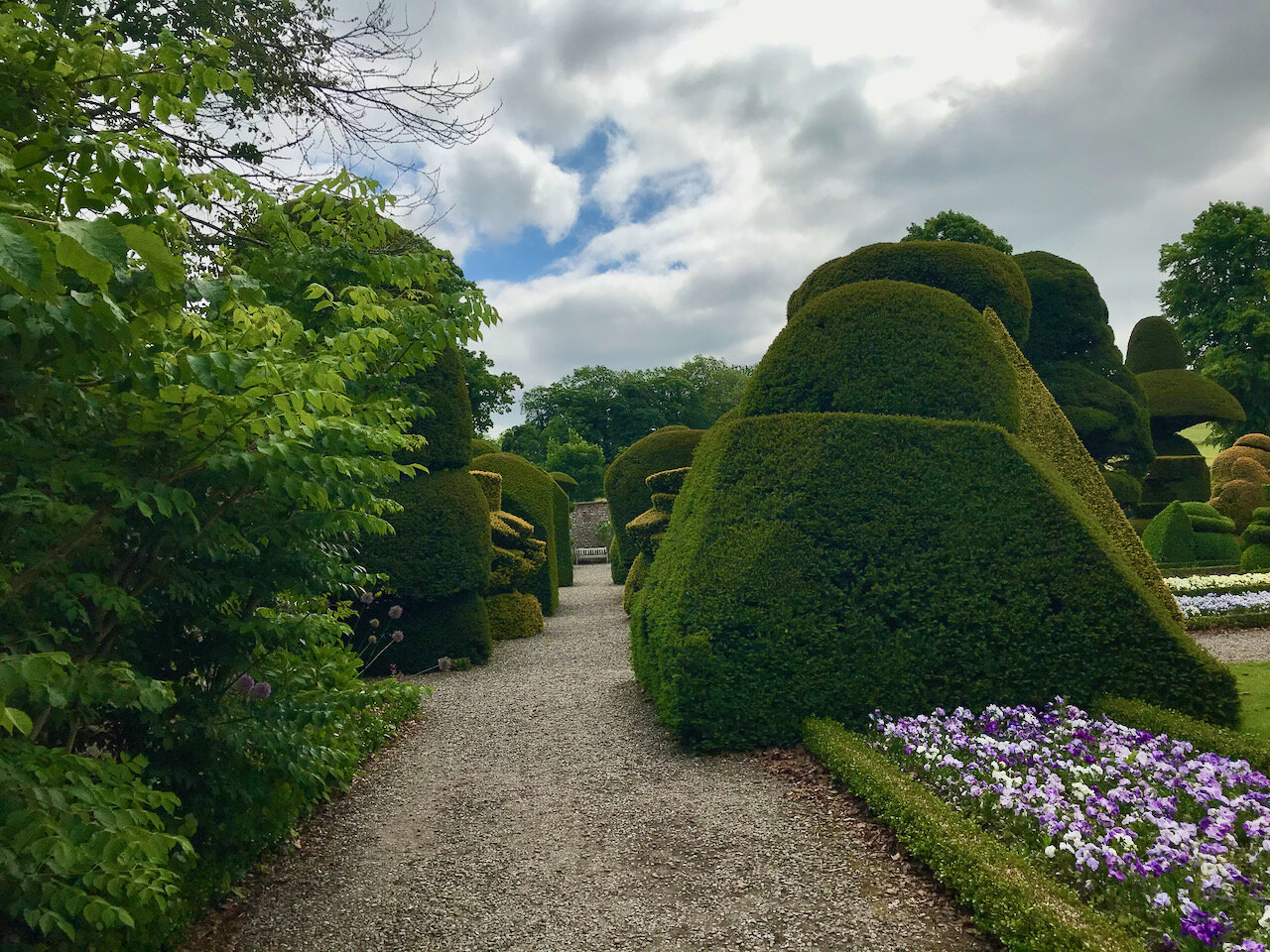
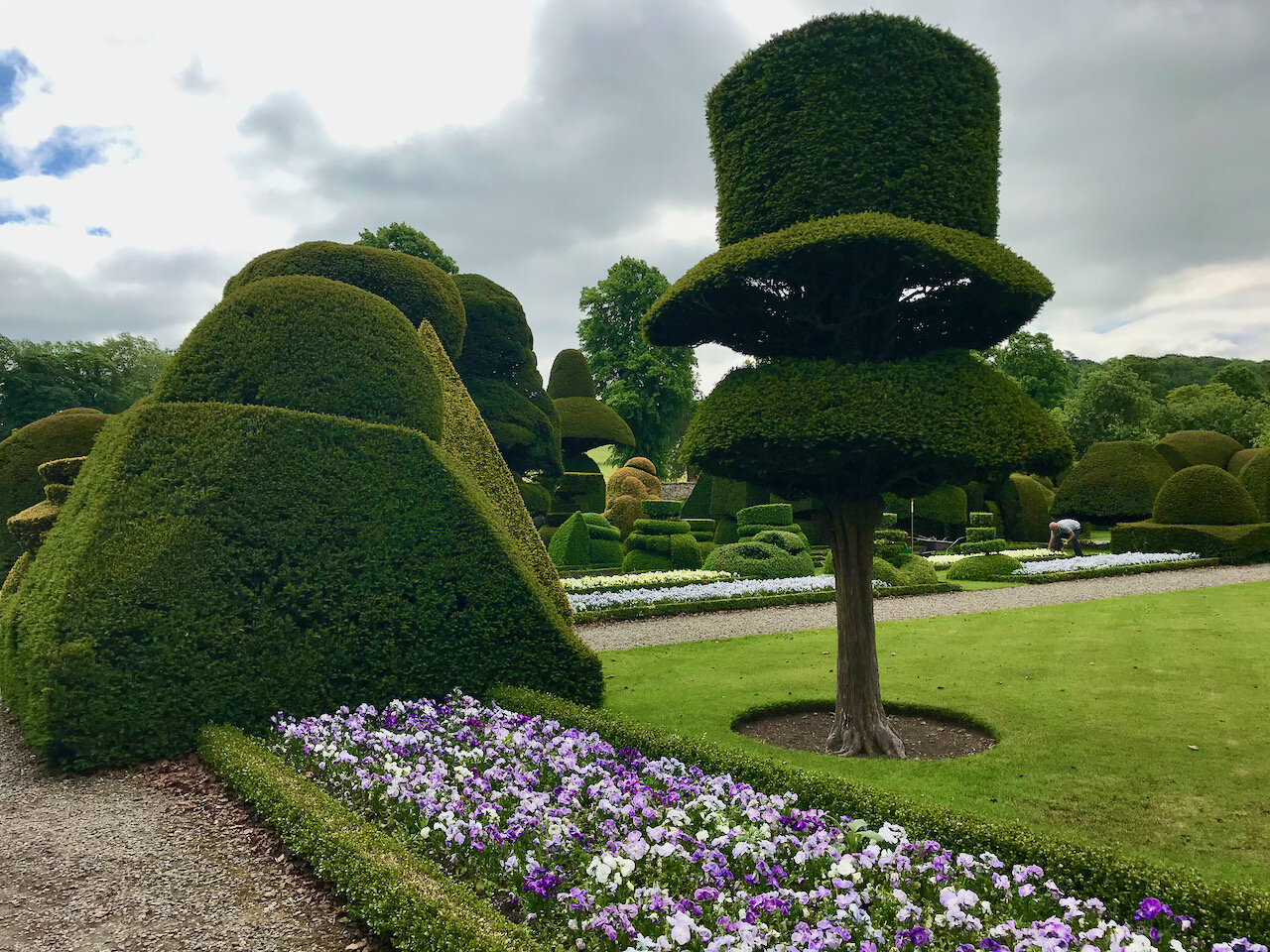
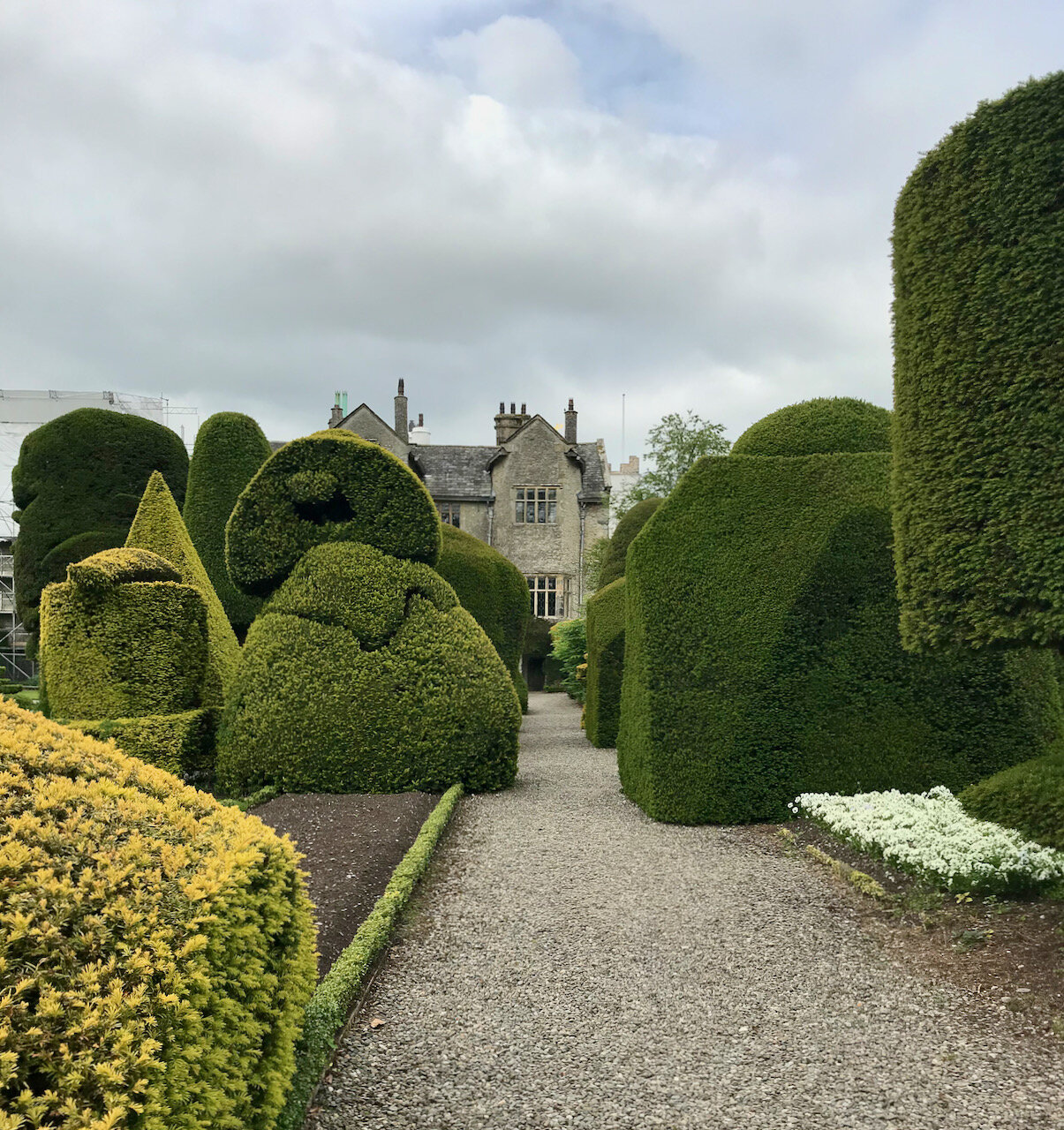
Even though I’d read on the Levens Hall website that the privately-owned house was home to the world’s oldest topiary gardens, I’m not sure I quite expected this. The gardens remain largely unchanged since the 17th century and were truly remarkable.

IMG_4935.jpeg
IMG_4936.jpeg

The garden is a mix of ‘ancient box and yew’ and for someone that, as you know, has a bit of a thing for topiary was breathtaking. I don’t know how my research of the area missed this gem, but I was so glad that we were pointed in the right direction early in our stay!

IMG_4943.jpeg

The gardeners were busy working, but still happy to stop and chat and share more about the gardens. There’s so many shapes to trim that each is only cut once a year, otherwise as the gardener’s said that’s all they’d be doing. And as any gardener knows, there’s always something to be done - while we were there they were fastidiously replacing the bedding plants.

IMG_4952.jpeg

The house wasn’t open on the day we visited, which is a shame as from a at-a-distance-glance-through the windows it looked a great place to visit. It’s a family home which the leaflet we were given assured was one that was free of ropes and barriers for visitors, so as such it felt right to sneak a look rather than peer through the windows!

IMG_4953.jpeg
IMG_4956.jpeg
IMG_4957.jpeg

There was more than the topiary, but clearly this was the main feature - another day I’ll share more from here, and by then we may even have tasted the jar of honey we purchased part-way round the garden. But until then, let’s just enjoy the topiary and the many varied shapes.

“TheGardenYear

Topiary at RHS Wisley

On our last visit to RHS Wisley, in February 2020, I saw something there I’d never seen before. You’ll know how much of a fan of topiary I am, so this discovery was a good find for me. A whole ‘alley’ of differently shaped and perfectly manicured topiary.

There’s little more that I can add, so sit back, scroll down and enjoy the fantastic shapes.

topiary trees at rhs wisley.jpeg
A swirl of a tree.jpeg
a canopy at the top.jpeg
more topiary shapes.jpeg
a wedding cake topiary shape.jpeg

Unfortunately for us, Wisley is a little too far to be counted as ‘local’ for us during lockdown, but it’s somewhere I’m keen to get back to when the time is right. It was one of my Visit Seven gardens last year, and it was good to be able to get there once. I’ve not celebrated my 8th blogging anniversary here yet, which probably is indicative of the last year too. I’ll get there, I just need to work out how I’ll do that, as choosing eight places to visit, let alone gardens, feels ambitious right now!