






Time has flown and it’s hard to believe it’s already over a month since our trip to Wales, and our visit to Powis Castle. I’d planned to get out in the garden as there’s plenty to do out there, but the weather had other ideas so instead I’ve edited my photos of the gardens and hedges at Powis, and well, there’ll be more than one blog post!
But when you walk into a garden and this is the opening view, you just know you’re going to have a fabulous visit, and we did.
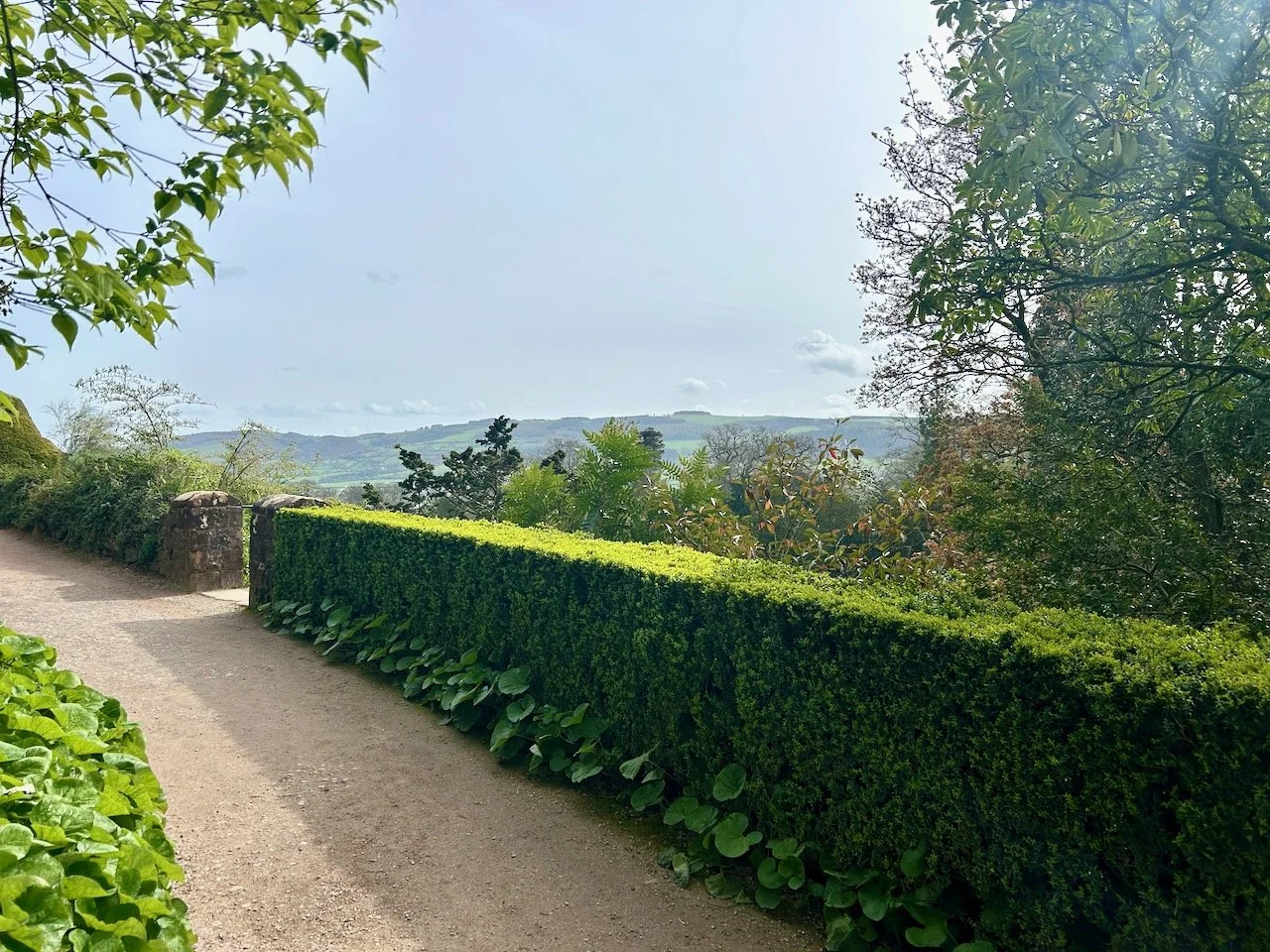
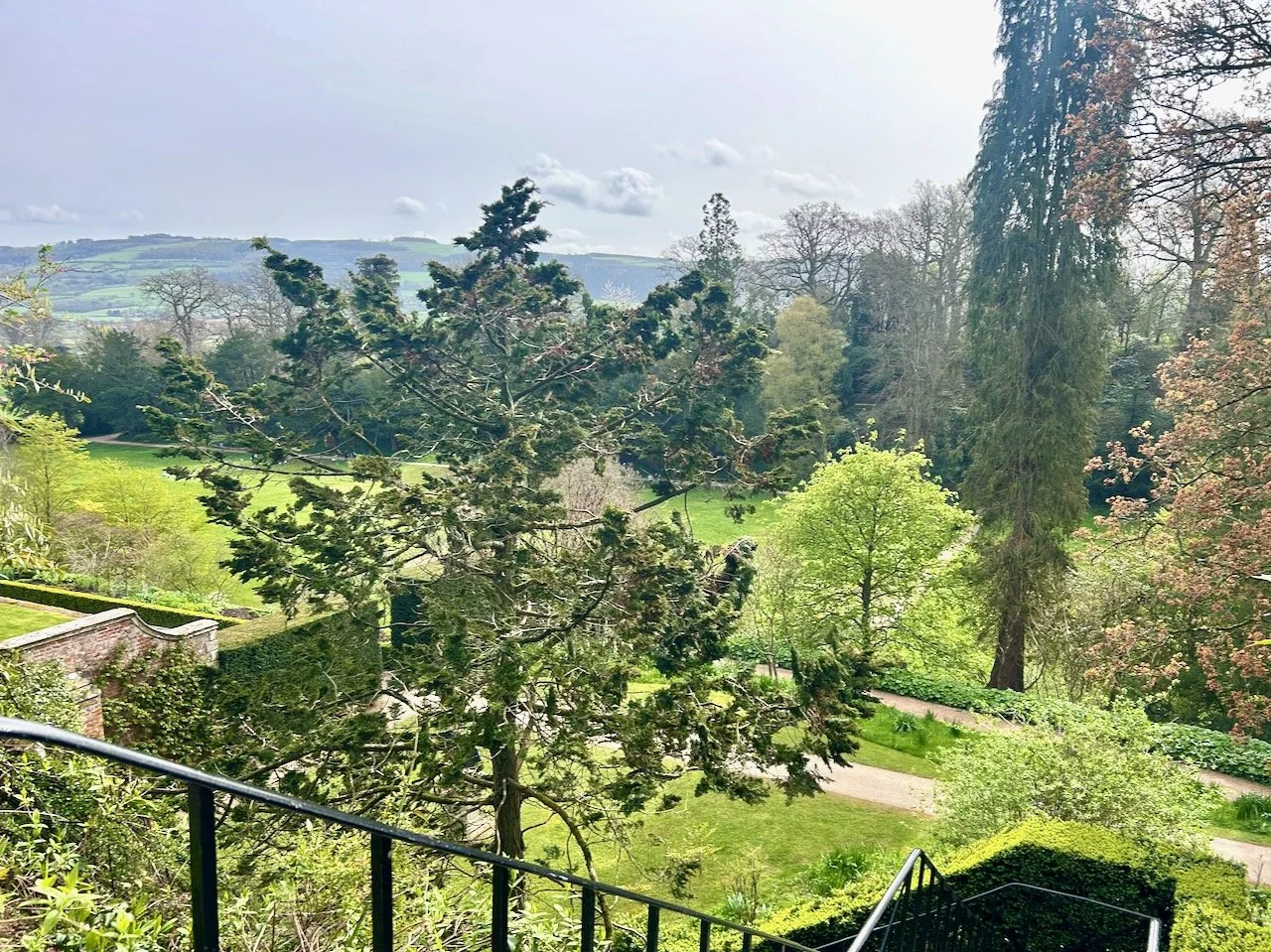
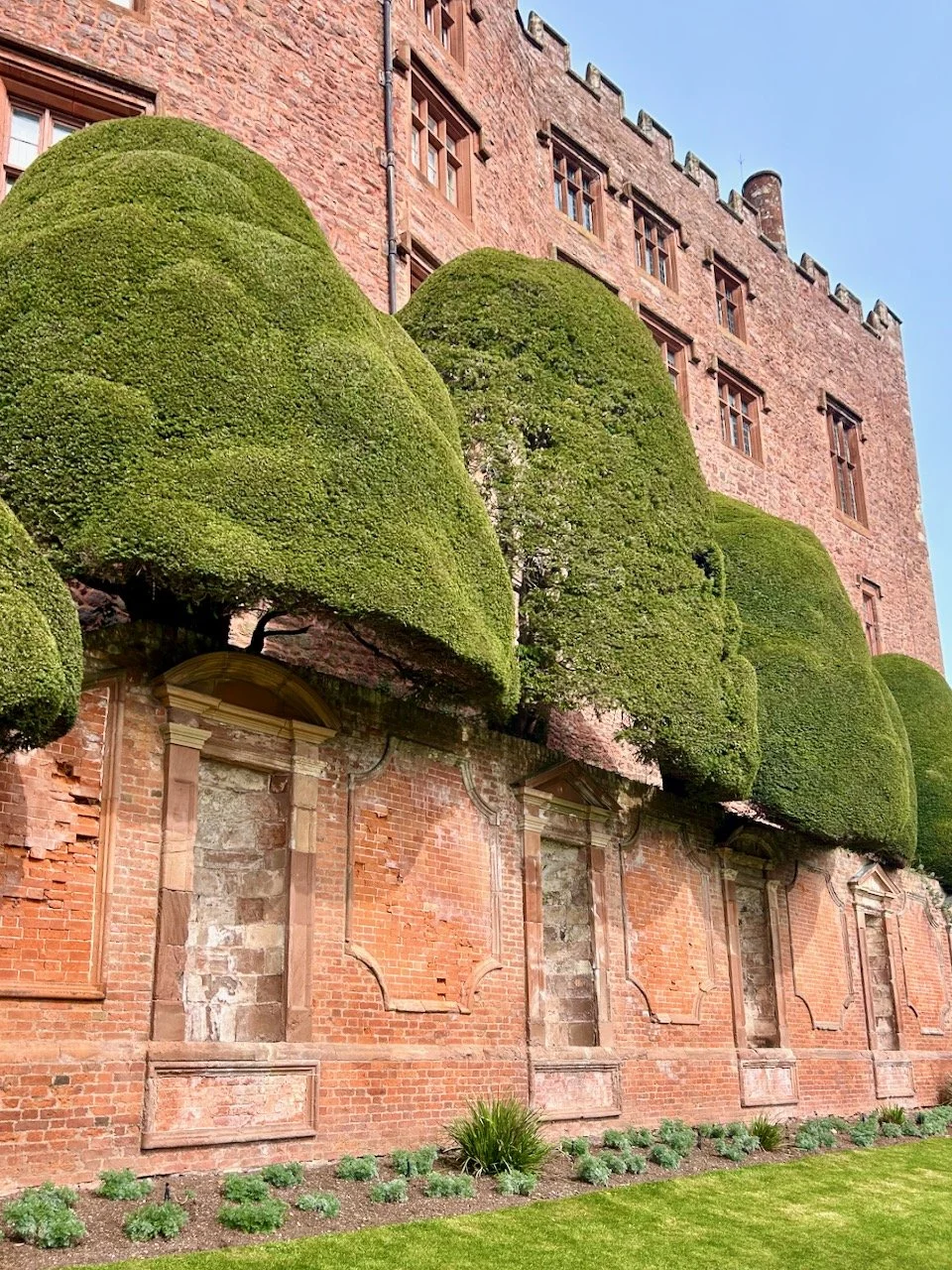
The castle was built in the 13th century as a medieval fortress and over the years has changed to reflect the Herbert family who have occupied the castle from the 1570s. The views across the Severn Valley are fantastic, and the gardens retain many of its original features including the 17th century Italianate terraces lined with fantastic borders, and 30ft clipped yew trees. Plus there’s an Edwardian formal garden with century old apple trees and rosebeds and so much more.
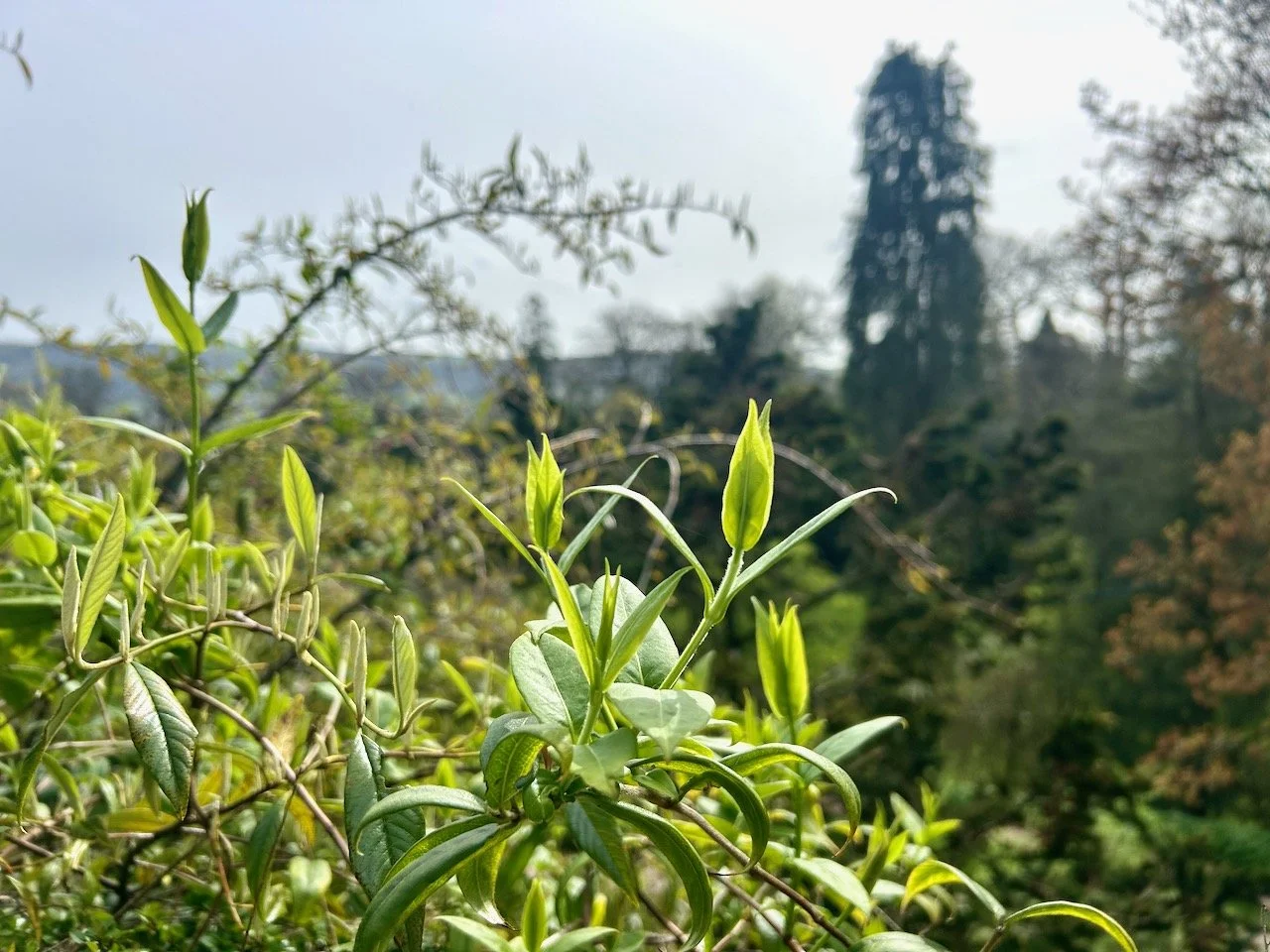
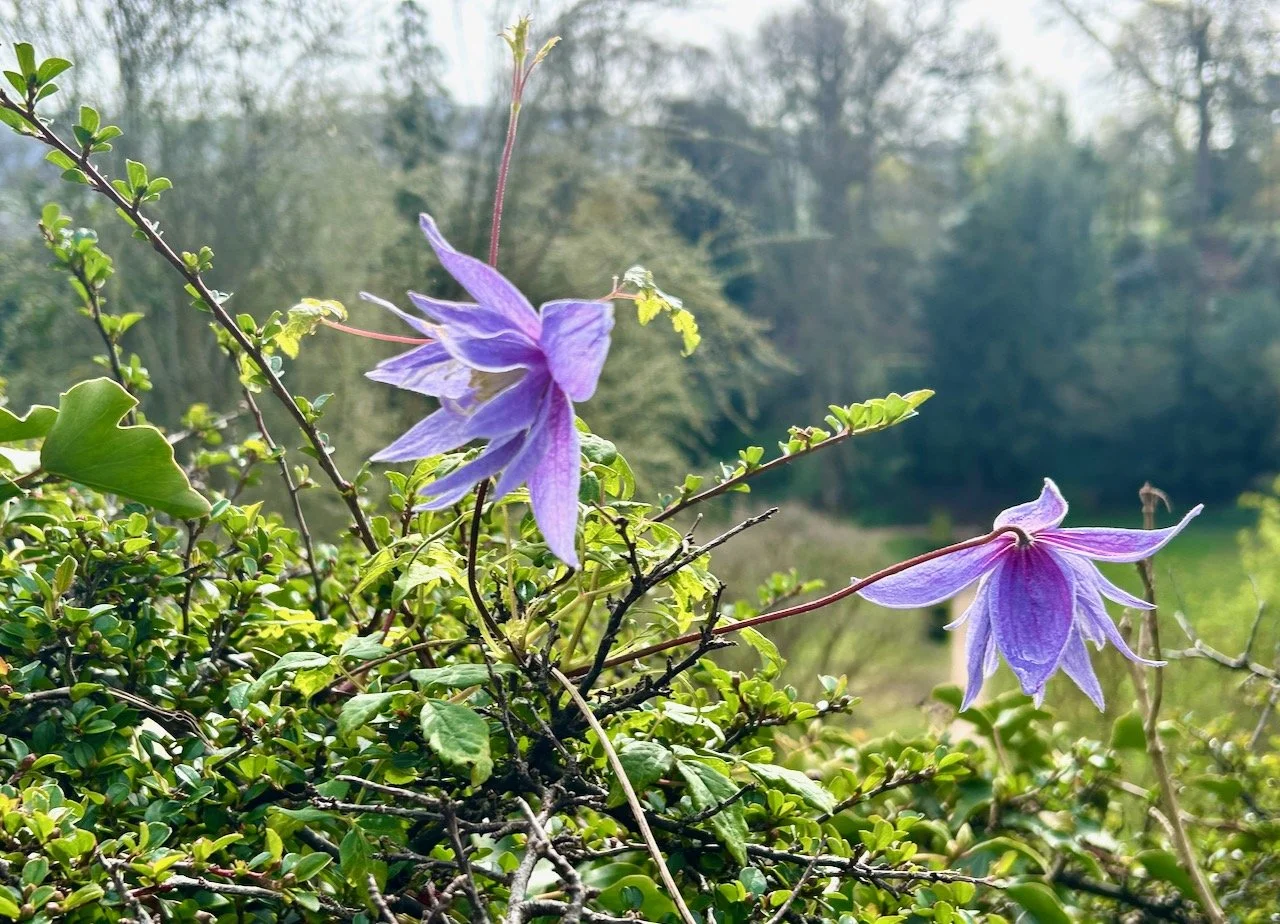
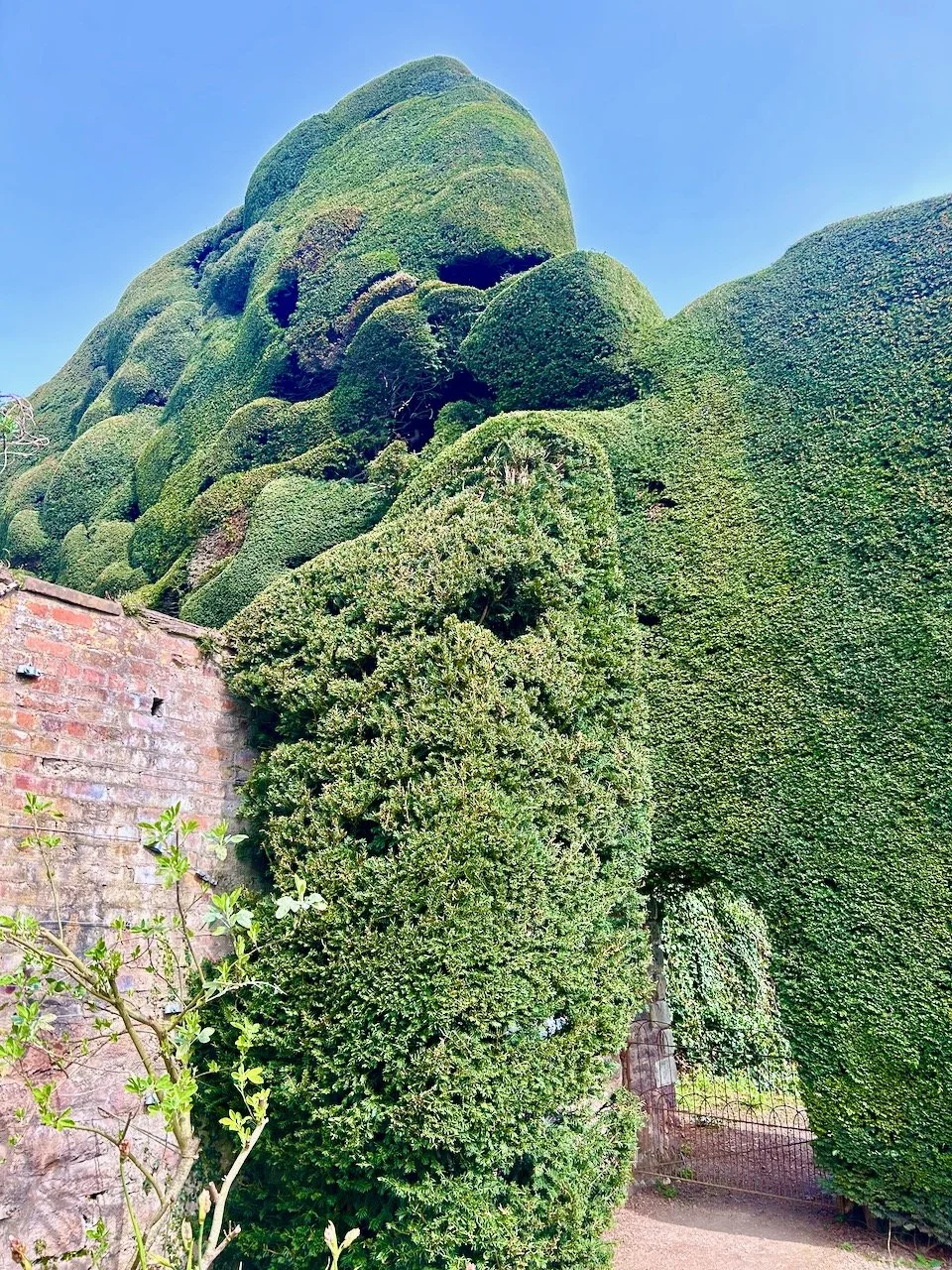
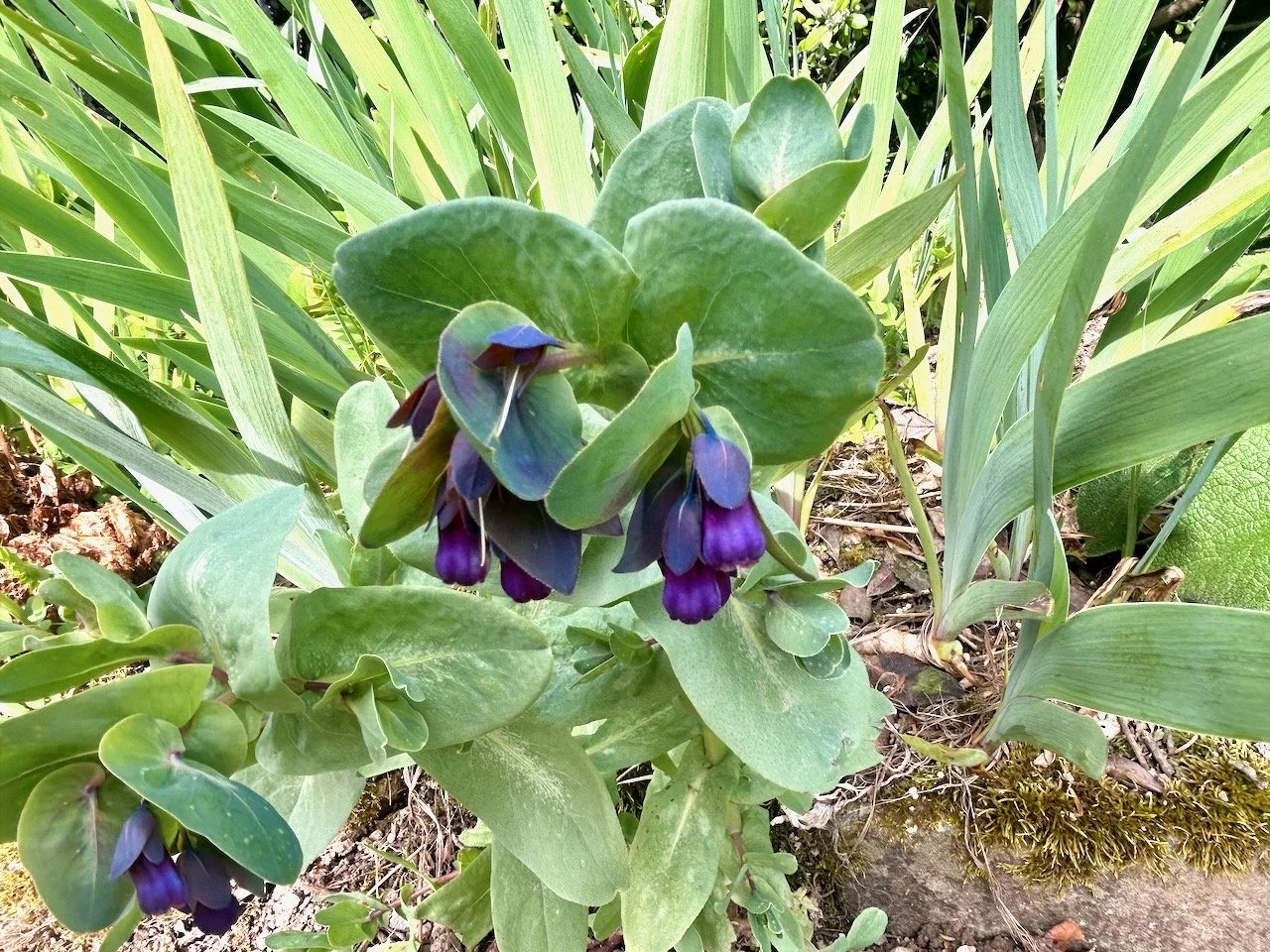
As with any garden though it’s about the plants big and small, and in the gardens there was a vast scale from delicate buds, dancing flowers and huge, huge yew hedges.
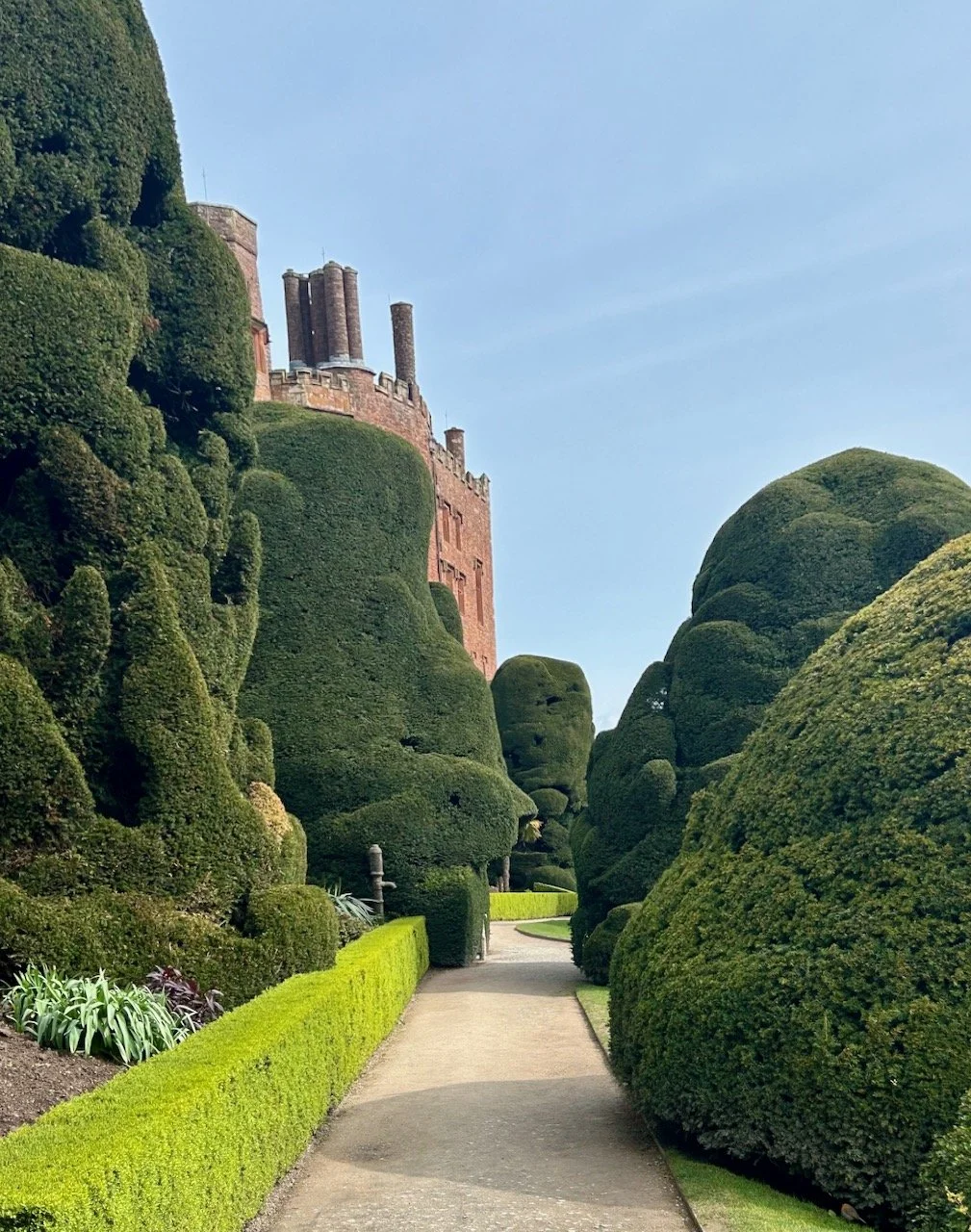
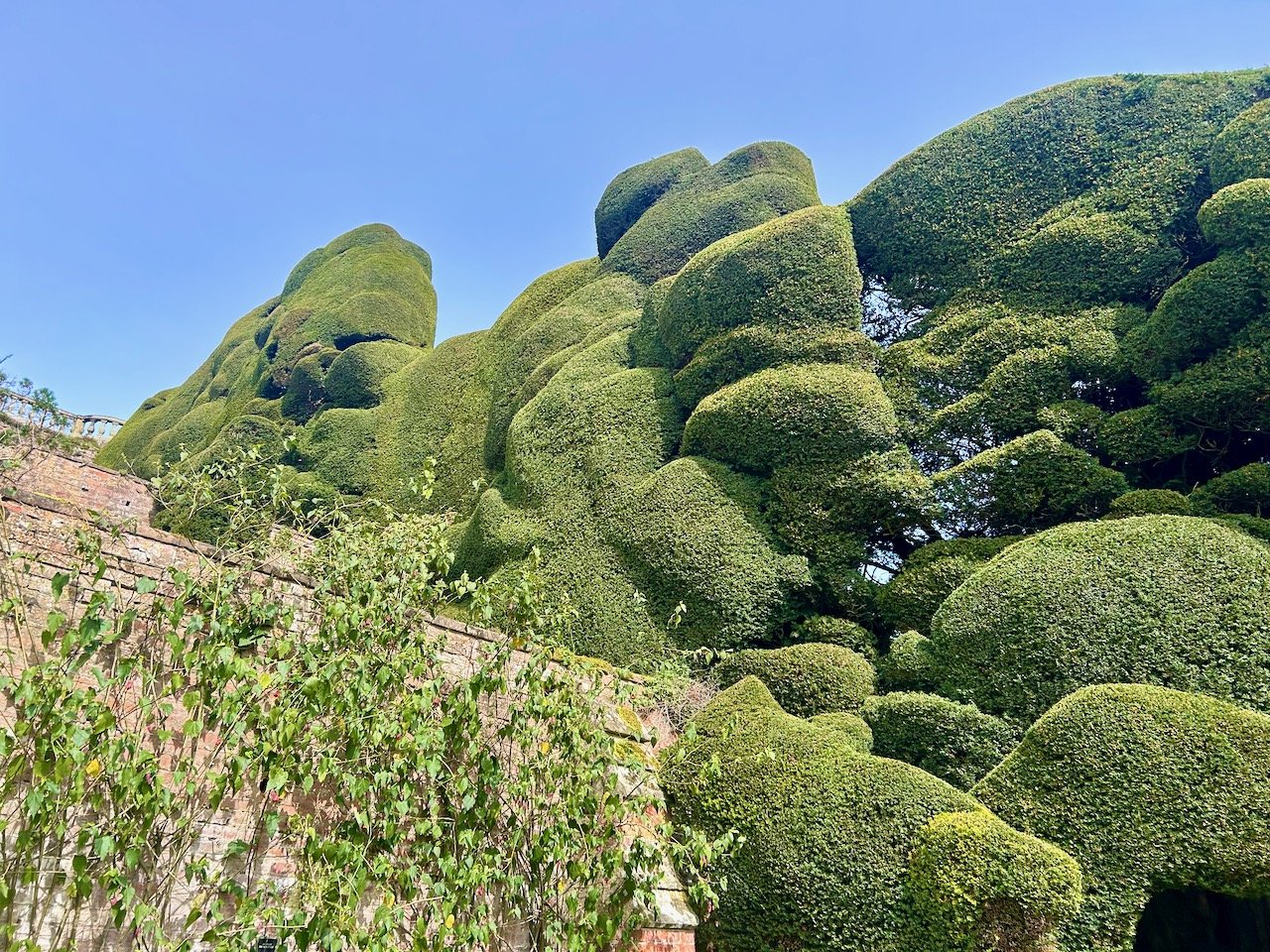
I told you they were big!
So big I think we can agree with the National Trust when they say giant.
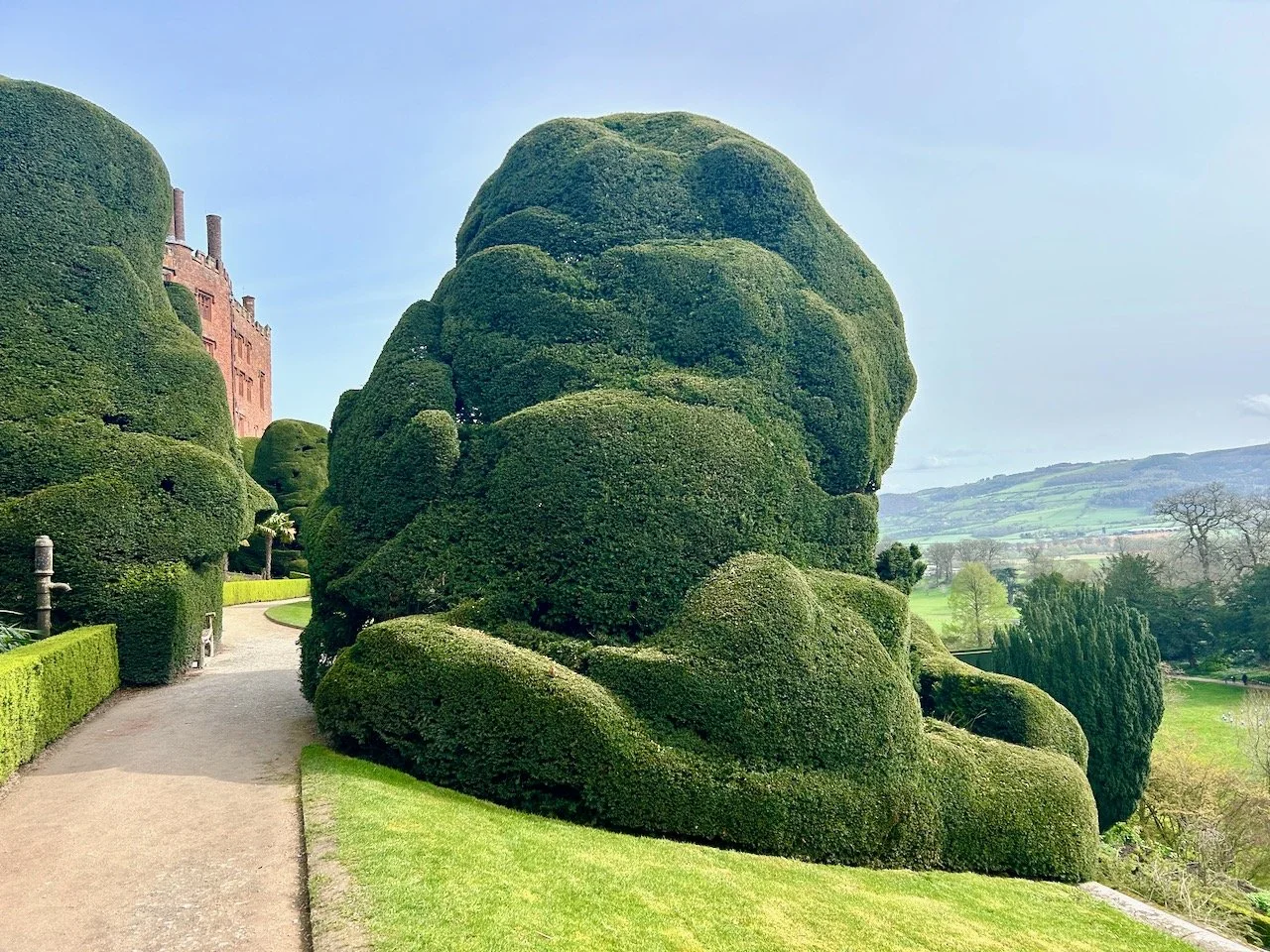
The giant yew topiary was first planted at Powis in the 1680s; then the fashion was for strict geometric patterns or formal gardening, so the yews here began life as a trimmed obelisk shape. By the 1780s garden fashions had changed favouring a natural blending of garden with the surrounding countryside, so the topiary trees that were kept were allowed to grow in their natural shape.
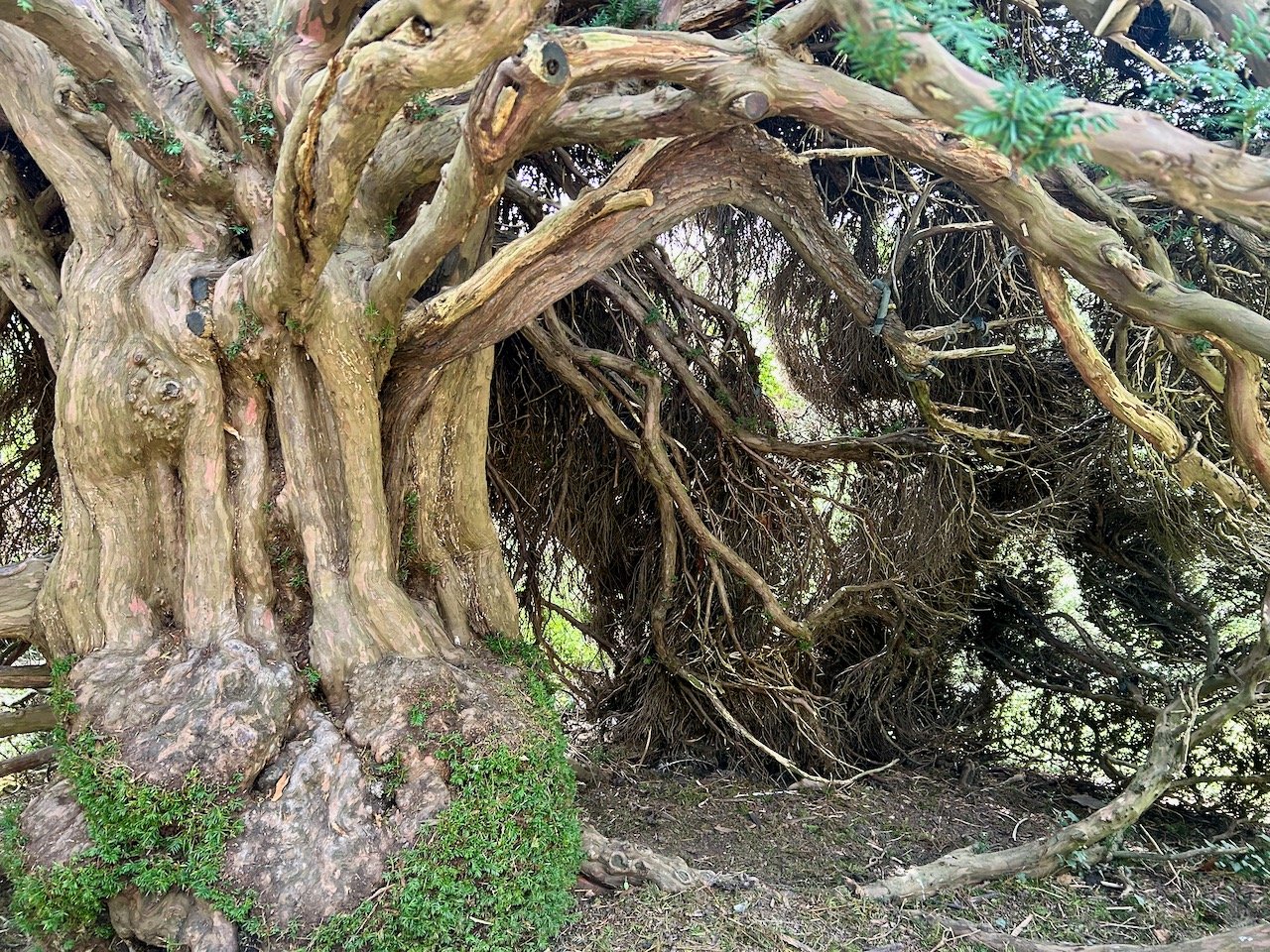
During Victorian times the fashion for stricter controls returned and the National Trust say that yews were shaped using a sickle, while the other hand held onto the ladder - definitely not a job for the faint hearted. Today they use electric hedge trimmers to keep the unique character of these topiary trees. It takes four staff three months to cut all the hedges once a year, with the yew topiary trimmed between late August and early November.
Like many great houses the gardens evolve and reflect both the fashion of the day and the desires of the garden’s supporter. The garden here at Powis owes much to Lady Violet, wife of the 4th Earl of Powis who set out to make it ‘one of the most beautiful, if not the most beautiful in England and Wales’.
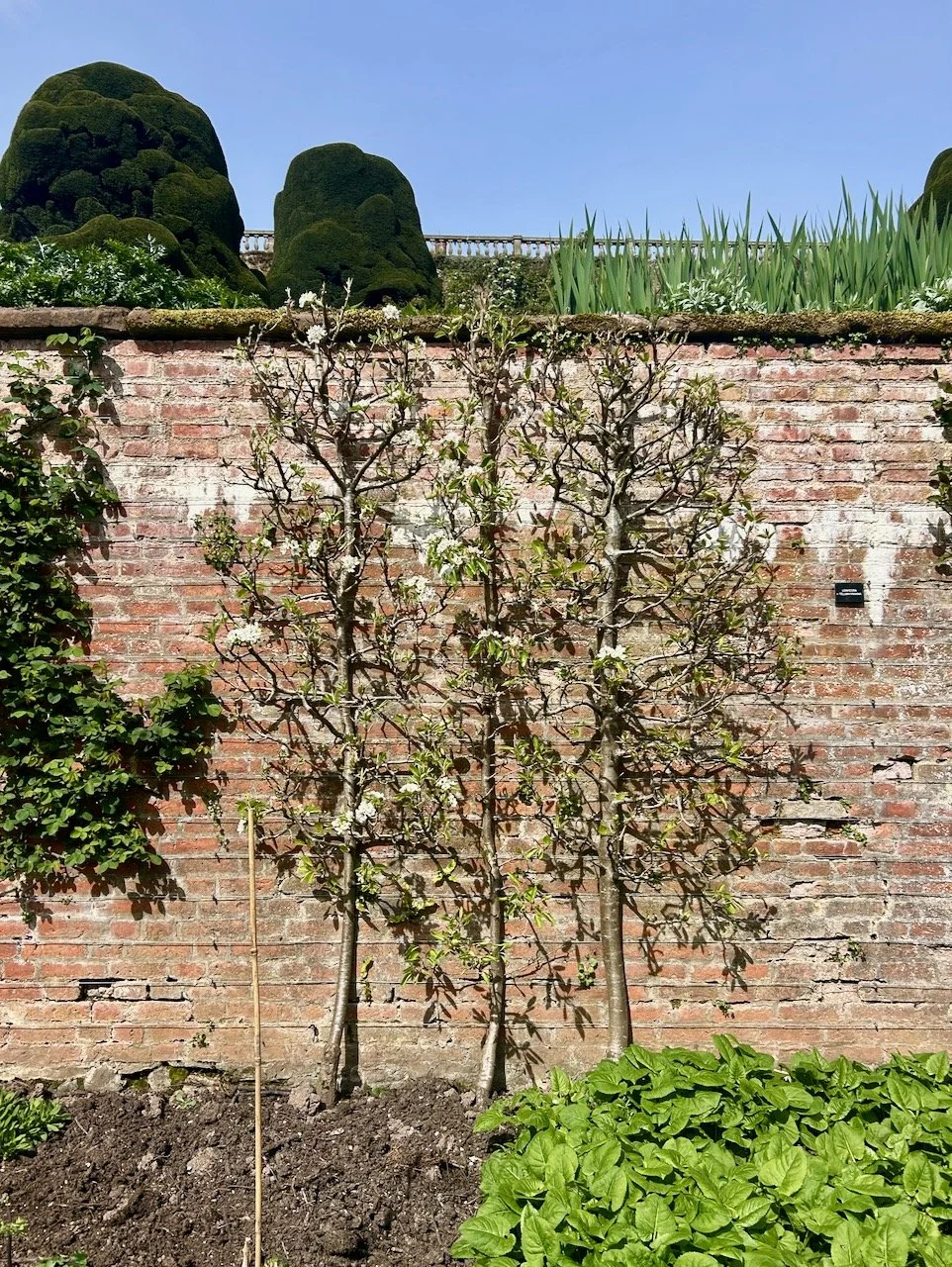
She worked on the garden for 18 years enriching the planting on the terraces and adding new shrubs and perennials. Her biggest contribution was to relocate the Kitchen Garden, including the glasshouses, to a new position out of sight of the castle and in its place she created the picturesque formal garden, complete with a croquet lawn, cottage style flower borders and meticulously trimmed fruit trees.
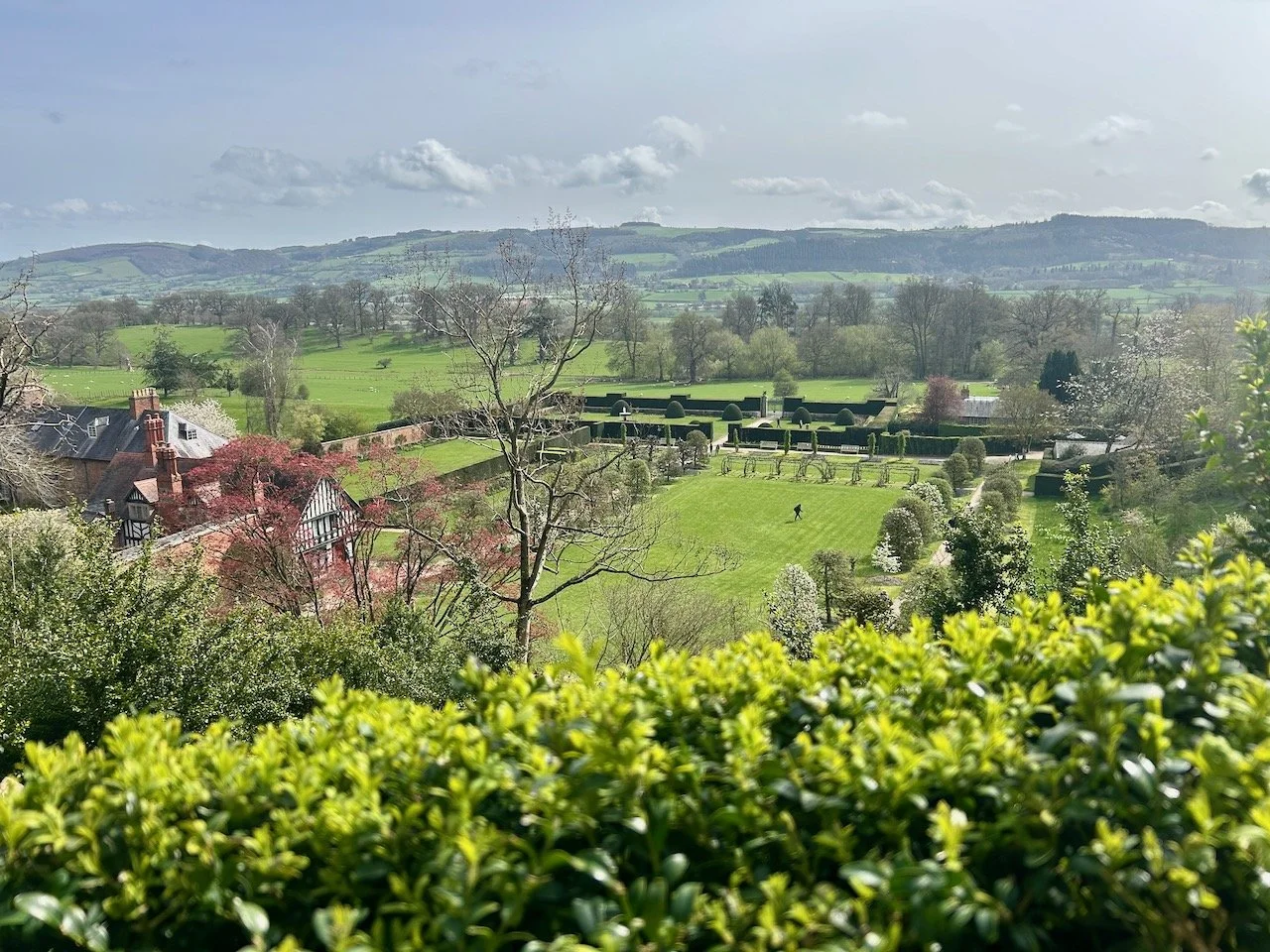
The garden remained unchanged after her death in 1929, until 1952 when it came under the care of the National Trust. They have continued to pursue her ambitions while preserving its many layered historic structure.
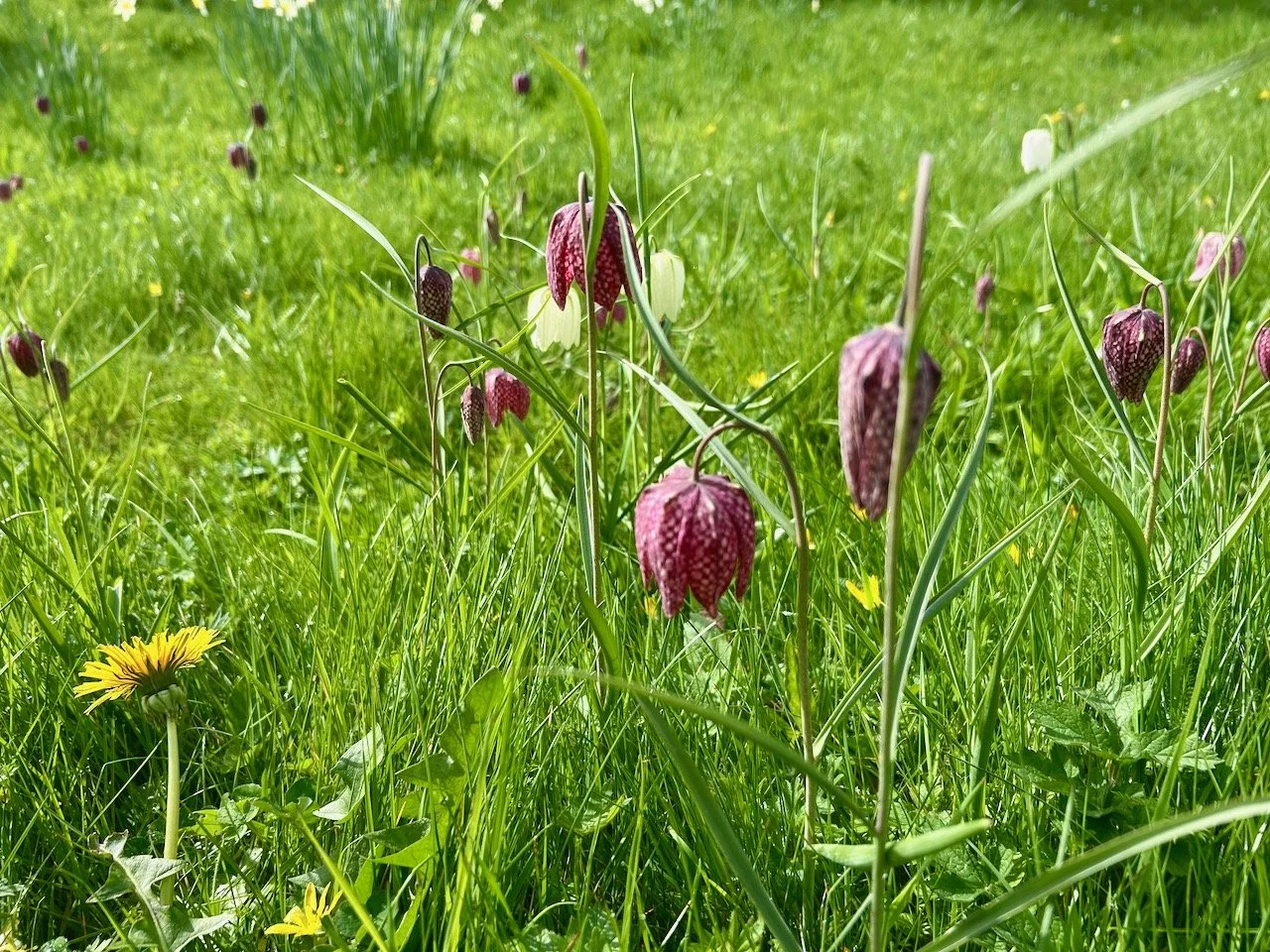
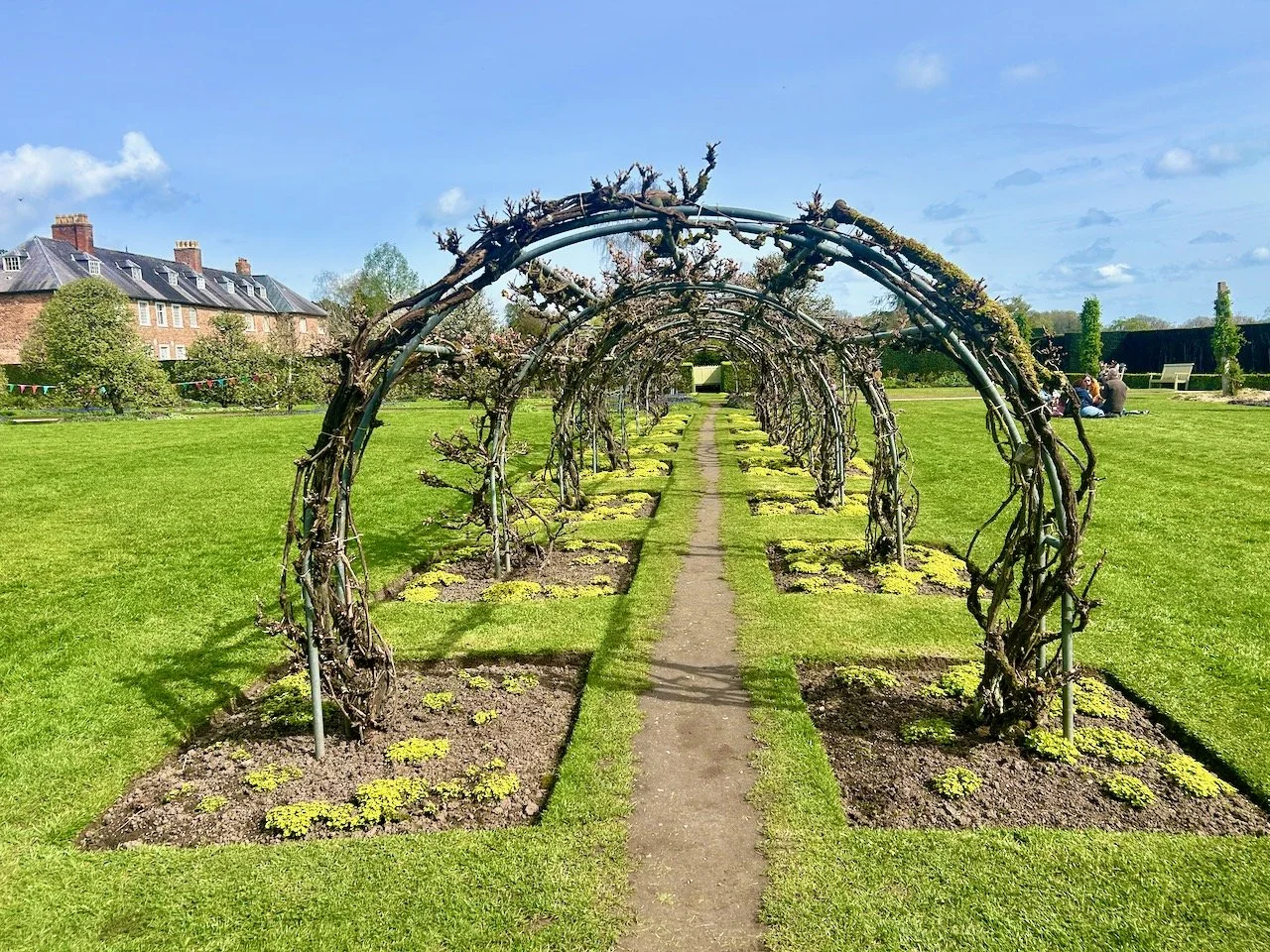
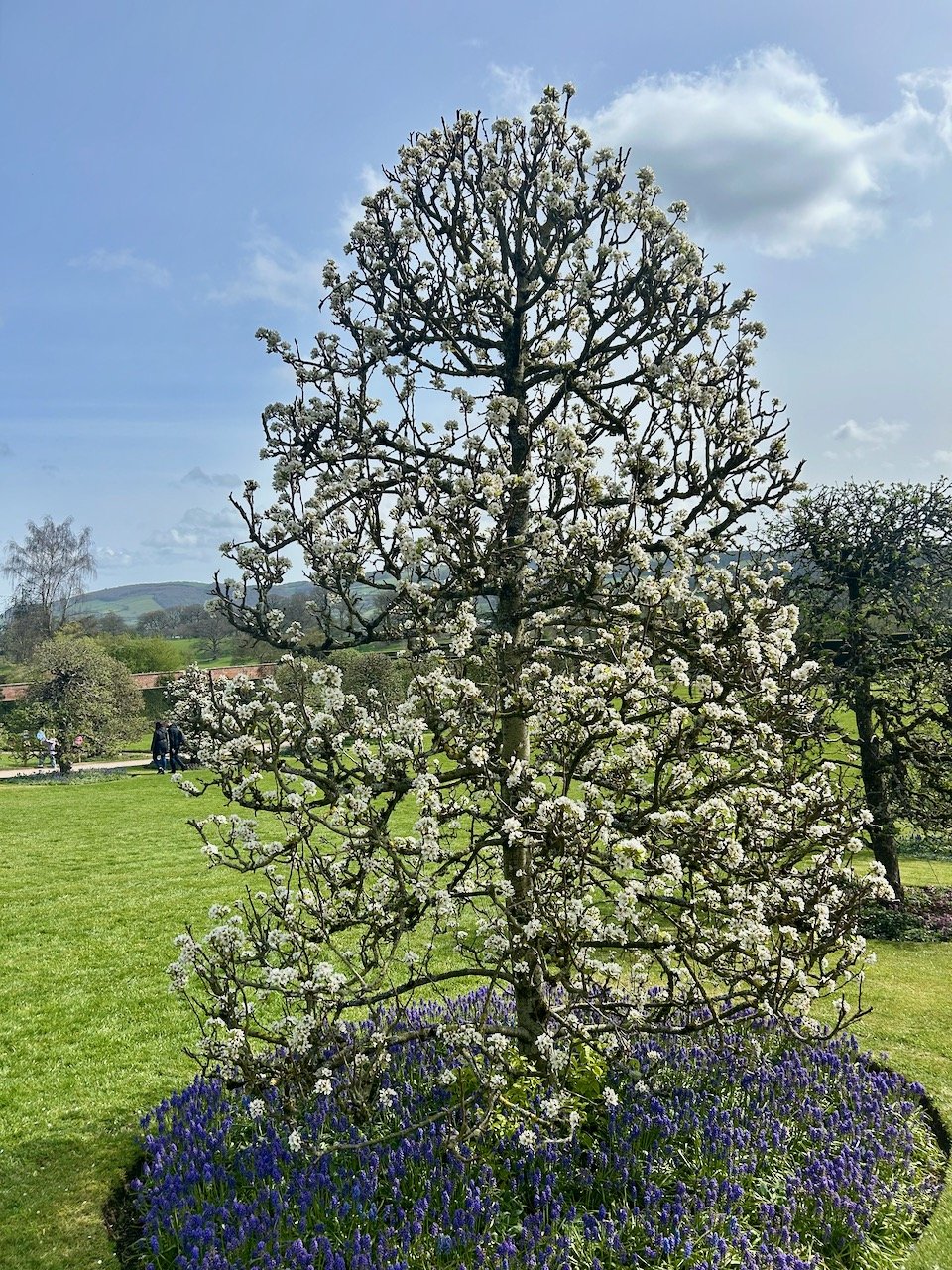
It’s a fantastic space and I’m sure will be even more stunning when it’s in full flower. We visited in early April, and the magnolias were getting going and much of the terraced borders were coming into bud. I’ve so many more photos of the terraces to share, but I’ll save these for the next post.
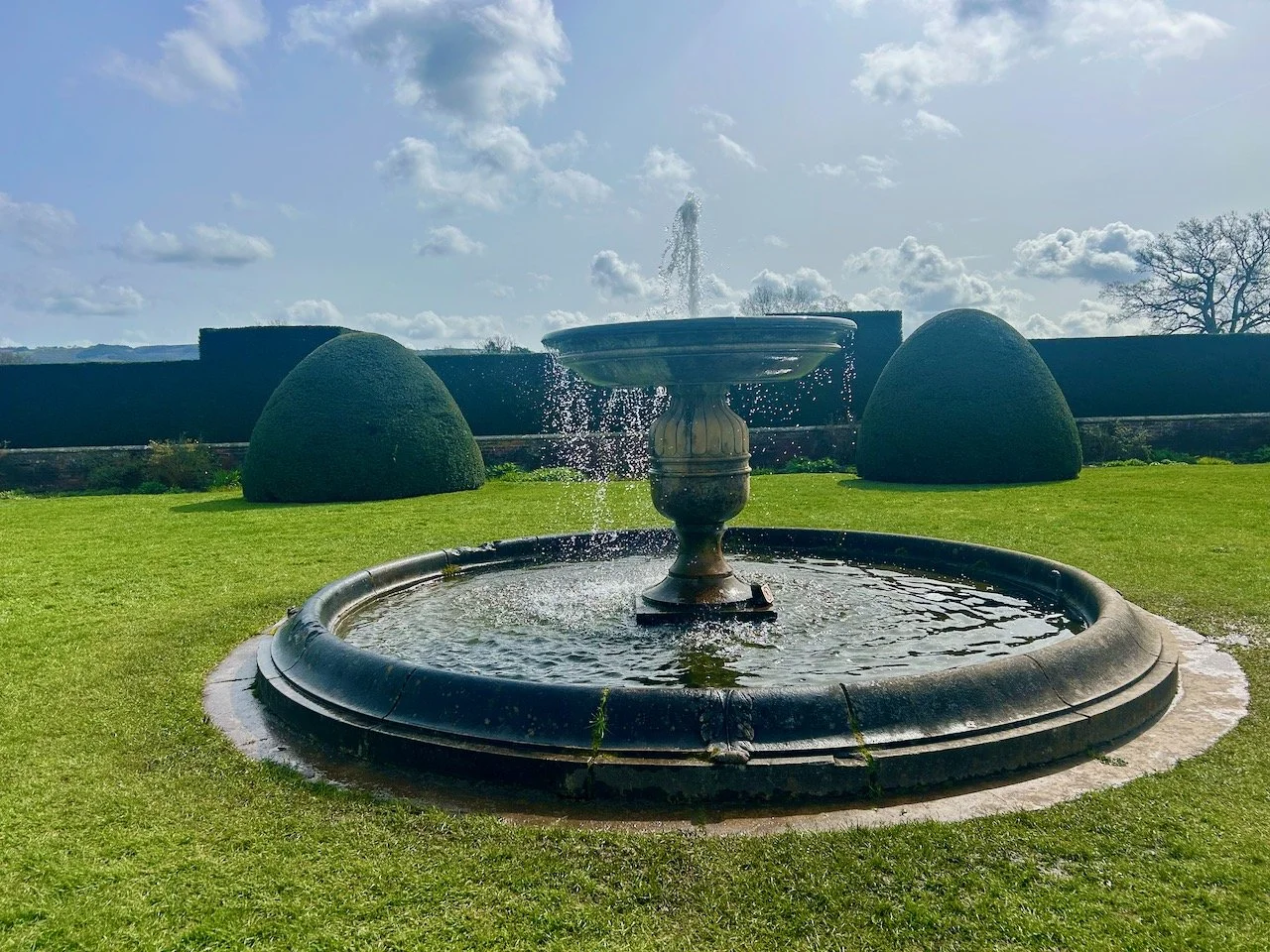
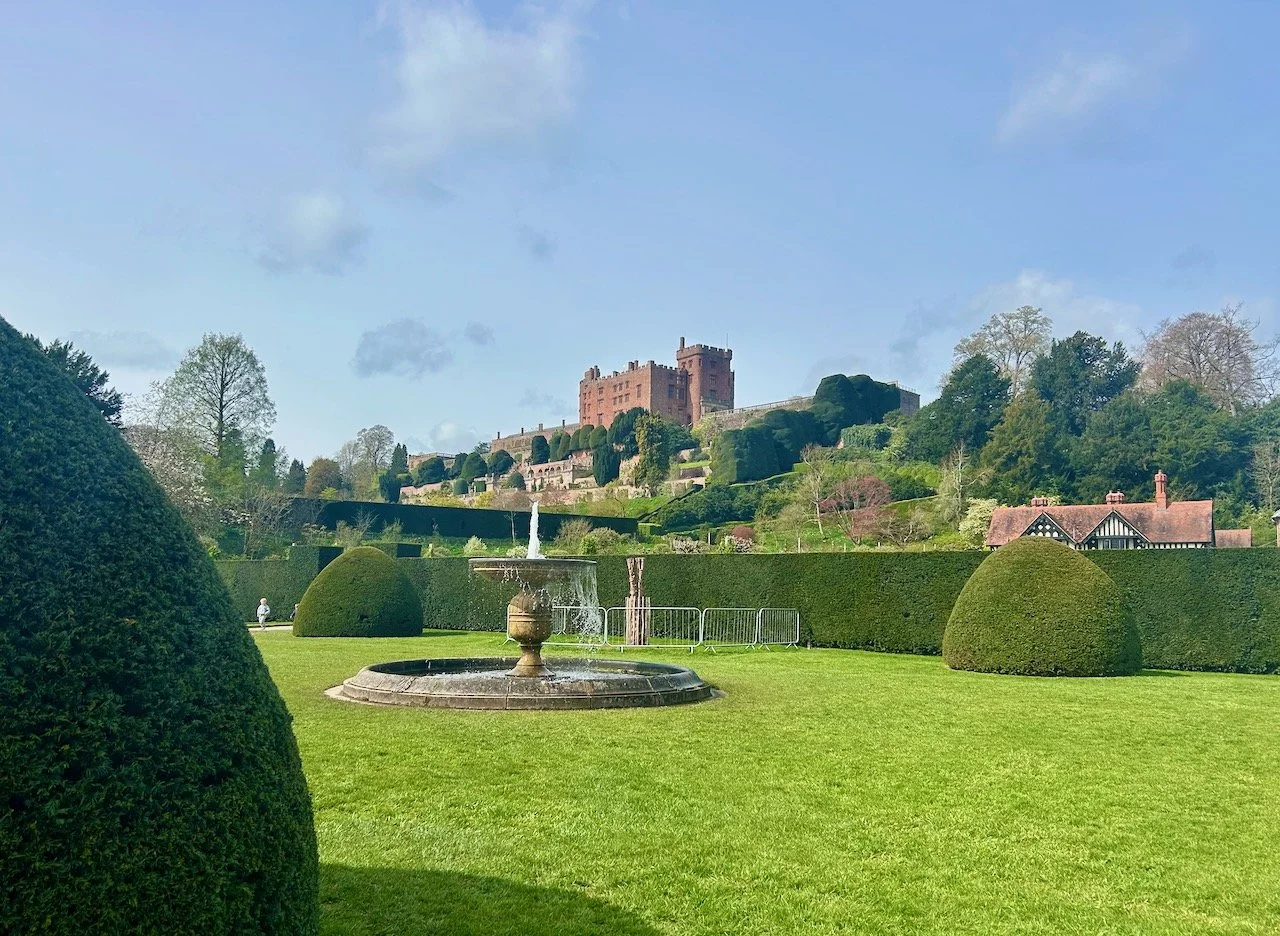
And the view from the bottom of the garden looking up at the castle, is just as good as the one from the top looking down. Now that’s the sign of a great garden isn’t it?