Sue Jennings' Colourwash Quilts

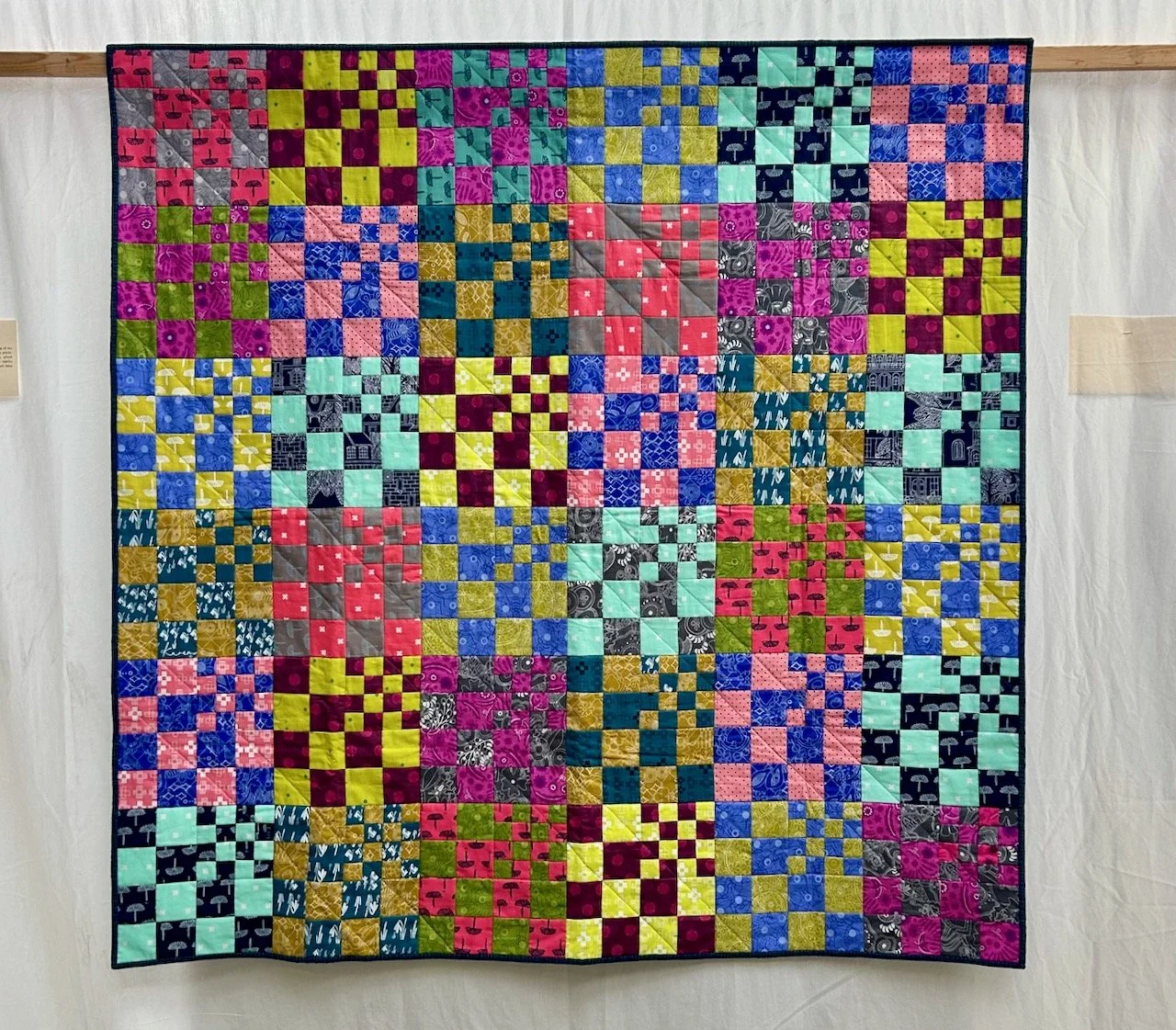
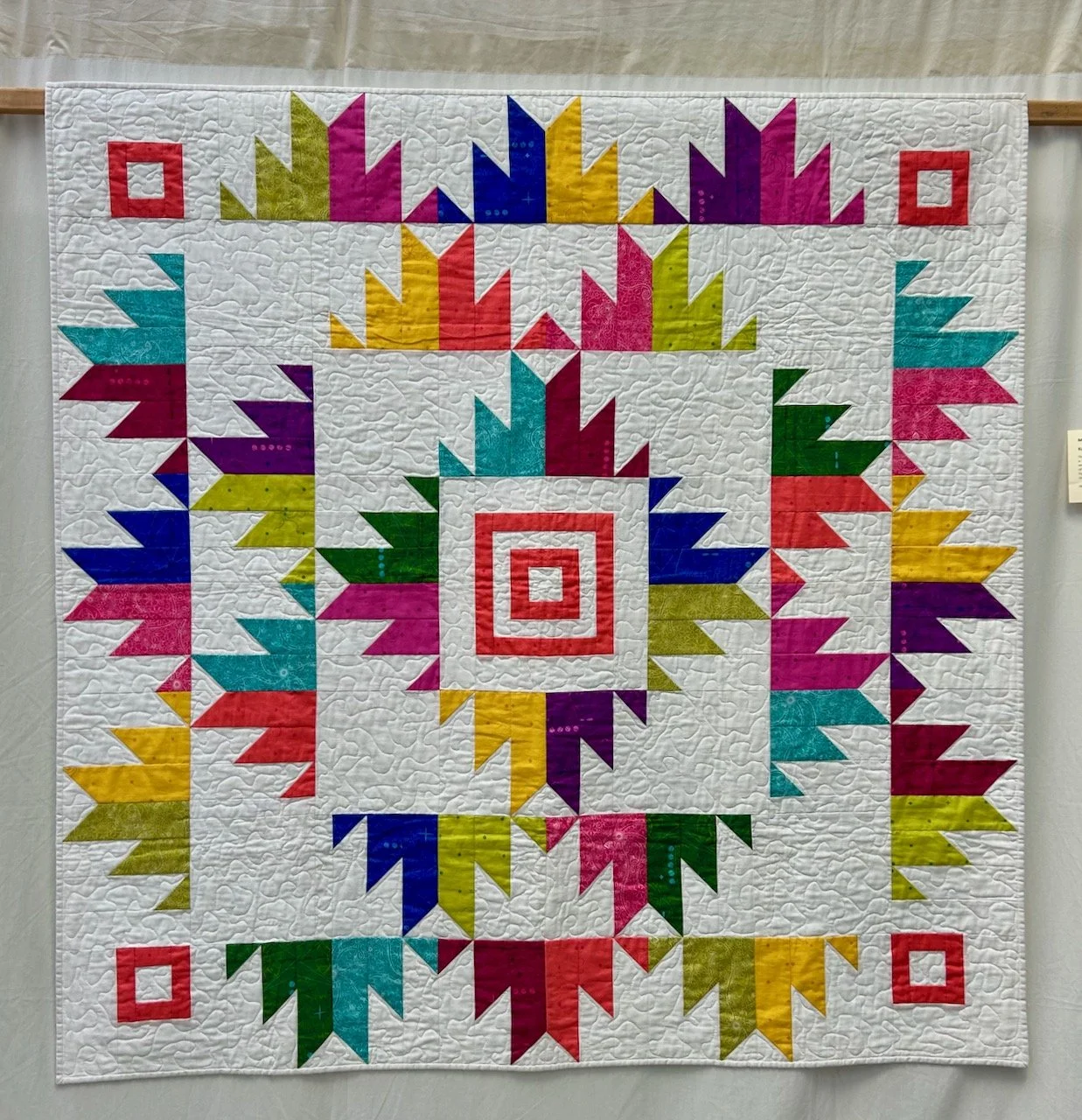
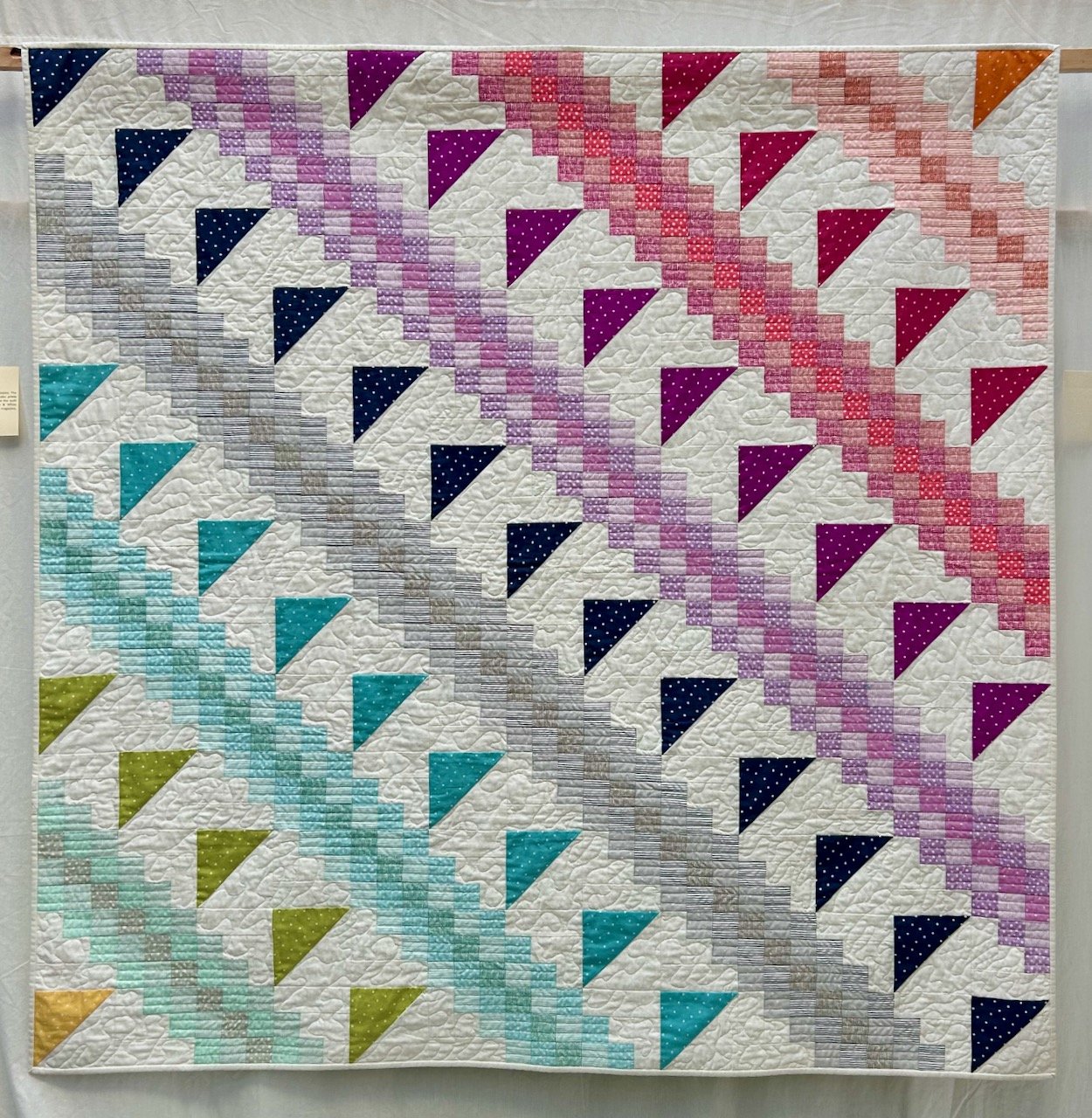
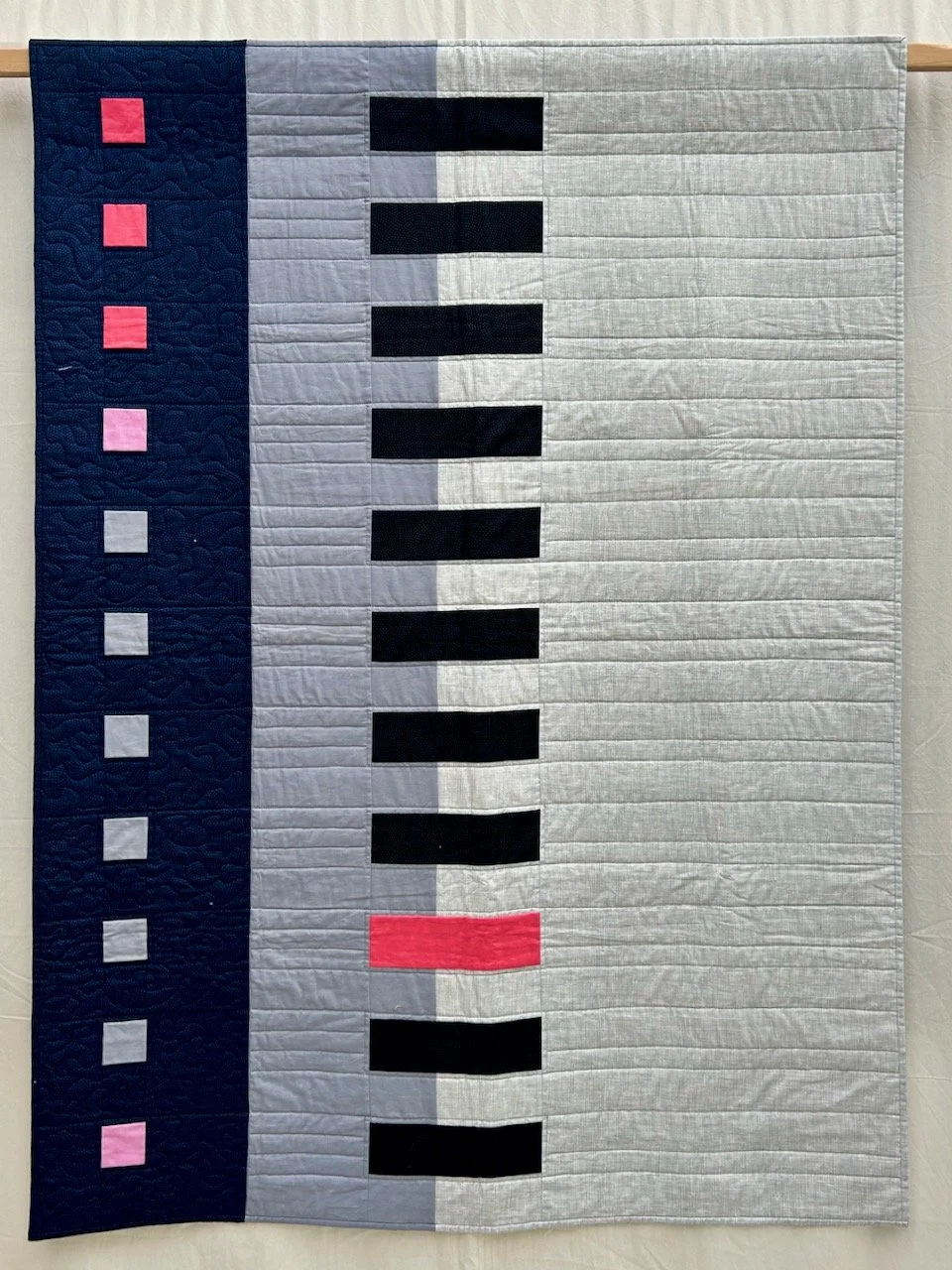
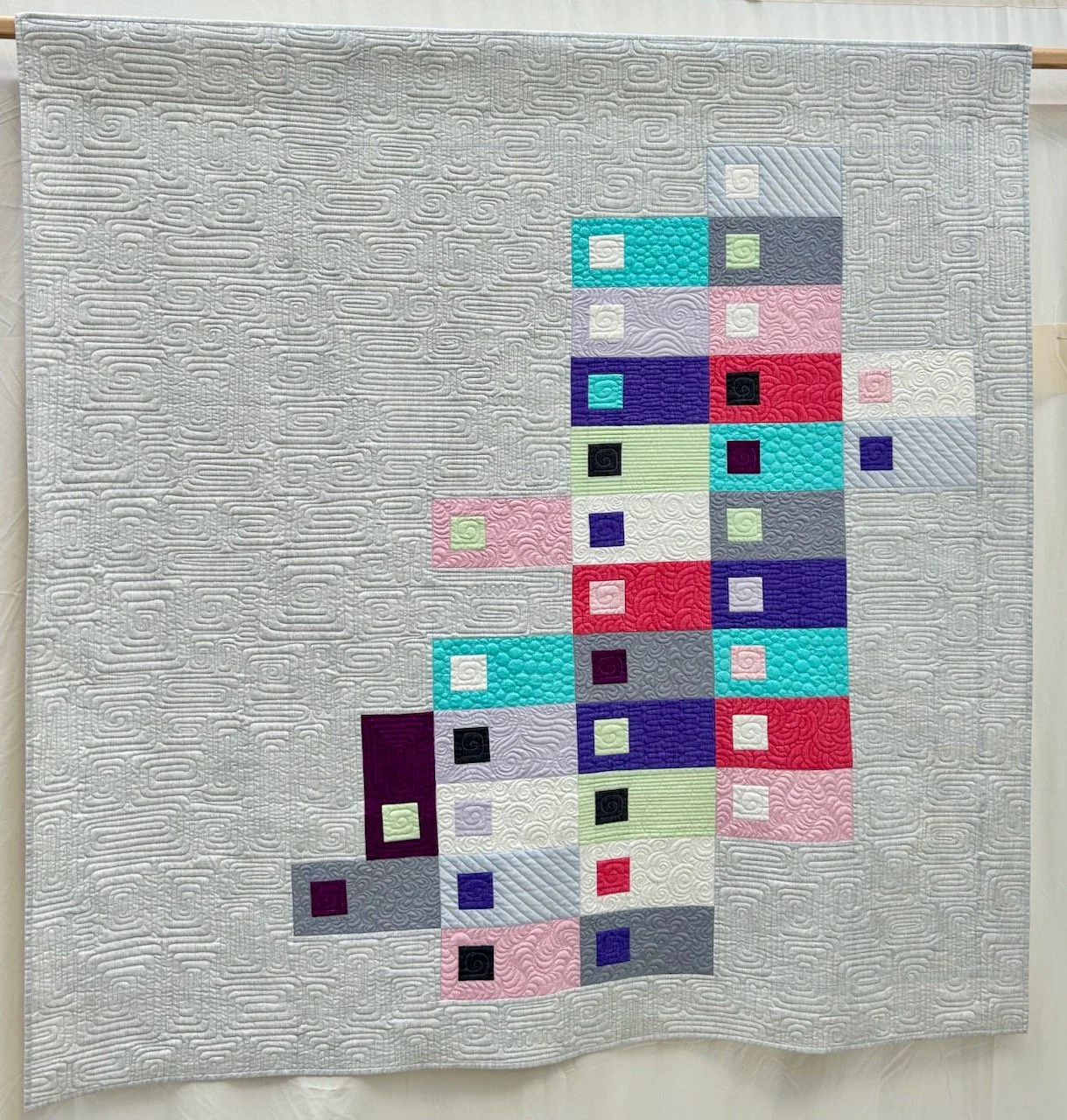
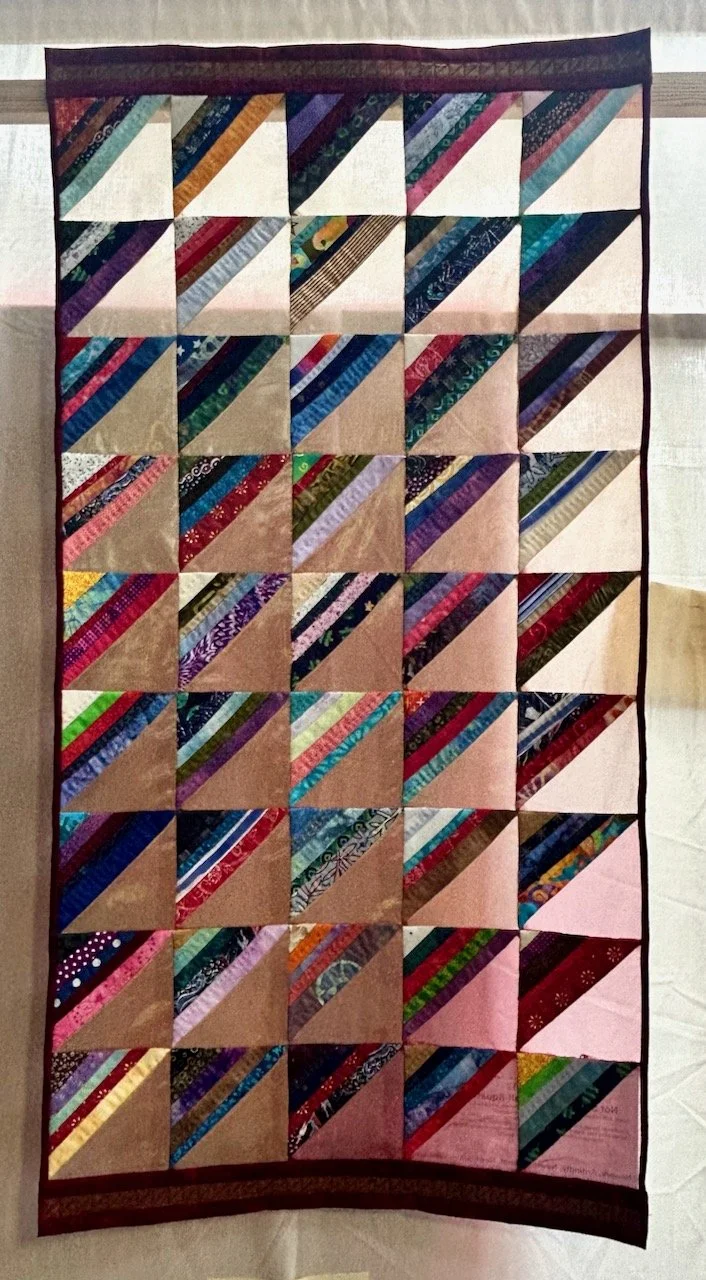
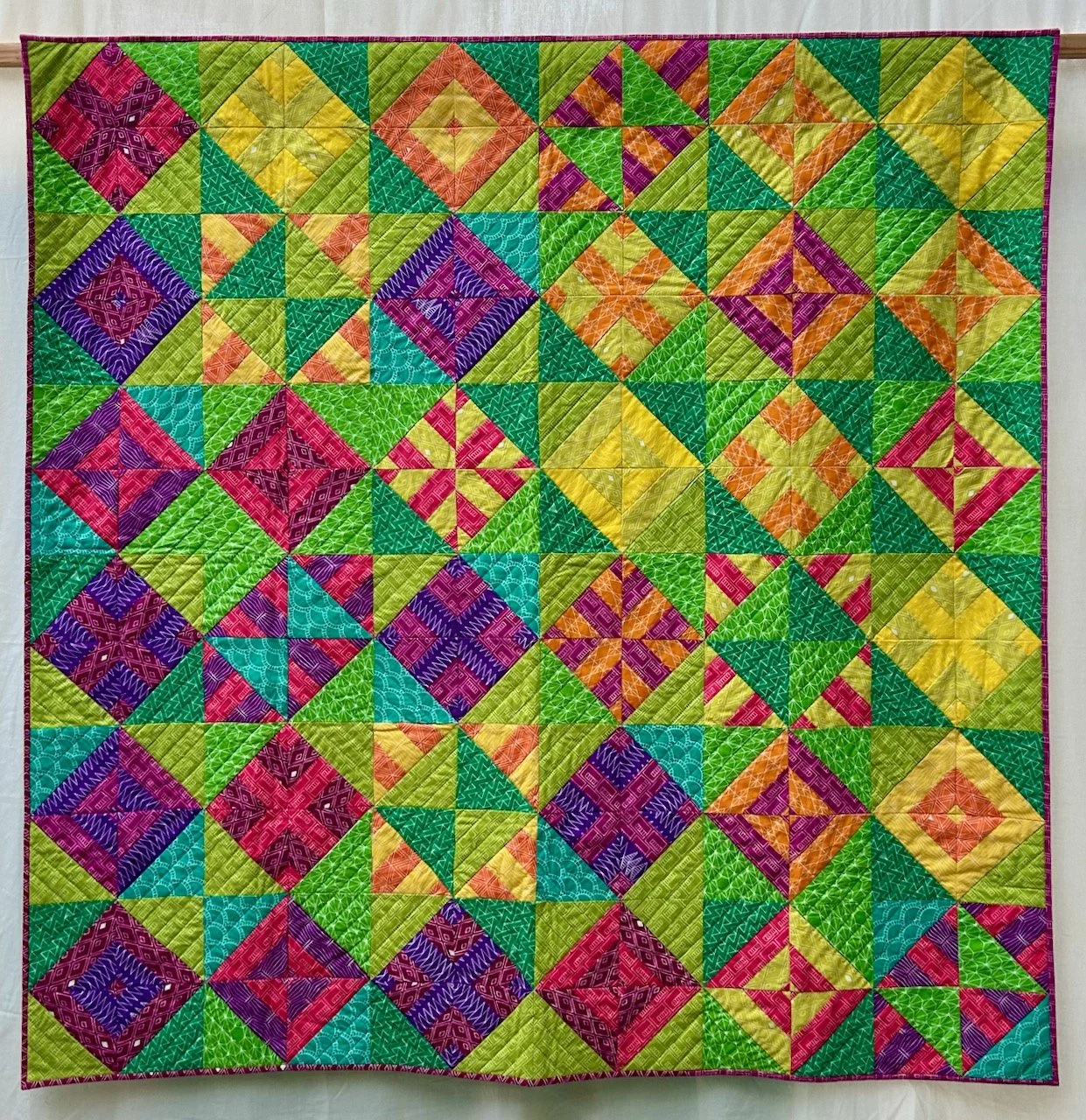
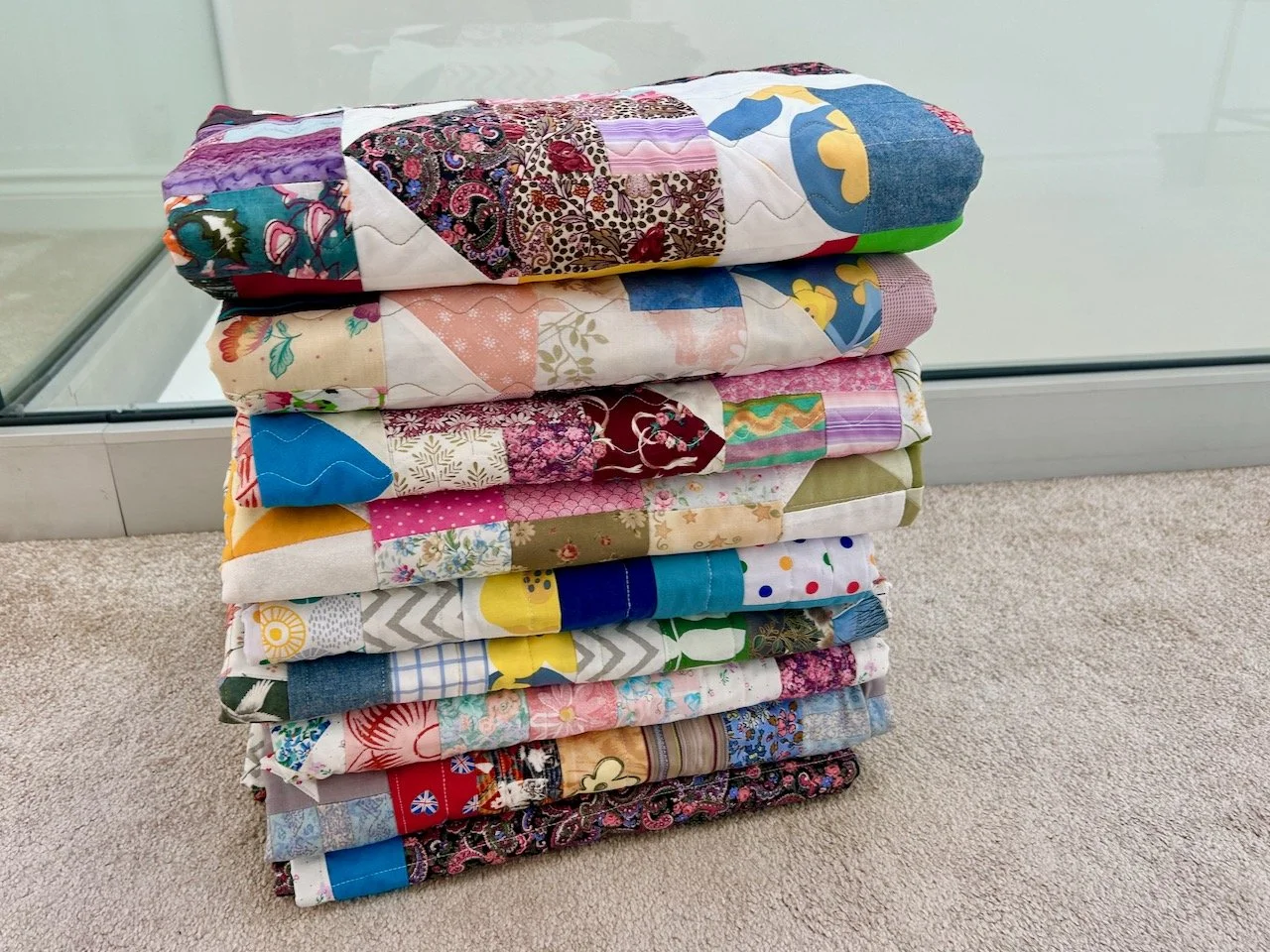
As well as her amazing One Block Wonders, Sue’s Colourwash Quilts were also on display at the show, they too were quilts not to miss. As many quilters will tell you quilting projects generate a lot of scraps and Sue said she started to make colourwash quilts after watching technique videos online by the Canadian quilter, Terry Rowlands.

The quilts are perfect for using up lots of small scraps - which is the point in which I should stop reading (and looking) as this will only encourage me to save every last scrap, the challenge is though of course, where to store them and how to make them look as fantastic and as ‘put together’ as these by Sue.

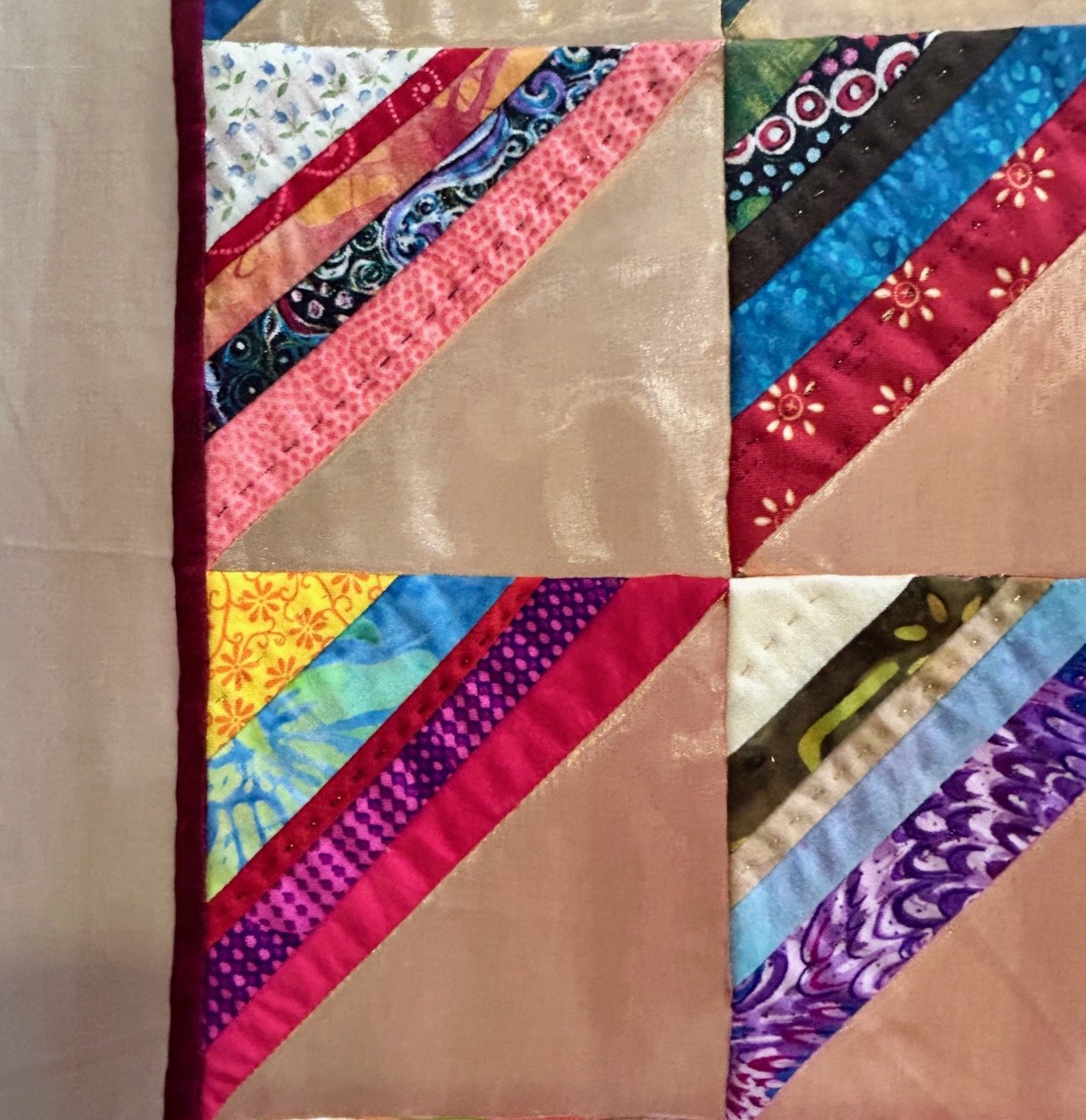
Sue says she uses prints, solids, batiks, silk, wovens and in fact anything goes, and the only time she uses a ruler is to square up the blocks and the quilt, so everything can be rough cut, and any shape can be used.

This really isn’t what I wanted to hear!! But I agree and the lack of regularity makes the quilts more interesting and when Sue says it’s a joy to look at these quilts and remember which fabric was used in which quilt, I’m totally with her.

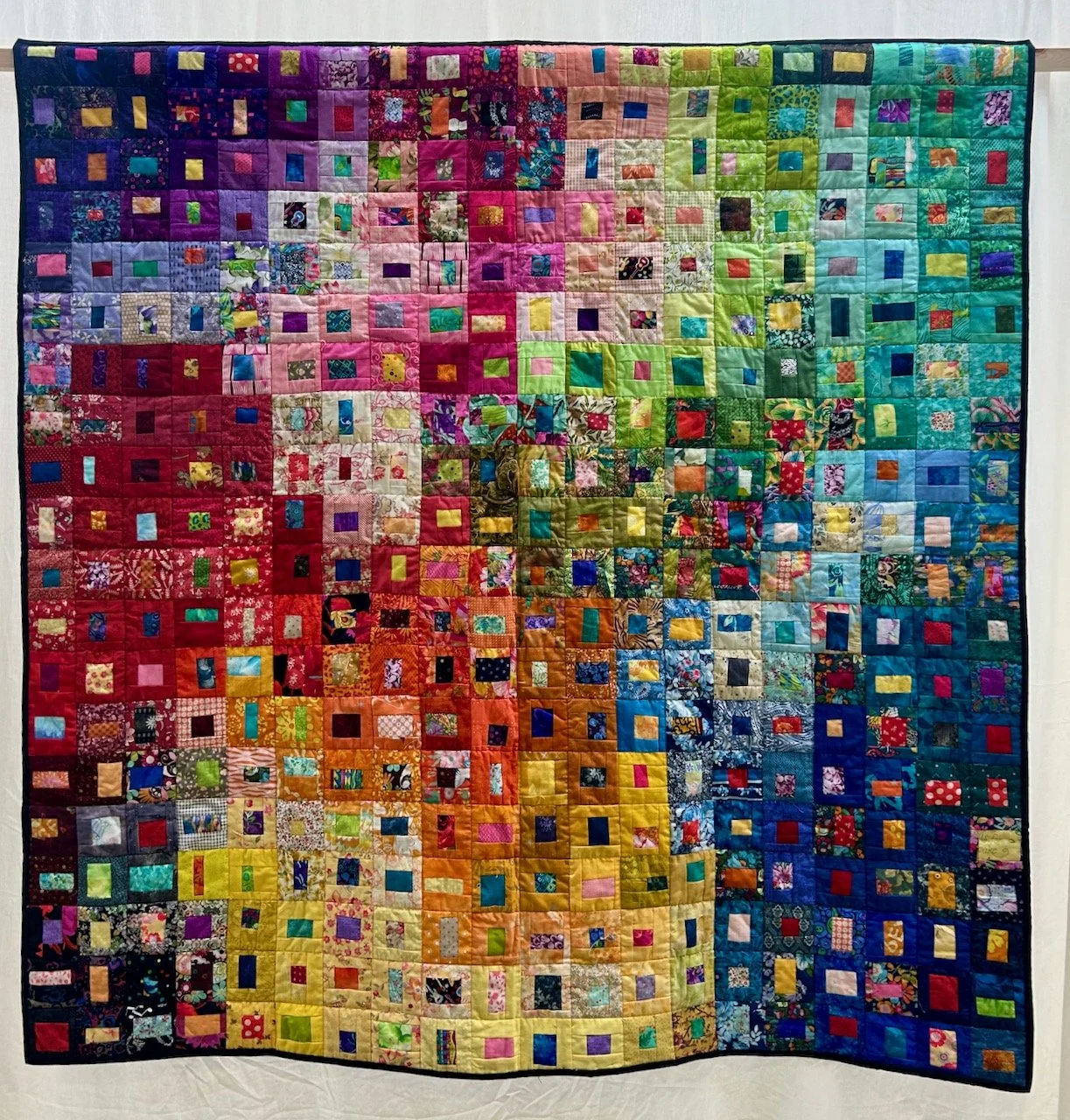
Her first colourwash quilt used all colours of scraps, and when it was done she wondered what was next. Let me tell you now, what came next was even more stunning, with her colour inspiration coming from artwork and photos, and you’ll see just what I mean.

ORIGINAL COLOURWASH, SUE JENNINGS AT THE NEWARK QUILT SHOW 2026

ORIGINAL COLOURWASH, SUE JENNINGS

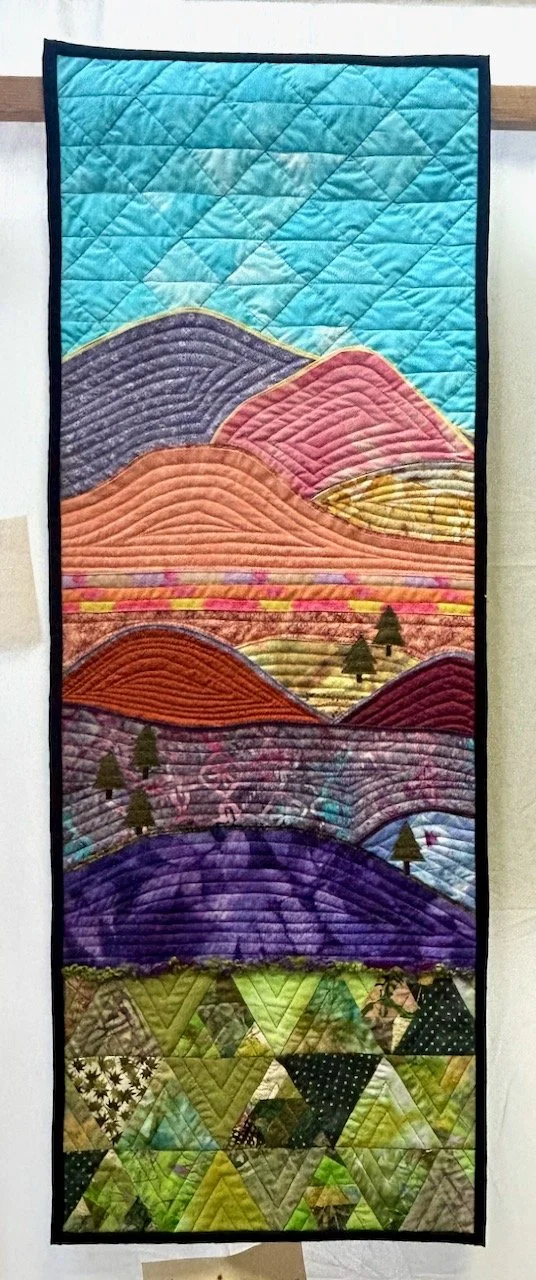
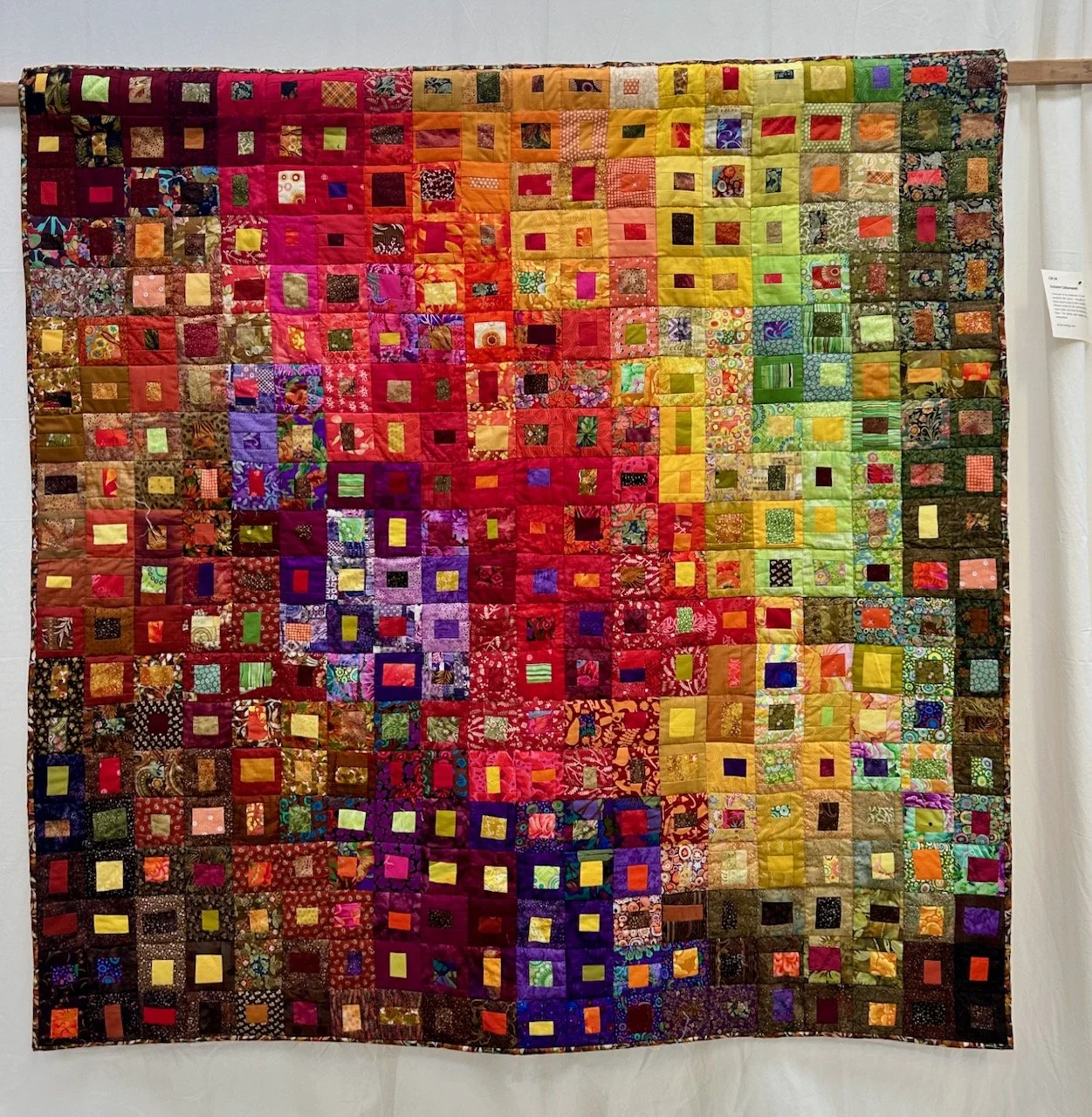
The inspiration for her Autumn quilt was the ‘wonderful fall colours’ she experienced while living for part of her childhood in Canada, and she thought ‘it would be a joy’ to recreate those using her scrap fabrics, and that resulted in another wonderful quilt.

AUTUMN COLOURWASH, SUE JENNINGS AT THE NEWARK QUILT SHOW 2026

AUTUMN COLOURWASH, SUE JENNINGS

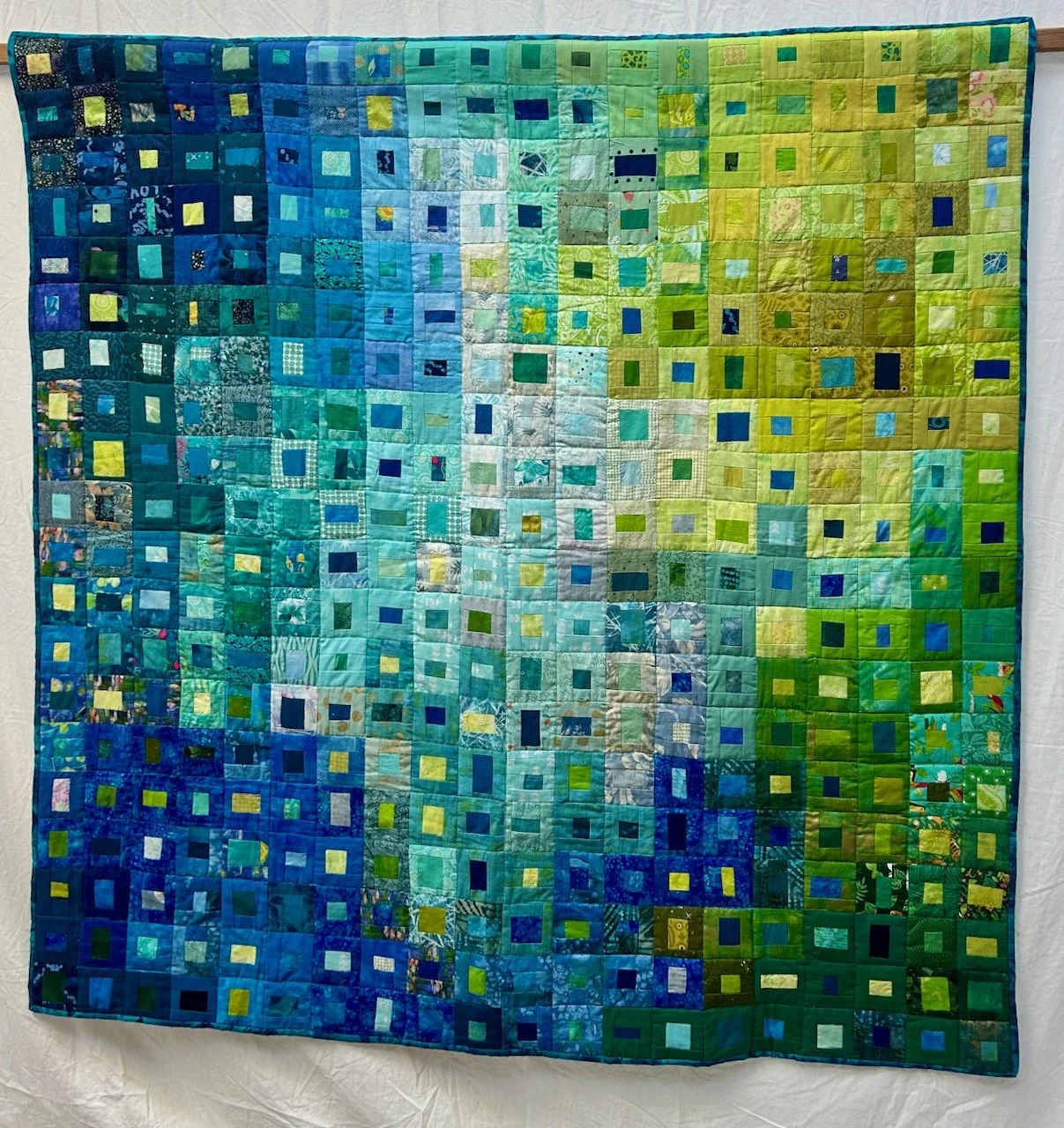
WATERLILLIES COLOURWASH, SUE JENNINGS AT THE NEWARK QUILT SHOW 2026

WATERLILIES COLOURWASH, SUE JENNINGS

You’ll not be surprised to learn that Sue’s inspiration for the Waterlilies quilt was a photo of a Monet painting. It’s a vibrant but calming palette, and a fabulous quilt isn’t it?

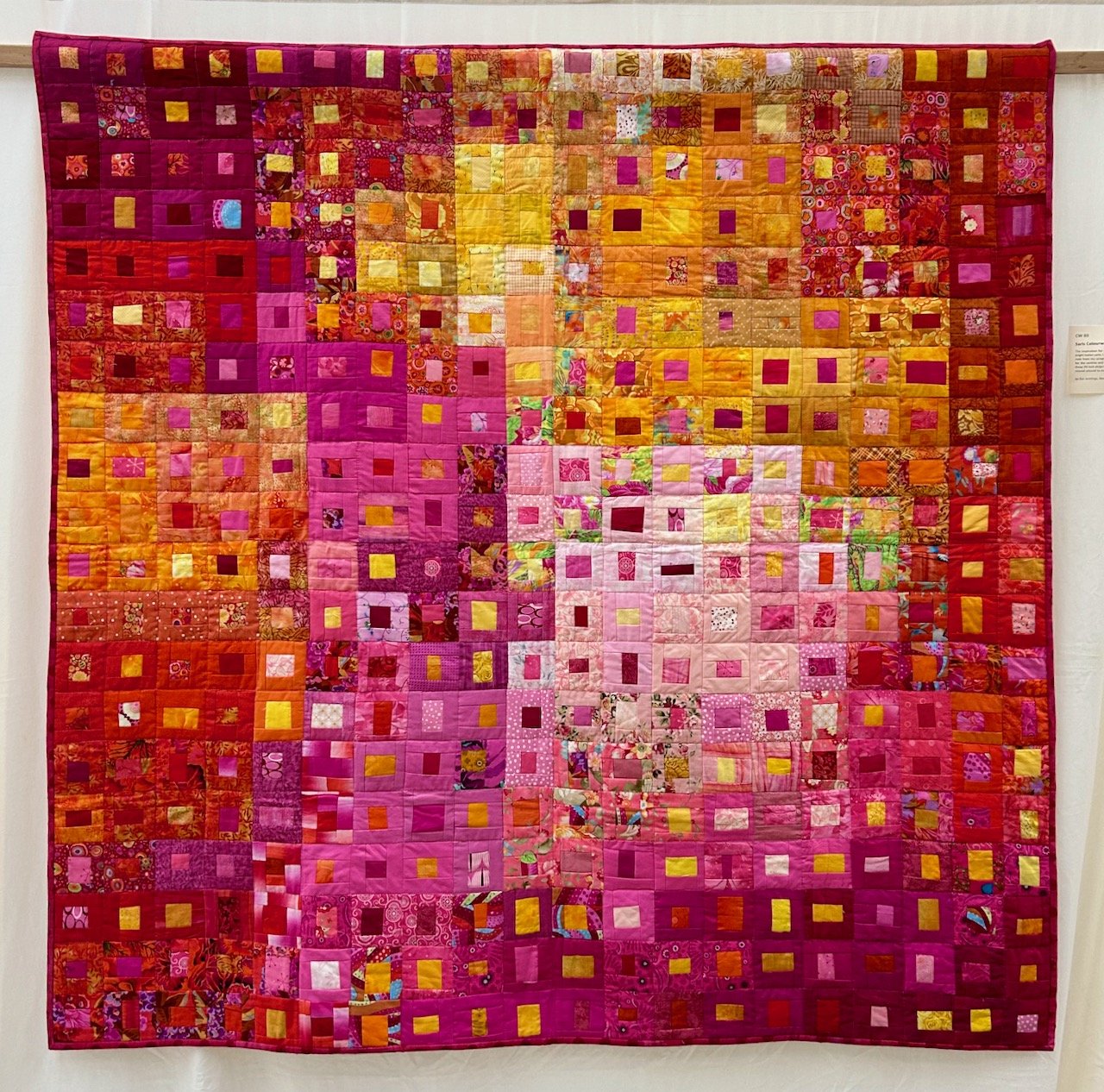
SARIS COLOURWASH, SUE JENNINGS AT THE NEWARK QUILT SHOW 2026

SARIS COLOURWASH, SUE JENNINGS

The inspiration for the Saris quilt was photos of ‘beautiful bright Indian saris’ and Sue ‘particularly wanted to wash oranges, pinks and reds’ from her scraps. These are colours that I love together, though I veer more towards oranges and pinks with yellow, rather than reds - and this quilt does remind me of the colourful saris we saw women wear in India, particularly those when we visited a stepped well. The contrast against the natural elements was stunning, as is this quilt - and I think of all of Sue’s colourwash quilts, this is my favourite - which is yours?

A couple of Shabby Chic Rosettes

Before I got to the Newark Quilt Show this year I’d already chosen which workshop I’d like to do, and a backup choice just in case. But I was fortunate enough to get onto my first choice which was the Shabby Chic Rosettes with Kate Crossley, who as it turned out had led the bag making course that I attended in 2024. I did wonder, and I was right.

It was a great workshop, and I even finished one of the rosettes there on the day which was great as it meant that I really wanted to finish the other one at home, rather than leave it languishing in a cupboard somewhere, which can quite often be the case can’t it?

Making the rosettes

The tools and materials for this workshop were strips of material, glue, scissors and a pencil, and no sewing.

I shared the image below previously as part of my what’s new in my craft room update, the green and white rosette in the top left corner was the one I completed on the day. As well as a second rosette to make at home I also left with a button to finish the centre of the larger rosette, a selection of ribbons, some small pieces of material for the back and a brooch and hair clip attachment.

One finished rosette, elements for a second one and ribbon and more to finish both off

I was keen to finish the second rosette. At the workshop I’d folded the length of material in half and cut most of the way through the folded edge, creating the petals. I hadn’t started the rolling as I thought it would be easier to start afresh rather than to pick it up part way through.

Rolling one of the strips around the pencil

The rolling is where the pencil came in, and more glue. As you roll, you glue.

One strip glued and rolled - more to go!

Or rather glue, and roll.

Glue and roll.

And keep going.

Showing the purple glue on the second strip, rolling in progress

Kate suggested using this ‘Amazon Basic’ glue stick, which goes on purple and dries clear, which does make it easier to see where you’ve glued already. It’s relatively cheap too, and some slipped into my Amazon basket ahead of attempting to finish this at home.

Once the four strips are glued and rolled, I was almost done.

The reverse of the finished rosette

I was quite pleased at how neat mine was at the back, I’d taken particular care to keep the ends level and it worked. To help it ‘set’ Kate turns them right side up and squashes them down with her hand. And it works, even though it feels counterintuitive to squash your work!

The front of the second completed rosette

So now I have two Shabby Chic Rosettes, and the knowledge to create many, many more. I already think they’ve got plenty of potential uses alongside the brooch and hairpin options - I haven’t added either of the backings yet, as I want to think about how I’ll use them first.

I think these could be added to bags, and pouches (!) as a decoration, and they could be made in fabric which complements your outfit for an coordinated embellishment, or even as corsages for weddings etc. Another suggestion on the day was to make two and glue them together to make a sphere, adding a hanging loop so they can hang on your bunting, or on your Christmas tree. The possibilities are endless it seems!

But it was a great way to spend an hour, and to leave with something finished, a new skill and plenty of ideas. I’m sure I’ll be making more!

Sue Jennings' One Block Wonders at the Newark Quilt Show

Last weekend it was the Newark Quilt Show, the first of the year - and one that’s particularly a favourite of mine, not least because it’s just ten minutes up the road. This year I didn’t have a shopping list in mind, so forgoing my own advice, but I was happy to have a wander round before wandering round again and deciding what to buy - I’ll share more about what I left with in this month’s what’s new in my craft room post soon.

I did however know in advance that I wanted to do one of the workshops, choosing Shabby Chic Rosettes with Kate Crossley - and that meant I needed to be there early on so that I could claim my place in the first come, first served booking system. And mission accomplished, I’ll share more from the workshop in a separate post - but it was fab, and for a change I finished one of the rosettes there and then with another (still) to finish at home.

Getting there early also meant that I could wander around the quilts displayed and take pictures much more easily than later in the day as I discovered, and so I decided to make the most of that.

Today I’m sharing some stunning quilts, which are known as one block wonders. I’d heard of them, and seen a few but didn’t really know much about them until now. They’re quilts which as the name suggests use a single block, and that’s usually six repeating triangles joined to make a hexagon, using the same parts of a design from either several panels of fabric, or the pattern repeat.

It’s easy to see why they can be referred to as kaleidoscope quilts, but they also divide the quilting world though I’m not really sure why. As I said before they are stunning, though if truth be told I’m not really a fan of panels generally, but here how Sue has treated them may almost change my mind. I do much prefer the floral versions though, so maybe she won’t after all, but I can still appreciate the work and artistry that is evident in all of her quilts.

Sue Jennings began quilting about 13 years ago as therapy after a head injury and says she’s an ‘eclectic quilter’. When she first tried the One Block Wonder about seven years ago it wasn’t the happiest experience, but tried again about two years ago after seeing some lovely fabric, which was more successful as you can see.

WILD BLOSSOMS OBW, SUE JENNINGS AT THE NEWARK QUILT SHOW 2026

WILD BLOSSOMS OBW, SUE JENNINGS

The fabric above - Wild Blossoms Ombre by Robin Pickens - is the fabric that inspired Sue to dip back into One Block Wonder quilts after the abortive attempt seven years before, and says ‘it was made by cutting strips then triangles from six repeats of the yardage’.

The fabric below is Brassica by Philip Jacobs, and Sue liked the yellow, blue and pink combination but could only find a small amount of the fabric. So not wanting to cut the peaks off the hexagons she added some solid fabrics at the top and bottom. Again, this was made by cutting strips then triangles from six repeats of the pattern.

BRASSICA, SUE JENNINGS AT THE NEWARK QUILT SHOW 2026

BRASSICA, SUE JENNINGS

Sue then joined a Facebook group for these types of quilts which she says ‘opened her eyes to the possibility of using fabric panels instead of yardage’ to make these quilts. And those which follow here are my favourites (after the two pictured above) which were on display at the show, there were probably as many as I haven’t included and they were all stunning - I know I keep using that, but they truly were.

The mermaid below was her first attempt at a One Block Wonder from seven panels by Josephine Wall named ‘Call of the Sea’ and Sue says ‘this quilt had a steep learning curve’ - I’d say!

MERMAID BY SUE JENNINGS AT THE NEWARK QUILT SHOW 2026

MERMAID, SUE JENNINGS

ARE YOU HAVIN’ A GIRAFFE 2? SUE JENNINGS AT THE NEWARK QUILT SHOW 2026

ARE YOU HAVIN’ A GIRAFFE 2? SUE JENNINGS

Sue has made two of these quilts, and it was the strong design on the panel and the saturated colours which attracted her to the panel by Rubin Design Studios. I also see the attraction to the strong colours, and somehow I think the approach of these quilts make them pop even more.

The Steampunk Raven is one of Sue’s favourite quilts, and it’s easy to see why - but she says she loves birds with attitude! Again it uses seven panels from Rubin Design Studios in Colorado. This was a great choice to show in Newark which holds two Steampunk festivals each year, and which we’ve not yet managed to get along to see firsthand, yet!

STEAMPUNK RAVEN, SUE JENNINGS - NEWARK QUILT SHOW 2026

STEAMPUNK RAVEN, SUE JENNINGS

MYSTICAL PANTHER, SUE JENNINGS - NEWARK QUILT SHOW 2026

MYSTICAL PANTHER, SUE JENNINGS

The Mystical Panther panel is another from Rubin Design Studios, and the attraction for Sue here was the intense stare of the big cat. Sue treats her quilts as art, and they are intended to be hung on walls - and each of these made from panels would make a huge impact on your wall, wouldn’t they?

MYSTICAL ELEPHANT, SUE JENNINGS - NEWARK QUILT SHOW 2026

MYSTICAL ELEPHANT, SUE JENNINGS

The final quilt I’m sharing by Sue is another from a panel by Rubin Design Studios - I’m learning as I write this post that I’m also attracted to their panels, and that if I’m ever in Boulder, Colorado I should avoid their studios or else I might find myself with multiple panels and a plan for something similar!

For this quilt Sue has also changed the colour of the elephant’s eyes, as she thought ‘the orangey red eyes on the panel made the elephant look angry’ and no one needs an angry elephant on their wall do they, so she painted over them using textile colour. You’d never know would you?

They really are stunning, I’m still in two minds about the panel versions, but those two at the top of this post I’d happily accept one like that. I’m not sure I’m ready to make one though - my list is already too long, and I really don’t need another challenge just yet, but I guess never say never!