






Learning to love my overlocker

At the start of the year I acquired an overlocker - thanks mum - but had little idea of how to use it. While I have all the manuals, I figured it would be easier to book myself onto a workshop to learn all about it - and to remove some of the Fear.

So I did just that and a couple of weekends ago I headed off to Mansfield for the first time - I didn’t see much of Mansfield apart from the one way system, but I’m sure I’ll be back to have a proper look at more than that at some point. My destination for the workshop was Sally Twinkles (aka Sewing Direct) for a workshop led by Tracey Symonds, who was a semi-finalist in series 4 of the Great British Sewing Bee.

After navigating the one way system more than once I got my bearings, found a car park, parked up and dashed over the road with my machine. Once settled I realised that the other workshop participants had their overlocker already threaded - but that at least meant Tracey had a machine she could demo on and I learnt where the threads should go first hand.

My first learning was that the four cones of thread were split into two for needles and two for the loopers - using four different colours for these meant it was easy to track what was doing what, and while mine are mostly pastels I quite like the idea of using different colours. The spool furthest right seems to determine which colour is on show, as long as you’re set up right.

A large part of the workshop was ‘to overcome the Fear’ - and the fear was real!

Tracey had us all testing our machine’s capabilities on different fabrics, encouraging us all to make a note of the settings for each so that once we knew and noted it down, we at least had a starting point - which makes a lot of sense.

We were overlocking, gathering, doing rolled and lettuce hems and flatlock seams like, well not like we’d only just learnt that’s for sure - and all the time building confidence, and reducing the fear. Tracey was a brilliant teacher - as you’d expect, she’s a retired teacher - though I think I was her problem child for the session! She was unflustered though and her ability to switch between the various makes and machines we had brought with and offer expert advice on each was impressive.

I left the workshop with my examples, which for me were an achievement. However I recognise that the pictures here may seem a little underwhelming, but believe me I wouldn’t have tried half of this had I sat alone with the manuals.

OVERLOCKING ON WOVENS (GREEN), GATHERING (FLOWERY MATERIAL) AND OVERLOCKING ON KNITS (STRIPED)
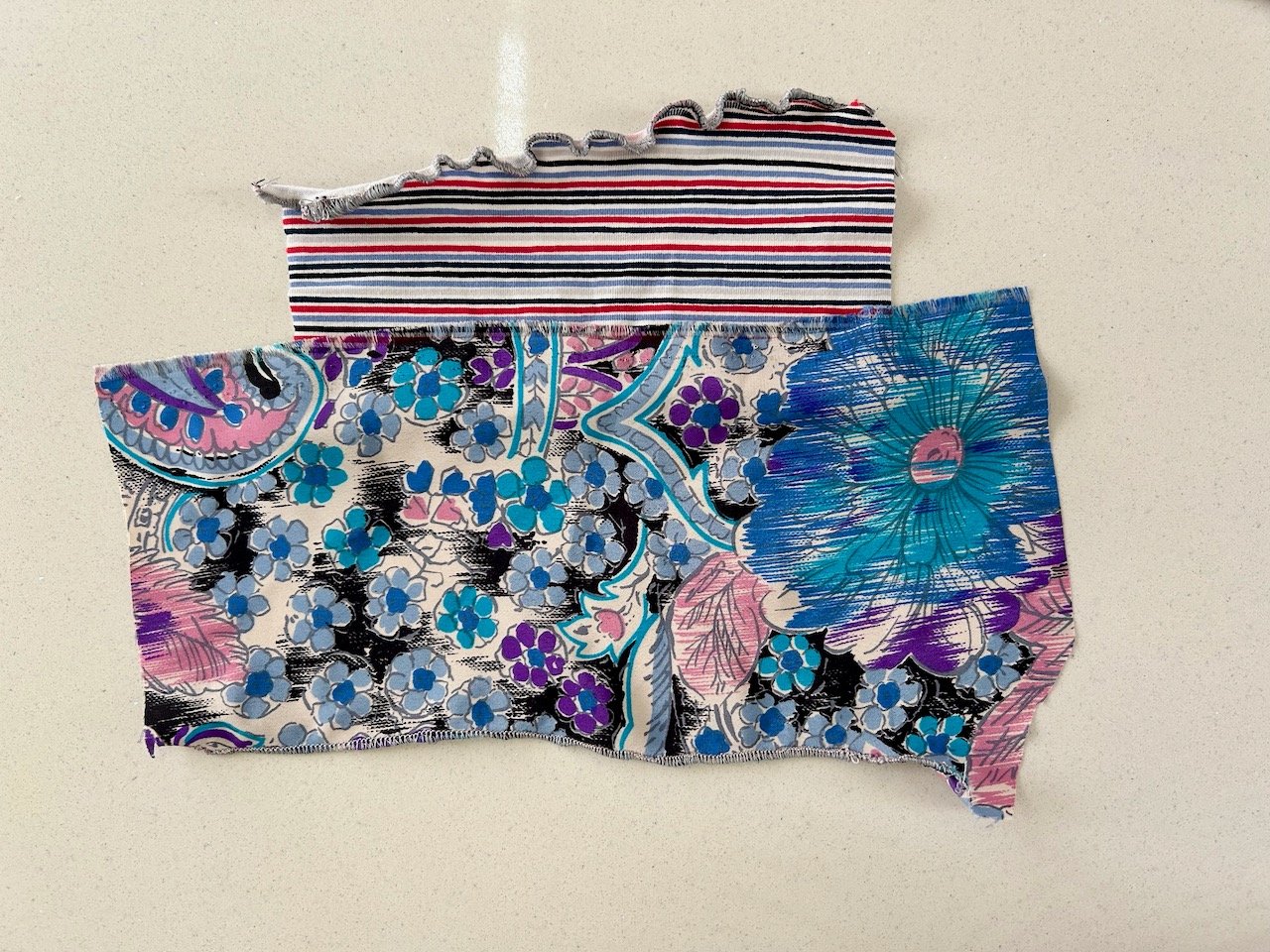
HEMS: LETTUCE (STRIPED) AND ROLLED (FLOWERY)
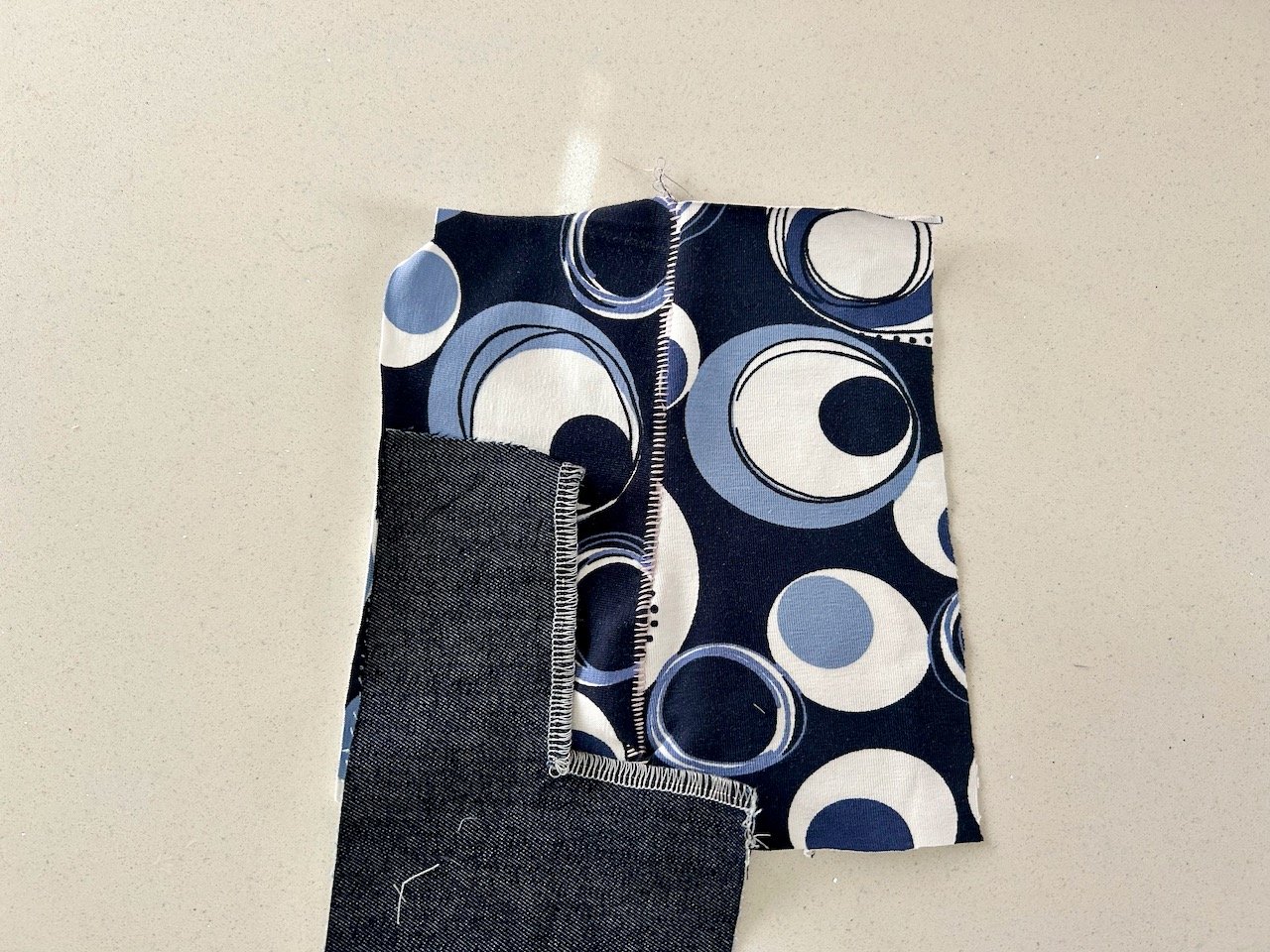
FLATLOCK SEAM (CIRCLES) AND OVERLOCKING A CORNER (DENIM)

Of course part of the reason there’s not much to show is that the overlocker trims as it goes, so as I went over and over the lengths of fabric my previous attempts were chopped off. Most were binned but some have the potential for use in collages, but I’ve yet to play further with that.

My other key learnings from the workshop, which I’m including here to remind me, were:

  • Chain before starting, and chain at the end - it’s much easier to have a length of overlocked stitching at each end of the fabric, and it saves the machine eating the thread - which means it saves rethreading!

  • The fourth spool is the colour you’ll see the most, so unless you’re very particular you can probably just change this one, however neutrals may work with many fabrics, test it first. Cream and grey are less harsh than white and black, and therefore could be more versatile.

  • Deal with the ends, or they will come undone eventually. If you’re not overlocking at right angles then either zigzag over them using the sewing machine or thread back through with a large sewing needle.

  • No pins near an overlocker ever.

  • For the overlocked corners, move the fabric so it’s in a straight line and though there’ll be some loops which don’t catch, you’ll hardly notice them.

Trying it at home

I knew that if I didn’t try it at home fairly soon afterwards then the workshop would have been a waste of time. So the next day I set it up in my craft room, checked nothing had moved on the journey home and set about trying it for myself. I’m glad I did as even though I’d checked it one of the tension loops had spat out its thread, and my loops were a bit irregular.

But I fixed it - yay! That’s how good the workshop was!

Edging the valance

Then I could set about edging the material for one of my next projects. I’ve signed up for an Indian Block Print & Stitch class and needed to take along some fabric to print on, and they suggested old bedding would be fine. Which is good, as I’ve plenty of that - and when I was sorting out the towels to add to my new bathroom cupboard shelves, I found an old valance sheet which I hadn’t used for years.

Like most valance sheets it was a wotsit to iron, even though it has box pleats rather than frills. So it was repurposed - I cut the frill off, ironed it and set to it with my overlocker.

using my overlocker at home - looking down on the machine, 3 spools are visible along with a ruffle of fabric coming out of the machine, with the edge overlocked
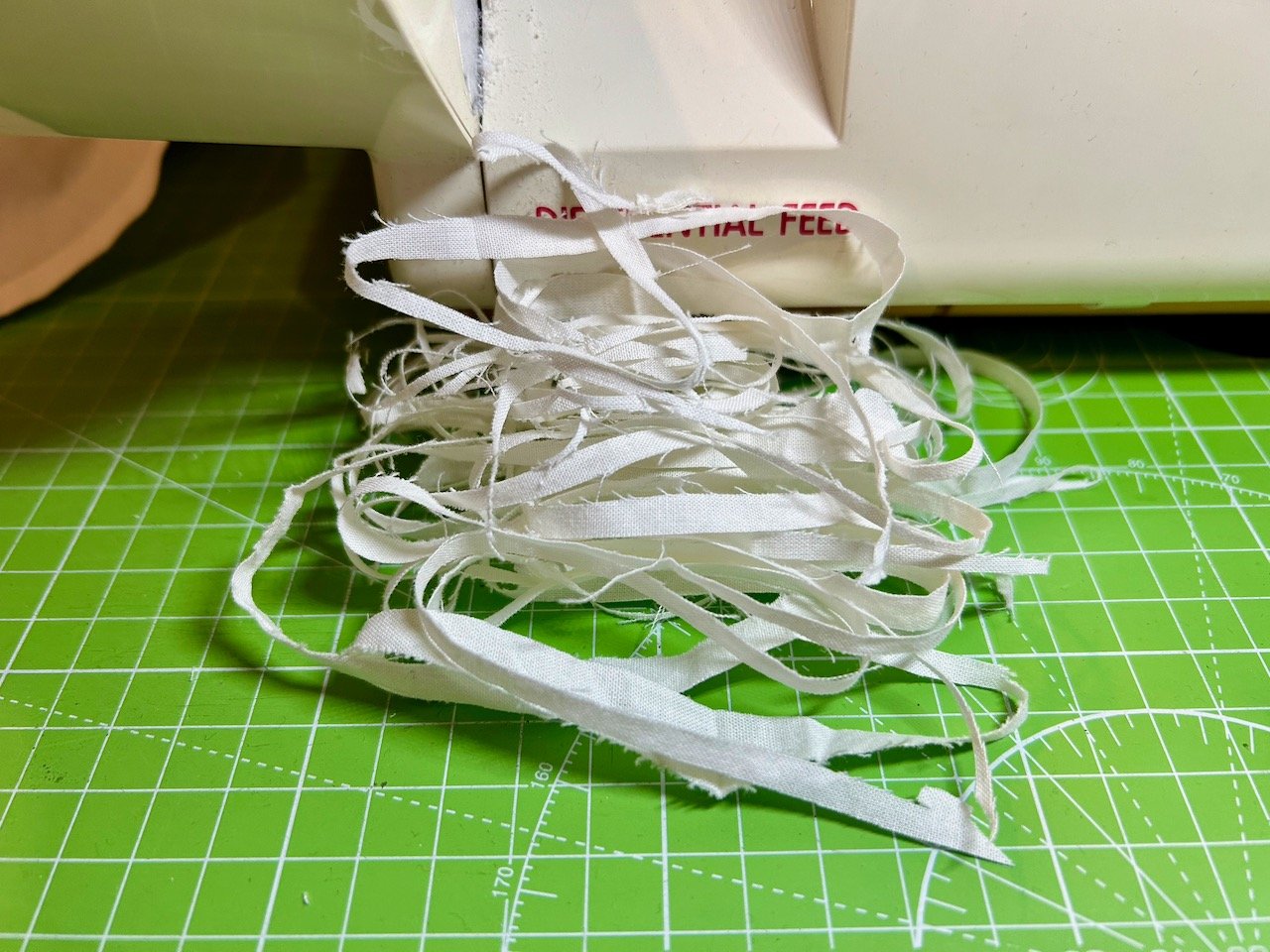
A pile of trimmings cut off by the machine
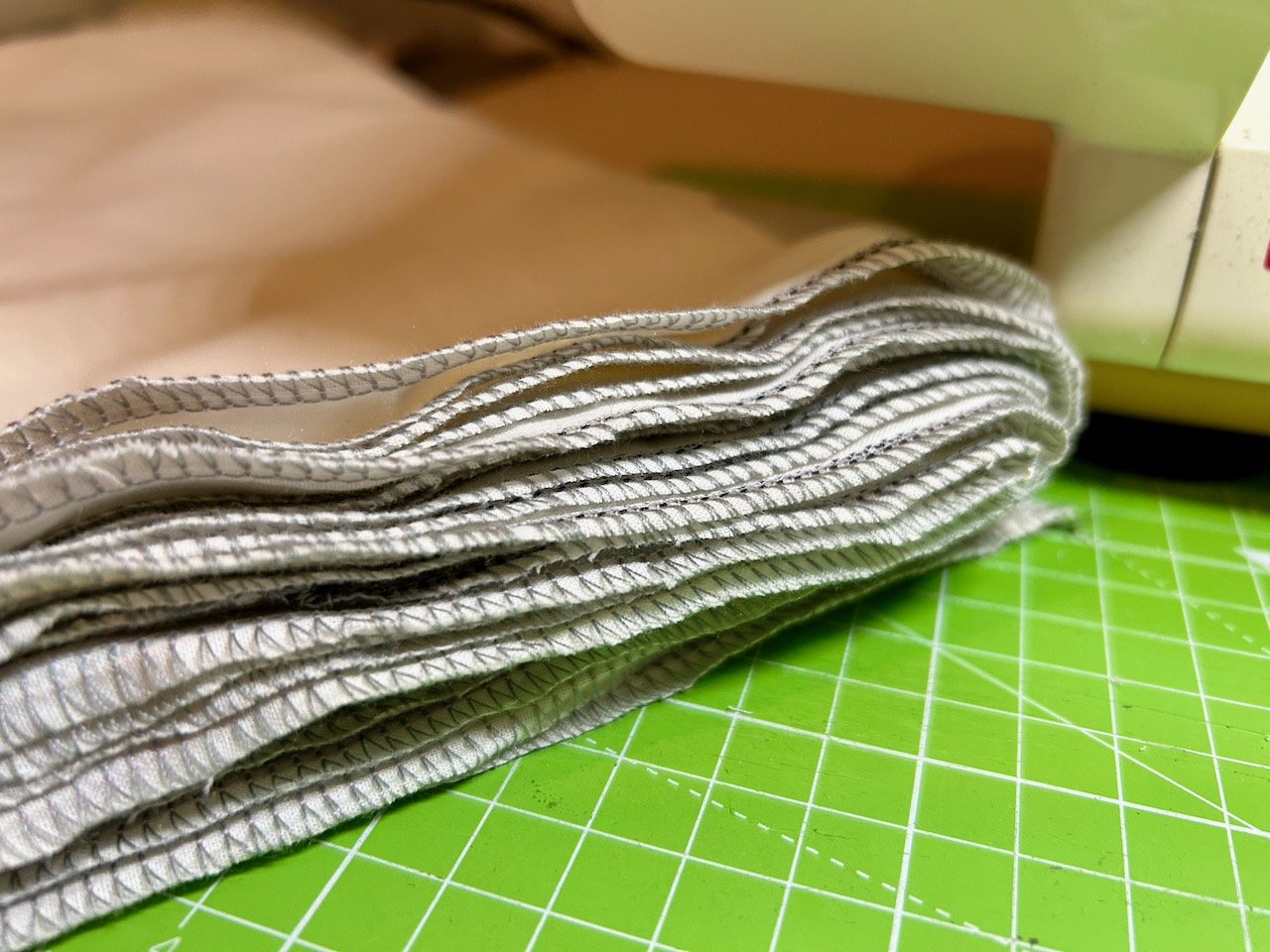
A folded overlocked length of material ready for one of my next projects

It was a long old piece of overlocking, but it served two purposes - proving to myself I can do this at home, and readying for some future projects. Don’t you just love it when things come together like that?

So if you’ve got an overlocker in your cupboard that you just don’t love (yet) then I can’t recommend highly enough booking yourself on a workshop and finding out what it can do - I bet you surprise yourself, just like I did!
Walking East Stoke's lanes this January

I’ve been contemplating a new monthly series to share more about the countryside where we now live since we moved here last July, but starting in January appealed for its neatness, though as you’ll note it’s most of the way through February now so it’s taken me a little while to percolate my thoughts and come up with a plan for this new series, and not unsurprisingly edit the photos!

It’ll also be a way for me to learn about where we live, and see how it changes throughout the year - moving from London to the country has already been a big learning curve in so many ways, and it’ll be great to have clarity about things (almost) as they happen, so expect a photo heavy post.

But anyway, in the short time we’ve been here we’ve already found some walks from our doorstep heading off out of the village in various directions - and it’s from our walks along these lanes that I’ll share pictures from.

We started our New Year with a walk that was very different to that of the past twenty or so years. No Greenwich Park for us this New Year’s Day, instead we headed down towards the River Trent, though it felt like the Trent had come up to meet us given all the water following even more rain.

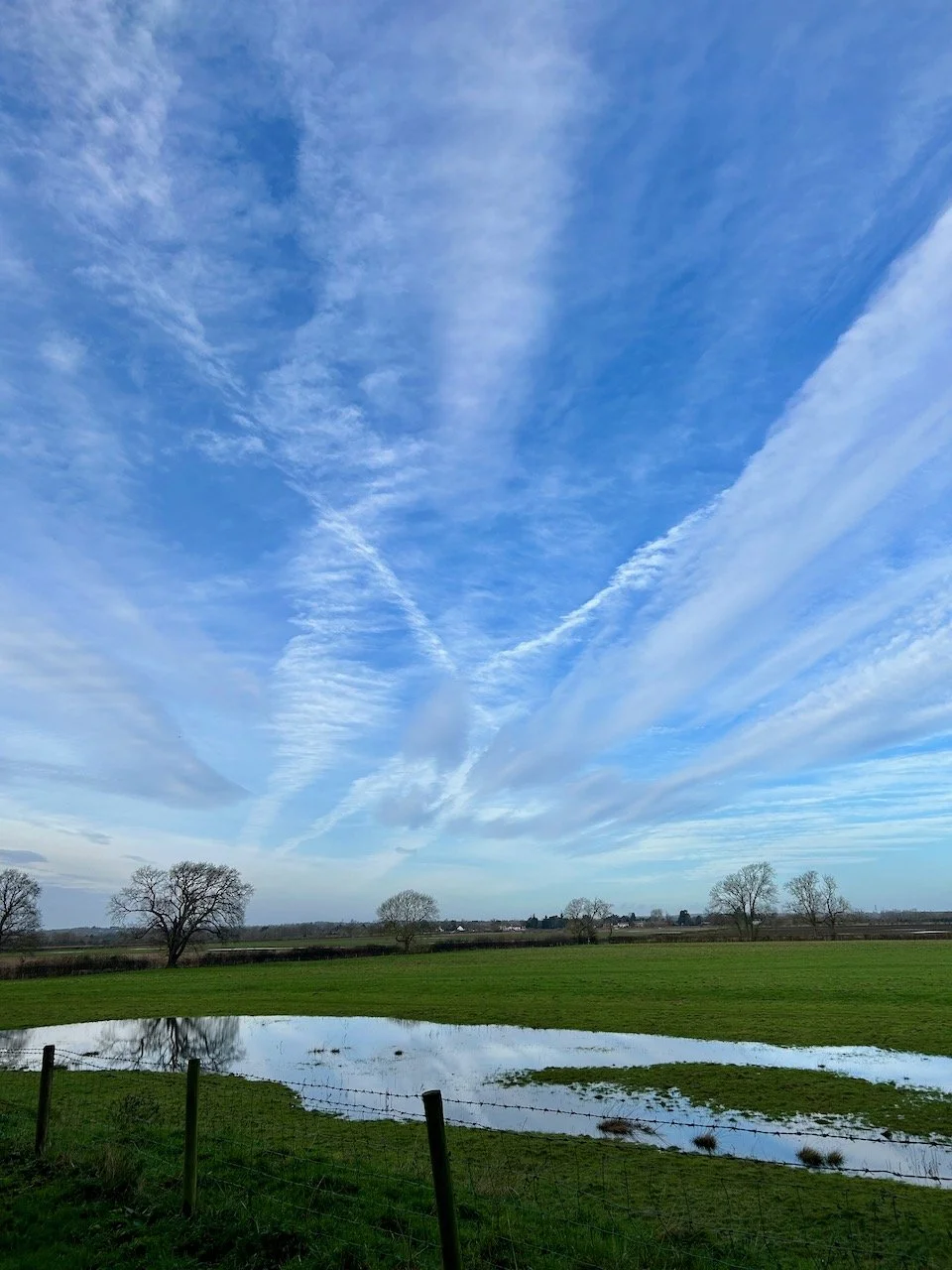
Looking across a grassed field - with a large puddle - towards the River Trent with streaking clouds above

CHURCH LANE

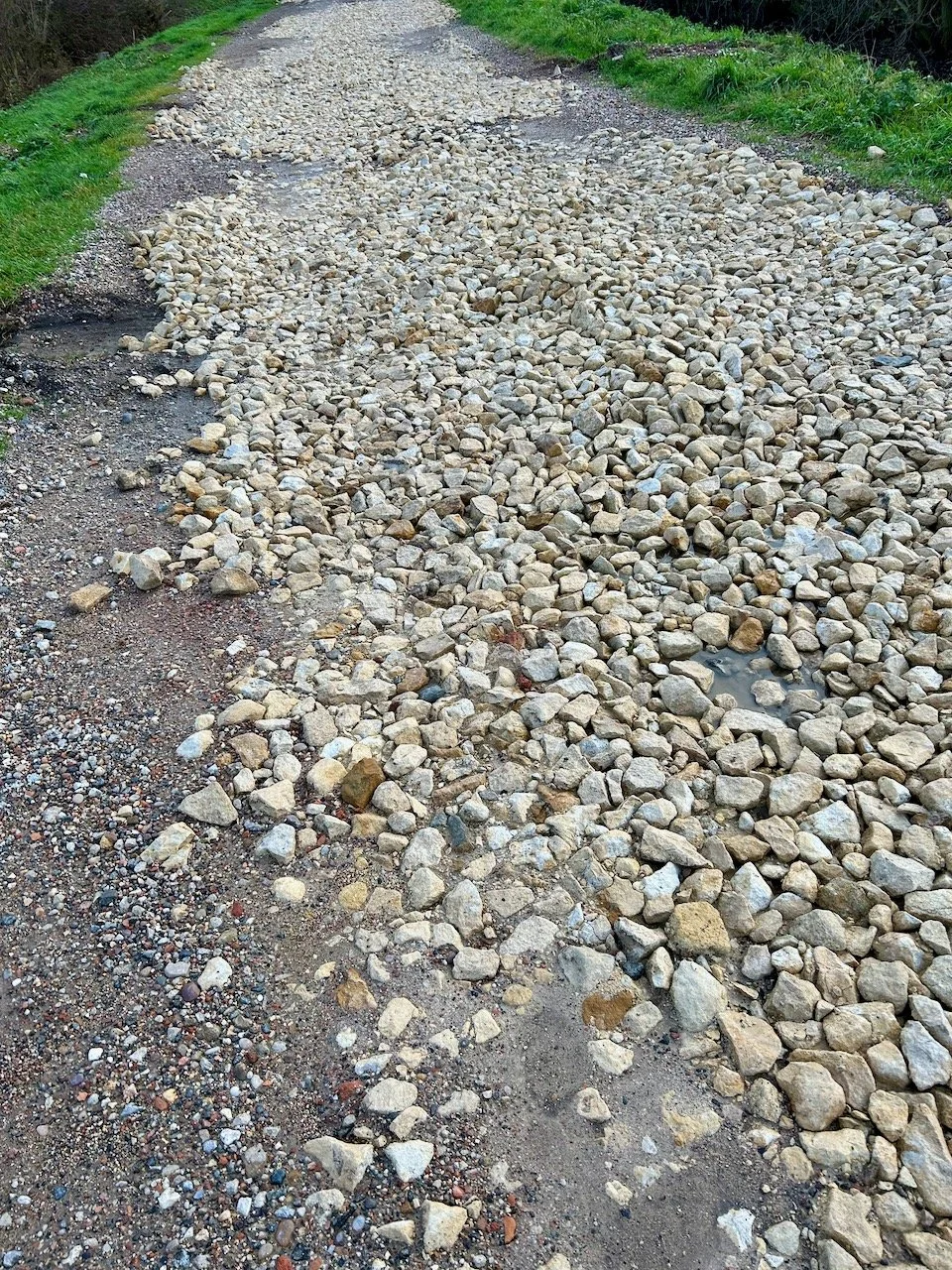
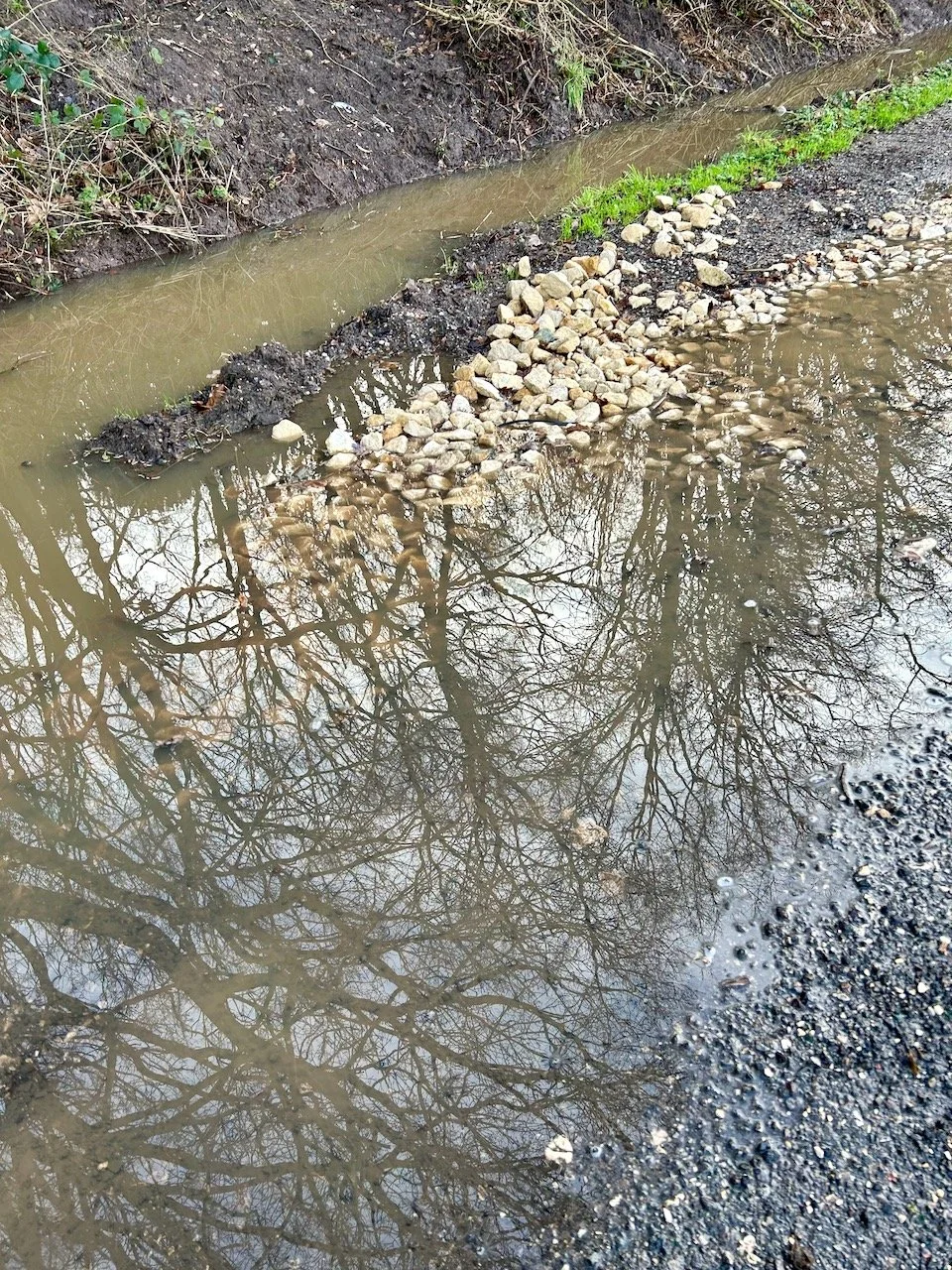
Dodging the puddles was easier than normal as hardcore had been added in many places making it much easier than previously - still a lot of water though, and I made the most of the photo opportunity with the reflections of the trees.

CHURCH LANE

It was too wet to head across the Red Gutter so instead we continued along Church Lane towards the Trent walking on what looked to be even more freshly laid hard core - we’ve walked this way since and it has bedded in much more and makes it a much more comfortable walk.

CHURCH LANE

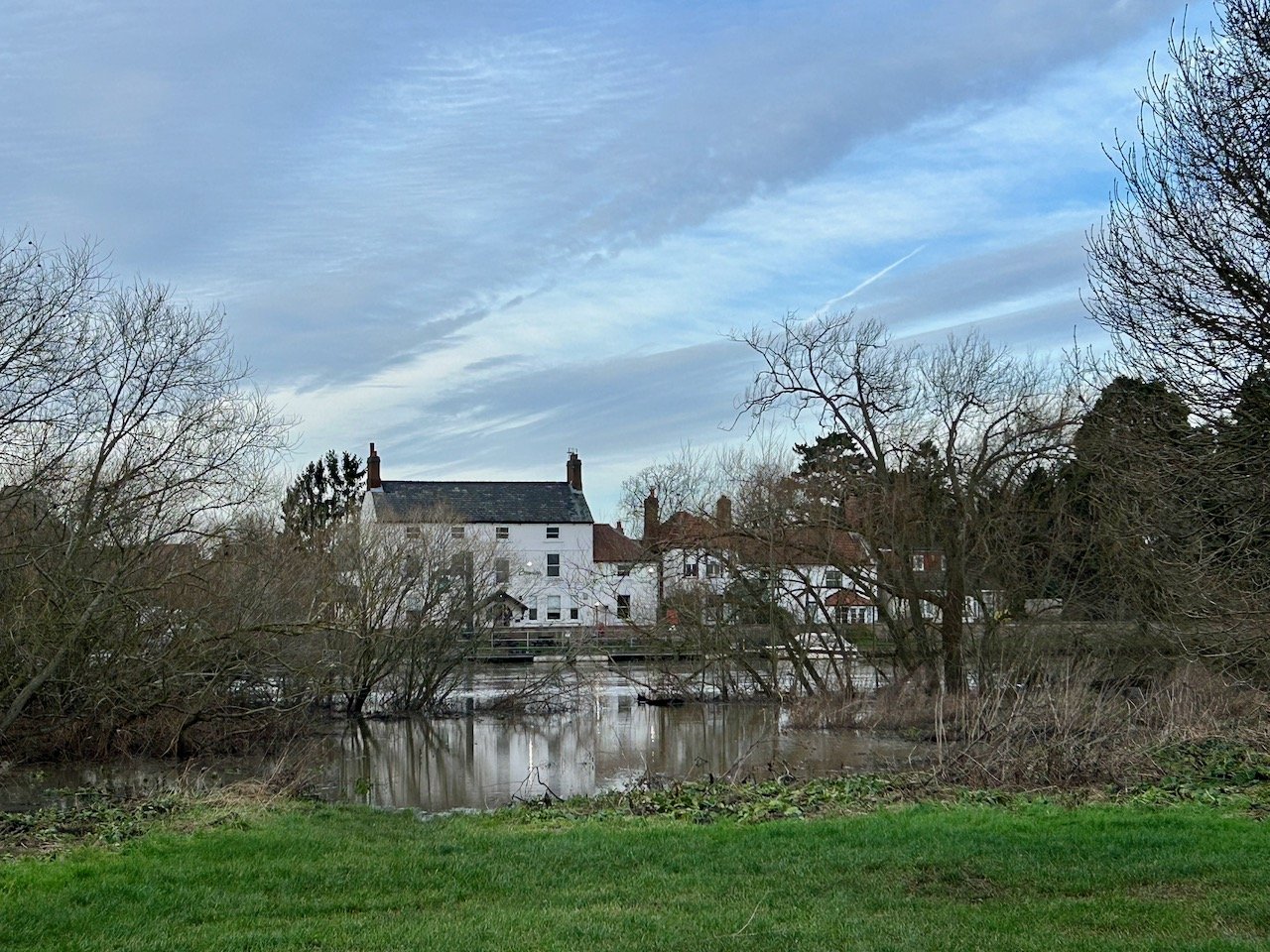
LOOKING OVER TOWARDS FISKERTON

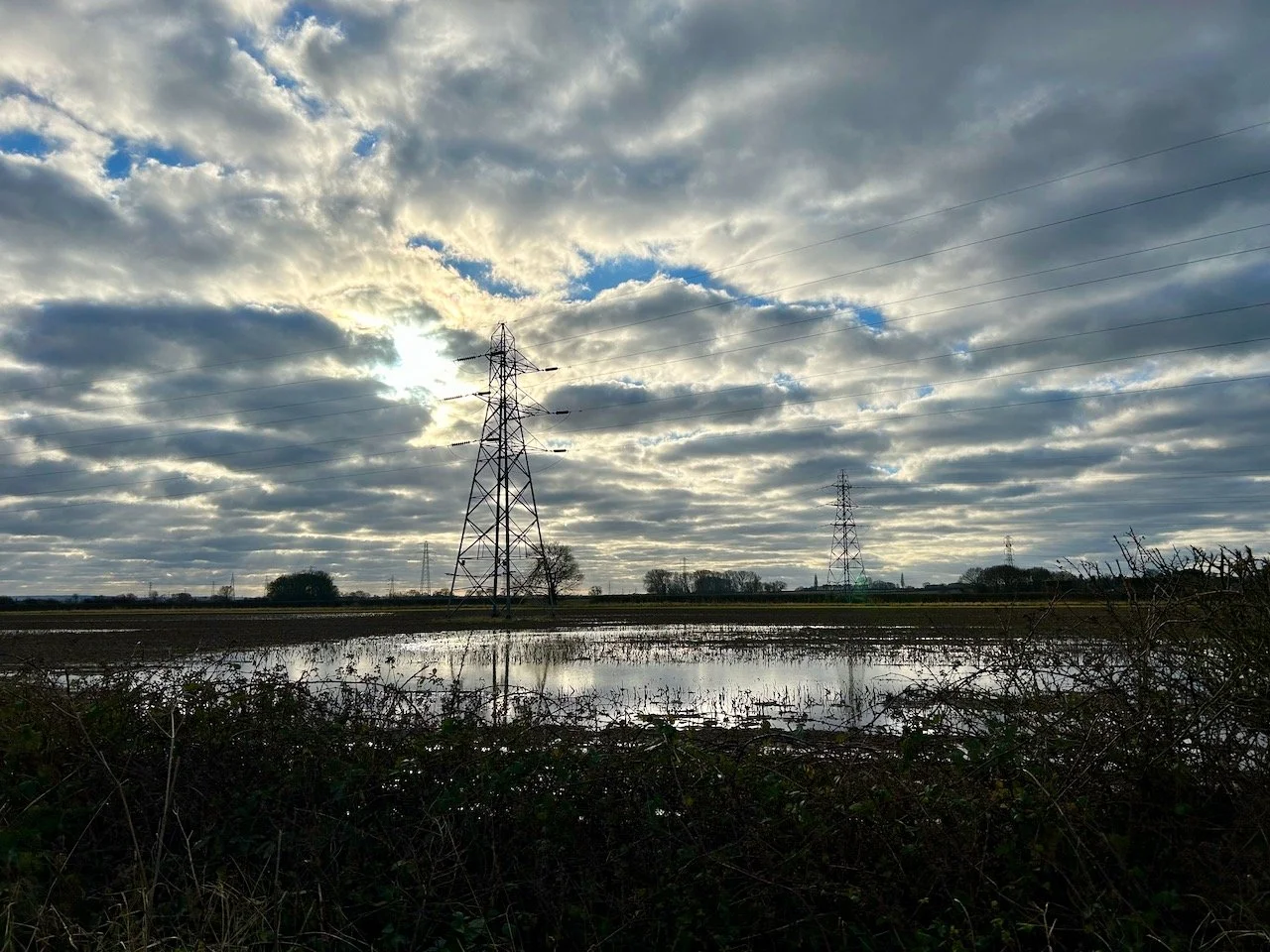
We didn’t get to the river pathway, there was too much water - as you can see in the photo above, the river was way over where it would normally be - definitely a case of the water having nowhere to go other than the flood plain. Heading back the way we came, the skies treated us to quite a display.

dramatic cloud formations on our walk back towards the village

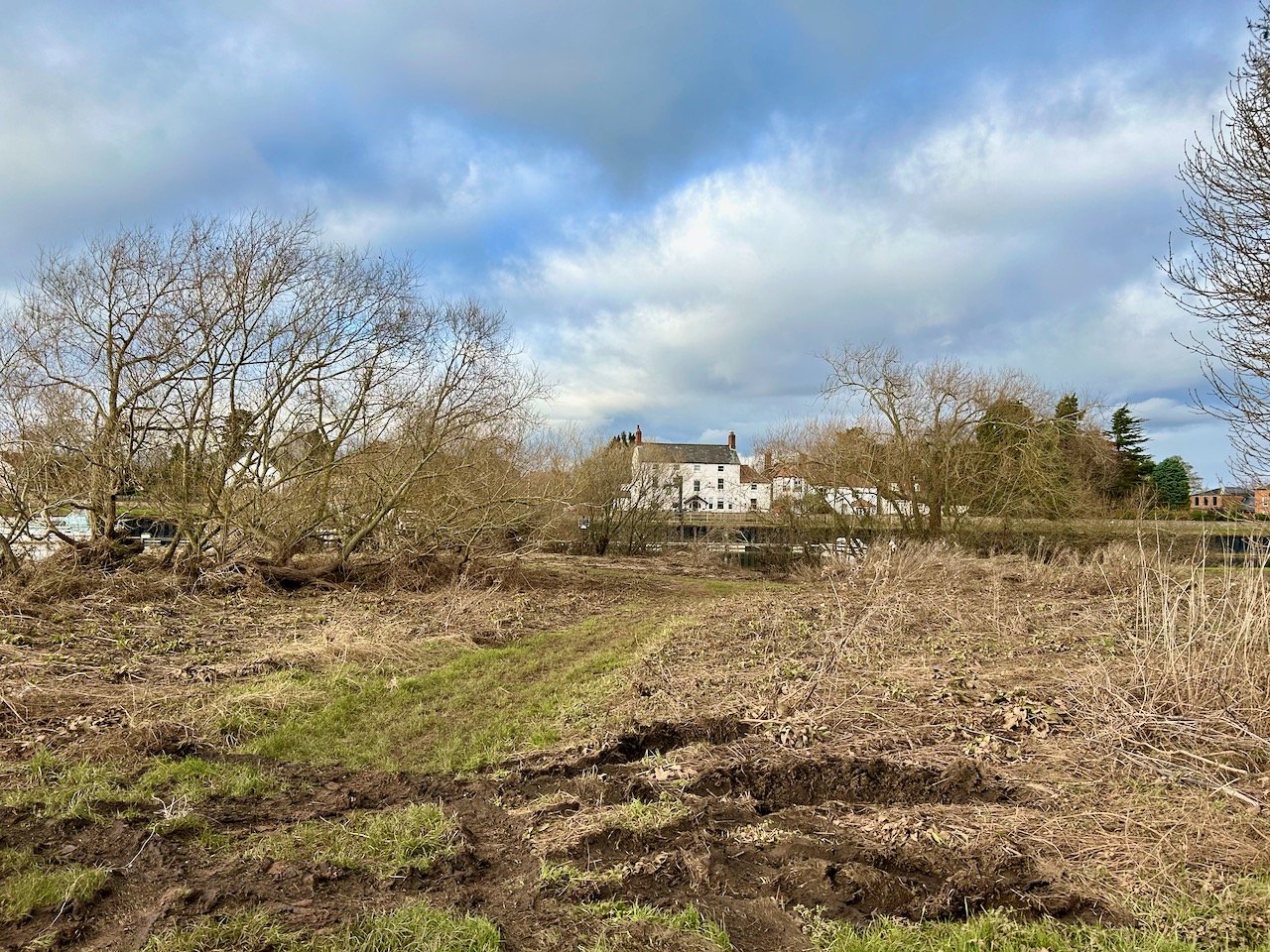
A couple of weeks later we headed back along the same route, and it was good to see the water had receded even though the ground was still ‘soft’ - not being much of a fan of mud I didn’t get quite as close as before for the photo. And yes, I had walking boots on, and I’m much better with mud when wearing those - I just prefer not to if I don’t have to!

LOOKING OVER TOWARDS FISKERTON TWO WEEKS LATER

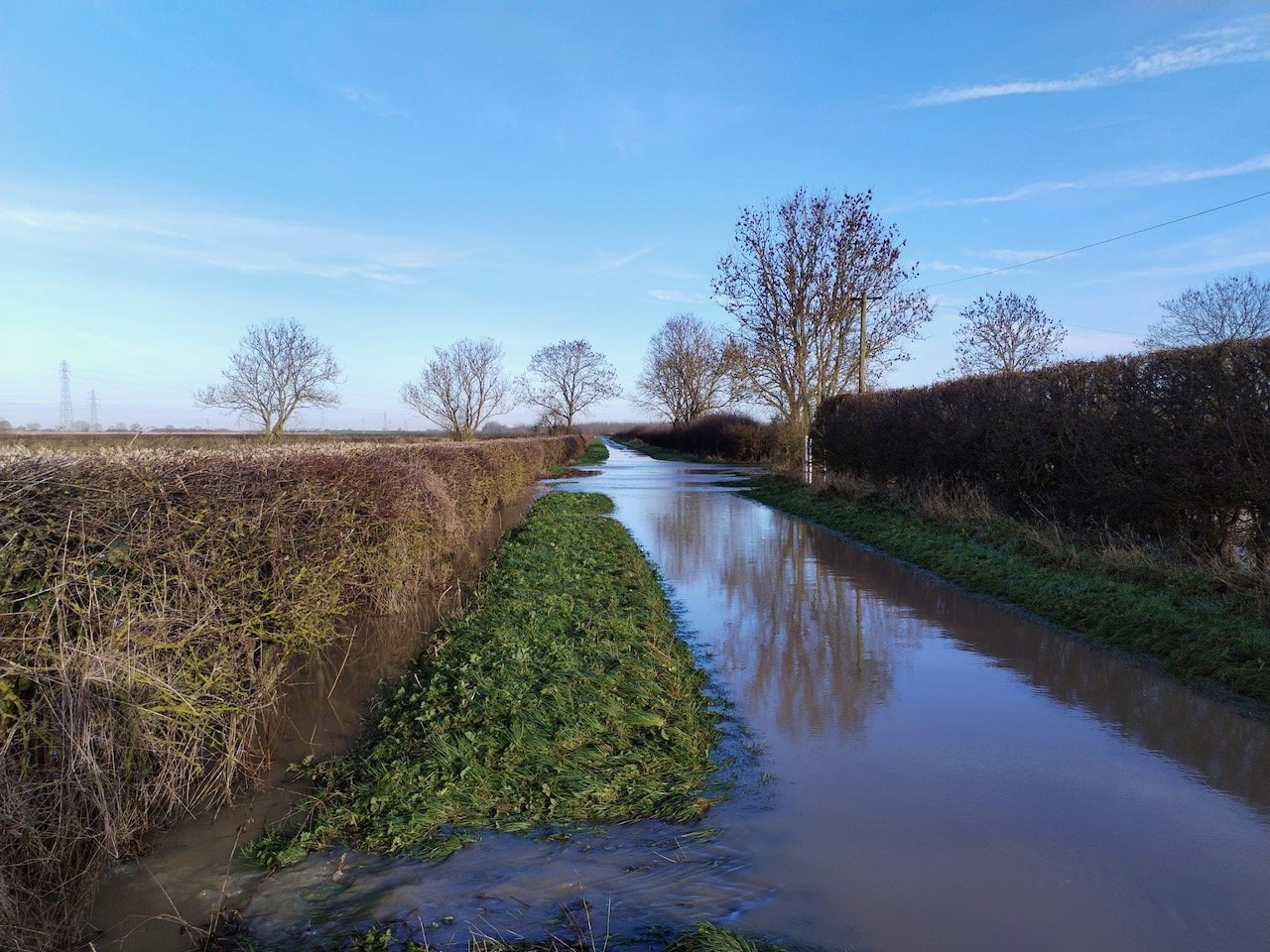
The start of the month was wet, and the rain didn’t stop coming so the lanes got wetter and wetter. The water was running off the fields, and over the ditches which were already full - it had nowhere else to go and so the lanes became waterways briefly, as this picture taken by MOH shows.

MOOR LANE

And taken by MOH as I wasn’t heading out for any of that. I was persuaded out on 7 January when the lanes were clearer of the excess water, but the fields were still pretty full.

MOOR LANE

We walked to the bridge - our cut off point for turning round - but also partly to see the water levels there. Our unqualified expert view was high.

From the small bridge looking at the water flowing beneath us with a waterlogged field on the left

MOOR LANE

The newly cut and bare hedgerows with standing water in front and behind

MOOR LANE

It wasn’t all doom and gloom though, the bushes on the roadside nearer to the bridge over the A46 had the most glorious lichen which was catching in the sun - and you know how much I like some lichen!

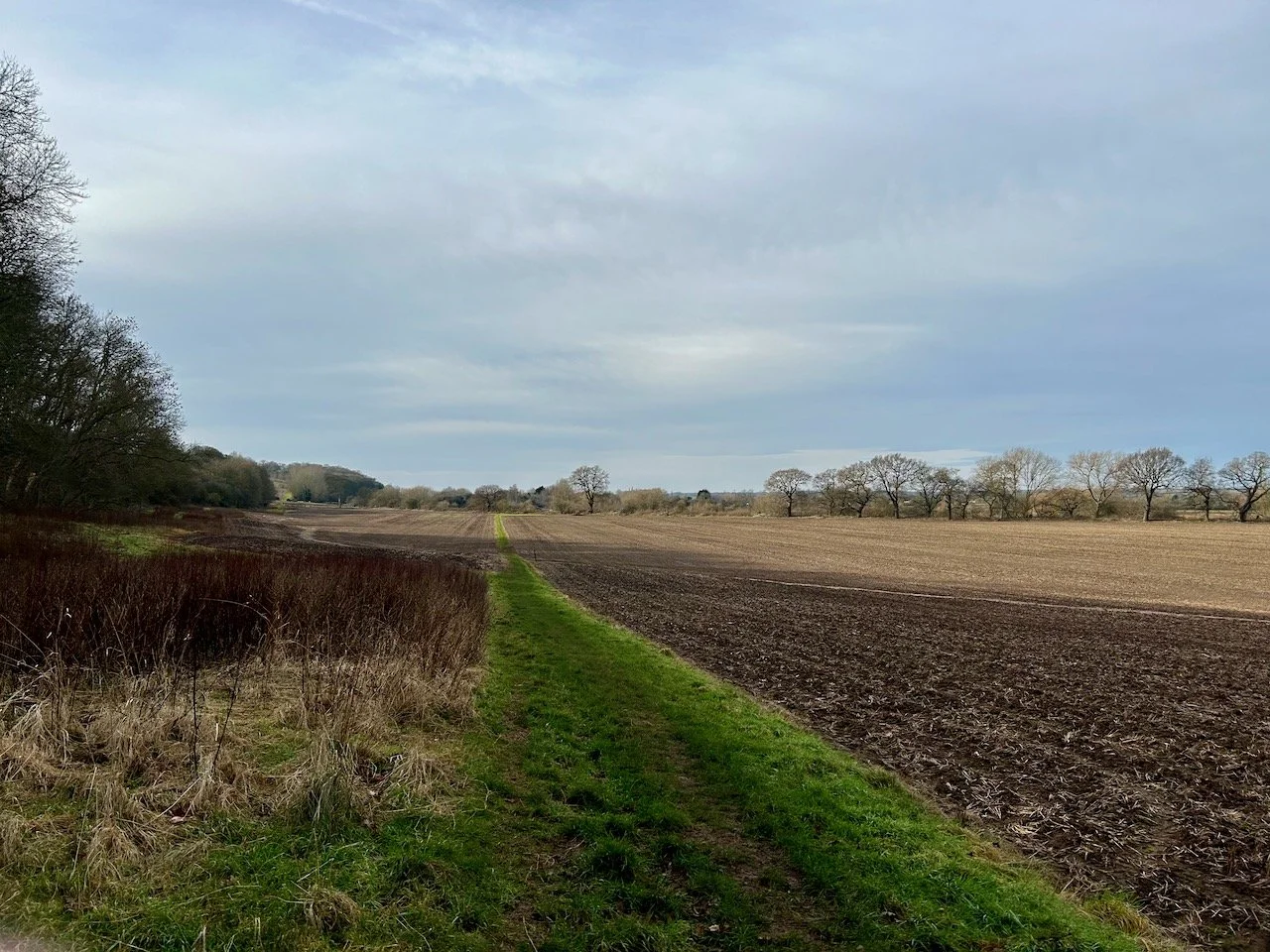
It wasn’t until almost the end of the month that I deemed the Red Gutter not too muddy to walk - I’m sure plenty of less-mud averse people walked it throughout the month, but not me.

THE RED GUTTER

The Red Gutter is a circular walk I’ll no doubt share more about here over the year, but in summary it’s where the last battle of the Wars of the Roses took place in 1847, and according to legend got its name hundreds died here attempting to escape being slaughtered at the end of the Battle of Stoke Field.

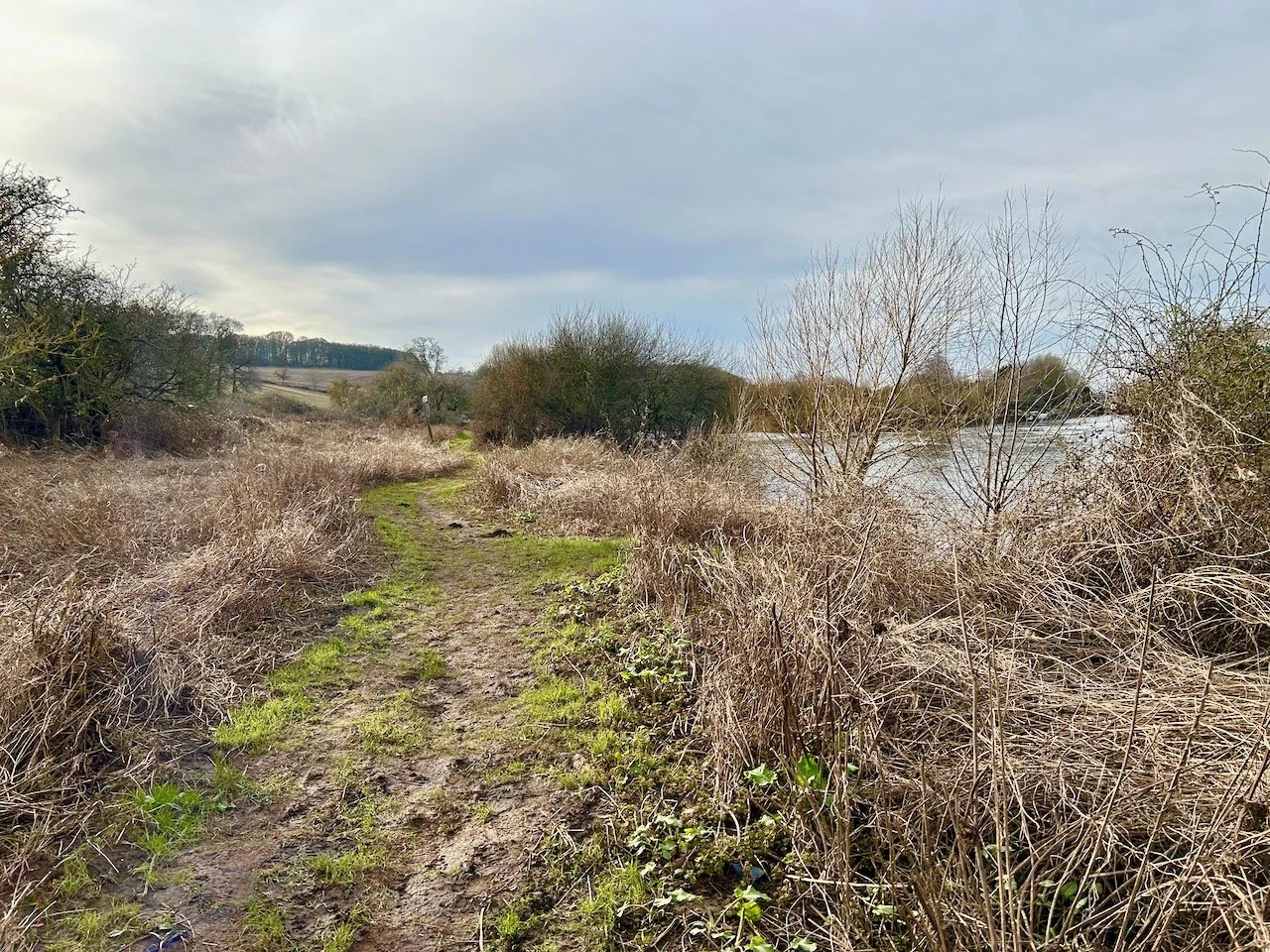
Alongside the river trent (on the right)

ALONGSIDE THE TRENT

Walking across the field leads to a footpath alongside the River Trent, which as you can see was a little more ‘soft’ going - but it’s not far and we were soon at Trent Lane. It’s uphill from there, and this partial seed head provided a good opportunity for a photo and a short break to catch our breath.

Walking uphill on Trent Lane - fields on the left and capturing a partial seedhead against the sky

TRENT LANE

TRENT LANE

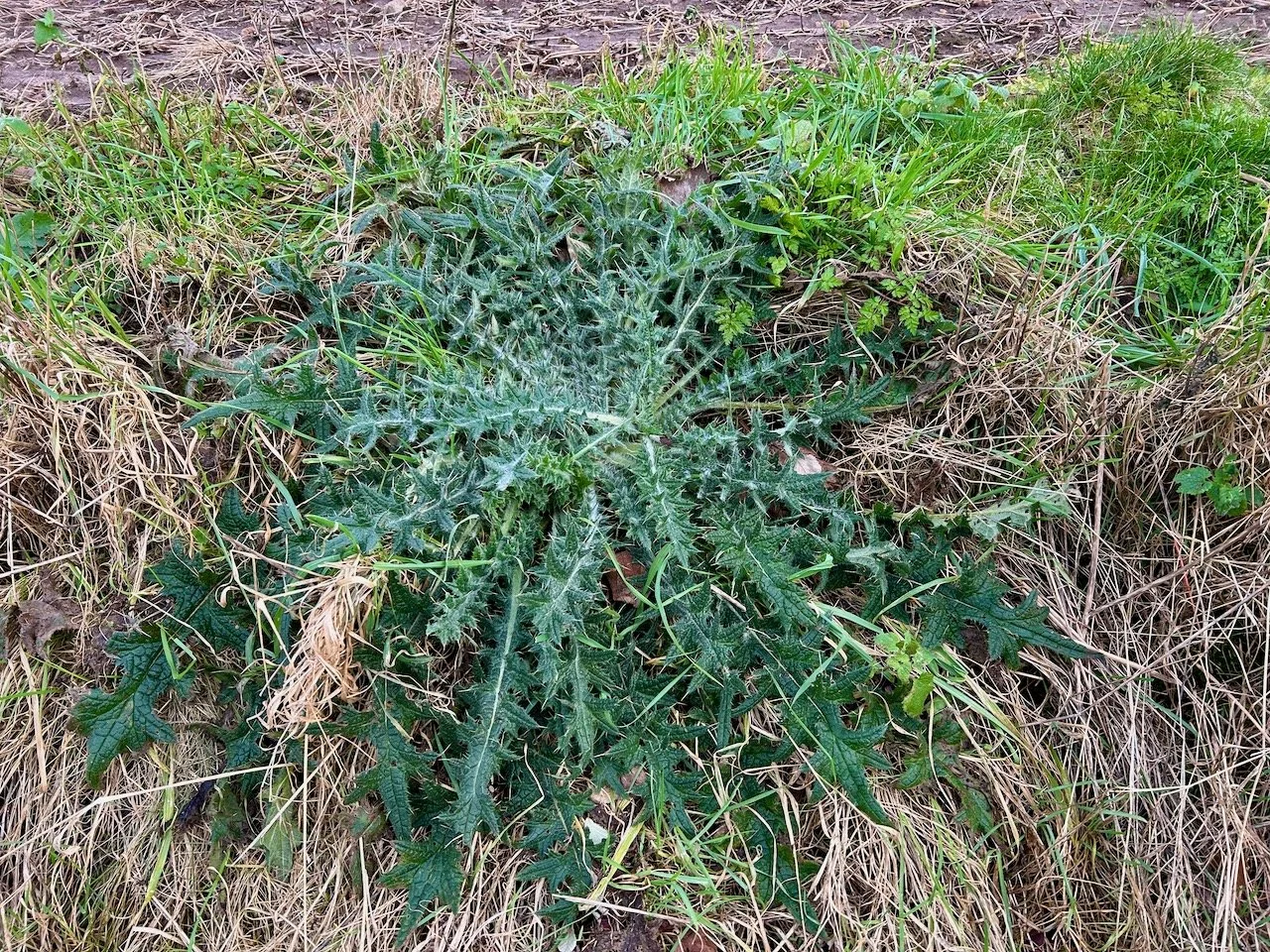
It’s also where I spotted what could possibly be a contender for the largest thistle in the world. Probably.

Thanks for joining me this month, I’ll be sharing the next instalment around the same time next month, but in the meantime if you enjoyed this post you may also like some previous series where I revisit the same place - there’s my year in Greenwich Park and remember that time when I followed a tree?

PostCommentLove

Post Comment Love 23 - 25 February

Hello there, and welcome back to this week’s #PoCoLo - a friendly linky which I co-host with Suzanne, where you can link any blog post published in the last week. We know you’ll find some great posts to read, and maybe some new-to-you blogs too, so do pop over and visit some of the posts linked, comment and share some of that love.

Please don’t link up posts which are older as they will be removed from the linky, and if older posts are linked then please don’t feel that it’s necessary to comment on those. If you were here last week it was great to have you along, if you’re new here this week we’re pleased you’ve joined us.

It’s hard to believe that we’re almost at the end of February isn’t it? Even with its extra day this year, in comparison to January it seems to have flown by. But it’s so great to see the longer days, and the daylight creeping towards the evenings.

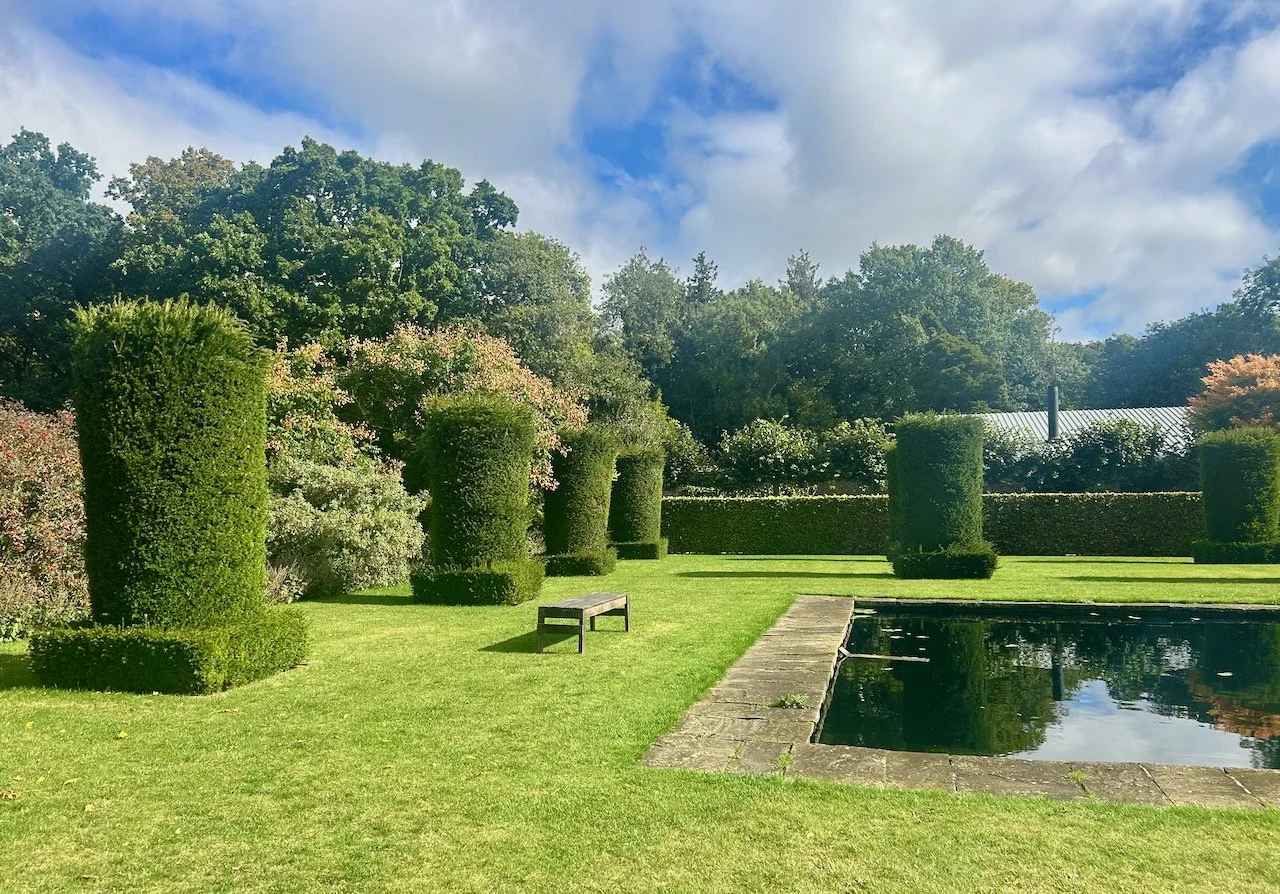
My photo this week is one from a visit to the nearby Norwood Park Hall which I saw was opening as part of the NGS’s Open Gardens. Thankfully its opening coincided with a dry and blue skied day, even though it was a windy one, I’ve some more photos which I plan to share here soon.

But until then, thanks for linking up.

You are invited to the Inlinkz link party!

Click here to enter