Nottinghamshire's tropical garden

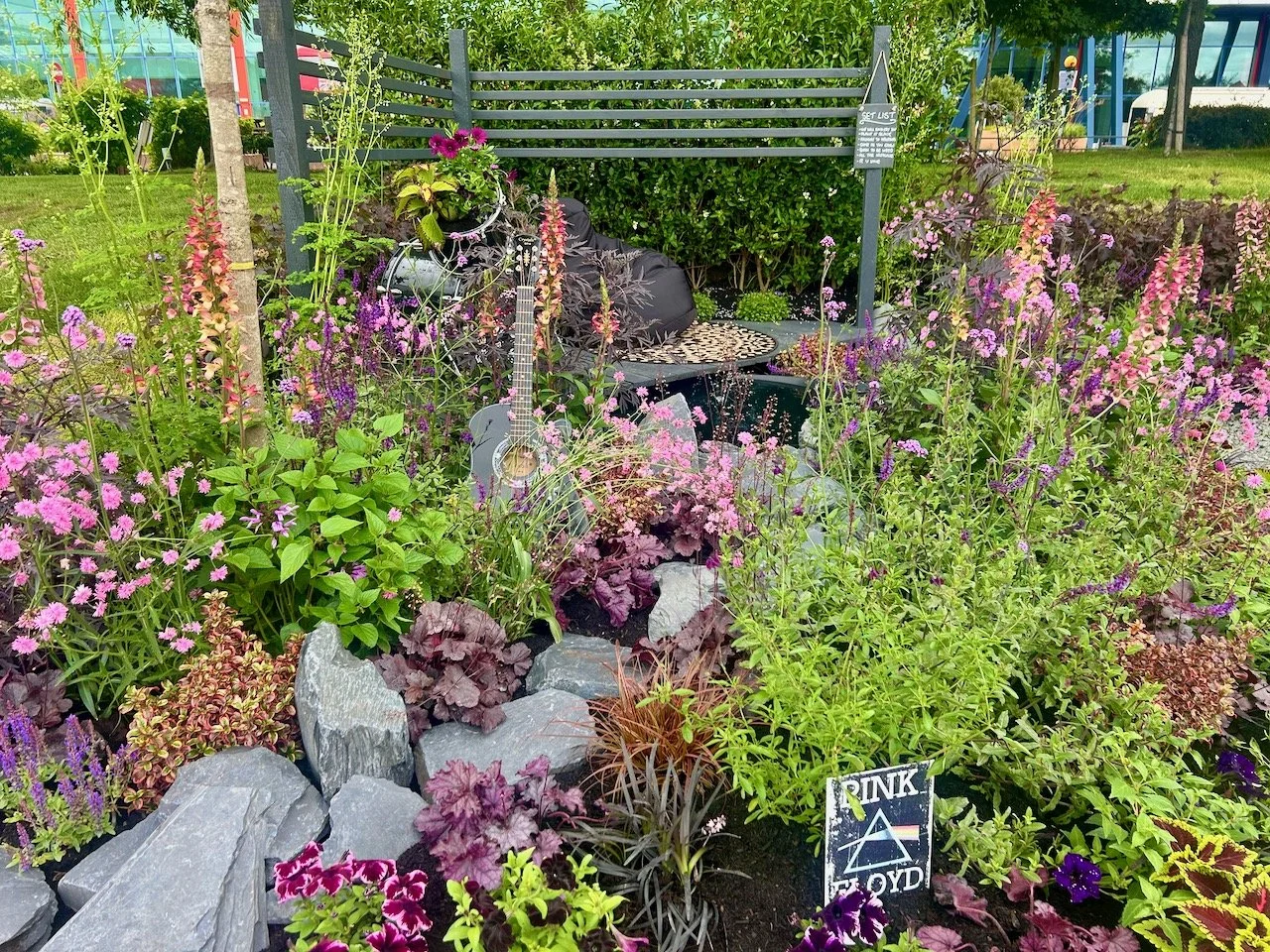
Yes, you read that right. A while back I spotted Honeytrees tropical garden in a local Facebook group, and my interest was piqued. It’s close to us, a little over ten miles away and never in my wildest dreams did I imagine anything quite so lush, or tropical so close by. I also spotted that they planned to open every weekend in August as part of the National Garden Scheme. As MOH has long had a hankering for including a banana tree in the plans for our garden it made sense to go along - we managed to get there on the last day of August, and their last day of opening for the year - phew.

It was amazing. Packed full of plants, and then some more on top of that.

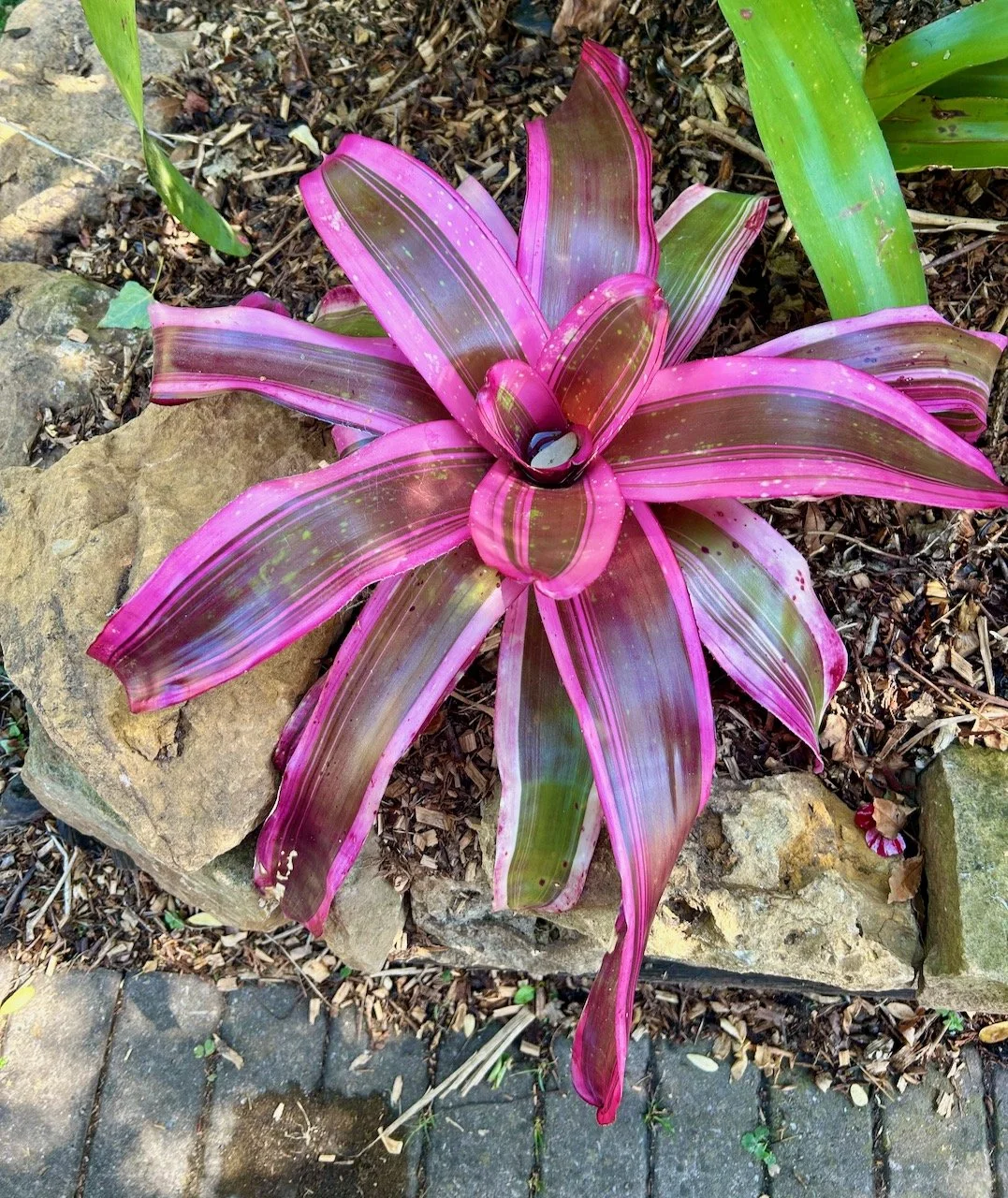
A bright pink bromeliad looking gorgeous

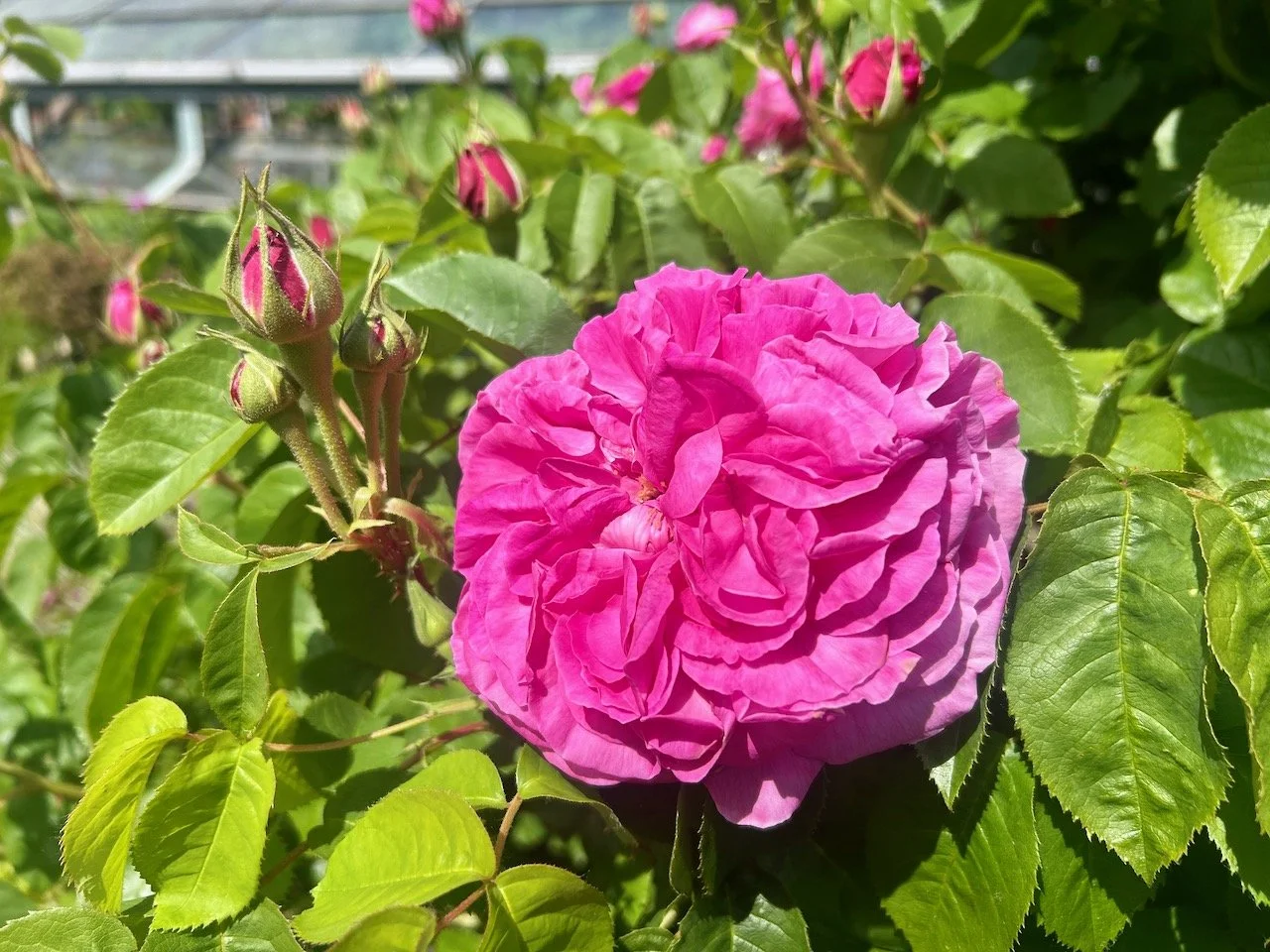
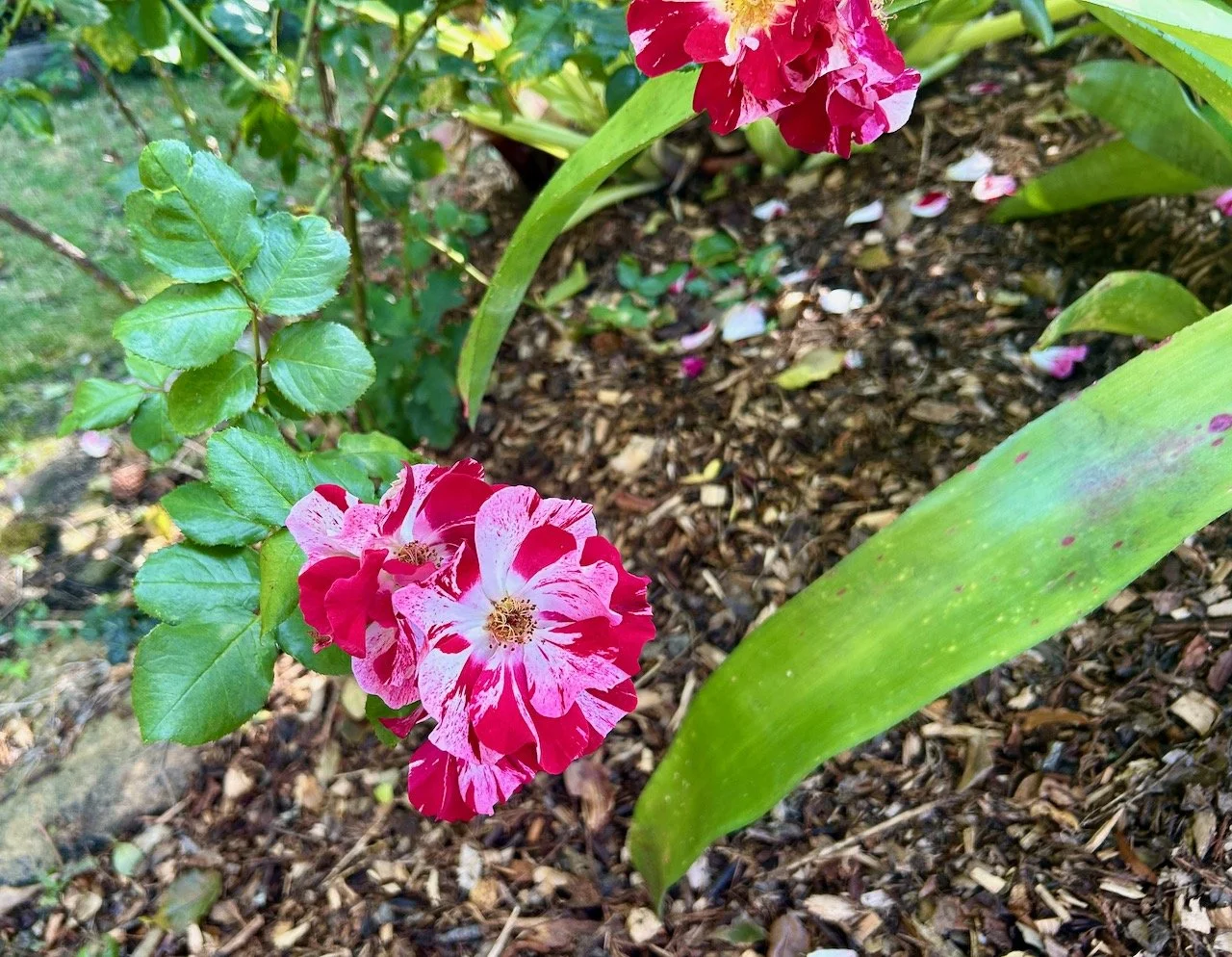
And on this chilly December day I thought I could do with a burst of tropical colour. What I didn’t really expect to see though was some roses, but I did.

An unexpected pink and red striped rose

The garden was packed full of plants and structures including a viewing platform - and while it was a relatively large plot it wasn’t overly huge. It just goes to show that you really can transform spaces with some thought, and a lot of passion.

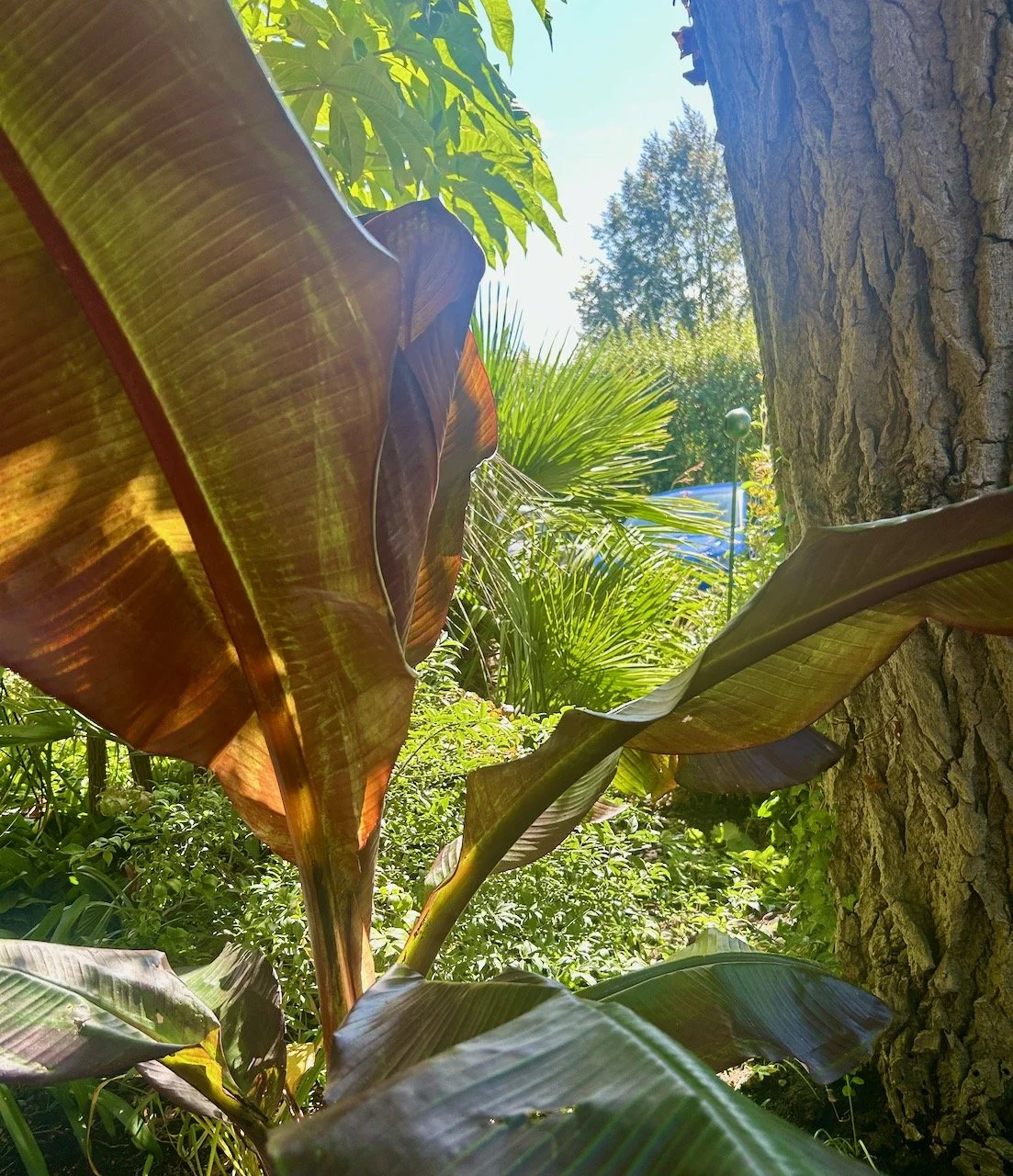
the sun shining through the red banana leaves with the tree fern leaves behind
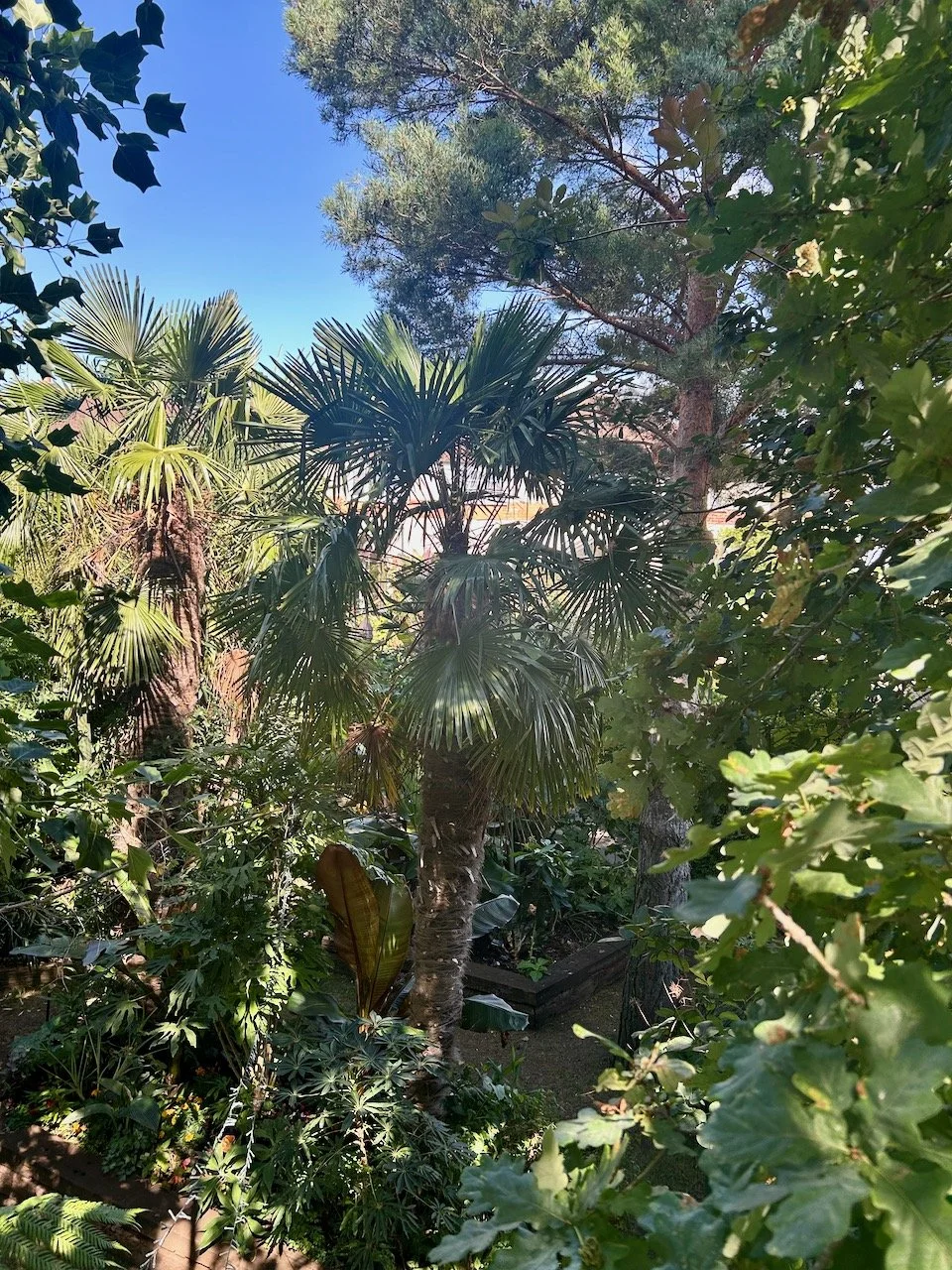
palm trees and oak trees together
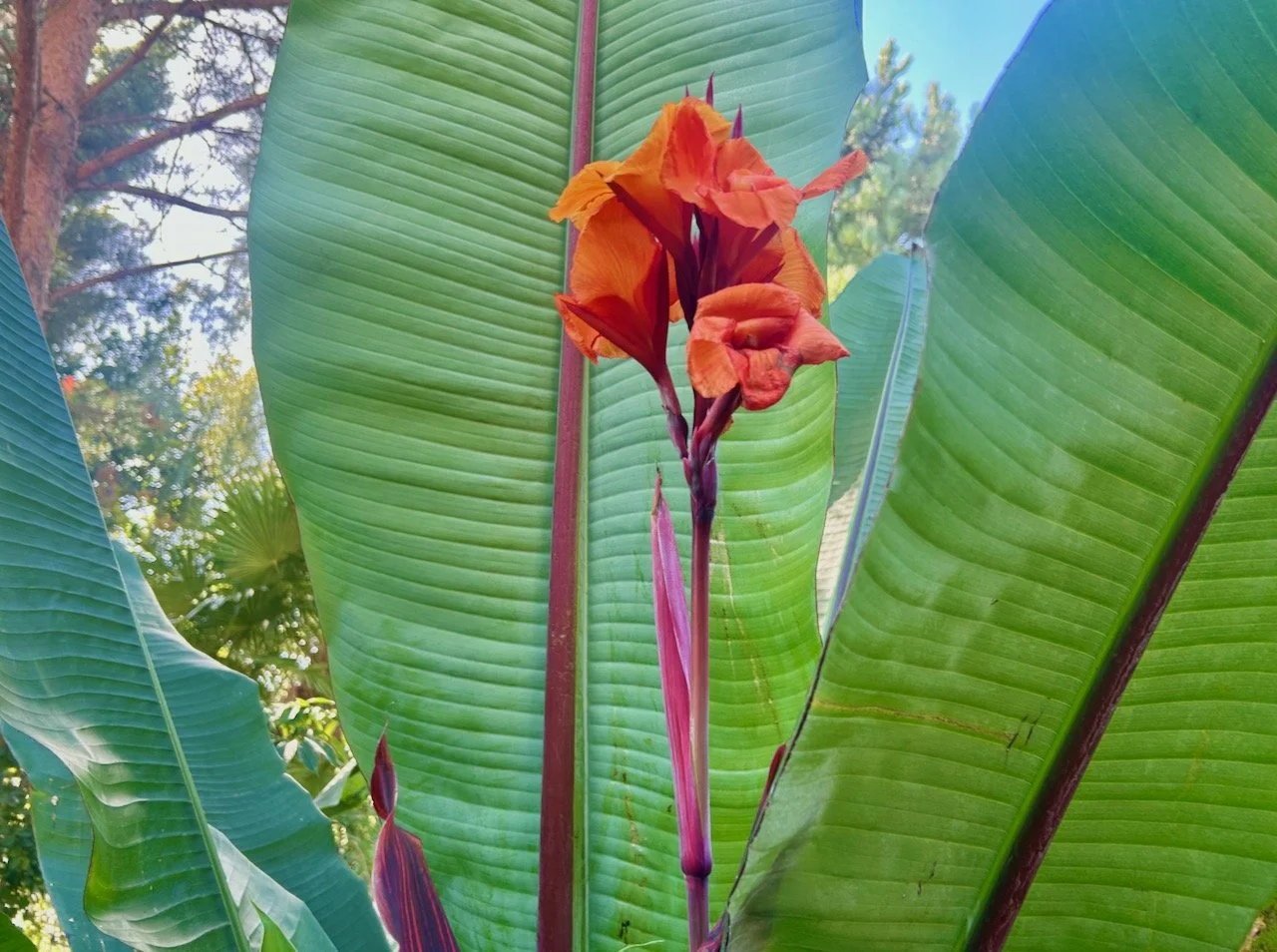
The orange canna flower with the large banana leaves behind
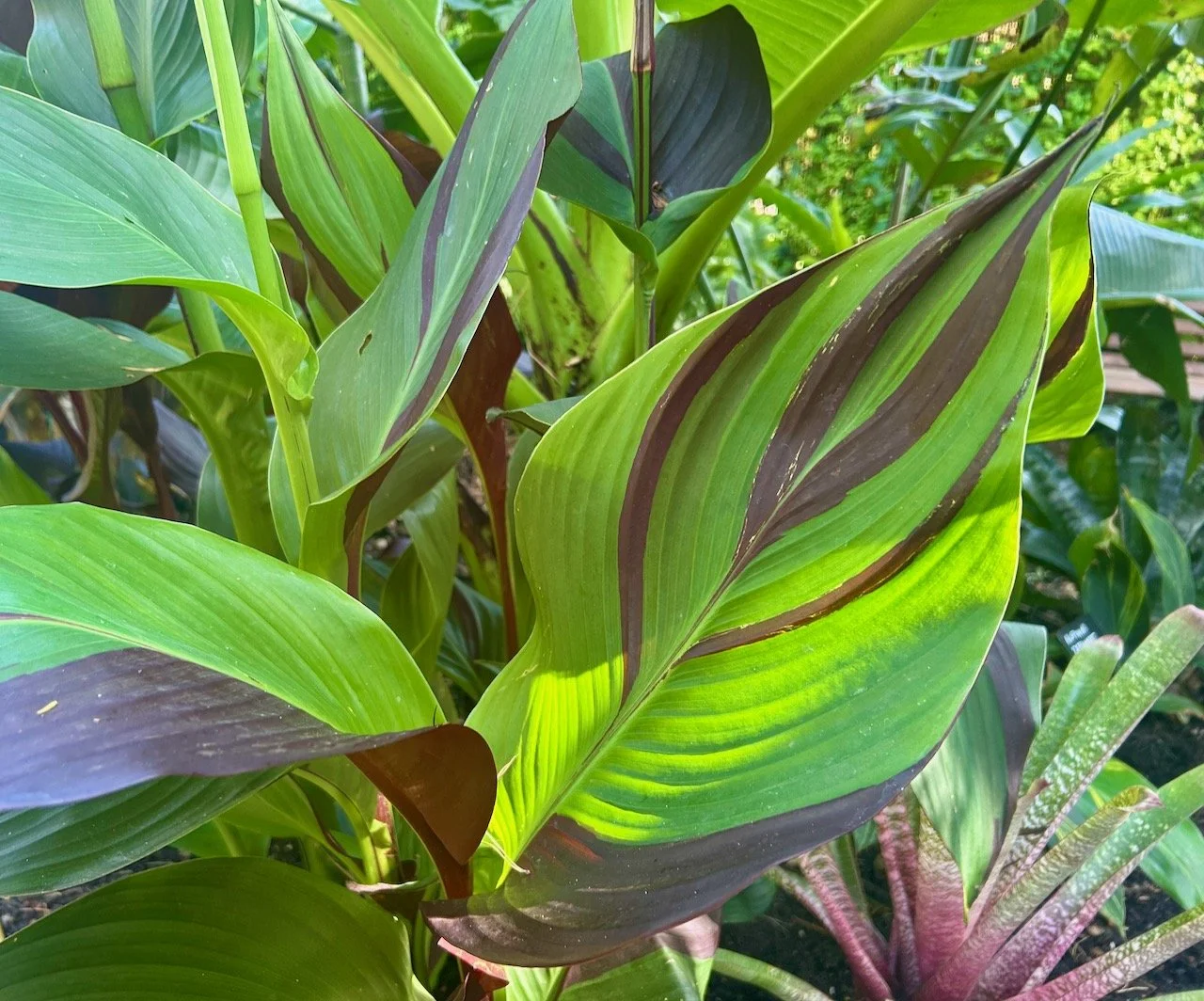
large green and chocolate 'striped' leaves

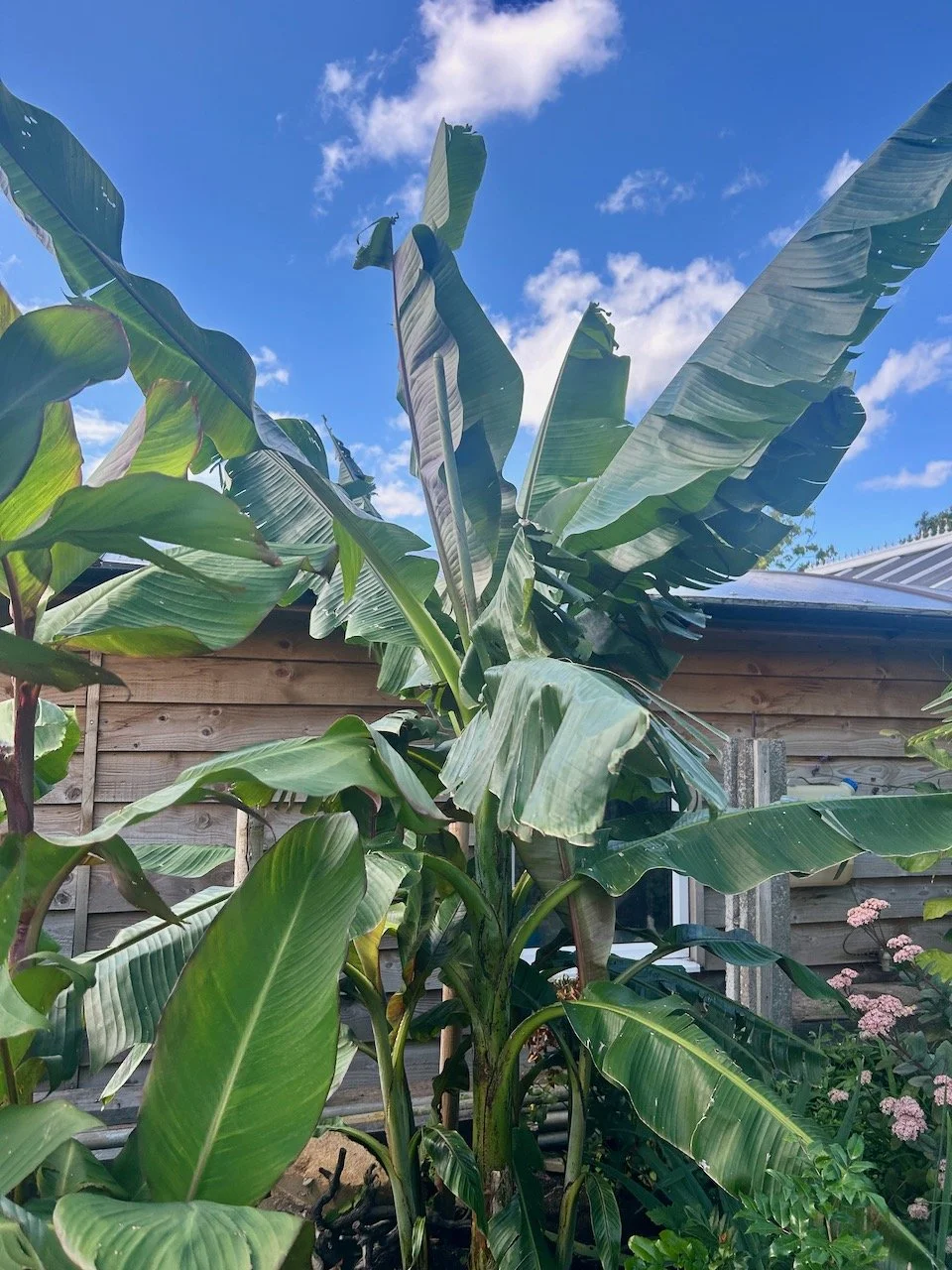
For MOH it’s the colour of the cannas, and the scale of the banana plants that appeal to him. For me it’s the multicoloured foliage and less than usual shapes.

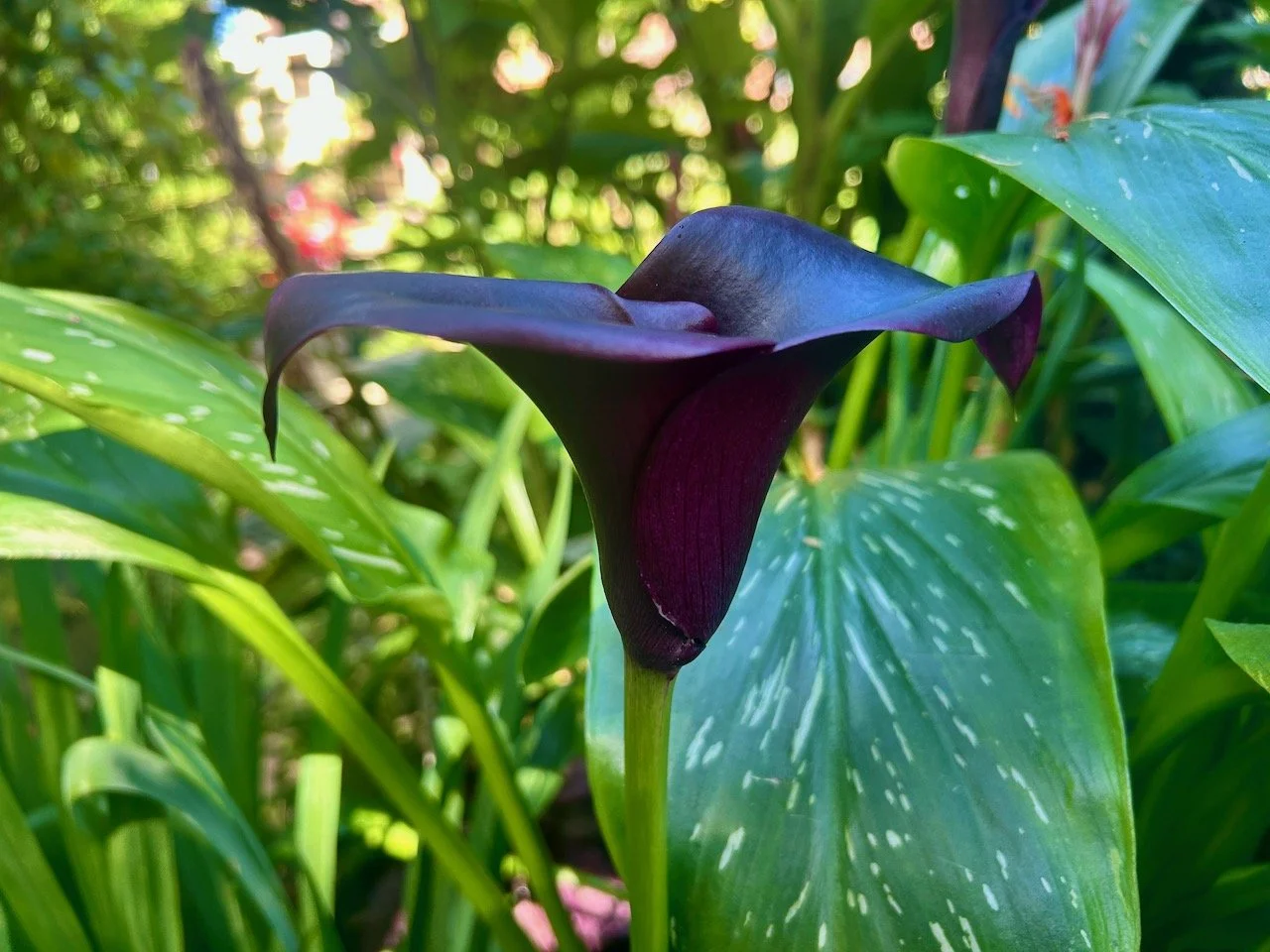
A deep purple almost black lily
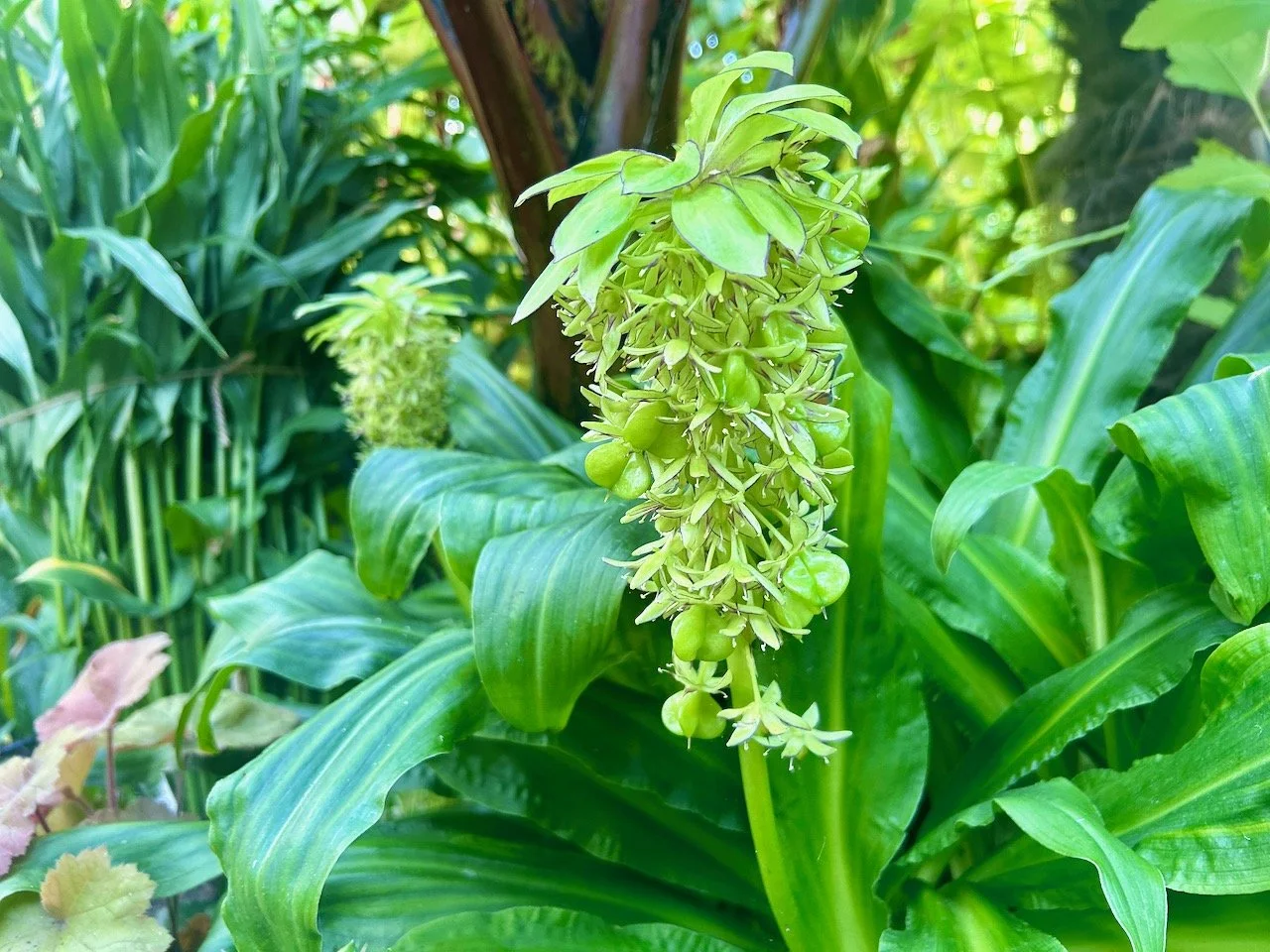
the fascinating flowers of the pineapple lily

And as we went around the garden, each turn wowed us more. I’m not about to turn my plot into a tropical garden - I’ve seen how much work goes into this garden - but I would like to incorporate some of the plants we saw when we visited.

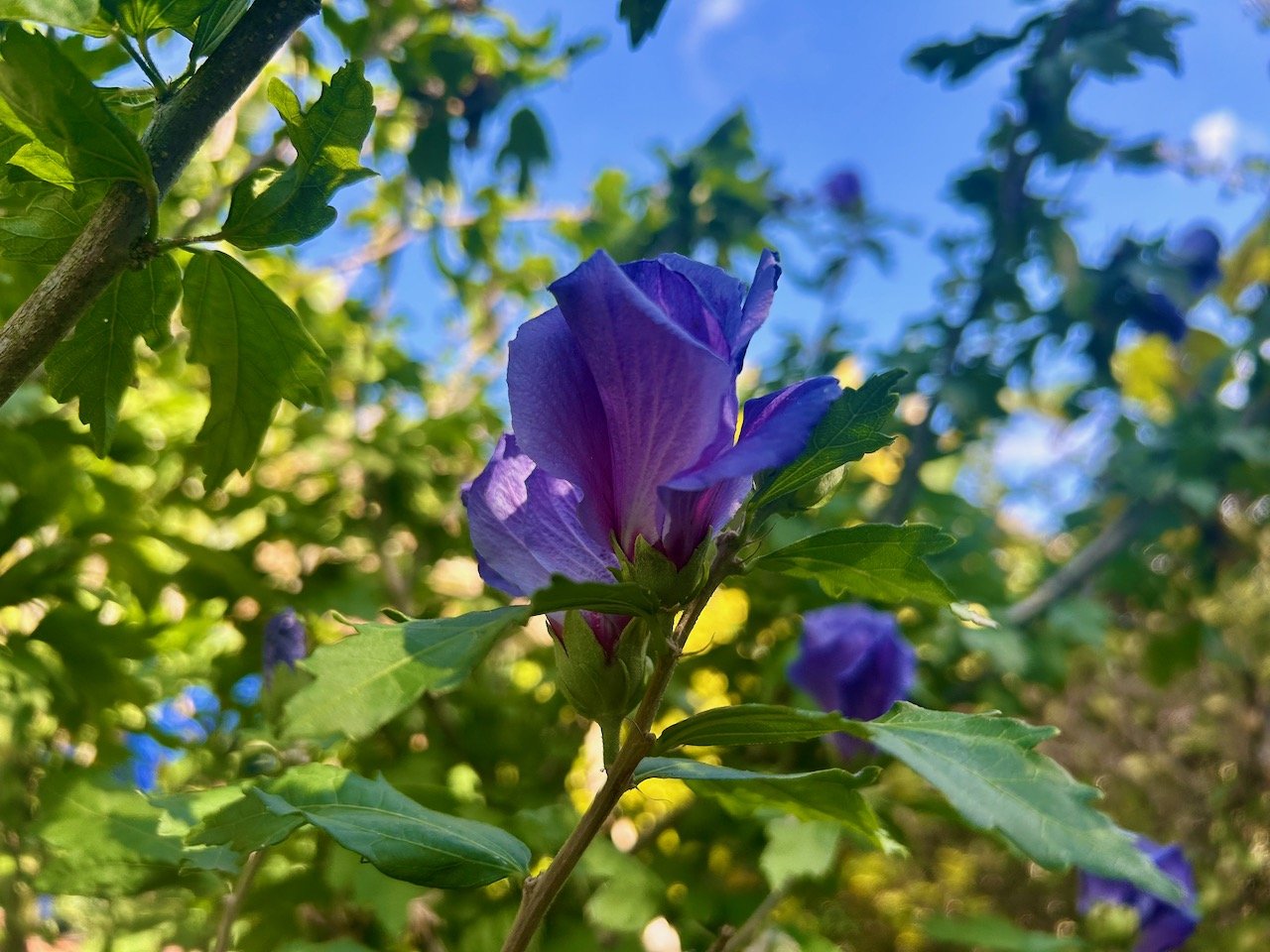
An almost blue hibiscus flower against the blue sky and bushes
A banana tree taller than the shed

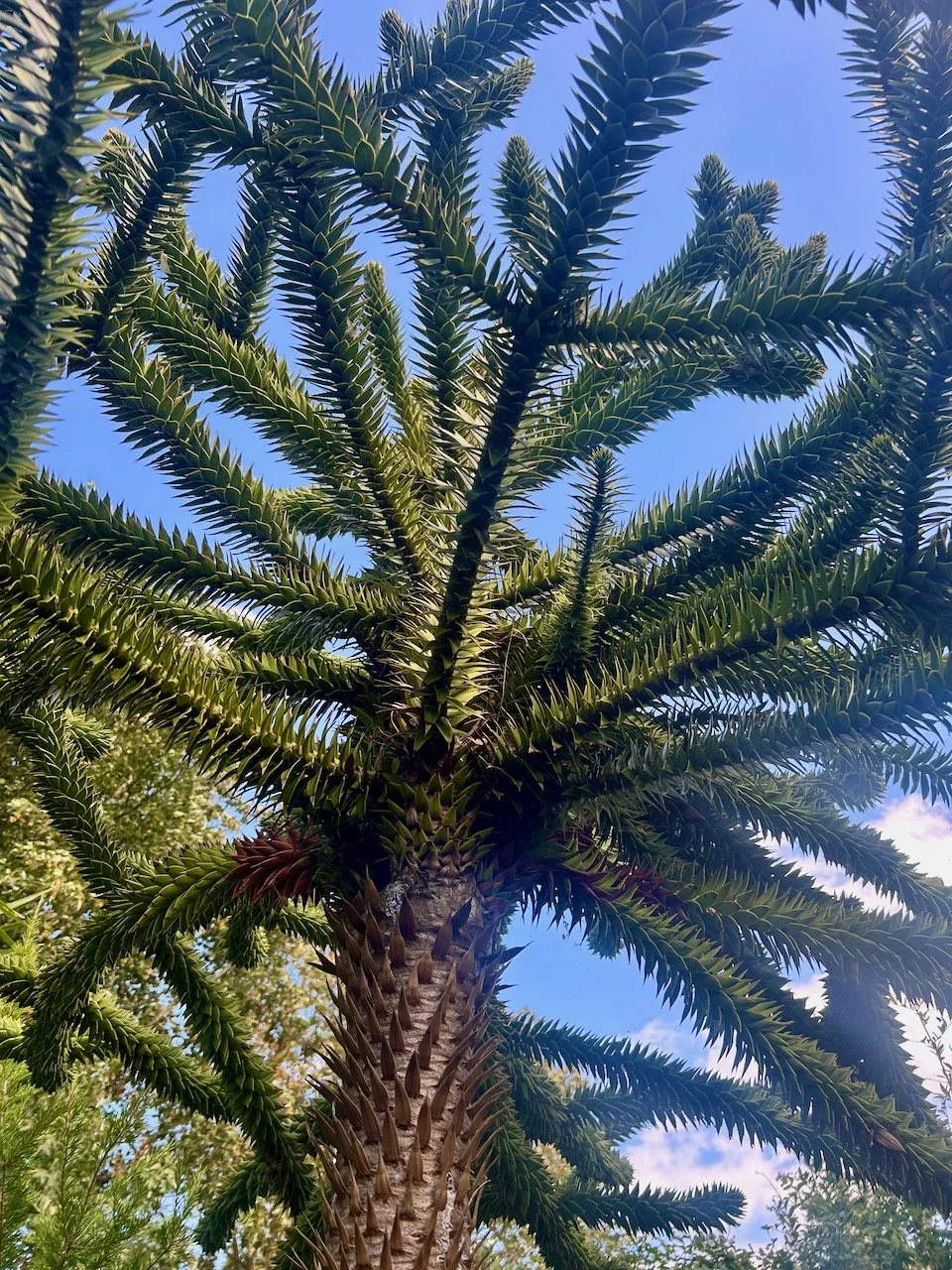
Maybe not a monkey tree though…

Looking up at the spiky monkey tree

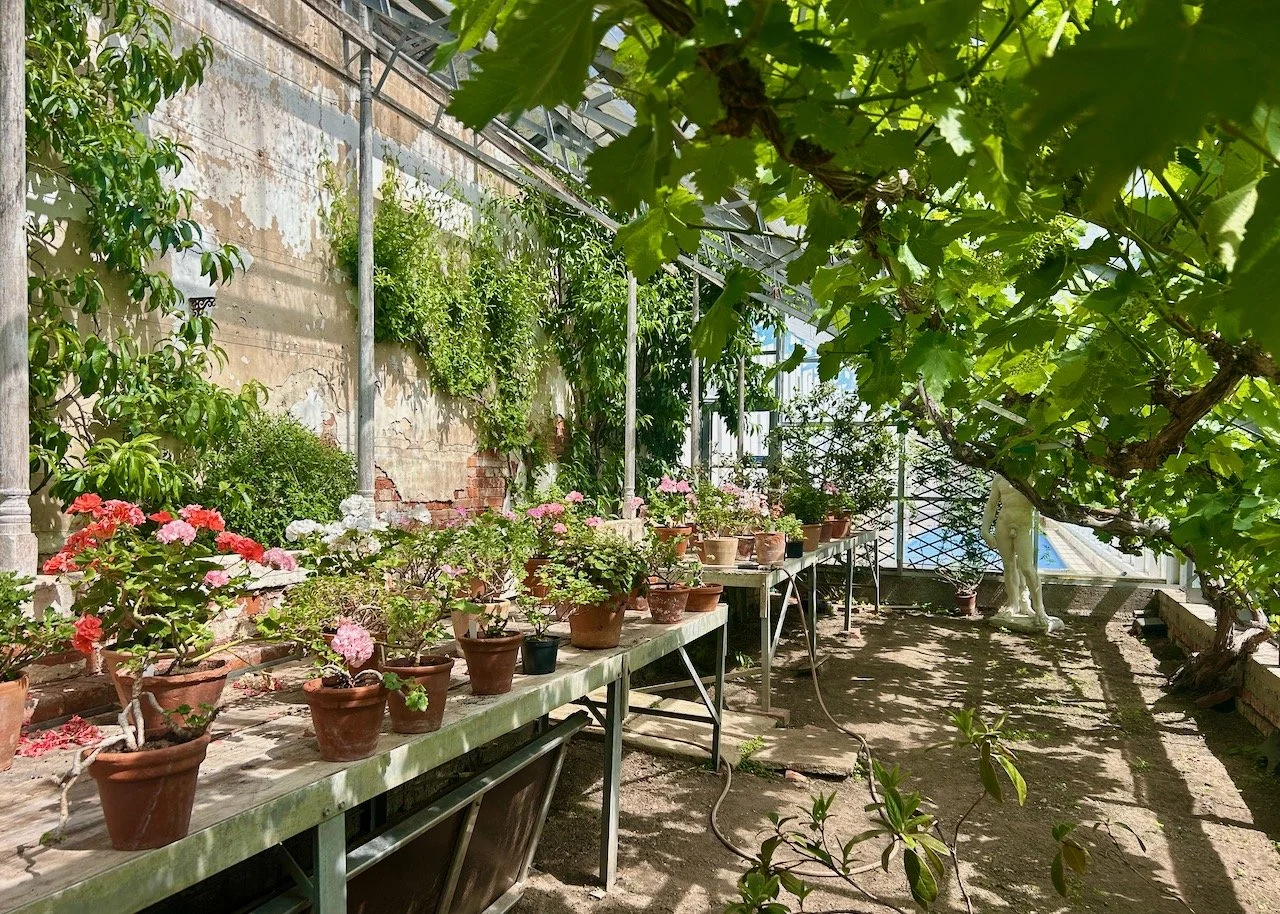
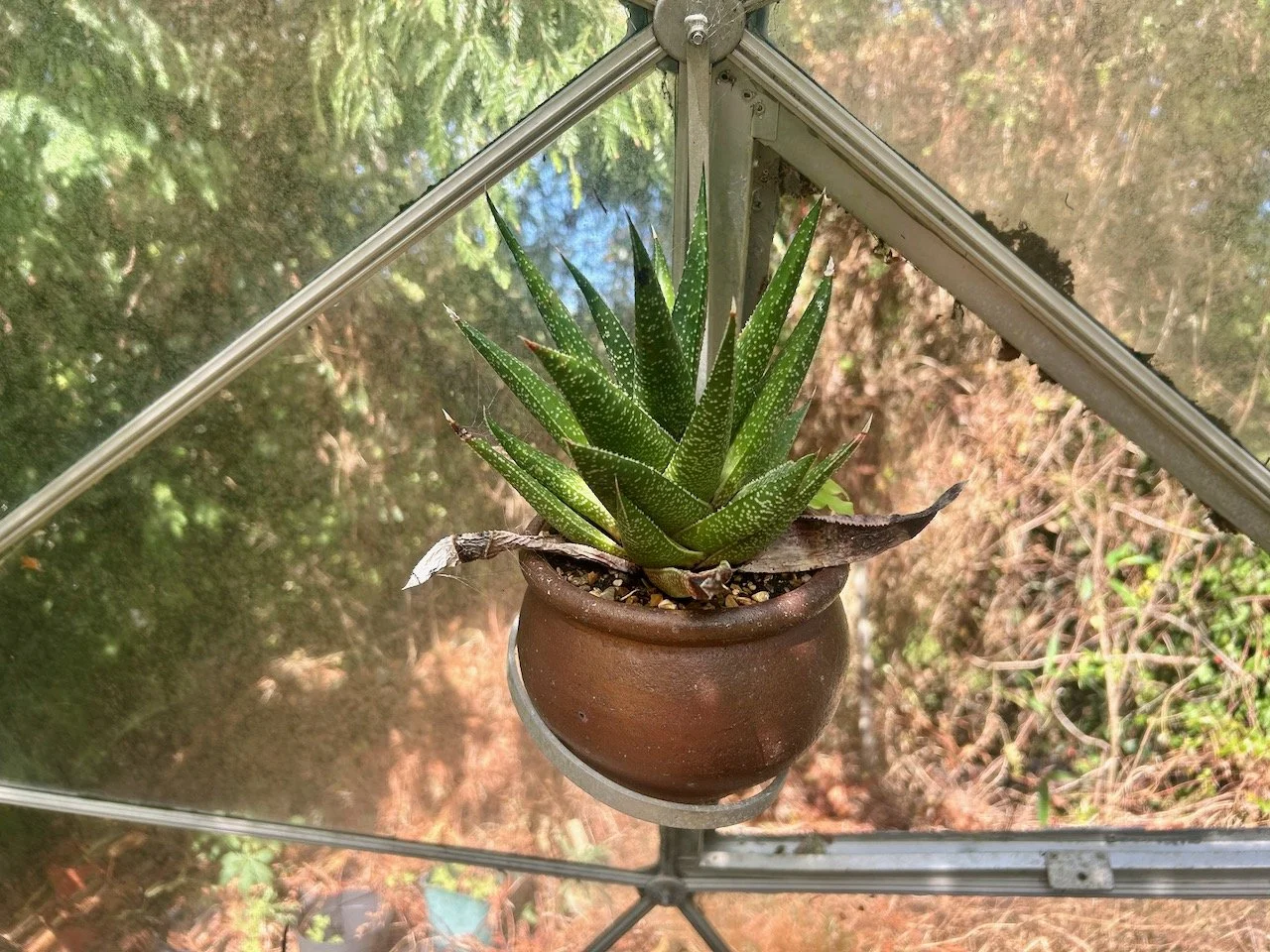
With so many tropical plants and not so tropical winters, many of the plants needed to be sheltered at this time of year. There were a lot of pots, but also a lot of plants already in hot houses, which were already pretty hot back in August.

A potted succulent hanging in the greenhouse

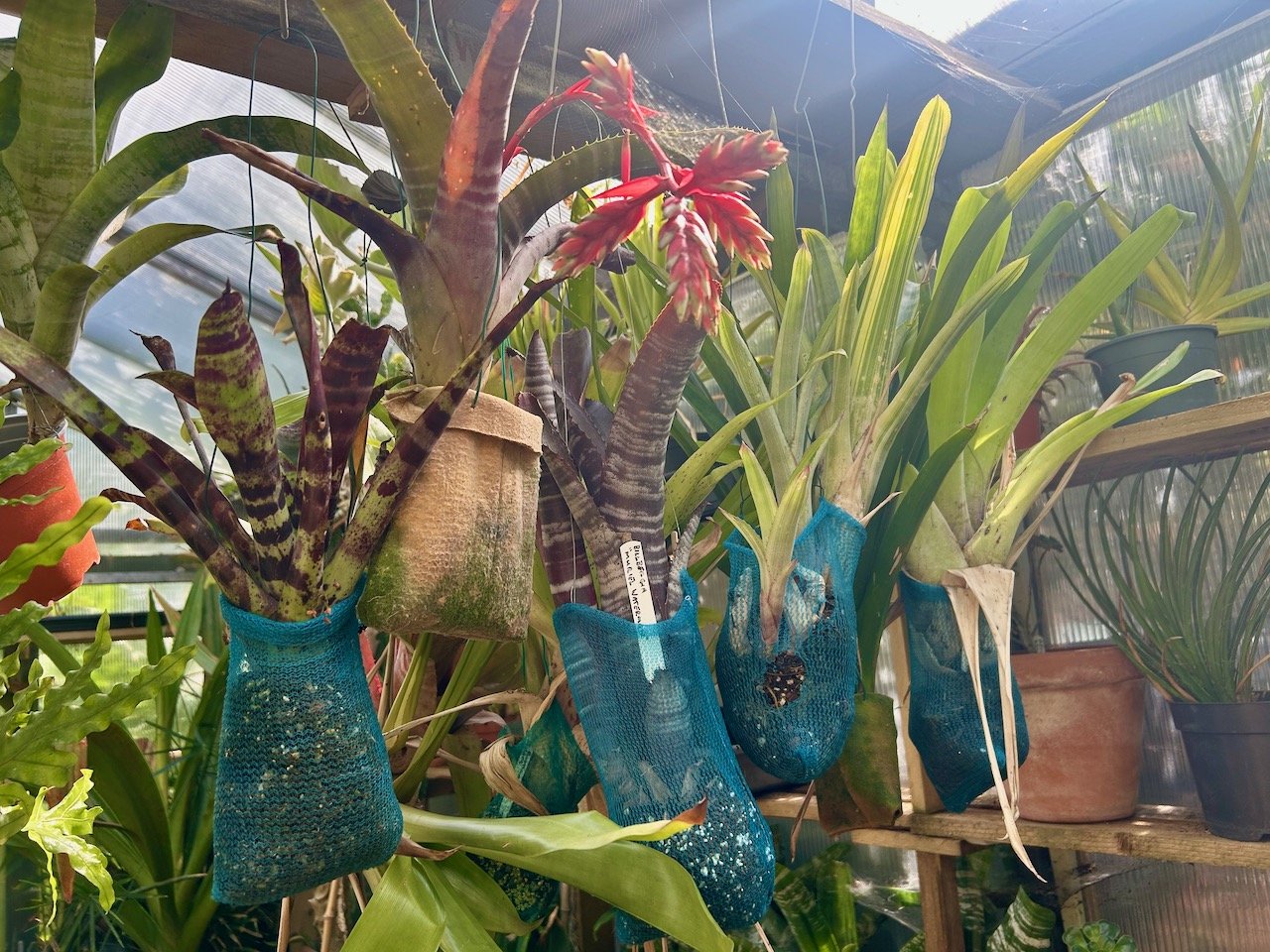
The work I mentioned before included lots of propagation, and I mean lots!

tropical plants hanging in their net socks in the greenhouse
Shelves of plants growing in pots and 'net socks' in a greehouse

Some of the plants were for sale, and we were sorely tempted. But in the end we left empty handed but with a bit more knowledge about caring for the plants, and knowing that we’d be back again to visit and at some point likely to be ready to make a purchase too, but not until we’ve got somewhere to overwinter it properly to give it the best chance of surviving, and that could be a little while yet - no doubt much to MOH’s frustration.

Transition and Decay, the rusty interpretation

While there may not be as many photos here as in my colourful interpretation post these rusty interpretations really did make me stop and think about the craft and work that has gone into both of these pieces.

The book by Gilly Meeks held items in various stages of rusting along with stitching and shows the effect that has on the material

The little rusting book, Gilly Meeks

THE RUSTING BOOK, GILLY MEEKS

Gilly says it comines her love of the making process, stitch and found rusty objects. Recycled fabrics in the book include cotton, linen, silk and tea bag fabric and all rect in different ways to the rusting process. Gilly also says she’s very drawn to the ghostly marks which result from the process.

The larger Rust quilt by Fiona Burrows takes a different and larger approach - her piece shows the aesthetic and symbolic qualities of decay and decomposition in the style of Piet Mondrian.

RUST, FIONA BURROWS

RUST, FIONA BURROWS

And just look at the detailed quilting.

RUST, FIONA BURROWS

RUST, FIONA BURROWS

I love both of these pieces as much as I love the colourful interpretations, but to me these pieces really needed their own post to shine (or rust!).

Which of the interpretations I’ve shown is your favourite?

Transition and Decay, the colourful interpretation

Back in March in an unassuming building in Nottingham I went along to the East Midlands Contemporary Textiles exhibition titled Transition and Decay. I wasn’t quite sure what to expect, but the leaflet was handed out at the Newark Quilt Show back in January and as we planned to be in Nottingham that week, then there was no reason not for combining a visit to the exhibition with our errands, and lunch!

And we weren’t disappointed with any of those. We started out at another new-to-us venue, the Nottingham Society of Artists Gallery in a part of the town (city?) centre we’ve not visited much yet, and we were met with a riot of colour. Even MOH was impressed and took some photos.

It’ll be no surprise to you, and it certainly wasn’t to me, that I was instantly attracted to the most colourful exhibits some of which I’m sharing in this post. My favourite item from the exhibition was this ‘Fading Hydrangeas’ as not only can you instantly see the decay, and all the colours of the hydrangeas throughout its lifecycle, but also because of the intricate work and the patience it must have required.

FADING HYDRANGEAS, HELEN JONES

FADING HYDRANGEAS, HELEN JONES

Helen said that she loves colour and has been inspired by the constantly changing hues of the hydrangeas in her garden; from the bright, pure colours right the way through to the delicate petals in winter. Isn’t it gorgeous?

The next one I’m sharing is more literal - ‘Use it or lose it’ - and a type of decay that I’m sure all of us are keen to embrace, but it’s also a timey reminder to actually make that happen isn’t it?

USE IT OR LOSE IT, CATHERINE TYNDALL

USE IT OR LOSE IT, CATHERINE TYNDALL

VARIOUS SMALL QUILTED SQUARES BY THE EMCT GROUP

VARIOUS SMALL QUILTED SQUARES BY THE EMCT GROUP

There was little information available in the show notes for the items above and below, but I understand they were completed by members of the East Midlands Contemporary Textiles group for their regular meetings, and they felt (and I agree) that they should also be displayed.

RAINBOW COLOURS AND EXQUISITE STITCHING, EMCT GROUP

RAINBOW COLOURS AND EXQUISITE STITCHING, EMCT GROUP

This piece by Linda Forey started as ‘a possible method of looking at transparency in colours, and became a fun game of adding applique shapes’ - either way the result is stunning and playful - and also a contender for my favourite piece in the exhibition.

PLAYING WITH COLOUR, LINDA FOREY

PLAYING WITH COLOUR, LINDA FOREY

LONG STRIPS OF INDIVIDUAL SQUARES, EMCT GROUP

I love the colourful strips of individual works pieced together, and wish I could share more about them. It was the fruit on the blue background (on the right above) that caught my eye, and the more I looked the more detail and amount of work I could see.

Truly amazing.

It was a great exhibition, which also had a ‘touching table’ where the artists had made available the pieces they’d created when starting out to create the pieces for the exhibition, that was really interesting but also highlighted that there’s always so much more that goes into creating anything quite this beautiful.

Look out for another post where I’ll share with more items from the exhibition, which look at transition and decay in a completely different way, that’s why I’m sharing it as a separate post - I didn’t want either of the approaches to get lost.