
Post Comment Love 21 - 23 November

Hello there, and welcome to this week’s #PoCoLo - a relaxed, friendly linky which I co-host with Suzanne, where you can link any blog post published in the last week. We know you’ll find some great posts to read, and maybe some new-to-you blogs too, so do pop over and visit some of the posts linked, comment and share some of that love.

Please don’t link up posts which are older as they will be removed, and if you see older posts are linked then please don’t feel that it’s necessary to comment on those. If you were here last week it was great to have you along, if you’re new here we’re pleased you’ve joined us.

The weather has certainly changed this week. Temperatures have dropped significantly from the unusual balmy temperatures that were so unusual for November. Somehow I think the dramatic change has made it feel all that much colder than if there’d been a gradual decline. While we did have a lot of rain last Friday, and the river levels are high, we have so far not had any snow, and hopefully it’ll stay that way.

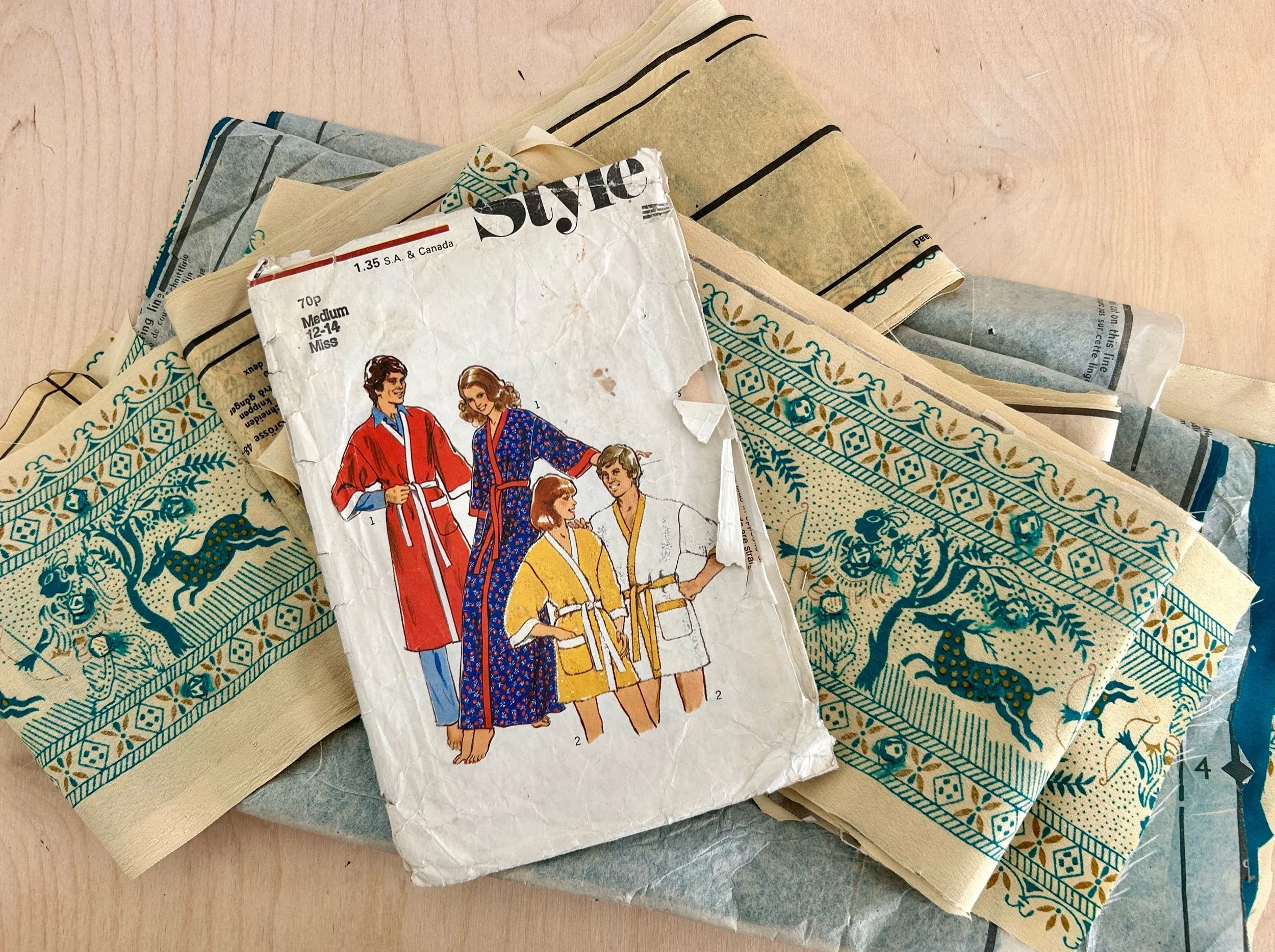
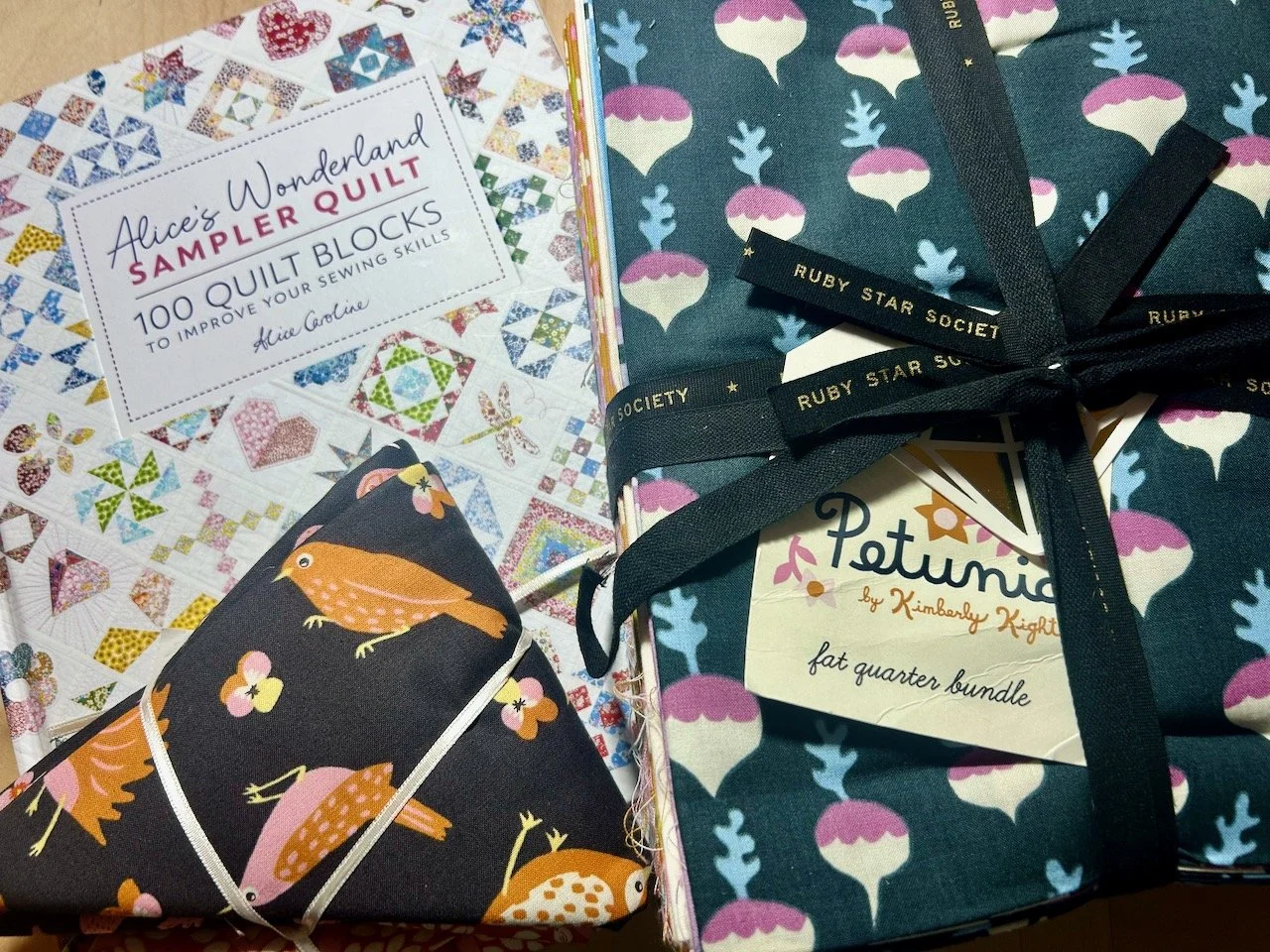
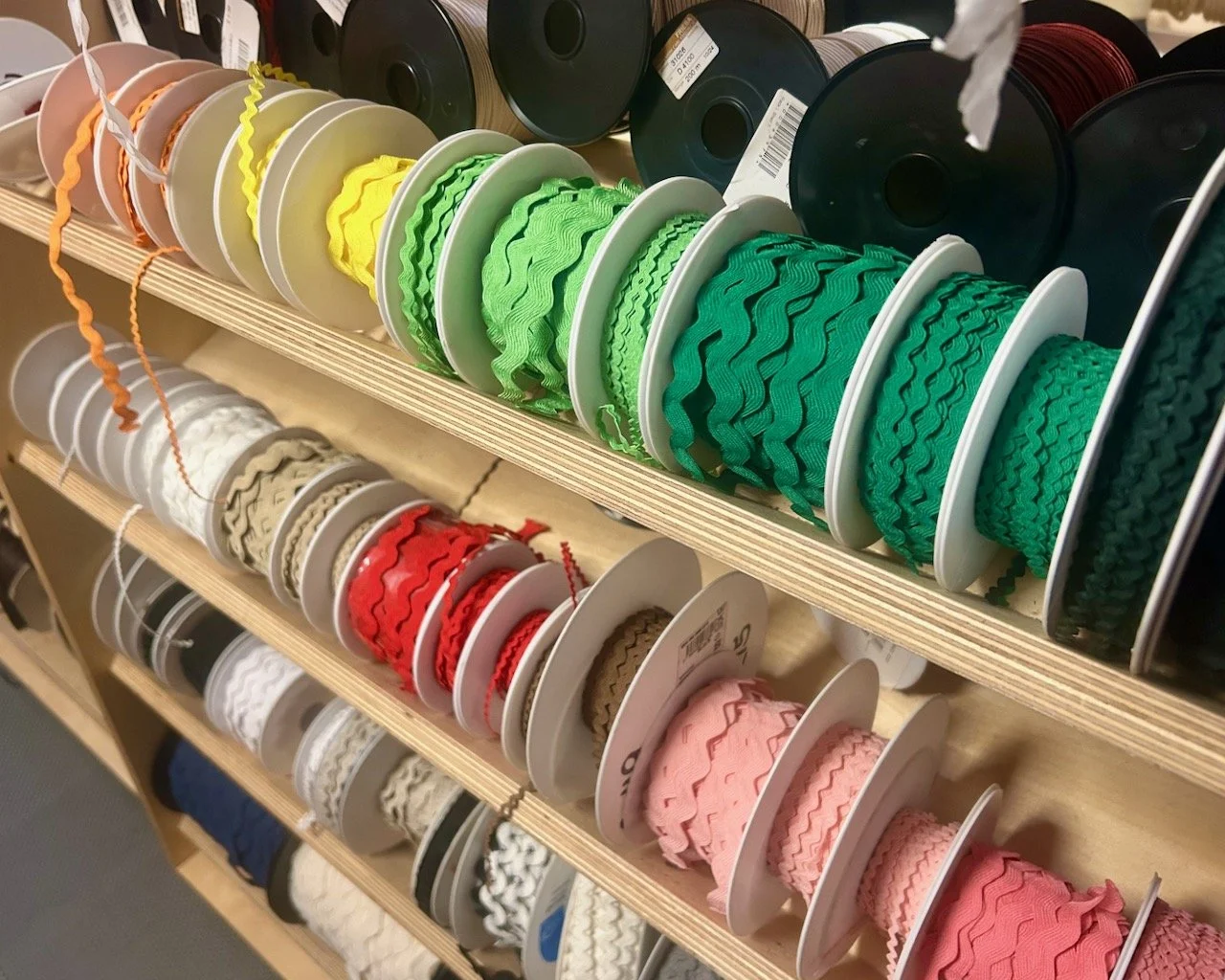
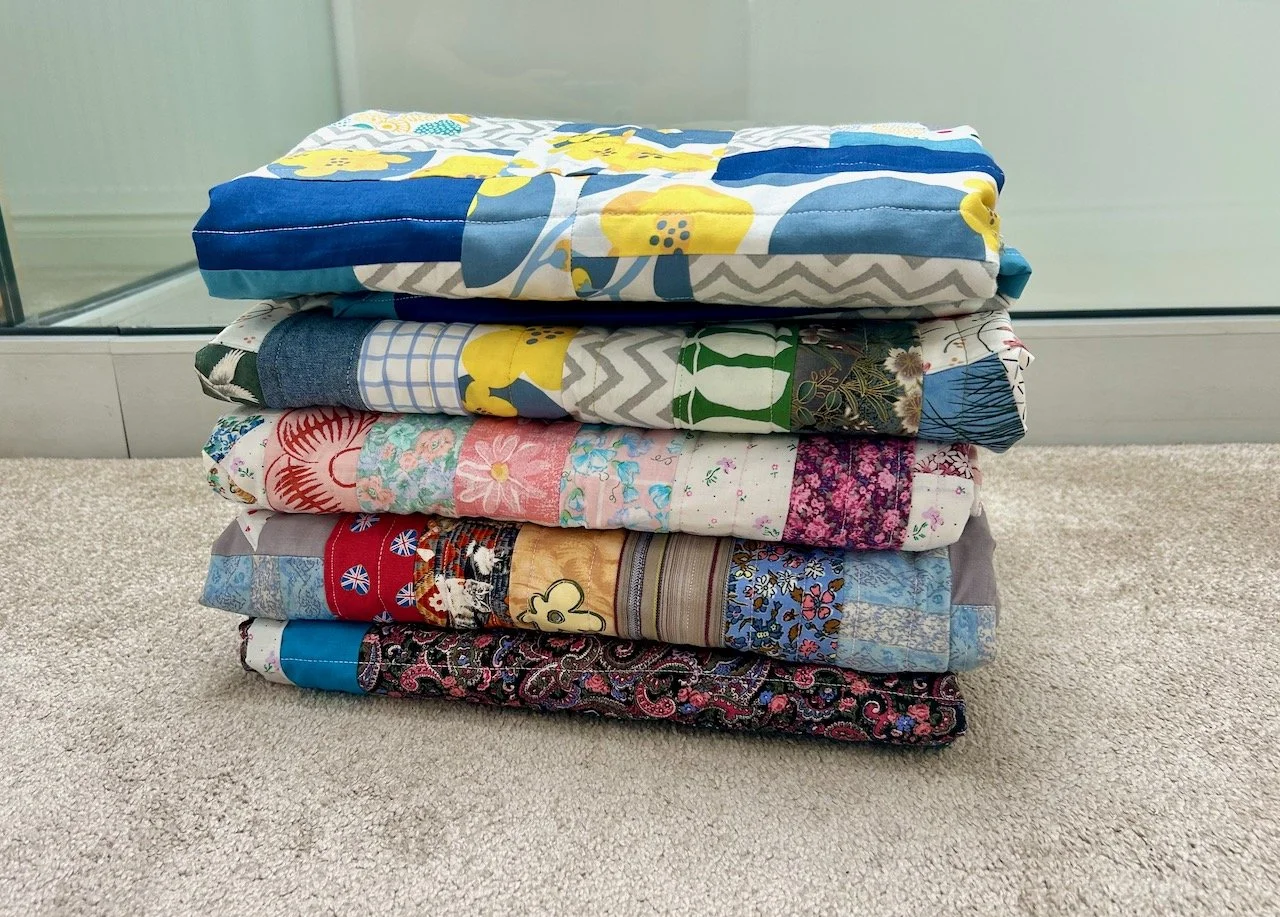
We had a day in Nottingham last week and luckily managed to time it with the best day weather wise, which was completely unplanned but very welcome. We looked around a new to us part of the city, Sneinton Markets, which was just up my street. We discovered an independent bakery, an asian grocery shop, a couple of craft shops and a shop full of curios. The bunting caught my eye, but then I spotted some bundles of vintage fabric at too good a price not to buy, that really wasn’t in my plan, but I couldn’t leave them there!

Have a good week.
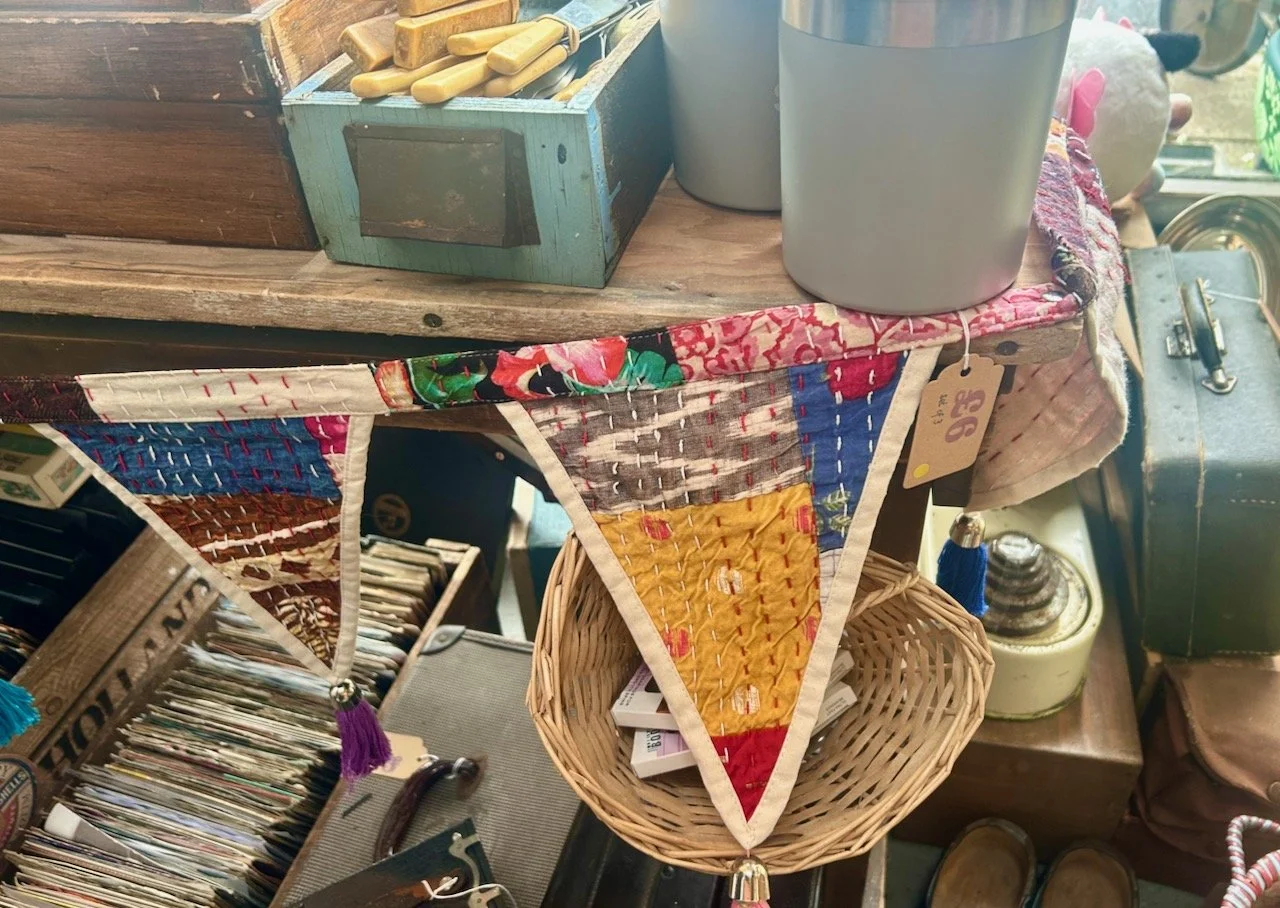
Colourful sashiko stitched bunting hanging across plenty of items to look through in the curios shop

You are invited to the Inlinkz link party!

Click here to enter

A garden for all weathers

* I was invited to this year’s Gardeners’ World Live and provided with a pair of tickets to the show, therefore all my posts will be marked as 'Ad’ though as usual my views and opinions are very much my own.

Given the weather we’ve had recently, which seems to have been everything from summer to winter in a matter of days, sharing this garden seems appropriate!

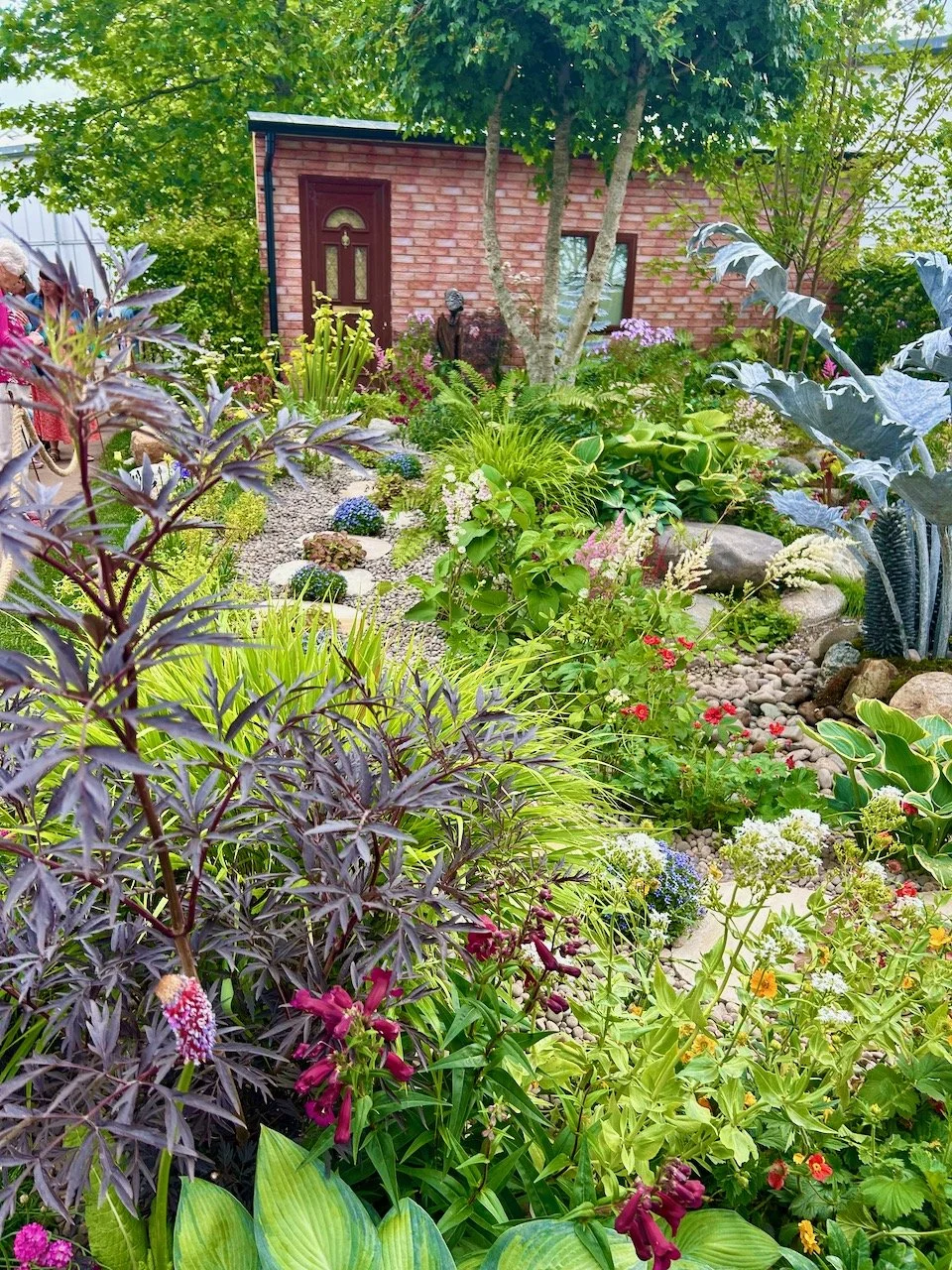
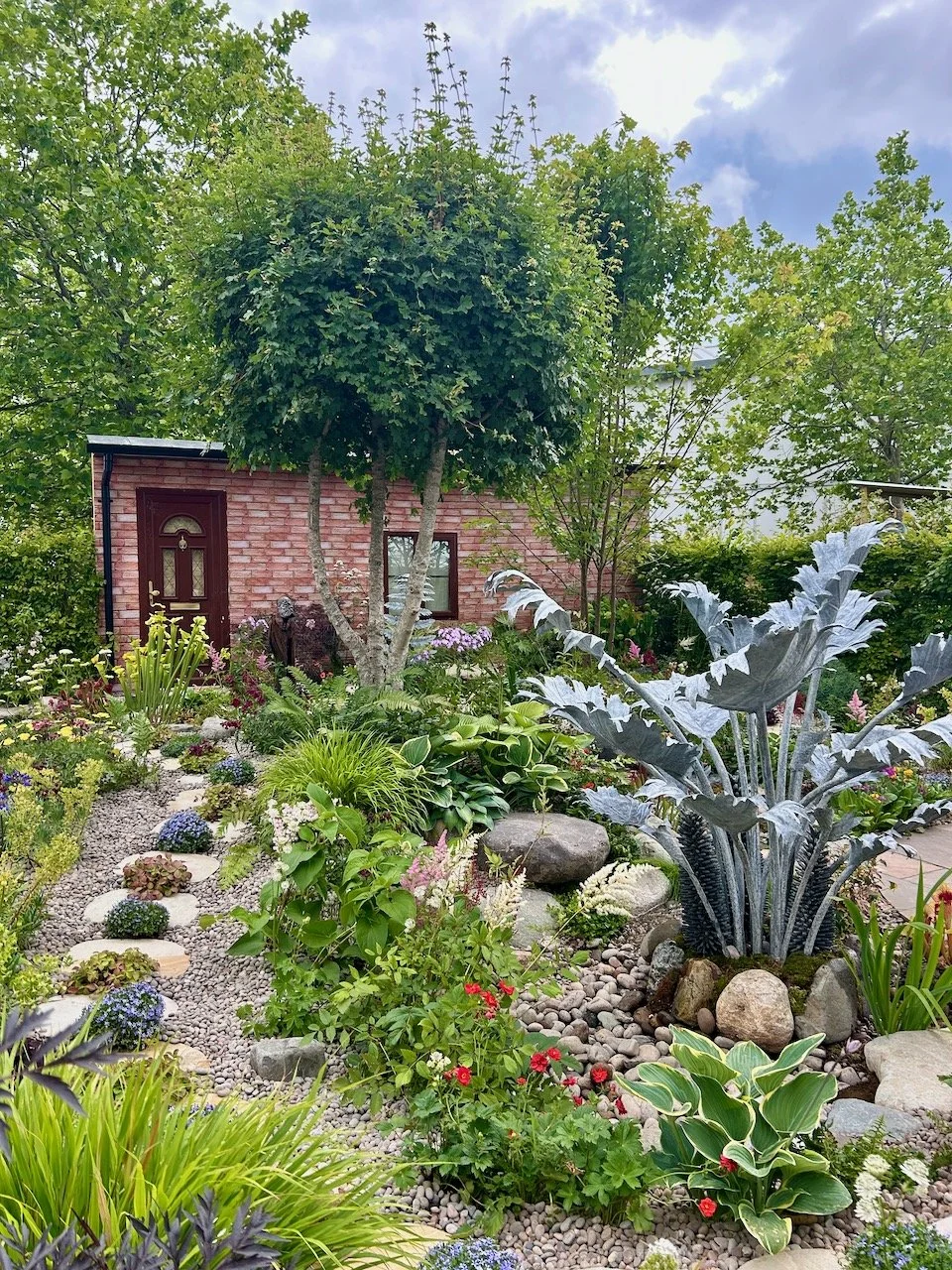
Lyn’s Garden: a garden for all weathers was designed and built by August Ponds Ltd and won a Silver Award at the show, and it looks at how we can continue to have a garden that can be enjoyed with year-round interest in light of changes to our climate, while also being mindful of the environment.

Looking towards the front door, through dense and lush planting with a stepping stone path dotted with plants
the gravel path with pavers and interspersed with plants on the left, with a small tree closer to the house and in the foreground a metal sculpture taking the form of gunnera and facilitating the waterfall

There’s much I like in this garden, but there’s also a couple of things that I’m unsure about.

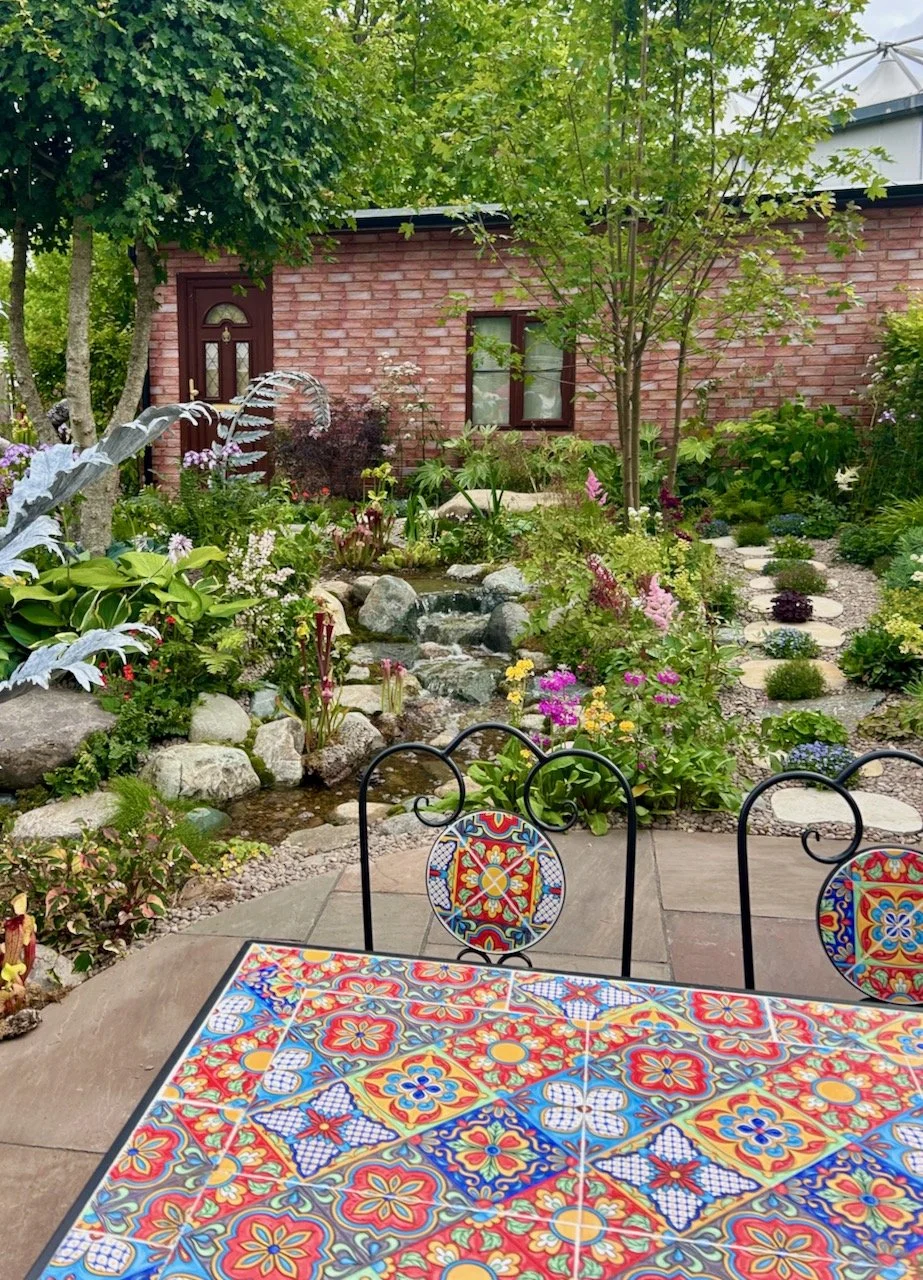
To me that very much looks like a front door on the house at the back, and it’s great to have a good looking front garden, as well as a back garden but I can’t get my head around having a table and chairs in a front garden. And yes, I know this isn’t a real garden and is demonstrating what we could have.

The main feature of the garden is a pondless waterfall that is fed by rainwater collected from the house roof, which I could get on board with as given the amount of rain we have at times it would be good for us to manage the rainwater in our gardens. The waterfall means the water is aerated and therefore allows the water in the main harvesting unit to remain fresh for use for irrigation.

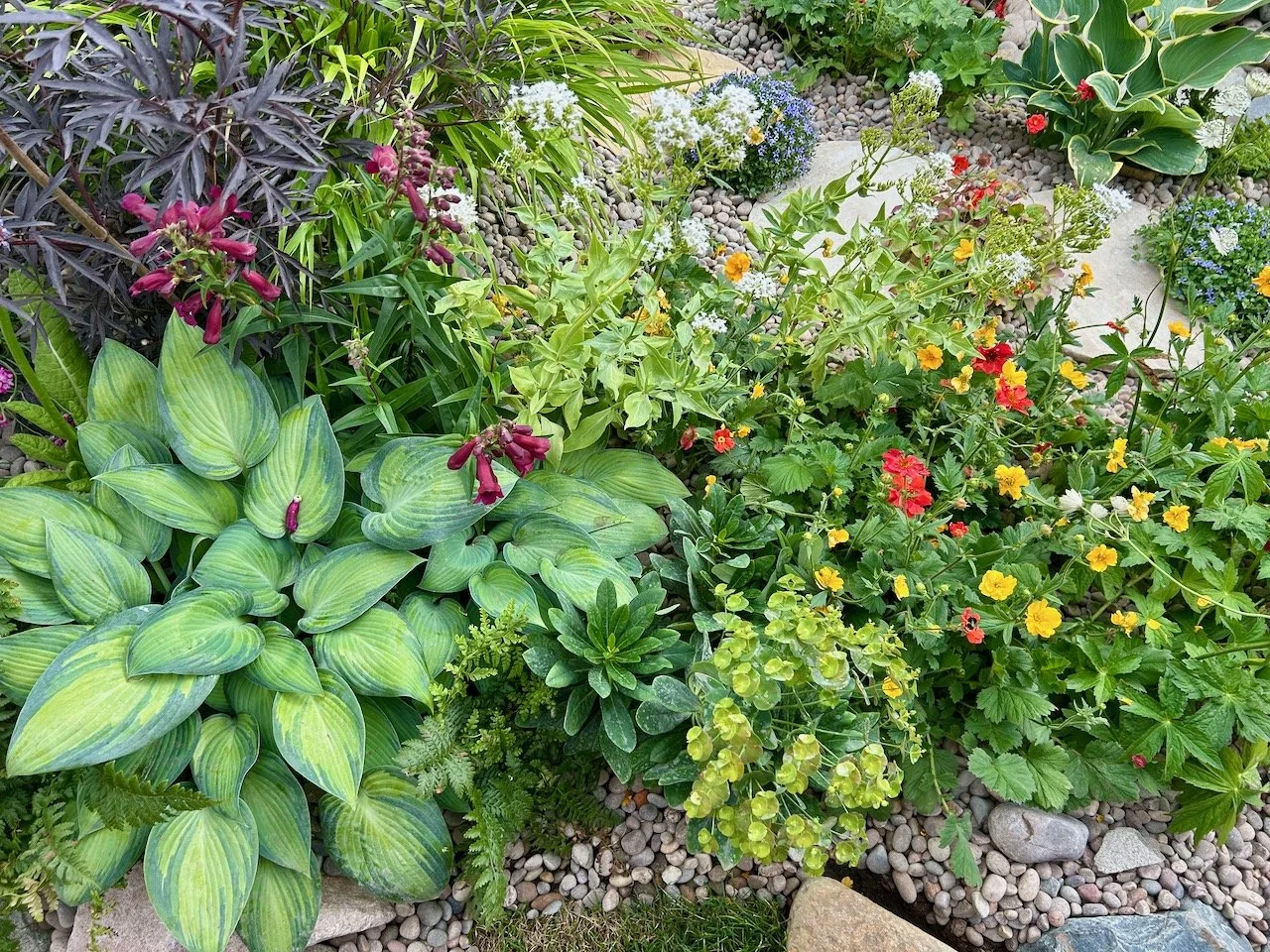
The planting with hostas, euphorbias and acers and plenty more

I loved the planting which was chosen for their hardiness and ability to withstand winter rains and summer drought conditions, and I love how densely it’s planted. That’s definitely something I could use and learn from, but I’m unsure about the plants dotted in between the pavers.

The foreground shows a brightly coloured mosaic table and chairs on a paved area, on the left is the gunnera shaped waterfall (just) with more trees which will screen the house when grown

I just don’t think they work on a practical level. I know that I’d be tripping over the plants, or kicking them, as I wandered up the path with my shopping etc - though of course that would be comedy gold for anyone watching!

Don’t get me wrong, as a show garden it looks great - and that table is definitely swoon worthy, but as a front garden this one doesn’t work for me. Which is fine, especially as I don’t actually have a front garden!

But the planting, that’s definitely something I can get onboard with.

* With thanks to Gardeners’ World for inviting me to Gardeners’ World Live, it was quite a show! I’ll be sharing more from my visit to this year’s show throughout the year - I hope you enjoy them as much as I did the show.

A Stitch in Time with The Quilters' Guild

One of the first galleries that we stumbled across and spent time looking around was hosted by The Quilters’ Guild who were displaying some amazing items from the Quilt Collection, featuring items from the domestic Homefront, to commemorate the 80th anniversary of the end of the Second World War.

The items were displayed in chronological order starting on the eve of War with a range of items made during the 1930s and my favourites, and which I’m including here, are the patchwork pieces which show the typical fabrics and prints of the day.

Clearly the outbreak of war saw dramatic domestic changes with everyday life geared towards making what precious resources were available last as long as possible, and with fabrics and clothing rationed. As the war progressed and bombing caused destruction to homes and possessions charities such as the Canadian Red Cross Society became vital and thousands of quilts were sent over to Britain from anonymous needlewomen abroad.

At the end of the war patchwork and quilting became less popular as the were often seen as ‘making do’ and with the new age of fashionable style in clothing and domestic interiors becoming available it’s easy to see why these traditional methods were considered old fashioned. Alongside this more women worked outside the home as the decade progressed and therefore had less time, skills and inclination to continue tradition, and that’s when the ready made shiny eiderdowns and candlewick bedspreads came into their own.

I can remember having my eiderdown as a child, and I definitely remember the candlewick bedspreads - in fact I can remember when duvets, or continental quilts as they were called then, became the rage, but I digress!

The quilts in this part of the show were amazing as pieces of needlework, and then even more amazing for the time in which they were made.

War, Peace and Needlework

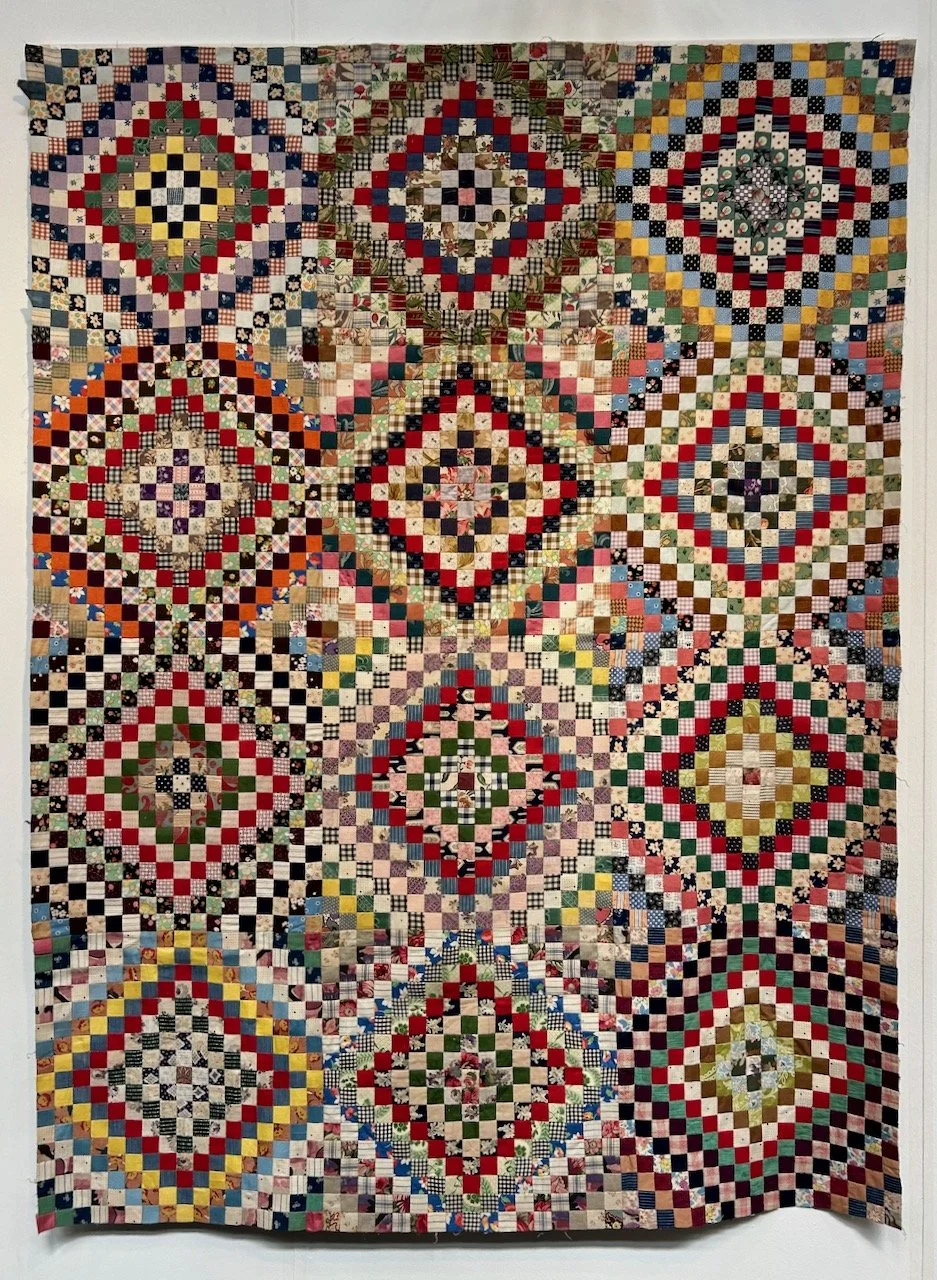
The colourful mosaic patchwork quilt top below was made from 1 inch squares of printed fabric arranged in a ‘Trip around the world’ block design, and according to the notes alongside the quilt, it still has the thick card templates attached in the reverse.

SMALL SQUARES TOP, 1930-1939, MAKER UNKNOWN

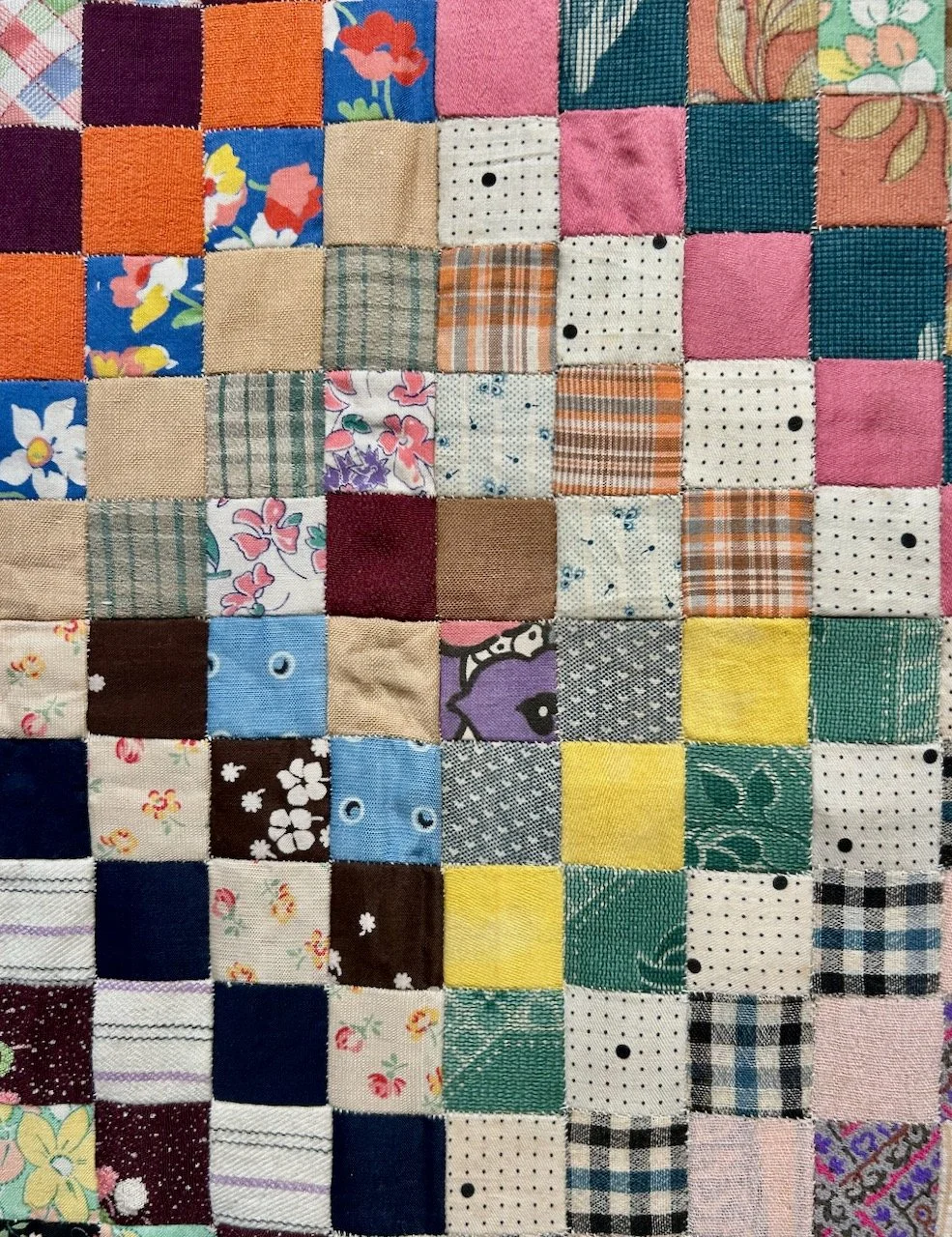
Although the quilt has been neatly finished at the edges, it doesn’t have a backing. A closer look at the fabrics reveals some of the details of the fabrics used, which includes 1930s dress prints and furnishing fabrics.

SMALL SQUARES TOP, 1930-1939, MAKER UNKNOWN

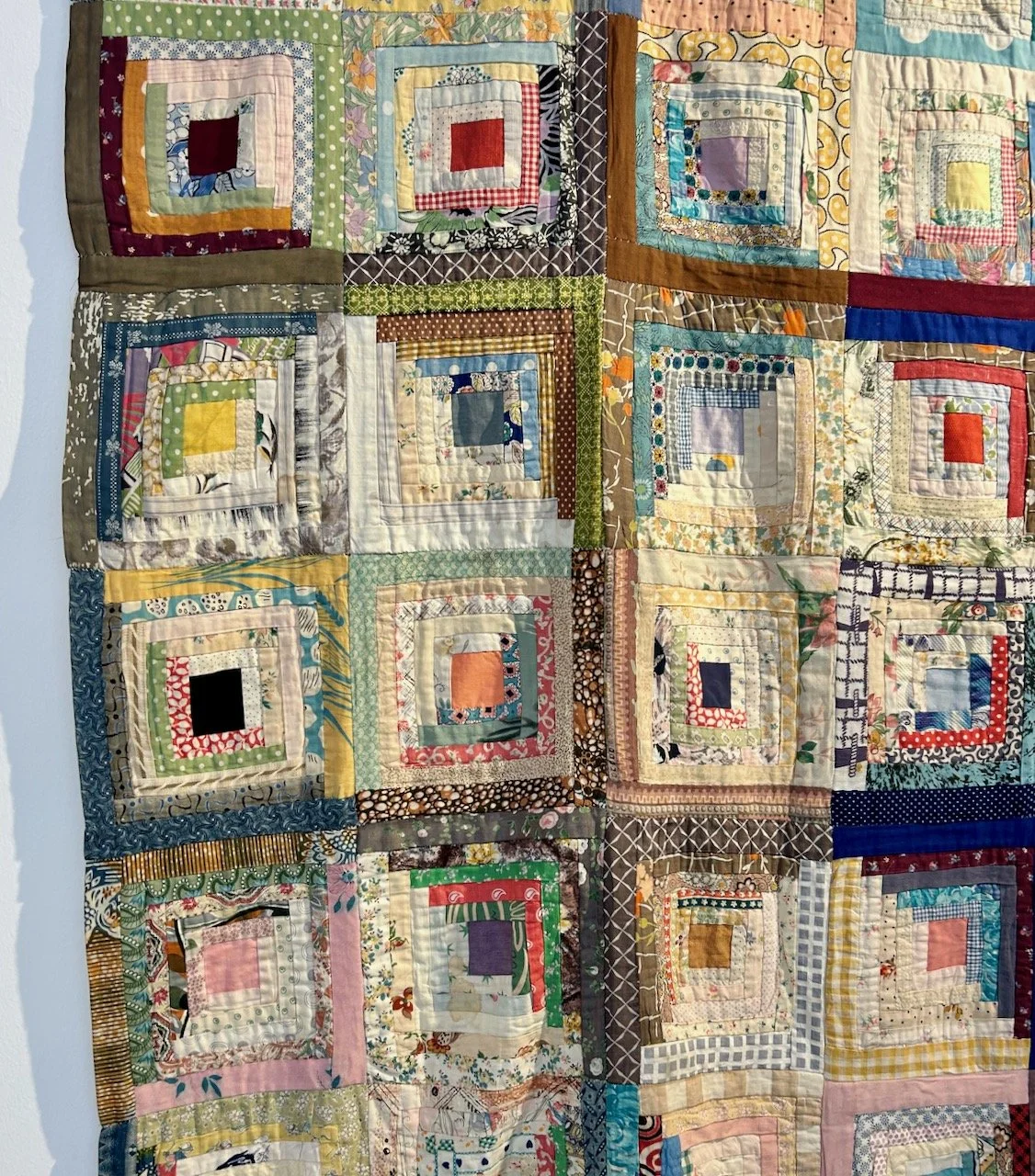
This colourful log cabin patchwork was made during the 1930s and again uses dress fabrics and furnishing fabrics to create the light and dark tones for the log cabin block - and if the block looks vaguely familiar and you think you’ve seen here before, then it was probably my charity quilts which use log cabin borders that jogged your memory.

LOG CABIN COVERLET, 1930-1939, MAKER UNKNOWN

These log cabin blocks though were sewn by hand, joined together and the seams have been opened and flattened on the back, then the seam allowance has been sewn down with a herringbone stitch - so this quilt wasn’t going to come apart.

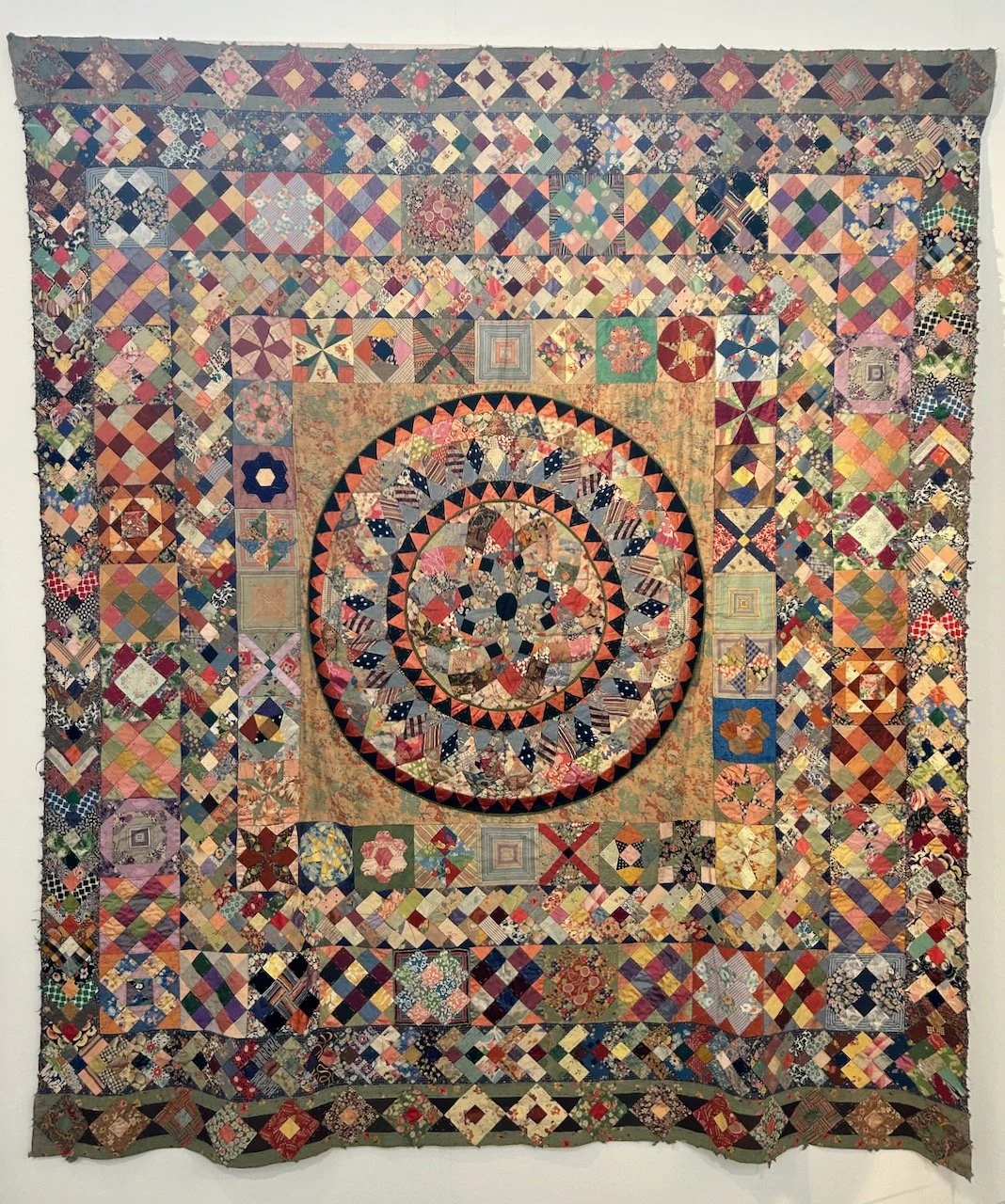
This next quilt is an example of mosaic patchwork which is complex and individual in style. The central circular medallion is thickly padded with a coarse open weave fabric on the reverse holding the wadding in place. It is thought that the maker originally intended to make a cushion but then extended it into a larger coverlet.

MOSAIC PATCHWORK, 1930s - 1940s, INA MACRAE

This was made by Ina MacRae who used materials from her scrap bag, recycled garments and remnants from the family’s haberdashery business. Ina never married, although she was engaged for a short time during the 1940s. The family story is that she broke off the engagement, and presumably lost enthusiasm for her patchwork project, leaving it unfinished with papers intact.

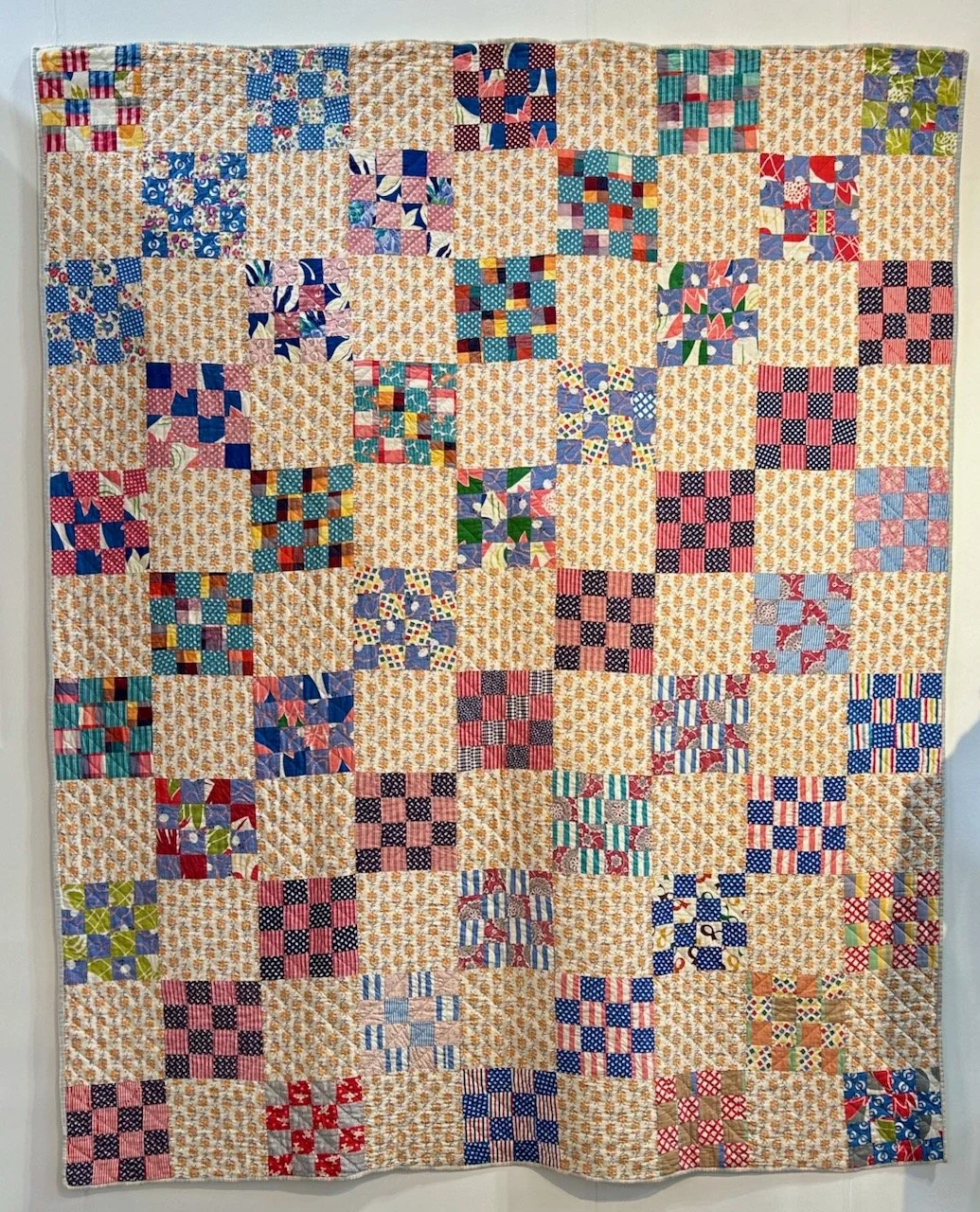
The quilt below is a Canadian Red Cross Society quilt and is made from alternate 16 patch squares and plain squares of orange floral print cotton, and was one of five given to Miss Alice Treeby’s family after she had returned from evacuation.

MISS TREEBY’S QUILT, 1939-1945, CANADIAN RED CROSS SOCIETY

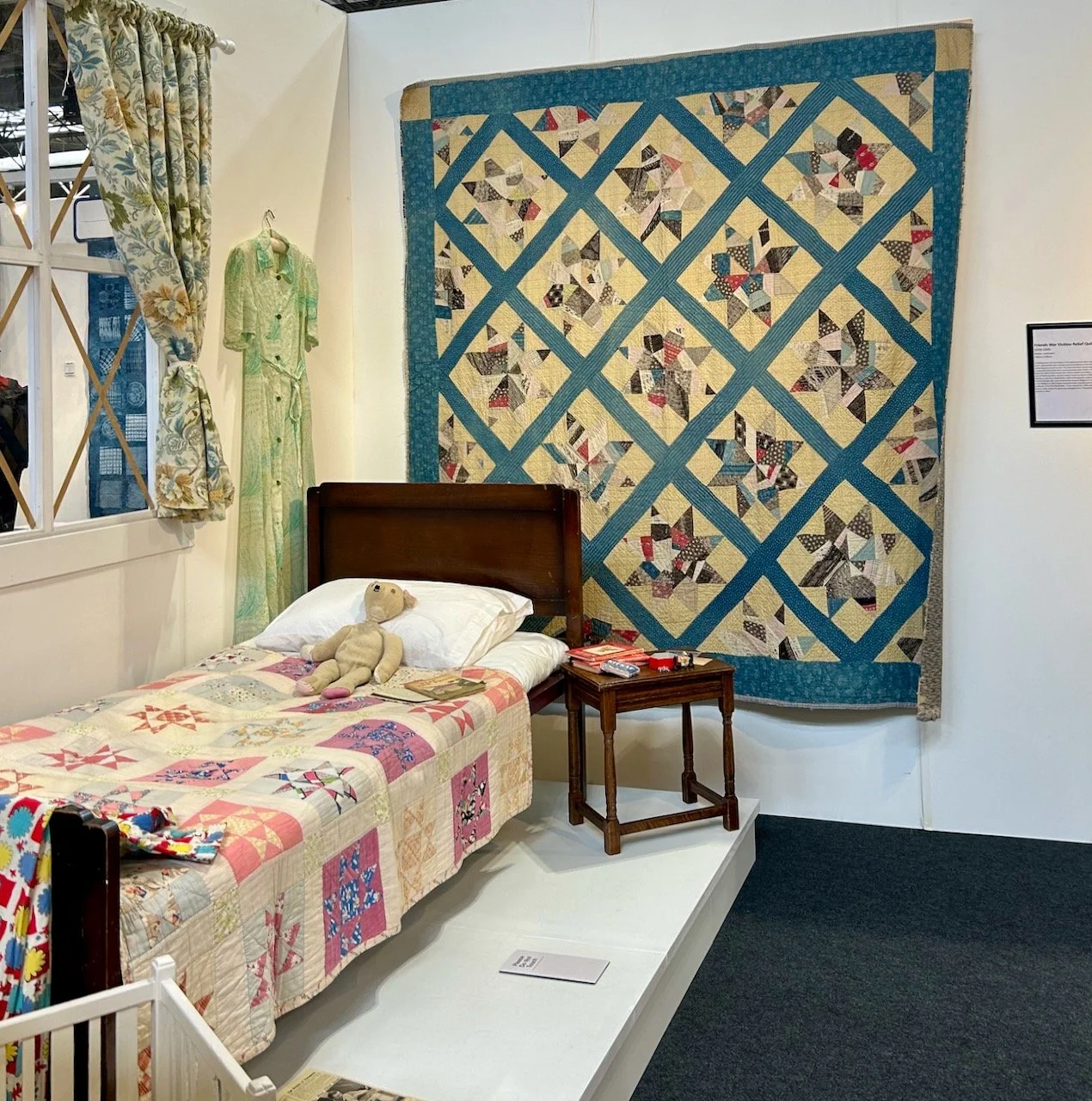
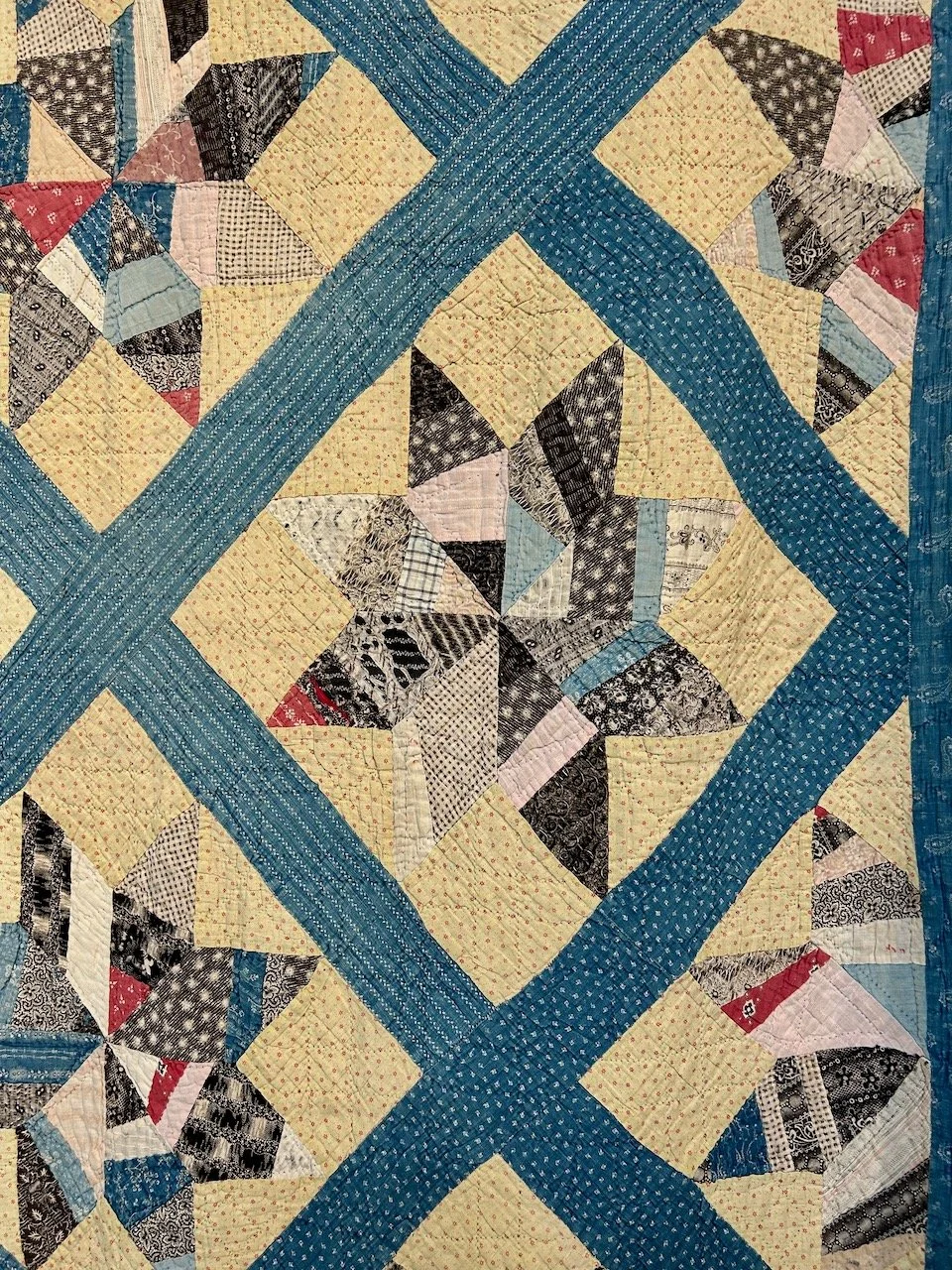
FRIENDS WAR VICTIMS RELIEF QUILT, 1939-1945, MAKER UNKNOWN

This striking stars in square block quilt includes stars which are ‘crazy patchworked’ using various cotton print fabrics and bears the label of the Friends War Victims Relief Committee, an official arm of British Quakers set up to relieve civilian distress in times of war. The group has a long history dating back to 1870 and with five revivals, the last being in 1940, before its name was changed to the Friends Relief Service in 1941.

FRIENDS WAR VICTIMS RELIEF QUILT, 1939-1945, MAKER UNKNOWN

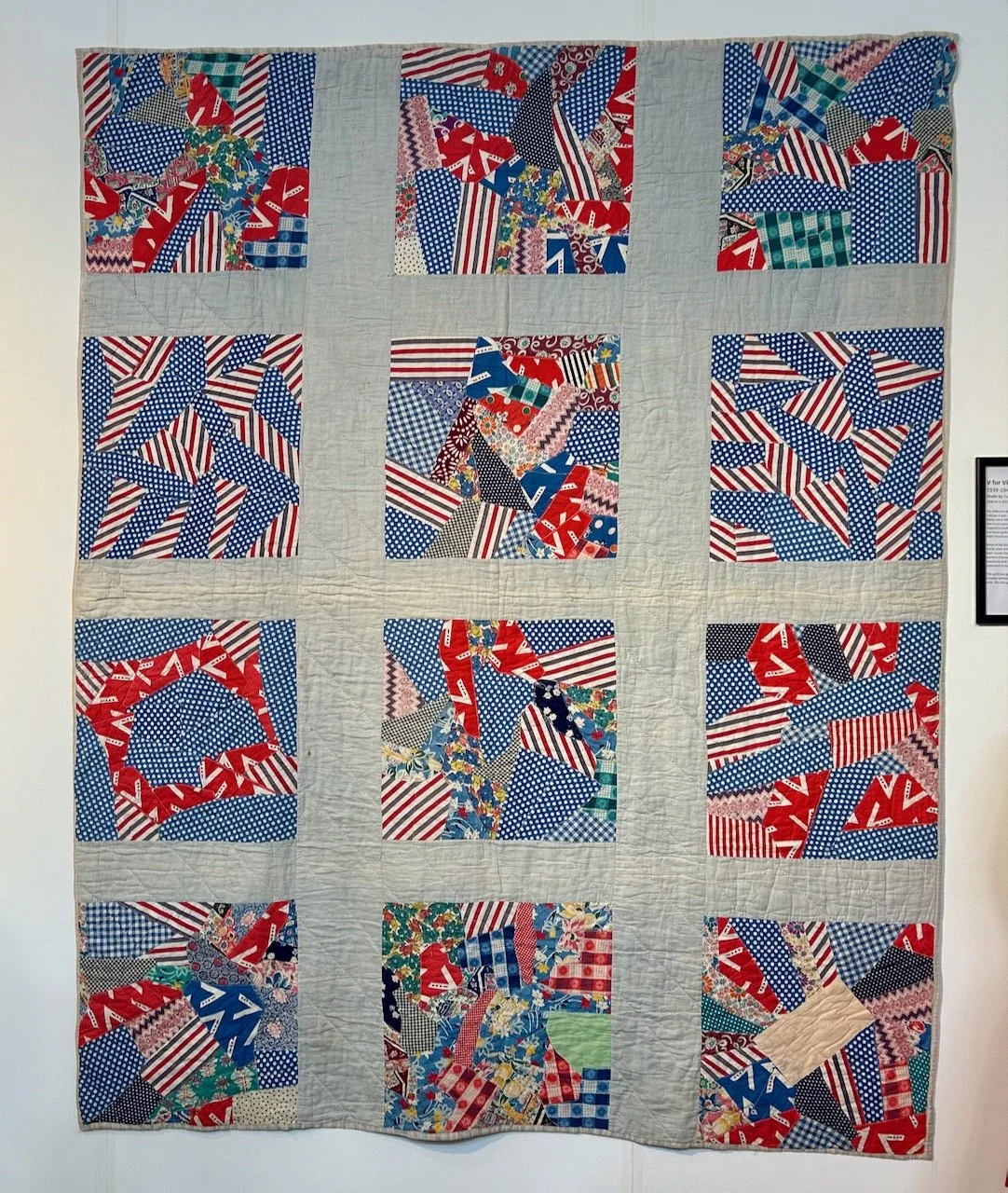
Crazy patchwork blocks feature again in this quilt - and that makes a lot of sense with materials hard to come by, but it could also indicate that it was made by a group of women in the Canadian Red Cross. Blocks were often made at home to standard sizes at home, then brought into the Red Cross premises to be joined together and finished off with materials supplied in bulk by the society.

V for VICTORY QUILT, 1939-1945, MADE BY CANADIAN RED CROSS SOCIETY

This one has been machine stitched, and uses ‘Patriotic Prints’ - look for the white V on the red/blue background - in the V there’s morse code printed ‘dot dot dot dash’. These prints were printed with various wartime themes and often endorsed by female celebrities to increase their popularity and made into clothing, and as we can see above incorporated into quilt tops.

This quilt was give to the donor’s mother-in-law who lived in West Croydon where her house was damaged 5 times during the bombing raids, and it was during that time at some point that she was given this quilt.

The whole exhibition was full of poignant stories, alongside the fantastic historical quilts, which made me look at our lives today and realise how very fortunate we are that such sacrifices were made for us. We all know of stories from the First and Second World Wars, but somehow seeing them through these quilts gave a perspective that is rarely seen.

If you enjoyed this post from my visit to the Festival of Quilts 2025 then please do check out my other posts from the show. Even though my mind was blown by the sheer volume of quilts on display, I’m pretty sure I’ll be going again!