










My garden in July

It’ll be no surprise to anyone that the hot weather from last month continued into July, with a heatwave forecast including a red weather warning and temperatures of 40 degrees. Not something any of us really expected, nor enjoyed I’m sure. My garden definitely didn’t!

At the start of the month I was keen to add some more colour to the pots so headed off to our local garden centre. Thankfully most of these plants have survived the warm summer remarkably well, and I’m hopeful that the non-bedding plants will be able to recover even more once the temperatures cool (assuming that the temperatures will cool, that is).
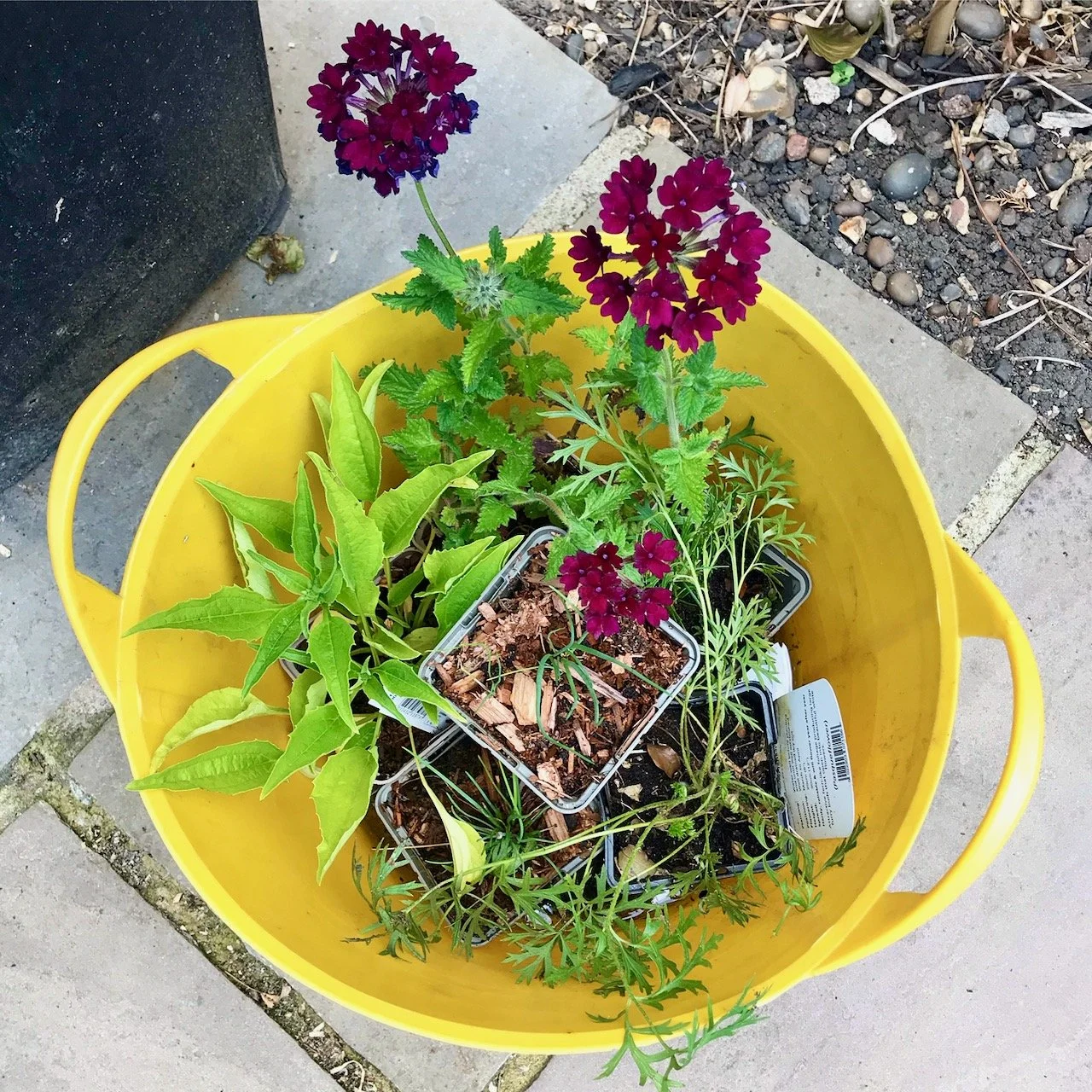
Soaking new plants from the garden centre in a trug of water before planting

Last month the long awaited tree work took place and it was glorious to have so much light and ‘head space’ in the garden. All of the trees that were cut have since sprouted new growth, and are looking much less bare than they were. One of the sycamores especially, but we’ll come onto that - for now, keep this image in your mind.

A pollarded sycamore against a blue sky

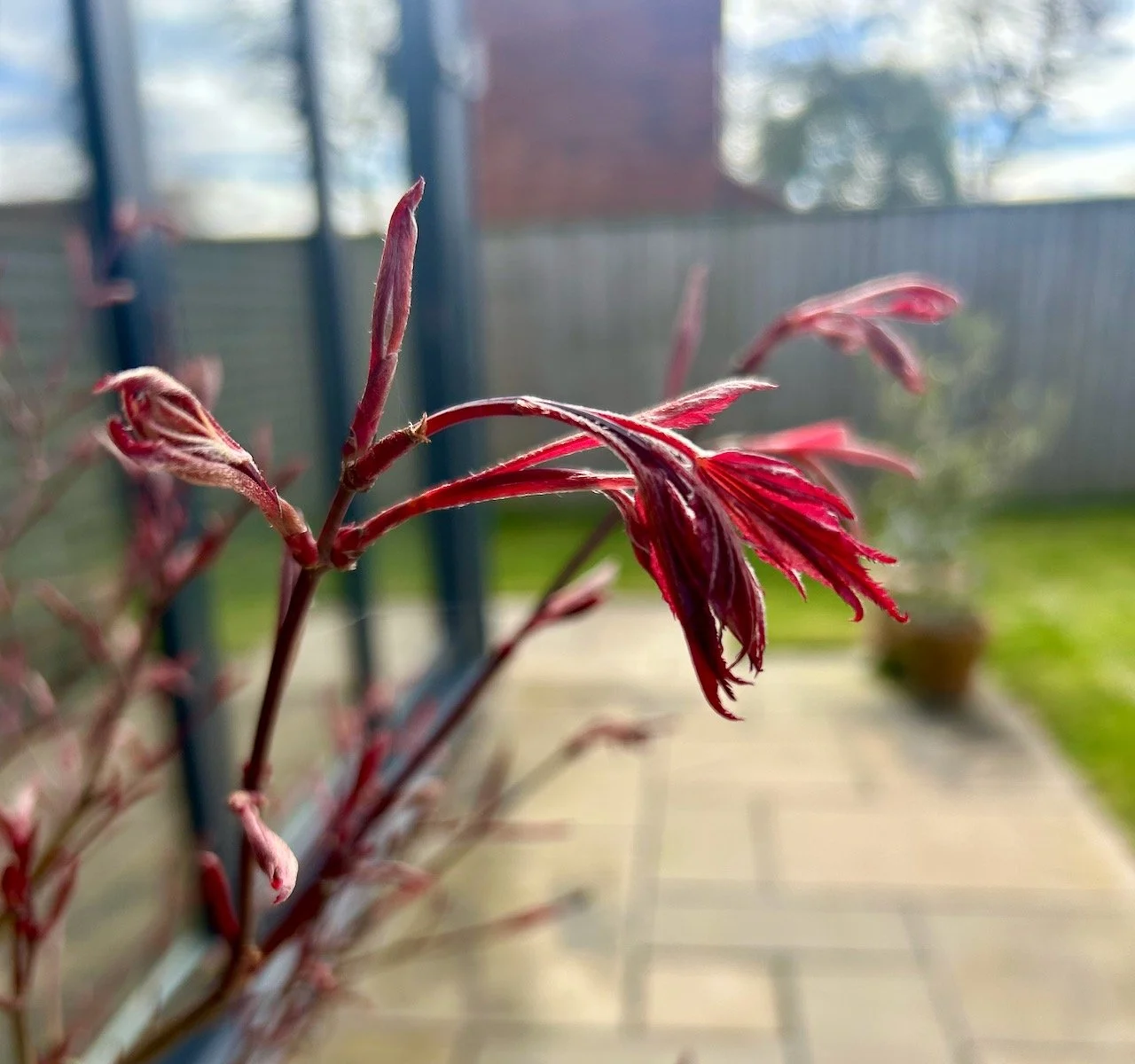
The acer which we brought back from my FIL’s garden has had a couple of spurts of new growth, and it’s the reddest of all the leaves - colour, which is most welcome and can be enjoyed every time we use the patio. Considering the plant needed to be temporarily repotted and pruned for transport, it’s picked up and is now thriving. So much so that I’ve needed to turn the pot so that it doesn’t become too one-sided.
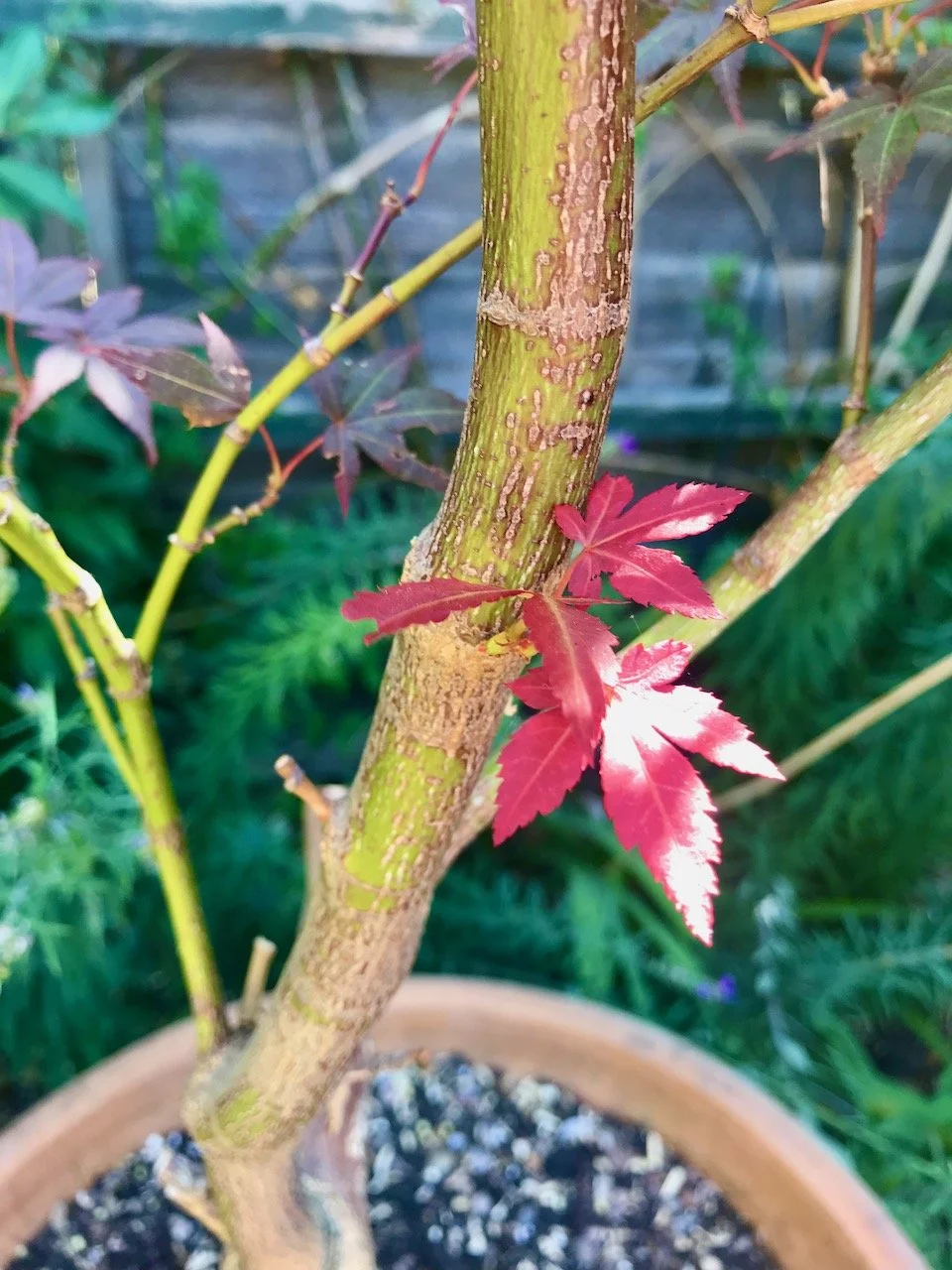
vivid red new growth on the acer
two sunbeds on very straw like grass

Our grass is coping less well with the weather. But reassuringly lots of the grass in the gardens around ours now have a similar hue, as does the grass in Greenwich Park and on Blackheath, so that’s something. I’m sure it will recover once there is rain, and plenty of it, but that didn’t arrive in July. Storms and flash floods have been forecast for August, but it wasn’t until the day I posted this that we had what I’d call ‘proper’ rain.
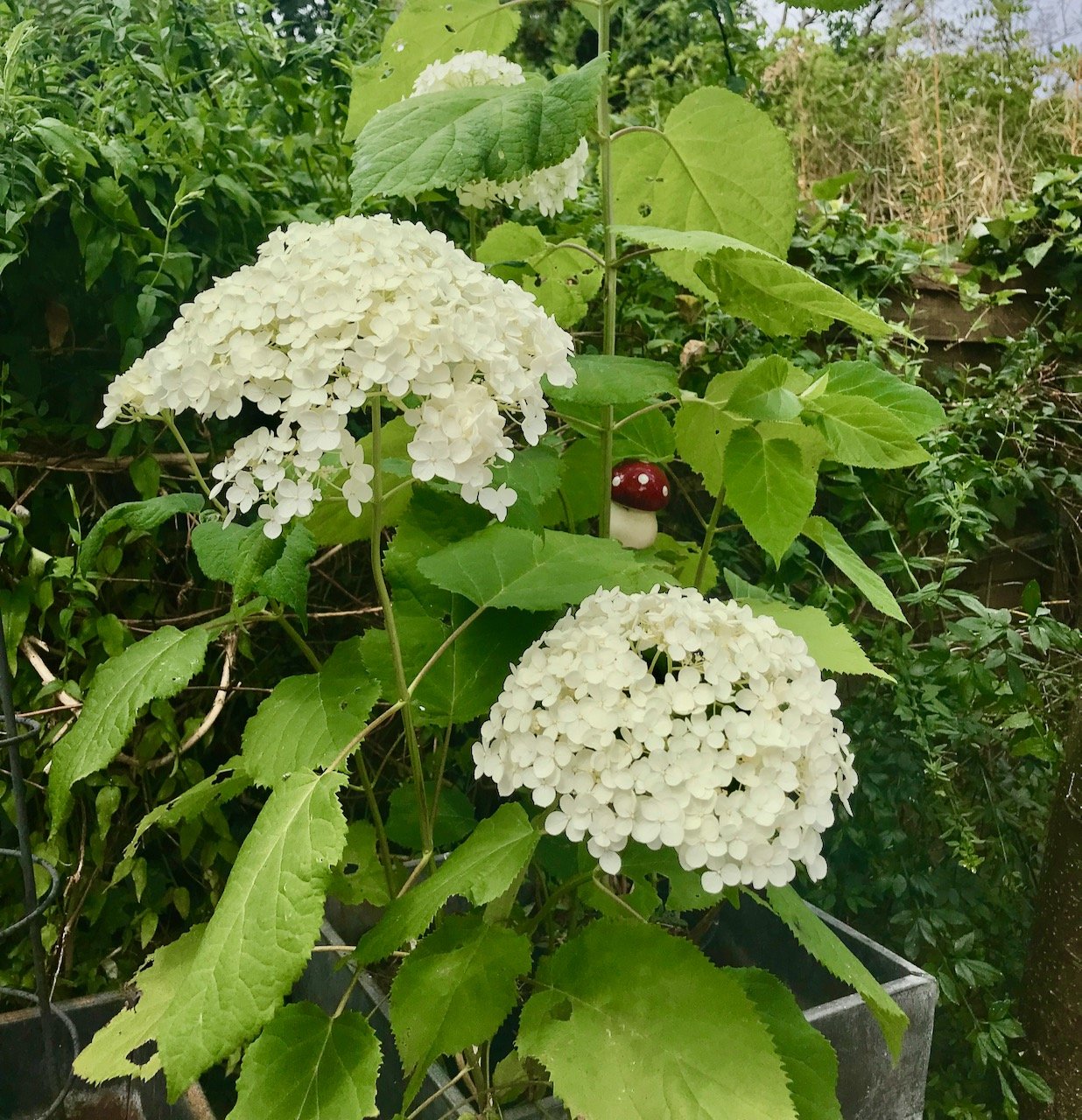
White Annabelle hydrangeas in flower

Elsewhere in the garden, and in sight of the patio, the hydrangeas are flowering. They’ve grown flower heads bigger than your fist, which have turned from green to the loveliest white. I’m so glad I opted for the ‘Annabelle’ it’s definitely a variety I’d have in a future garden.
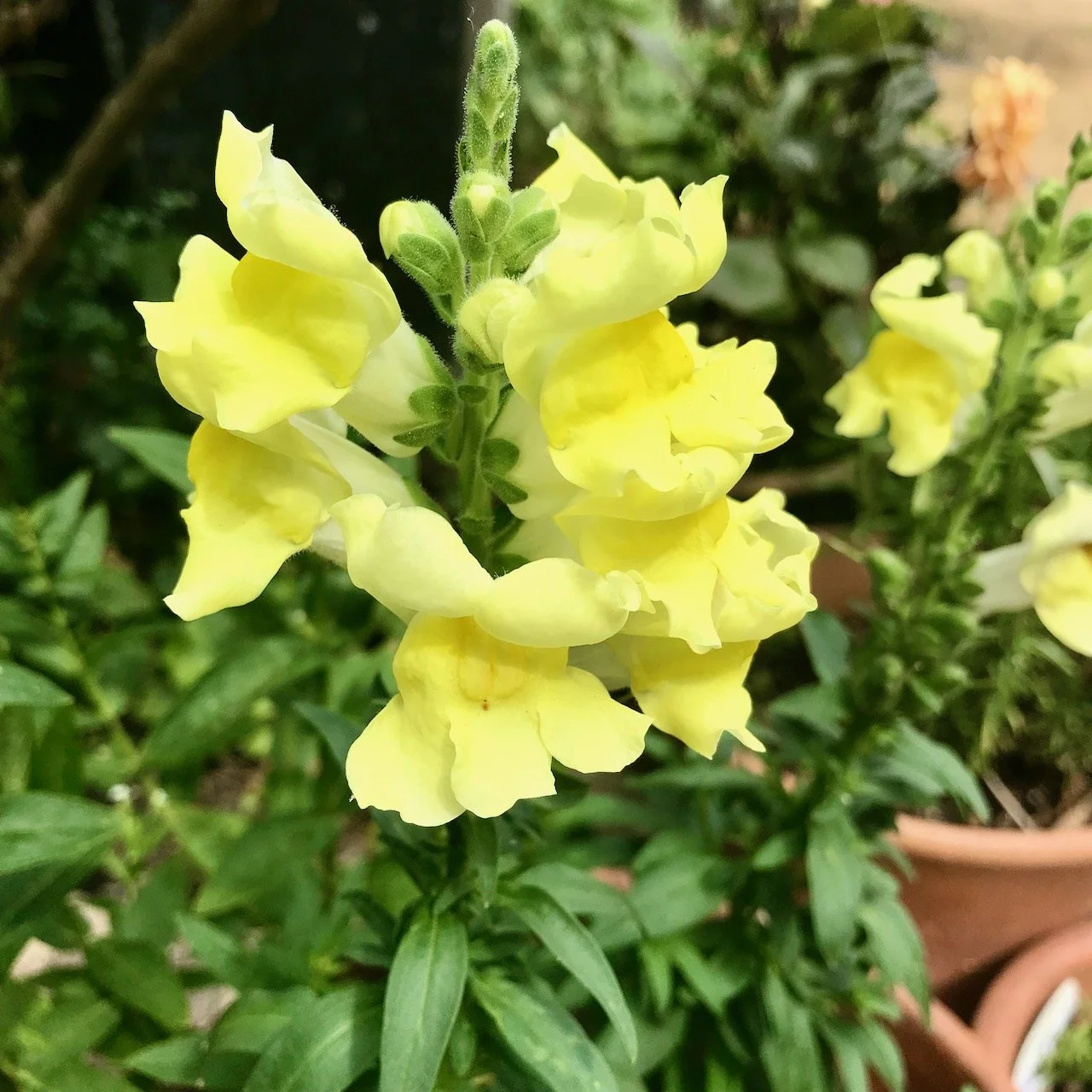
zesty yellow flowers of an antirrhinum

Despite heading to the garden centre for pops of colour, the antirrhinums I chose were a zesty yellowy-green, but even so they couldn’t help but make me smile. Alongside the rich cerise of the ‘everlasting’ sweet peas, it’s quite a contrast but one I’m keen on.
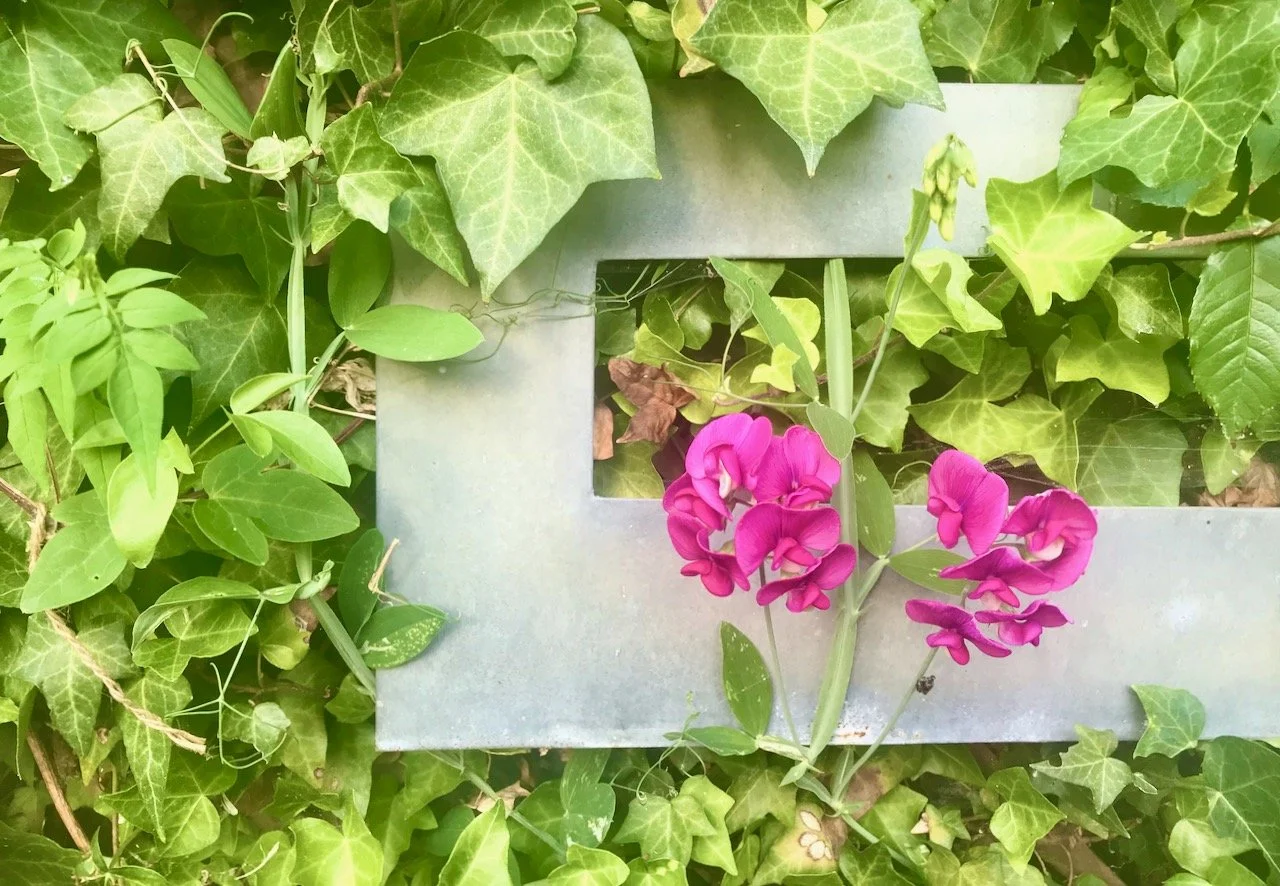
pink 'everlasting' sweet peas in flower against an ivy backdrop

The pear tree at the rear of the garden is full of pears. Which sounds more exciting that it’s likely to be. In all the time we’ve been here, we’ve not had one edible pear - they’re rock hard, even the squirrels reject them. But not until they’ve taken at least one bite, of course. They’re probably cooking pears, but for me it’s just good to watch them grow.
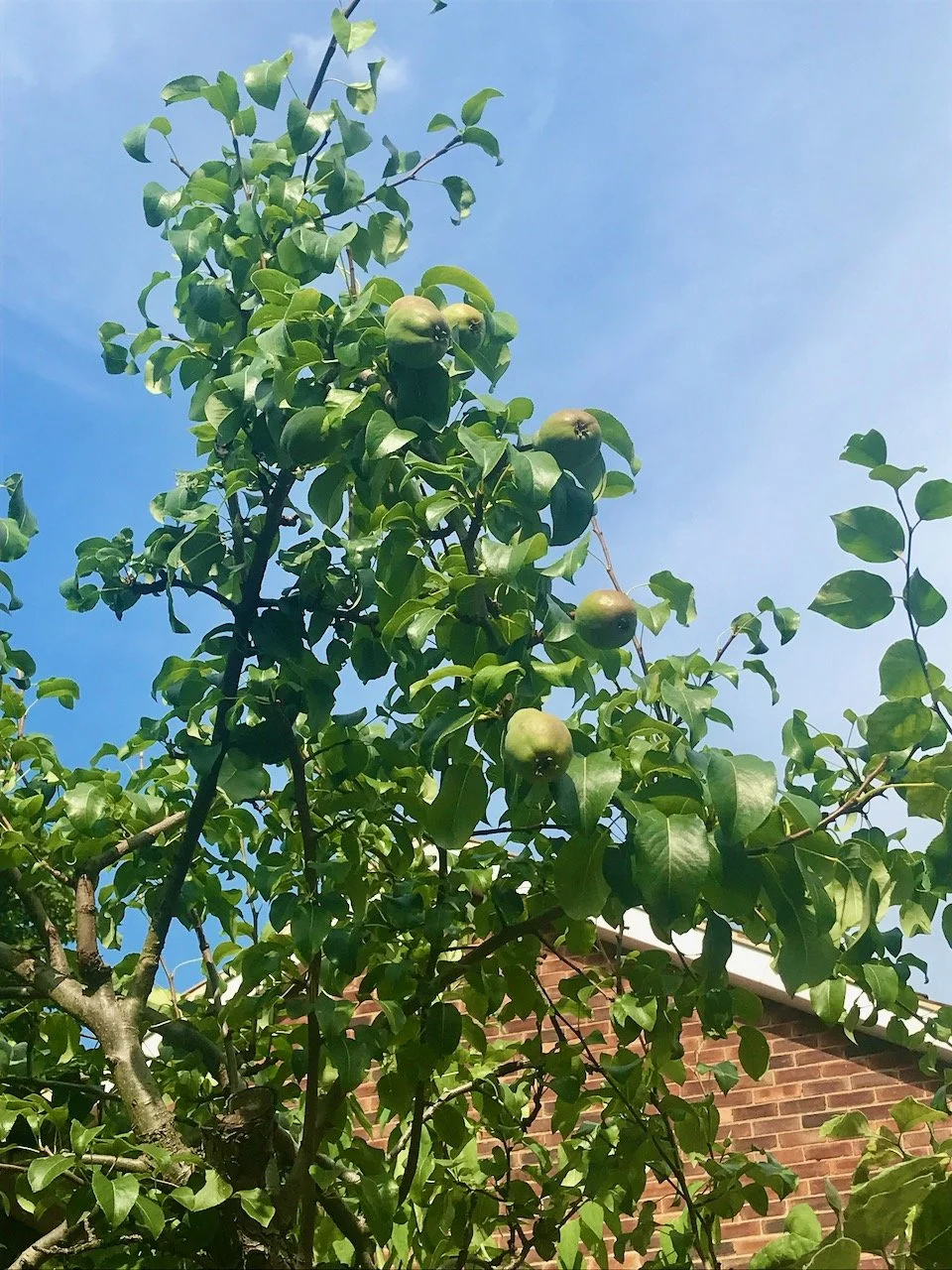
plentiful pears on the pear tree

The much forecast high temperatures arrived, with temperatures reaching over 40 degrees celsius. Whatever your views on the heatwave and/or climate change, here in the UK we’re just not built for those kinds of temperatures. MOH was very much of the ‘how hot can it be’ opinion to start with, and after a brief foray onto our north facing garden’s patio, quickly returned and declared it to be ‘hotter than Barbados out there’ and therefore unsuitable for al fresco dining!

For the warmest of those two days we followed the advice on opening doors and windows early, then closing them and curtains during the peak warm hours. Even much later in the evening, it was still very warm and while a few spots of rain did fall - and were briefly refreshing - they’d pretty much dried up before they hit the ground.

Our plants were also drooping, and they’ve continued to droop and scorch as the thankfully-not-quite-as-high temperatures have continued. Seeing our usually perky fatsia with scorched and droopy leaves is very much a first. Of all the plants, in those two days it looked very much as I felt!
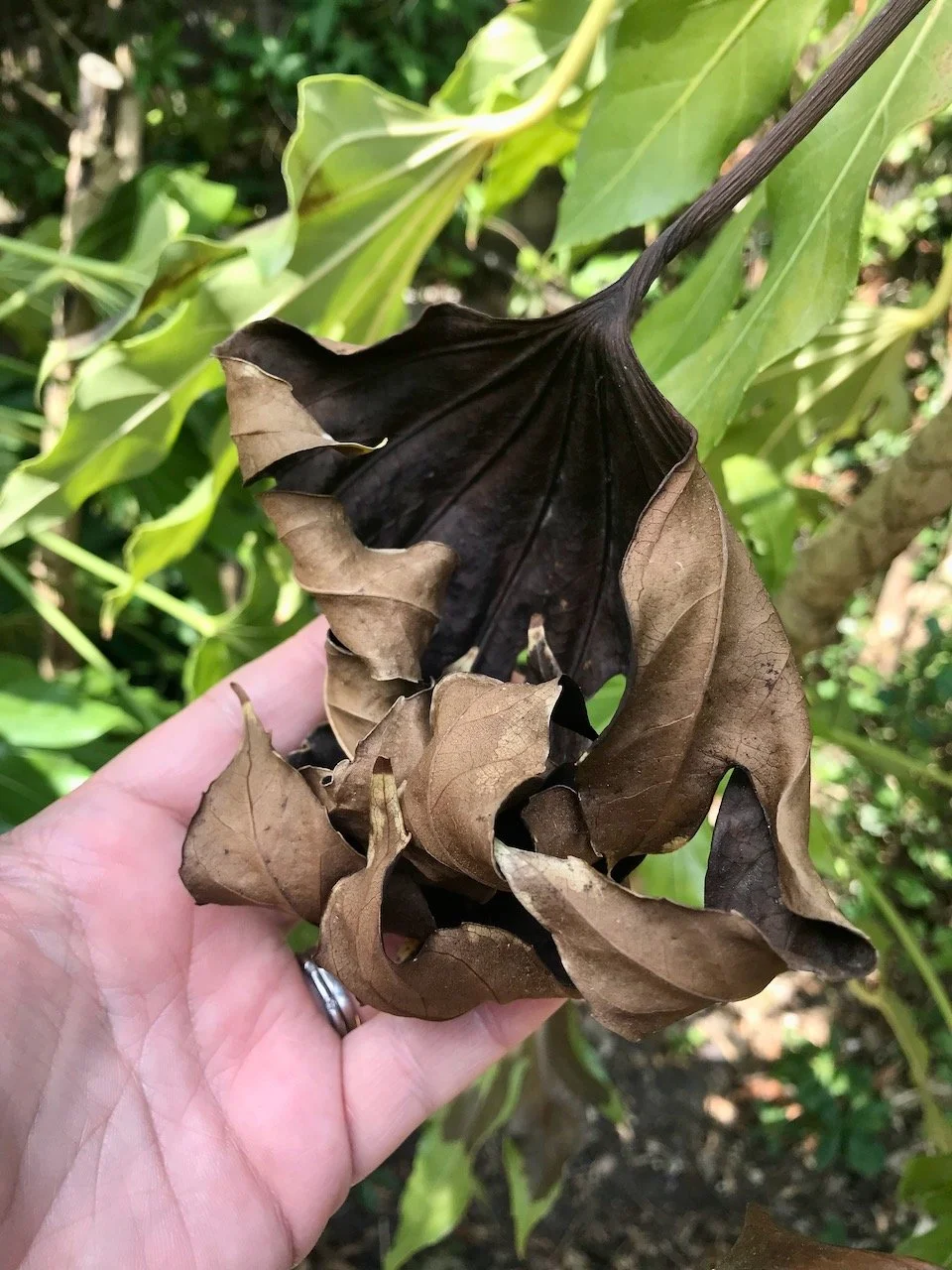
scorched fatsia leaves
a very droopy fatsia bush in the heatwave

Throughout July we’ve continued to water our pots and the shrubs which seem to be affected most, giving them a good drenching every few days for the pots, or when needed for the shrubs. We’ve adapted how we wash up, using a bowl so that the water can be used in the garden too. Every time rain is forecast the garden trugs are positioned around the garden to collect rainwater, but not all of the rain forecast has arrived so it’s not been successful at all.
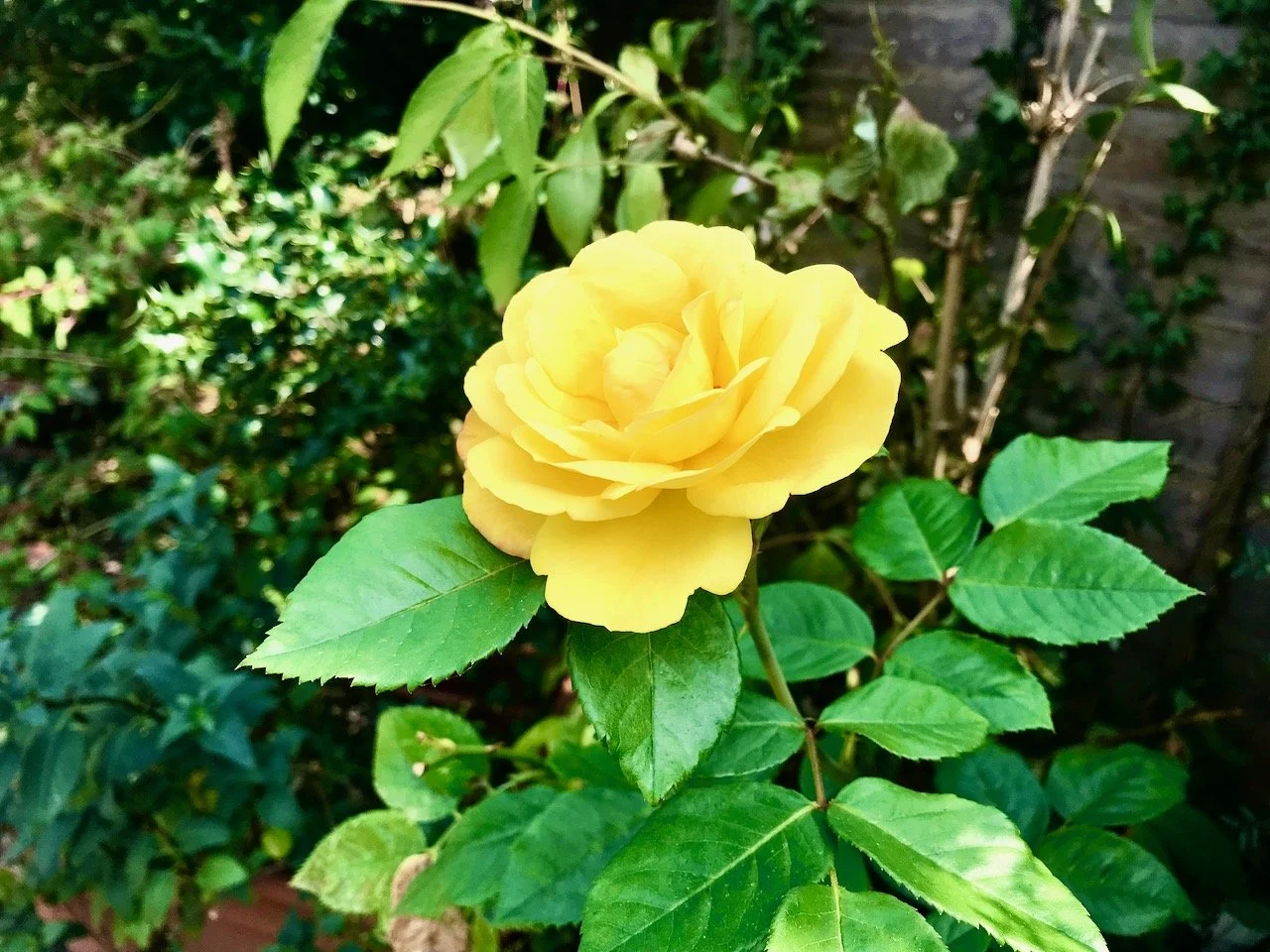
A vibrant yellow rose in flower

Despite this, the plants continue to amaze us - with pops of colour from the roses, bedding plants and sweet peas appearing for a few days then retreating to replenish themselves.

Growth on the pollarded sycamore tree at the end of the month

But most of all, it’s been the pollarded sycamores that have been the most amazing and adaptable. Though they clearly have deeper root systems, the difference in the photo here and the one earlier in the post is almost unbelievable isn’t it? No rain to speak of, and already they’re putting on a good show of fresh growth. I’ve been taking photos of them every few days, and feel an Instagram reel may be coming on at some point, as throughout August they’ve continued their growth.

Isn’t nature amazing?

Post Comment Love 26-29 August

Welcome to this week’s #PoCoLo - a friendly linky which I co-host with Suzanne, where you can link any blog post published in the last week. We know you’ll find some great posts to read, and maybe some new-to-you blogs too, so do pop over and visit some of the posts linked and share some of that love. If you were here last week it was great to have you along, if you’re new here this week we’re pleased you’re here.

It’s a bank holiday here, so this week the linky will remain open until 11pm on Monday.

Yesterday we finally had what I call proper rain here in South London, the first since mid-June, and it was glorious and much needed. I’m glad it stopped though, but I’m also hoping it’s not such a stranger for the foreseeable. I’m hoping that it will be like a well-behaved guest and know when to arrive and depart causing the minimum of fuss - well I can hope, can’t I?

In other news, the new coffee machine arrived ahead of schedule - so that was good news too. The troublesome toe continues, and yesterday I headed off to our local hospital for an x-ray, and the doctor’s prescribed another batch of antibiotics. The same ones as before, as it has improved with that but it’s still not where it should be - they agree with me that it’s not right, so it’s a case of understanding more about what’s going on and why it’s taking such resistance to being fixed. Hopefully the x-ray results will help shed some light on what’s going on.

It’s also noticeable that there’s a shift in seasons taking place, sunset is now nearing to 8.30pm (if we’re lucky) than 9.30pm and we’ve had some glorious sunsets in the garden, though we’re needing to add garden light to the patio table to prolong the evenings, and enjoy the calm and twinkling of the lights strung across the garden. For how much longer though, I’m not sure - hopefully for at least another month, if we’re lucky.

A pink/yellow sunset over the cottage at the end of our garden

You are invited to the Inlinkz link party!

Click here to enter

Drying bay leaves

It seems funny to be writing a post sharing drying bay leaves on the day when we have finally got some proper rain here, but it’s a good as time as any. And by proper rain, I mean that is actually collecting in the trugs and watering cans I’ve left out specifically to catch the drops. Up until today, we’ve had some drizzle and light showers, but nothing that even covers the bottom of the smallest garden trug. Like many areas, the rain is much needed so hearing it about 3am this morning it was good to know that the forecast had finally come true. One spell of rain won’t fix the current issues, or the drought, but it is a most welcome start. Ironically, our hosepipe ban came into place yesterday…

But anyway on a much sunnier day last month I took my pruning shears to our two bay trees. They used to be in a similar spot in the garden, but somehow had got split up with one finding itself under more tree cover than the other. As a result this one was much leggier, and the leaves less dense - and it was in need of a good trim.

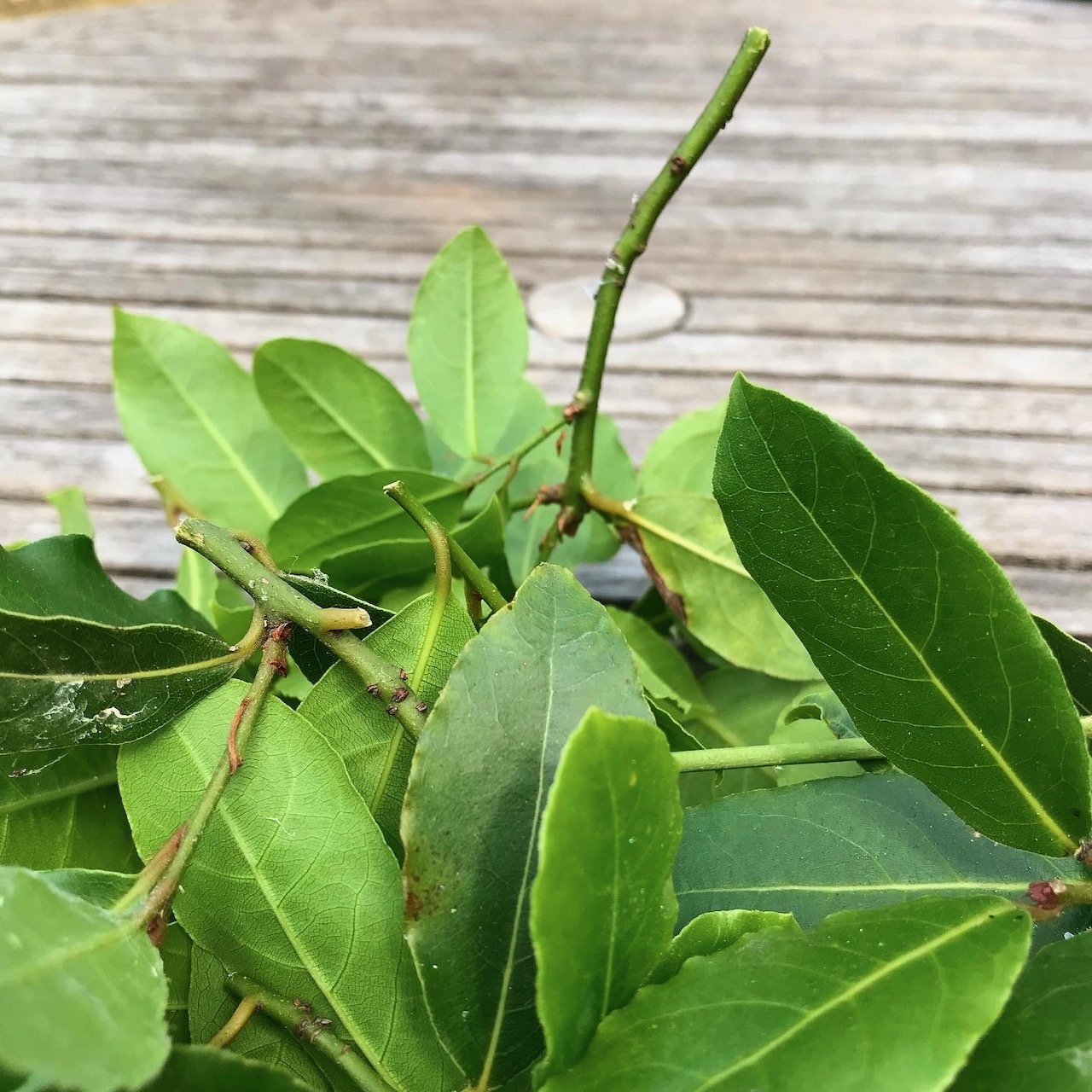
A pile of bay leaf prunings on a garden table

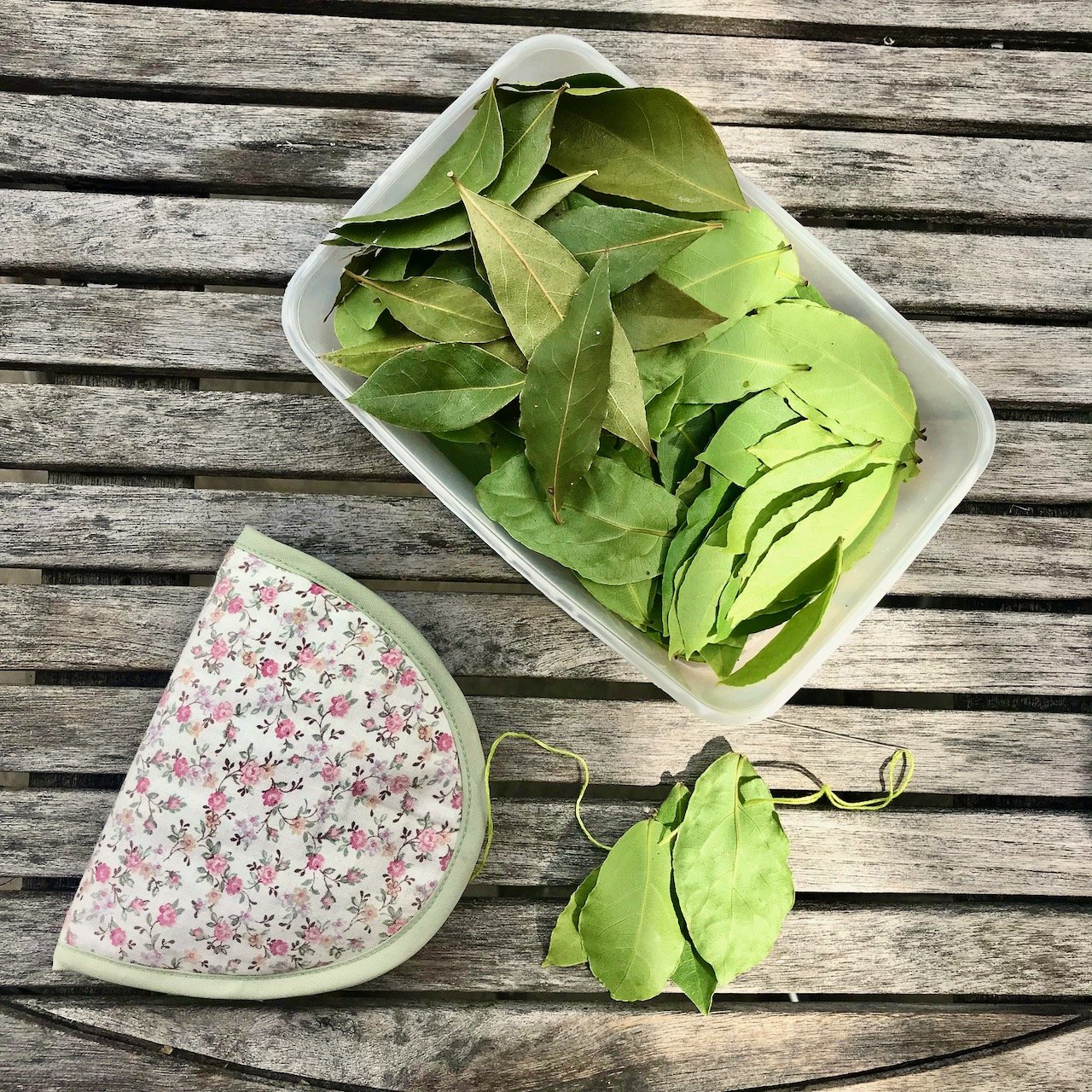
And there were too many leaves to just compost. The less-nibbled and better leaves were saved and washed so they could be dried, and with a needle and some offcuts of embroidery thread I had a mindful morning threading leaves into the very simplest of garlands ready for drying.

A takeaway tub of washed bay leaves, sewing notions and the start of a string of bay leaves on a garden table

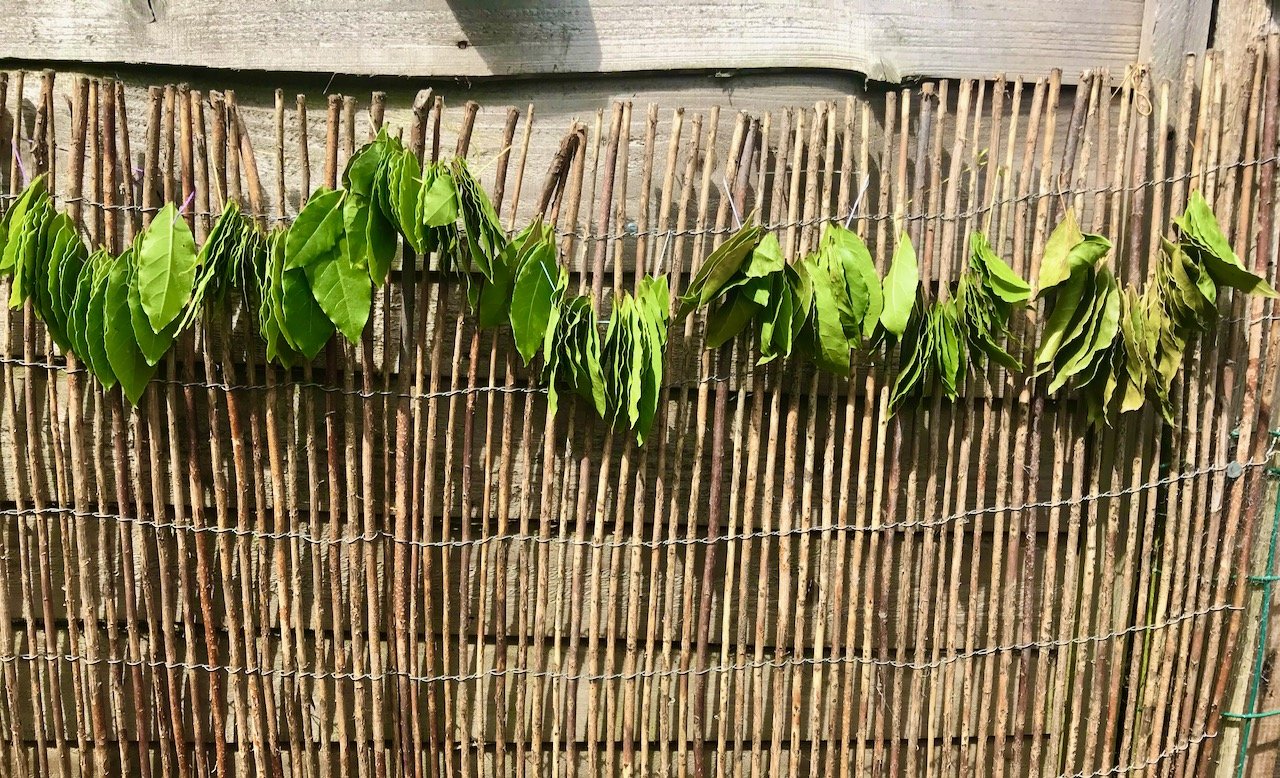
Previously when I’ve done this the weather has been less than constant, but this year with heatwave following heatwave, I confidently hung each mini ring over the willow spokes on our fence. It was only when I stepped back that I realised together they had created a festooned effect.

strings of bayleaves drying on a willow fence, looking like a garland

And yes, that’s a lot of bay leaves. My plan is to share the small garlands with family and friends, though I need to get better at remembering to take a bunch or two with me when we go visiting!

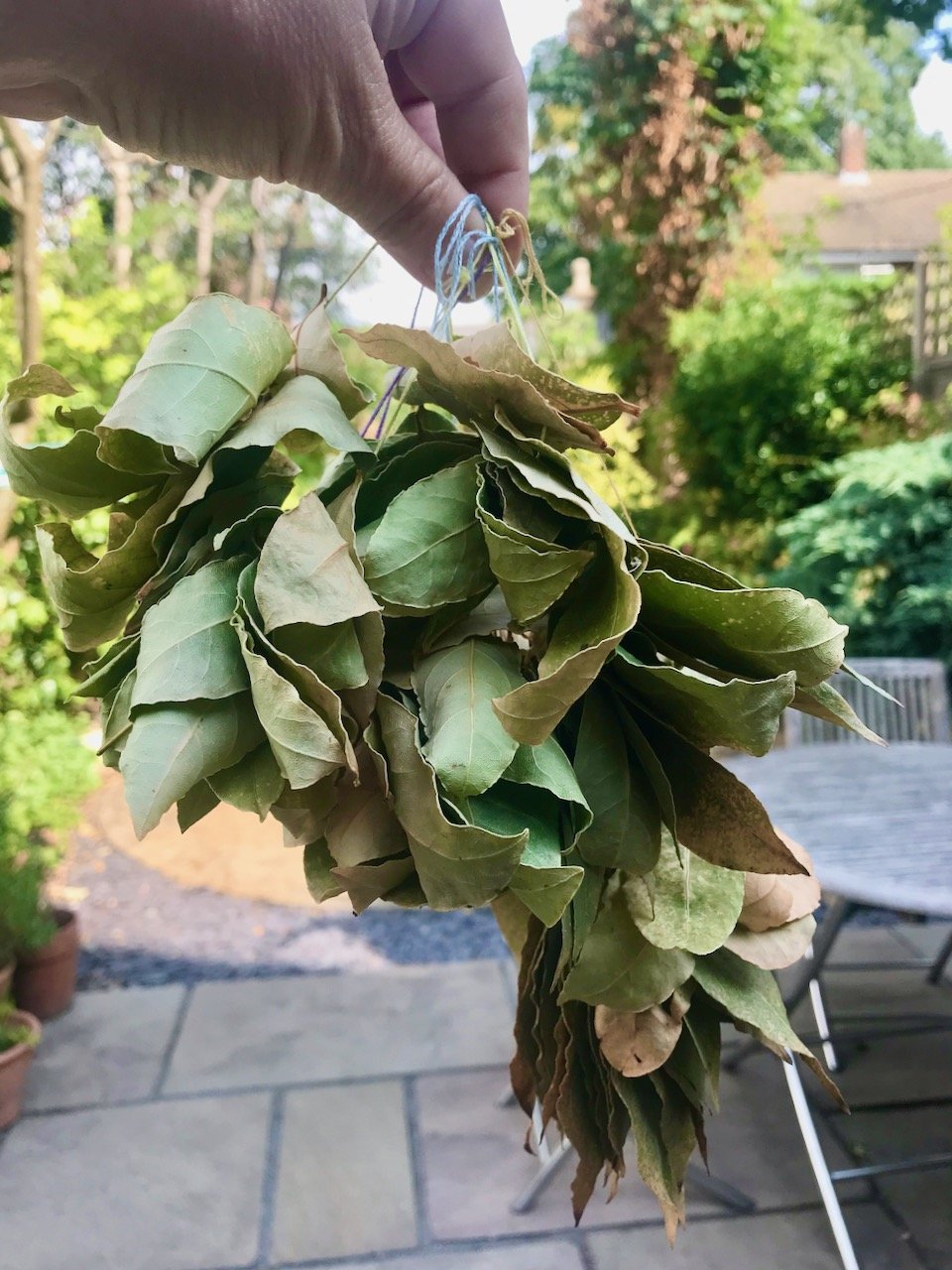
Holding up the dried bunches of bay leaves (garden in the background)

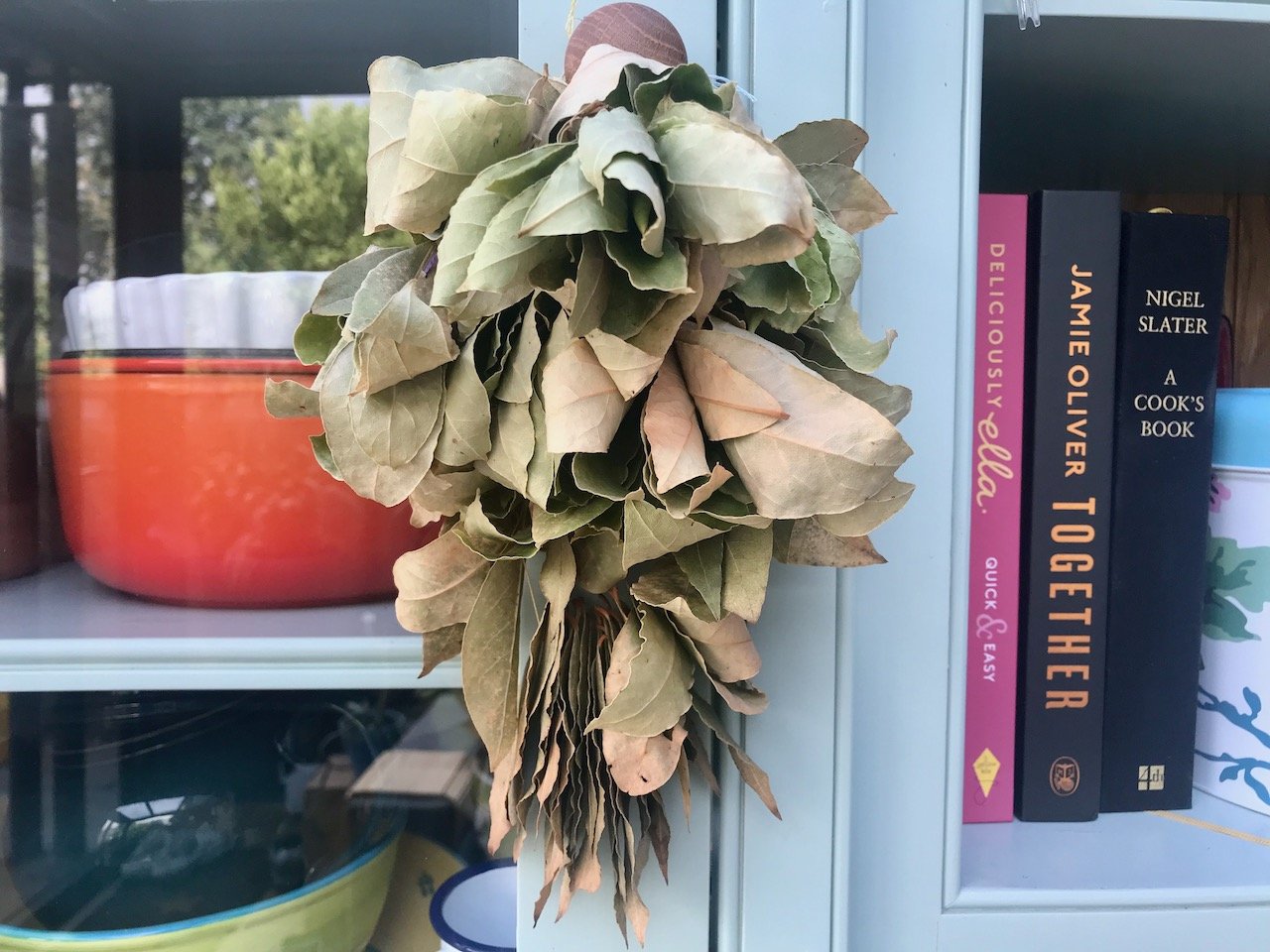
They’ve dried really well - as you’d expect with the weather we’ve been having, but I didn’t want them to get too dry. So they’ve been brought inside and have hung briefly on the dresser before being stored in air tight containers. So now I’ll have to redouble my efforts to remember to distribute them!

The dried bayleaves hanging on the dresser handle

Uses for bay leaves

As well as using dried bay leaves in stews, sauces and stocks to add earthy flavours, I also use bay leaves:

  • when boiling or steaming vegetables or fish,

  • in bags of flour to deter mites, and

  • on the barbecue with new potatoes, alternating potatoes and bay leaves.

I’m sure there’s many other uses for this versatile plant, let me know if you have a favourite way of using bay leaves and if you dry herbs from your garden.

I was featured on Blogger Showcase