


White and shade, peace and elegance

According to the information alongside this Beautiful Border at Gardeners’ World Live earlier this year, the inspiration for this space came from “the many shady spots that occur in gardens, which can be hard to make look attractive.”

It aims, and I think manages, to take a part of the garden that’s often neglected and unloved and make it lovely and stylish too. It’s simoke colour scheme of green and white, gorgeous tiles and my firm favourite ferns helps create a “magical shady border that really captures the dramatic effect of white and shade.”

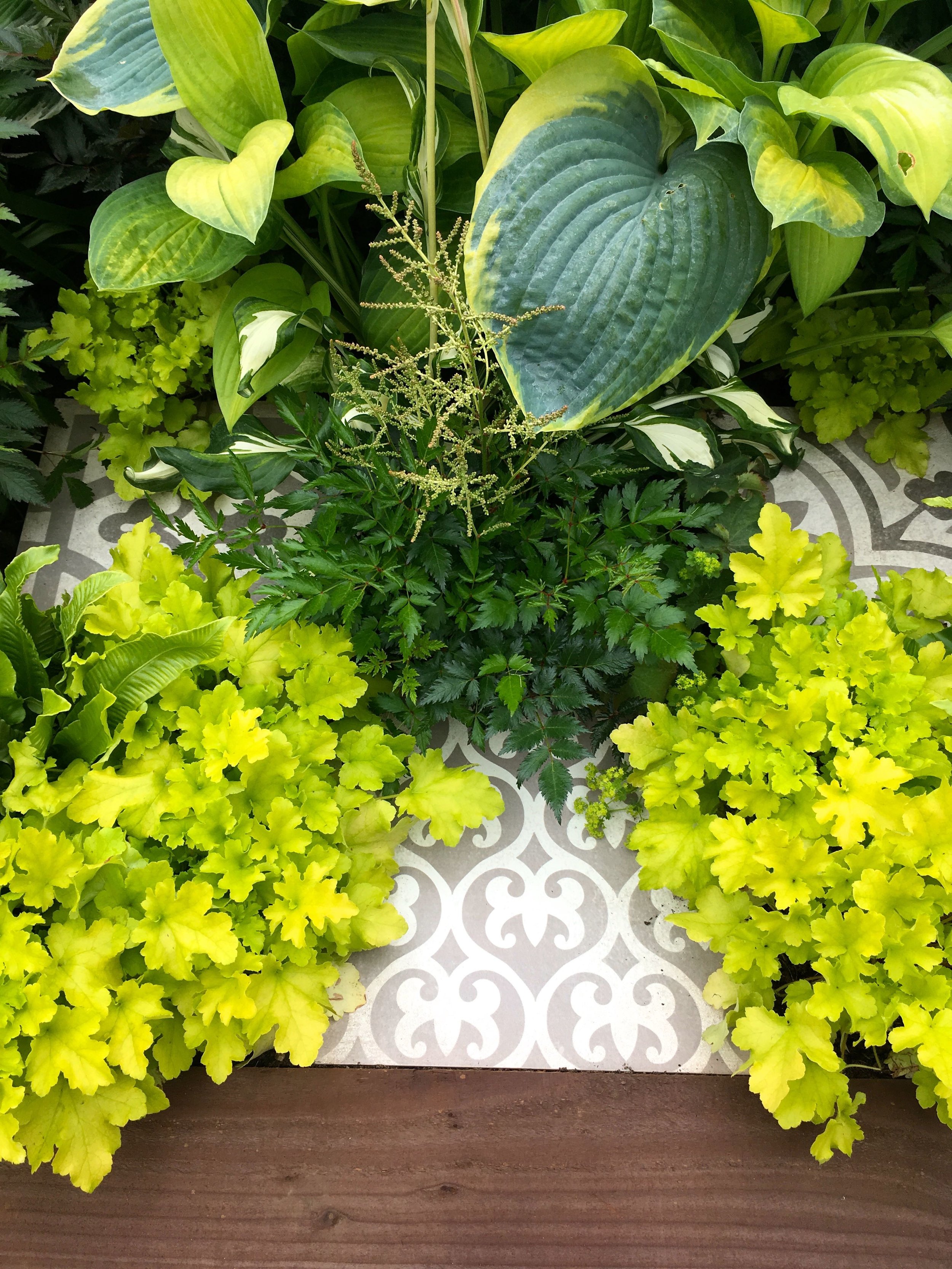
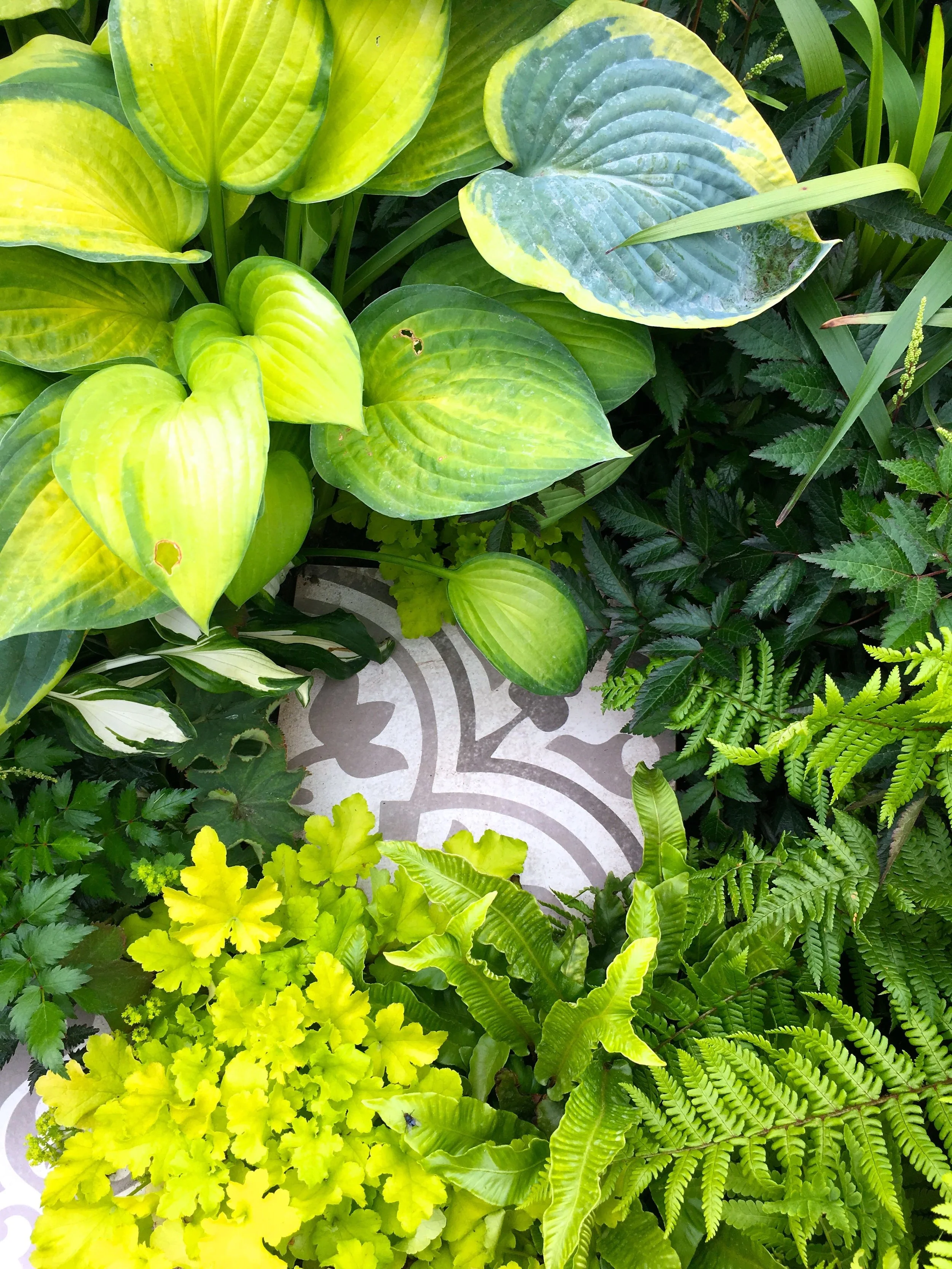
fronds of fern and patterned tiles at gardeners' world live
hostas and yellow-y greens spilling over patterned tiles
spot the tile amongst the greenery

It’s also pretty good to look at isn’t it?  I’m imagining a tranquil, urban city space that’s a haven to escape the busyness of life. In reality, this was planted in a small(ish) raised bed outside the NEC in Birmingham, where it rained during our visit - that paints quite a different picture doesn’t it, and if you don’t mind I’m happy sticking with my vision over reality this time round.

What about you?

Embroidered minds and pretty tiles

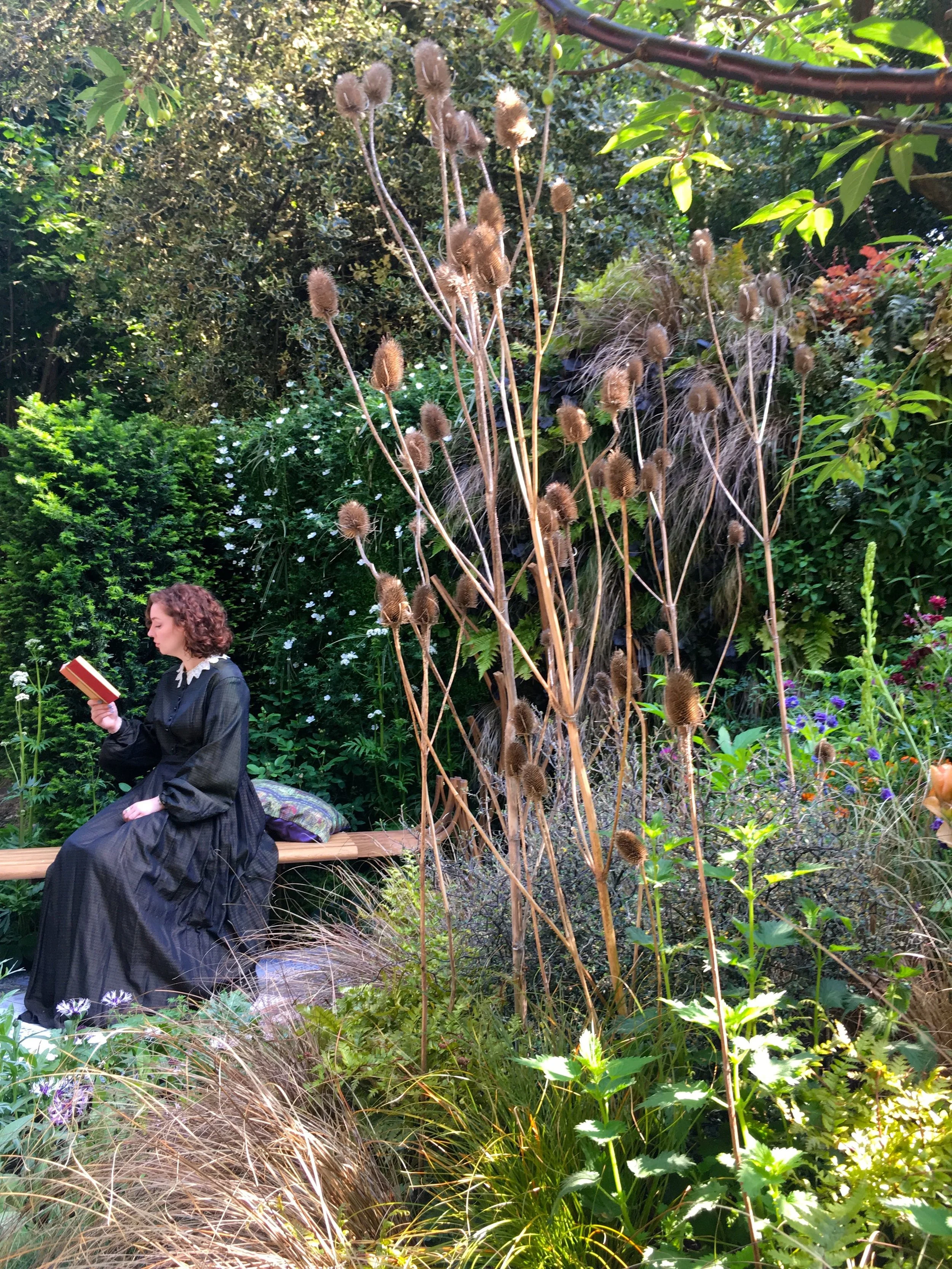
This was one of the first Artisan gardens that I saw at this year’s Chelsea Flower Show and while it was stunning, and set the tone for the day, my overriding thought then and at the time was, how is she going to sit there for so long. Although on the plus side, at least she’s got a job where she can sit and read all day, but then again it was warm, and that dressed didn’t look the coolest.

I know that’s not what this garden is about, but that’s where my practical mind went. With that sorted, I could address the garden and its purpose, which was to raise the awareness of Epilepsy. And the more I saw, the more I learnt.

Leslie Forbes' novel Embroidered Minds of the Morris Women

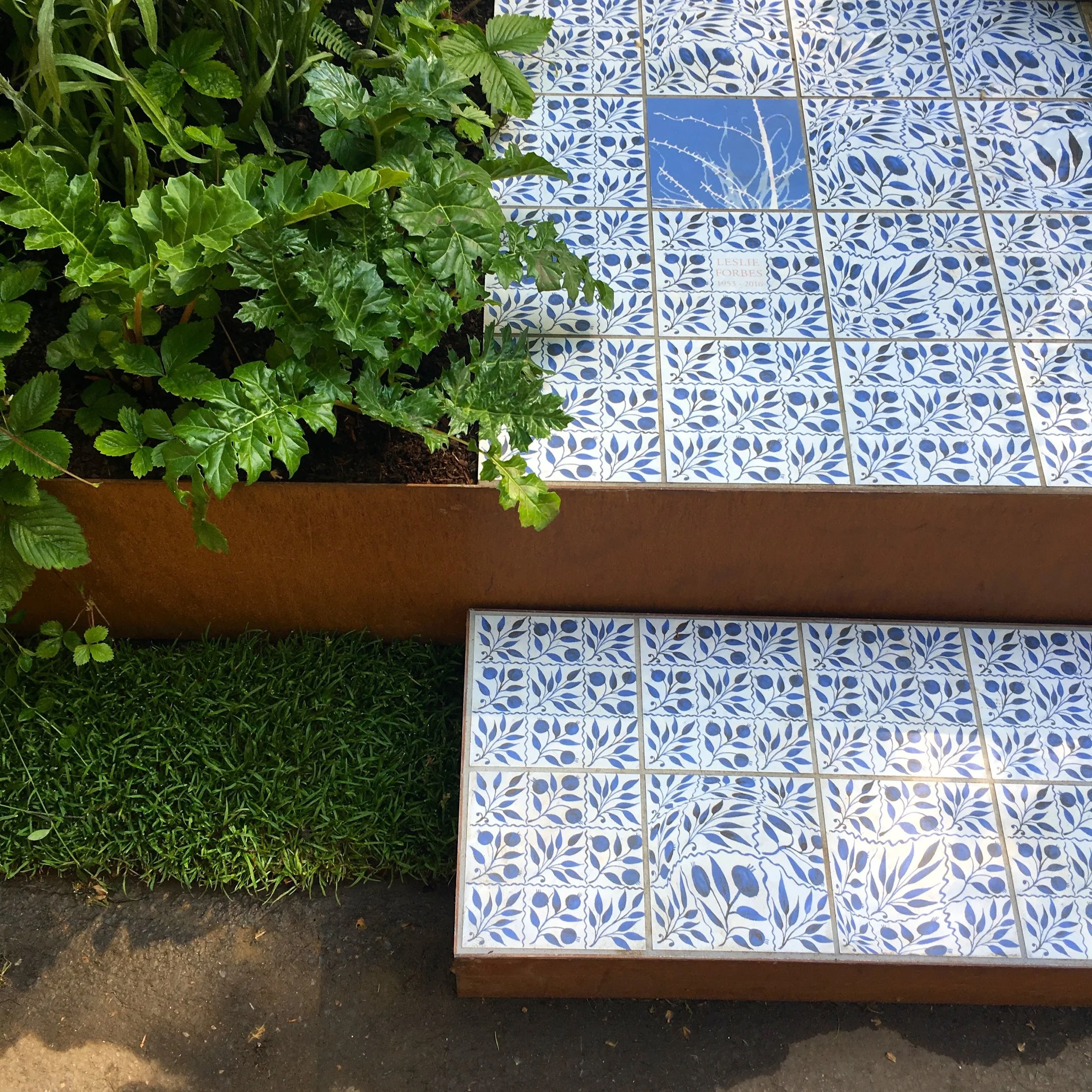
The garden is a collaboration between the arts and science to explore the effects of epilepsy, a neurological disorder that affected the eldest daughter of William Morris, and to raise awareness of how it remains a challenge today.

Now you can see where the tiles fit in can’t you?

This artisan garden at RHS Chelsea raises awareness of epilepsy

The garden divides into three planting spaces representing the mind before, during and after an epileptic seizure, which each area having a different texture and atmosphere.

planting in the embroidered minds epilepsy garden

The teasels are one of the plants that represent the seizure, but even so it’s been a while since I’ve seen these in a garden. A family friend used to have a large bush in her garden in Carlisle and she would pick them, and dry them and decorate them as hedgehogs, and they really were quite cute. I’m sure, if I remember rightly, that clothes and spectacles were made for them too.

towering teasels at the chelsea flower show
planting in the embroidered minds epilepsy garden

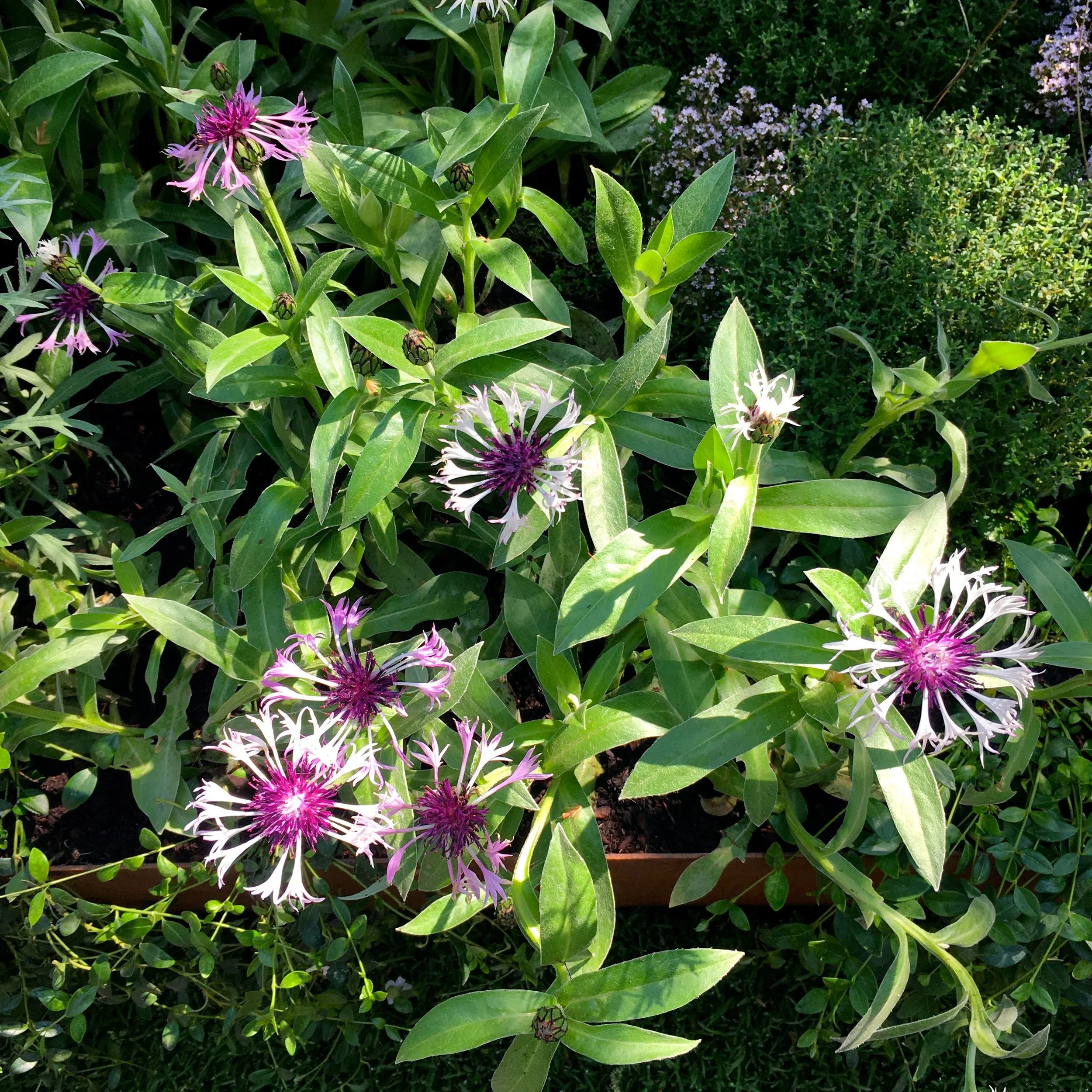
There’s two key plants in this garden too - valerian and artemisia, both calming to look at, because they’re used in the treatment of epilepsy. They’re in the pre-seizure area of the garden which is dominated by white flowers, whereas the post-seizure planting above, is full of colour and indicates the heightening of the senses which can follow.

It is a fascinating garden on many levels, but it’s also one I’d be happy to sit in with a good book too - what about you?

PoCoLo

Apple and pear sculptures

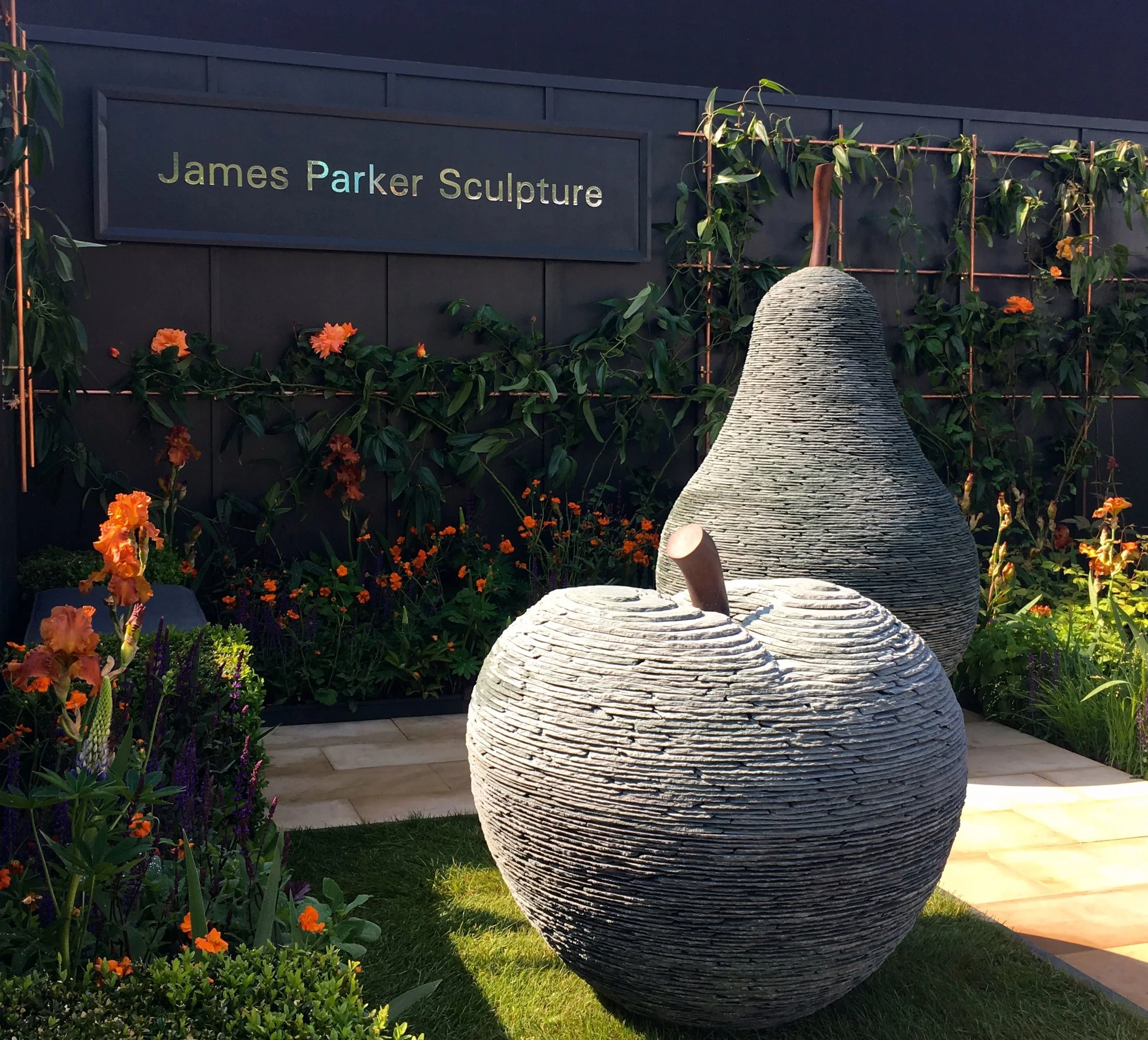
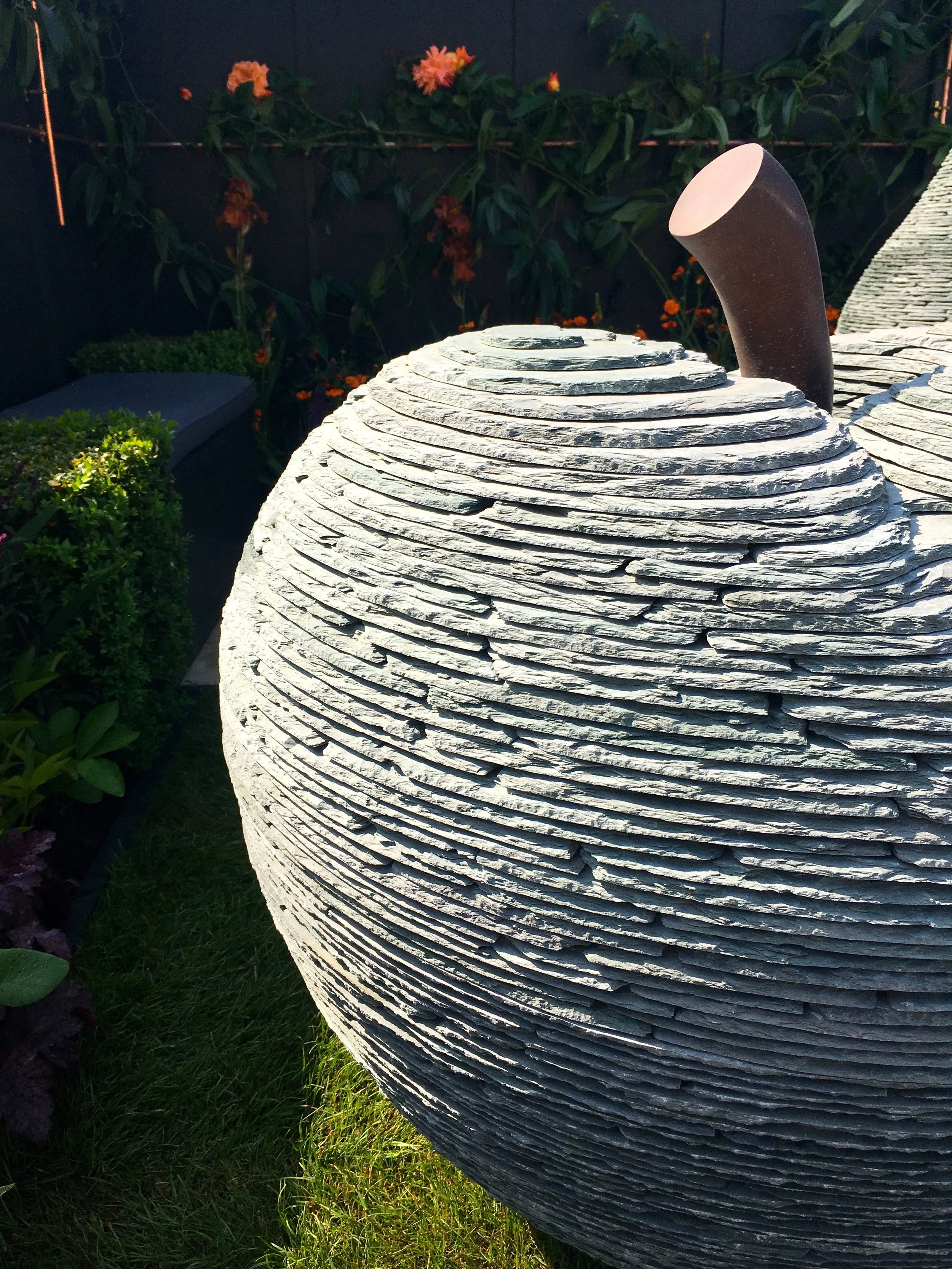
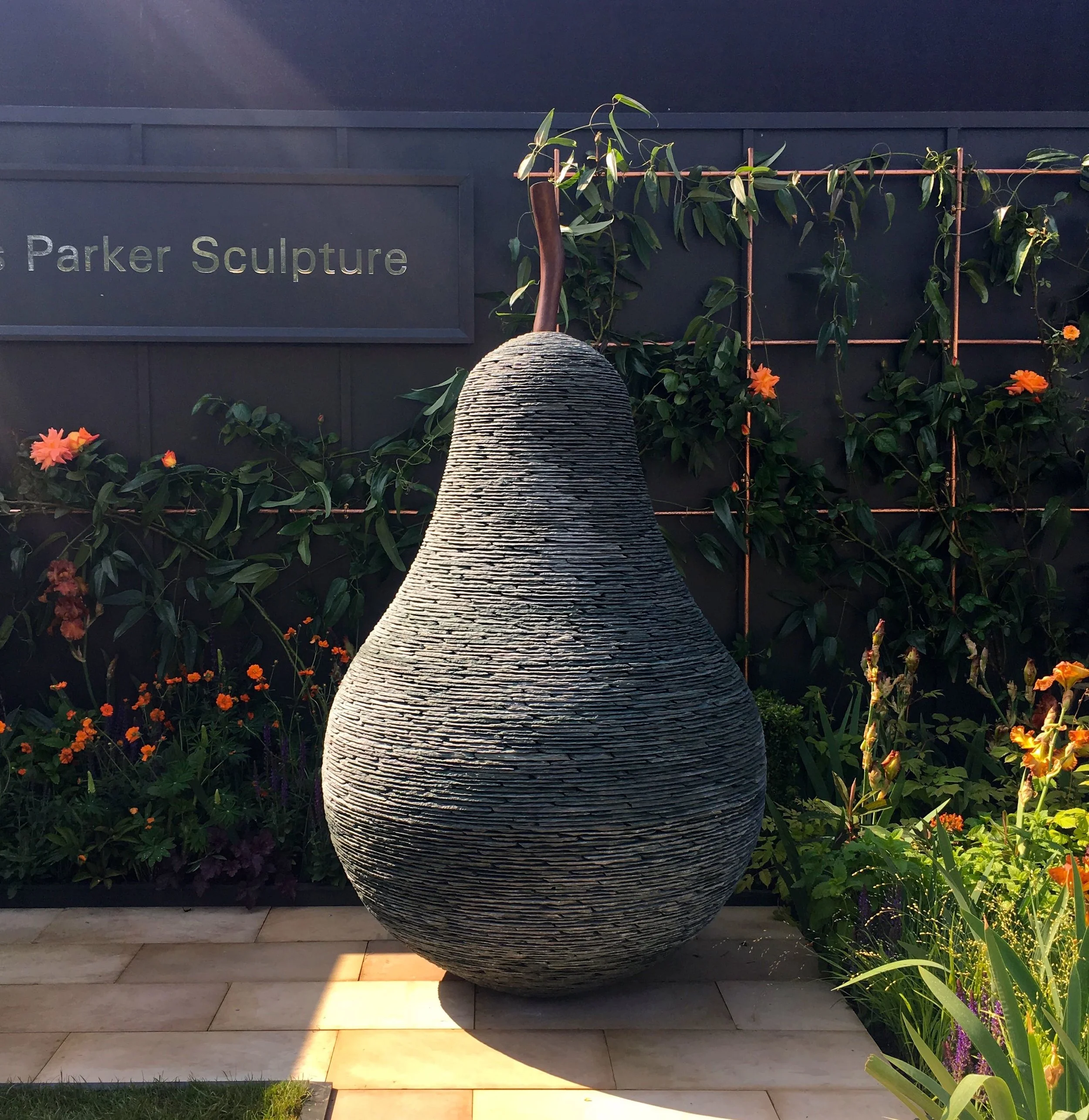
Not stone roses, but slate apples and pears. And giant ones at that. But totally stunning.

james parker's sculptures at Chelsea were certainly eye catching

I saw these at Chelsea and had to restrict myself to admiring their form and taking pictures for an emotional distance. The sculptures are by James Parker, who on his website says he enjoys taking unrefined materials like slate and creating something that captures the imagination of the viewer. These certainly captured mine, and not just for the largest fruit bowl ever.

Large but beautifully created
Apple or pear - which do you prefer

I think the squirrels in our garden might be quite confused by them too, although they probably have the same level of ripeness. Even though this appears to have been our best year for pears for quite a while, we’re not holding out much hope for actually eating any. The squirrels have had a few bites, and I’m sure the birds have had a peck or two. There are some that remain untouched, but I think even cooking them so they soften would be a challenge.

Maybe it’s just an ornamental pear, but on the other hand they’re nowhere near as ornamental as these.