
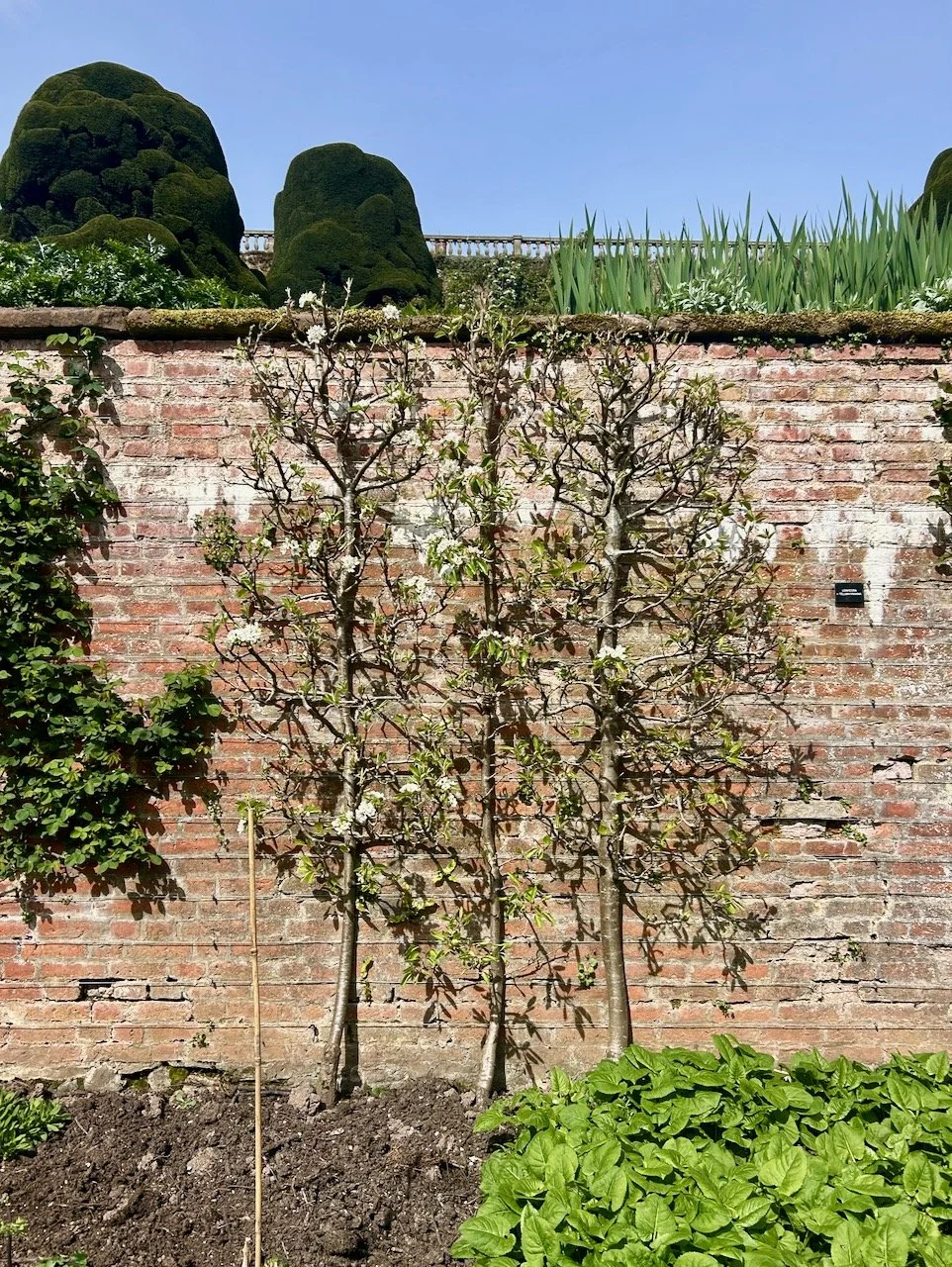
This April...

As predicted April has indeed been busy, and it’s brought a few surprises with it too - not all of them necessarily wanted, but such as it is we’ve needed to embrace those and roll with it. It’s not my story, though clearly I’m affected but everyone is ok and it’s why my blog has been unexpectedly quieter than I’d planned these past few days. At some point I may share more, but not just yet.

The fields around us have turned a gorgeous shade of yellow, which I love, but which MOH quite literally sneezes at. Though he has discovered a major trigger for his hayfever, so there is that. It’s the first year we’ve seen so much rapeseed growing locally, it could be just the cycle of rotation though, at some point we’ll find out - it makes for a great picture though, doesn’t it?
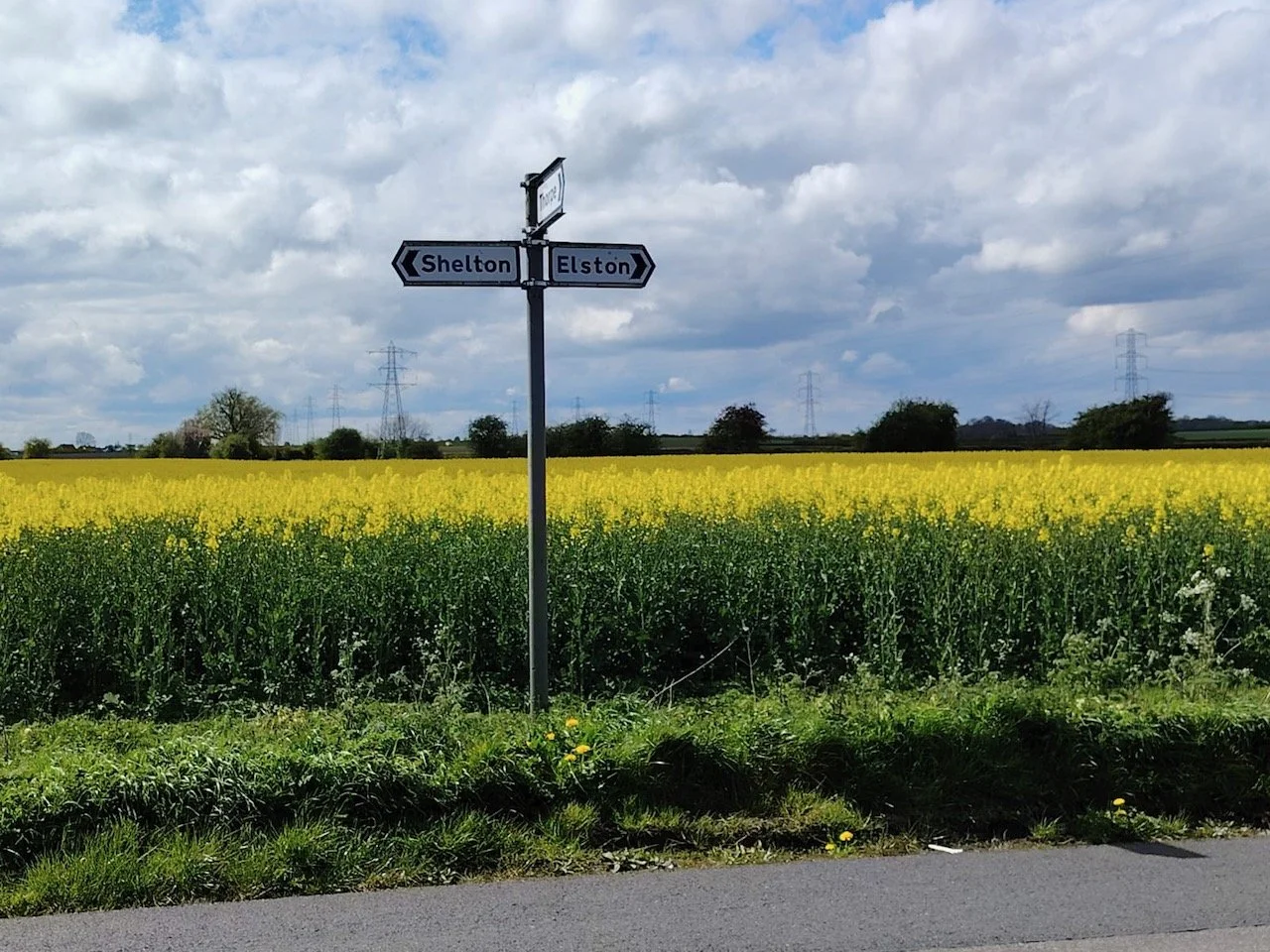
A field of yellow rapeseed behind a directional sign

The month started with a trip to Wales for my youngest niece’s wedding, and somehow the celebrations coincided with those two warm - actually quite hot - days. I’m not sure how they managed that, and I’m not sure they know either - but we’re all very glad it happened that way. Sunglasses were definitely needed rather than the cold weather options I’d been anticipating!

MOH & I at the wedding

While we were there we had a look around Ludlow, and stopped off at Powis Castle on our journey home. I wasn’t prepared for the size of the 300 year old yew hedges there, and so it was a great garden for me, and a pleasant surprise!
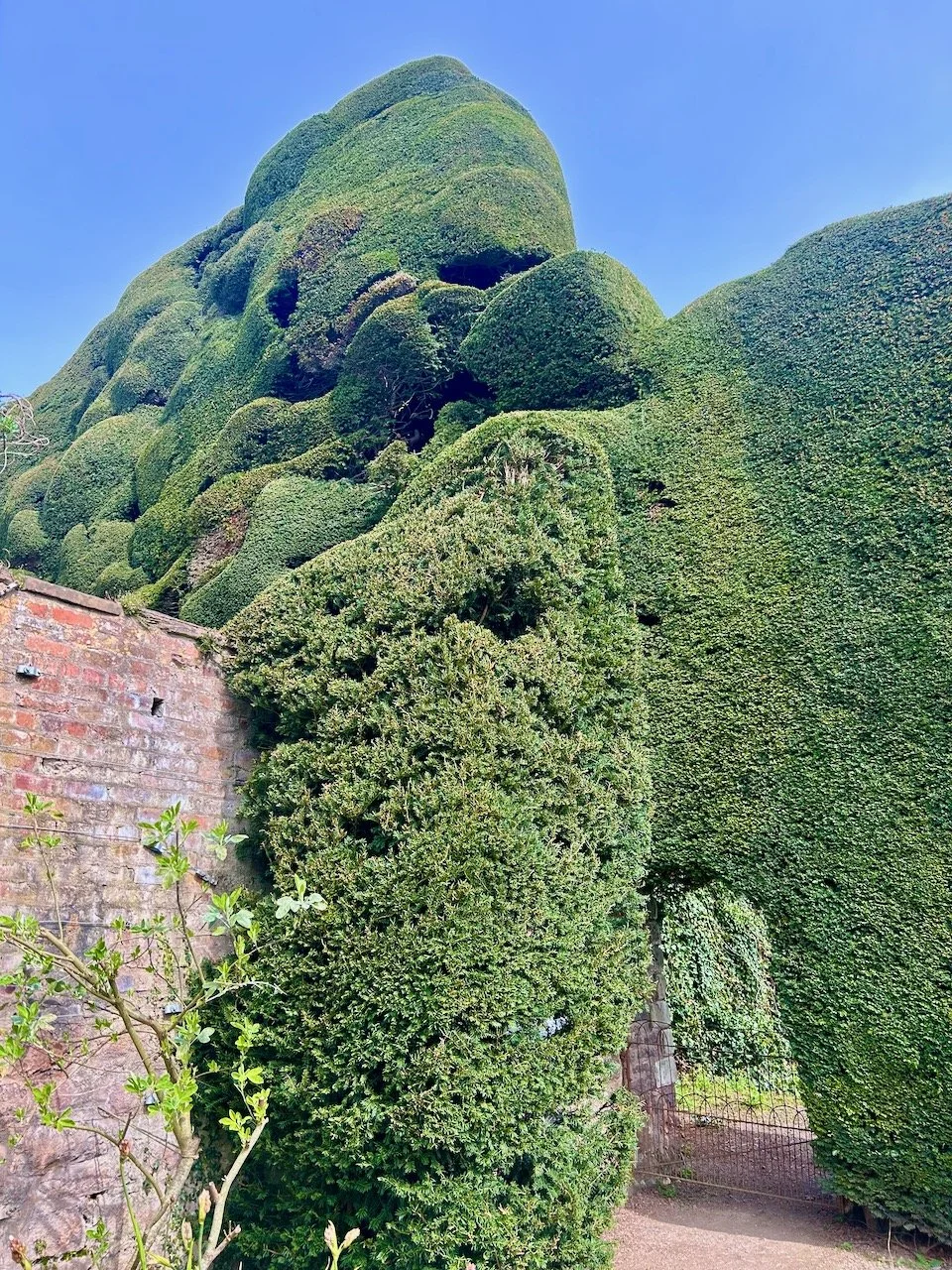
Huge 300 year old hedges at Powis Castle

I’ll be sharing more of my photos from there, but just wow to the size of these hedges - and to the job of keeping them in trim, that’s got to be quite a task.

It’s great to see the gardens waking up as spring really comes into its own, my garden has suddenly taken off and throughout the month the blossom on the crab apple tree has formed, blossomed and gone for another year - hopefully there’ll be plenty of crab apples later in the year.

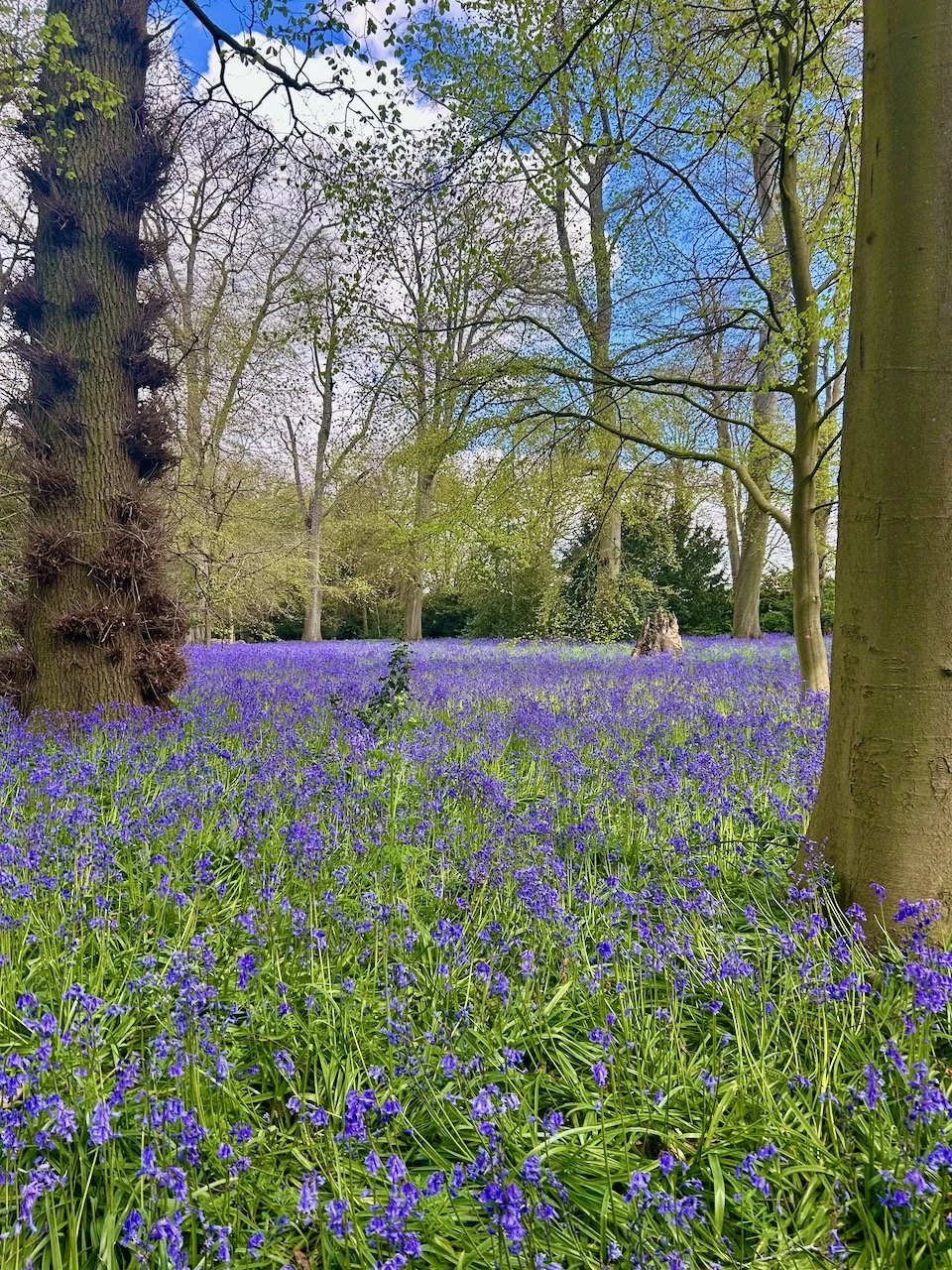
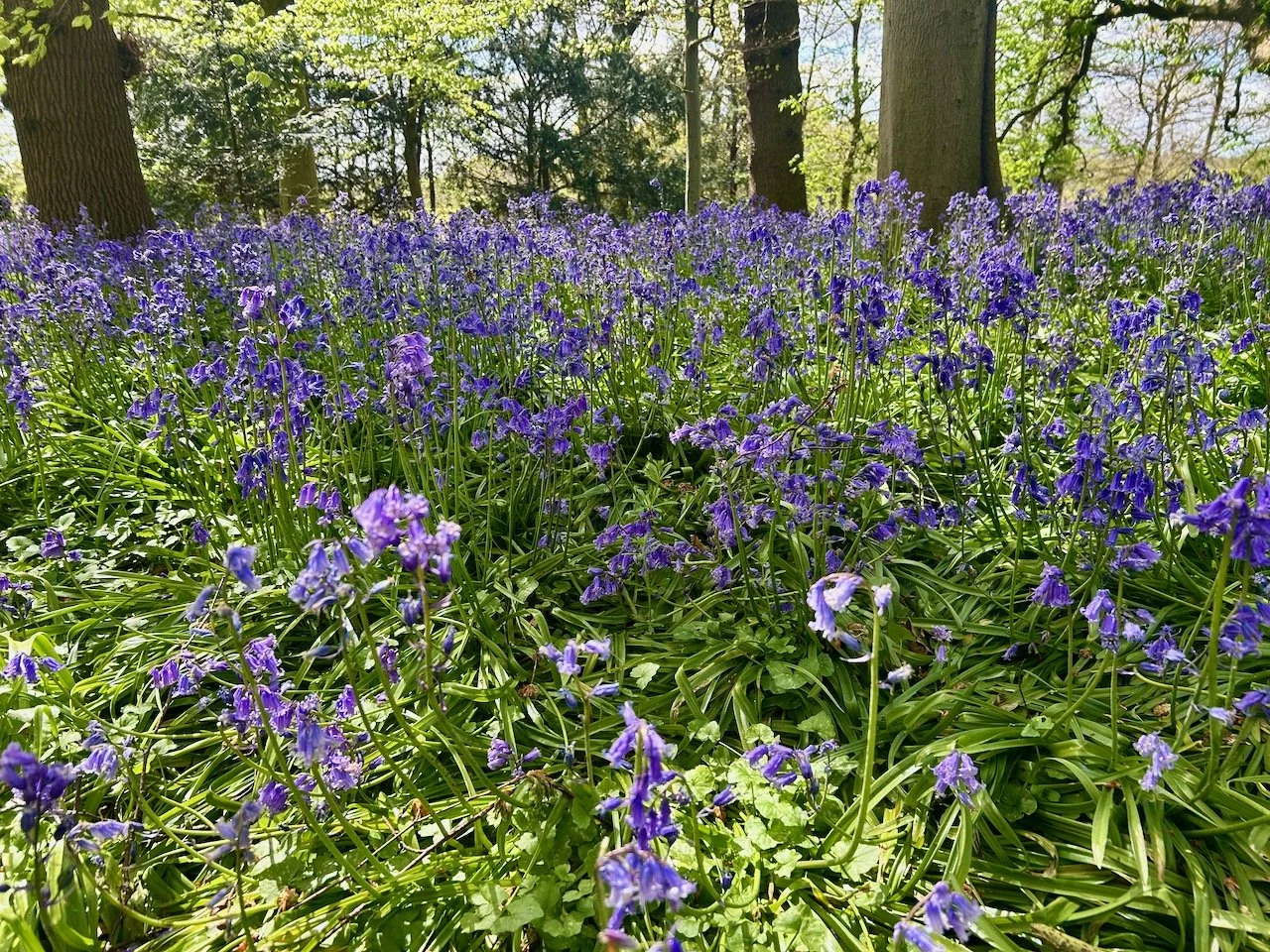
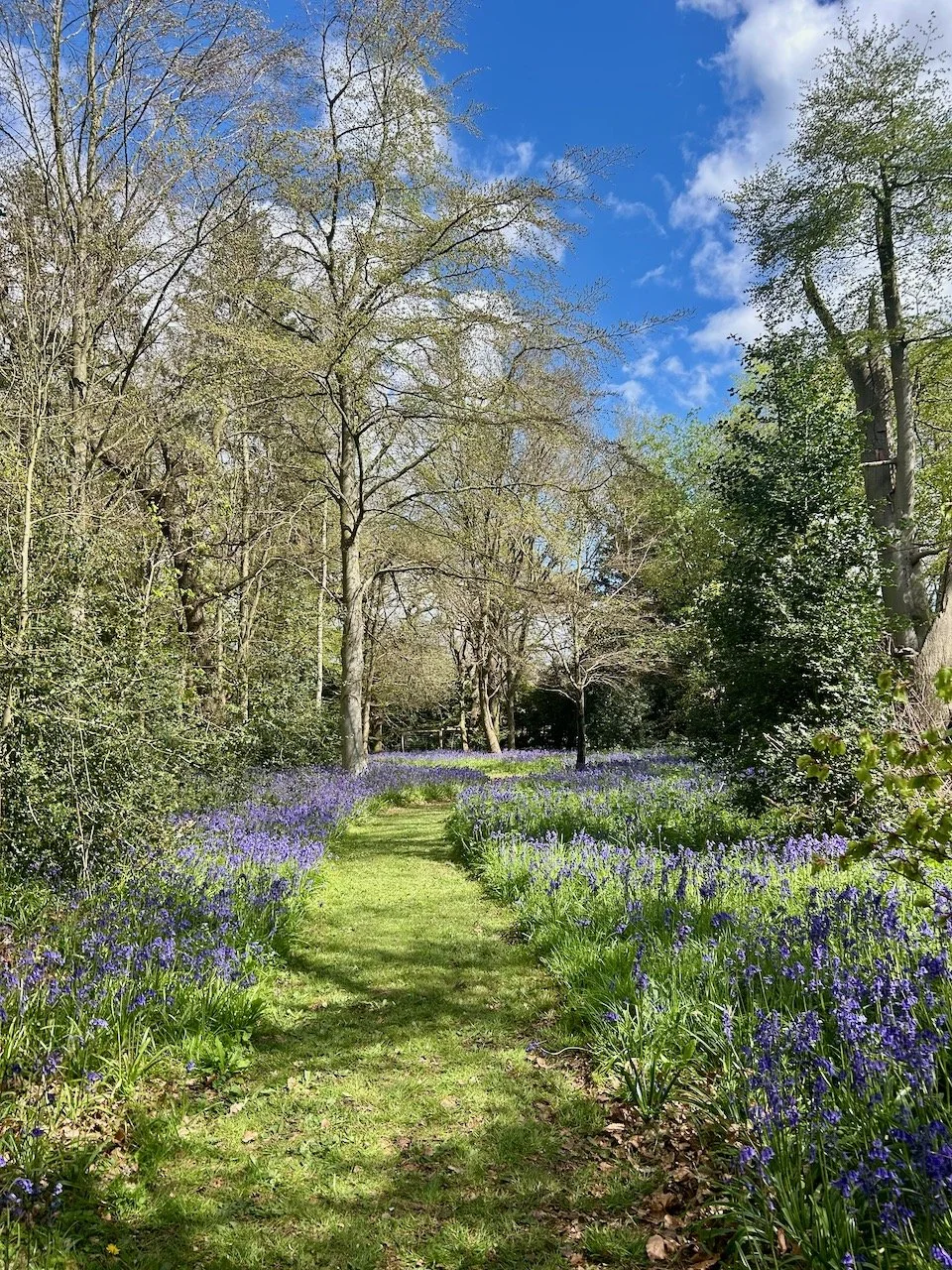
Closer to home we enjoyed the Bluebell walk at local Flintham Hall. I don’t think I’ve ever seen so many bluebells before, but I’m more than happy to do so again. I was pleased to learn that the gardens will also open in May as part of the National Gardens Scheme, so I’m looking forward to another visit to see a different part of the grounds.

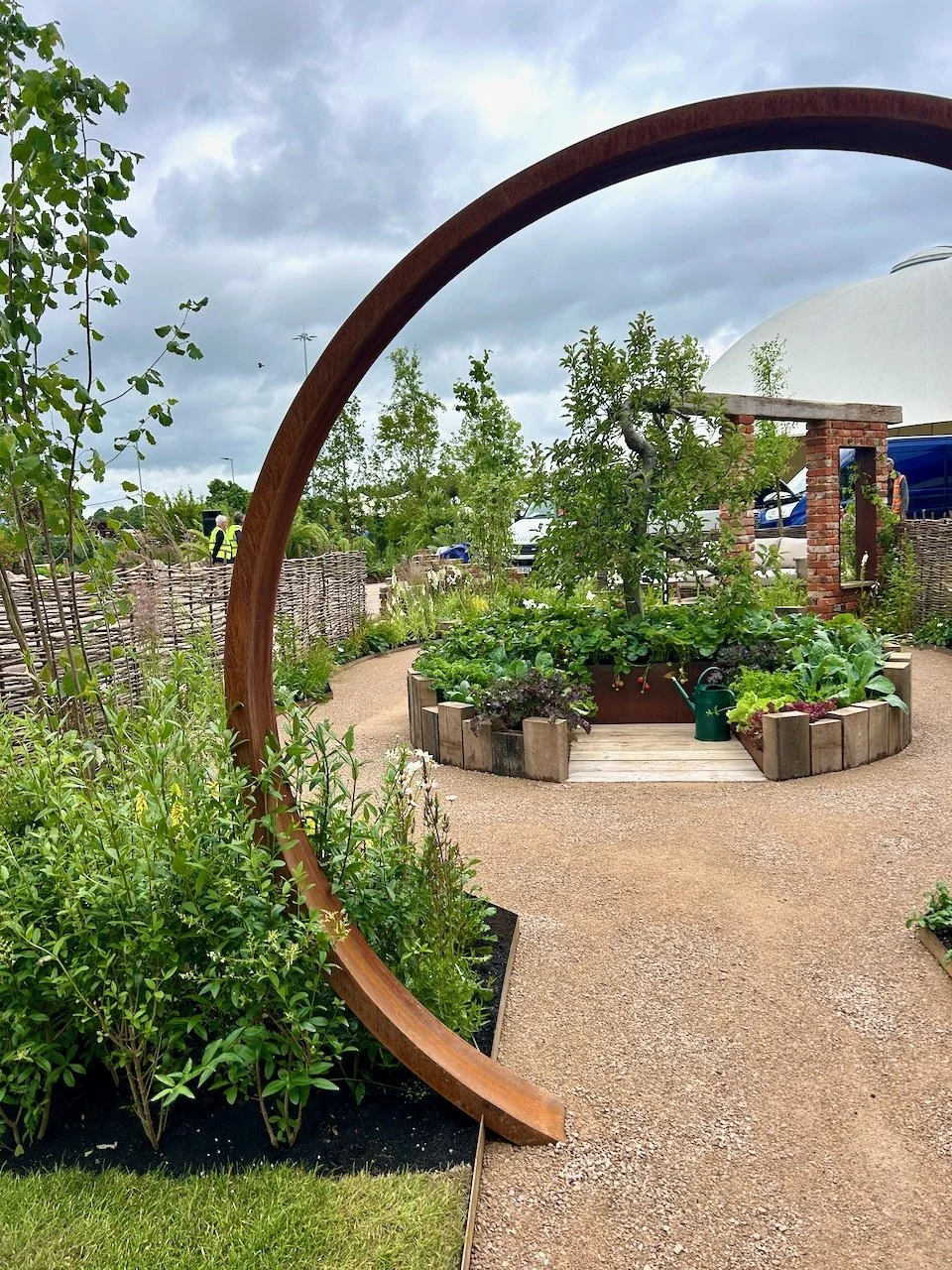
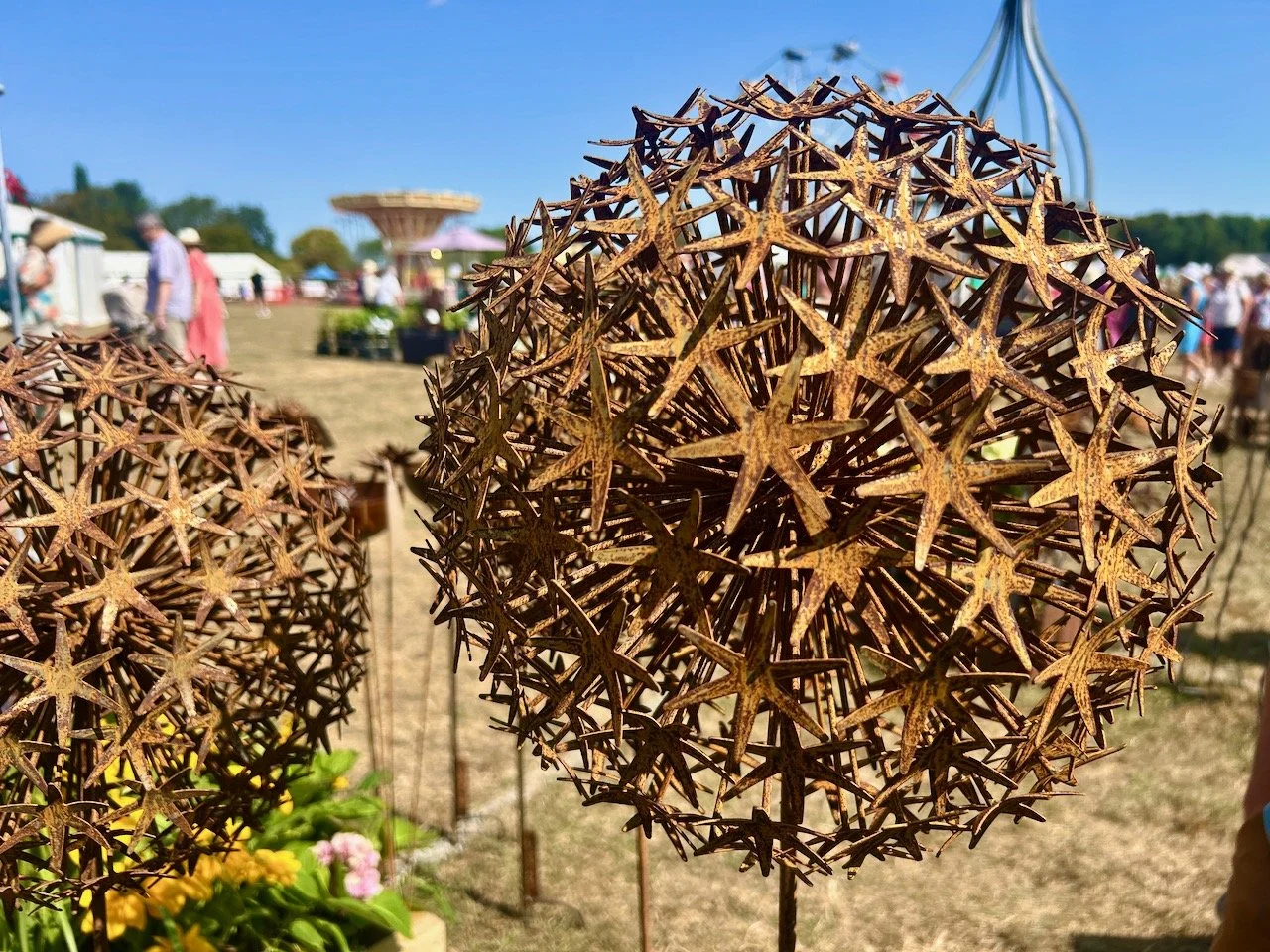
It’s also the time of year for the Newark Garden Show and we went along on the first day of the show, this year armed with a ‘possible plant list’ - we did buy some of those, but we also bought off list, including a lilac rhododendron, which has been on a longer term wish list. Though for some reason my camera roll is of random shots like the one below, which I guess means it’s more inspiration and future shopping based, than just a day out.
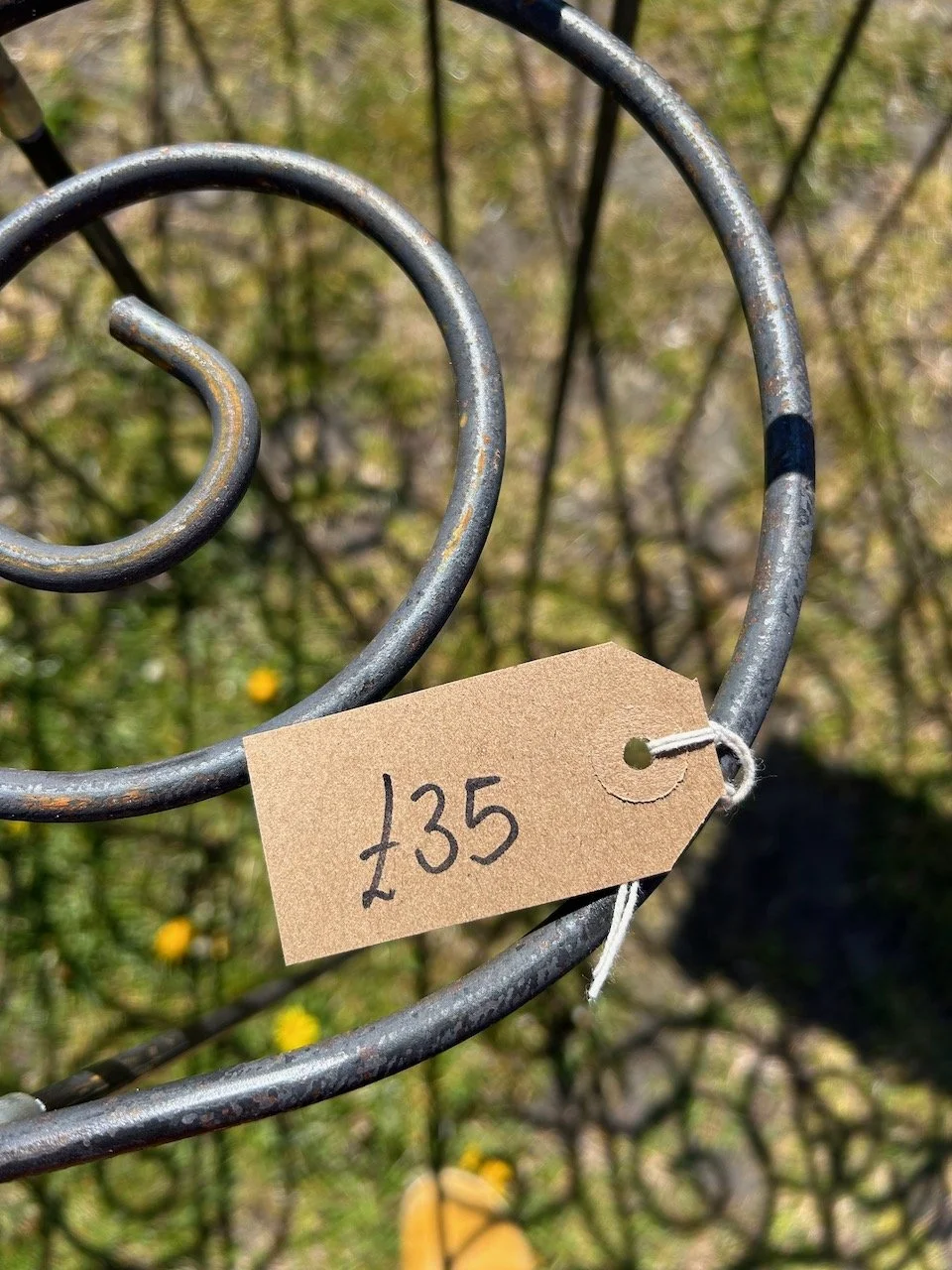
A card price tag on a steel circular plant support

We’ve been holiday planning and looking at returning to the Loire region of France, this time travelling all the way by train. If we’re lucky we may add some cycling to this, or we may just stick with some walking, but our plans include staying at a chateau or two, some wine tasting and return visit to the Chateau and gardens of Villandry.

We’ve had our first barbecue of the year - amazing for April - and tried a new to us restaurant in Nottingham, thoroughly enjoying our meal at Skein, so I’m pretty sure we’ll be back. There’s been a Portuguese wine tasting in Newark, but I found most of the wines more ‘challenging’ than previously but the evening was designed to showcase the diversity in the region, and it certainly did that.

I also discovered that my gold trainers cause my achilles pain, so I’ll be giving those a very wide berth for the foreseeable future; and when in Nottingham last week I seemed to have randomly hurt the top of my foot, the same one obviously, so I’ve been icing and elevating it as much as I can, which seems to have done the trick. I know that for the RICE approach there’s supposed to be the ‘rest’ element too - but with the Newark Garden Show and a quilt show at Uttoxeter almost immediately after the random swelling, that was always going to be tricky.

I went along to the Quilt & Stitch Village show with friends from my sewing group. It’s a show that wouldn’t have even been on my radar before I moved here, but it was a great little show which is held at the racecourse, and as it’s just an hour and a half away by train, so that’s what we did. The station is right next to the racecourse, so as walking goes it was relatively lighter than expected, which was definitely good for me.
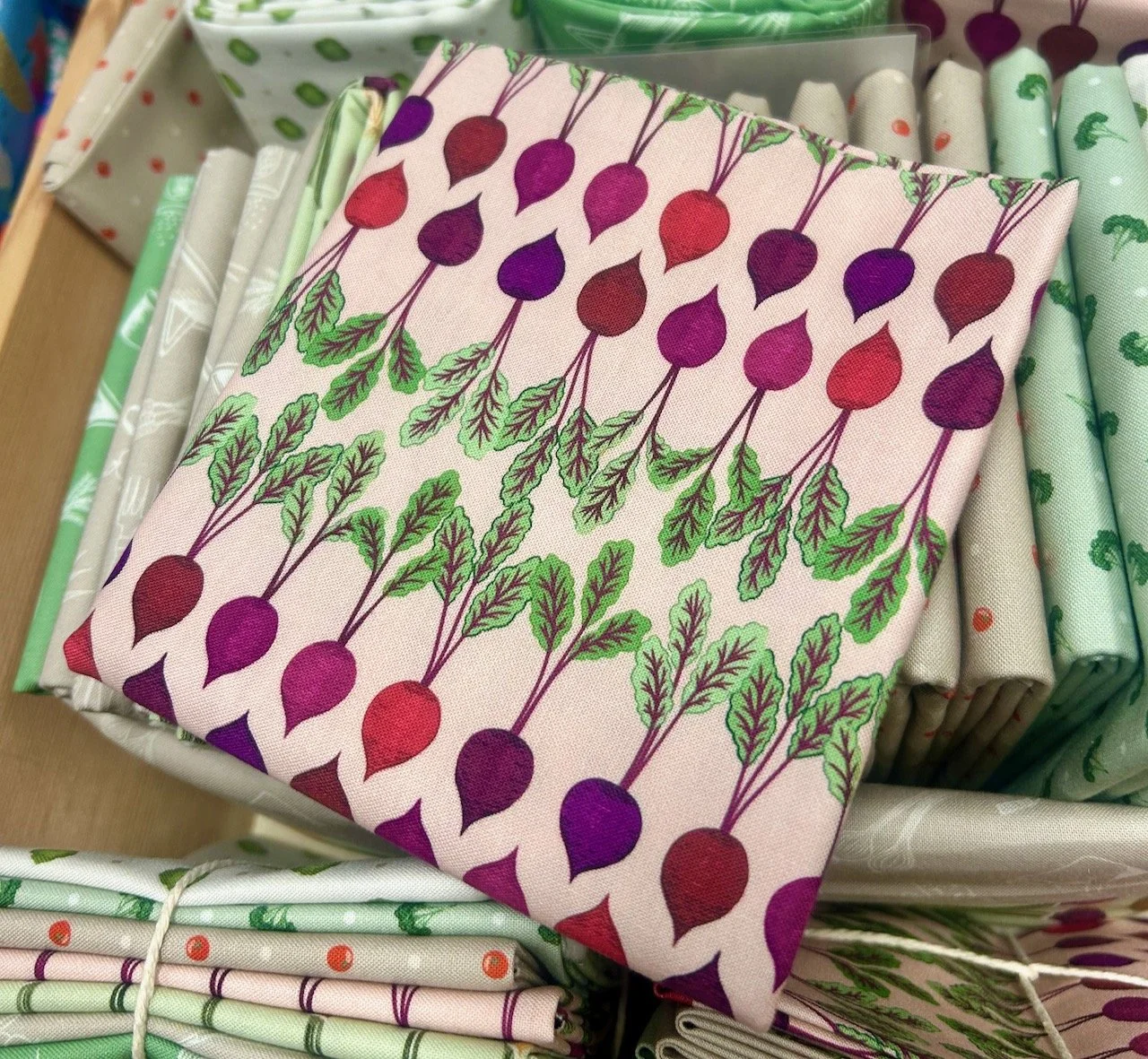
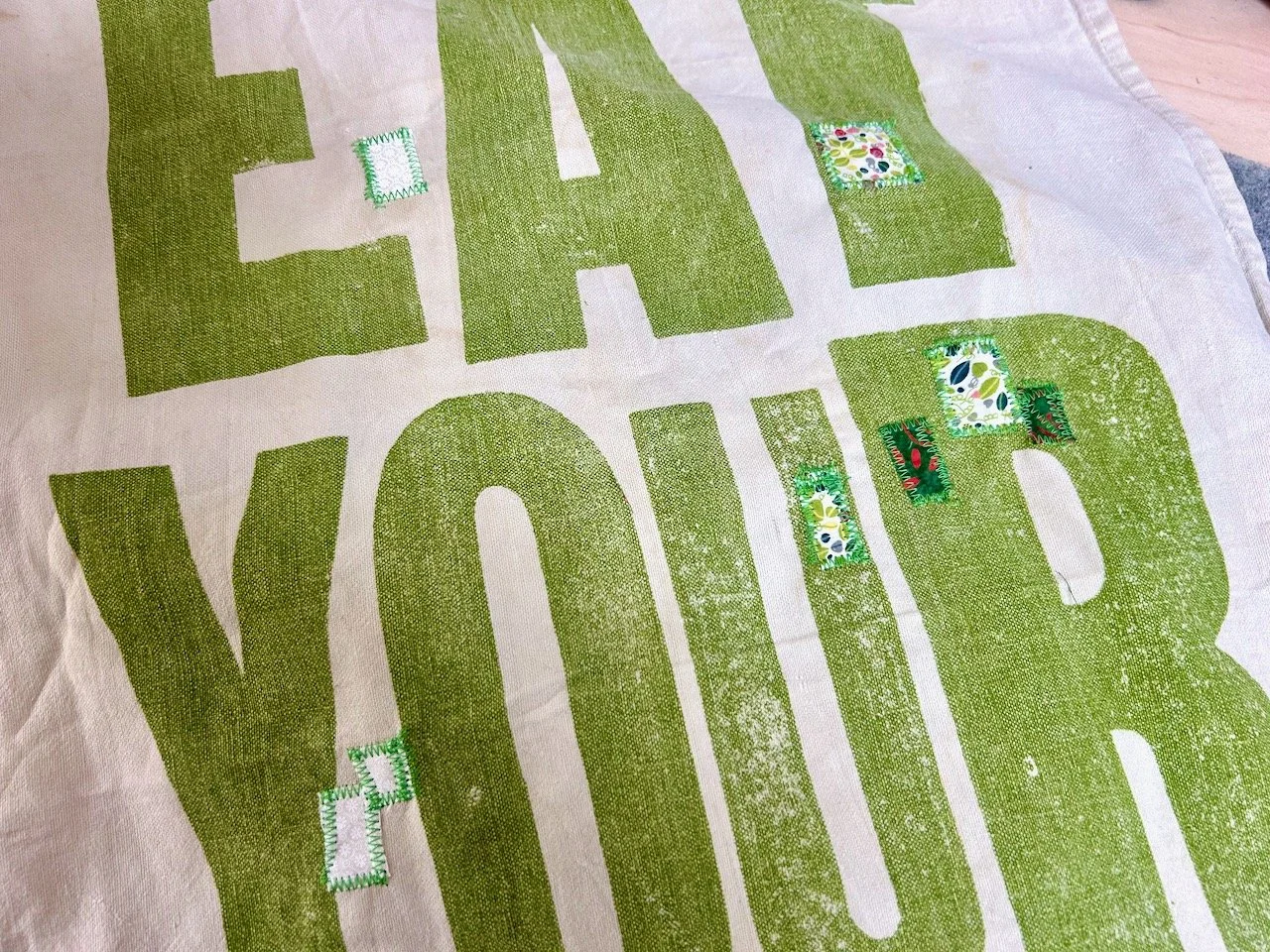
A fat quarter of fabric printed with a cute beetroot design

Though I never thought I’d be buying material with beetroots and onions on, but I did - and I love them. I’ve no plans yet, but I’d not seen anything like this before and knew instantly that they’d be coming home with me. It was great to see some new to me suppliers at the show, along with some familiar favourites, and of course there was also a quilt or two on display!

Over the past however long I’ve been crocheting larger granny squares at my crochet in the pub group, and this month I reached the eight squares I’d been aiming for. My plan is to use them to embellish a tote bag, but first I had plenty of ends to sew in. It’s not my most favourite job, but remarkably they were sewn in within a couple of days - look out for the finished project which I’m hoping to share soon.
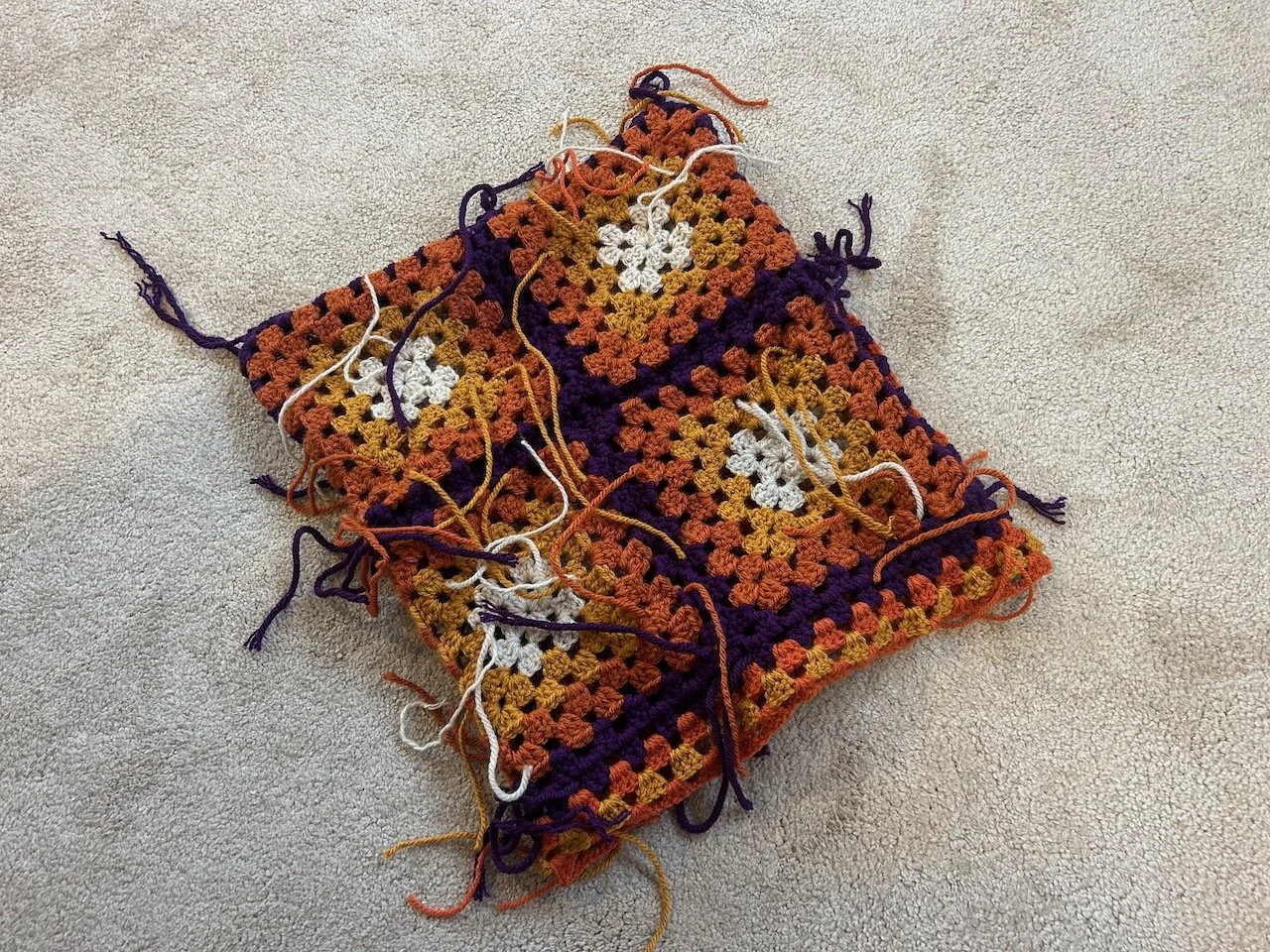
My crocheted granny squares joined together - the ends need sewing in

I also realised that I probably had enough scrappy houses now to make my first ‘village quilt’, and so today I’ve finished my first charity quilt of the year. I’d hoped to have finished it and shared it before now, but that life surprise got in the way of this too, so that quilt update will also follow soon, I hope.

I signed myself up for the online taster weekend for the Thread Academy as I’d seen Jo Avery’s delightful ‘Dream Birds Coin Purse’ and thought I’d have a go at making my own. I mean, a bird shaped pouch - what’s not to like.
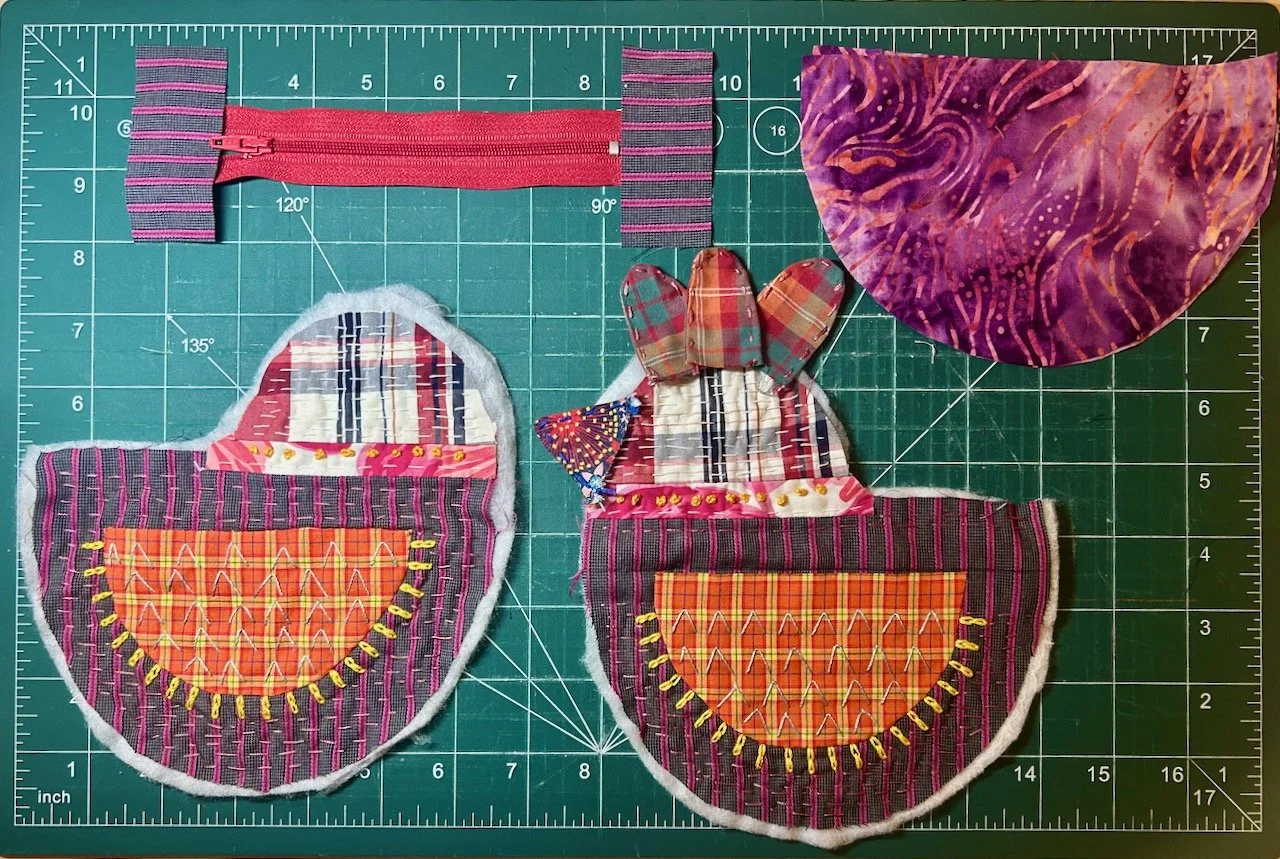
The components - part assembled - for my version of Jo Avery's Dream Birds Coin Purse

This is as far as I’ve got at the moment, and clearly the taster weekend has been and gone now, but I have enough information and hopefully wherewithal to finish it and to do it justice. Isn’t it super cute already though?

So that was April, both brilliant and at times uplanned and unexpected. I’m hoping that May, my birthday month, goes a little more to plan!
Bluebells (and tulips) at Flintham Hall

Last weekend was the annual Bluebell Walk at nearby Flintham Hall raising money for the village’s church, St Augustine and the village hall charity. It’s a private residence so it’s a great opportunity to see a bit more of the local area which we wouldn’t normally see, and a very generous way to raise money for the village in which it’s situated.

And it was busy. We finished the walk and got a cuppa in the village hall around 1pm and the hall was rammed, and the cakes were few and far between. Last year there will still cakes at 3.30pm but this year they’d gone much earlier, which is great for raising funds but not so great for anyone still wanting cake. Luckily and for a change we didn’t mind, as we’d already planned to head to the village pub for lunch - though when we got there there was a coach load of people too, who were also quite taken aback by how busy the village was!

But anyway, back to the bluebells of which there were plenty, I’ve also thrown in a couple of photos of some tulips too as these were fabulous, and reminded me that I need more bulbs in my life (and my garden).

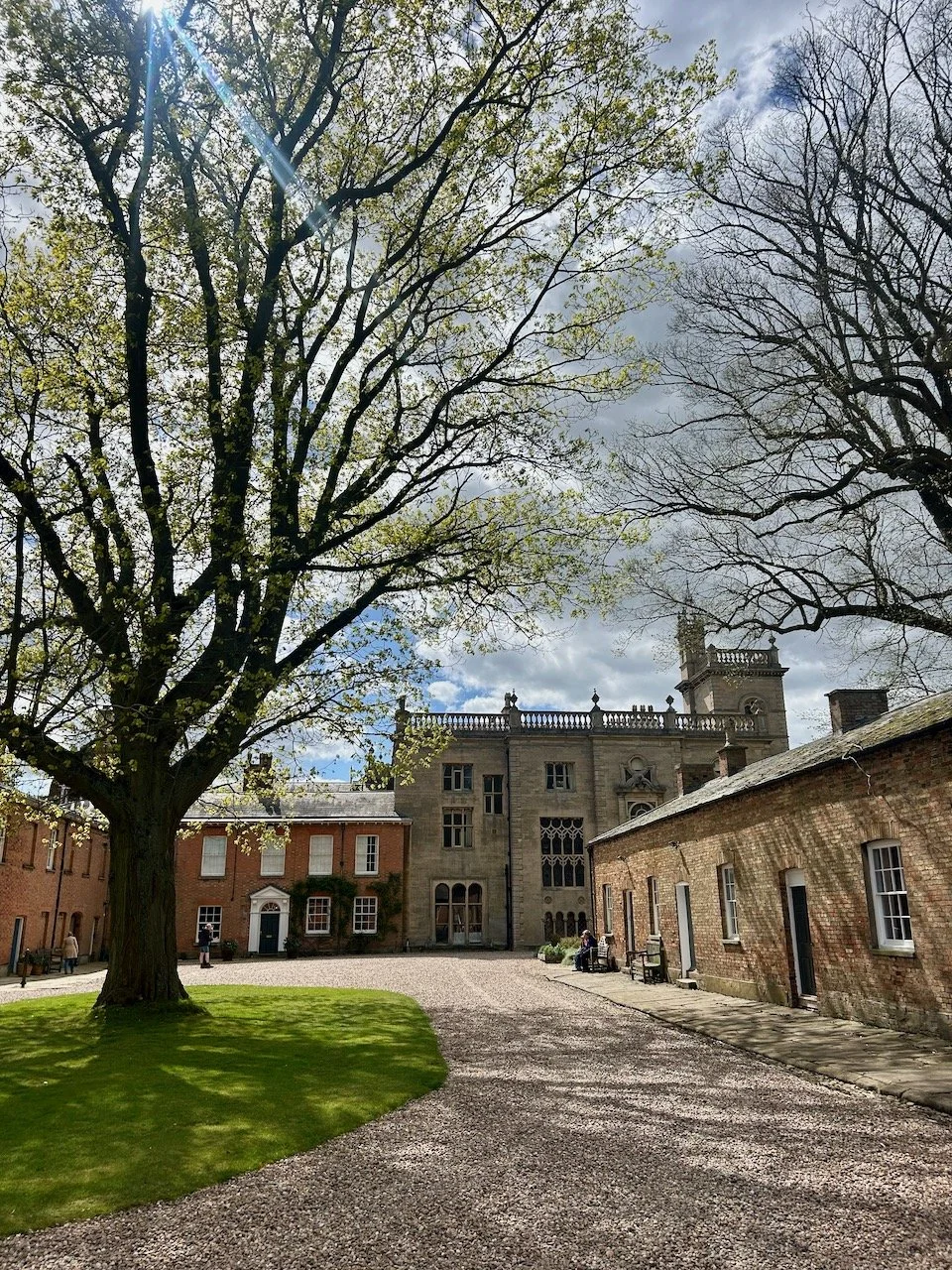
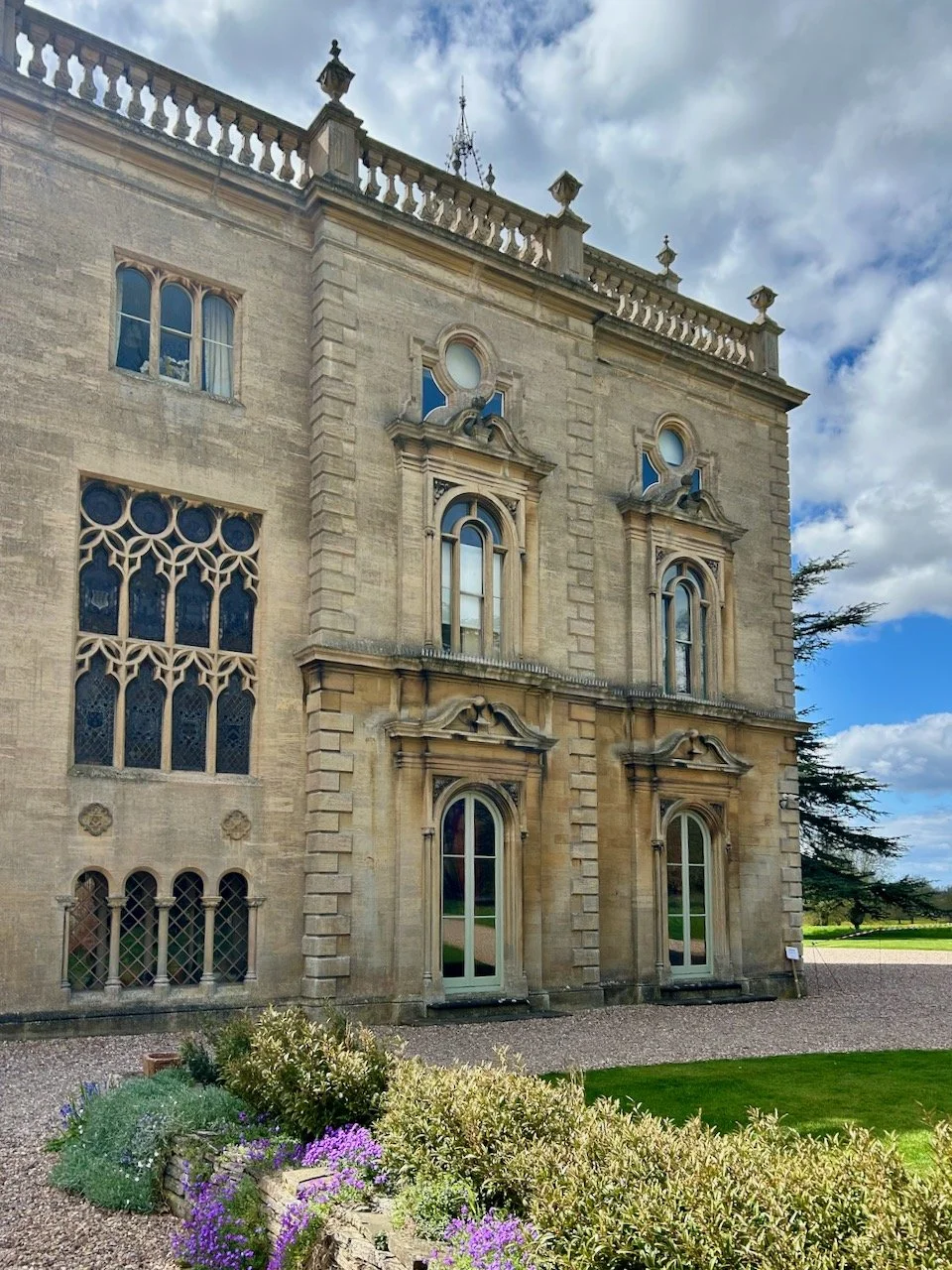
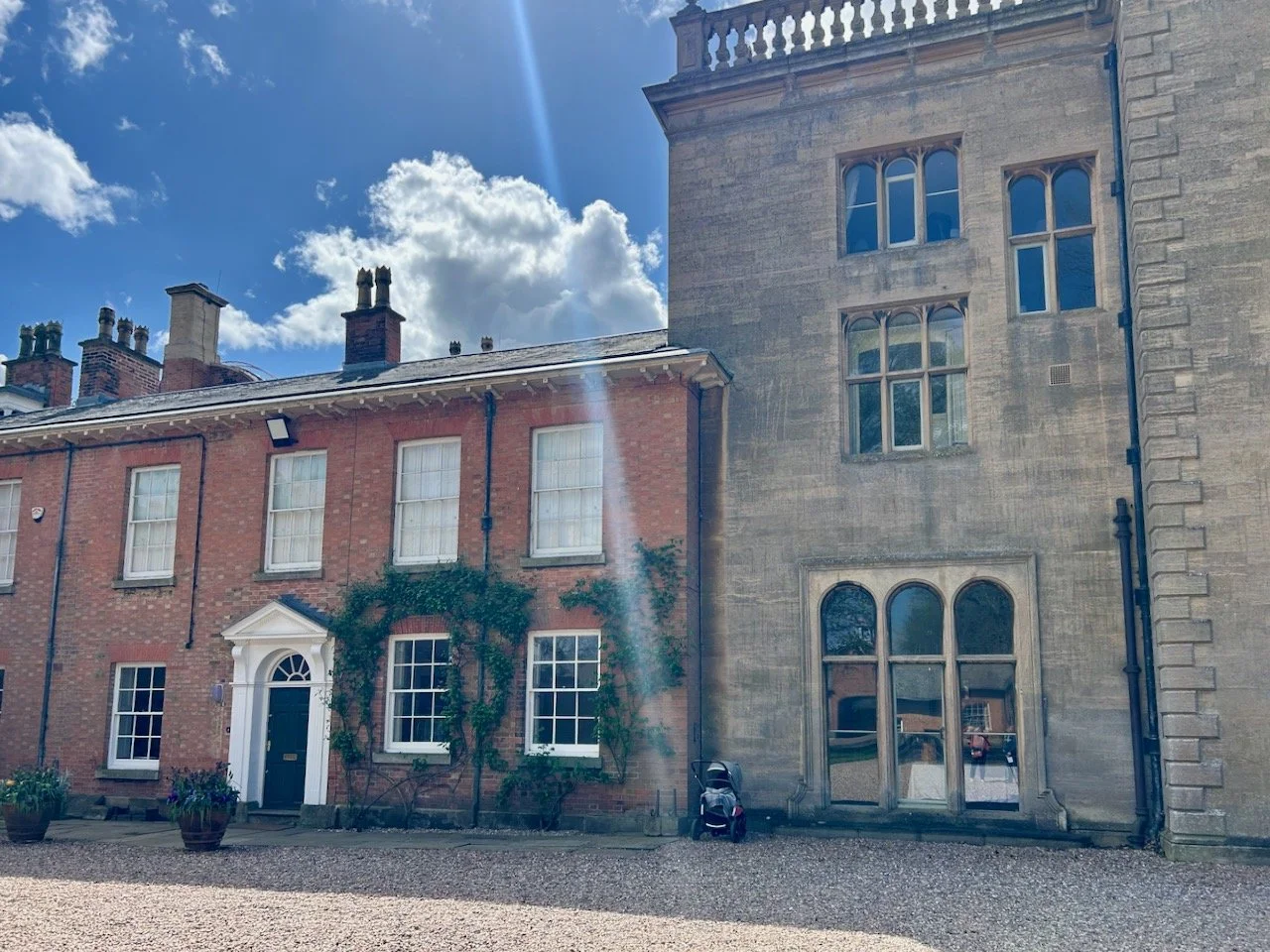
The hall itself was quite unusual and its present form was remodelled in an Italianate style, encasing earlier buildings on three sides in 1853-7. It’s on the site of an older medieval and Jacobean house which was rebuilt in 1798 and faced in Ancaster stone.

Flintham Hall, Nottinghamshire

It’s very ornate and looks a fabulous place but sadly it’s not open to the public. We started our visit in the courtyard and couldn’t help but wonder how the two styles of buildings came to be - is the more usual looking building on the right the equivalent of a Grand Designs glass box back in the day, who knows.

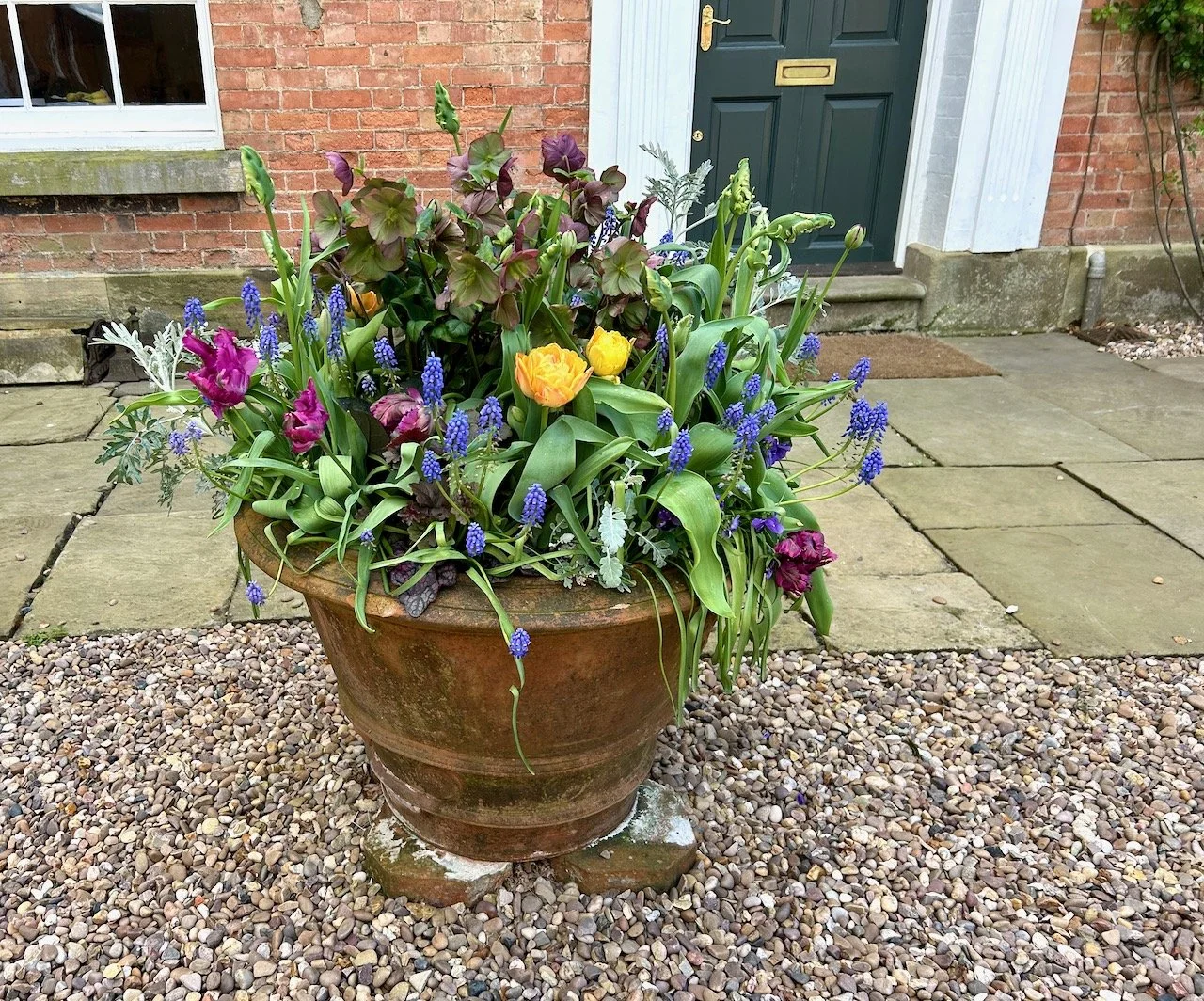
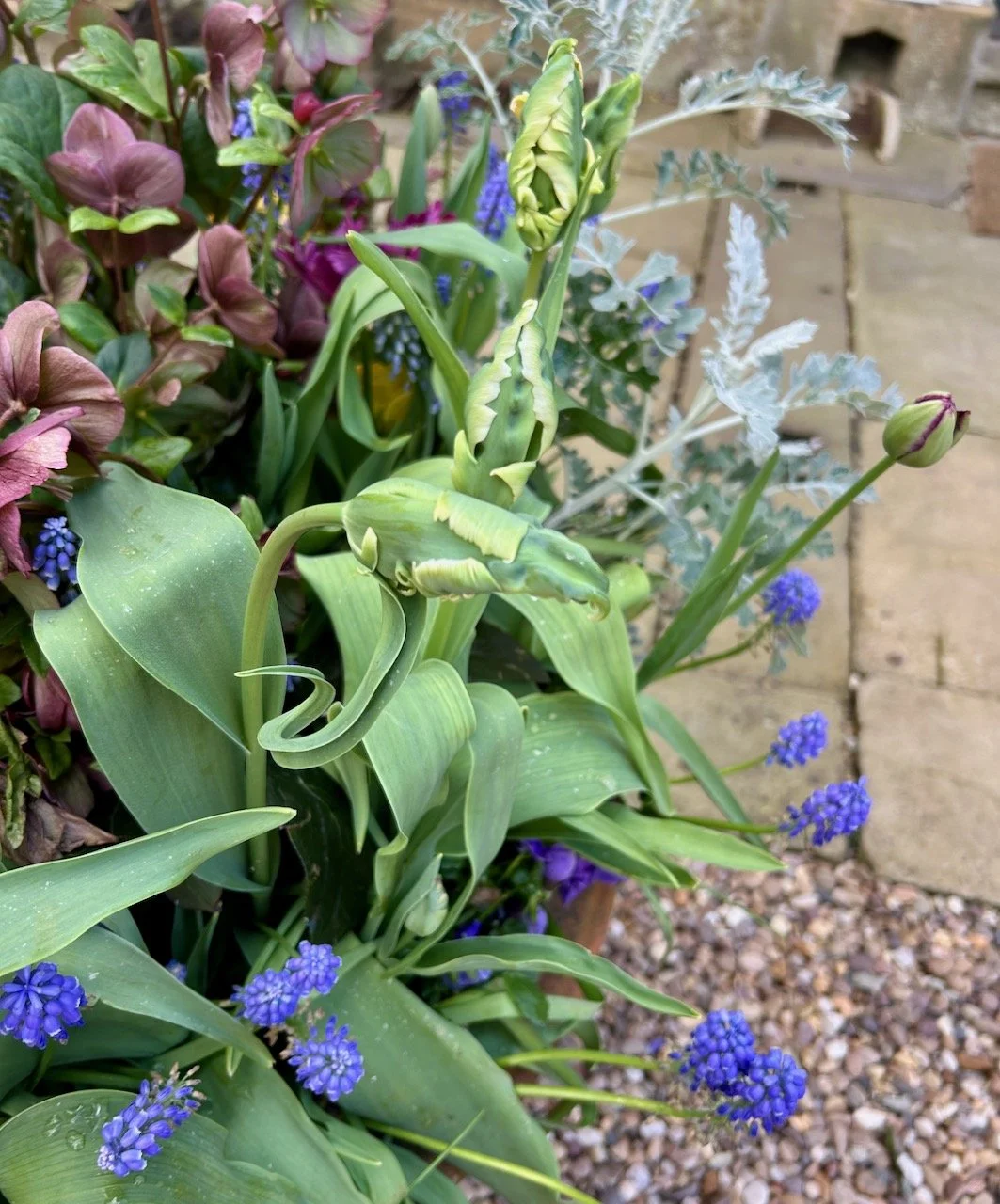
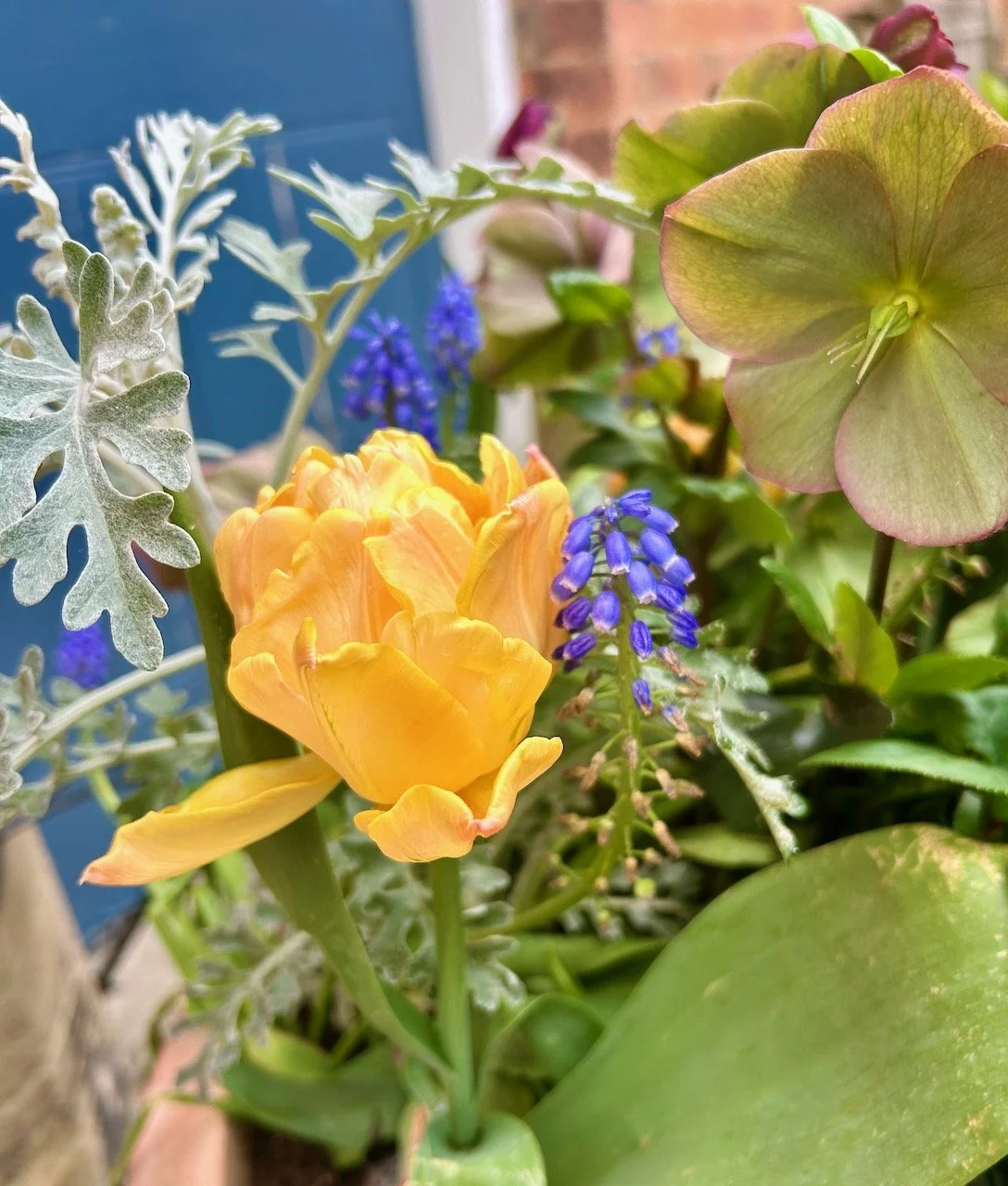
But anyway that’s where I spied the most wonderful pots of spring flowers. Alongside the tulips there were hellebores and grape hyacinths which all looked wonderful together, and clearly has been potted up by someone who’s done this before.

A large pot full of spring flowers
A closer look at the potted spring flowers

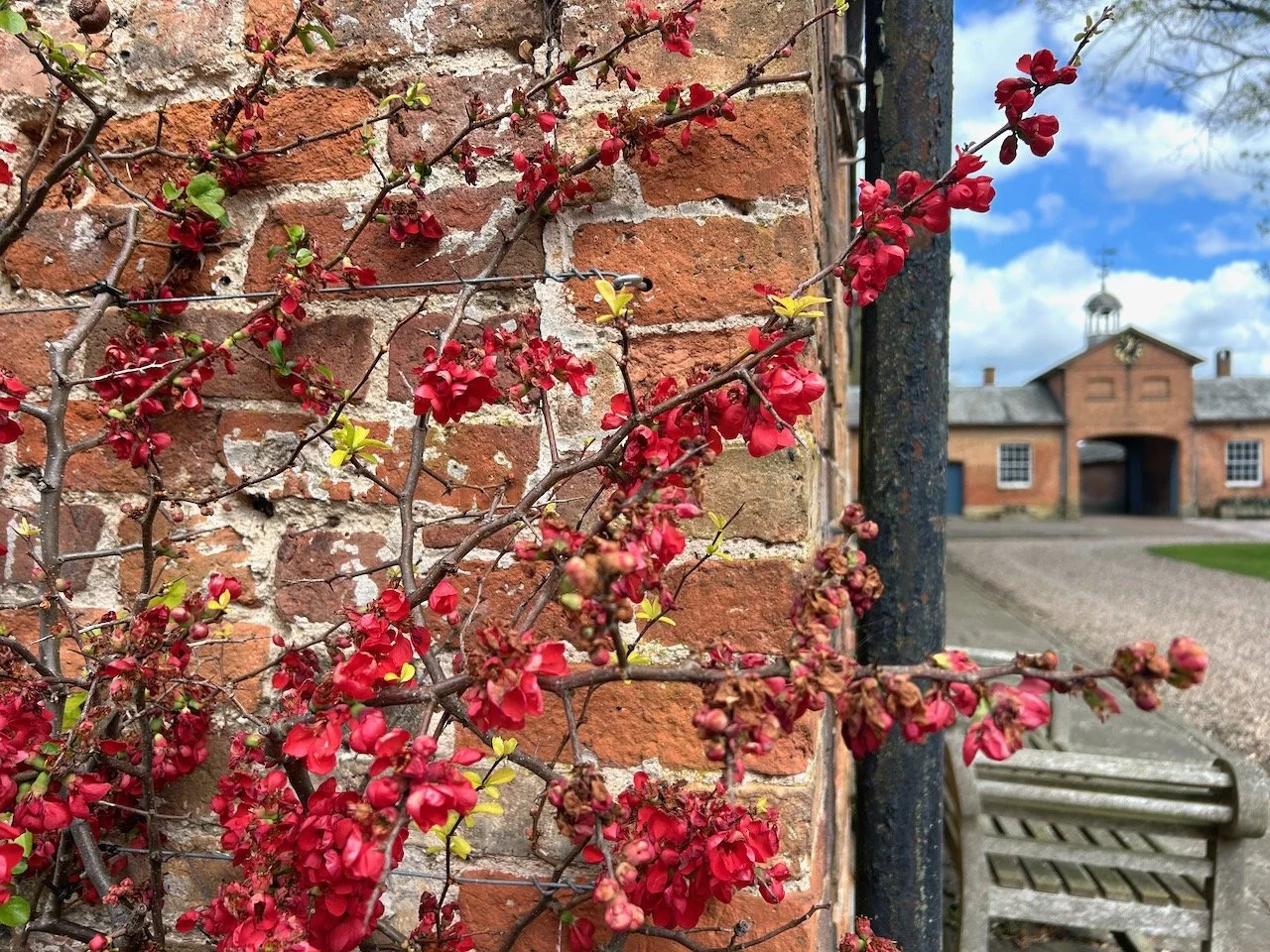
Across the courtyard was a blaze of red blossom which drew me over, and I was surprised to see that it was an ornamental quince, though it’s a bit past its best it still looked magnificent.

An ornamental quince growing against a brick wall

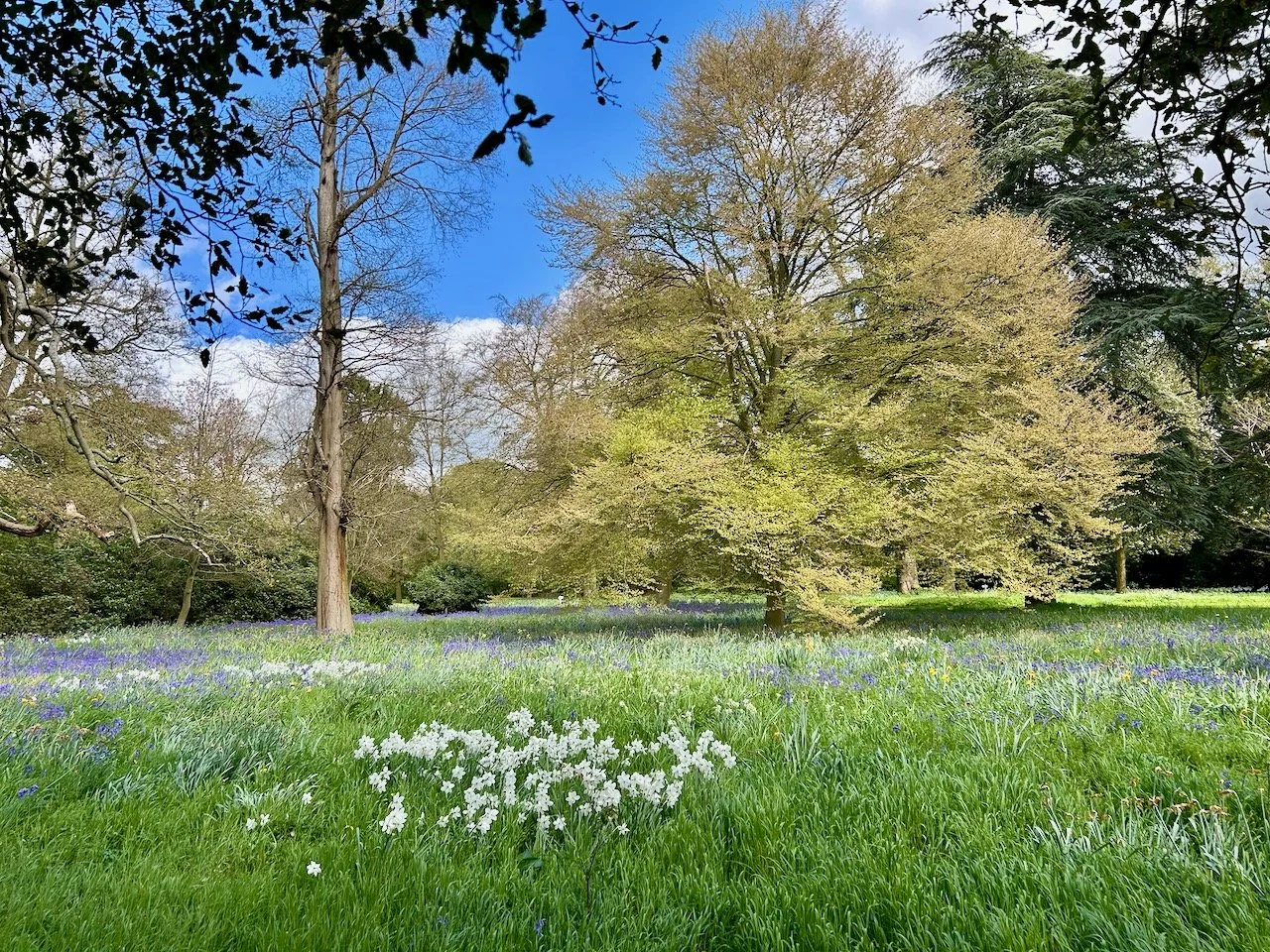
As we made our way to the Bluebell Walk we realised that the daffodils had already been and gone, and knew that they too would make a wonderful vista.

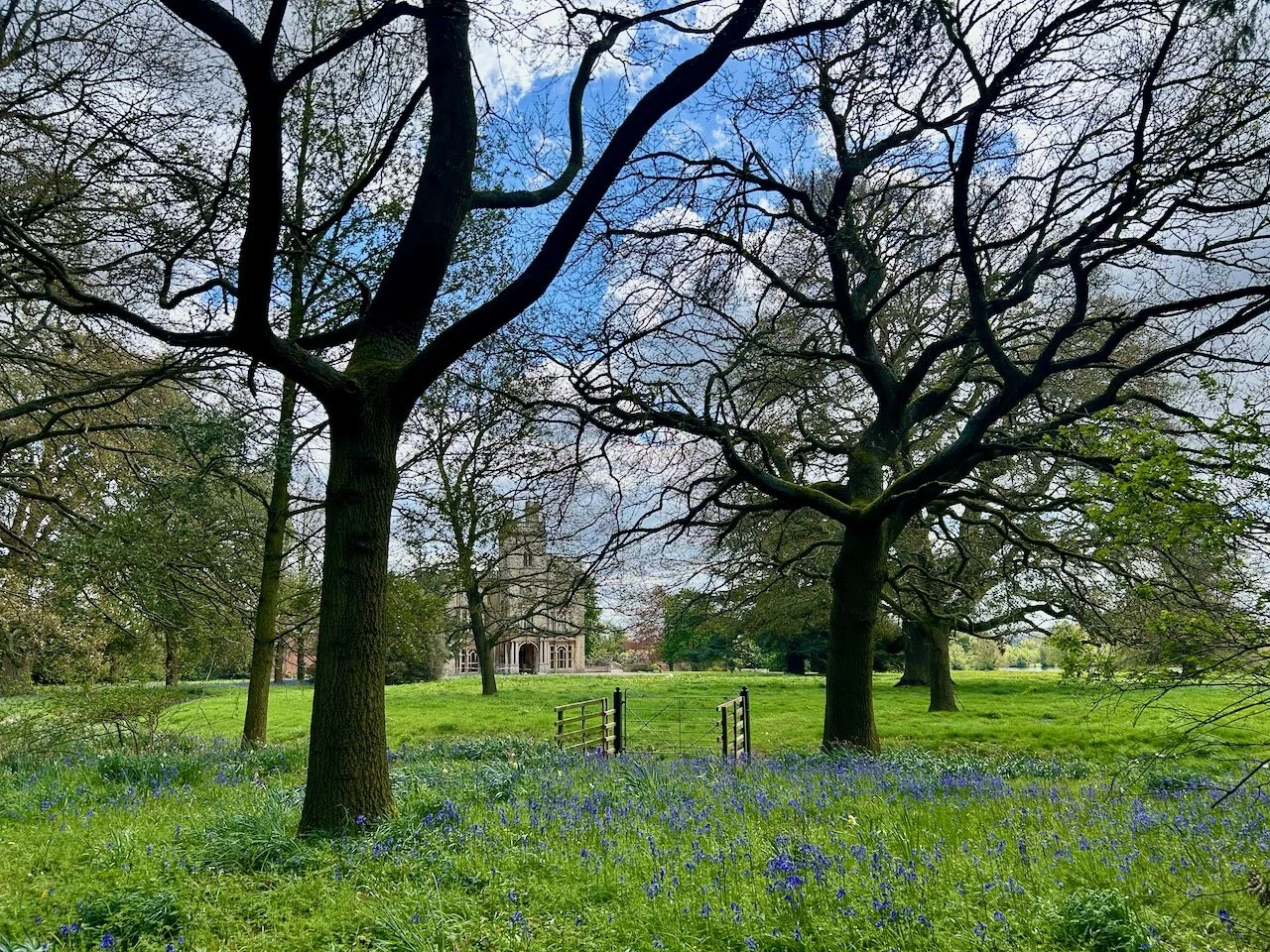
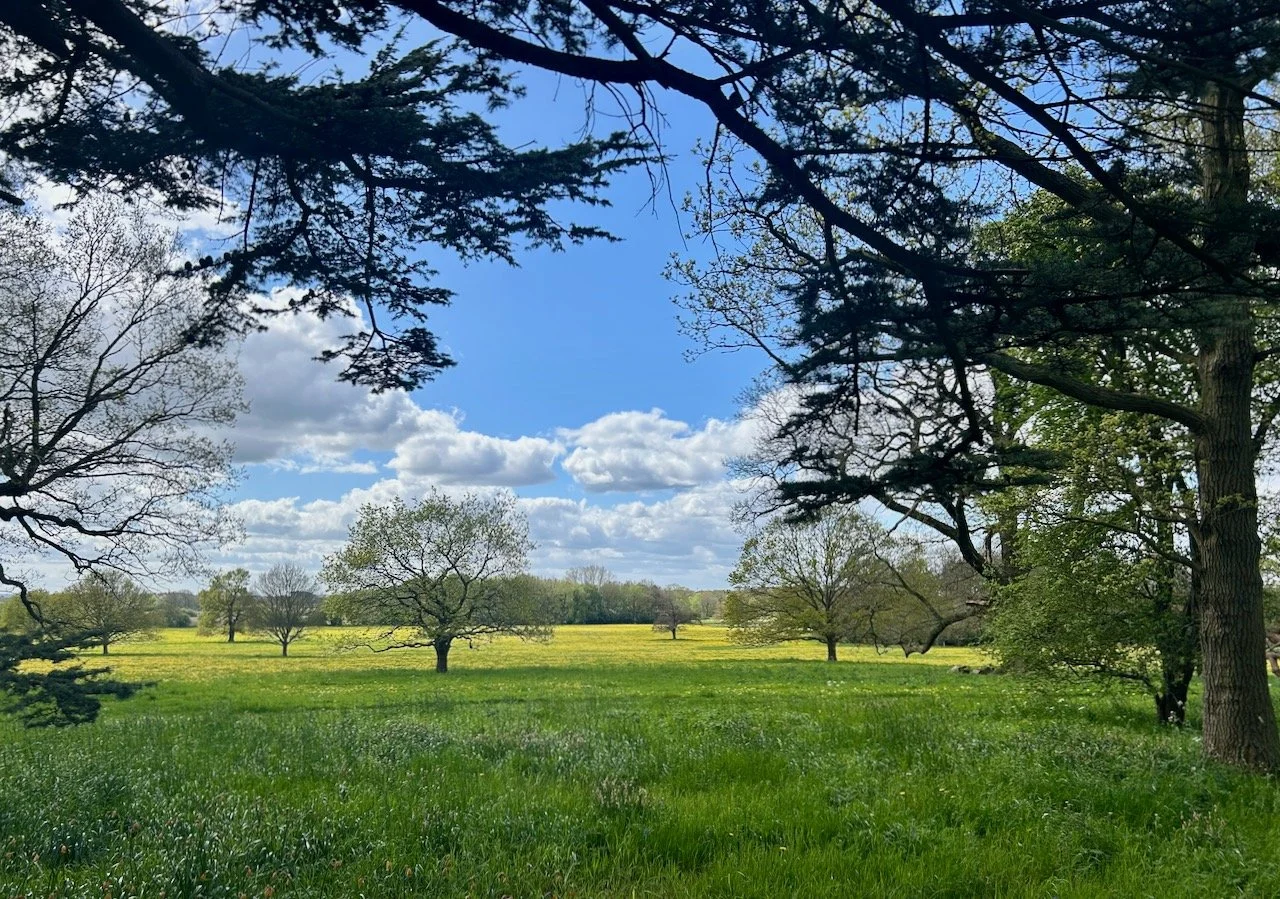
The grounds at Flintham Hall, Nottinghamshire

There were many points to stop and admire the view, and at this stage the bluebells hadn’t really started in earnest.

The grounds at Flintham Hall, Nottinghamshire

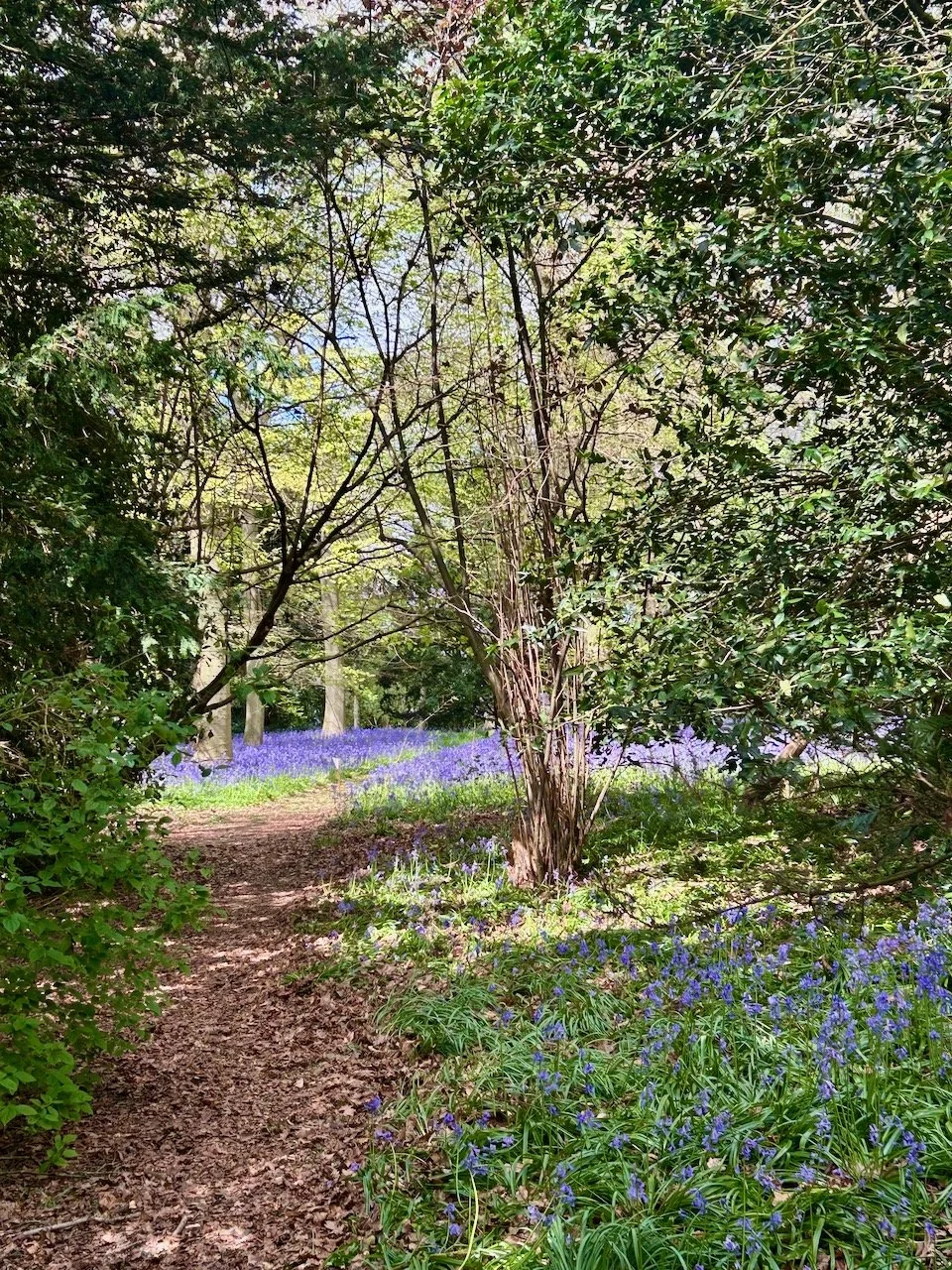
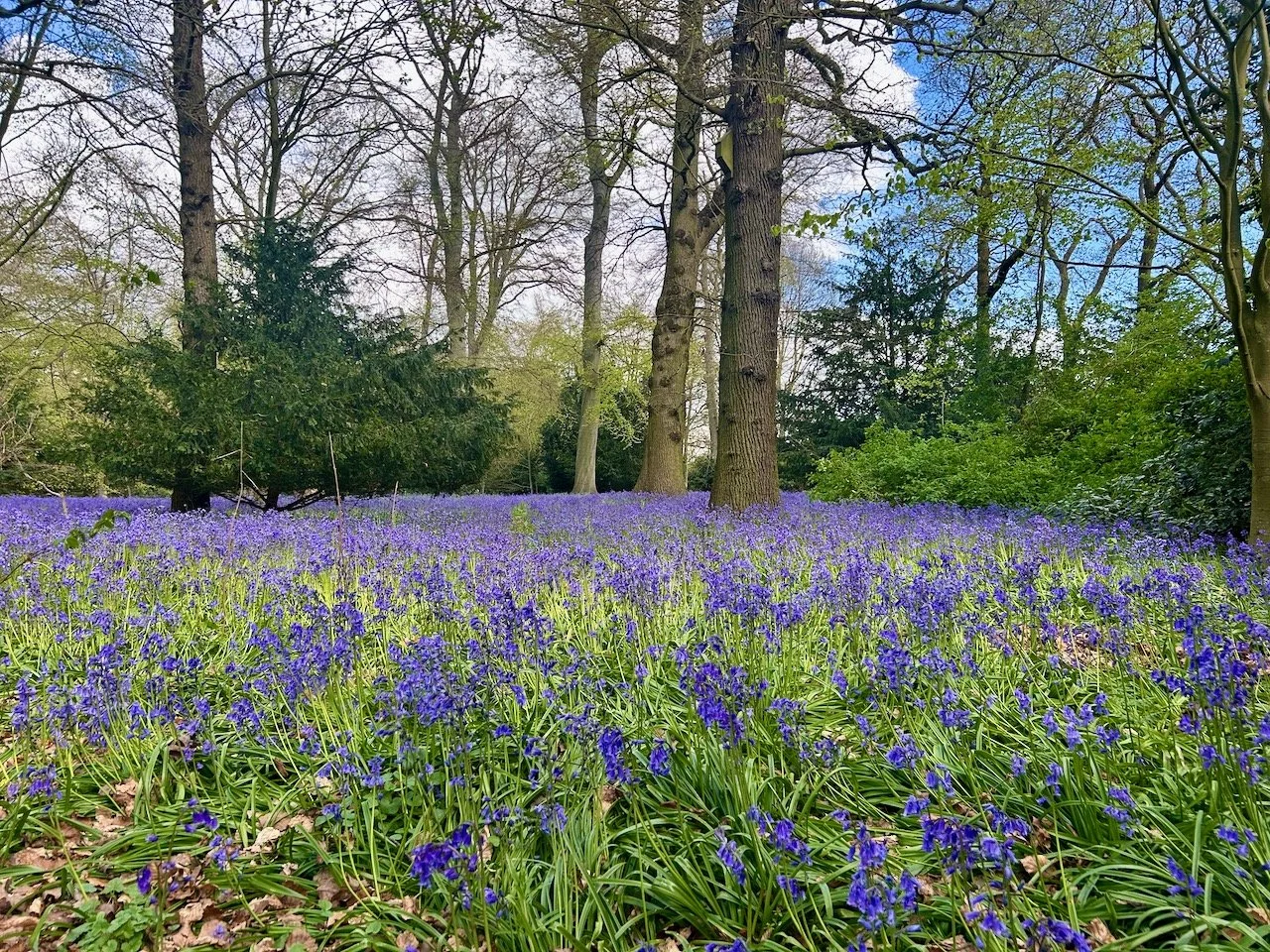
And then they did. And did they wow.

Bluebells in the grounds at Flintham Hall, Nottinghamshire

The woodlands here are believed to date back to the early 1800s, and it’s assumed that the choice of oak was in patriotic support of the oak shipbuilding crisis in the 1700s. It took approximately 6000 mature oak trees to build a single battleship, so it’s easy to see why a crisis would occur. Many landowners planted oak forests as the UK forests became depleted, though they were never felled as they take approximately 400 years to reach maturity - and in that time ships began to be made from metals and composite materials, but it’s our gain as if they’re all like this one they definitely add to our countryside.

Bluebells in the grounds at Flintham Hall, Nottinghamshire

The bluebells grow so well here because it’s an oak spinney. The plants require very acidic soil to maintain their deep and soft blue hue and the decomposing oak leaves provide conditions which are ideal for the fragile bulbs to thrive.

The bluebells at Flintham Hall are native English Bluebells. They have a fine leaf, a gently drooping head and a soft scent - and the scent as we walked around the route was divine. The flowers grow from one side of the stem and they have a cream colour pollen in their centre, flowering between April and May each year. They’re also protected by law so they need to stay where they’re growing.

The Spanish Bluebell, introuced to the UK around the 1900s, is quite different. They are a more robust and bulky plant, with broader leaves and a dense cluster of flowers at the head of a thicker stem. They have no scent and can also be pink or white.

After smelling the scent of so many English Bluebells I think now I’m more likely to be know the difference, and it’s great that a very pleasant walk also brings new knowledge.

Bluebells in the grounds at Flintham Hall, Nottinghamshire

If you’re off to visit bluebells in a wood near you, remember to keep to the paths as it’s against the law to intentionally pick, uproot or destroy bluebells, and the best thing you can do is leave them as you found them so others can also enjoy them.

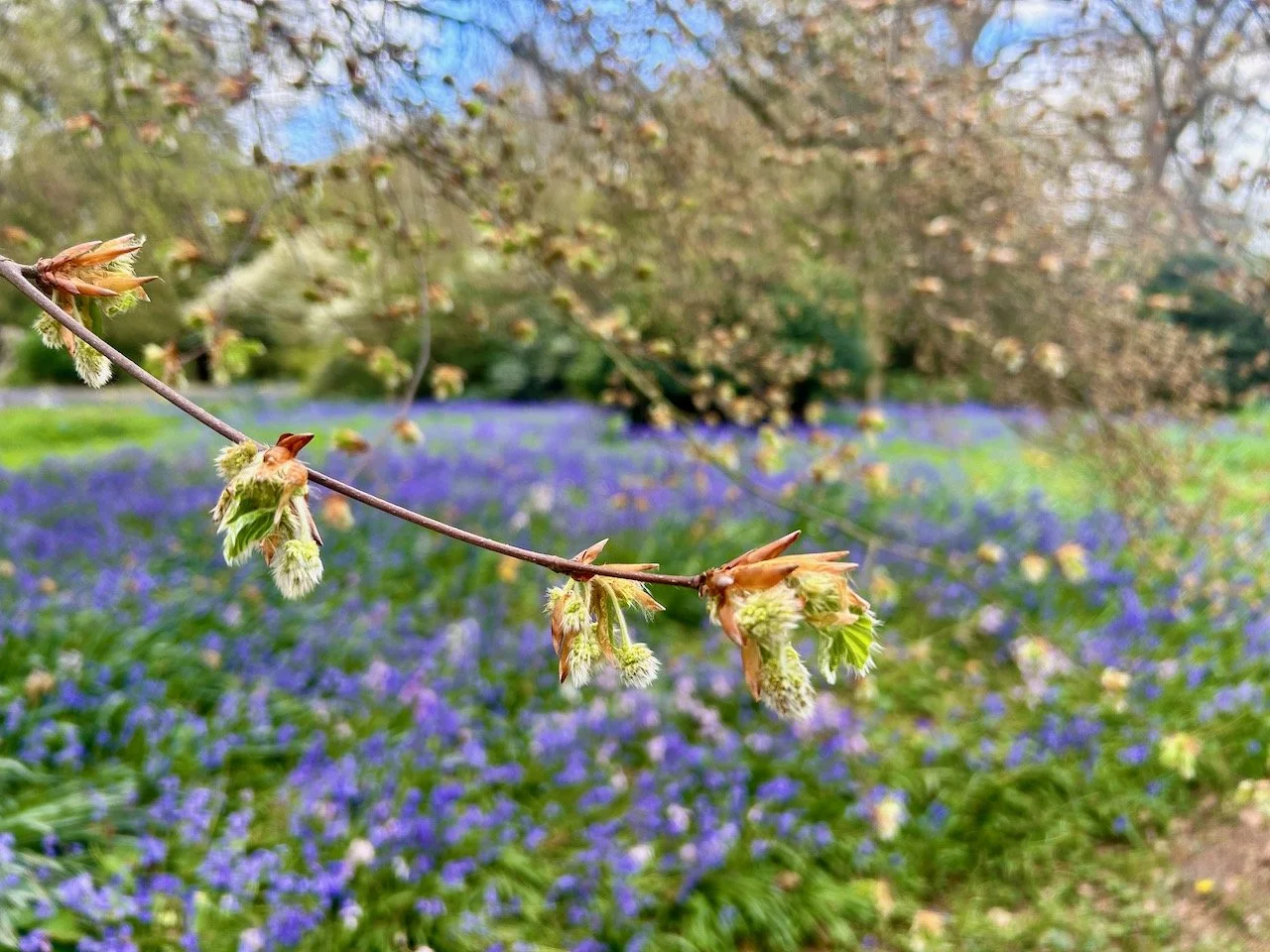
Blossom forming against the Bluebells in the grounds at Flintham Hall, Nottinghamshire
The courtyard at Flintham Hall, Nottinghamshire

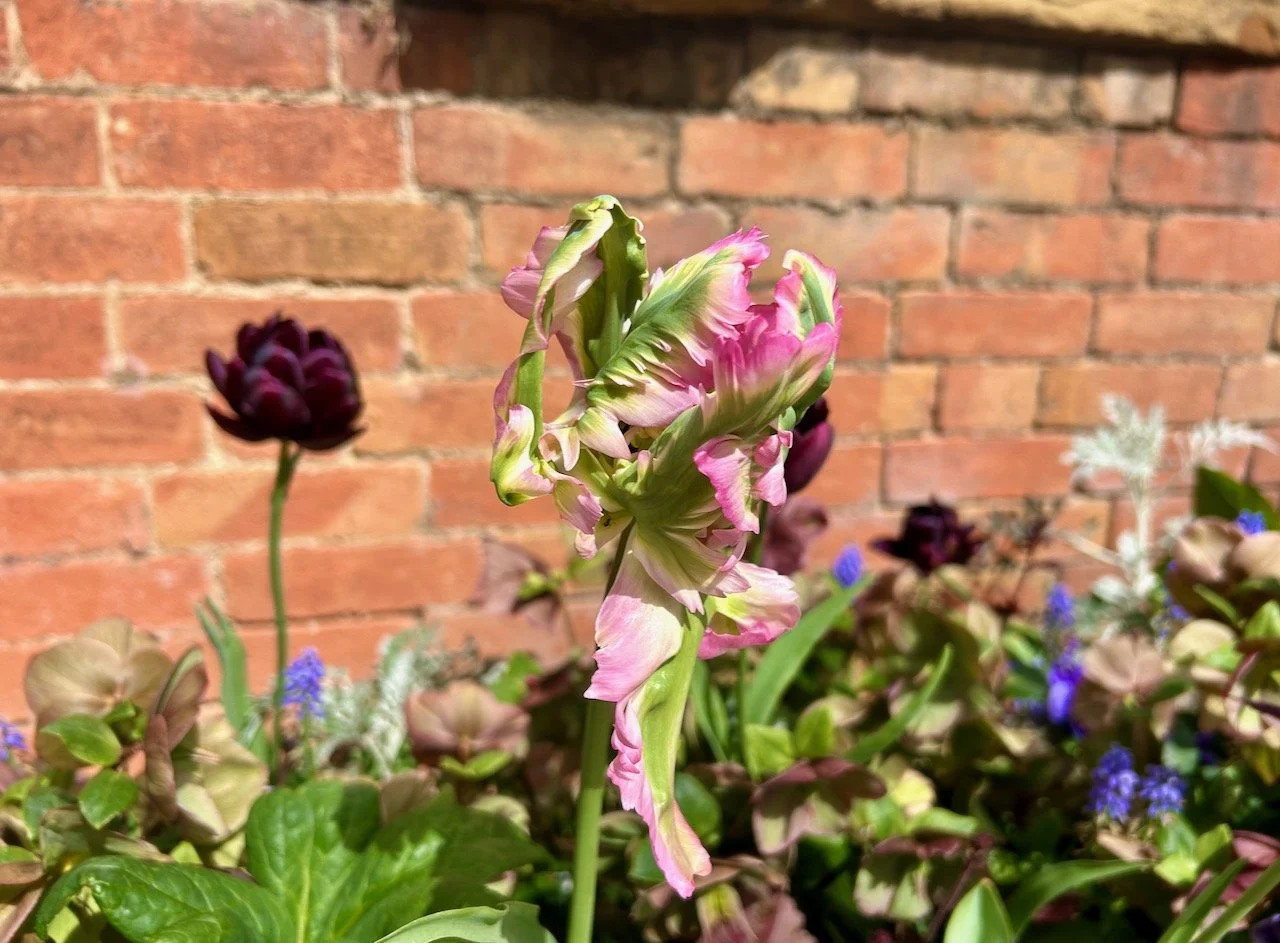
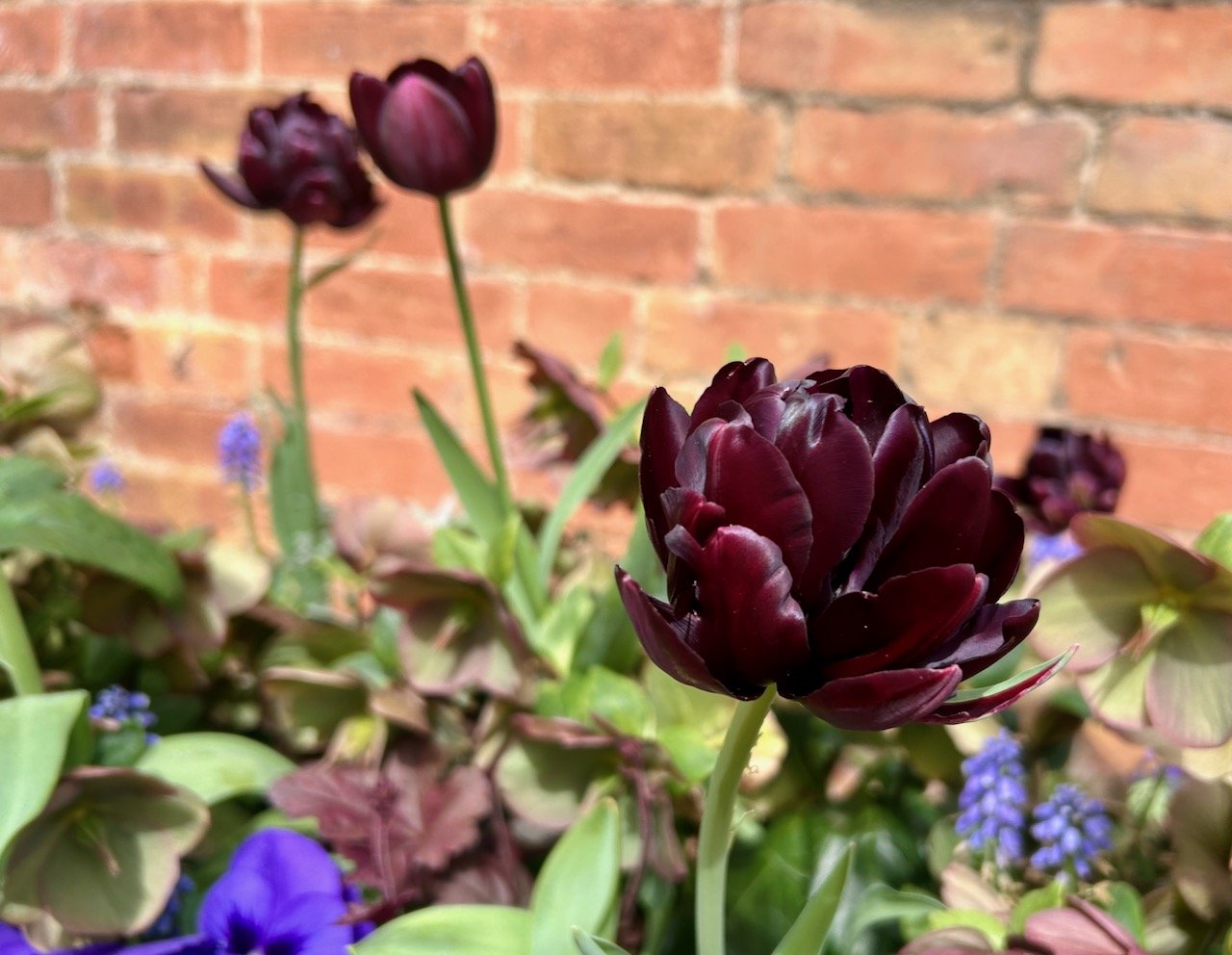
We ended our walk through the bluebells with a closer look around the Courtyard where we’d entered. I’m so glad we did, just look at these tulip beauties we might have missed otherwise.

A frilled tulip - looking beautiful
Dark 'black' double tulips

I was never too sure about the frilled tulips, but seeing the pink and green one above I’ve decided to completely change my mind. Tulips are most definitely on my garden shopping list!

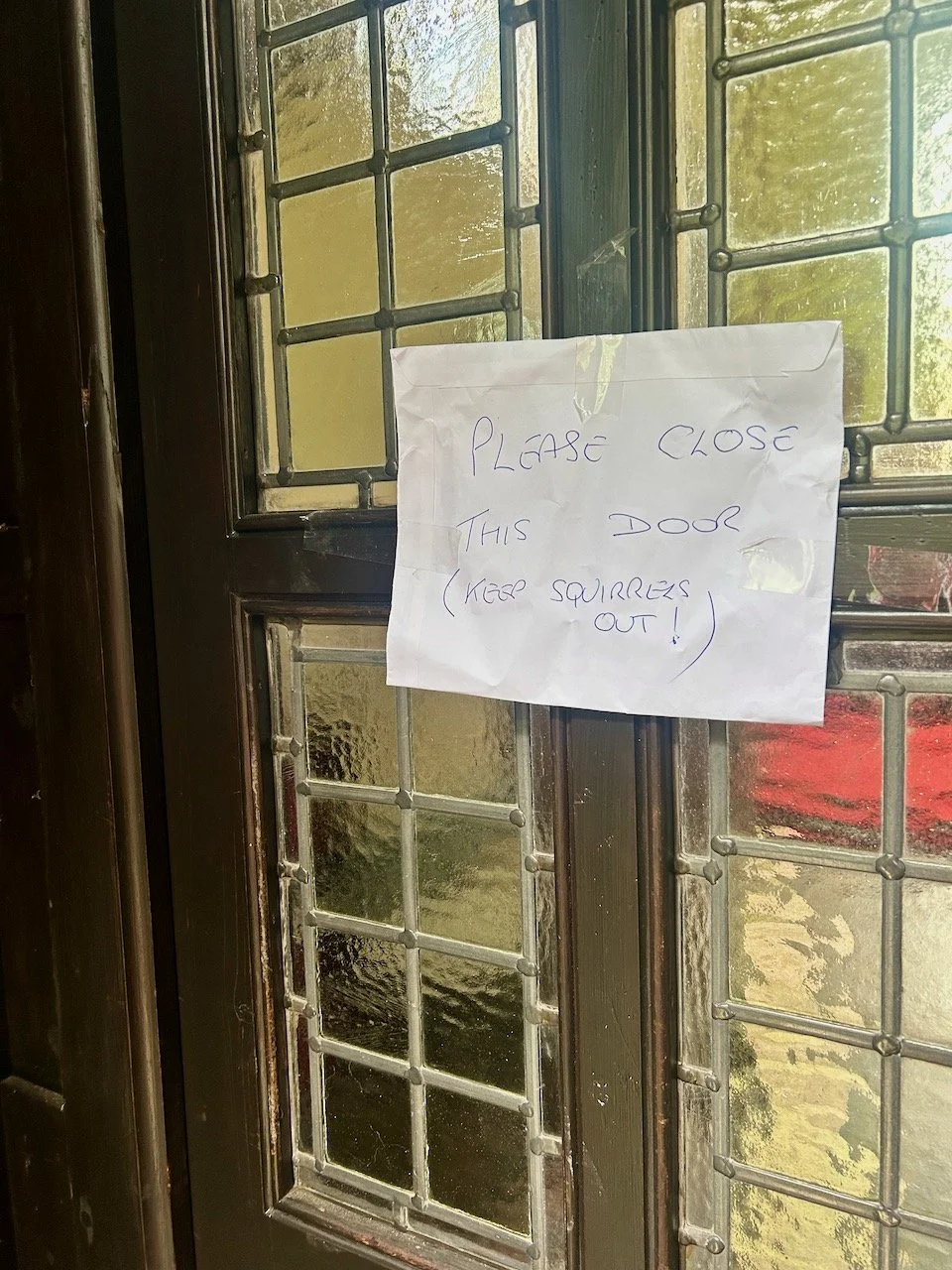
Before we headed to the pub, we had a look around the church with its very country handwritten - but what looked to be effective - note stuck to the door.

'Please close this door (keep squirrels out!) - handwritten note on the church door

St Augustine’s Church is only a small church but its served as a place of worship for almost a thousand years and was recorded in the monumental survey of medieval England, the Domesday Book of 1086. It has altar rails which date from about 1600 which are considered to be the oldest set of balustraded altar rails in South Nottinghamshire.

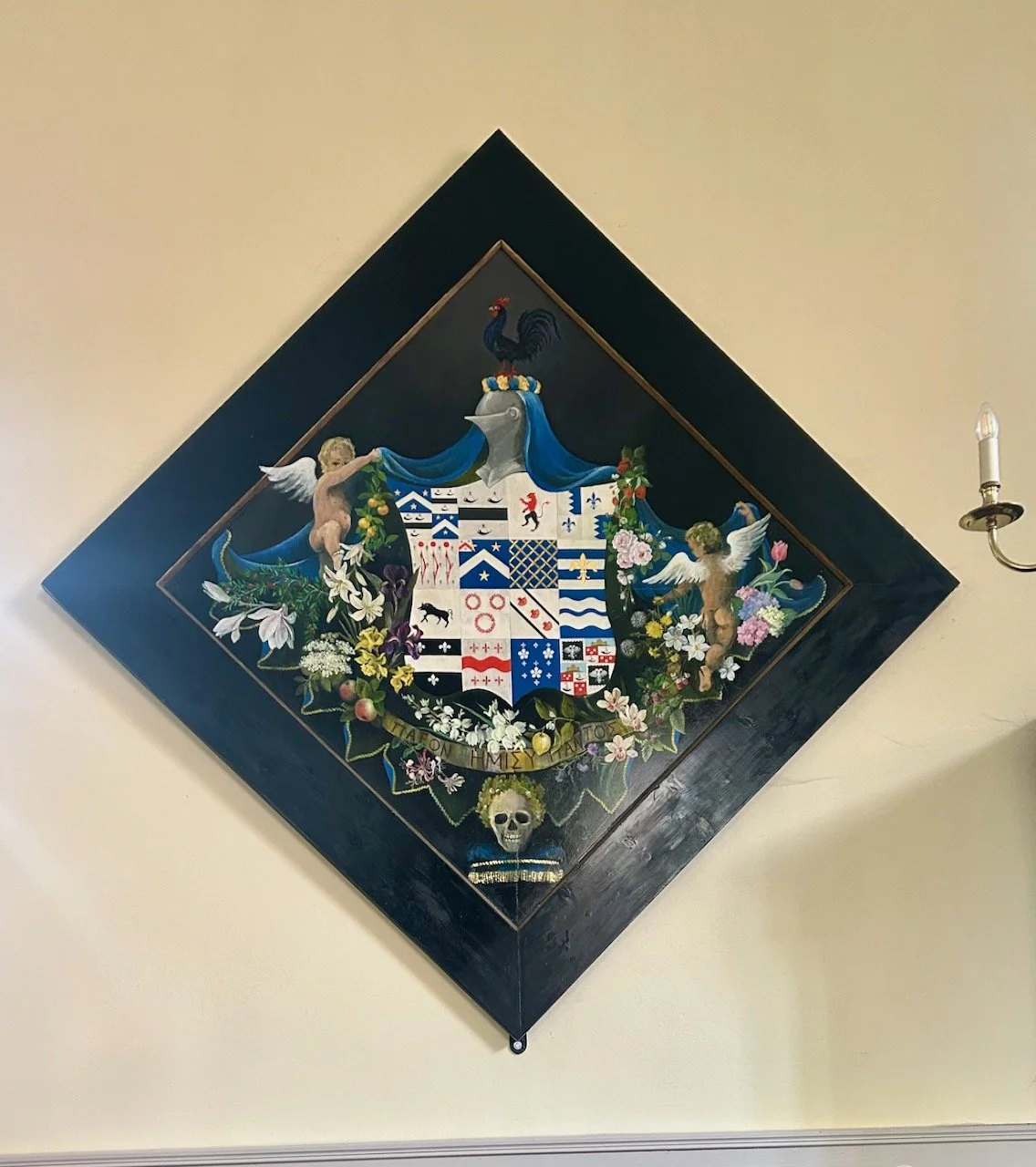
But what really caught my eye during our visit, was these diamond shaped paintings. I learnt later that they are from the 18th and 19th century and are heraldic diamond shape paintings known as funeral hatchments. Hatchments were displayed outside the home of the deceased adn were later moved to the church for safekeeping

An ornate funeral hatchment displayed on the wall in the church at Flintham

Truly fascinating, and beautiful pieces but also a bit morbid to end this post on, so here’s one final tulip to end with, as I just can’t resist them it seems.

A yellow slightly less frilled tulip in the spring planters

A look around Ludlow

As we headed towards Powys for youngest niece’s wedding we realised we were almost through our nearly three hour journey with no lunch stop. Some hasty googling by MOH in the passenger seat showed that Ludlow looked to be our best option, even better we hadn’t passed it yet and it was just thirty minutes or so to our final destination.

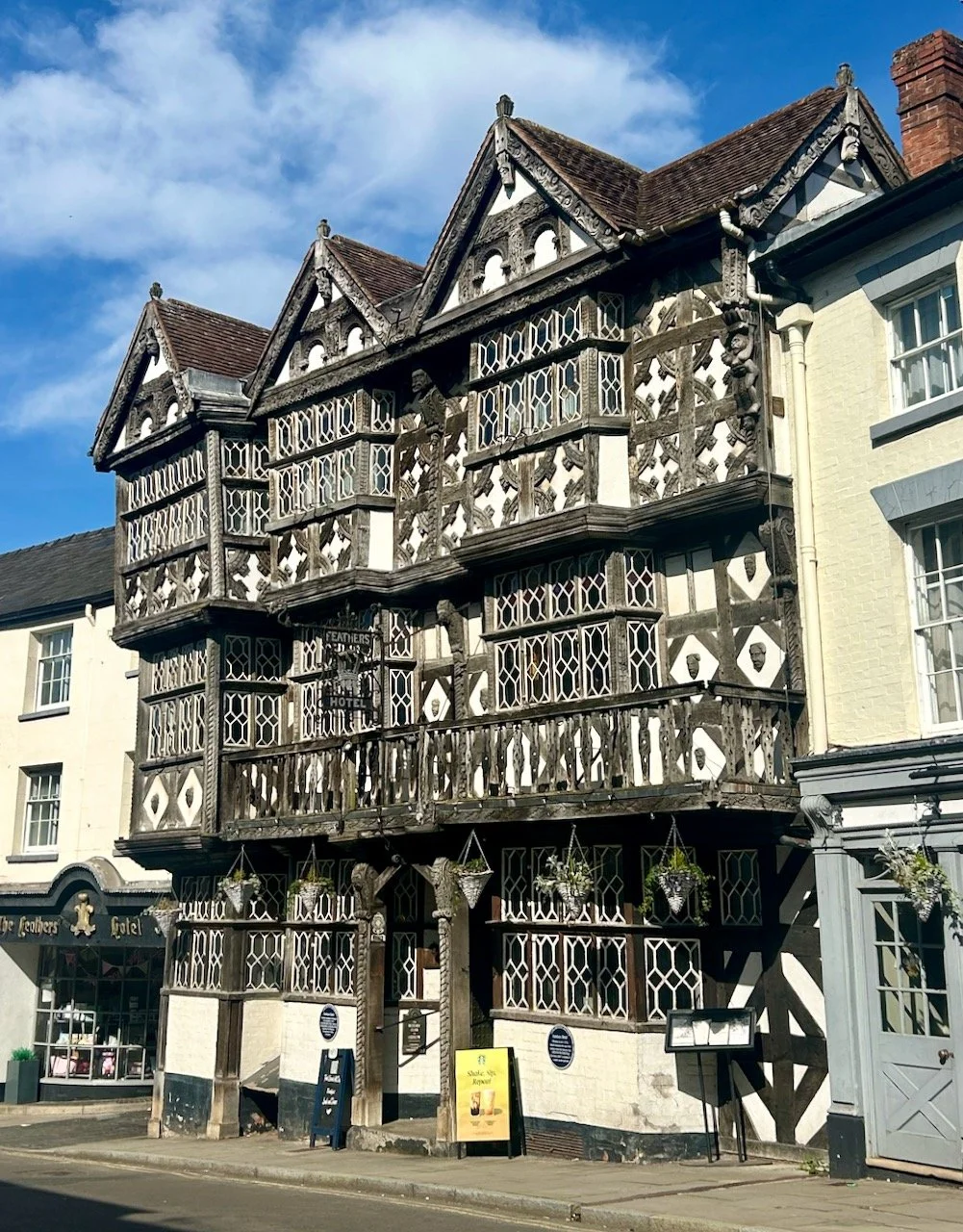
Car park found, ticket bought (for just a £1 - bargain) and we headed to where we thought was the centre of town by following the age old phenomenon of seeing where most of the people were heading and coming from. We weren’t wrong, and found ourselves walking past the fantastically ornate Feathers Hotel along the way.

The facade of the Feathers in Ludlow

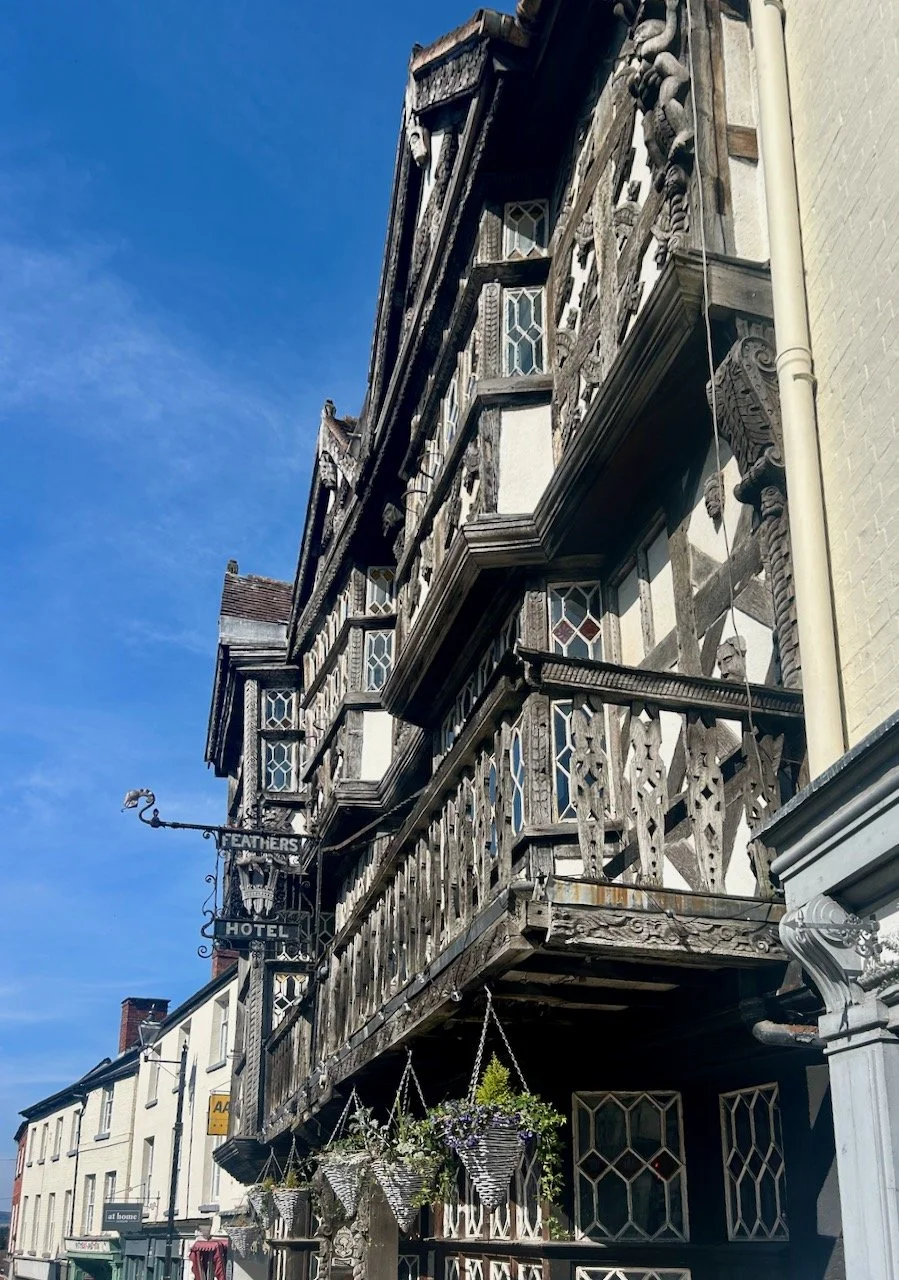
Originally built in 1619 and converted into a hotel fifty years later it’s been welcoming guests since then. It’s famous for its half-timbered Tuda facade which includes carved wooden motifs of the Prince of Wales’ three feathers emblem, hence its name.

It was listed as a Grade 1 building in 1954 and many of the 17th century features remain, though we didn’t venture inside choosing to admire it only from the outside - and what an outside that was.

Looking up at the wooden carvings at The Feathers in Ludlow

With lunch ordered and eaten not too far away we were back on our way to the AirBnB which was our base for the wedding. We had an extra day to gather ourselves after the wedding and so after a leisurely breakfast, a visit from some departing family we made our plans for the day, which turned out to be a return visit to Ludlow.

We weren’t disappointed to see more of the town, though on this visit the weather was decidedly chillier than the balmy two days we’d had previously and so our visit was perhaps shorter than it might have been, but a there was still plenty to see as we wandered its streets admiring the half-timbered buildings.

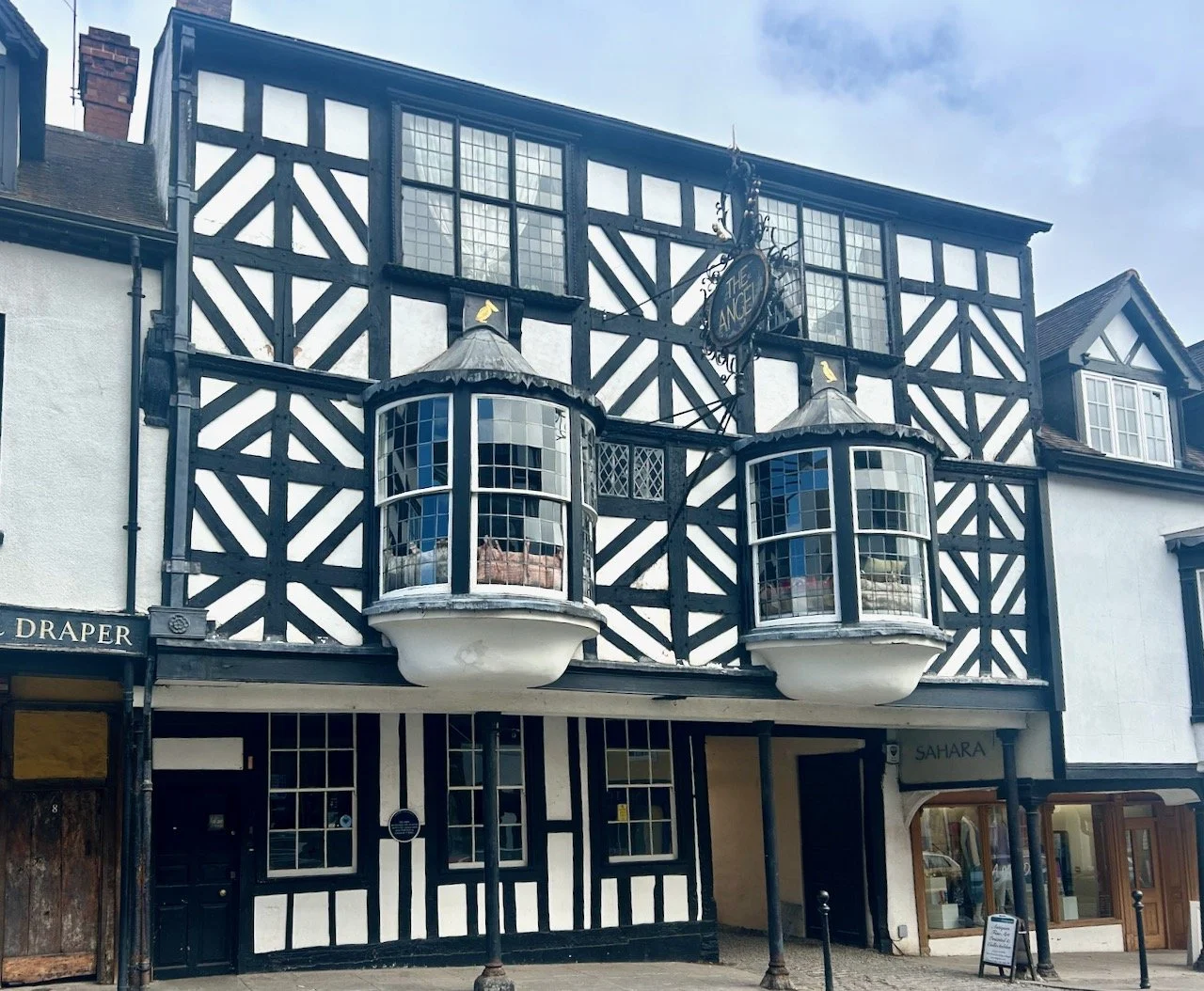
The oriel windows of The Angel in Ludlow

Our impromptu route took us under that sheltered walkway as it looked as if it would start to rain, so it wasn’t until we crossed the road that we could really admire the building’s grandeur, and those two oriel windows on the first floor.

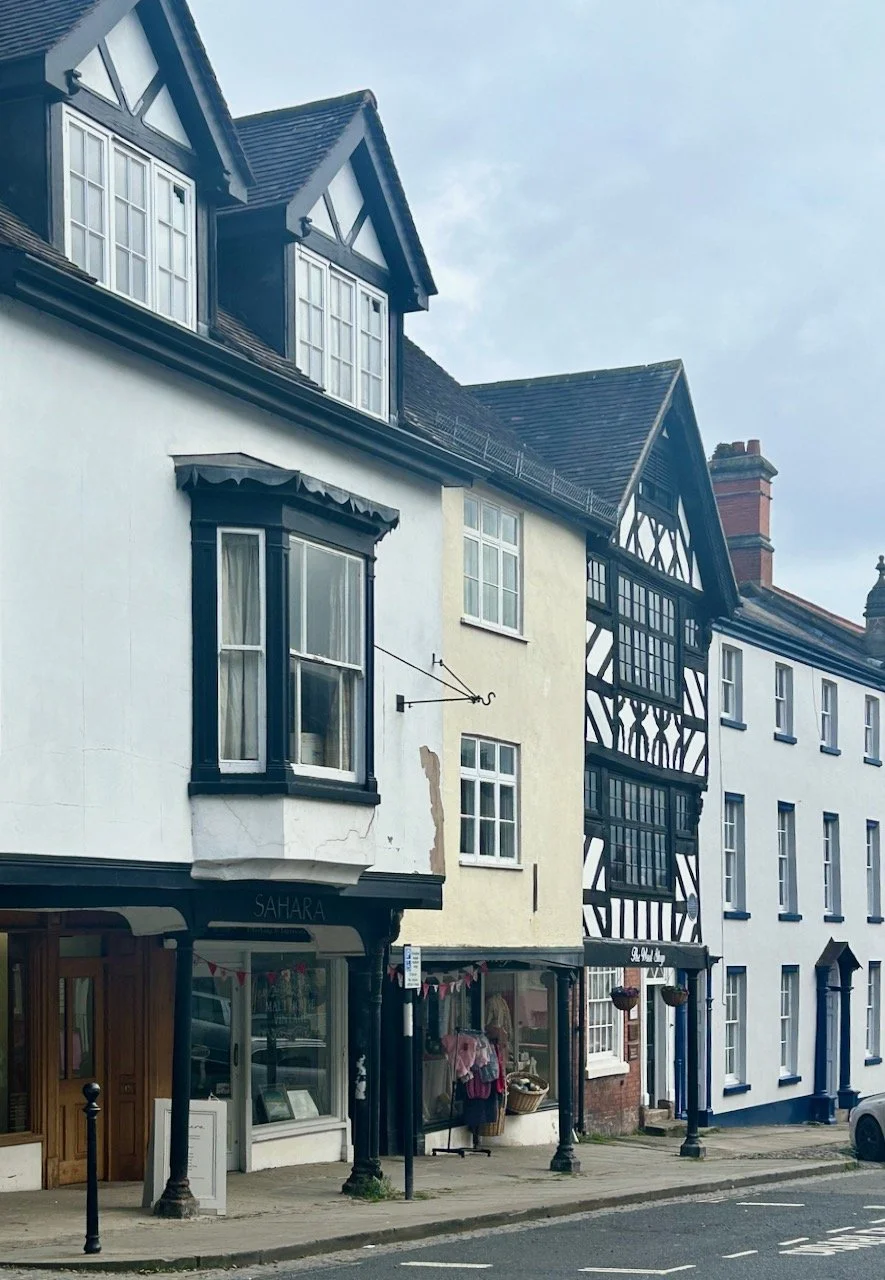
We also had another unplanned discovery, and that was the local wool shop at the end of the sheltered walkway, now wasn’t that fortuitous (and totally unplanned) - I think I must be able to sniff them out!

That cream building is the wool shop, which seemed to call me and my SIL

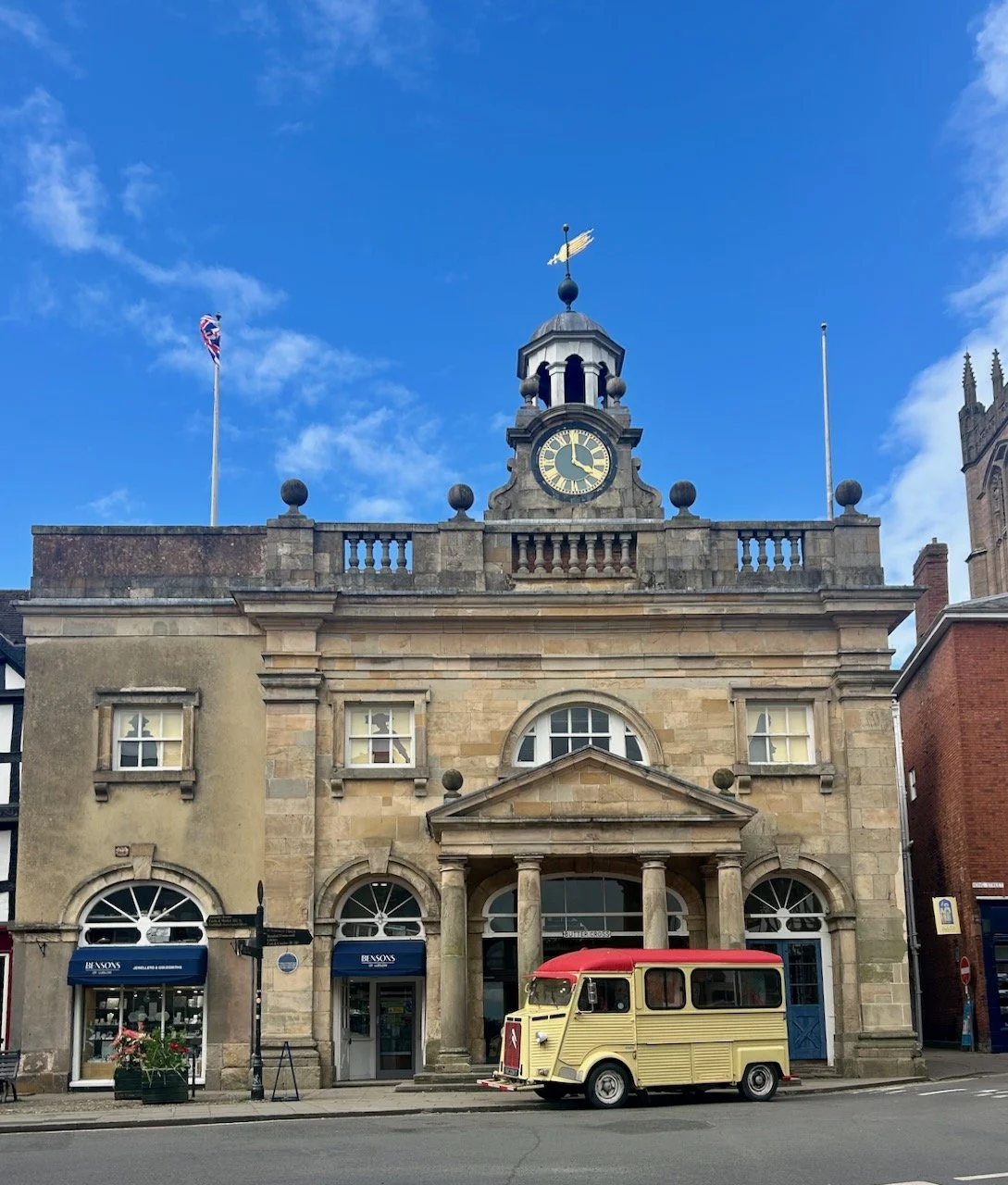
After a quick visit to the wool shop and leaving with only a couple of Fat Quarters - both green, and both to add to my green collection for leaves on my Floral Fancy - we headed back towards the Buttercross, a market hall dating from 1746 and as you can see below with a vintage style van parked outside, and now very blue skies.

Looking towards the Buttermarket with the vintage van parked in front

The van was causing a bit of a stir where it’d parked, as the local busses couldn’t get past - eventually it was moved and we very much enjoyed the eye roll from the bus driver as he could resume his route!

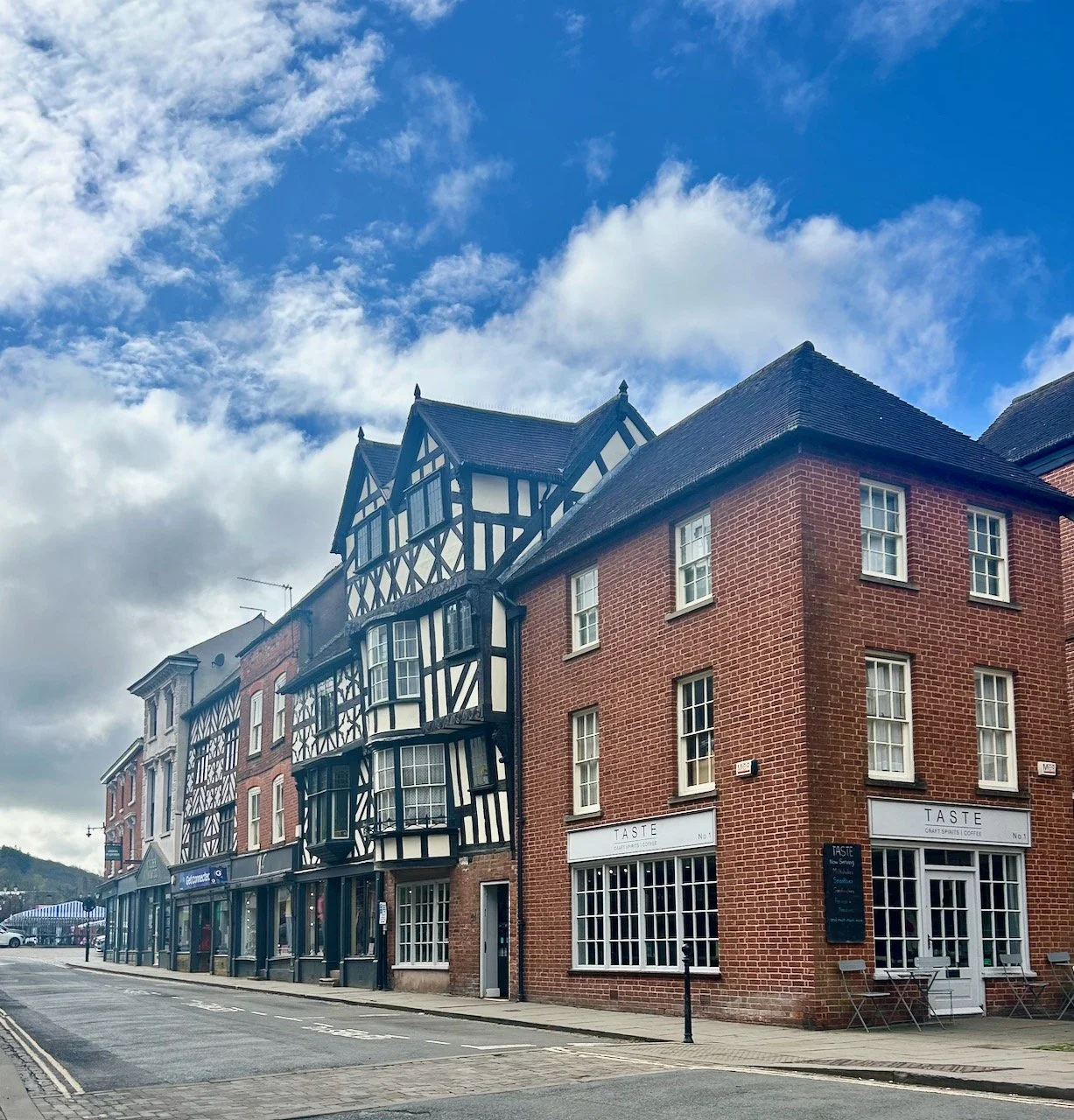
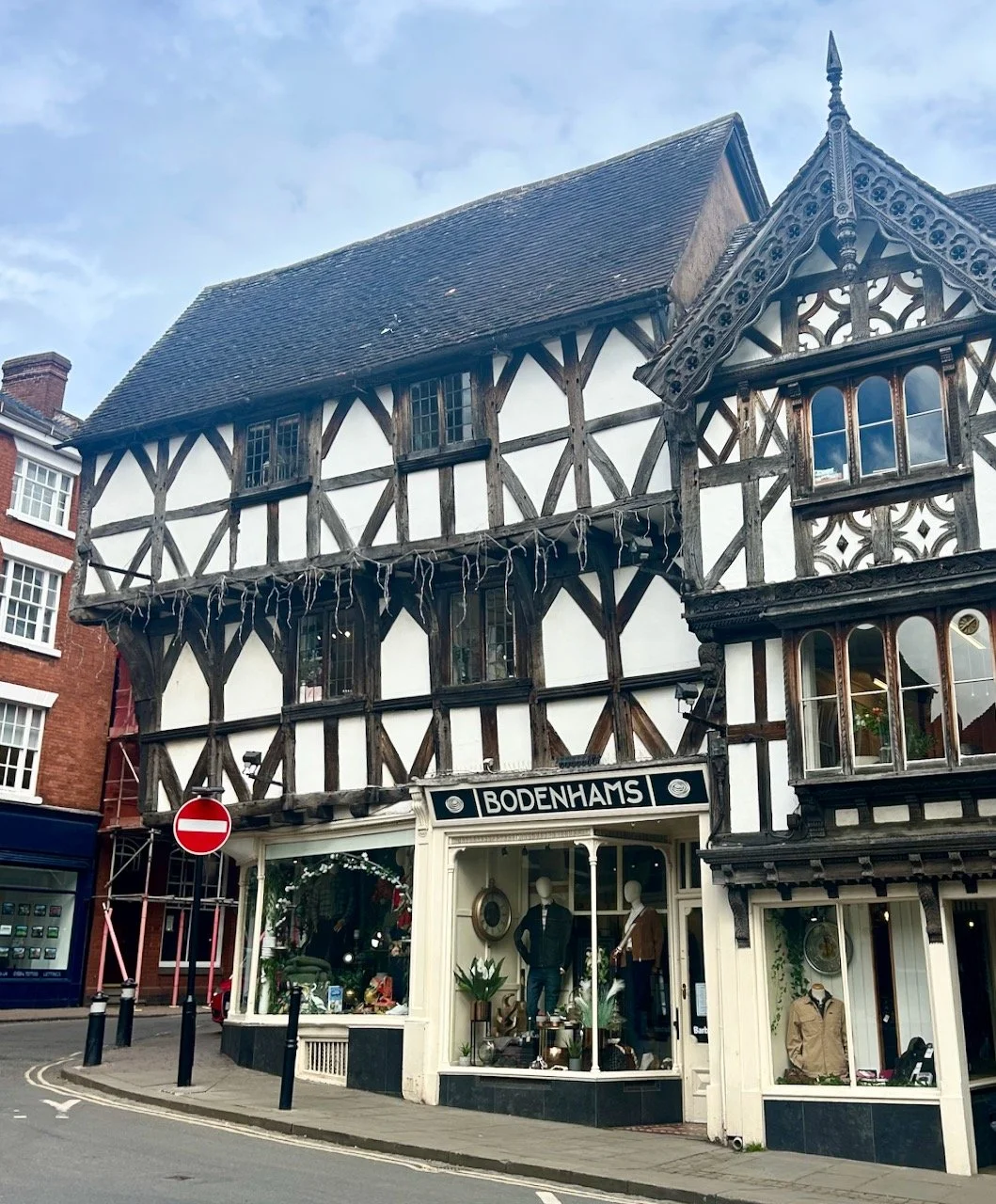
A mix of modern and half timbered buildings in the town's centre
Bodenhams half timbered building in Ludlow

It’s easy to see why Sir John Betjeman described Ludlow as “probably the loveliest town in England” for me I think it’s definitely up there, and one that at some stage we’ll most likely be back to visit again.