
Floral Art at the Devon County Show

In one of the marquees at the Devon County Show we stumbled across the most incredible Floral Art, which reminded me of some of the exhibits I’ve seen at previous RHS Chelsea Shows.

With categories such as Ladies Day, Gold Cup, Out to Pasture, Winning Rosettes, Parade Ring it wasn’t hard to work out there was a horse racing theme! And all the exhibits far surpassed my ‘plonk it in a vase and tweak’ style of arranging flowers, these were as the competition’s name suggests pieces of Floral Art.

I snapped a few pictures of the ones which most appealed to me, and my view may or may not coincide with the more experienced judges, let me know which are your favourites.

A hat made from silvery and slightly furry leaves, adorned with greenery

LADIES DAY, JEAN ADAMS - SECOND PRIZE

A bouquet of flowers on green leaves with pink spiral shapes on a wicker head

LADIES DAY, HELEN HERRIDGE

An arrangment of yellow and white lillies with a circular rim on a polystyrene head

LADIES DAY, DIANNE WEST - THIRD PRIZE

Now wouldn’t any of those be fabulous to wear, hay fever aside?

An upright arrangement with yellows, purple and green flowers with upright cinnamon sticks at the base

OUT TO PASTURE, ANN TRIGG

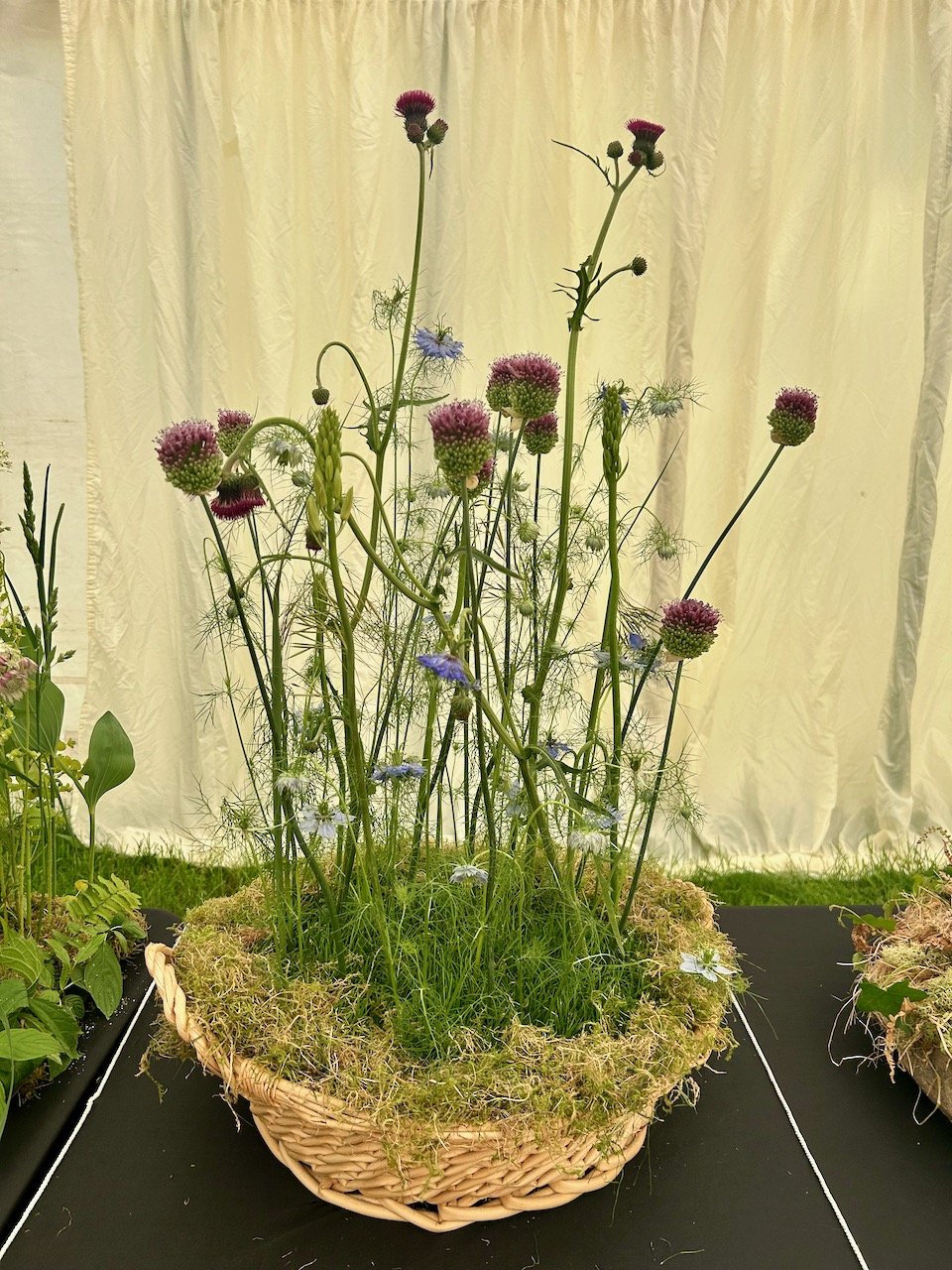
A BASKET ARRANGEMENT WITH WISPY ALLIUMS AND LOVE IN A MIST

OUT TO PASTURE, HANNAH BEST - SECOND PRIZE

OUT TO PASTURE, HELEN HERRIDGE - THIRD PRIZE
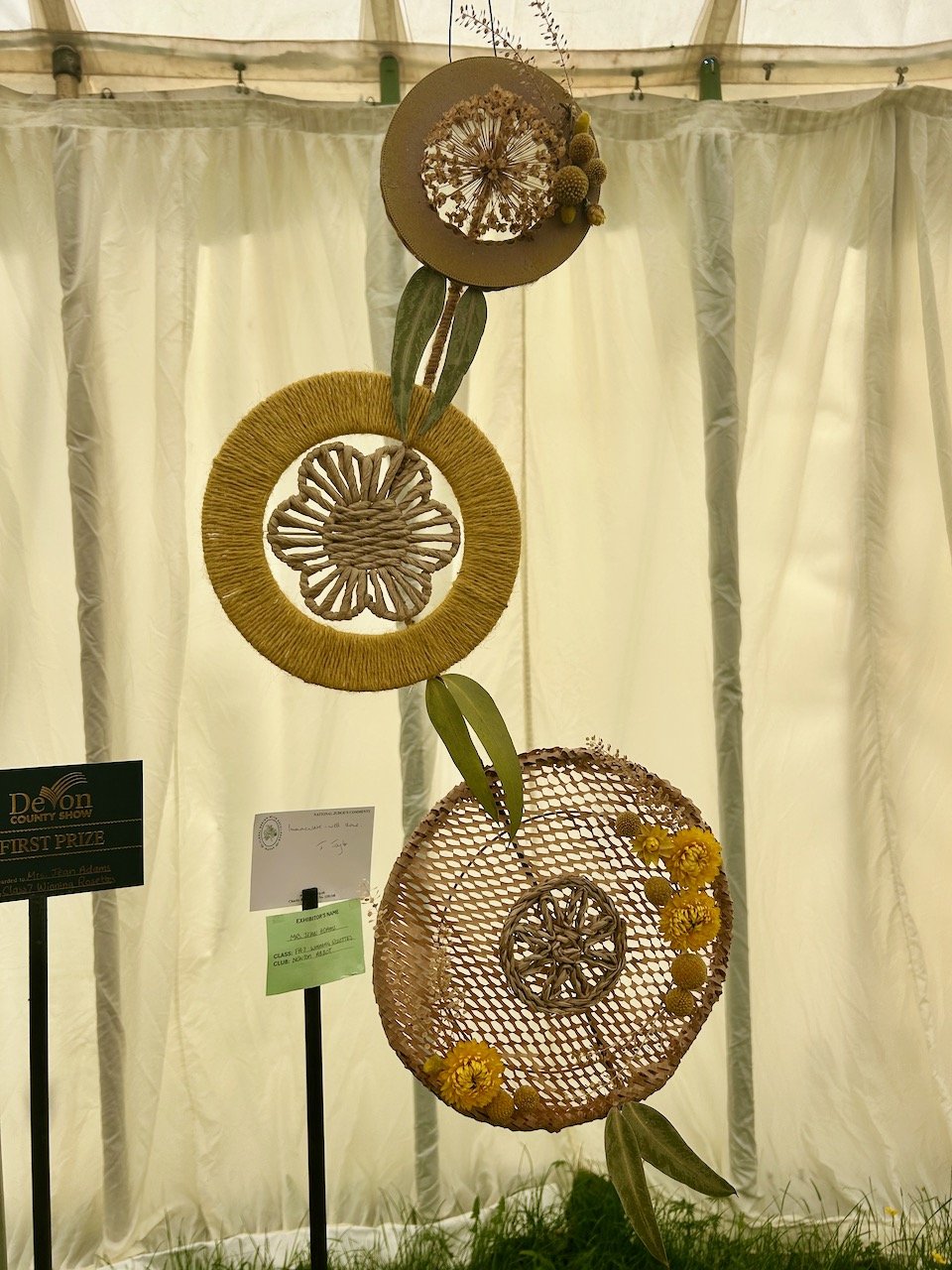
THREE CIRCLES STRUNG TOGETHER DECORATED WITH TWINE AND TONING FLOWERS

WINNING ROSETTES, JEAN ADAMS - FIRST PRIZE

It was around this point that my favourites tended to align more with those of the judges, so I’m taking that to mean that one or both of us have an idea of what we like, and in the case of the judges the criteria for each category!

An arrangement with yellow bobble flowers around the basket edge with striking 'pointed' flowers and ferns in the centre

GOLD CUP, JUDITH WOOLLVEN - FIRST PRIZE

A vibrant arrangement with red, pink, yellow and orange flowers in a 'nest' like basket

PARADE RING, KATRINA HOLMES - FIRST PRIZE AND BEST IN SHOW

I told you they were all stunning didn’t I? I really enjoyed walking around and admiring the work that had gone into each and every one, but don’t worry, I know where my flower arranging skills are - and they are way, way below this! These ladies, or those entering competitions anywhere in the country, have nothing to fear from me!
The bedrooms at Belton

It’s been a wee while since I shared details of my last visit to Belton where I saw their new exhibition, crafting a new narrative, and finally got to revisit the orangery, and I promised to share more from inside the house. So today let’s take a virtual wander around the bedrooms at Belton.

I didn’t remember these from our previous visit, and that’s because I hadn’t seen them. The whole of the upstairs was closed off as we visited soon after the Covid restrictions were starting to be lifted and understandably things were not able to go back to before’s normal straightaway.

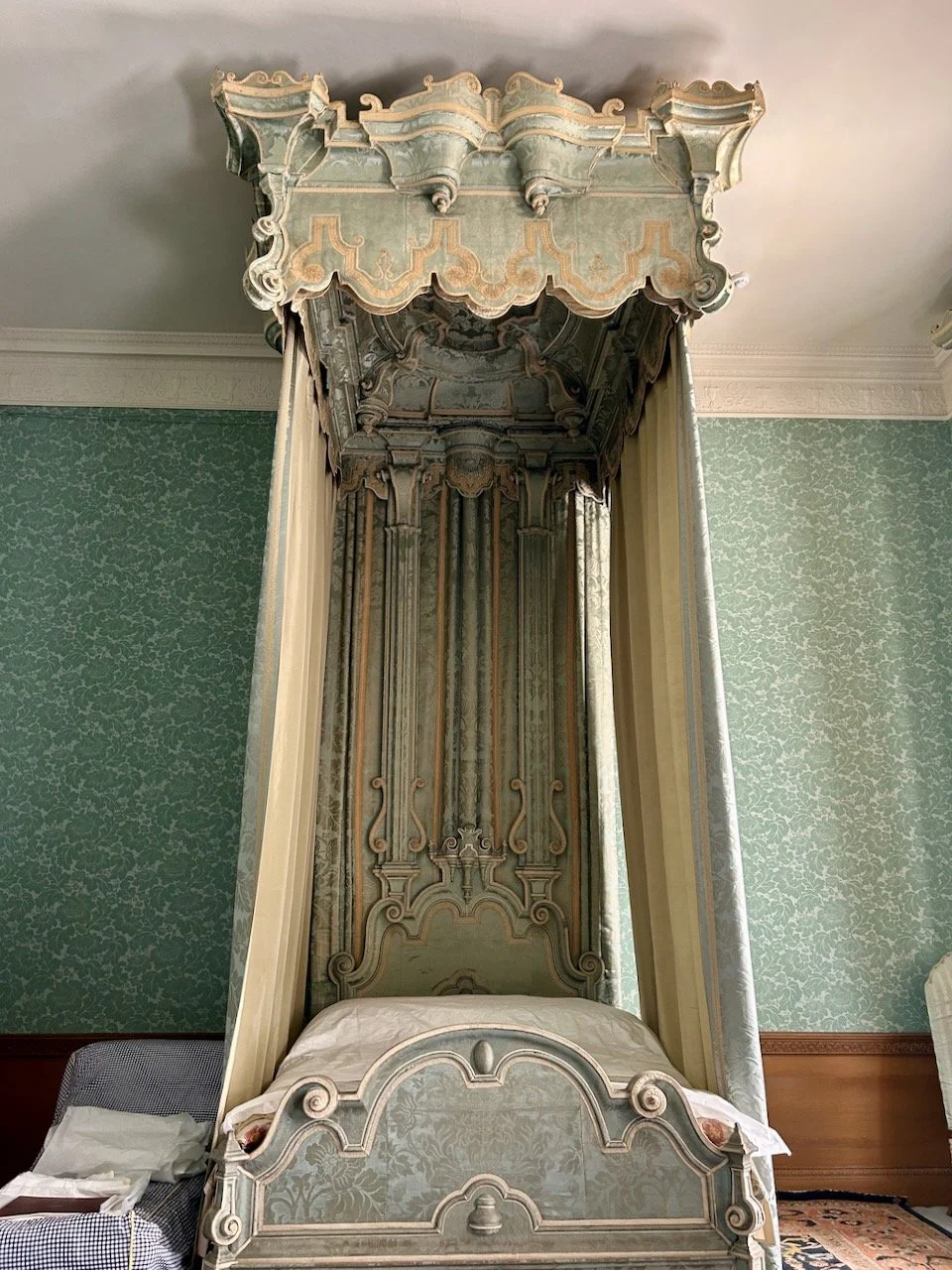
The Blue Bedroom was originally designed as a family bedroom, but the information in the room said that the scale and quality of the bed implies it was not made for this room but for a more luxurious state bedroom. It was re-upholstered which covered an original crimson damask.

The Blue bedroom at Belton

During the 2002 room’s restoration and conservation of the bed, it was decided to remain sympathetic to its clearly faded colours. The once bright blue silks were reproduced in this paler hue, with the wallpaper reproduced in keeping with the bed, which is why this blue bedroom is a bit paler, and not blue at first glance.

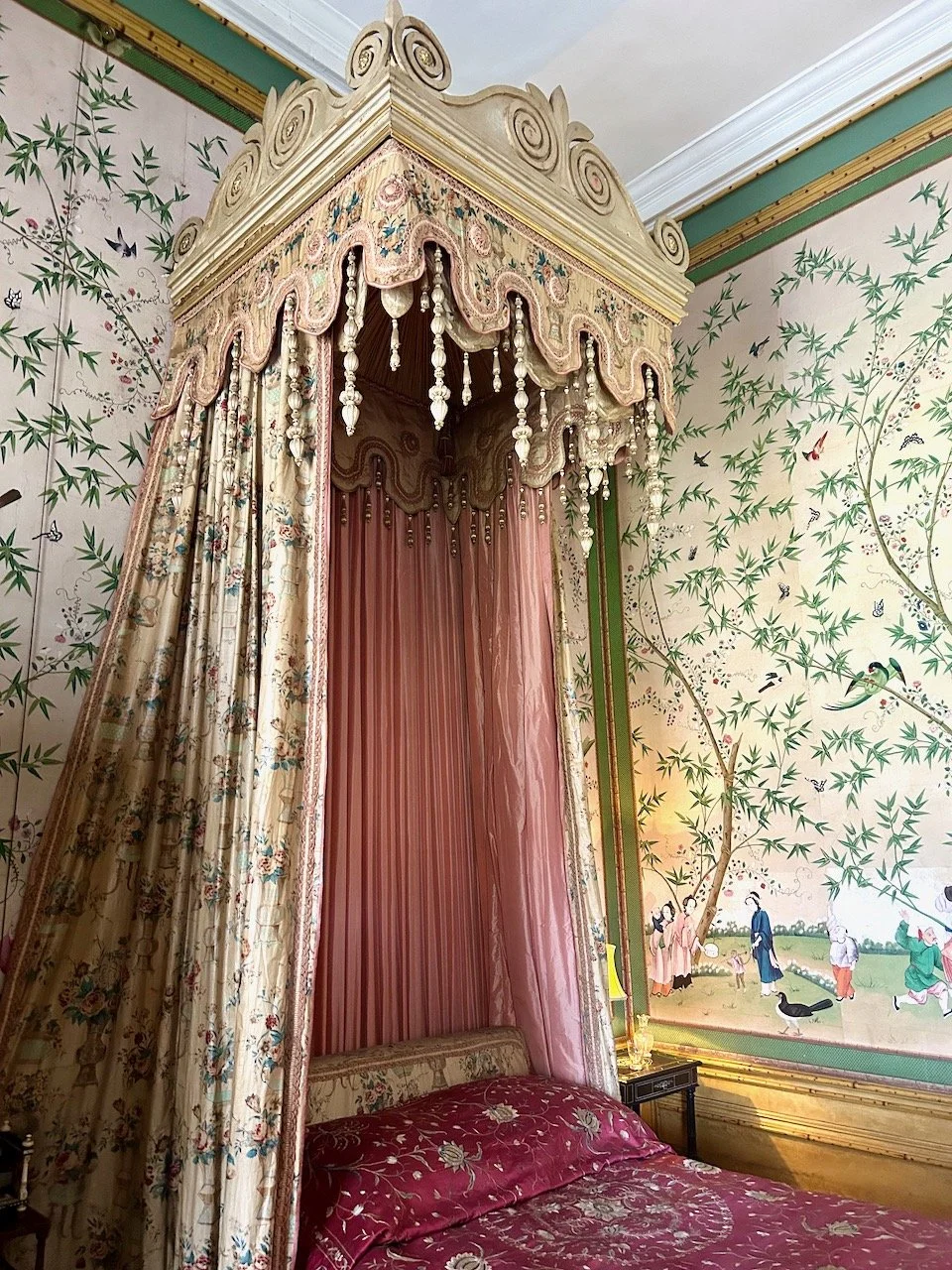
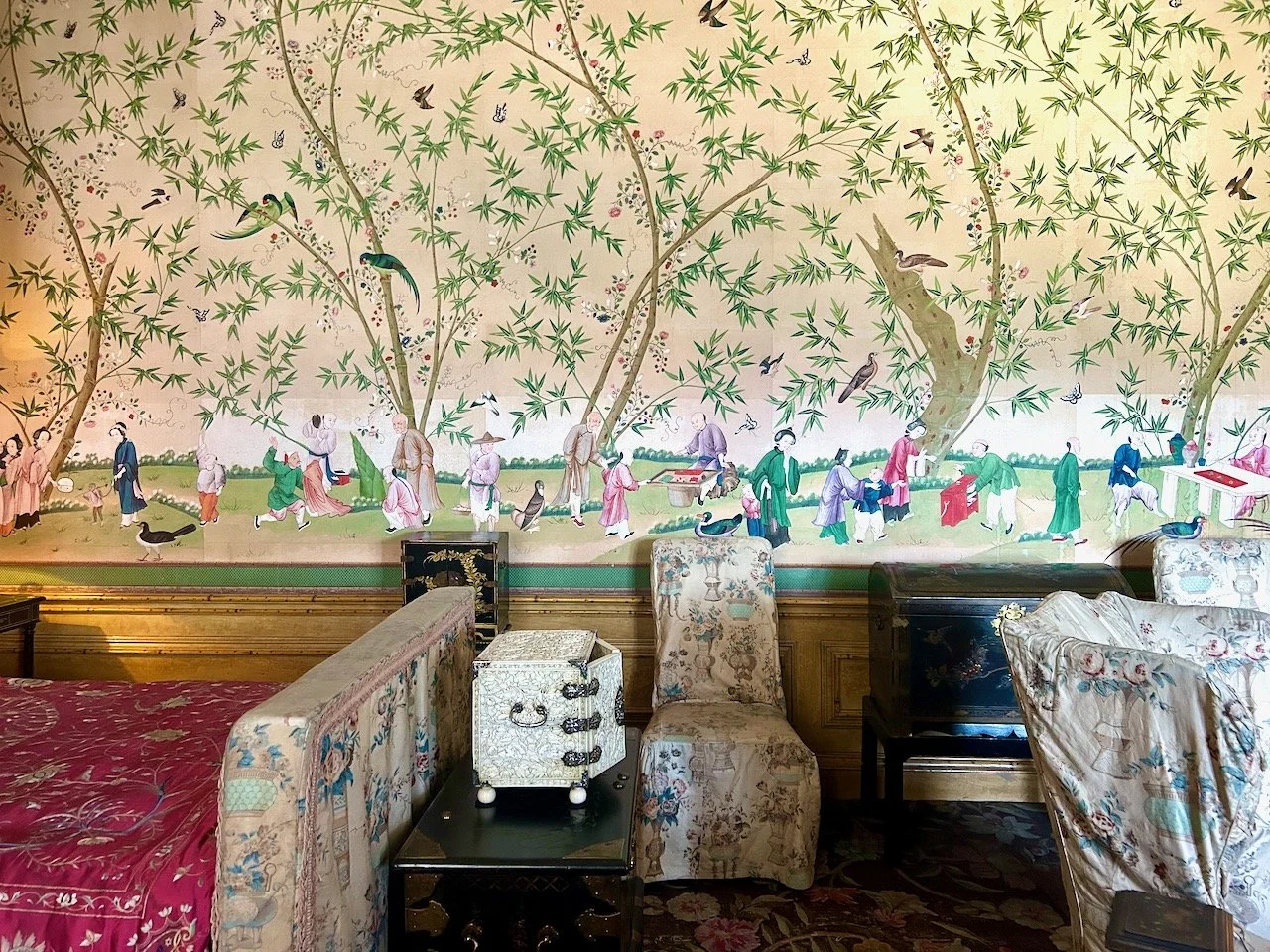
The Chinese Bedroom was one of my favourite rooms. The wallpaper was hand painted in China and intended for export. It’s pink background is now faded and the figures were stylish adaptations to appeal to European consumers. It was hung, unbelievably, in 1830 but probably made much earlier.

The Chinese bedroom at Belton
The wallpaper in the Chinese bedroom at Belton
The writing desk in the corner of the Chinese Bedroom at Belton

What always surprises me by these older wallpapers is how modern and relevant to today’s decor they are. While I’m not sure many of us would have hand painted wallpaper at such cost, or at such scale as here in Belton, but wouldn’t it be nice if we did?

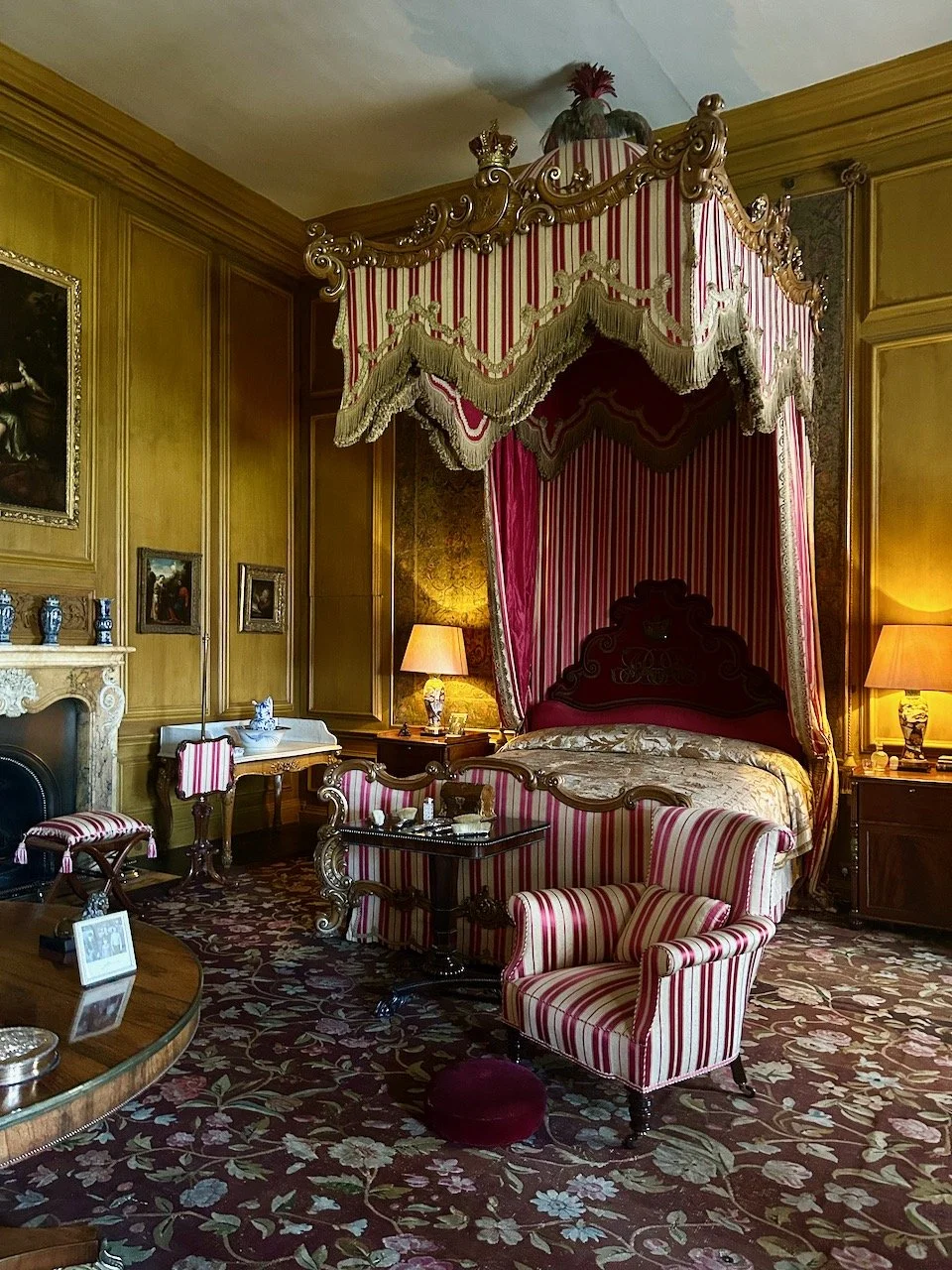
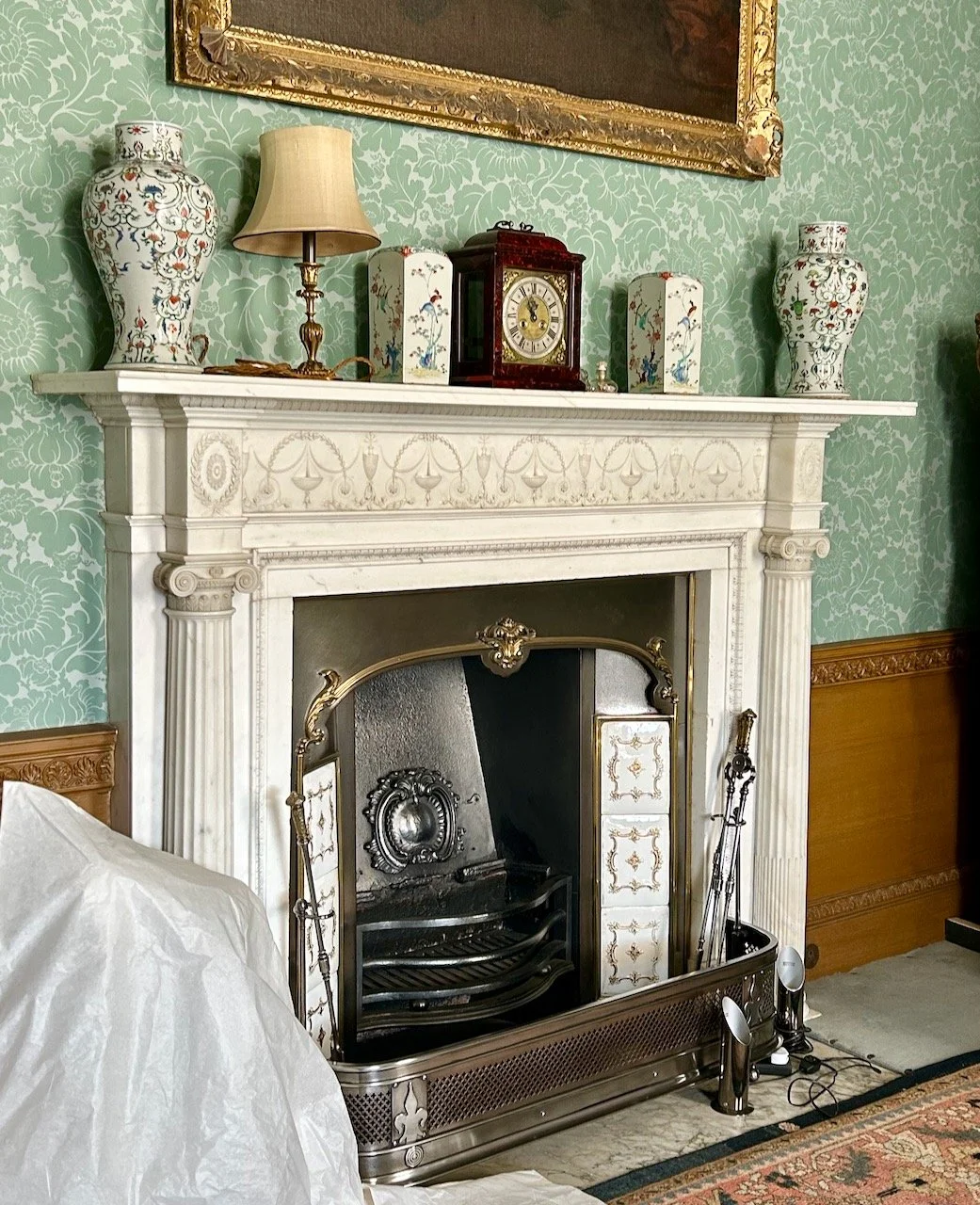
The Queen’s Bedroom has a central position in the house, and was defined as the ‘Best Chamber’ in the 1688 inventory. It was the most lavishly furnished bedroom in the house at that time and would have been offered to only the most prestigious guests. Some of the fabrics have been replaced, but the braids, fringing and tassels are all original.

The Queen's Bedroom at Belton

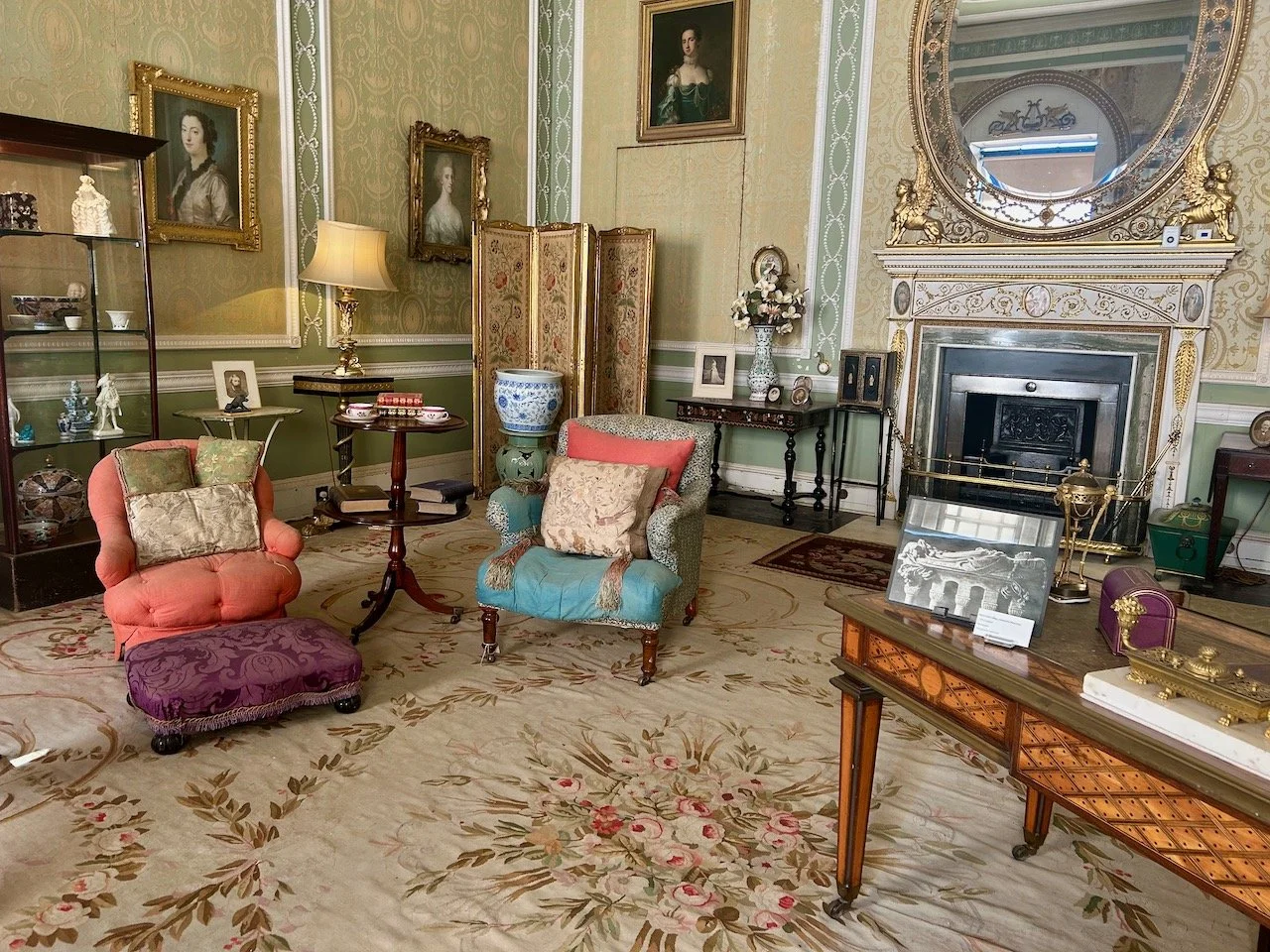
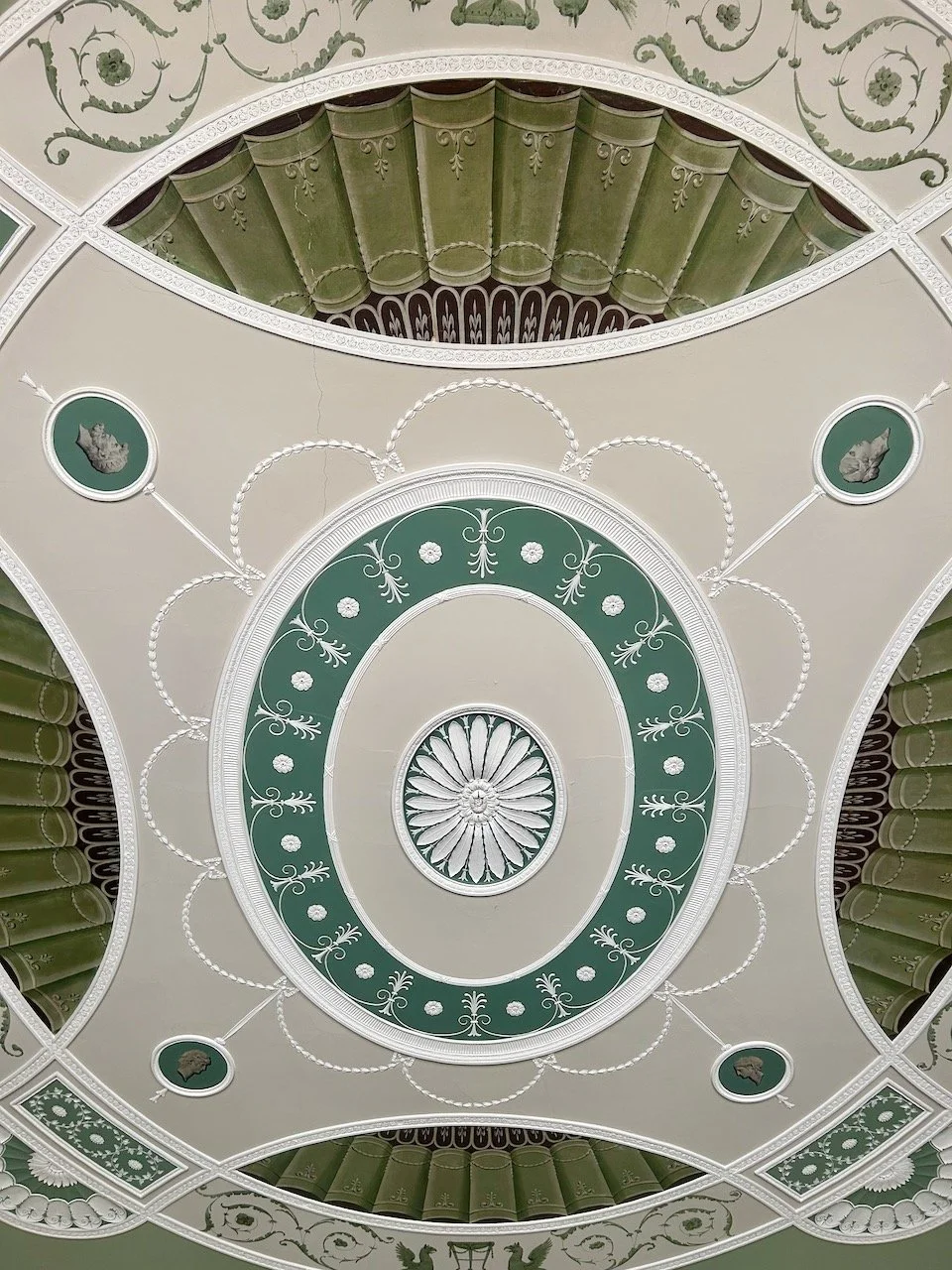
Another of my favourite rooms is the Boudoir, and while it may seem a strange inclusion here it was originally furnished as a bedroom but then entirely remodelled to create a dressing room for Lady Brownlow. The room has changed over the years, but some of James Wyatt’s design from 1776-7 remains, most noticably the ceiling and the cornice.

The Boudoir at Belton, originally a bedroom
The ceiling in the Boudoir at Belton

The ceiling is amazing and has so much detail, but directly underneath it is a beautiful rug. Isn’t it gorgeous?

A closer look at the rug in the Boudoir at Belton

The information in the room said that the National Trust have some of Wyatt’s original plans, many of which were never realised. One of those was his design for a carpet to mirror the ceiling, I’m sure that would have been as amazing, but I’m glad it didn’t happen!

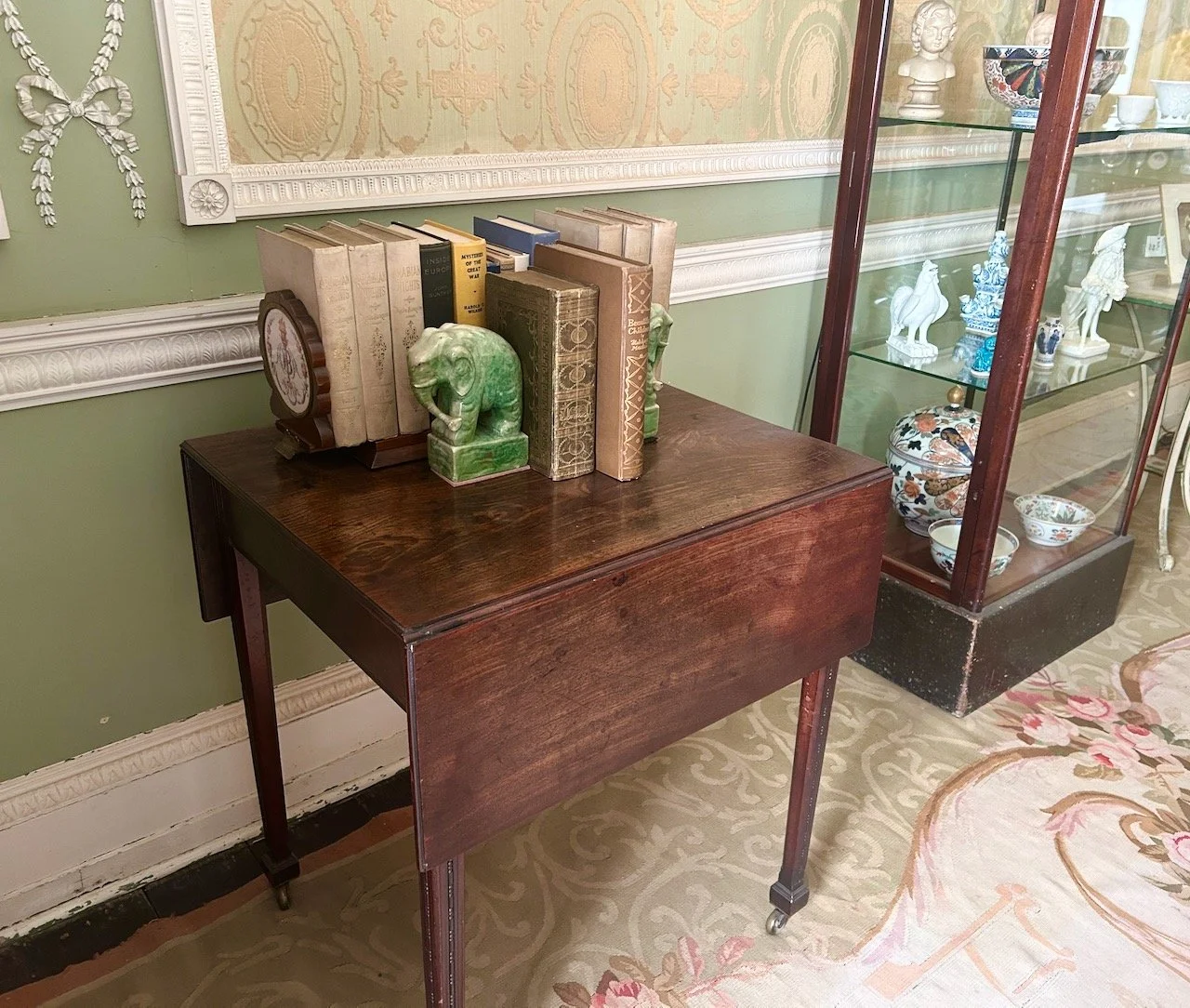
A side table in the Boudoir with green elephant bookends

Just as we were about to leave the room I spotted these fabulous elephant book ends, now they would definitely be welcome in my house, even more so than the rug.

It was great to see the bedrooms, and I’m sure we’ll be back to see more of the house at some point. Like many places, I think the more you go to a place, the more you get the feeling for it and the more you see, and I know there’s so many more layers to discover and explore.

Exploring the Vieste coast on foot

It’s been a while since I shared some of where we visited on our trip to Italy’s Gargano Peninsular last year - I know a whole year already! - so I thought it’s about time I shared more. On our first day’s walking we headed along the Vieste coast on a walk that was billed as following ‘the low-lying shoreline for virtually all of its route’. And it was mostly flat, though some walking and in places scrambling across rocks didn’t help my tender ankle, which I’d somehow turned walking on flat ground through the airport somewhere! But it wasn’t until much later in the day that I realised this.

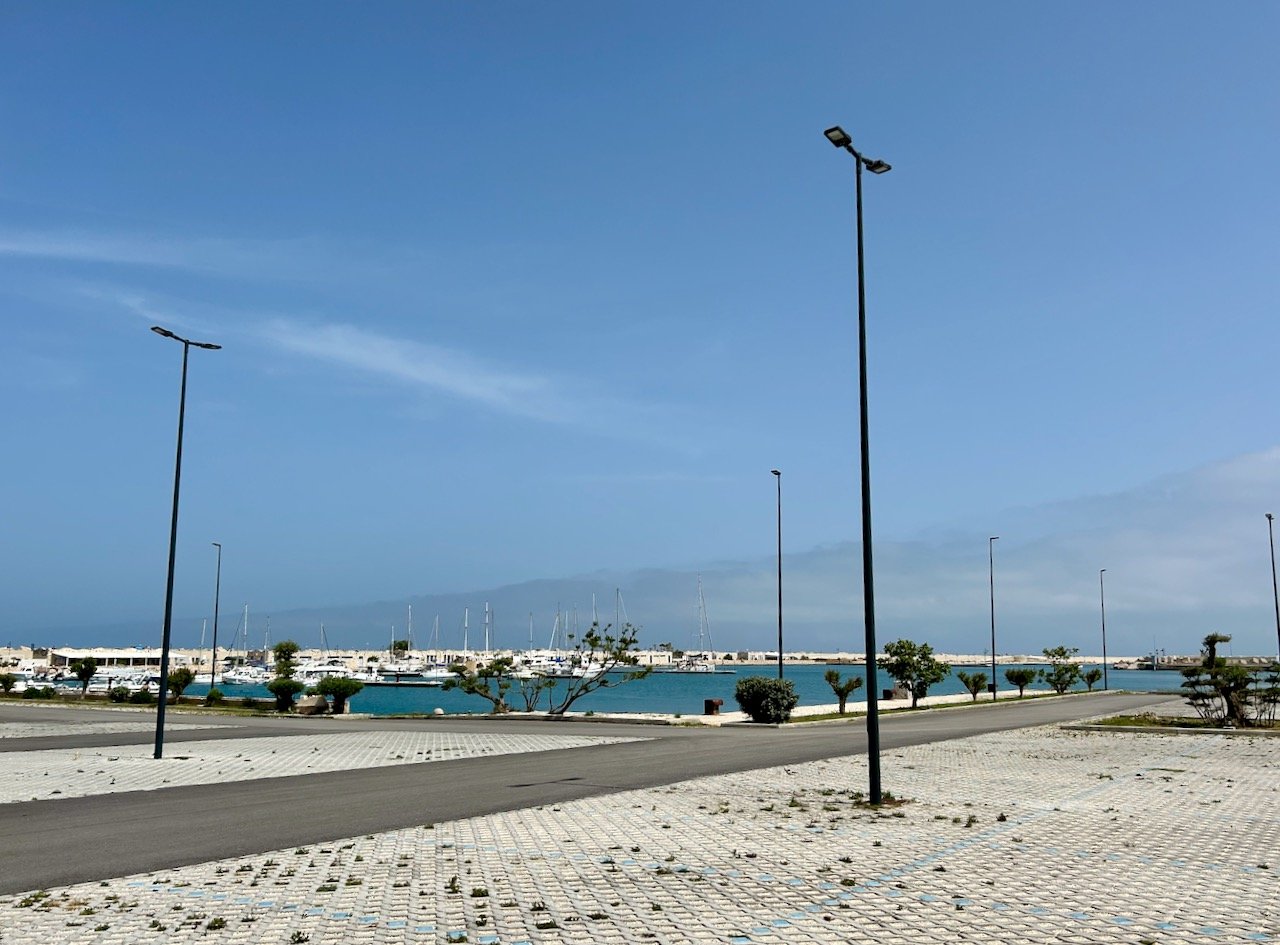
Our walk started by going across the car park at the marina, which is not quite the auspicious start you imagine is it?! But as we headed towards the jetty the view improved, and I was happily snapping the flowering succulents.

Flowering succulents near the jetty at Vieste's marina

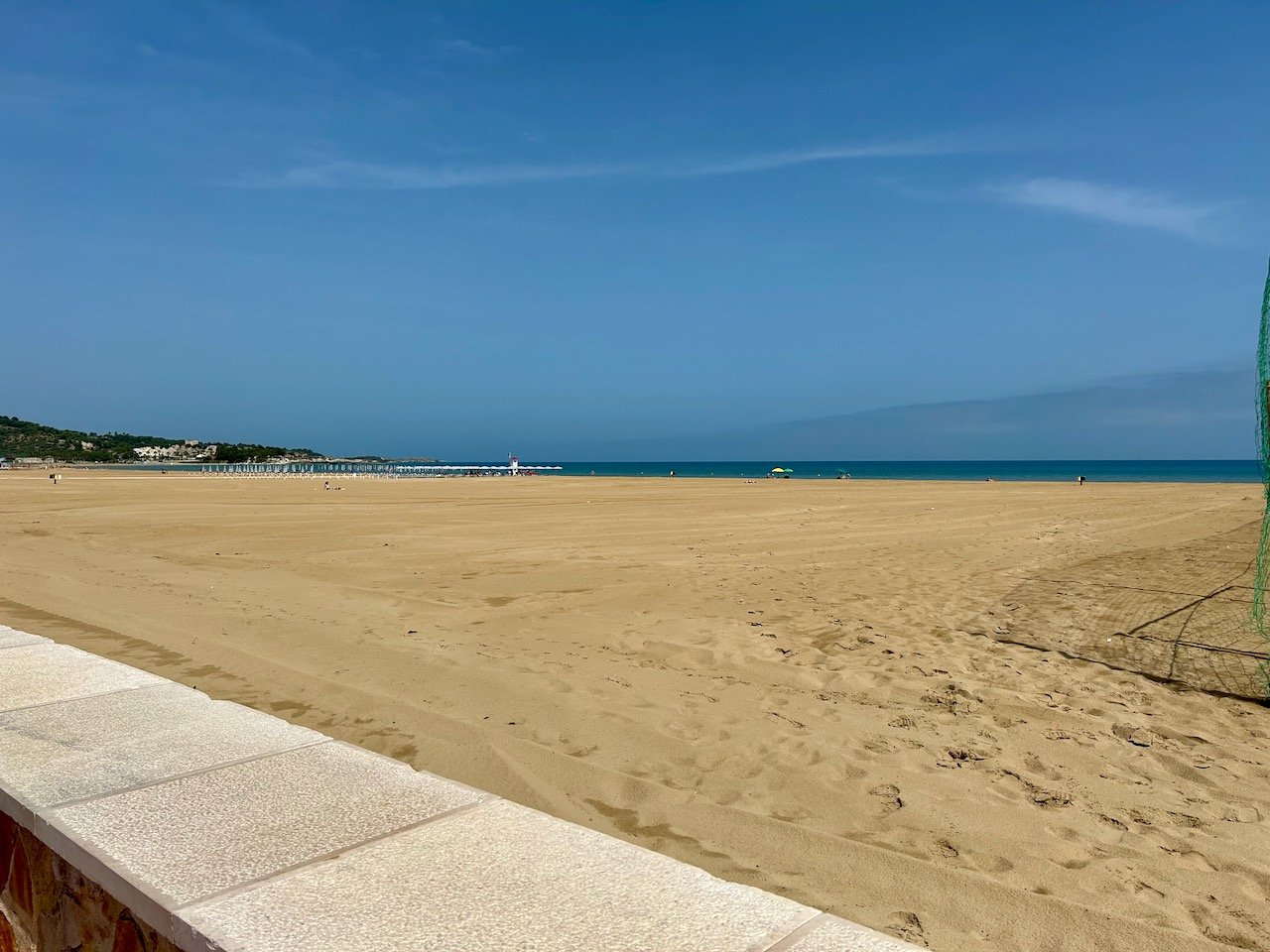
It wasn’t long before we got our first view of the beach, and what a beach. Sadly though we had most of a 10.7km and four hour walk ahead of us, so no time to stop.

The path is to the left of the wooden balustrades, with the beach now on our right

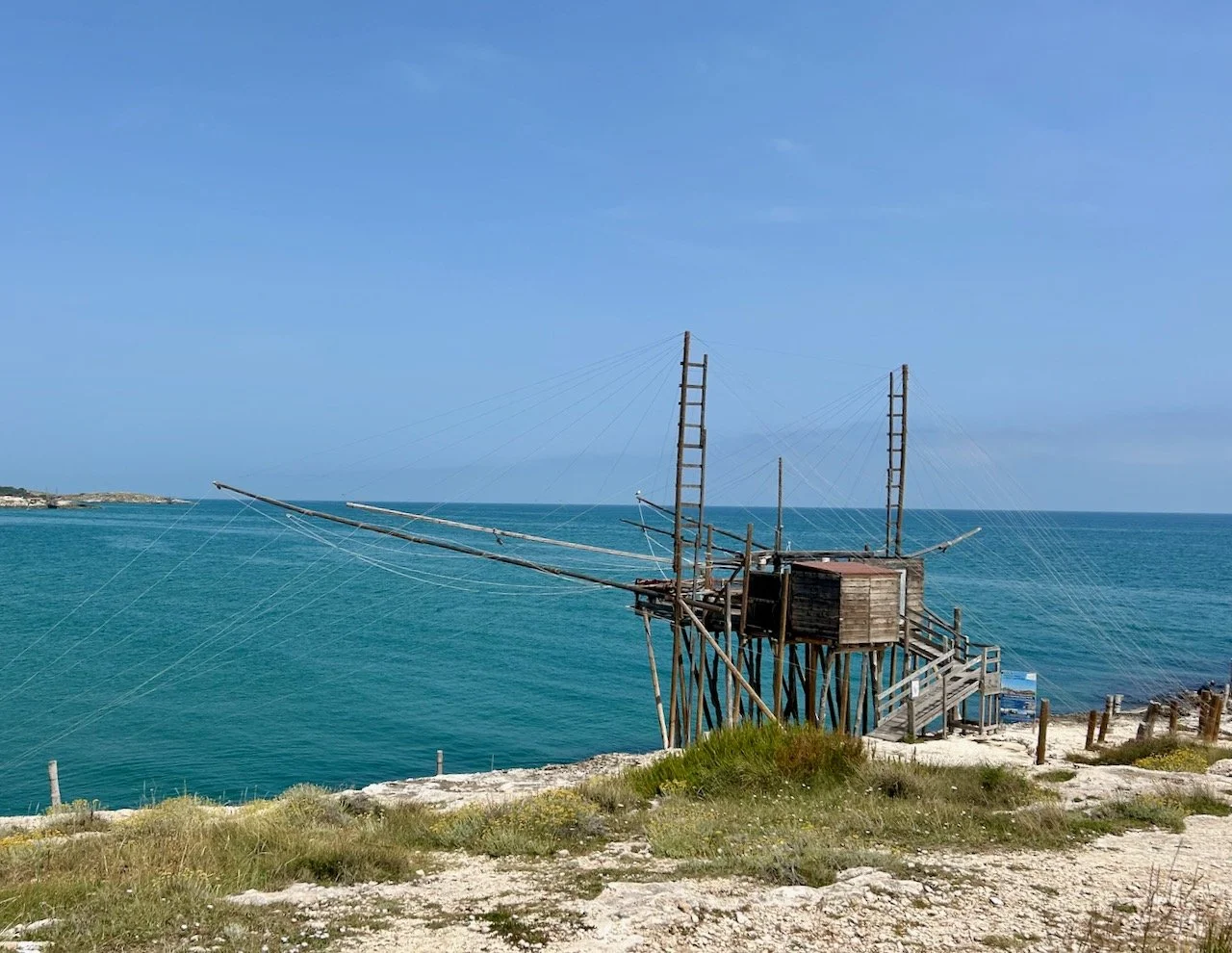
At the end of the beach we joined the narrow path just to the right of the wooden balustrades and followed that around the coastline. Then we got our first view of a Trabucchi, or more precisely the Trabucco San Lorenzo.

Trabucco San Lorenzo

TRABUCCO SAN LORENZO

Trabucchi are widespread along this stretch of coast - and our walk would take us up close to three of them. They are fantastic constructions made with Aleppo Pine which is very resistant to salt water. This local tradition dates back to the Phoenicians and consists of wooden poles in the rocks which hold a very large fishing net in the clear coastal waters.

After a brief stop, we were on our way and then we paused and looked back to where we came from - I think this view trumps that of the beach at the start of the walk.

Looking back to the Trabucco San Lorenzo

LOOKING BACK TO TRABUCCO SAN LORENZO

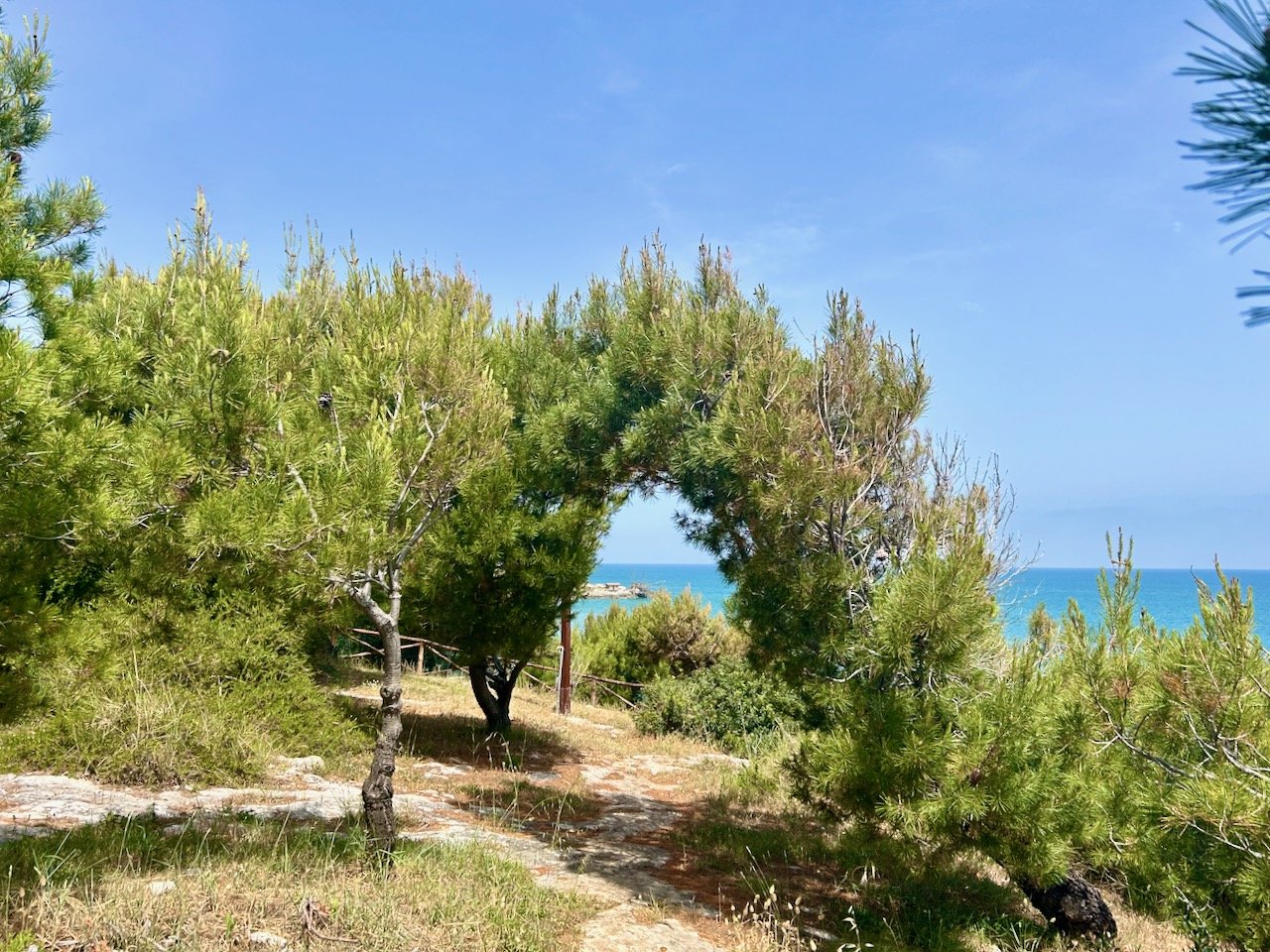
The views ahead of us though were equally spectacular, especially as we walked through this pined section.

A small park/picnic area with a arched tree
Looking over the wooden balustrade to the clear sea
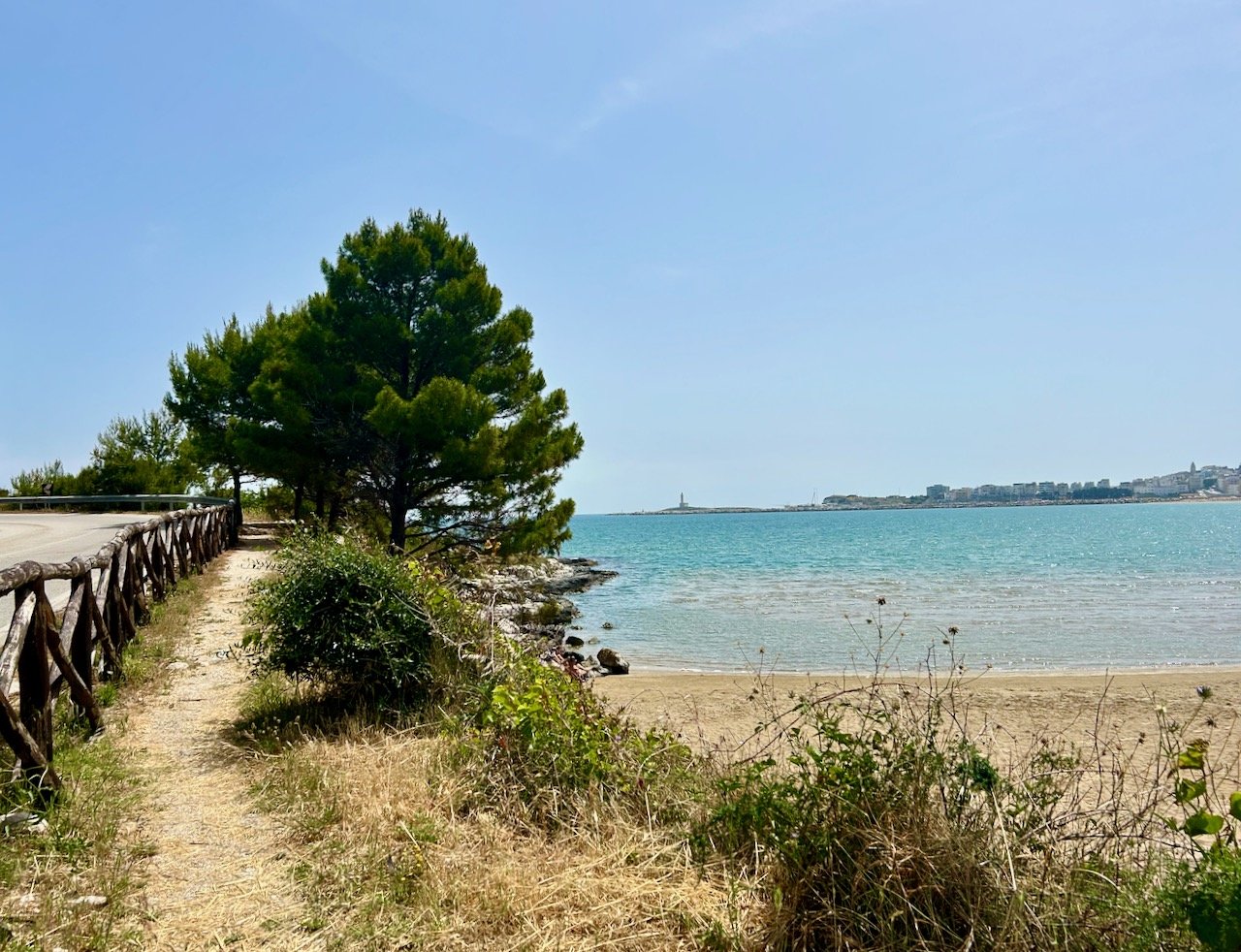
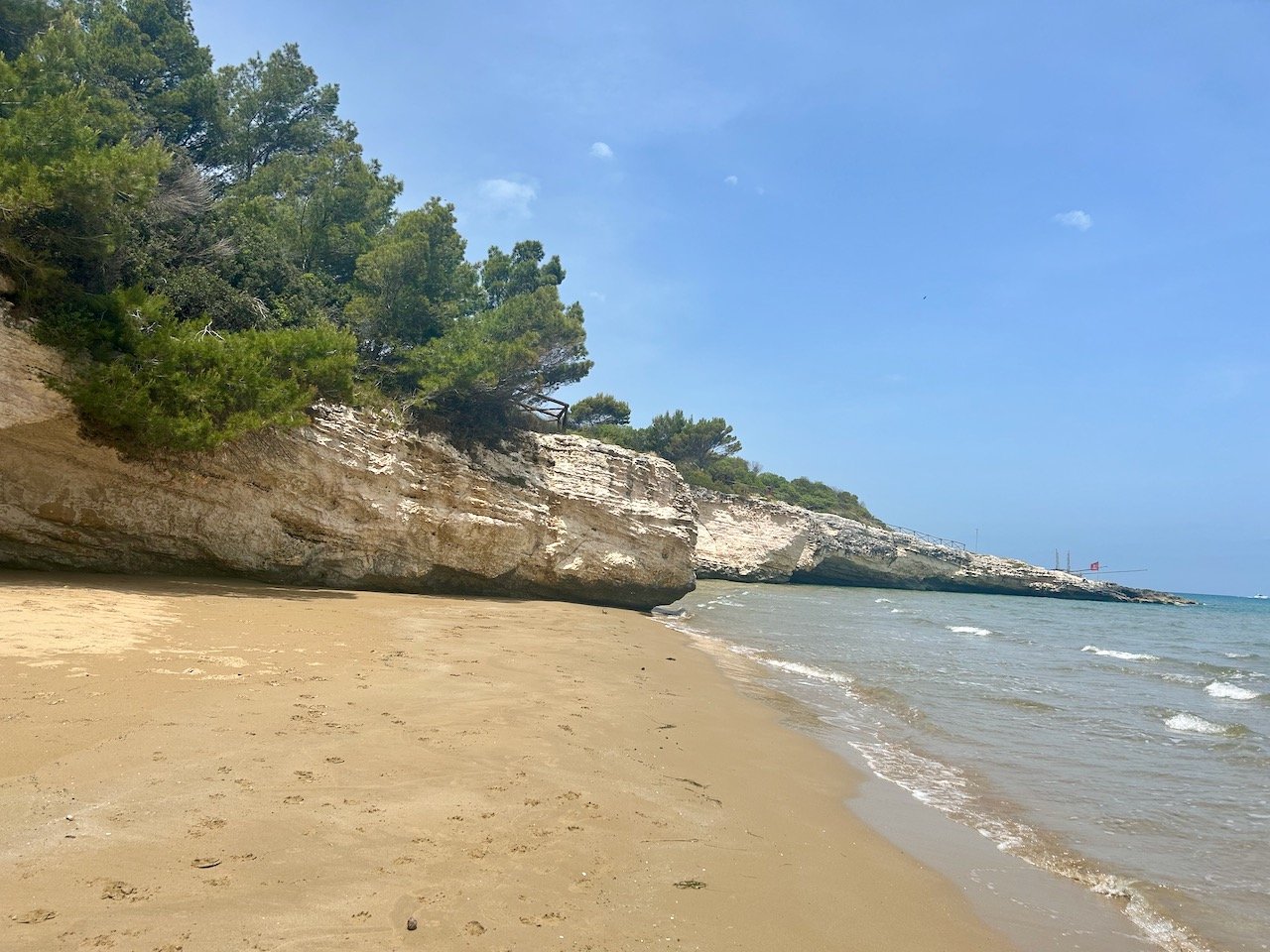
A small sandy bay on the coast of Vieste

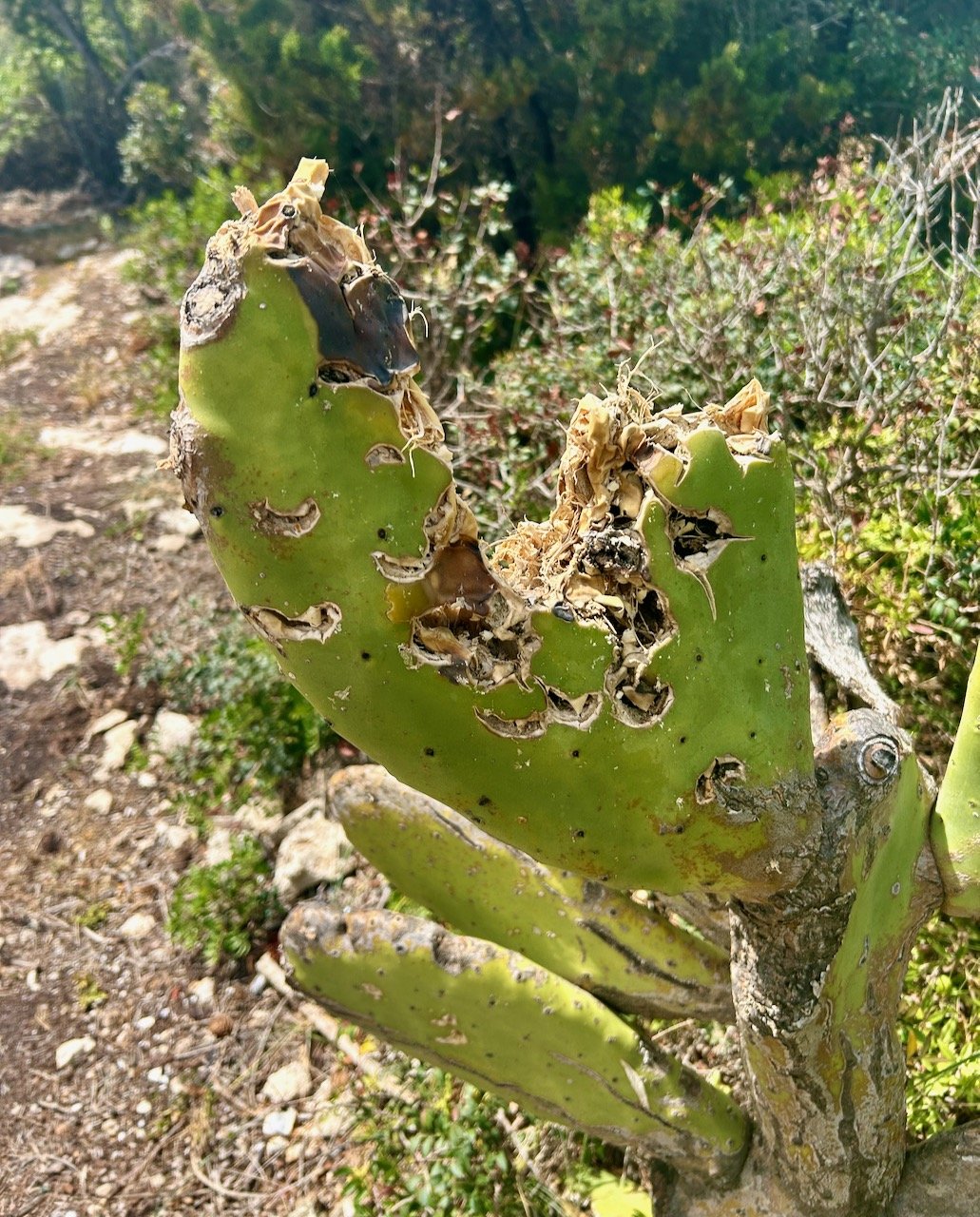
At the next sandy bay our route took a turn upwards, and the plants changed too - a particularly dog-earred prickly pear caught my eye.

A dog-earred prickly pear

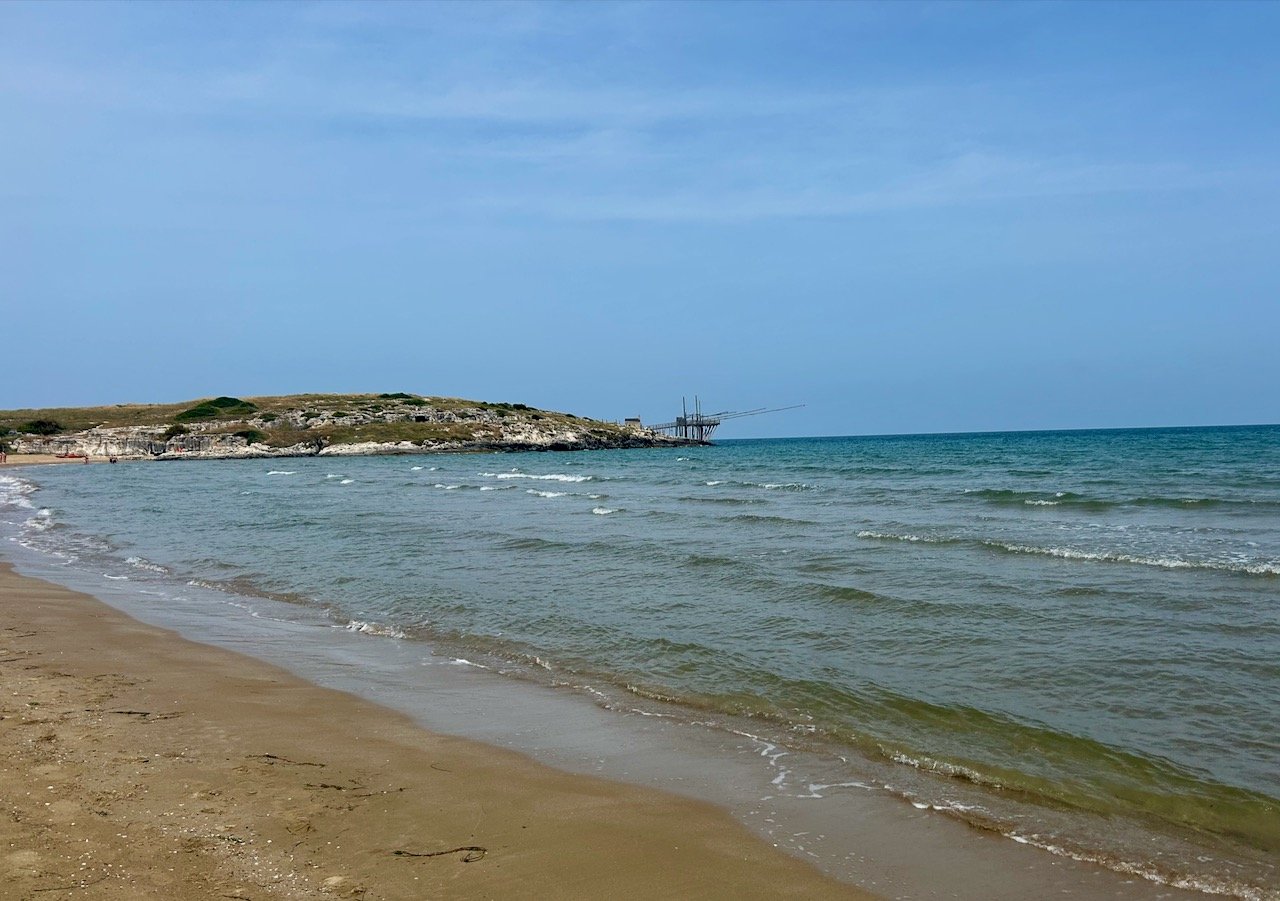
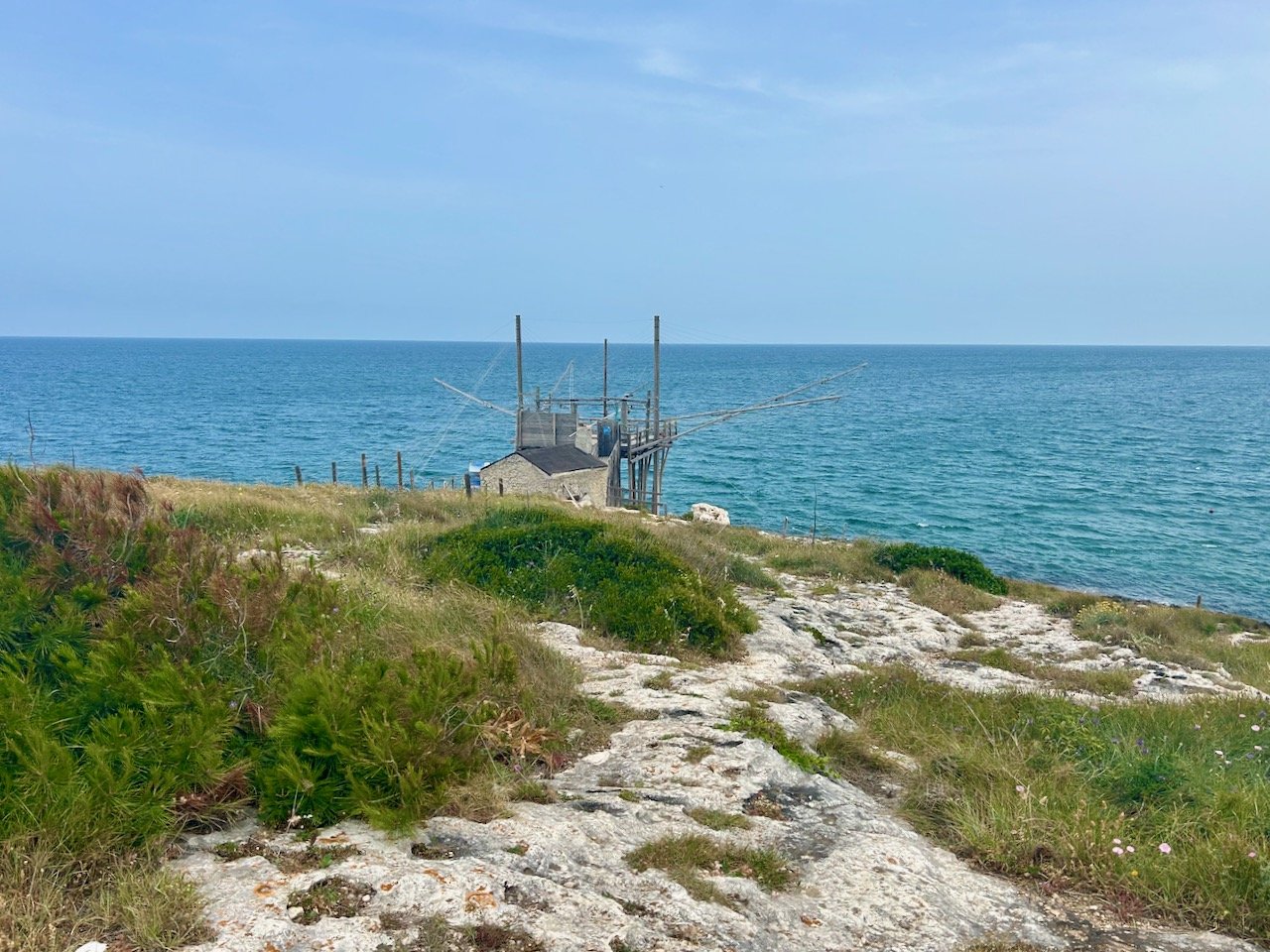
And with a bit of here and there-ing, and a walk along the road and climbing over the crash barrier the next trabucchi, the Trabucco Punta Lungo, was in sight, looking very similar to the one we’d already passed - but no less amazing.

The trabucco Punta Lungo

TRABUCCO PUNTA LUNGO

Again we paused to admire the view, and look to see where we’d been, and where we were heading to. And to breathe in the fresh air, even now these photos bring that right back to me.

The trabucchi are essentially a small pier with a complex architectural structure, anchored to the rock, with arms jutting over the water with ropes attached to huge nets underneath. It usually took a four-person crew to manoeuvre these fishing machines, two to operate the winch, one in charge of the net and one to monitor the shoals of fish.

LOOKING BACK TO TRABUCCO SAN LORENZO

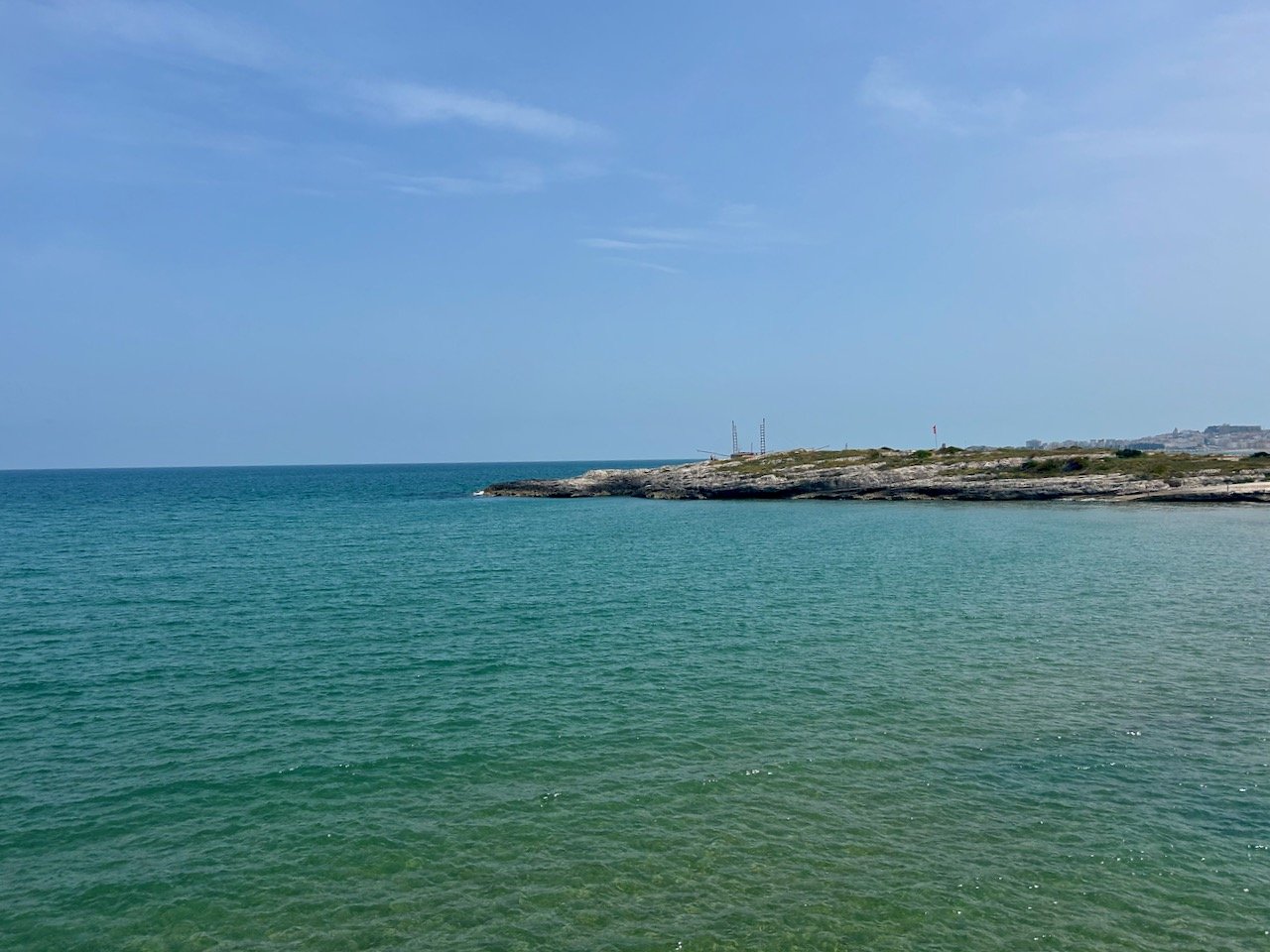
Looking ahead to the next trebucchi on our route

AND LOOKING AHEAD TO TRABUCCO MOLINELLA

Although we were keen to get on, it was also good to stop and admire the coastal plants, such as this creeping sour fig with its bright flowers. Not that I knew its name at the time, a more recent phone update enables me to look up the names of plants from the photos, and that’s so very welcome.

A bright pink creeping sour fig plant

Having reached halfway - and the final trebucco on our walk - we stopped to eat our picnic lunch; we’d bought rolls, cheese and sliced meat and some fruit in the supermarket near our hotel before we set out. It was quite the lunch with quite the view, but little did we know that there’d be many more lunches with views as special over the next few days on our trip. I mean we hoped, but we didn’t know for sure.

The trabucchi are no longer actively used by the fishing industry, but they are of immense cultural and historical interest and are protected by the Gargano National Park. There are restoration projects in place and some of the trabucchi offer organised visits and fishing experiences, which is a great way to ensure their history is not forgotten.

TRABUCCO MOLINELLA

The return leg of this walk was the same but in reverse, we managed this much more quickly as we were retracing our steps, and because we’d already taken the pictures we’d wanted. But isn’t it strange how walking the same picturesque route can at times look so, so different.

Our incentive to get back was an ice cream and a beer in one of the bars we’d spotted in the town the previous evening, and to suss out a potential restaurant for that evening. As the evening went on though, my ankle started to swell a little which was a little concerning with a week’s walking ahead of me.

Maybe a night’s rest would sort it out…

See all of my posts from our self-guided walking holiday in the Gargano Peninsular. We started the walk on 18 May 2024, returning to the UK eight days later.