
A Jubilee tea party at Wallington

The weather for our Northumberland trip was mixed to say the least, but it seems the weather at home was similar so that’s something at least! We arrived at Wallington just outside of Morpeth in torrential rain - and quite frankly we were surprised that the National Trust volunteer came out of their hut to give us the welcome talk, it was that bad. But he did and with our membership cards scanned and each of us a little bit soggier than before we made our way to the car park, parked up and waited for the rain to subside.

We weren’t the only ones, as when the rain turned to sunshine, tentatively at first and then gloriously, we weren’t the only ones opening our car doors and donning our waterproofs and walking boots, just in case the weather were to return. Spoiler - it didn’t, but as we weren’t sure instead of starting in the house we headed towards the Walled Garden which was a fantastic spot. By the time we got there the sun had decided to shine gloriously and it was drying up nicely, so much so that the garden benches were being used.

I’ll share more of the garden in another post, today I want to share more from inside the house. One that I liked a lot, and could quite happily move into, though I’m not sure the National Trust would be quite so keen on that!

The rooms are arranged around a central hallway, but in a way that you can also walk between rooms without accessing the corridor. Our visit started in the Dining Room which had been dressed for a Jubilee tea party, which made me smile - I mean, who doesn’t like a bit of bunting?

The dining room laid out for a tea party with a union flag hanging in front of the display cabinet at the far end of the room

There was a cake too (cardboard I suspect) which was also doubling up as a screen for the projector showing excerpts from the Queen’s Coronation, the Union Flag and other film clips, and this was a really nice and unusual way to pay a tribute.
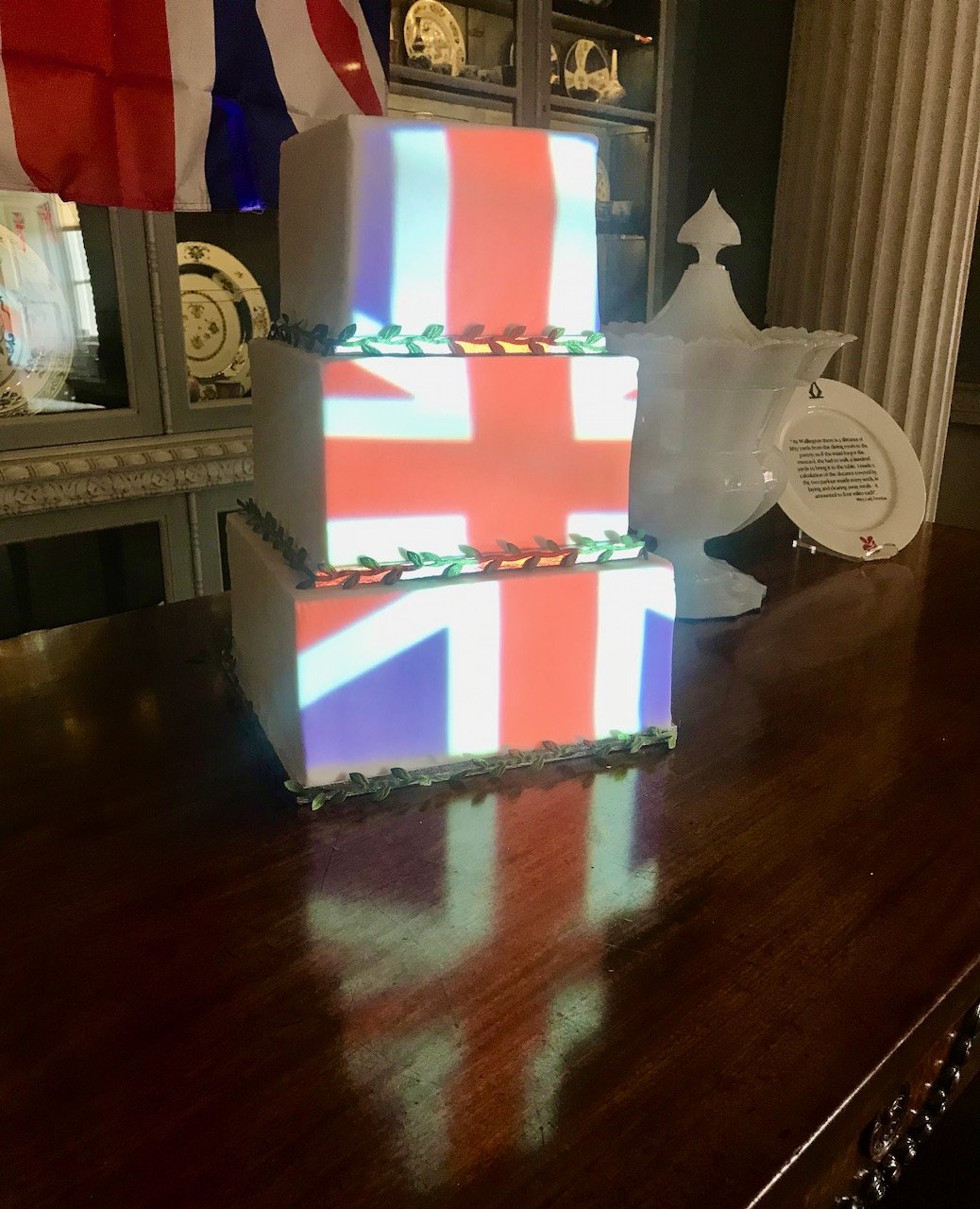
a three tiered cake with a union flag projected onto it
The queen's face is also projected onto the three tiered cake

The dining room was forty paces along the corridor from the kitchen, and the servants would carry the food here using the far end of the room where the columns are as a serving area. The room also shows some of Wallington’s ceramic collection, which is one of the most important in the National Trust, including some fine examples of Chinese porcelain.

I’ve no idea if the photo below is that fine Chinese porcelain or not, but the detail and the design on the cups especially caught my eye.

A closer look at two plates, and cups and saucers in the crockery cabinet

Moving on we found ourselves in the Drawing Room, which was one of those rooms where I found myself taking a sharp in breath. It really was beautiful. It wasn’t always the principal reception room though, originally it was the Great Hall and the entrance of the 1680s house. The Central Hall took its place for entertaining, and this room became a family space used for less formal gatherings and for music making.

plaster decorations in the drawing room, around an oval inbuilt display cabinet and above the door and marble fireplace surround.  A pale mustard sofa in front of the shot.
Decorative plasterwork surrounding an oval mirror  - in front of the mirror is a table with a lit light and blossom in a vase which is reflected in the mirror

The library is the third grand room on the south front of the house, and contains over 3000 books making it one of the most important 19th century libraries in the National Trust. The books are fragile, and not just because of age but also reassuringly through use having been read many times by the family.
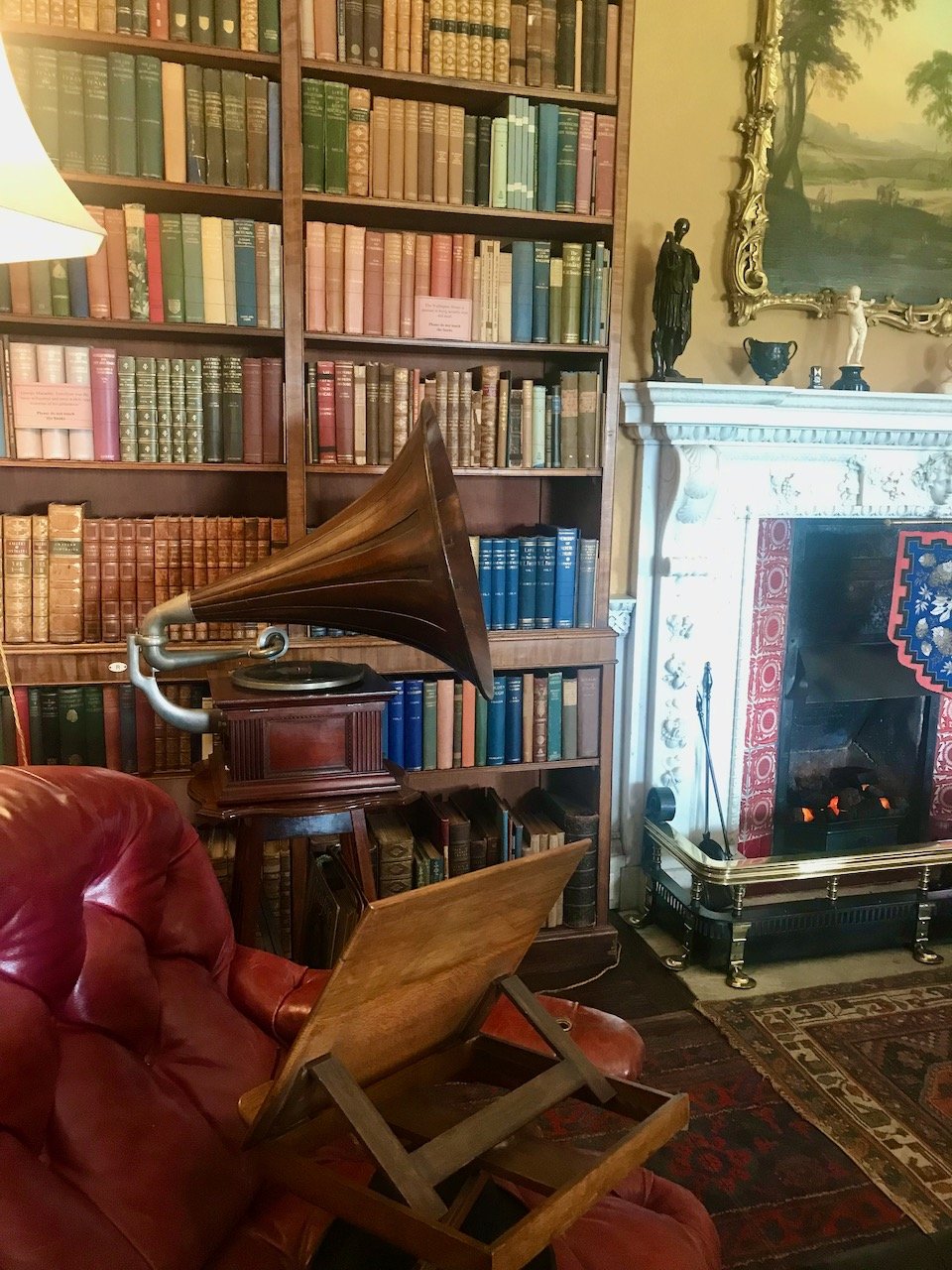
In the library a wall of books, in the foreground a gramophone and red leather chair

Next we found ourselves in the study, which would originally have house a three storey staircase which was removed when the South Staircase was installed in the 1740s. It was on this desk that the first history bestseller The History of England by Thomas Babington Macaulay was written. That’s what I love about these visits, history everywhere you look.

A desk in the study with 'estate' papers on display

The Parlour was a much more feminine room, decorated in the Arts and Crafts style, and was used by the ladies of Wallington for ‘socialising and personal affairs.’ You might recognise the Morris & Co design. It looks like a room that it’d be easy to spend some time in.

A side table in the parlour which is much prettier with pale blue wallpaper in the background
In the parlour with arm chairs to the left of the fireplace and a round table set for tea on the right hand side

The Central Hall is quite a statement, but an unfinished one. Pauline, Lady Trevelyan commissioned local artist William Bell Scott to create a series of ‘wall paintings to illuminate the history and worthies of Northumbria.’ The canvases were completed by 1861 and span history from the building of Hadrian’s wall to mid-19th century industry on Tyneside, but it was the paintings of the flowers and plants on the ground floor pillars that really appealed to me. They were absolutely stunning and I’m hoping to share more on these in a separate post.
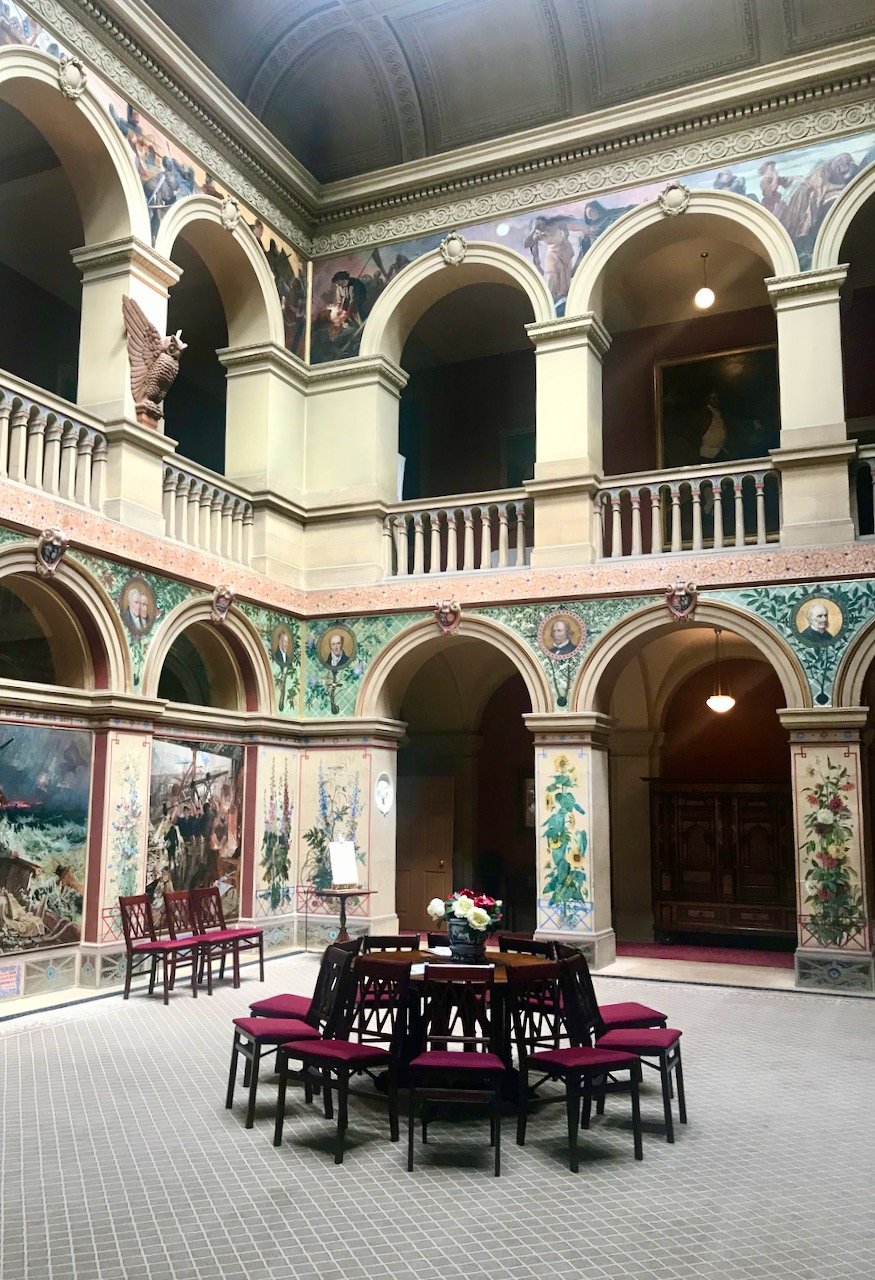
The central hall with arch ways on the ground and first floors.  the ground floor walls are painted with murals. In the centre of the hall is a circular table with chairs facing outwards
Looking up in the central hall to the double height ceiling showing 12 circular sky lights with light streaming in

The plan was for these upper pillars also to be decorated, and for the ceiling to be blue with gold starts - but as you can see this work never took place. It’s stunning without this, but I imagine with it it would be even more so. Light floods into the central space through those twelve sky-lights, which are something that we see more in our modern day homes.

Wallington really is a stunning house, and here I’ve shared just a selection of my photos from our visit - I’ve many more to share of the garden too. But that’s for a future post.
In the Orangery at Belton House

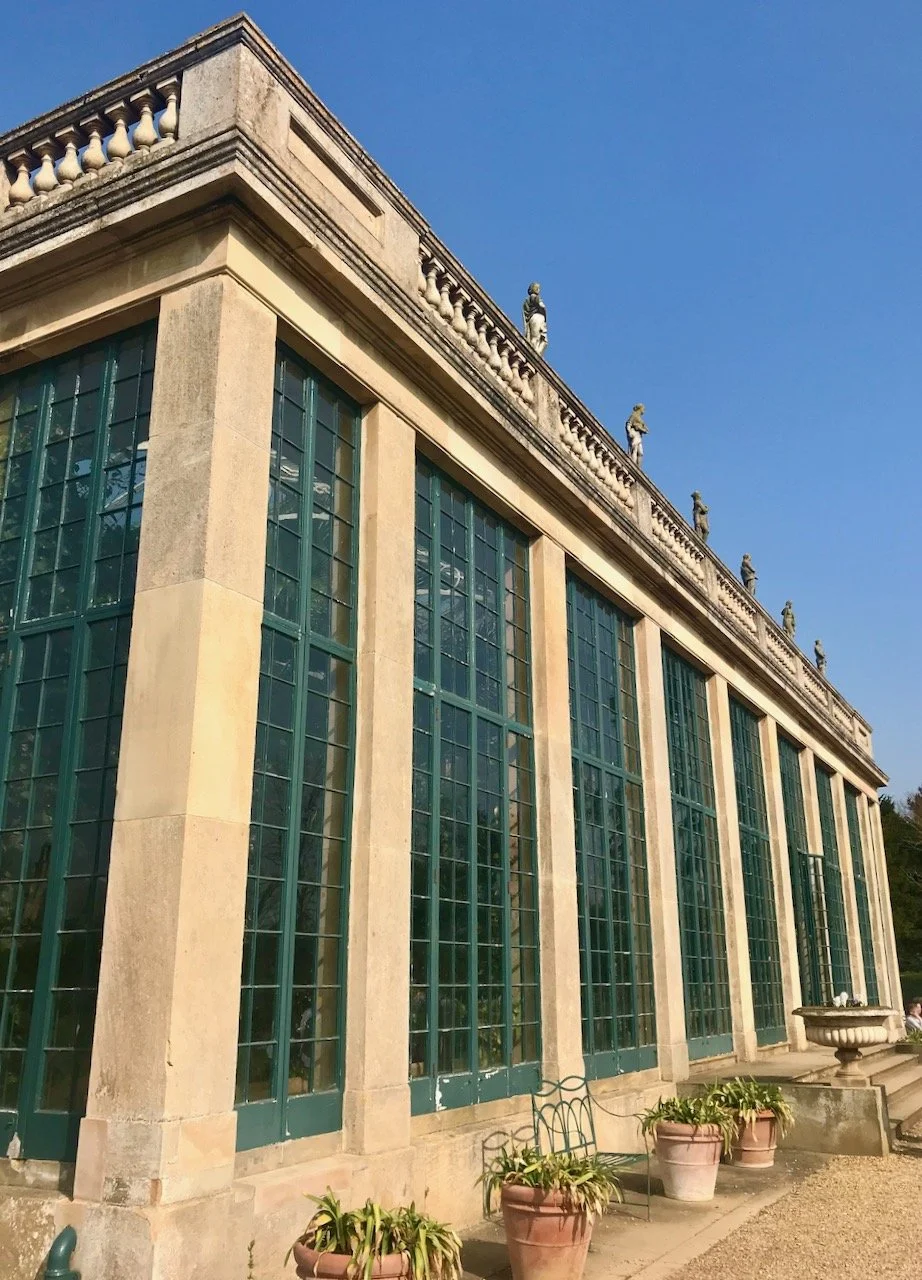
The Orangery is the centre piece of the Italian garden at Belton House. It’s built using cast iron and glass and is faced in local Ancaster Stone, and was the first iron and glass domestic conservatory ever built - and it was so extraordinary that the drawings were exhibited at the Royal Academy’s 43rd exhibition in 1811. And on top of that it’s a fantastic looking building that’s a favourite part of Belton for me.

exterior view of the orangery - looking up at the figures on the roof

We first visited Belton last August when we were staying at the lodge at Easton Gardens. We’re back in Lincolnshire for a few days staying in one of the villages just north of Grantham, so couldn’t resist a visit while we were here. After refuelling at the cafe, the orangery was next on my list, and I wasn’t disappointed.

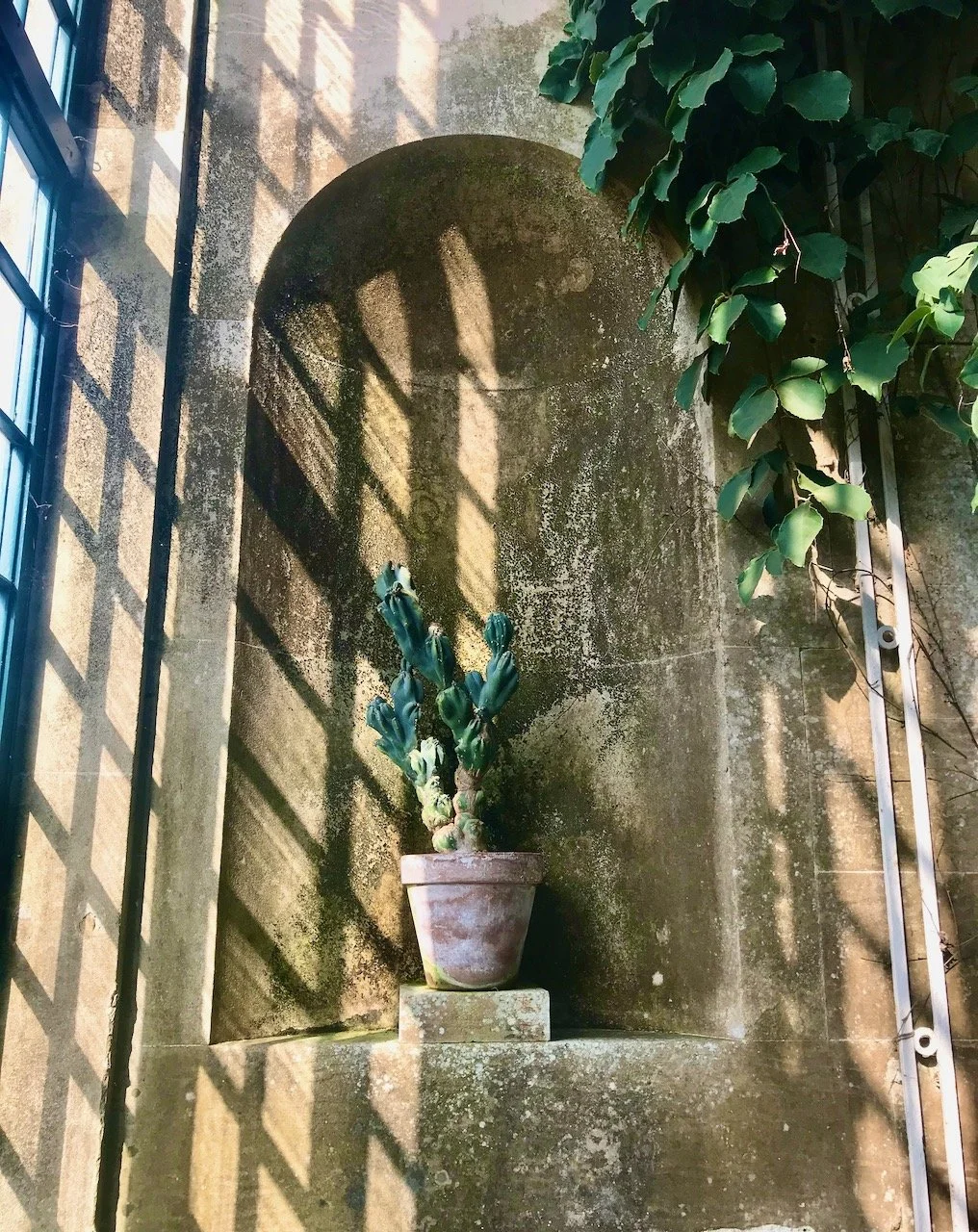
a cactus in  a terracotta pot in an alcove in the orangery
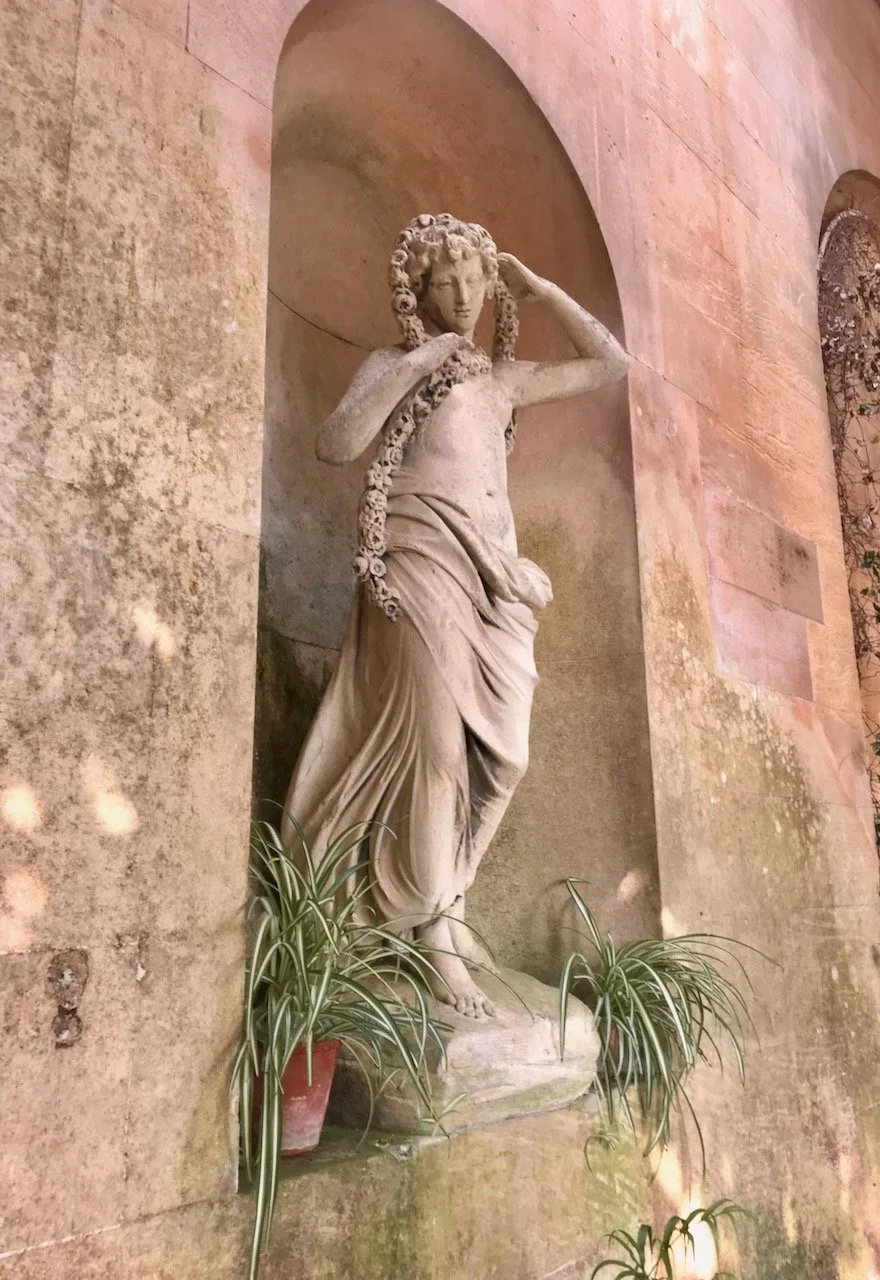
a female statute in an alcove with spider plants at feet level

I’d looked at my photos from our first visit recently, and I’m not sure why I hadn’t shared them here. Maybe I’ll do a ‘compare and contrast’ post for the differences between an August and March visit at some point, but in the meantime here’s some of the photos from our most recent visit.

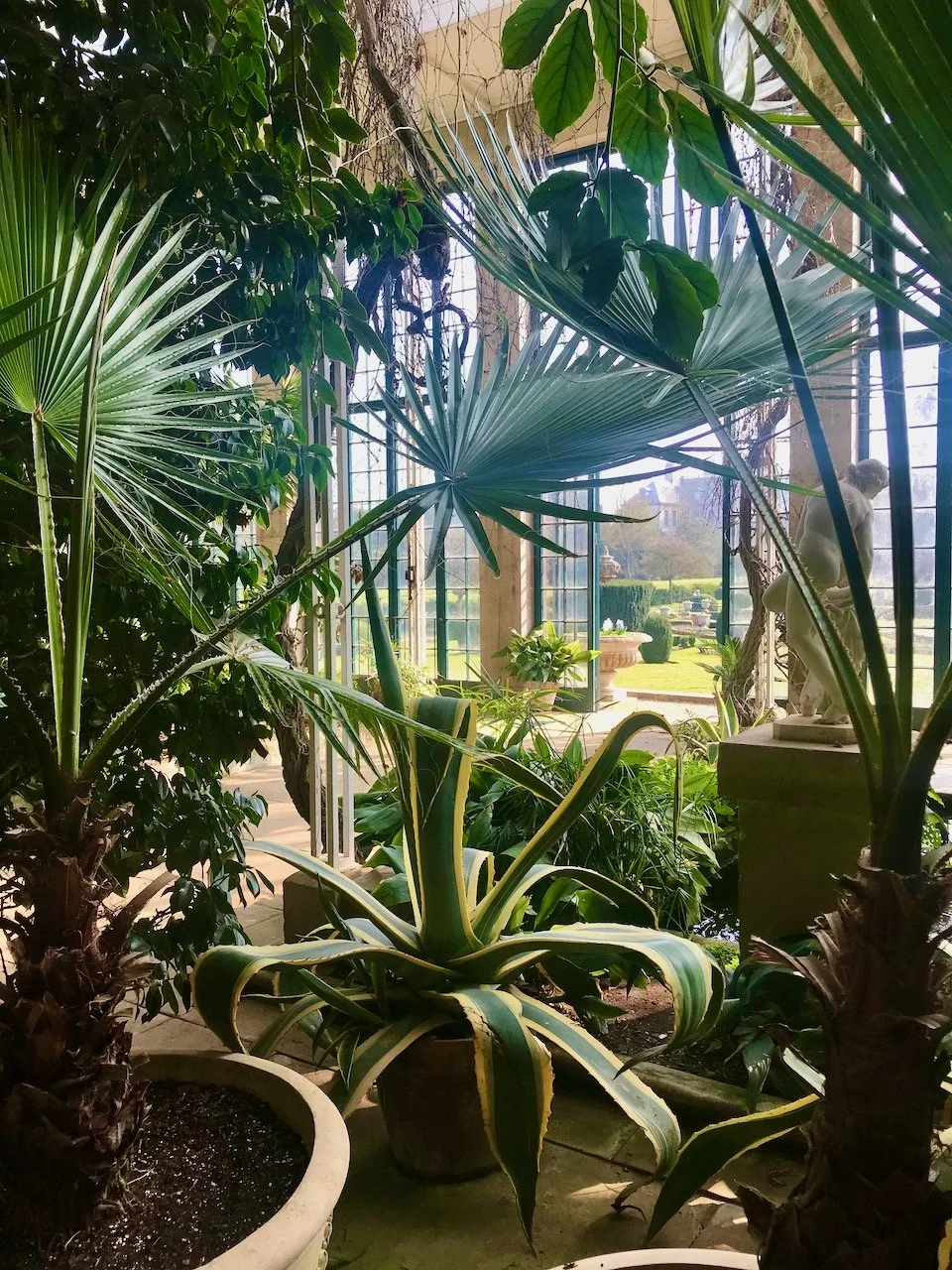
plants and leaves in the orangery
A statue at the rear with lillies in front and a pond with fish

I hadn’t remembered there being so many statues, but this time that’s what caught my eye. There was also more colour than I remembered and the plant below is one that I’ll be getting my plant app out on. It’s definitely got rhubarb and custard vibes.

A close up of one of the plants with pink/yellow 'flowers'

I think we’ll have a few more visits to Belton House, there’s much more of the park to explore than we’ve scratched the surface of yet. I’m also keen to get another look in the house, especially as things start to return to more normal times, our first visit was during Covid, and I’m sure that, understandably, the rooms and collections available to view were reduced.

I was featured on Blogger Showcase

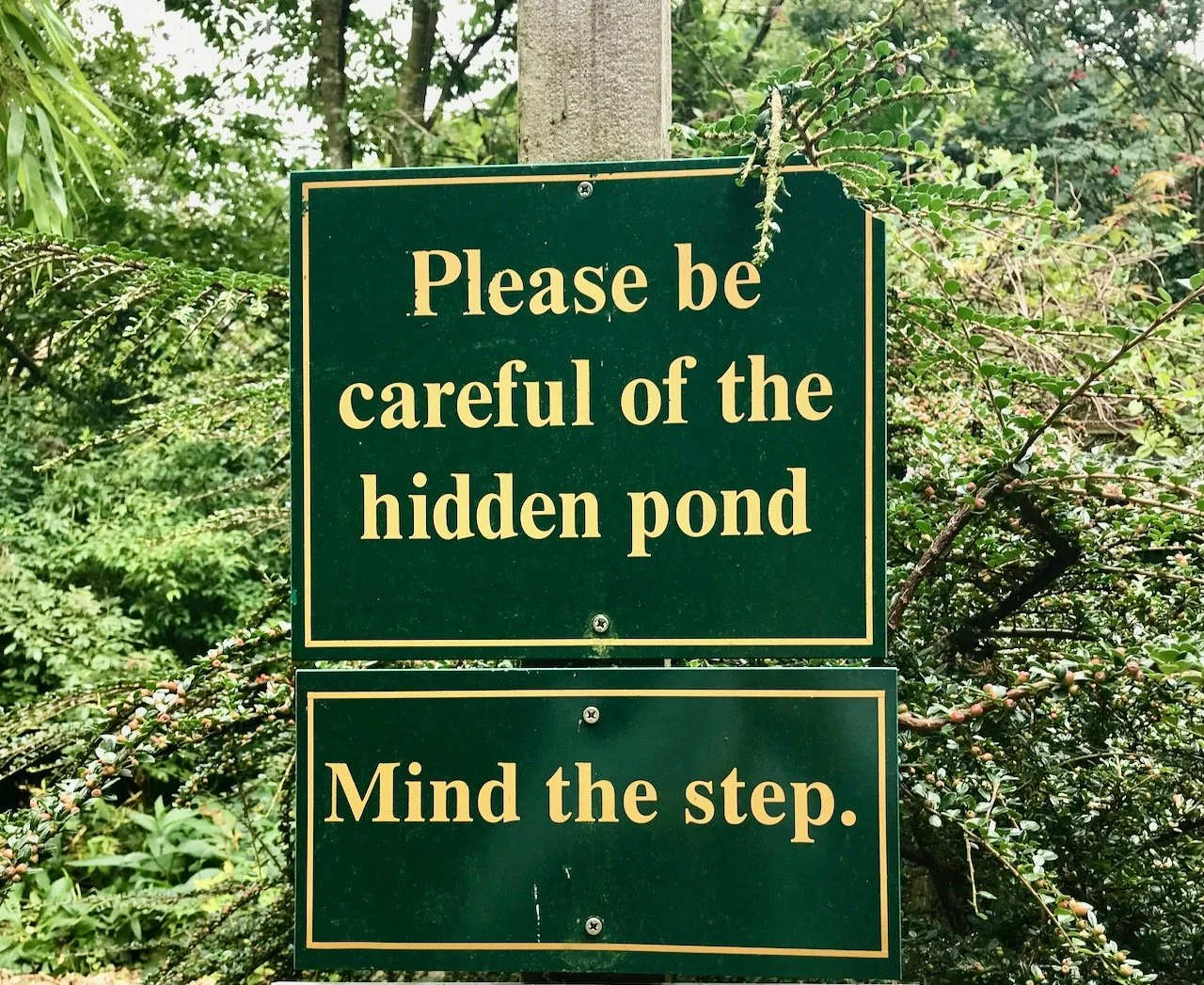
Be careful of the hidden pond

That’s not a sign you expect to see in a garden is it, but it’s one that greets you as you enter the Summer Wildlife Garden at Barnsdale Gardens. That’s garden 14 out of the 38 there, and is what I can only describe as the equivalent of a gardener’s theme park. It’s also the Gardeners’ World home of former presenter Geoff Hamilton, and where the programme was filmed at the time.

green signs on a post with greenery behind saying "Please be careful of the hidden pond" and "Mind the step"

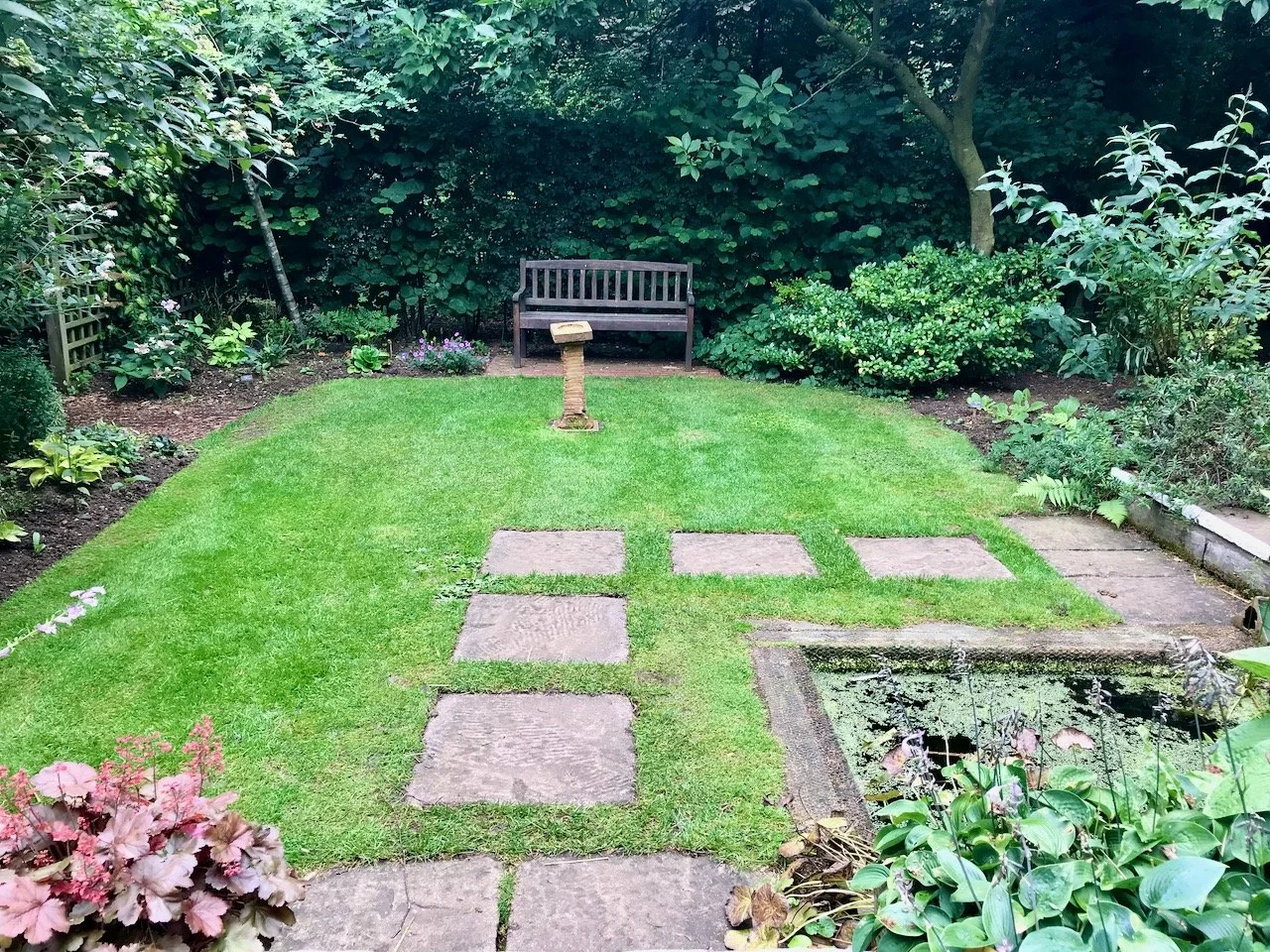
The way the gardens are laid out make them easy to take inspiration for domestic gardens, it’s so easy to imagine how they might work and that you’ve just stepped out of a house and into the garden. I think this photo shows exactly what I mean.

a bench in the background with hedges/greenery behind.  A central lawn with square pavers as stepping stones forming a right angled path around the hidden pond

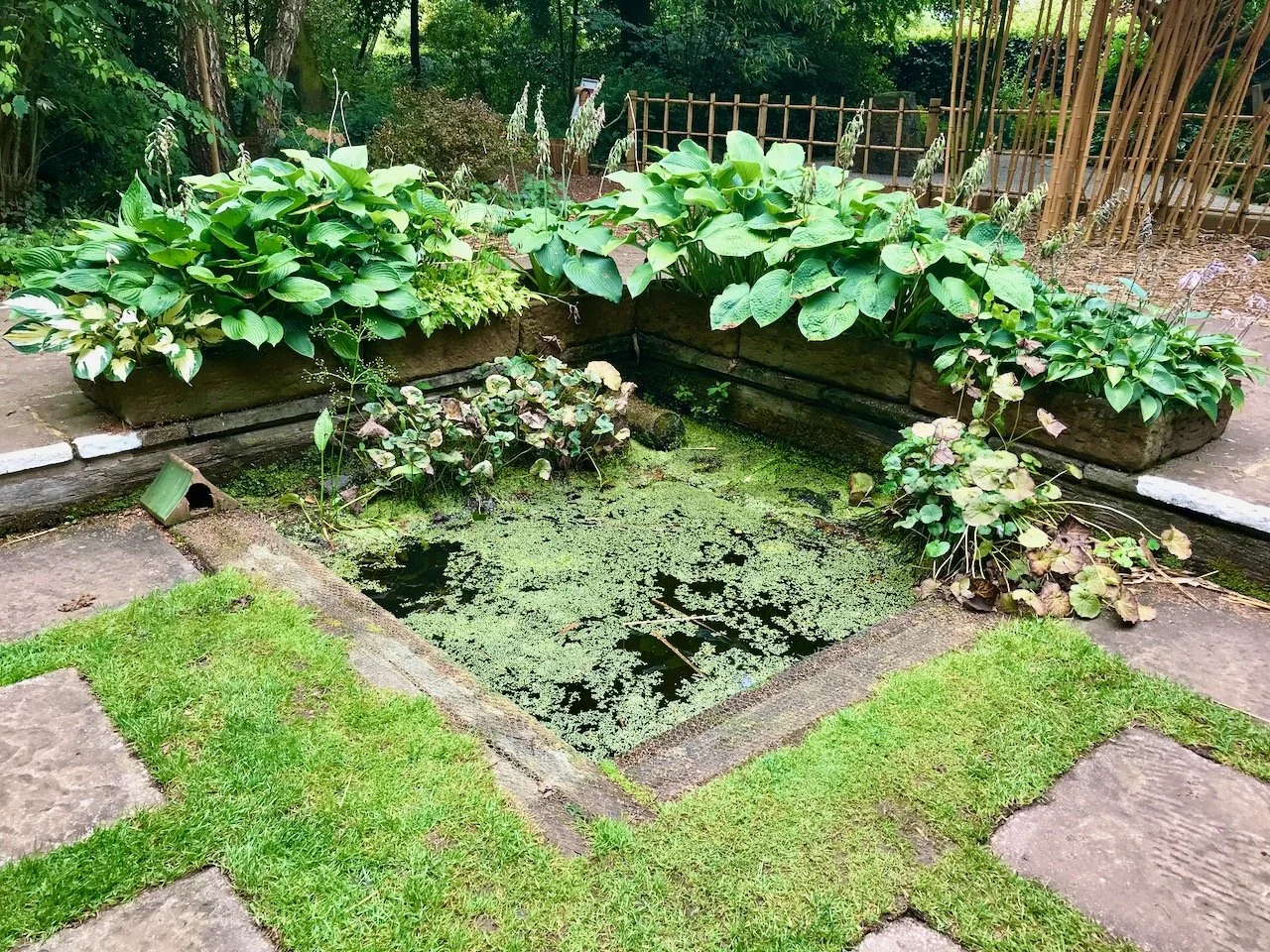
The hidden pond is in a corner of the grass and the paved stepping stones aim to lead you on a safe route, though I imagine with the planting the pond is easy to miss, so wouldn’t work for everyone. But it’s a great spot.

The hidden pond in a corner of the lawn with raised planters at the rear

The garden was created using principles outlined in the BBC’s Living Garden series and includes features to attract wildlife and safe places for them to live and hibernate. The plants too have been chosen to encourage wildlife and give them reasons to stay. The honeysuckle, hebe, rose and foxgloves, as well as the hostas all have their part to play, as does a spot to sit and enjoy the space and its inhabitants.

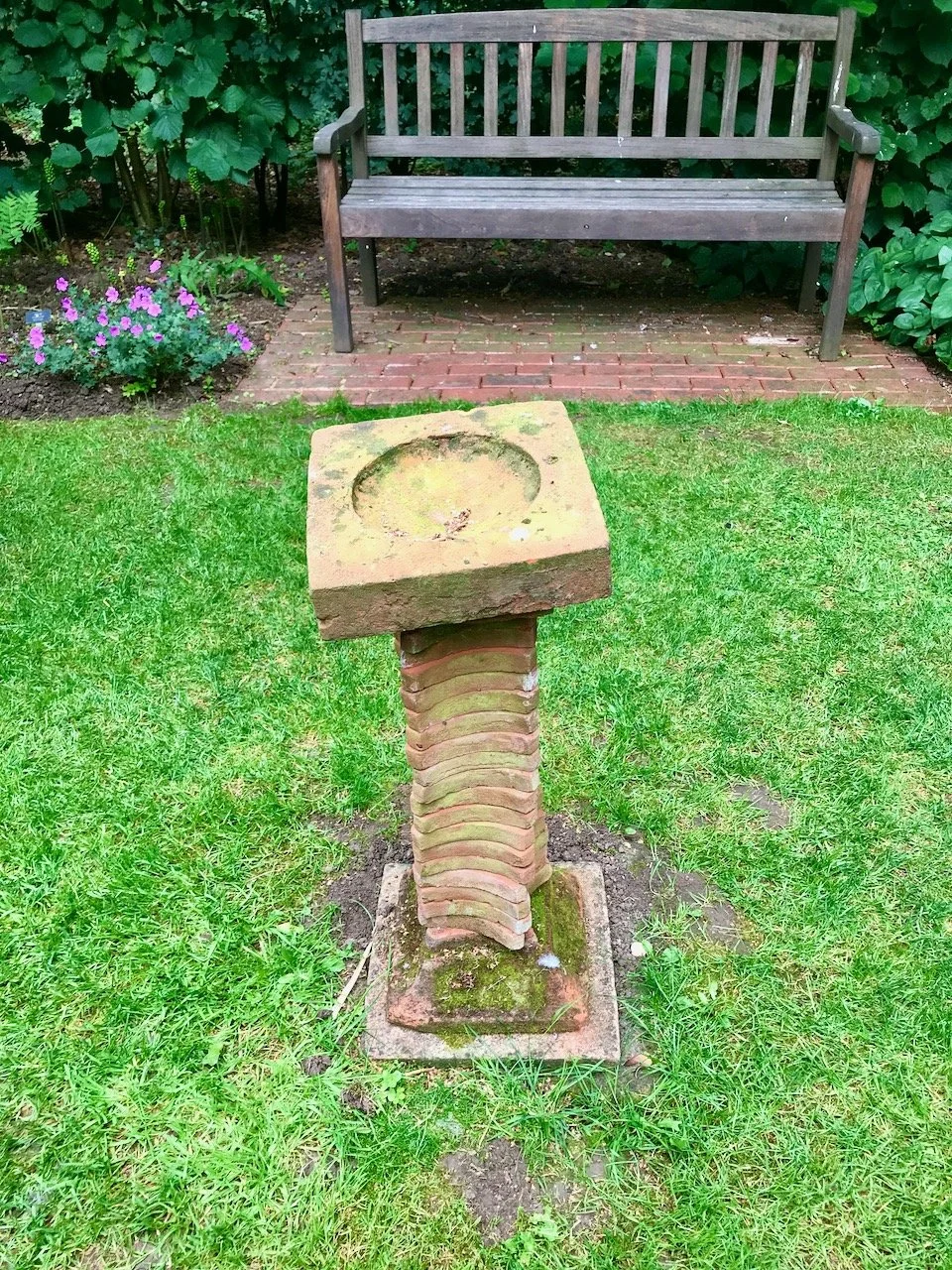
A rustic birdbath made out of stacked twisted tiles with a wooden garden bench in the background
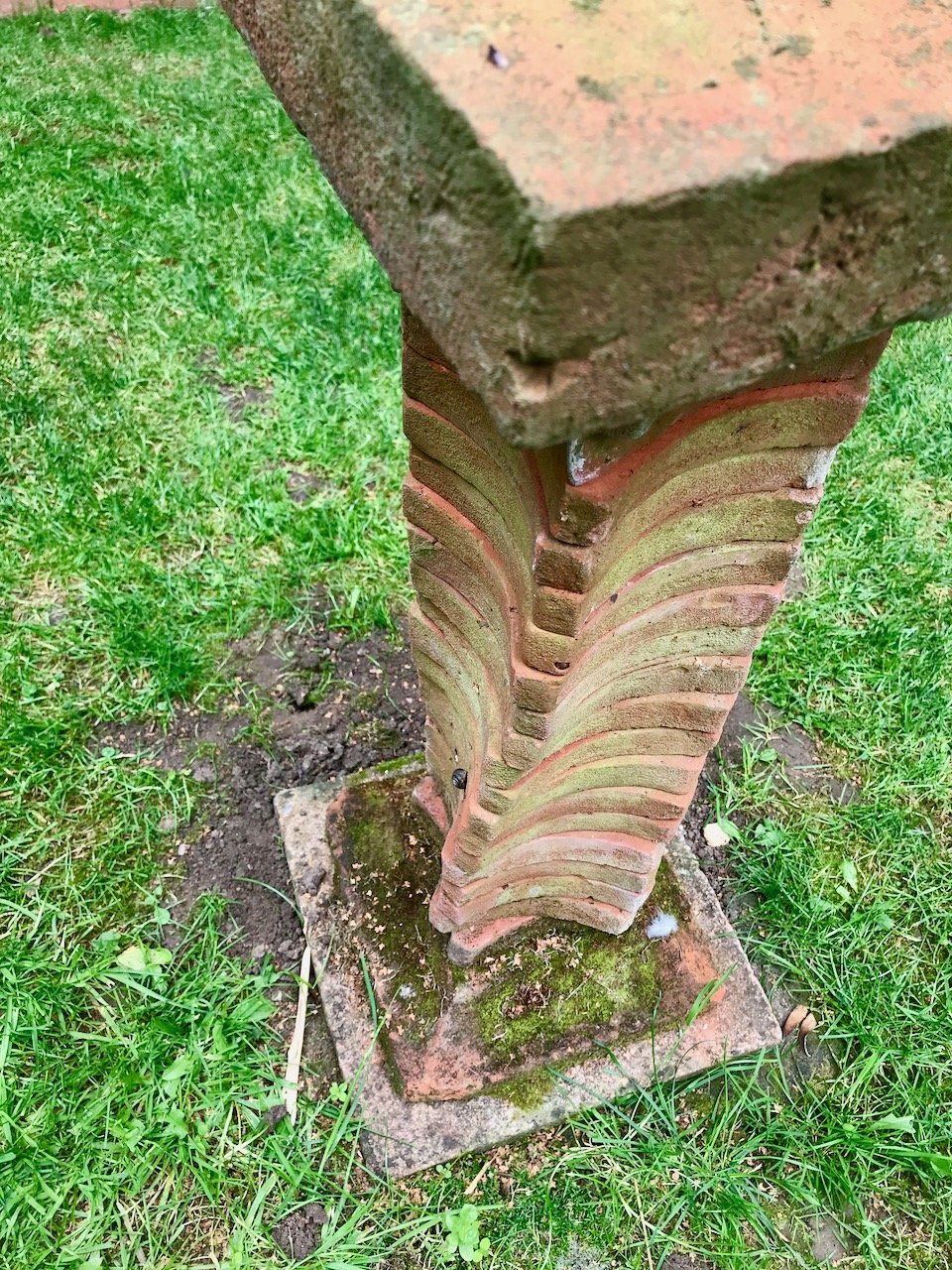
A close up of the twisted stack of the birdbath

The other endearing feature in the garden is the bird bath - as well as providing a space for birds it gives a focus point for the lawn. I love its column and could imagine sitting in the garden, enjoying the space and letting my eyes wander and wander through every spot. A totally relaxing space, don’t you think?

I was featured on Blogger Showcase