



Admiring the vegetable plots at Barnsdale

* I was invited to a press visit at Barnsdale Gardens earlier in the summer, so my posts from that visit will be marked as 'Ad’ though as usual my views and opinions are very much my own.

The visit took place just before this year’s Gardeners’ World Live show in June and quite honestly I’ve been drowning in photos, life, and plans for blog posts ever since so I’m only just starting to catch up with myself now. I’ve decided to share three posts from Barnsdale Gardens, which are located in the UK’s smallest county of Rutland.

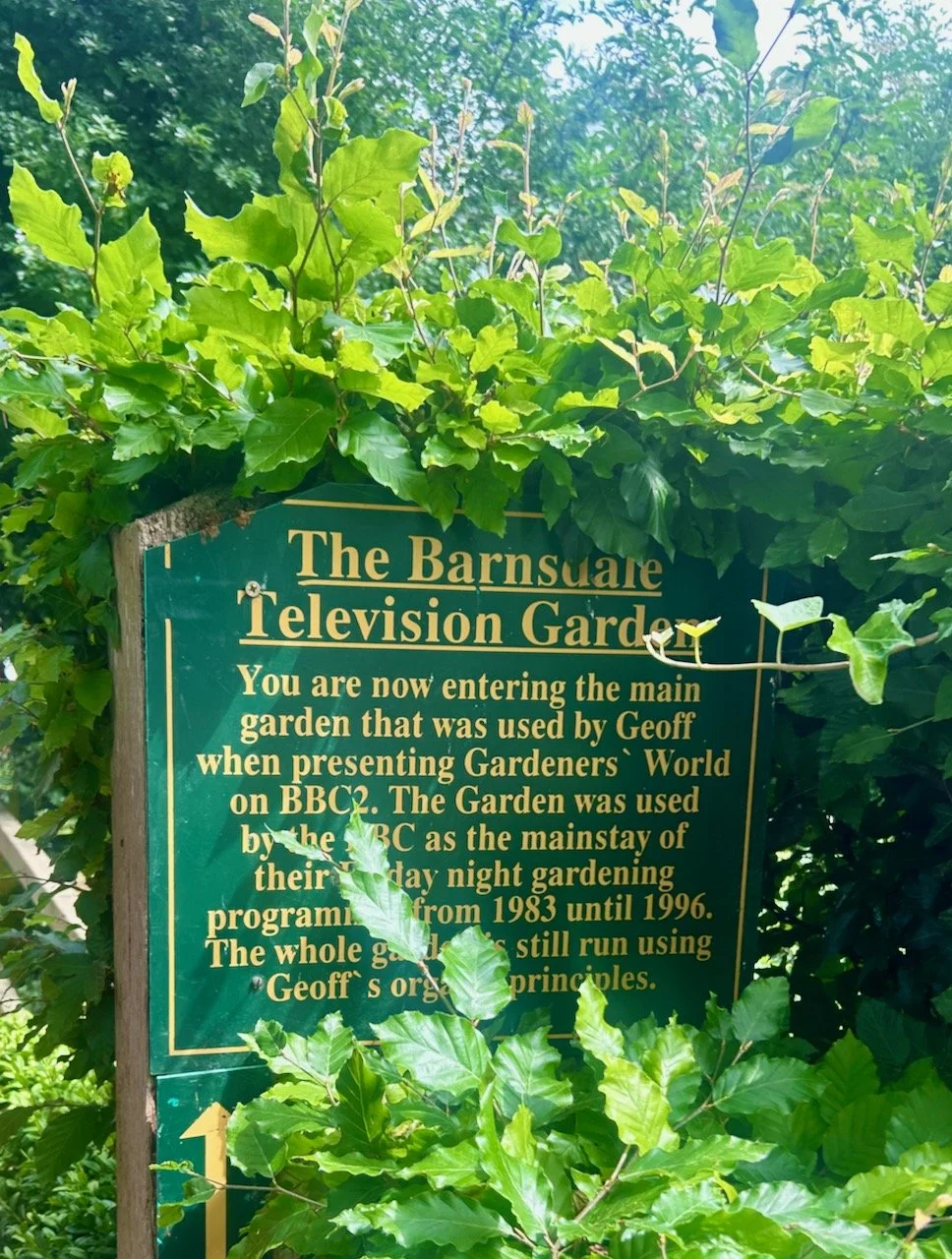
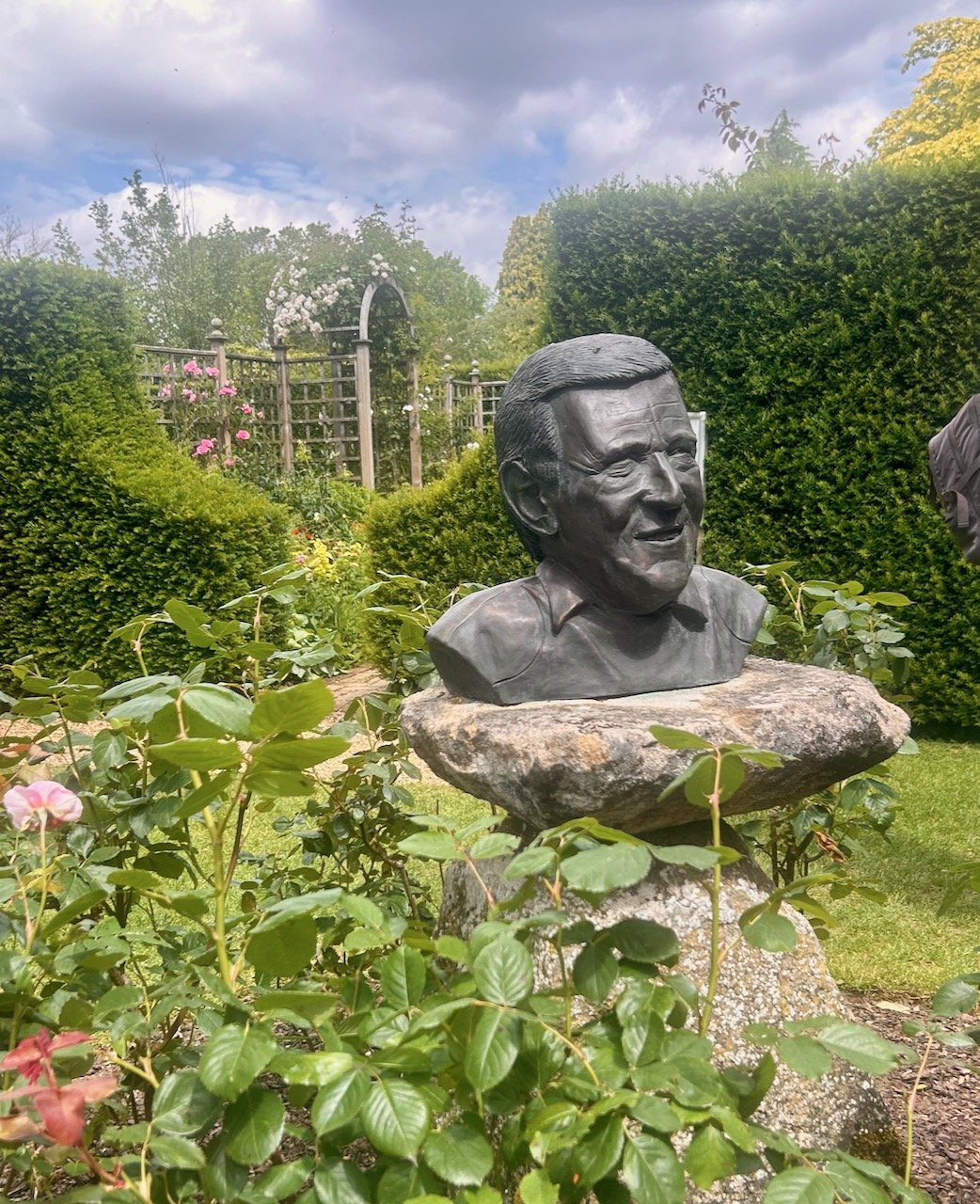
They were the home and TV gardens of former Gardeners’ World presenter Geoff Hamilton, but are now fully open to the public and run by his son Nick. It’s a fabulous place to visit, this being my second time there - the first was back in 2021 when we stayed in a lodge at relatively nearby Easton Walled Gardens, so I knew what I was heading into, and quite honestly this won’t be my last visit to Barnsdale, as as with all gardens it’s ever changing, and I’m sure I haven’t seen everything yet either.

The first of my three posts will, as you’ve probably guessed by the title, focus on some of the vegetable gardens and plots, there’ll be other posts for the flowers, structures and special bits but they’re for another day.

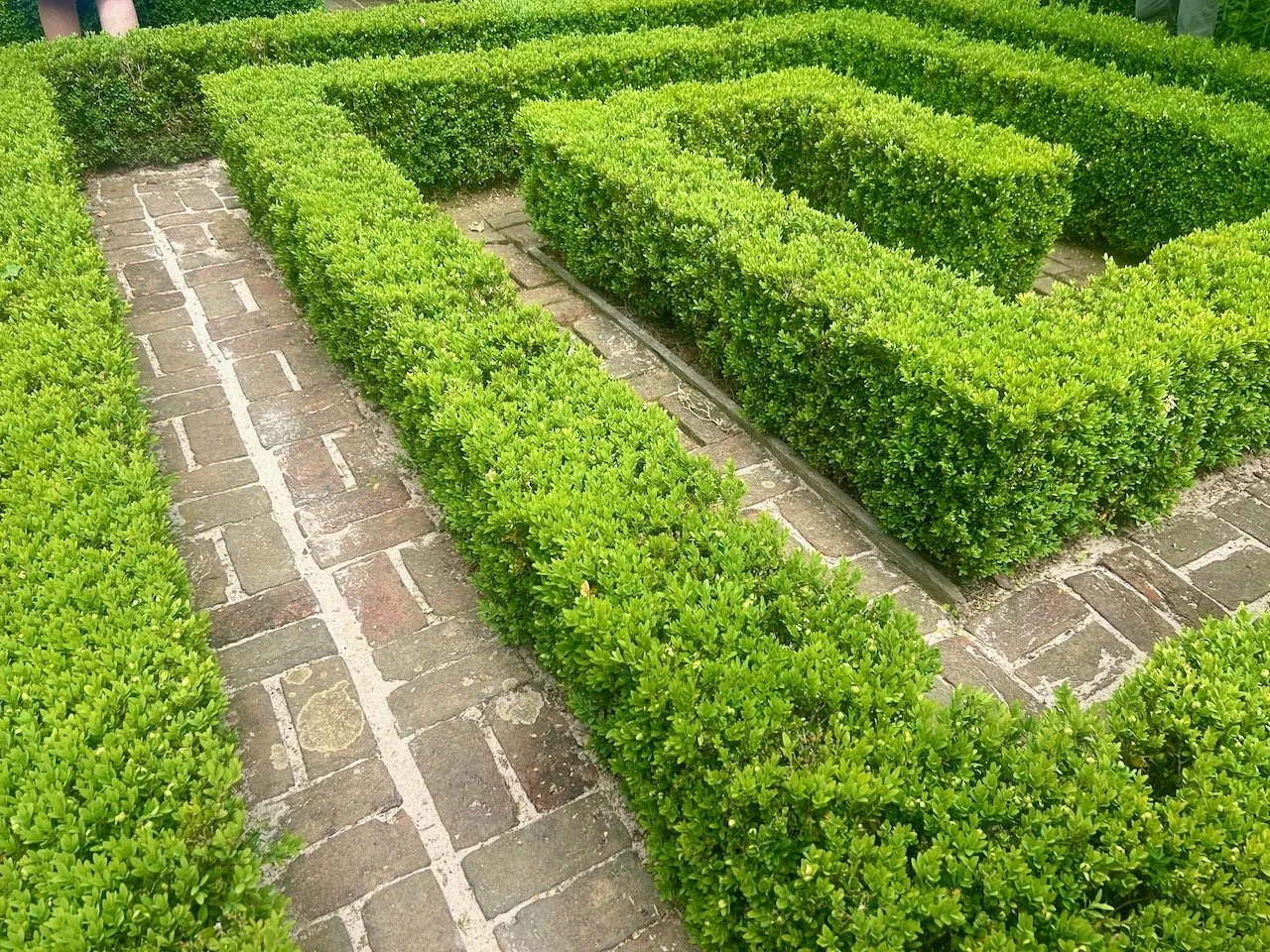
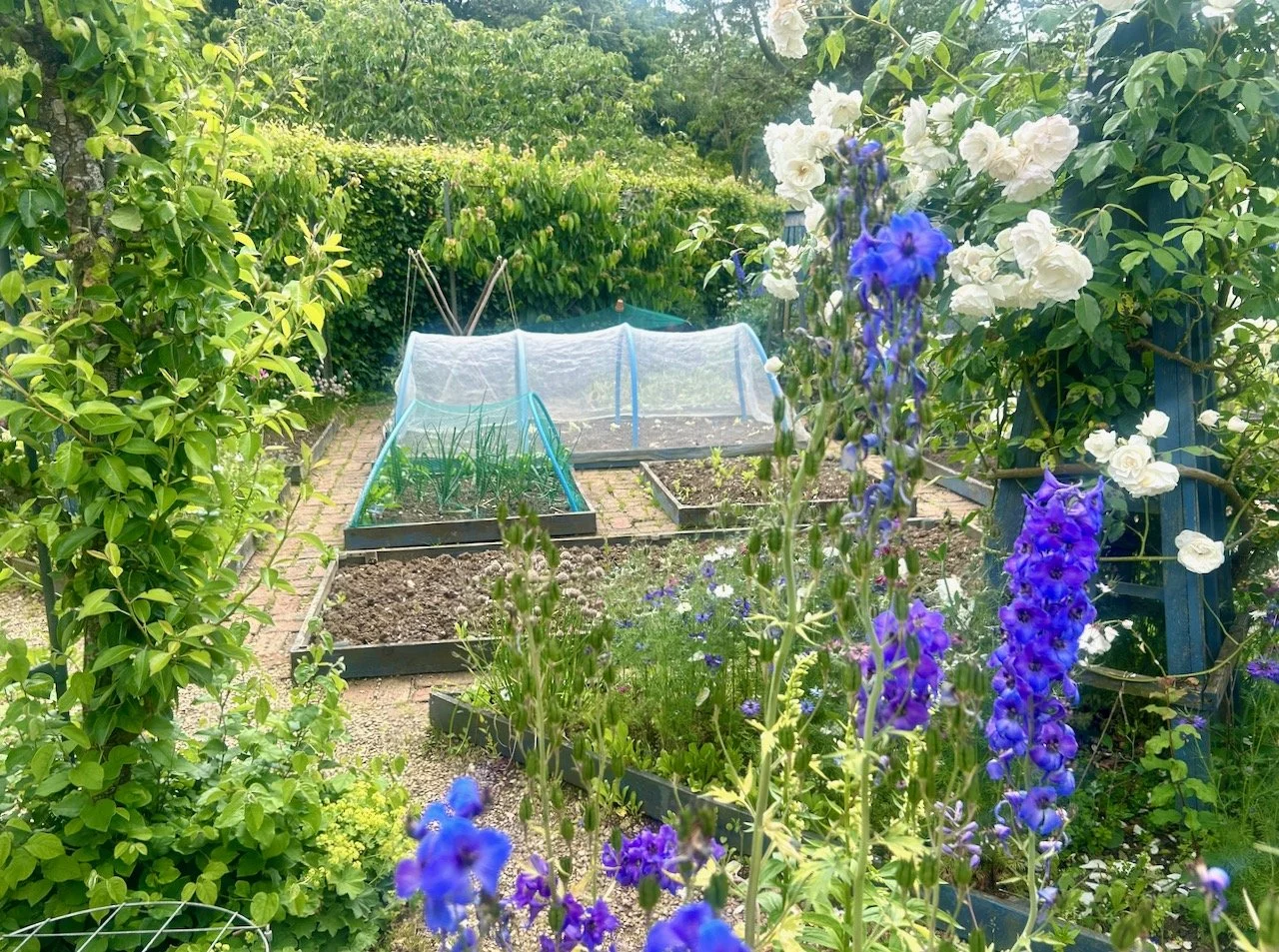
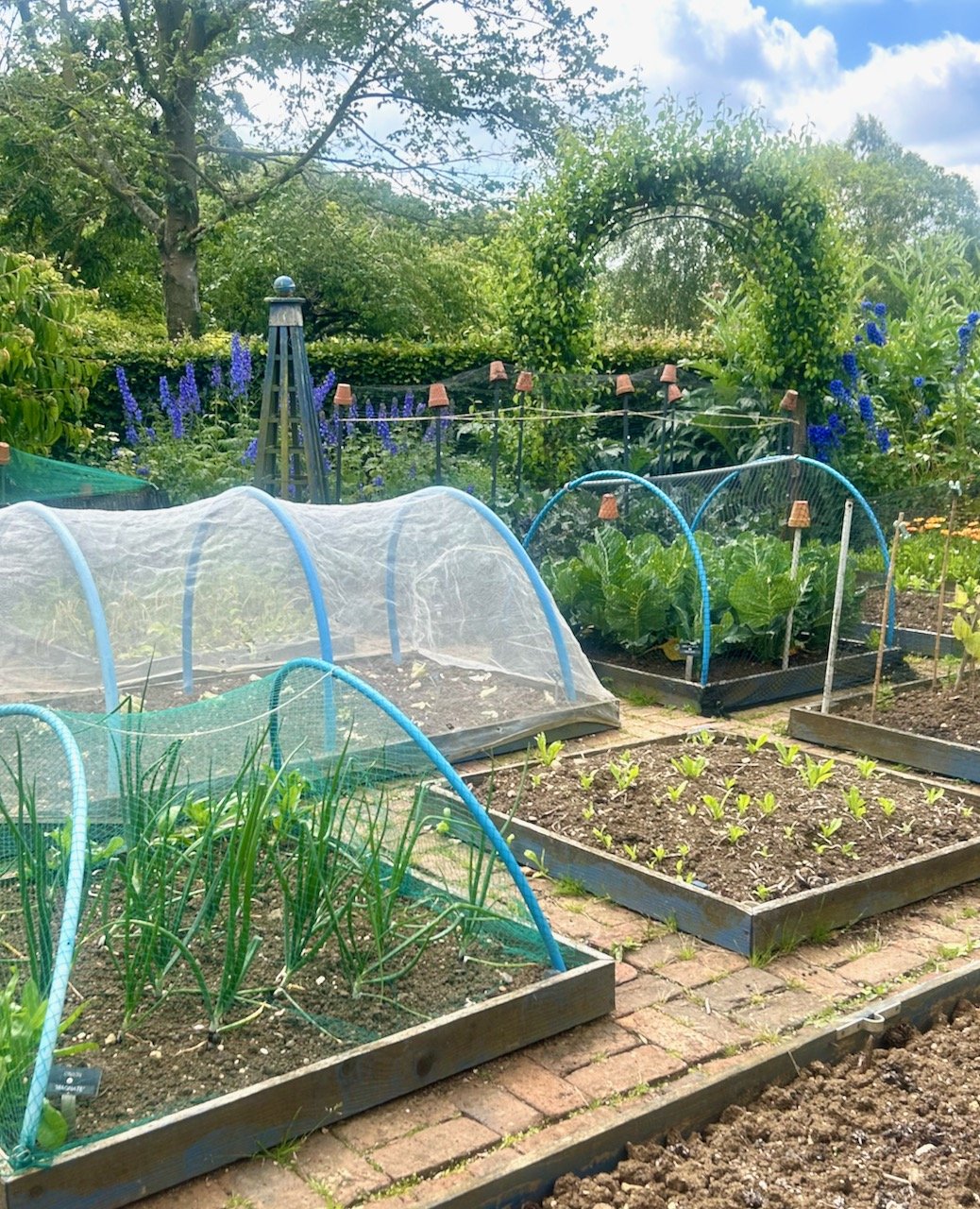
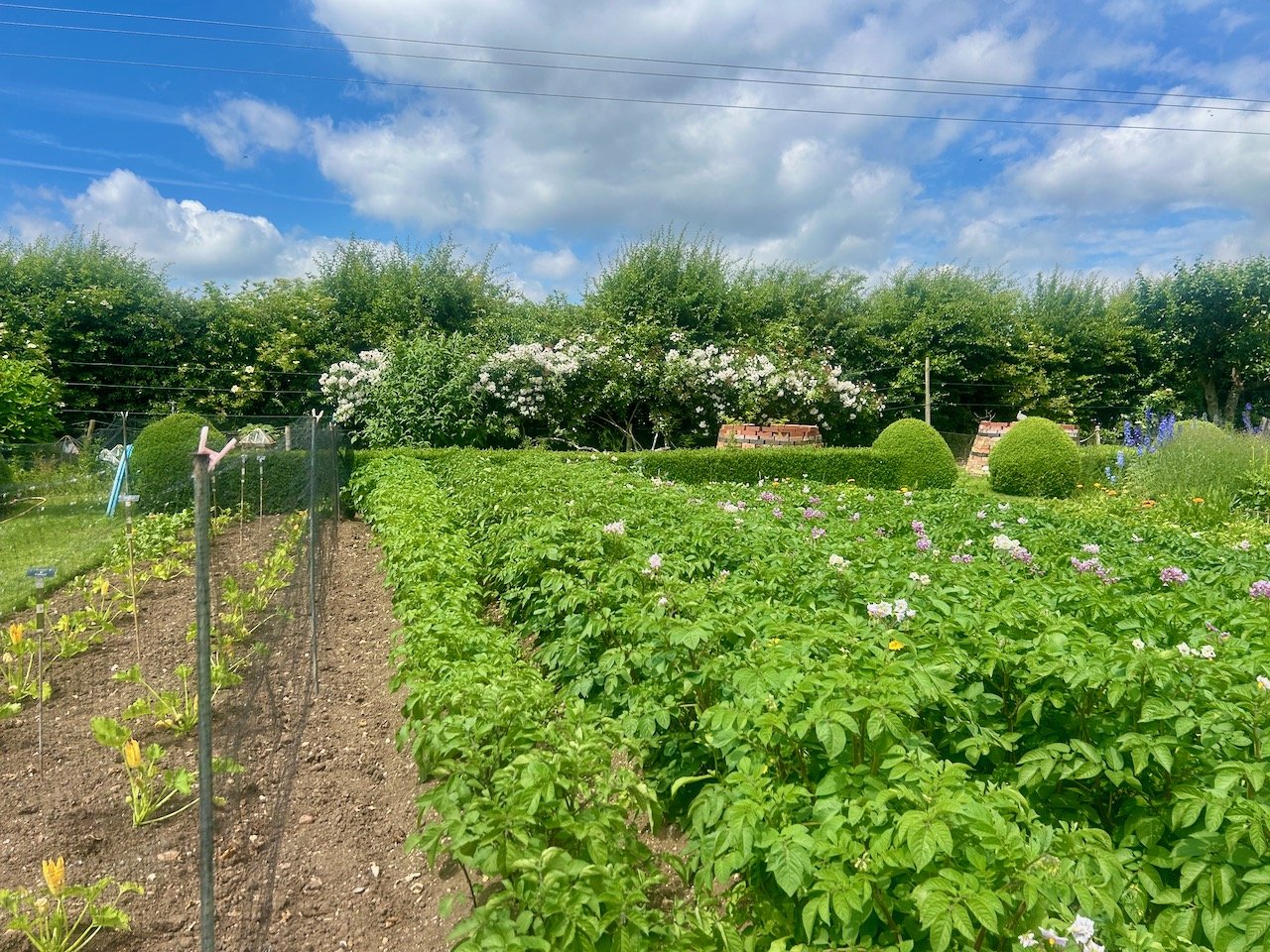
Let’s start in the Parterre Garden, which is garden number 21, and was built as one of the main projects for the 1996 series of Gardeners’ World. It combines a more formal design, but is a high yielding space using rectangular, square and triangular beds.

Looking at the vegetable beds in the Parterre garden
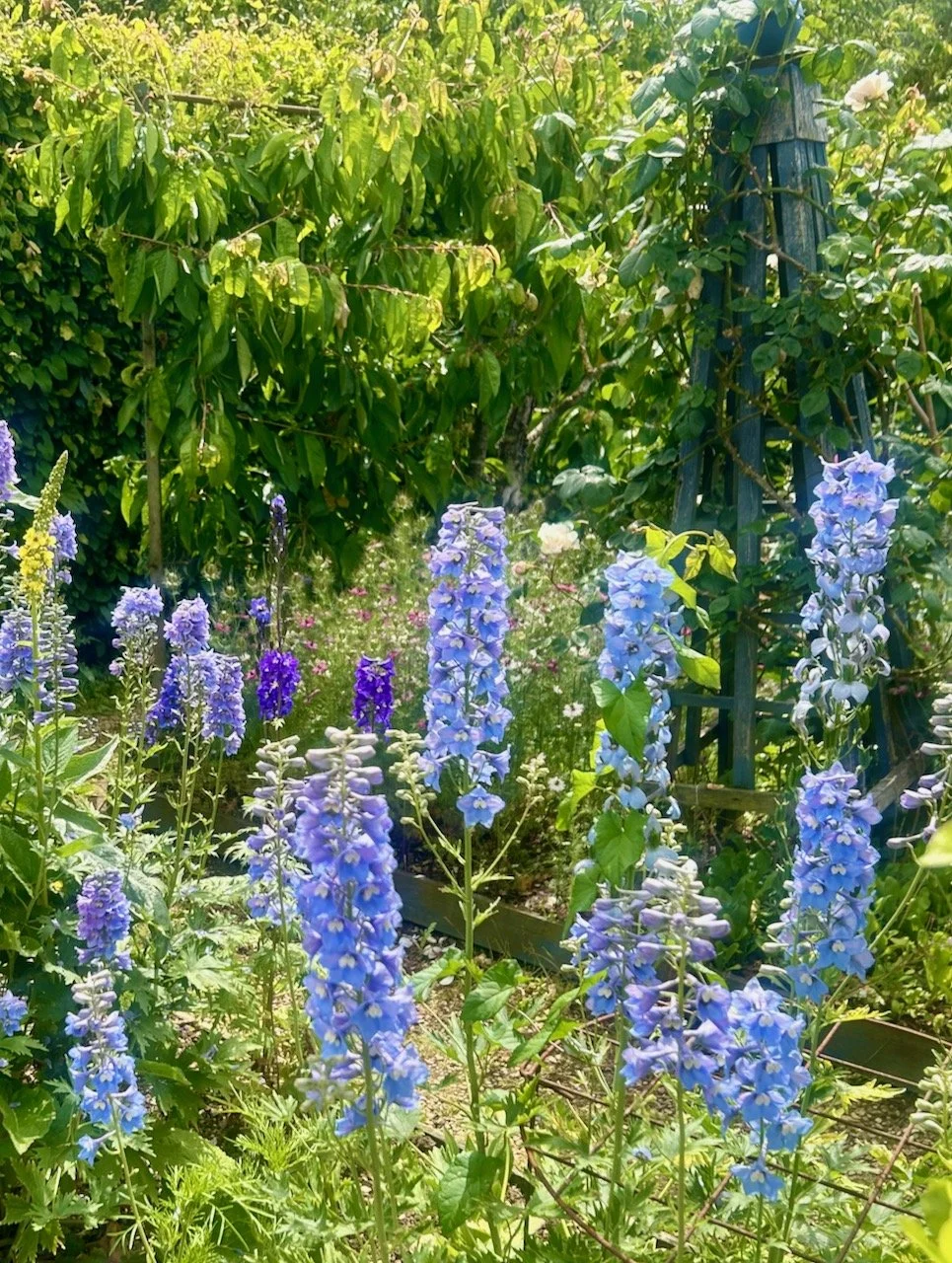
Admiring the ornamentals in the Parterre garden

As you enter the space you’re stuck by the flowers rather than the veg, but the ornamental plants are limited to narrow beds around the outside of the garden, designed to give the impression of being in a flower garden. On this visit the blues of the delphiniums were about to reach their peak, and echoed the colour of the sky which was lucky as while we’d had that first heatwave in May, there’d been wet and drizzly weather immediately afterwards.

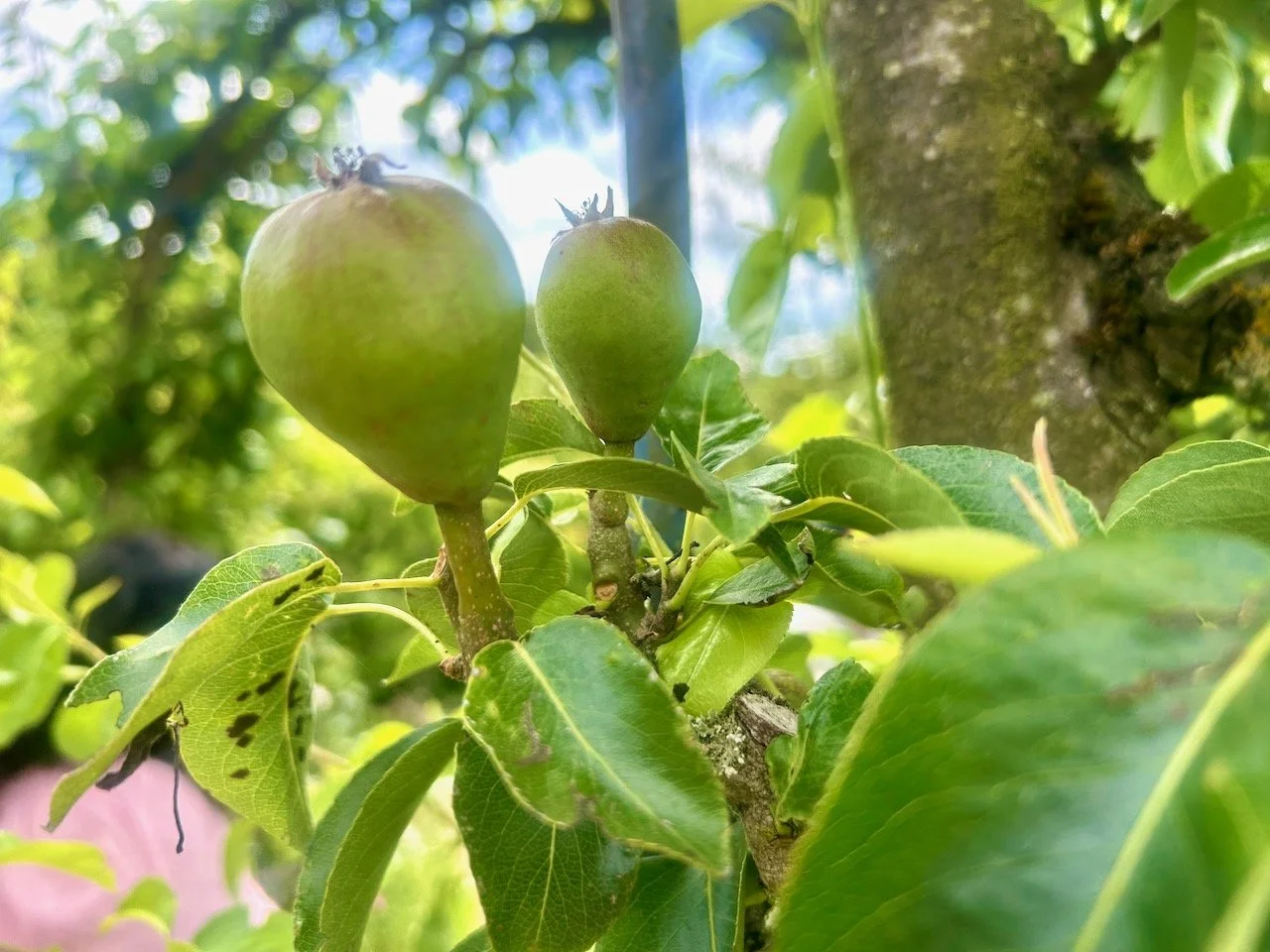
A couple of pears

The garden’s design is one that could easily be replicated in a back garden, and even though this one was designed in 1996 (or just before) it still looks current and something that many veg growers would be very proud of.

The veg beds with hoops and netting  in the Parterre garden

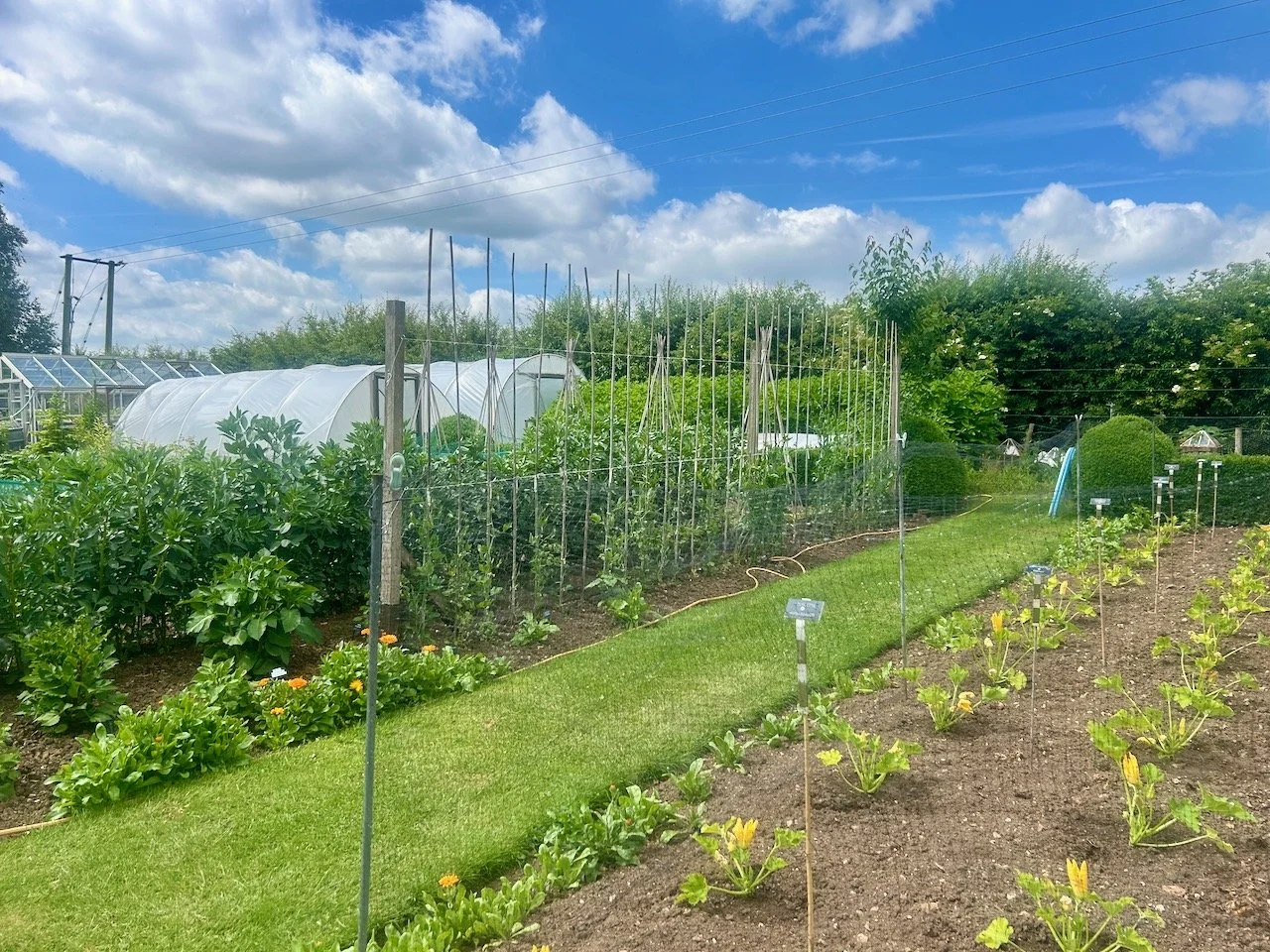
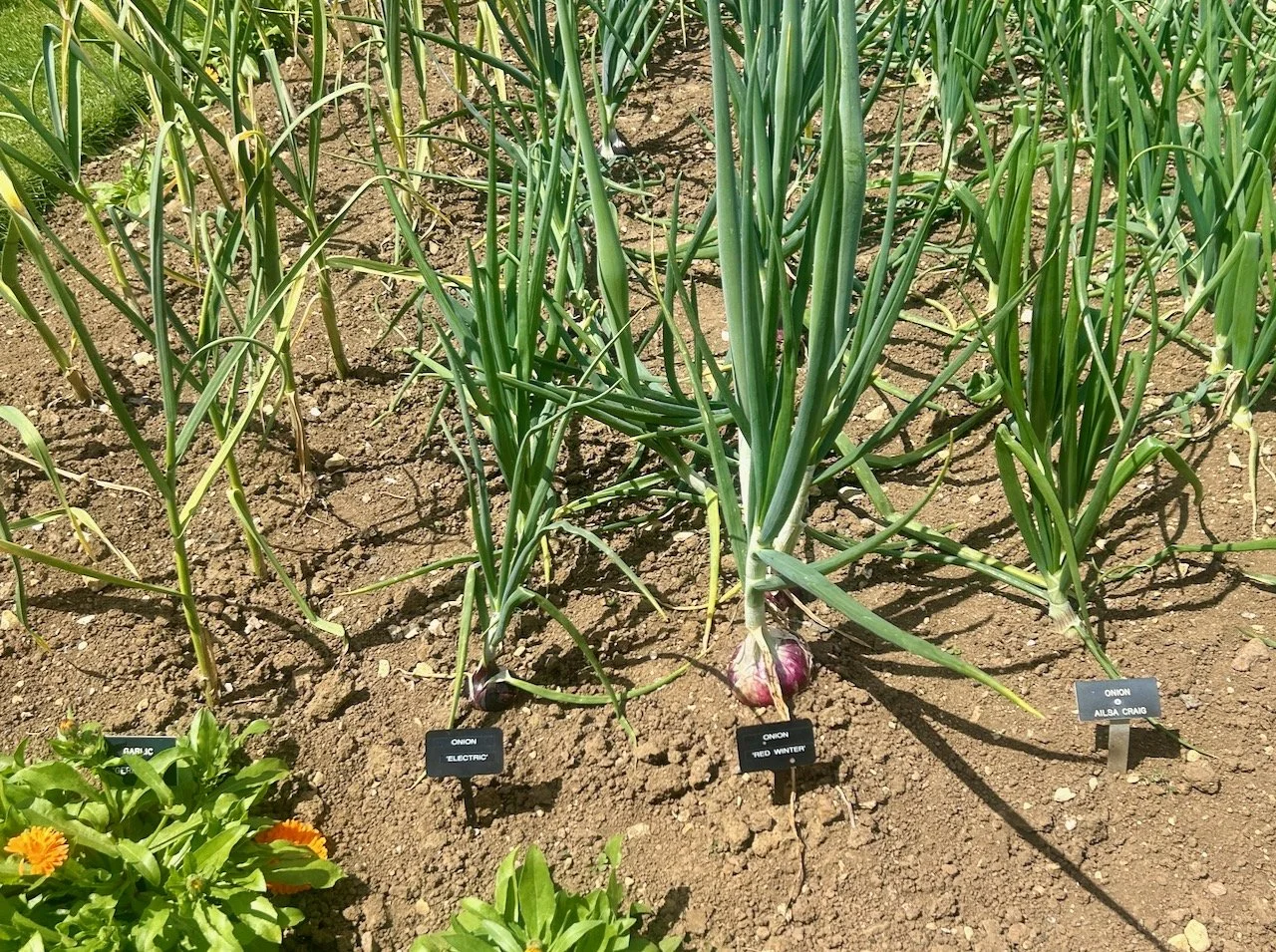
Outside in garden 22, the allotment things were a lot more regimented and growing in rows as you’d expect in any traditional allotment space. Here though, while it’s larger than the usual allotment plot, it’s been planted to give a variety of produce throughout the year and in its heyday it was the home of many Gardeners’ World vegetable features for many years.

More ordered rows of vegetables in the allotment
Potatoes growing in rows  in the allotment
rows of labelled onions  in the allotment

There’s definitely something pleasing about seeing vegetables grow in ordered rows, and I know that it’s not as easy as it looks - or not for me anyway!

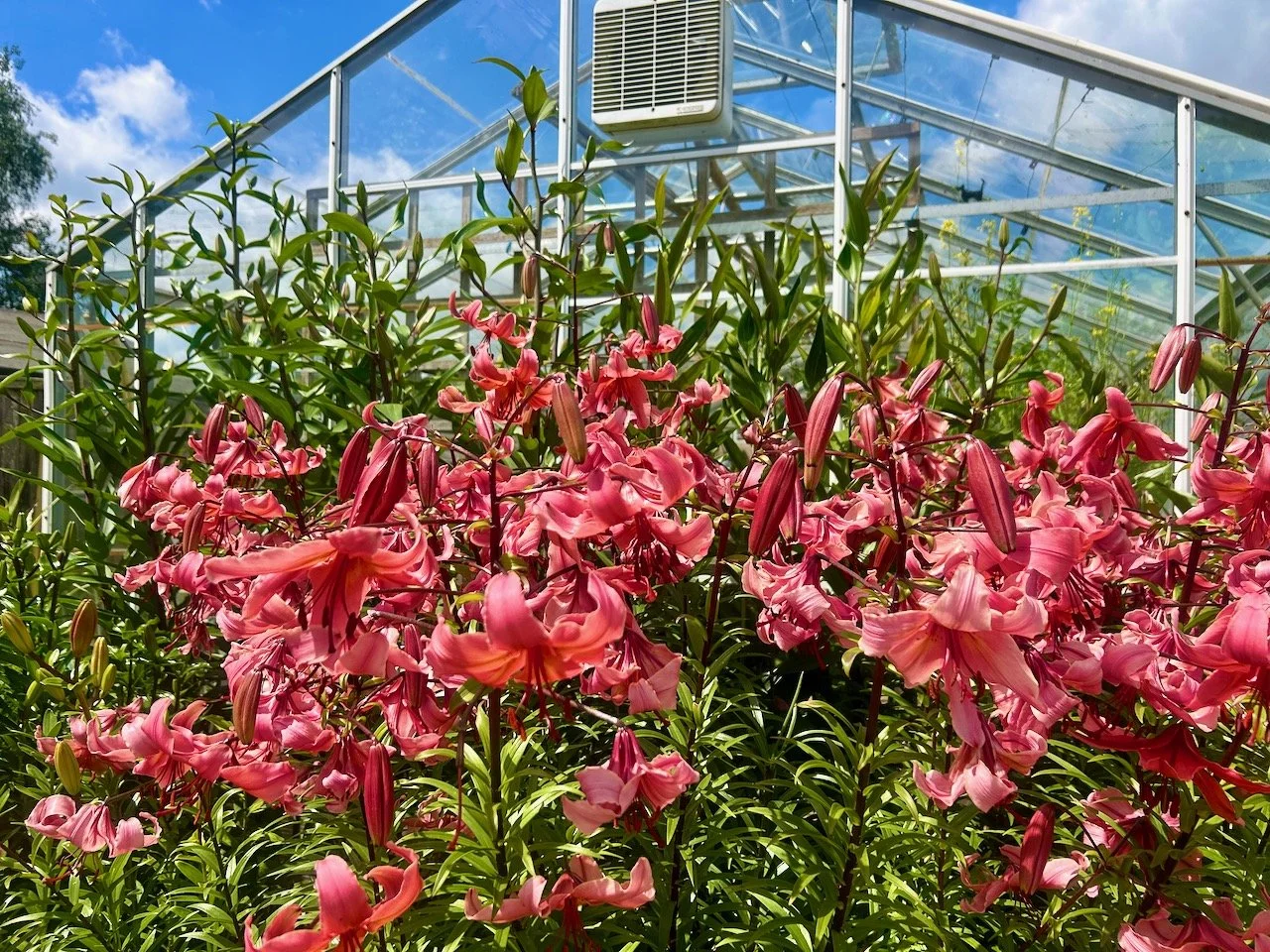
Glorious pink lilies

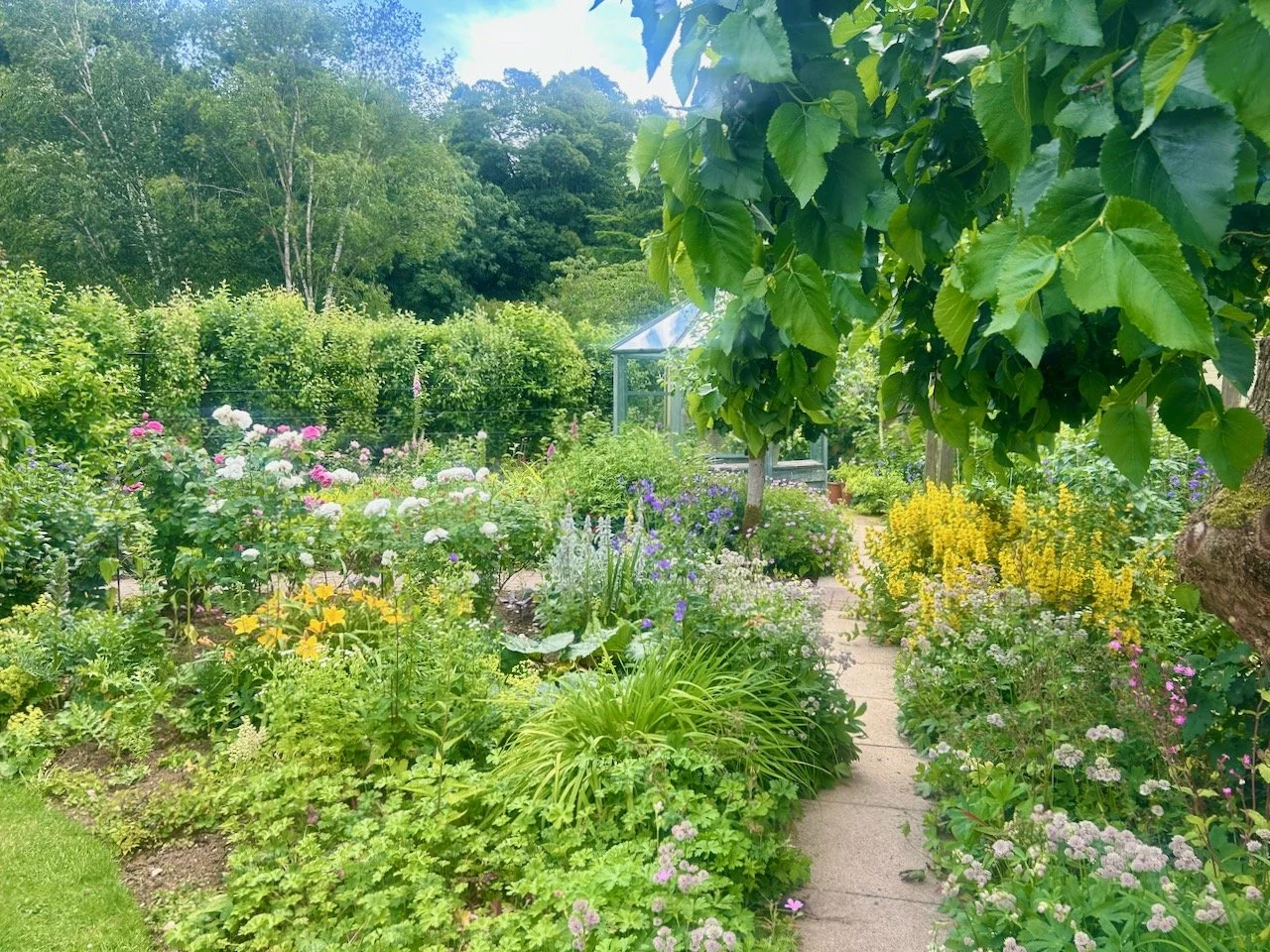
One of my favourite spaces at Barnsdale is the Ornamental Kitchen Garden (garden number 24) which first appeared on the Gardeners’ World programme back in 1990. It showed that many edible plants also have ornamental value and can still crop as they would when grown in more usual or traditional surroundings.

the view as you enter the Ornamental Kitchen Garden
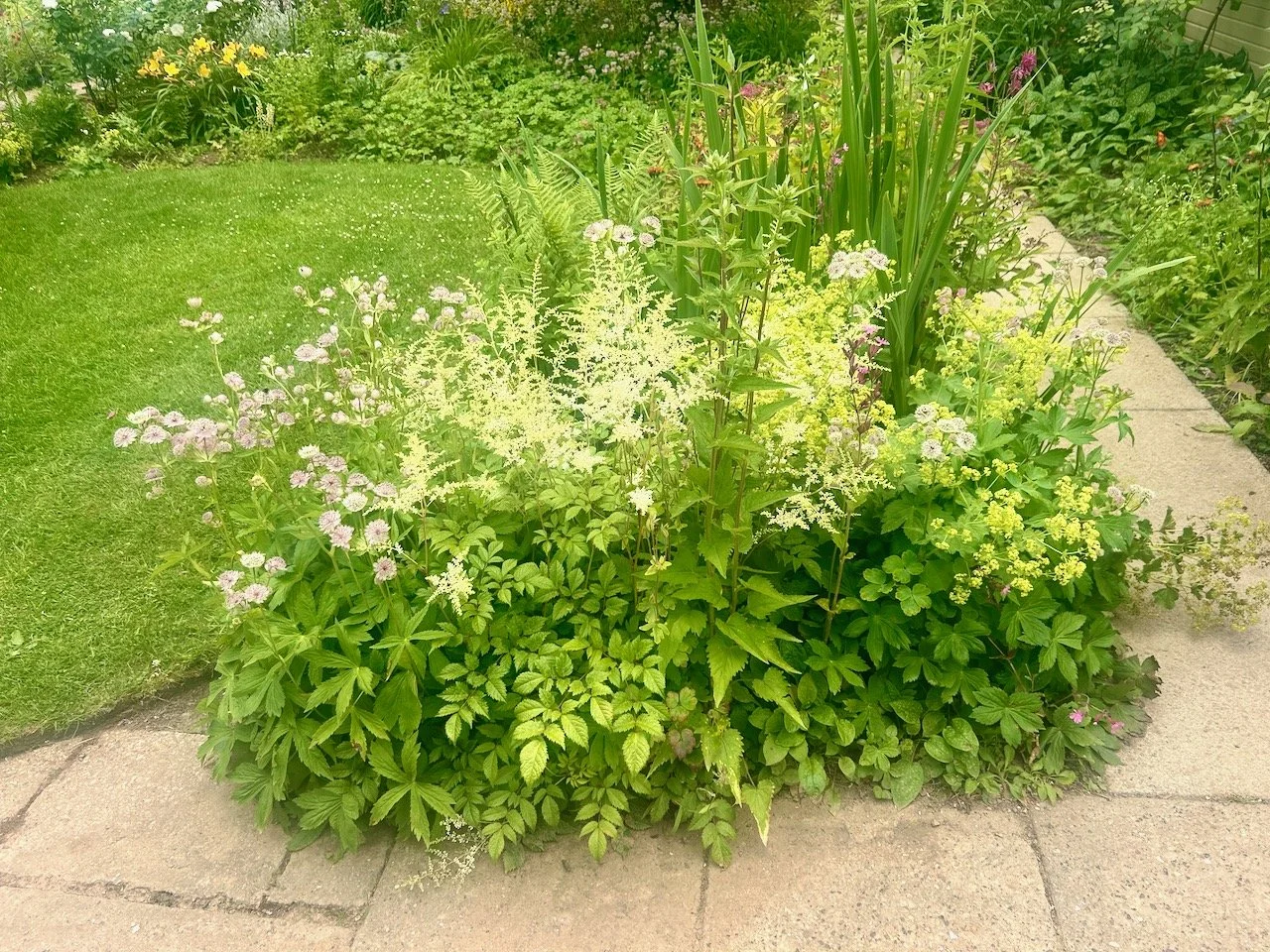
There's flowers in the borders in the Ornamental Kitchen Garden

It mixes flowers and produce in borders, which of course is a centuries old method, but in this garden it was the first time it was seen on the TV, and therefore it set a new standard for gardening programmes which I know I’m grateful for. It’s something that I’d like to replicate in a very small way in my own garden, and seeing this garden first hand confirmed that’s what I’d like to aim for - though realistically, not on this scale!

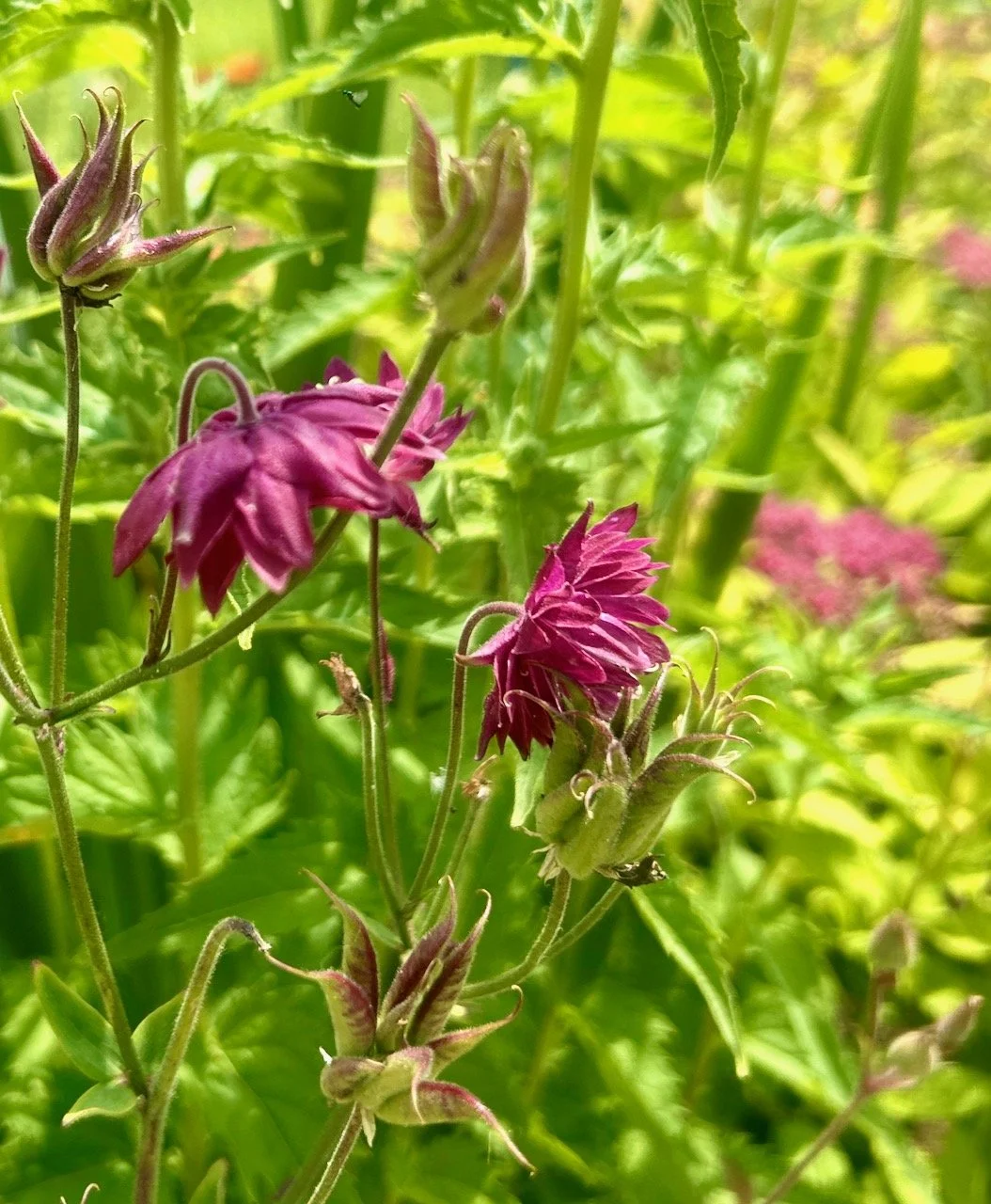
A cerise granny's bonnet

The other thing about this garden, which I can totally relate to, is that many visitors find it hard to tell which plants are the vegetables. Surely that’s got to be a win?

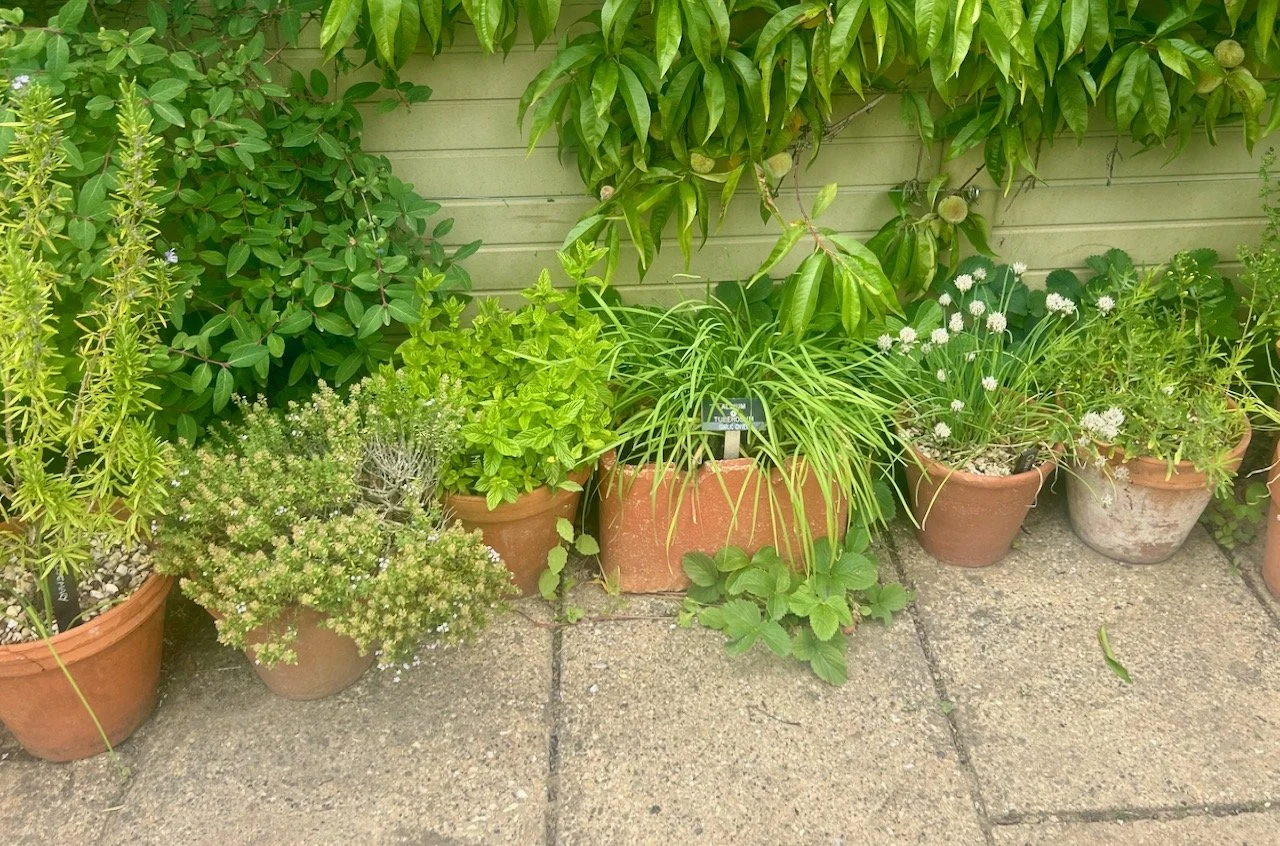
Pots of herbs beneath the peach tree in the Ornamental Kitchen Garden
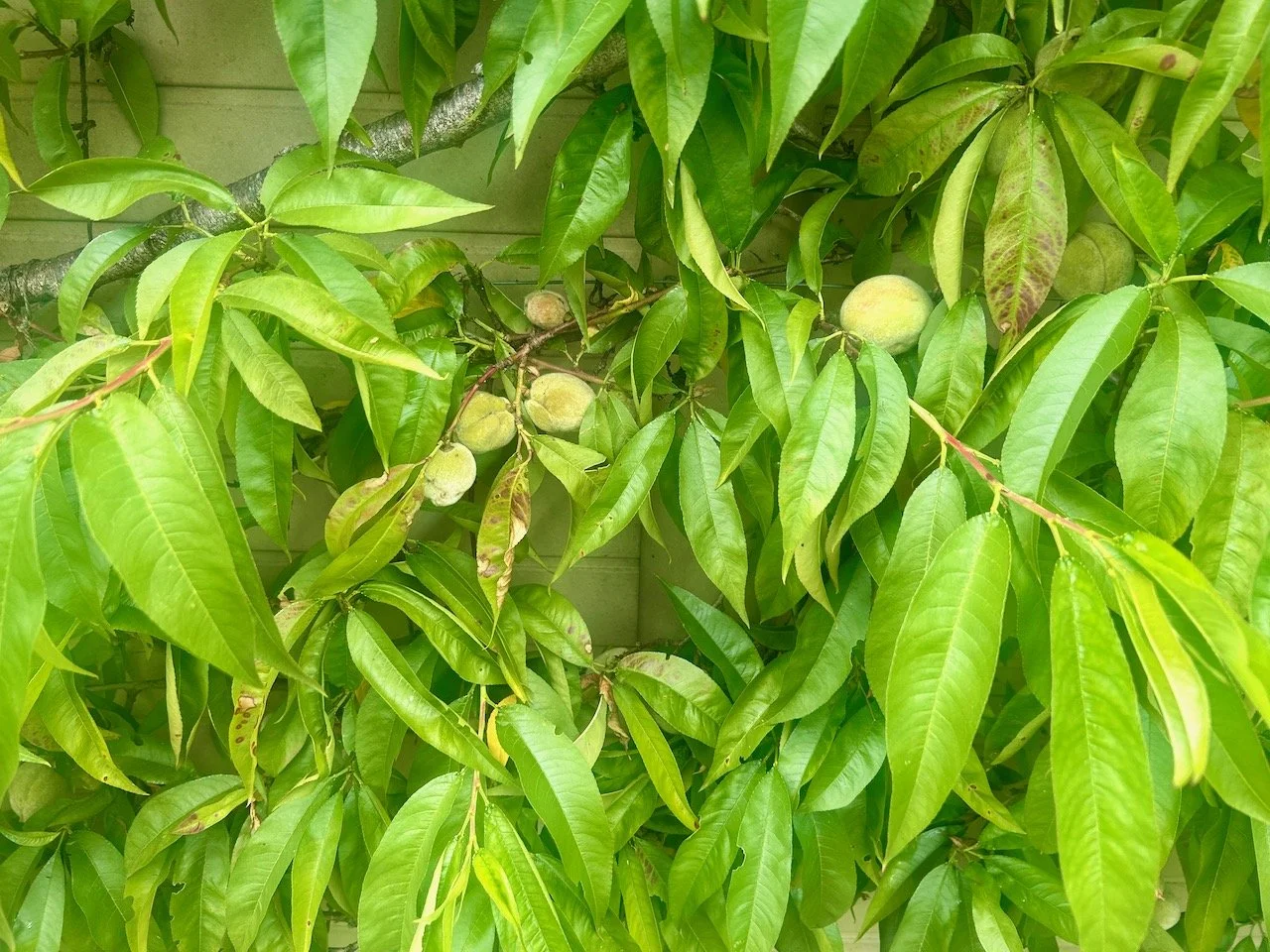
Fruits on the peach tree in the Ornamental Kitchen Garden

I was taken with the peach tree which is growing along the back wall, and which fruits prolifically. Though Nick assured me that they rarely get an unbruised peach - and that’s because many of the visitors can’t resist a pinch or a prod to check they’re real!

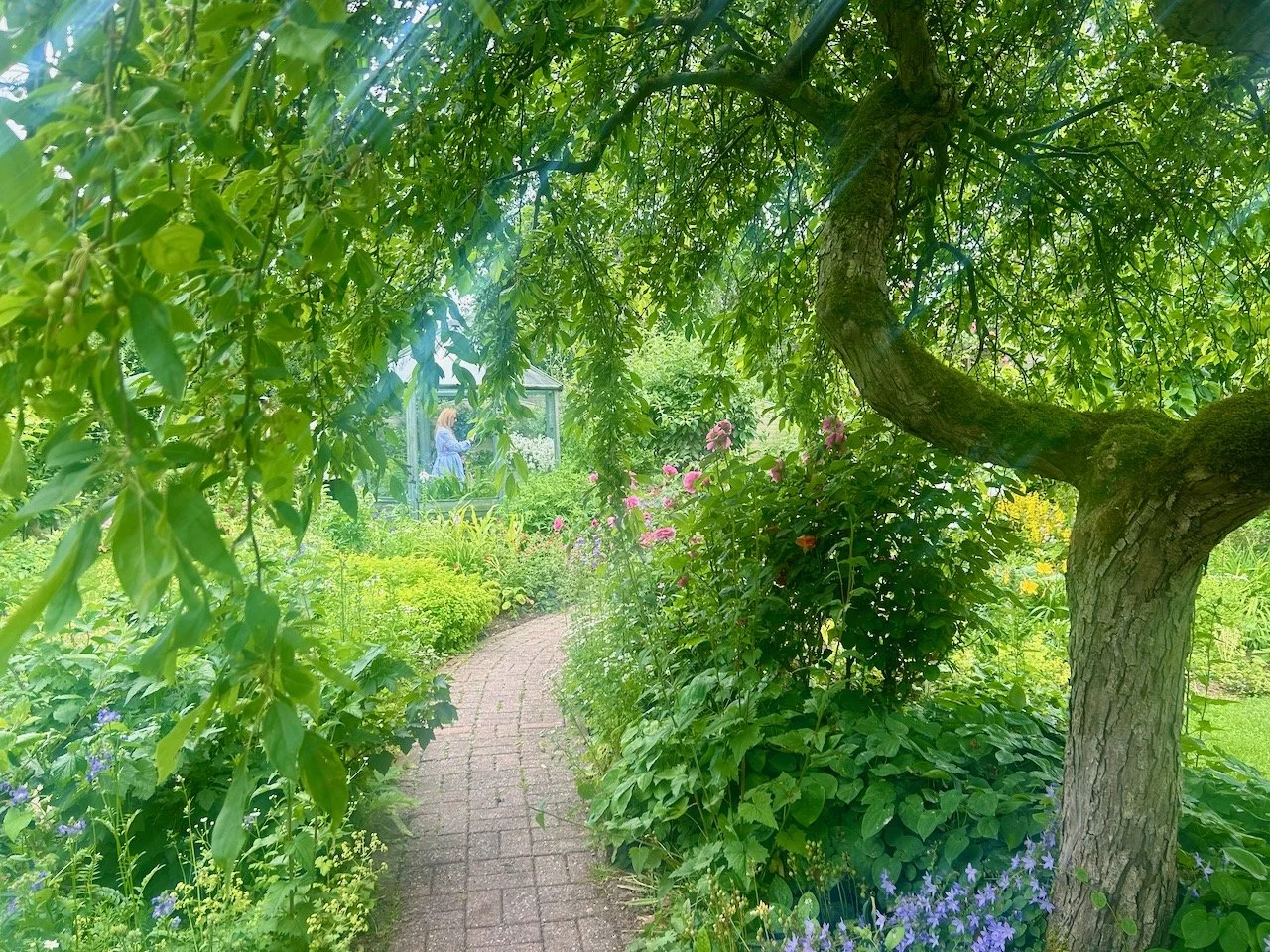
Heading along the path in the Ornamental Kitchen Garden
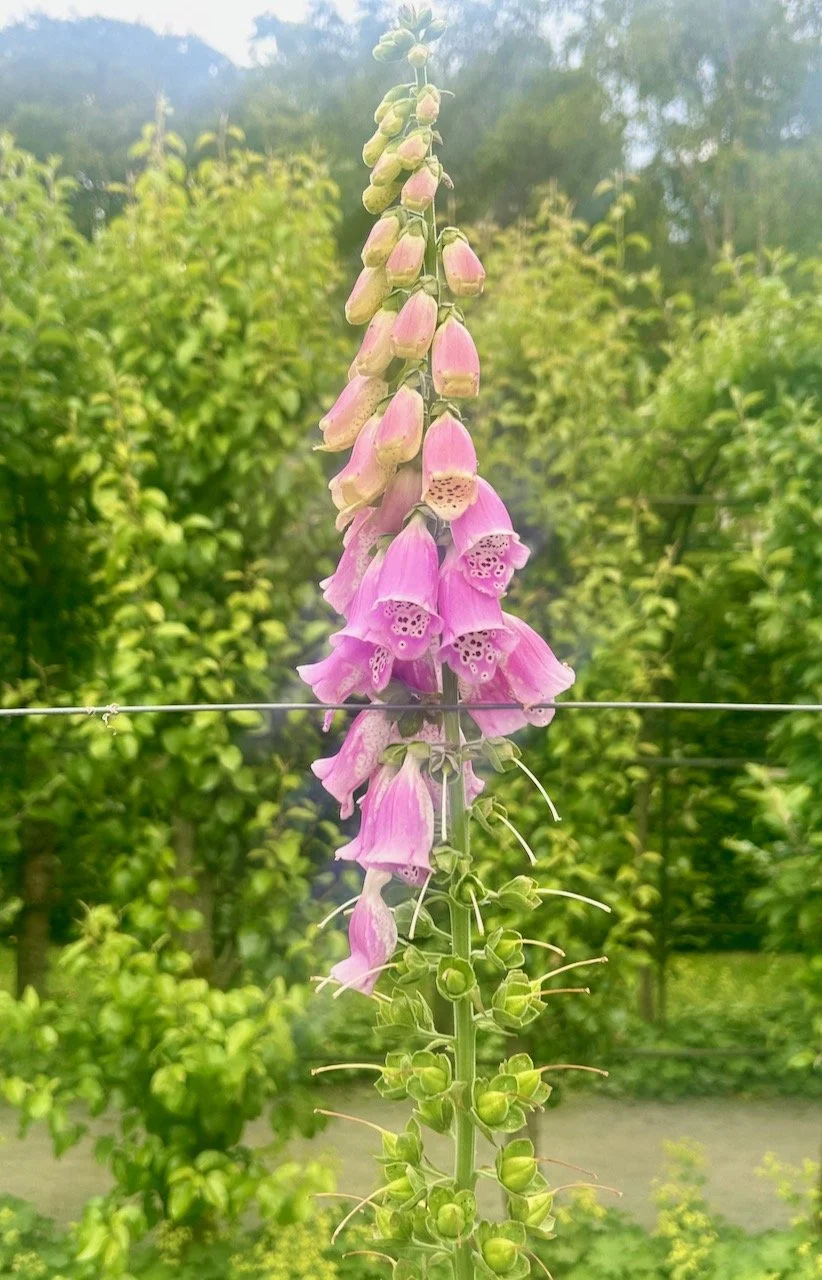
A pink flowering foxglove
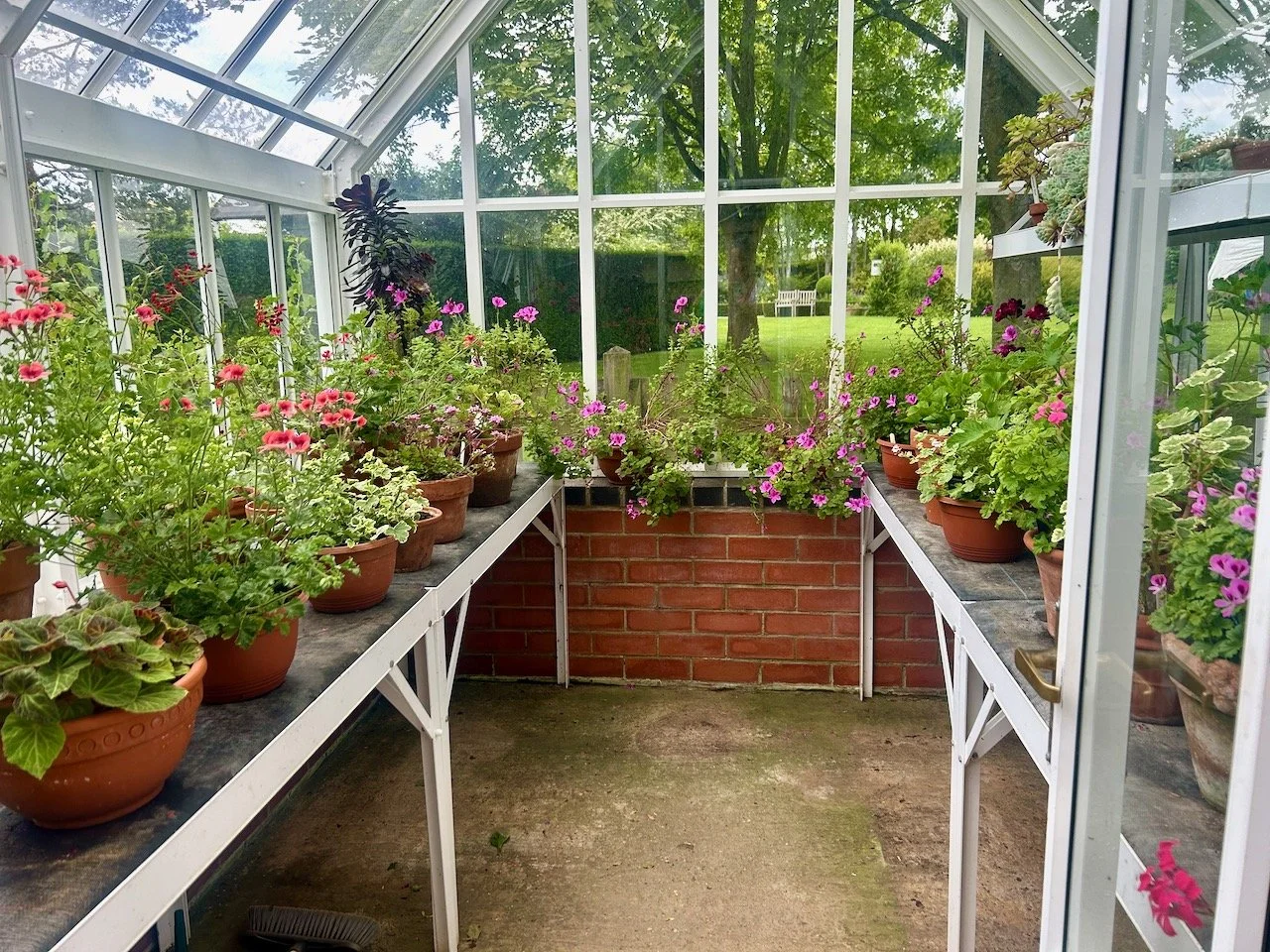
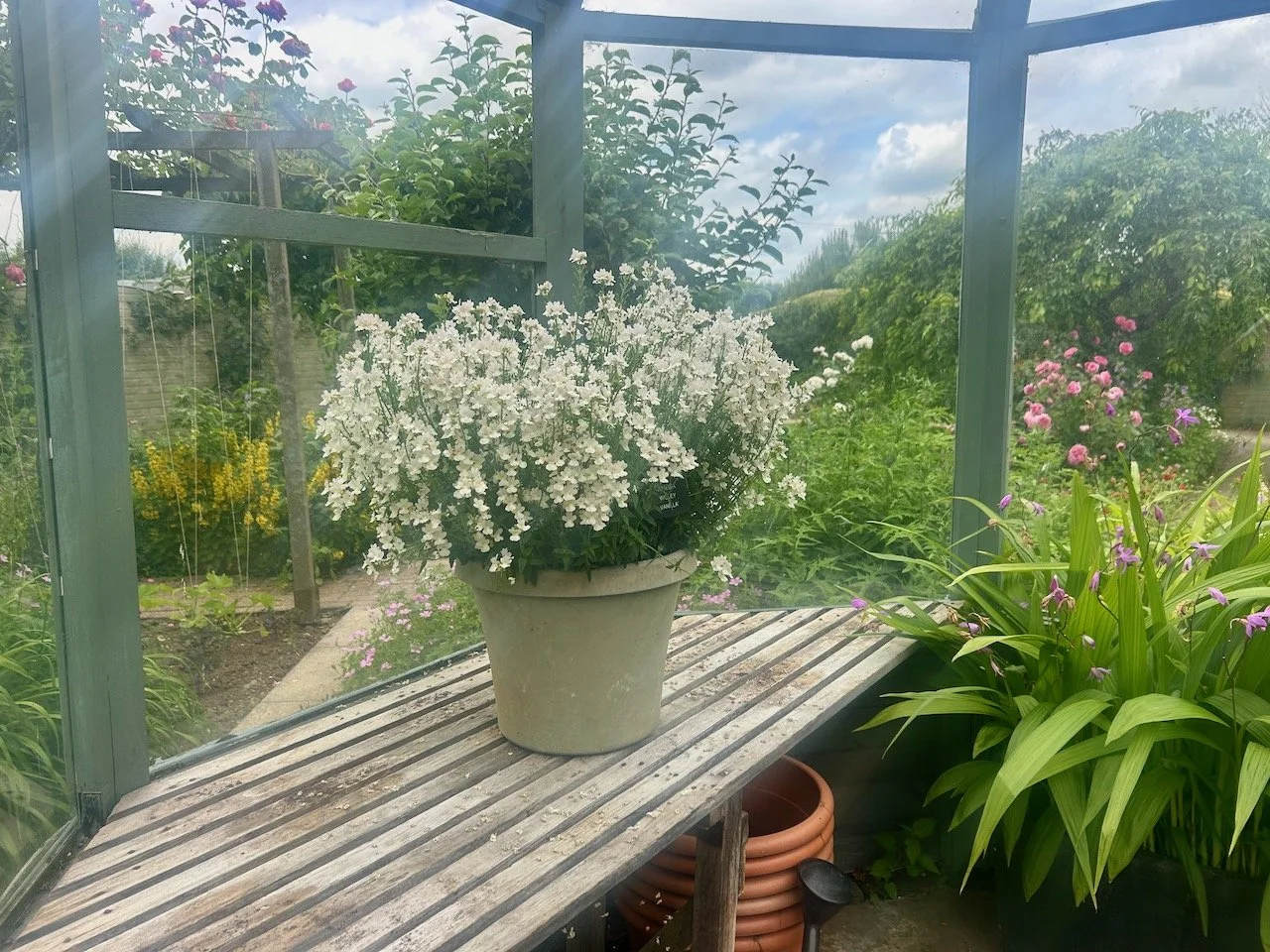
In the wooden greenhouse looking out over the Ornamental Kitchen Garden

It really is a gorgeous space, and it’s nice to wander around its paths to the relative coolness of the pergola and to the hexagonal greenhouse you saw when you first entered the garden.

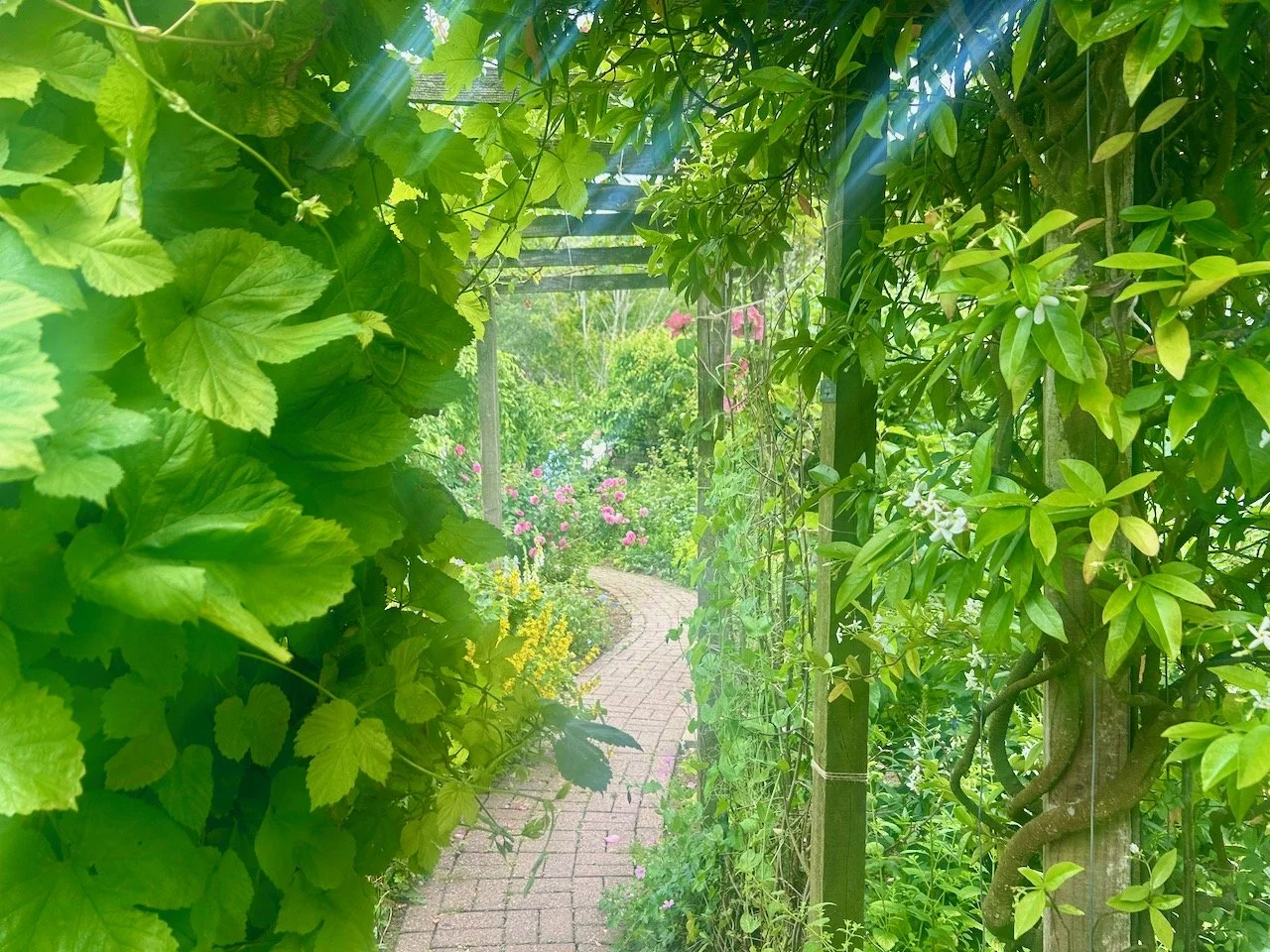
Heading back out of the Ornamental Kitchen Garden

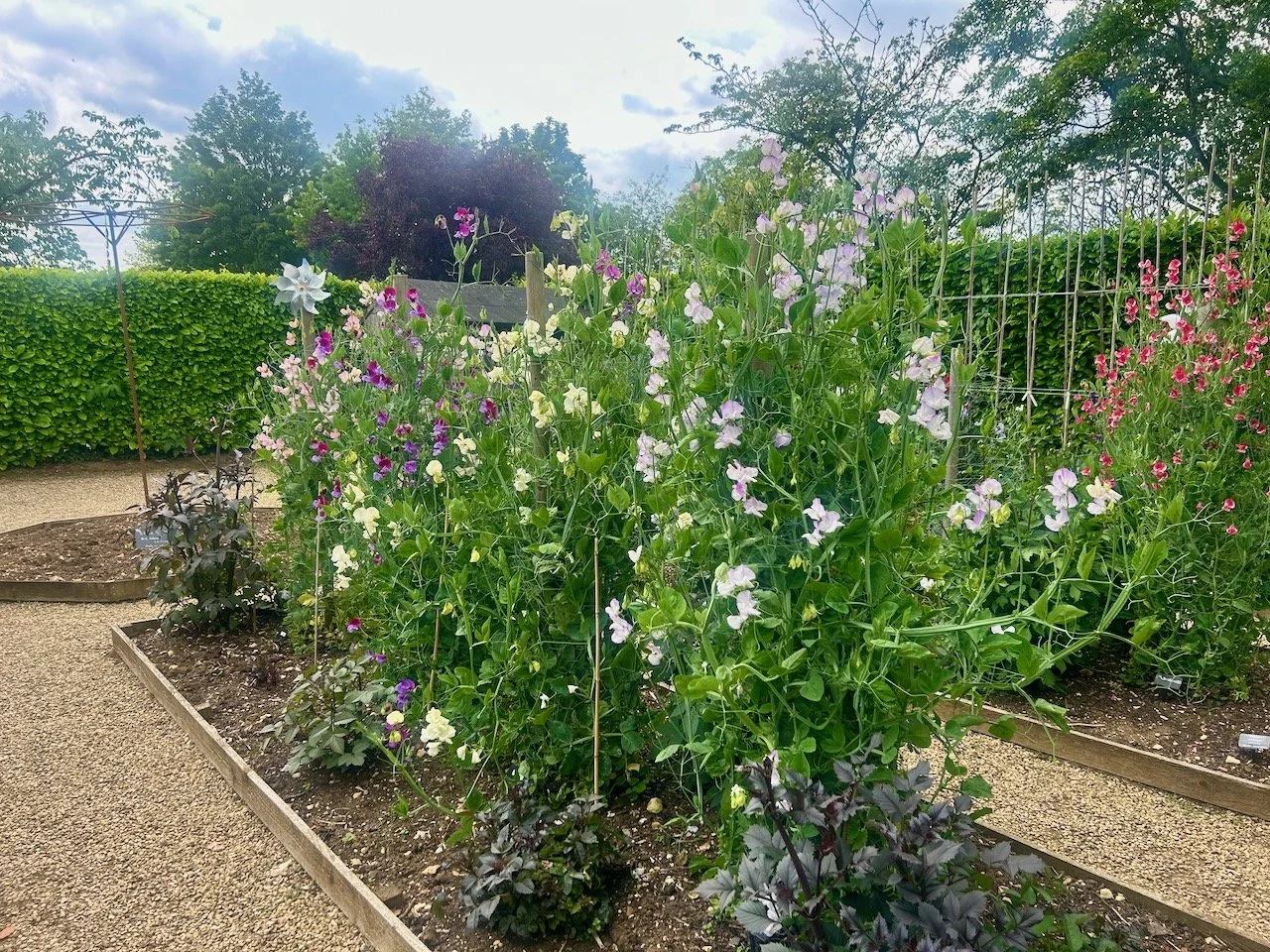
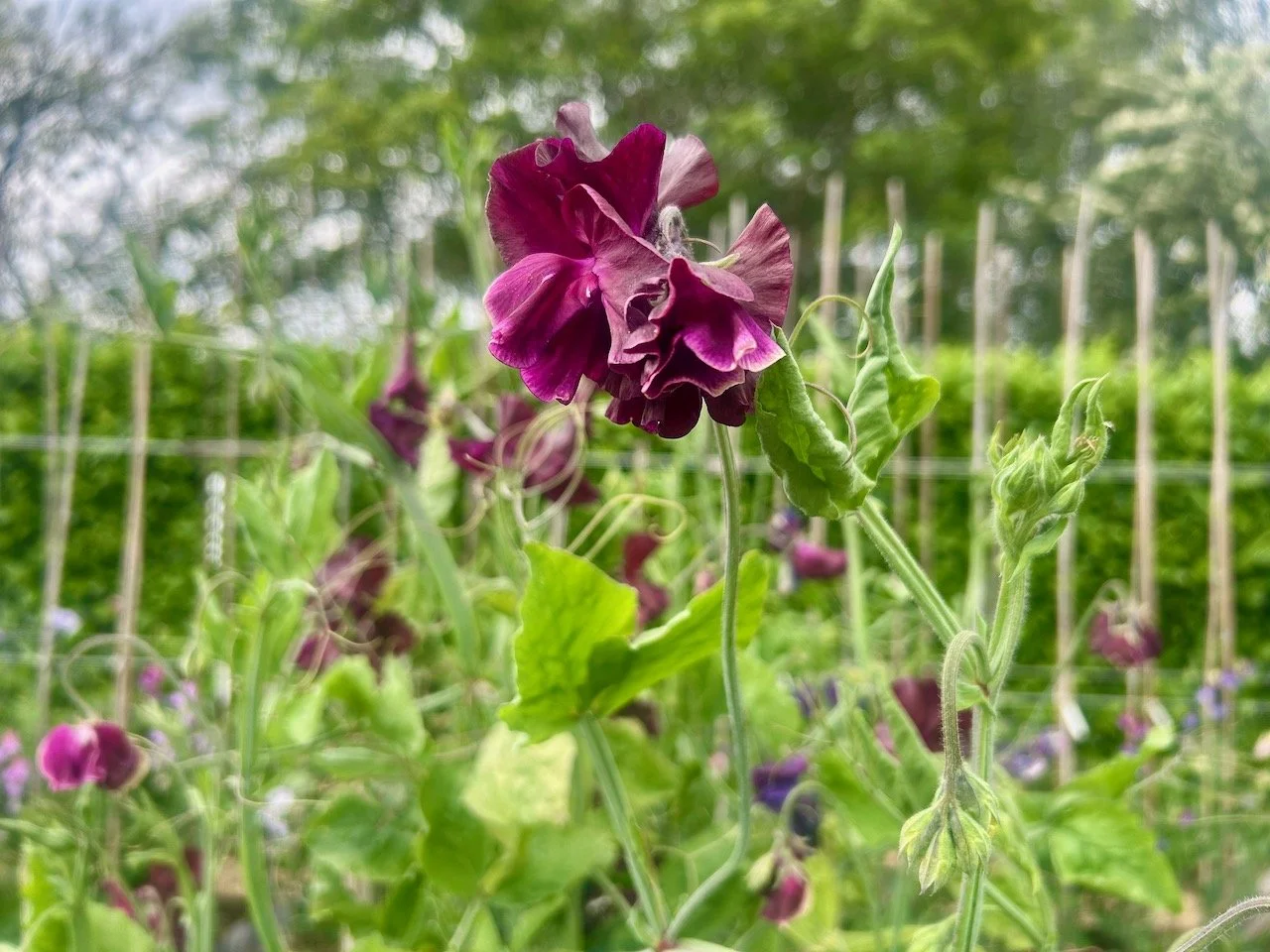
The final garden I’m sharing in this post is the Kitchen Garden (garden number 32) which this year is being used for growing sweet peas and dahlias, and it smells divine, and must be one of the most joyous spaces around when it springs into bloom, and scent.

sweet peas and dahlias in the kitchen garden

And yes, sweet peas are flowers - but as they’re growing in the kitchen garden, I’m including them in this post!

Sweet peas in the kitchen garden

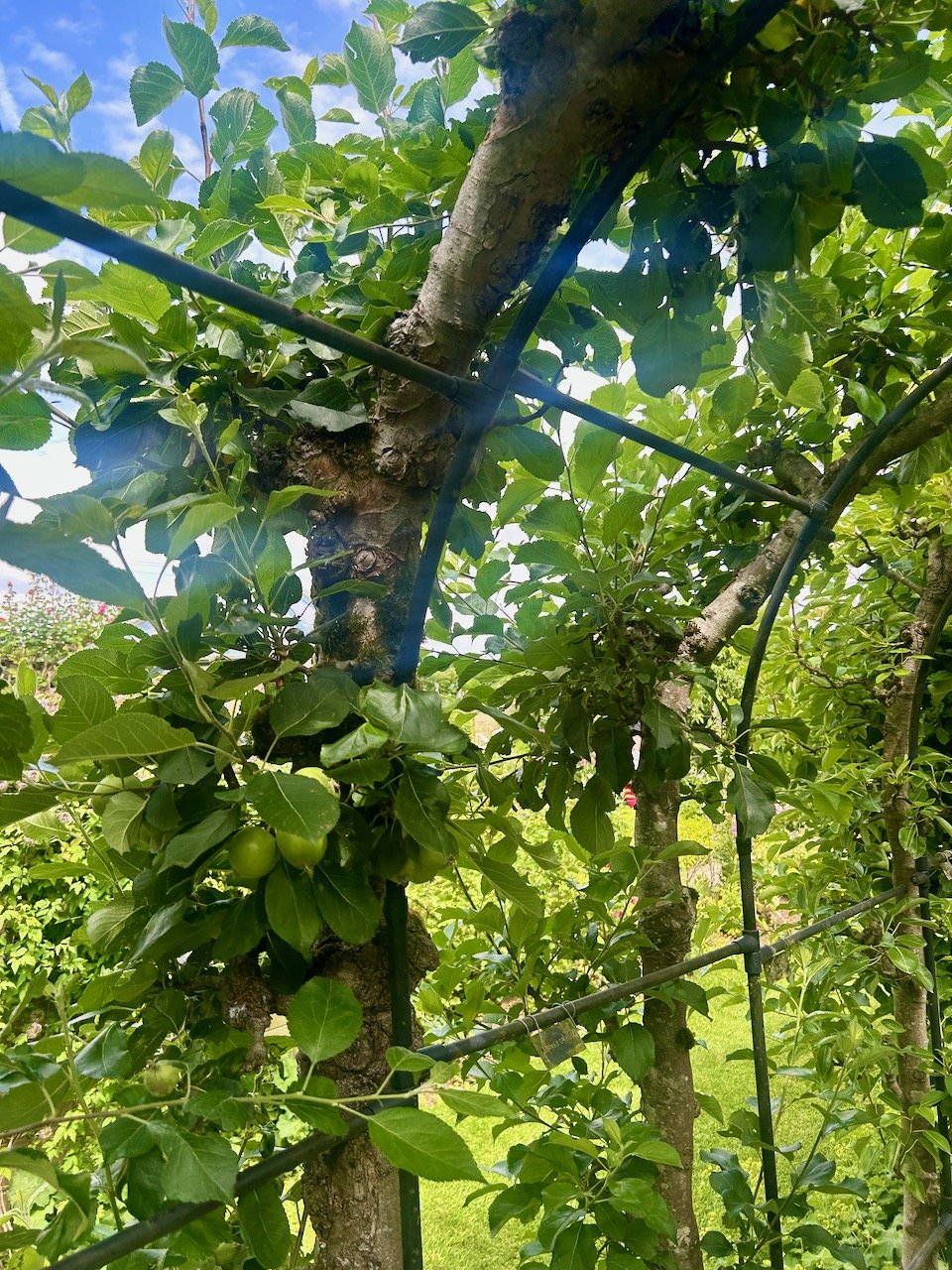
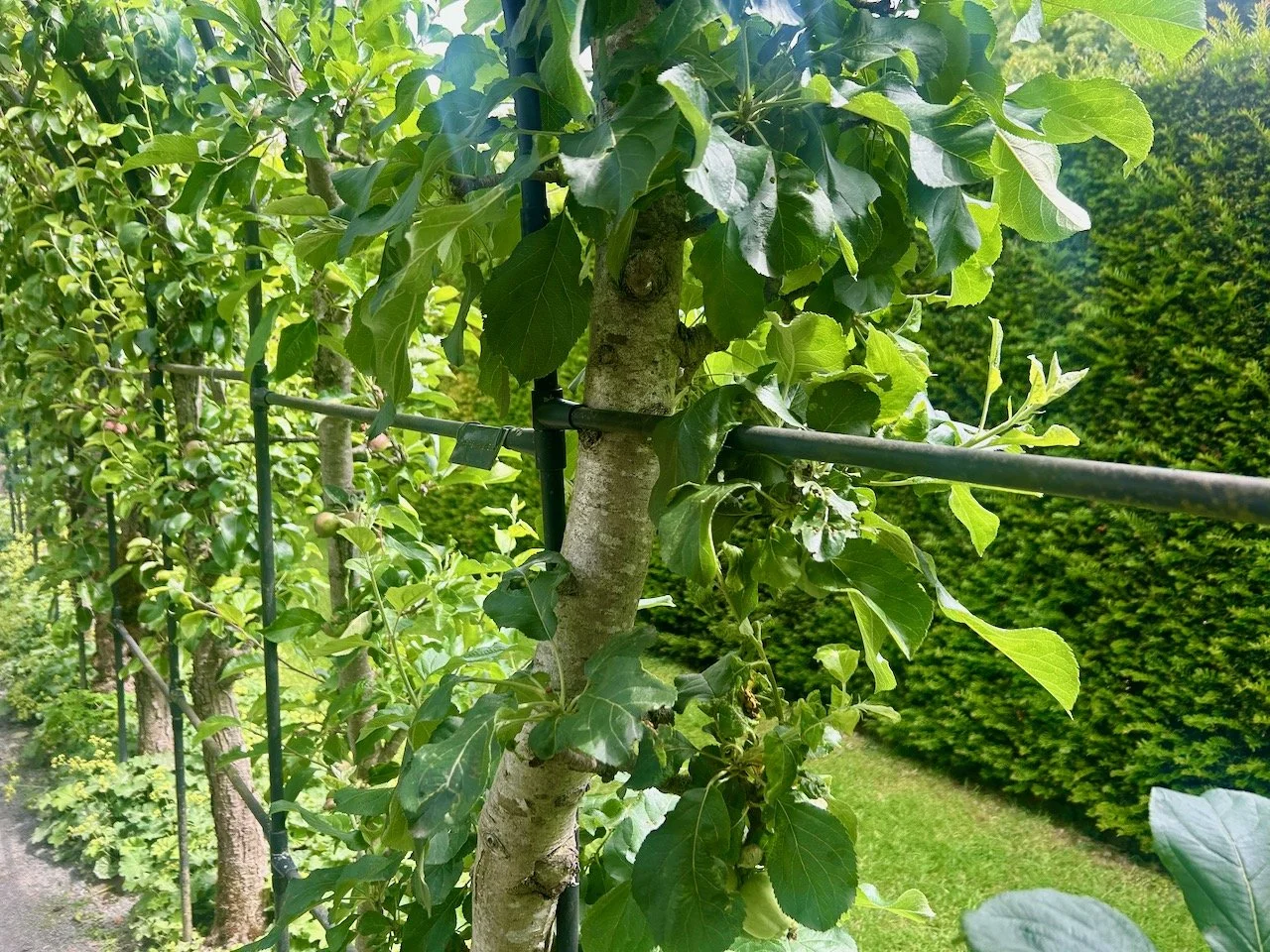
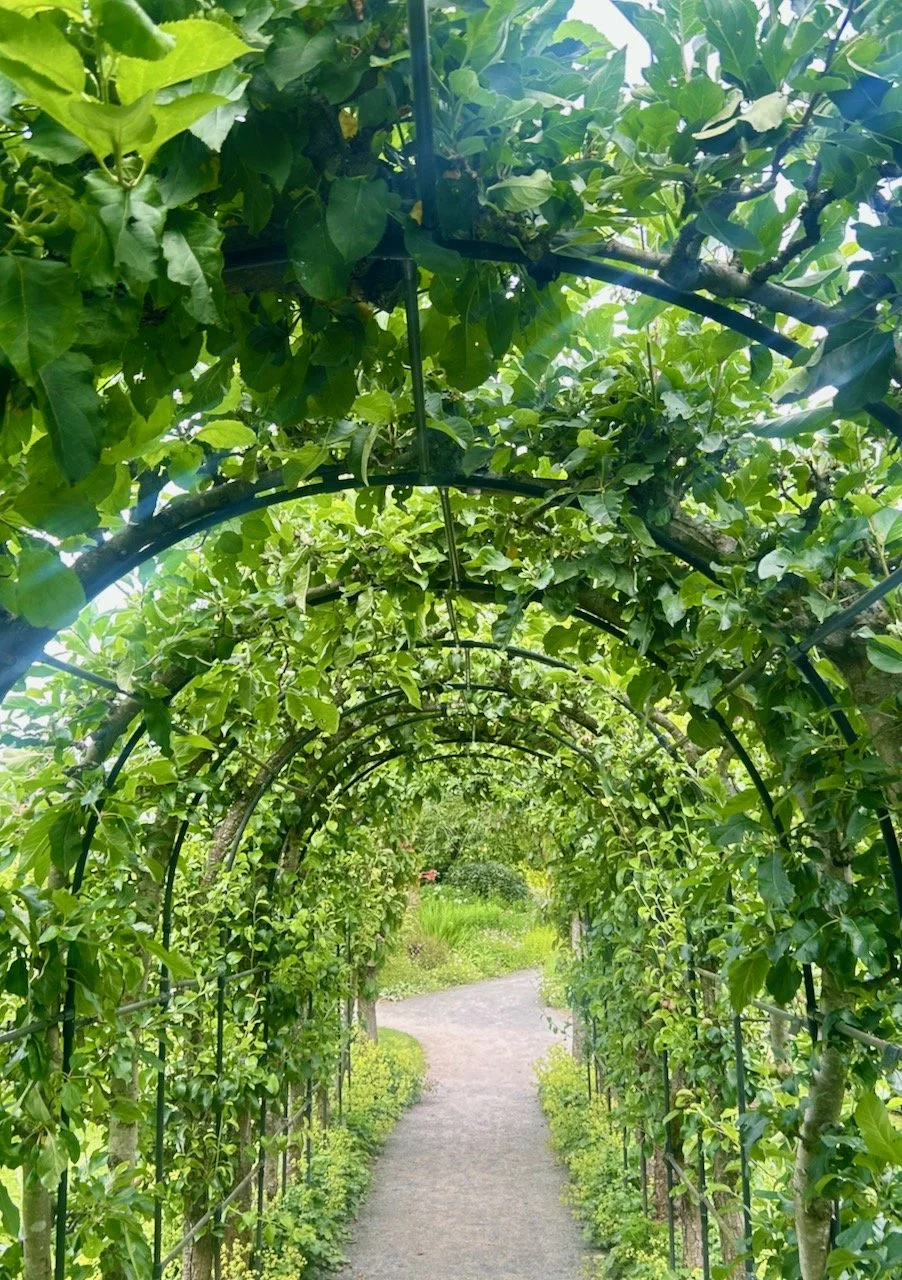
There’s other ‘veg focussed’ gardens at Barnsdale too, including the Herb Garden, the Fruit Orchard and the Apple Arch, so if vegetables are your thing - or you want them to be your thing - then if you’re close by it really is worth popping along for some extraordinary inspiration.

* With thanks to Barnsdale Gardens for inviting me to the gardens, and to Nick Hamilton for leading a tour through a selection of the gardens available. It’s a great space and I’m pretty sure I’ll be back to visit again.
Be careful of the hidden pond

That’s not a sign you expect to see in a garden is it, but it’s one that greets you as you enter the Summer Wildlife Garden at Barnsdale Gardens. That’s garden 14 out of the 38 there, and is what I can only describe as the equivalent of a gardener’s theme park. It’s also the Gardeners’ World home of former presenter Geoff Hamilton, and where the programme was filmed at the time.

green signs on a post with greenery behind saying "Please be careful of the hidden pond" and "Mind the step"

The way the gardens are laid out make them easy to take inspiration for domestic gardens, it’s so easy to imagine how they might work and that you’ve just stepped out of a house and into the garden. I think this photo shows exactly what I mean.

a bench in the background with hedges/greenery behind.  A central lawn with square pavers as stepping stones forming a right angled path around the hidden pond

The hidden pond is in a corner of the grass and the paved stepping stones aim to lead you on a safe route, though I imagine with the planting the pond is easy to miss, so wouldn’t work for everyone. But it’s a great spot.

The hidden pond in a corner of the lawn with raised planters at the rear

The garden was created using principles outlined in the BBC’s Living Garden series and includes features to attract wildlife and safe places for them to live and hibernate. The plants too have been chosen to encourage wildlife and give them reasons to stay. The honeysuckle, hebe, rose and foxgloves, as well as the hostas all have their part to play, as does a spot to sit and enjoy the space and its inhabitants.

A rustic birdbath made out of stacked twisted tiles with a wooden garden bench in the background
A close up of the twisted stack of the birdbath

The other endearing feature in the garden is the bird bath - as well as providing a space for birds it gives a focus point for the lawn. I love its column and could imagine sitting in the garden, enjoying the space and letting my eyes wander and wander through every spot. A totally relaxing space, don’t you think?

I was featured on Blogger Showcase

The Japanese Garden at Barnsdale

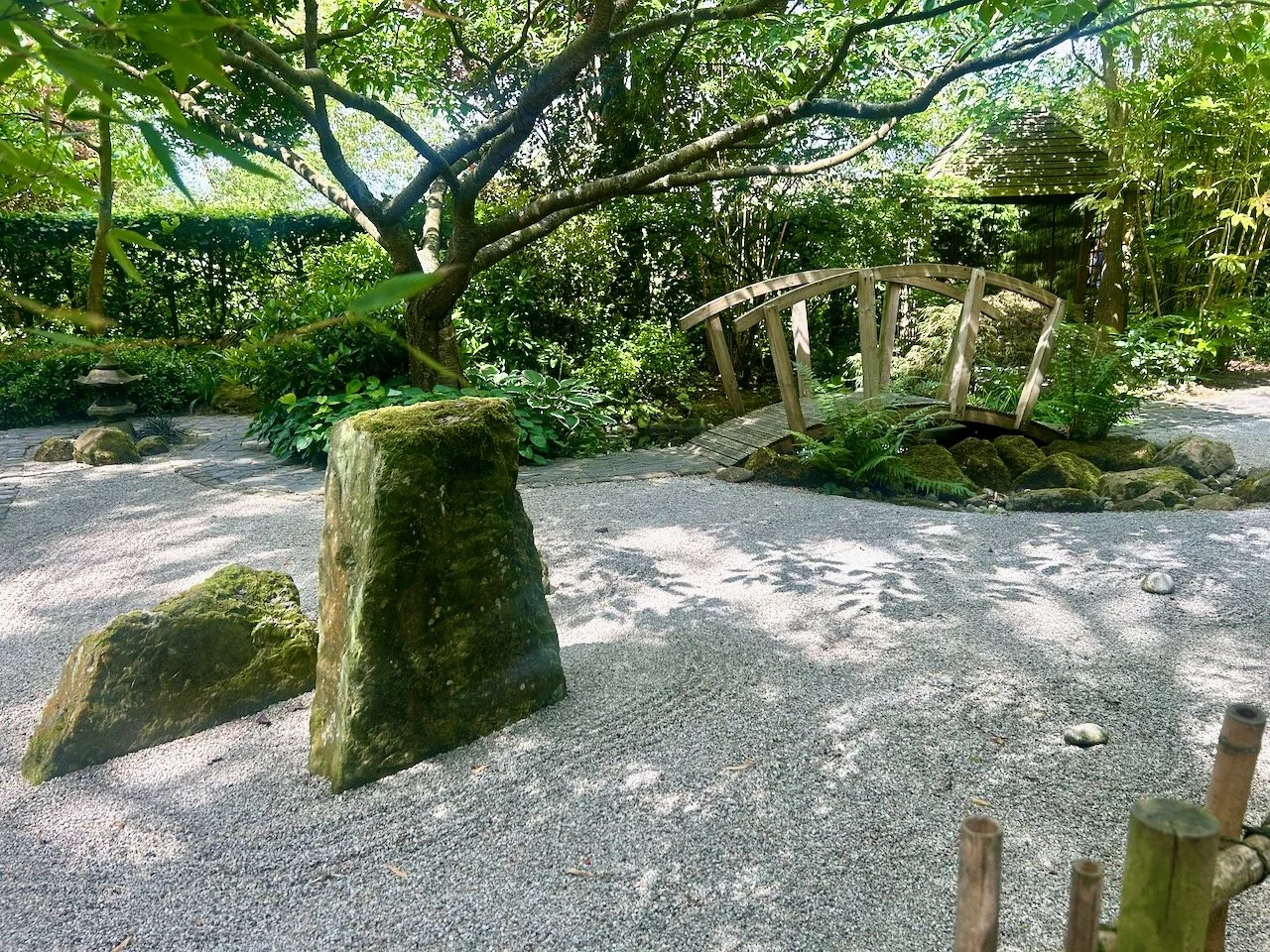
If you asked me, I’d say I probably wasn’t a Japanese Garden fan, but there’s something about this one. The planting is minimal, and it’s all very calming.

Maybe the attraction was that it was so different to many of the other gardens at Barnsdale. Maybe it was the raked gravel that really gives the impression of calming water.

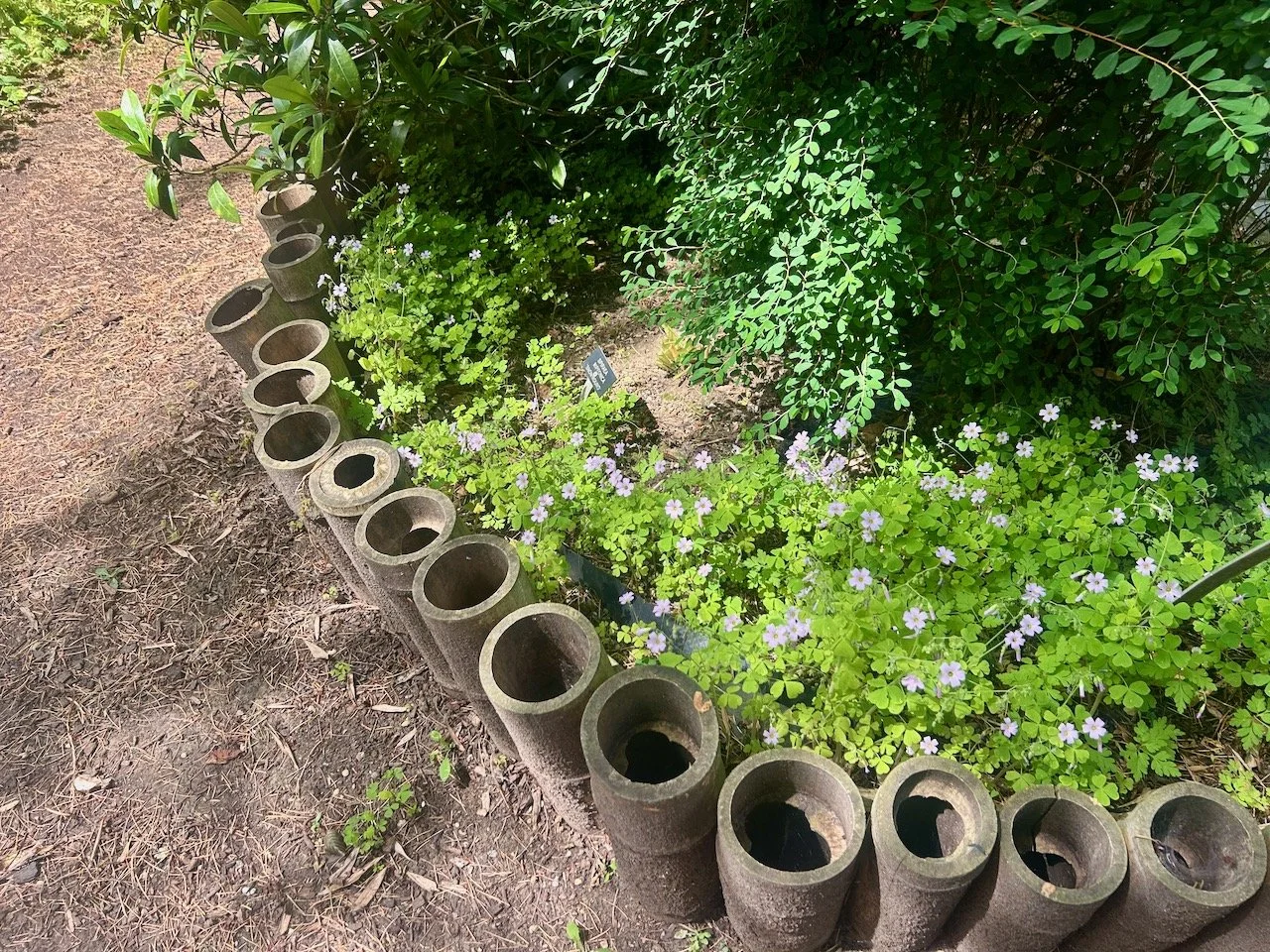
The bamboo is large, and also creates fencing.

And the stones that weave their way through the gravel tempt you into believing there’s water there too.

It’s definitely a place for mindfulness, and while on our visit there was little colour - other than green - the information on display showed the most shocking pink and beautiful plumes of Astibe, would be a great addition.


See the other Barnsdale gardens I’ve shared here.