


More from our visit to Trinity Buoy Wharf

Just before we reached Trinity Buoy Wharf we passed probably one of London's least well-known and quirky pieces of art - a London taxi with a metal palm tree growing out of it. It's a full size taxi and if you're looking for it you can find it in Orchard Place. There's lots of quirky art here as well as nautical memorabilia and it's now a thriving centre for the arts and creative industries, but as recently as 1998 Trinity Buoy Wharf was an empty, derelict site.

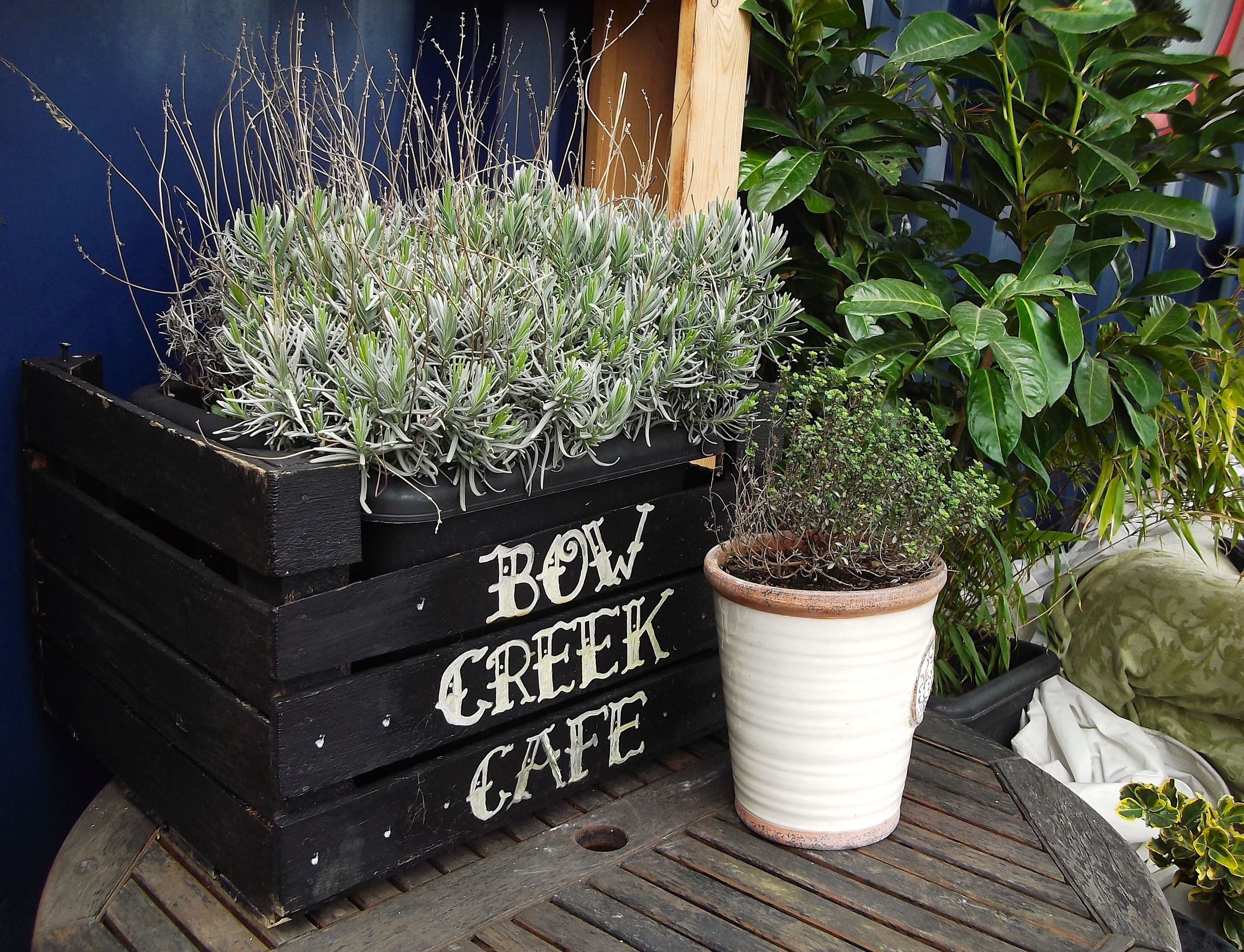
The Wharf has plenty of character as well as studio and gallery space, a pier, boat club, school, rehearsal rooms, the Bow Creek Cafe (where we had some great bacon rolls before cycling off to the Thames Barrier Park) and Fatboy's diner (where we plan to eat on our next visit!) as well as more shipping containers, this time as sustainable Container City buildings.

'R' - THIS, SADLY WOULDN'T FIT ON THE BACK OF MY BIKE

'R' - THIS, SADLY WOULDN'T FIT ON THE BACK OF MY BIKE

It also has links to the birth place of West Ham United, yes the Premier League club. The Thames Ironworks and Shipbuilding Company stood on the other side of the River Lea, it was a large site covering 30 acres and employing over 3,000 men and the company had offices on both sides of the creek and a chain ferry ran between sites. In 1895 employees of the Thames Ironworks formed a football club, which turned professional in 1900 taking the name West Ham United; they're known as the Hammers and their badge is a pair of ironworkers' hammers.

LONDON'S ONLY REMAINING LIGHTHOUSE

LONDON'S ONLY REMAINING LIGHTHOUSE

The lighthouse above was built in 1864 for Trinity House and was used for lighting trials and Michael Faraday also carried out experiments here, there's a small museum here too - the one I mentioned in the shed - and I'll share more on that soon. The lighthouses on this site (there used to be two) were also used for training prospective lighthouse keepers!

There's also a Tidal Sonification contraption called Floodtide which makes music from the movement of tidal water. A sensor submerged from the pier reads tidal flow data which is converted into notation and played by the listening post. It had an eery quality to it but it wasn't unpleasant!

FLOODTIDE - TIDAL SONIFICATION
FLOODTIDE - TIDAL SONIFICATION
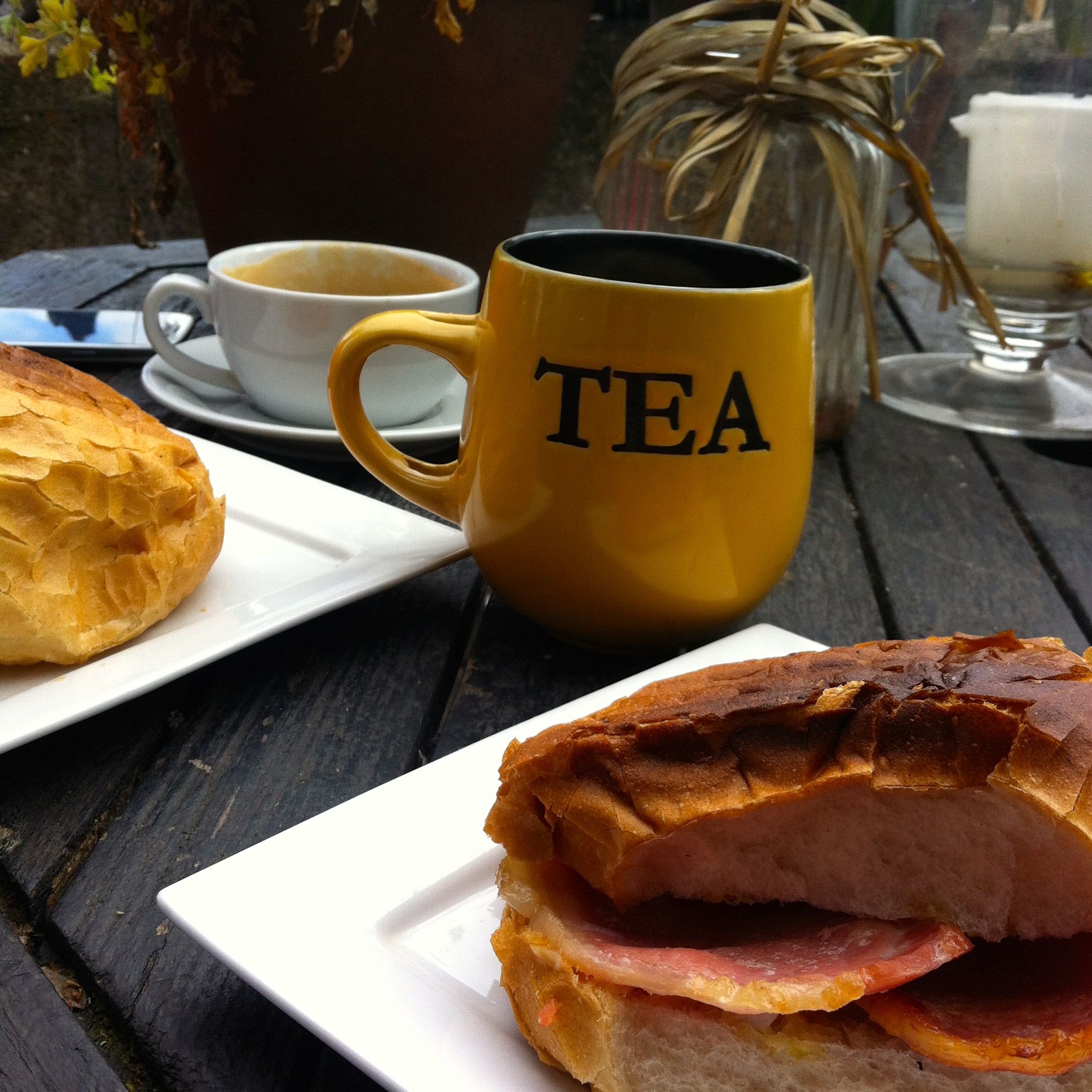
Bacon at the Bow Creek Cafe

So as you may have already read last Sunday we headed out on another bike ride, as well as a bruised sore knee and a visit to some fantastic hedges in the Thames Barrier Park we also stopped for breakfast at the Bow Creek Cafe just inside Trinity Buoy Wharf. We had a quick deliberation about whether to eat here or at the Fatboy's Diner, but as it wasn't yet lunchtime the cafe and its bacon rolls won out, this time.

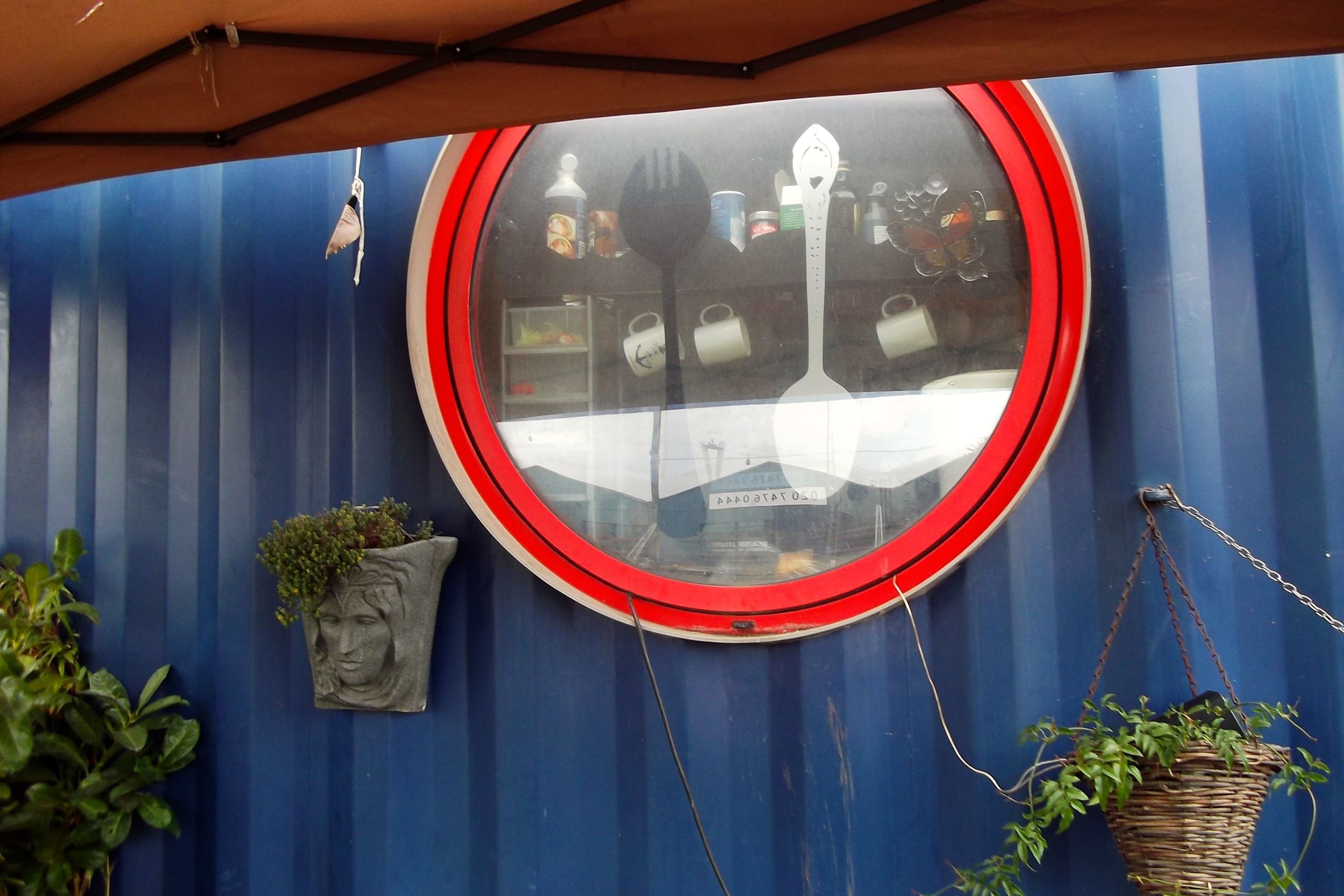
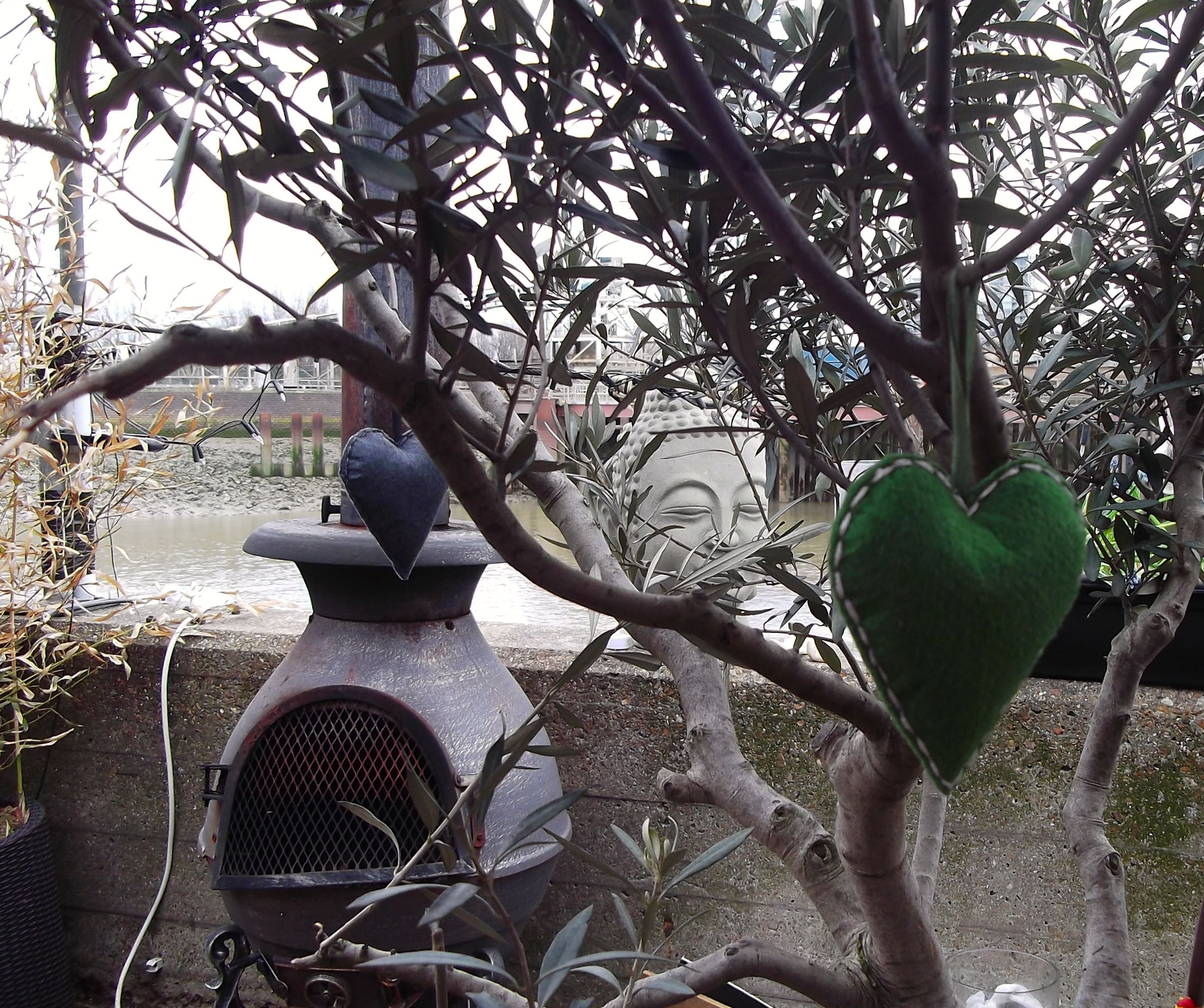
For me the cafe was a find, and I loved it's greenery and quirky decor. It's in a shipping container - they seem to be finding me since my visit to Boxpark in Shoreditch - with seating inside and out. We chose outside - the sun was out, although it was still a little chilly, we got a view of our bikes (I'm still nervous about leaving them even though they're locked up) and well who wouldn't want to sit in these surroundings?

While I locked the bikes and took over one of the outside tables, MOH popped inside and ordered bacon rolls and hot drinks and when they were ready there was a knock on this window and off he went to collect them.

Trinity House - or more formally The Corporation of Trinity House, which is a voluntary association of shipmen and mariners - had its headquarters in the City of London and established Trinity Buoy Wharf as its Thames-side workshop in 1803. At first wooden buoys and sea marks were made and stored here, and a mooring was provided for the Trinity House yacht, which they used to lay the buoys and collect them for maintenance and repair. With its coat of arms Trinity House also received the authority to put up and maintain beacons, marks and signs of the sea "for the better navigation of the coasts of England".  Since 1573 it's been famous for buoys, lighthouses and lightships and pioneering the development of these.

Trinity Buoy Wharf also houses London's only remaining lighthouse and I'll share pictures of that and of the Michael Faraday exhibition (he had a workshop in the roof space of the present lighthouse) there too which is in a shed, and I have to say it's one of the best sheds I've ever been in! 

Anyway, back to more views of the cafe. 

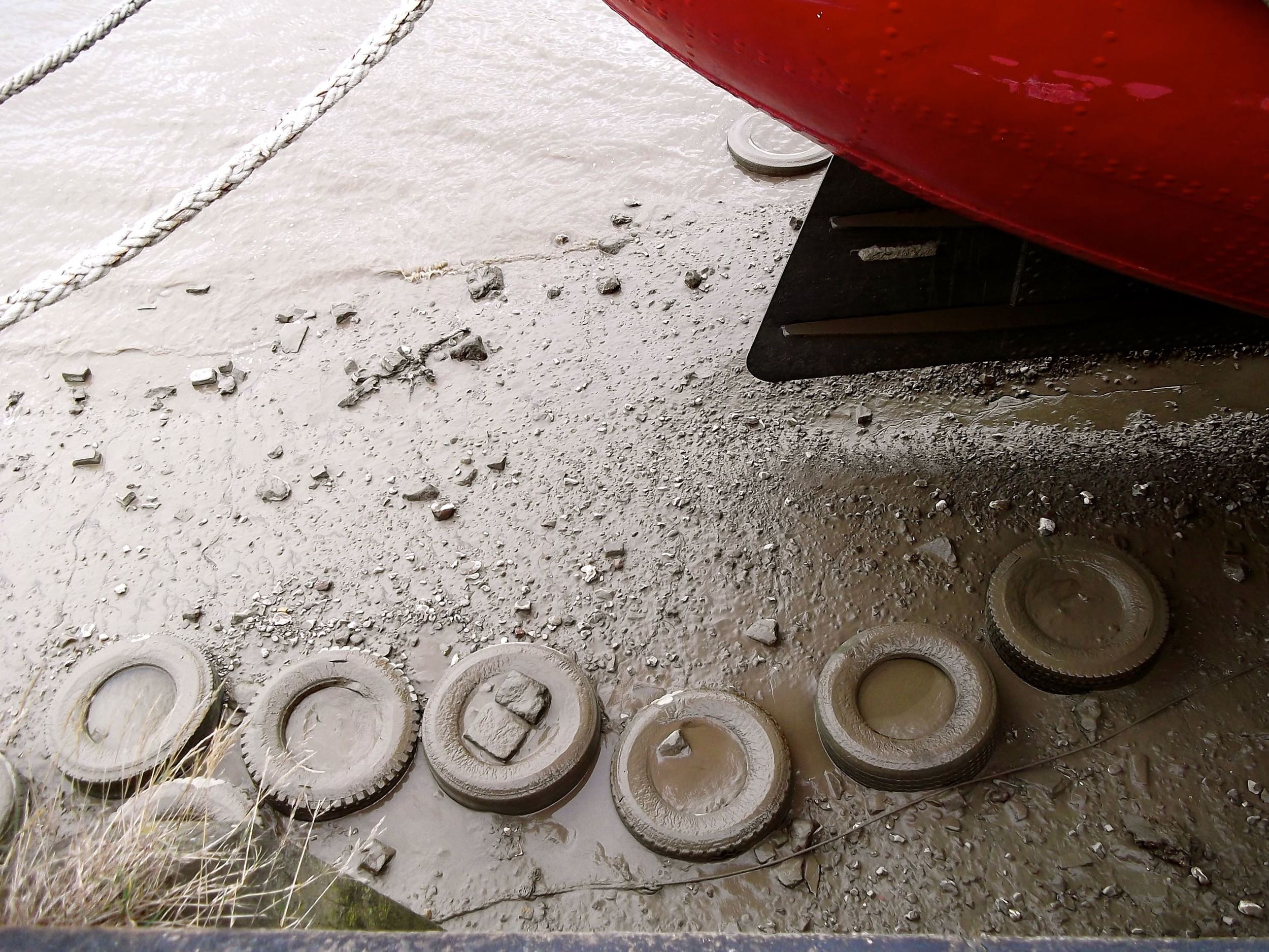
Where we sat we had a great view of the Lightship. It was built in 1938 in Dartmouth and was used in a number of locations; it no longer has its engines and I understand is looking forward to retirement as part of Trinity Buoy Wharf's unique heritage.  And in case you're wondering a Lightship is a lighthouse on a ship...

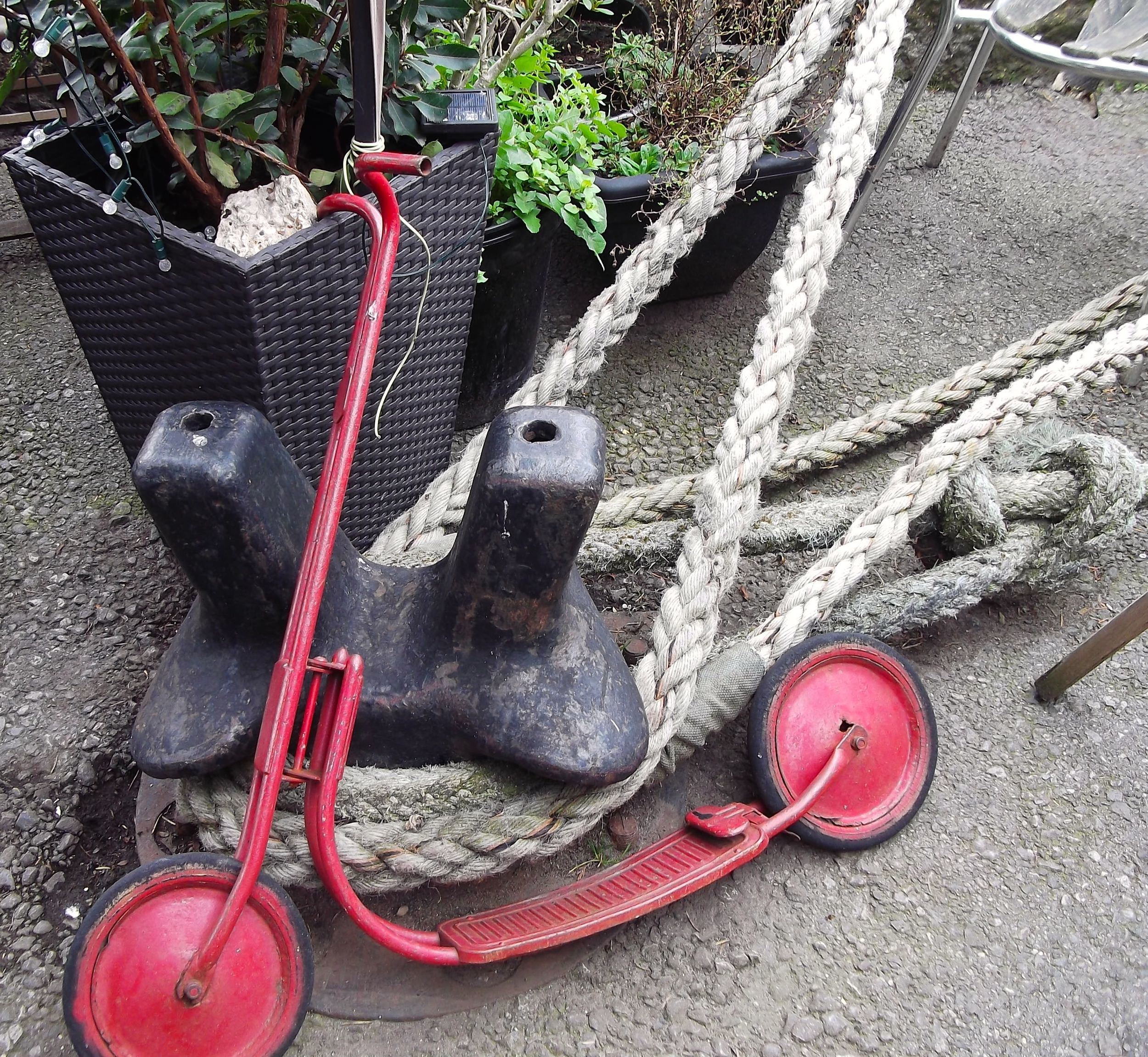
It also provided a great opportunity for some rope shots!

And some muddy tyres.

And yes, breakfast was now ready so that took precedence over any photos or further explorations!

With the bacon rolls eaten - they were really very good - we were ready to continue on our way. I'll share more from our visit to Trinity Buoy Wharf - and the Michael Faraday shed - here in the next few days, so I hope you'll pop back for that.

Oh and as for the cafe, we'll be back for breakfast again soon - and we'll be back at the wharf to try Fatboy's Diner too!

Share the Joy linky at bodfortea.co.uk

Hedges at the Thames Barrier Park

Last Sunday morning we set out on a bike ride heading under the Thames through the Greenwich foot tunnel; our plan was to cycle along the Thames Path on the north side of the river before crossing the river again using the Woolwich foot tunnel and heading home. You're probably wondering how this relates to my usual Thursday garden-related post. Well, our cycle turned into quite an adventure with many discoveries (which I'll share more of over the next few days) including some fantastic hedges in the Thames Barrier Park, which we'd not visited before.

And it's so close to home, that it's embarrassing that we'd not been before. Although in my defence I'm a South London girl and I didn't know about the hedges...

So after emerging from the Greenwich foot tunnel and cycling to Trinity Buoy Wharf we were adopted by a group of cyclists who were heading the same way as us. As we were exploring and they knew the way we willingly tagged along as they led the way to the Thames Barrier Park. As we cycled into the park through the huge yew hedges I got a glimpse of what was to follow.

HOW TALL IS YOUR YEW?

HOW TALL IS YOUR YEW?

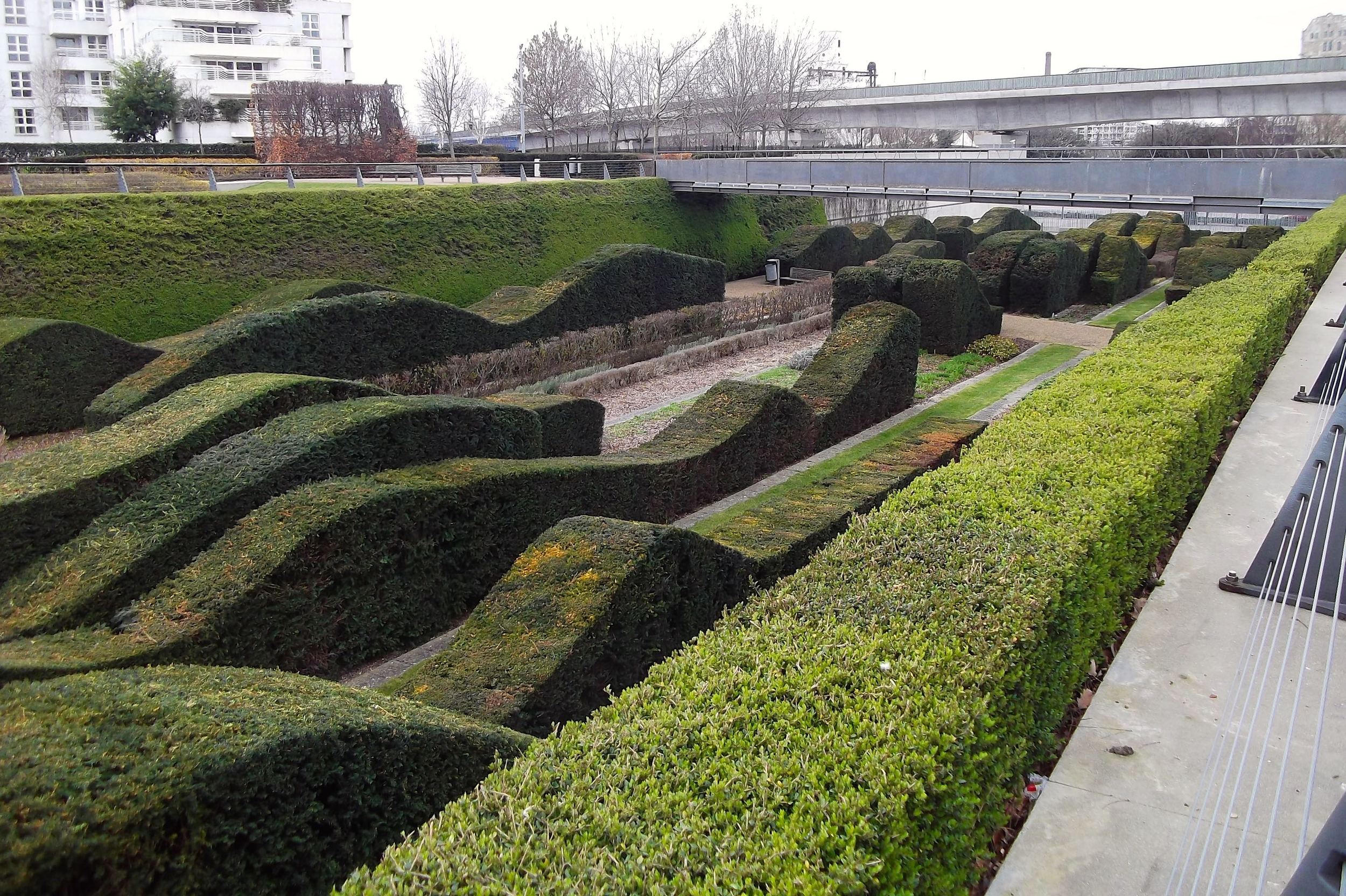
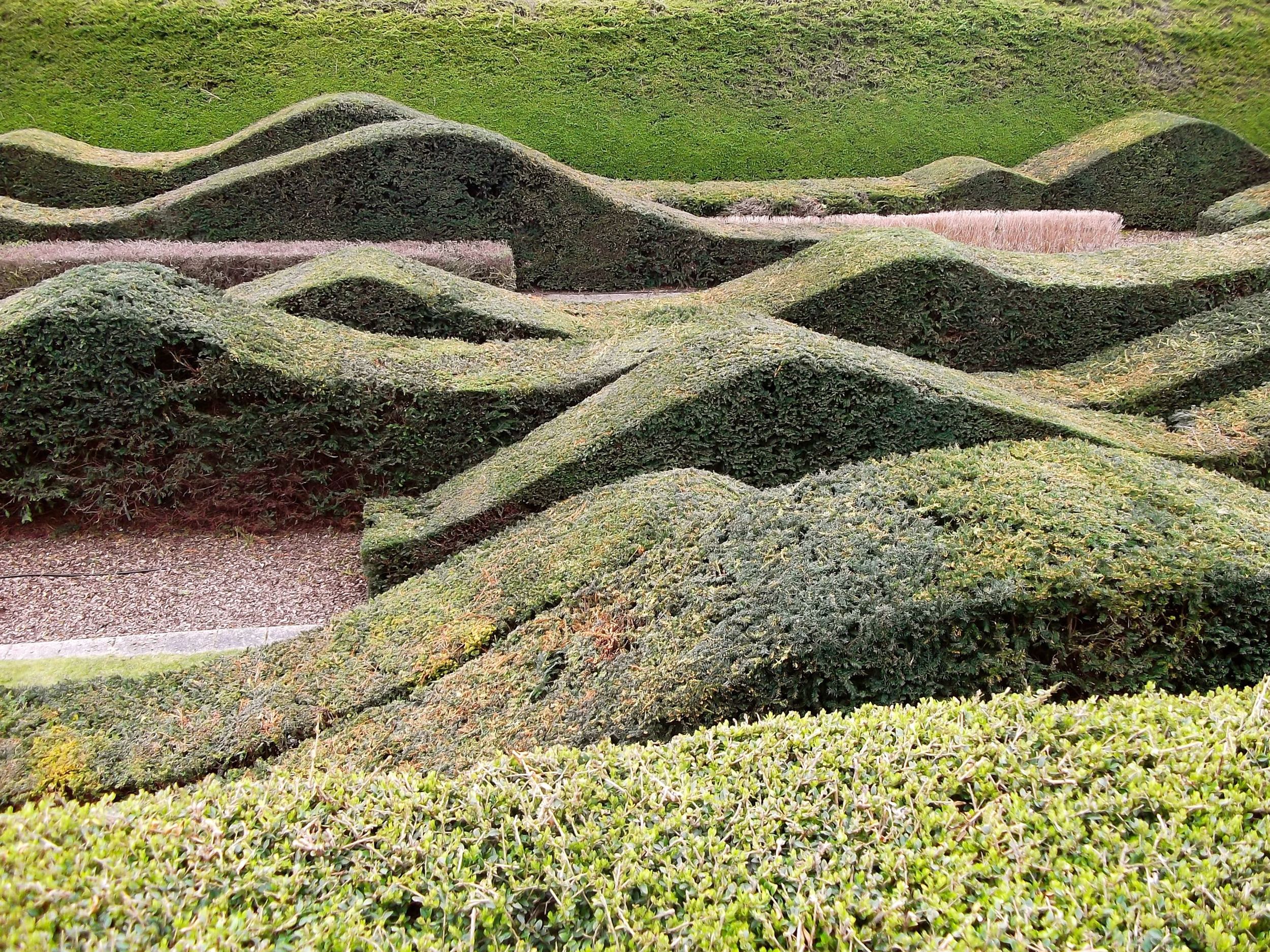
Reaching the end of the ramp we double-backed on ourselves and got a view of the sunken garden and its waves of hedges. Wow. Just Wow. And you know how much I like hedges! I was in my element, I was also getting quite good at using my camera on the move too...

In the end though I stopped and took more pictures. I couldn't let these hedges pass me by without capturing them properly.   

The Thames Barrier park opened in 2000 and was the first new park built in London for 50 years.  That sunken garden with the hedges that we cycled through, provides a sheltered microclimate and as I thought the hedges represent waves. What I didn't know until later was that they're in an old lock entrance to the docks. I love things like this.

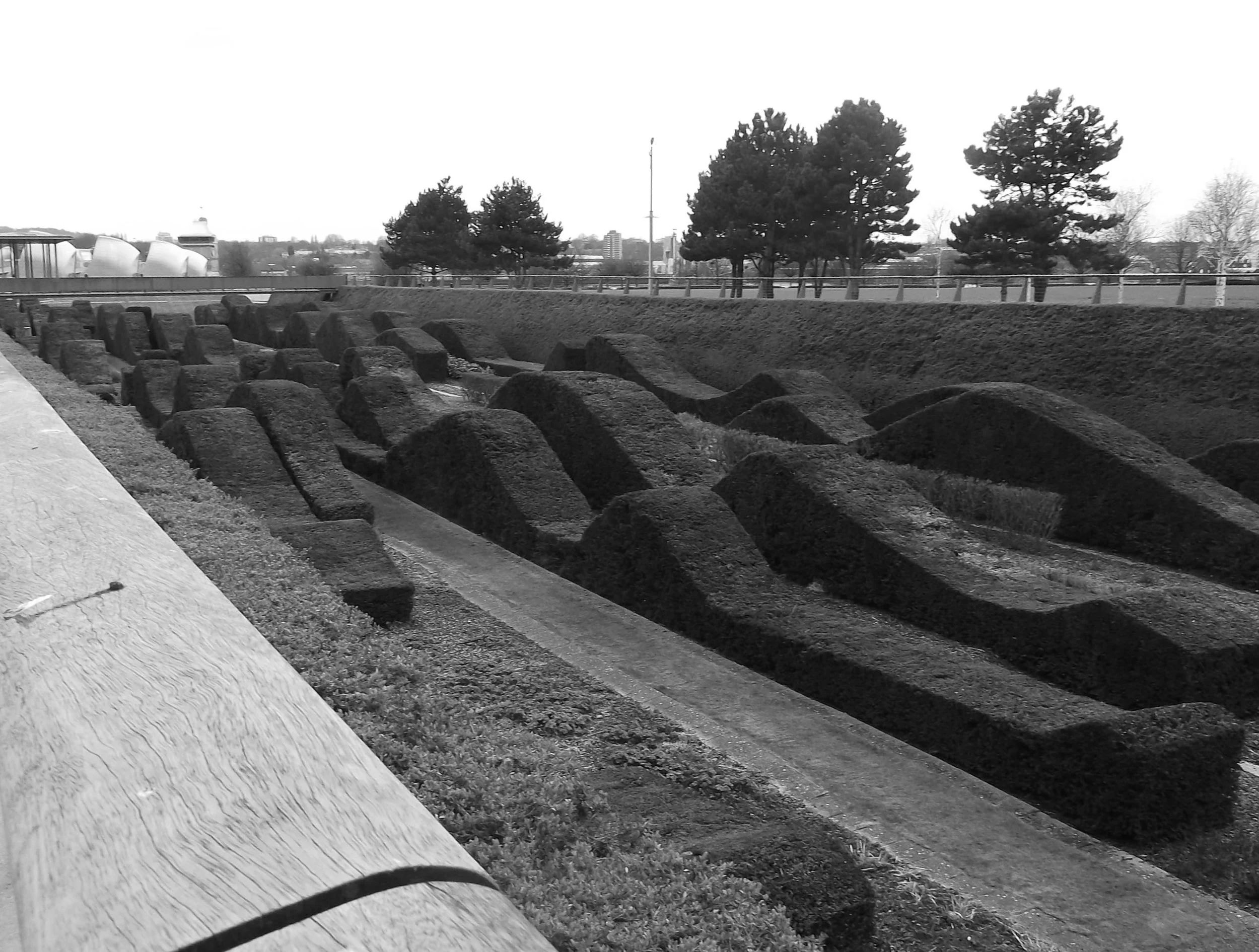
They look great in black and white too, and in the distance you can just see the Thames Barrier too.

Our adopted group of cyclists headed for refreshments in the cafe, but as we'd already stopped for breakfast we said our thank-yous and goodbyes and headed towards the river for a look at the Thames Barrier, which incidentally had been shut the day before. We normally see the barrier from the south side, so it made a change for us to get a different perspective on it.

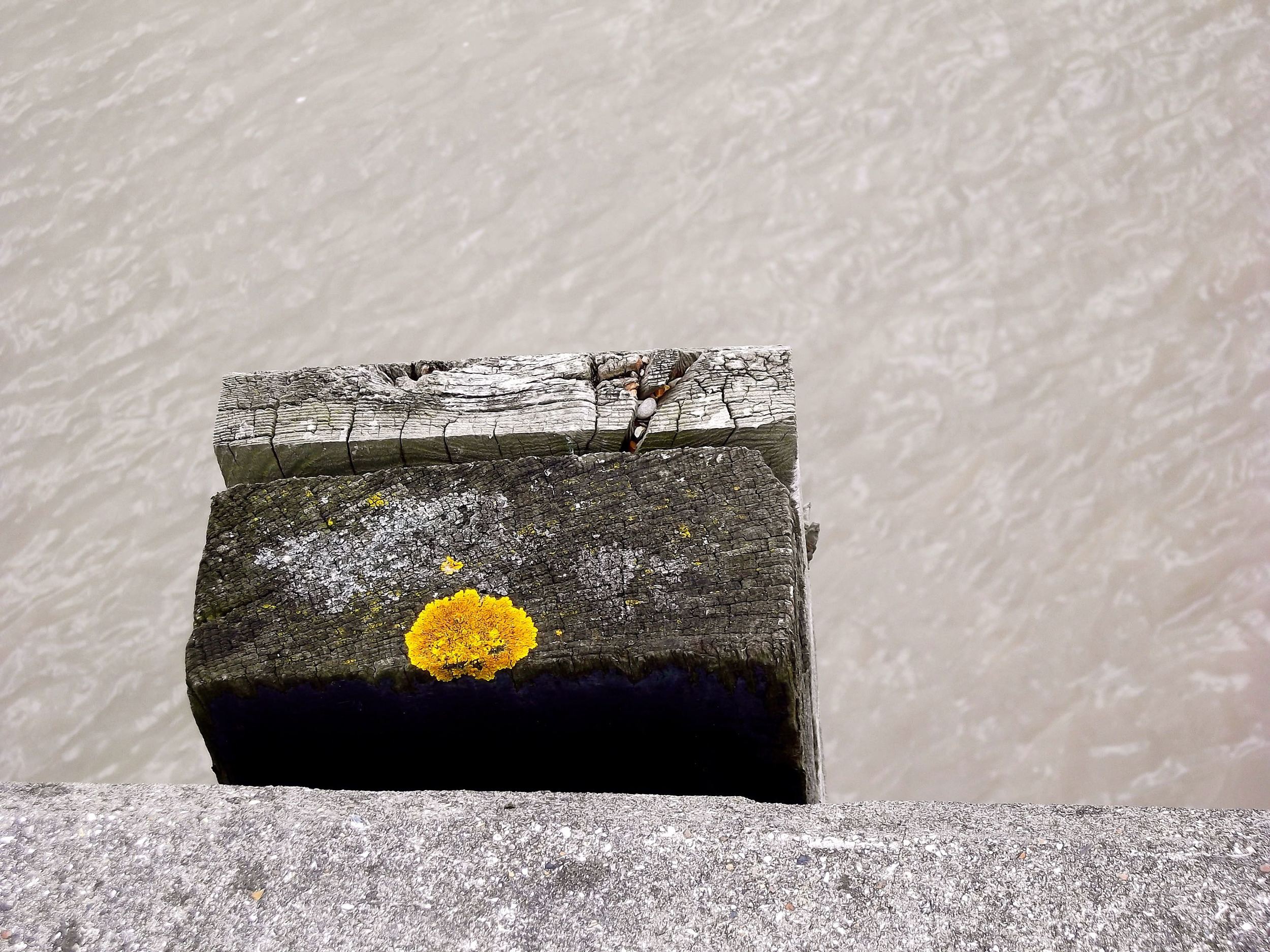
Before we left to search for the entrance to the Woolwich foot tunnel I looked over the edge into the river and spotted some lichen on the piling, and I was struck by how simple but how beautiful it was.  

So there you go, I discovered some fantastic hedges almost a stone's throw from home... well, if you have a very good throw anyway. How lucky am I?