




More from the Walled Gardens at Scampston Hall

I surprised myself at the end of the first post exploring the walled gardens here by how few I’d managed to cover in that post, I’m hoping that we’ll cover many more in this post. Though I’ll admit I’m probably cheating (a bit) as I’ve split out some of my favourite parts, like the potager and the still to come gardener’s yard into separate posts!

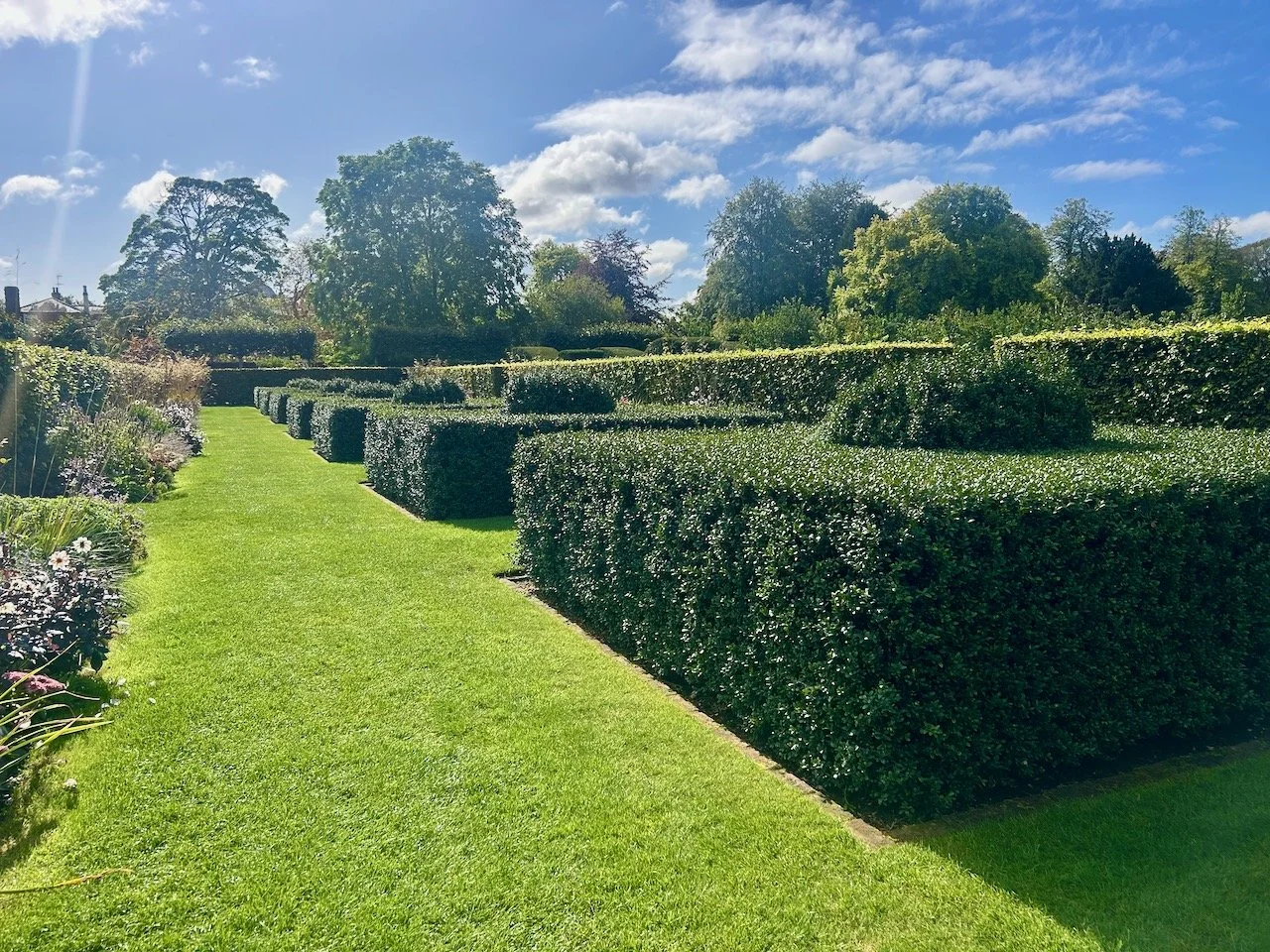
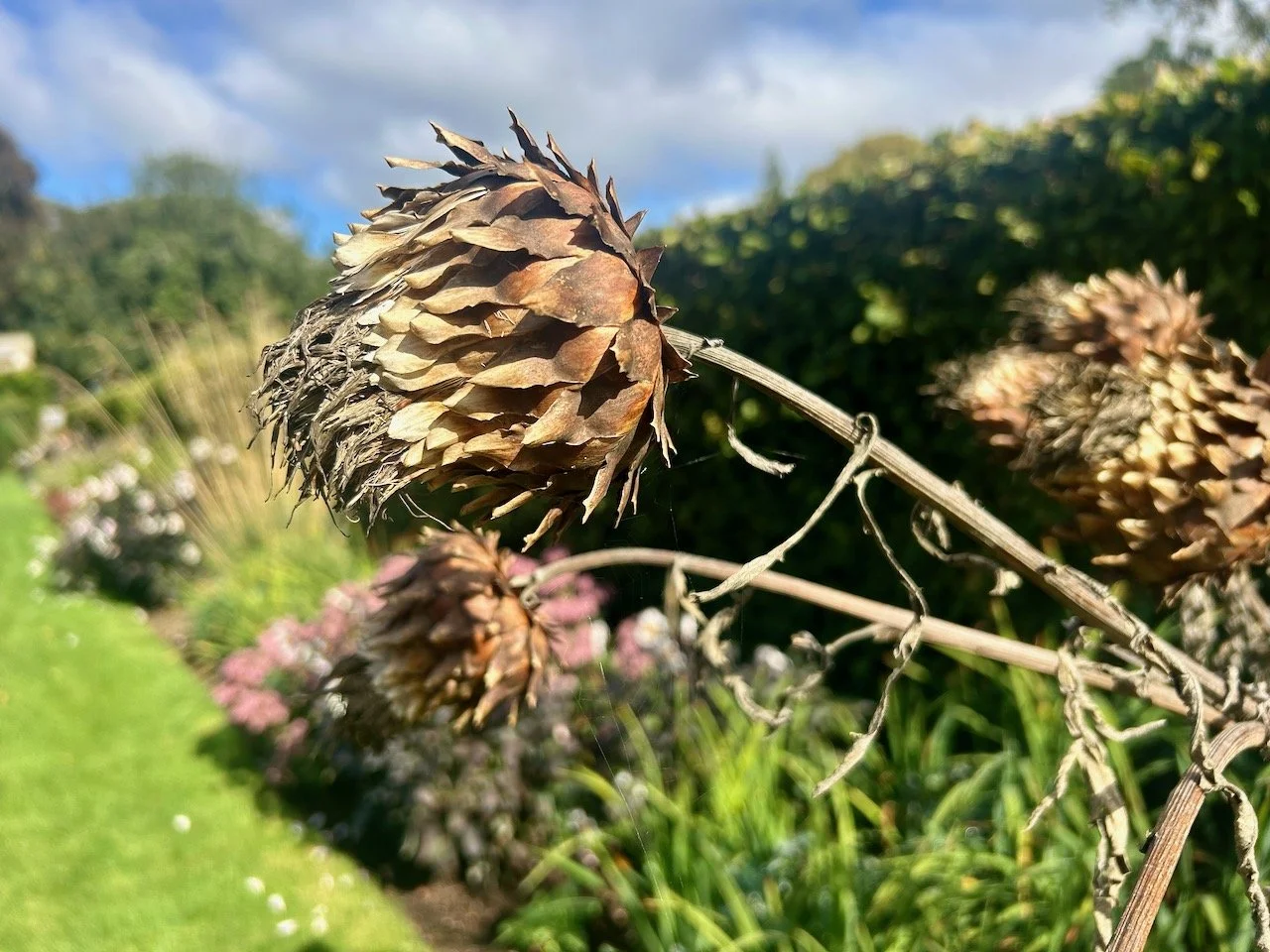
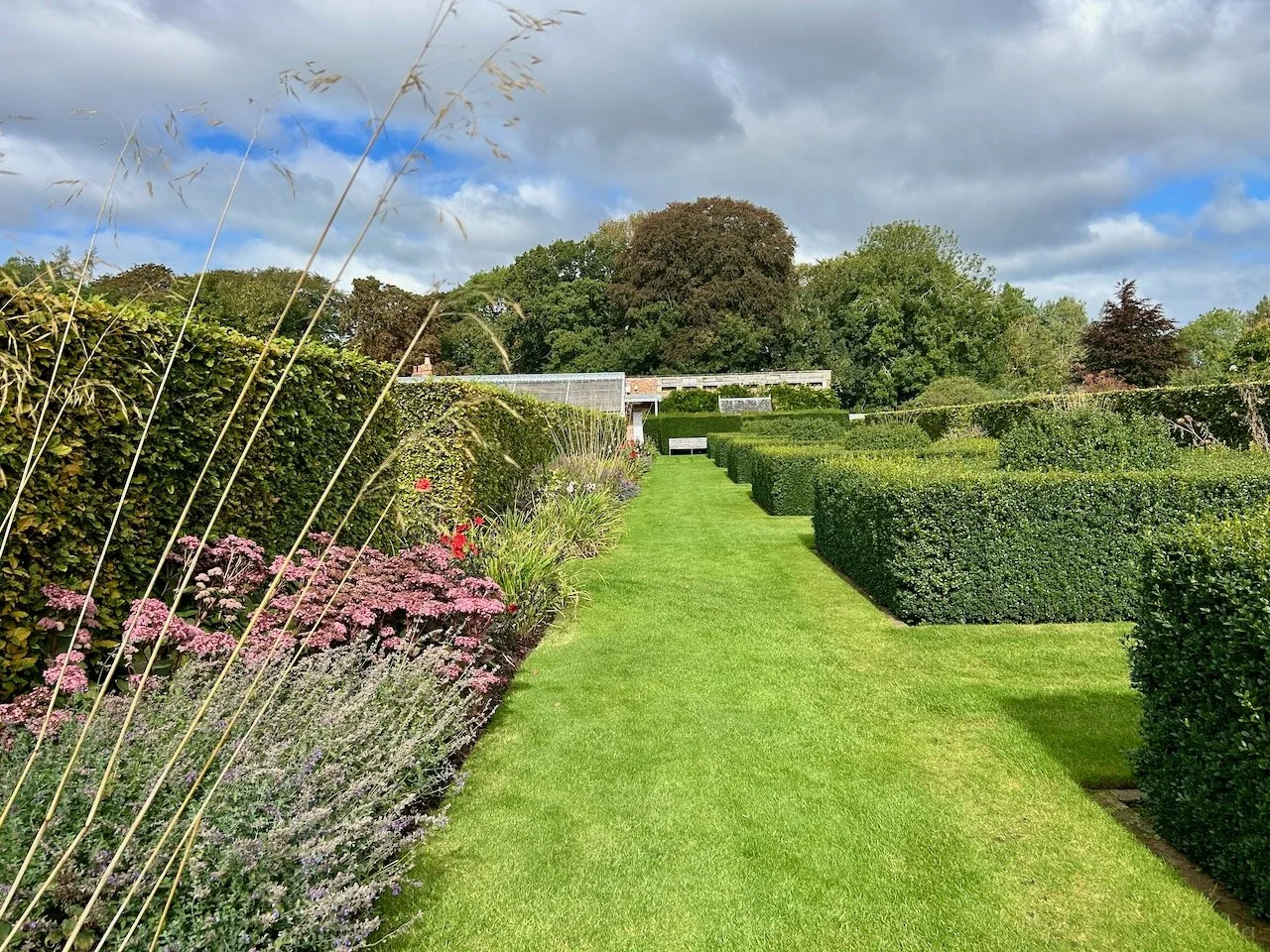
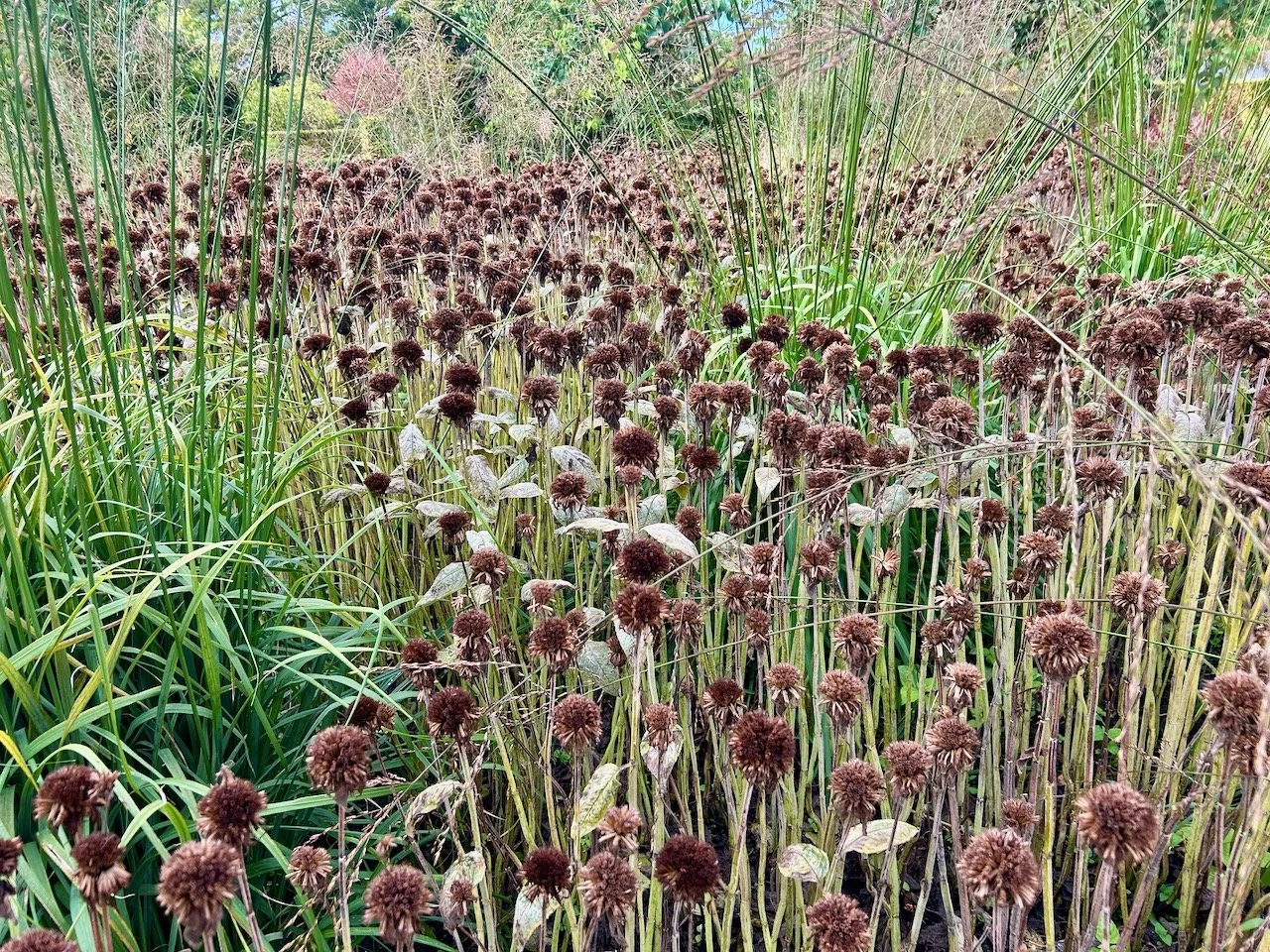
But anyway, leaving the cut flower garden behind us we wandered amongst the three metre squares of box, flanked by more traditional herbaceous borders of garden 6, enjoying the decaying flower heads as we went.

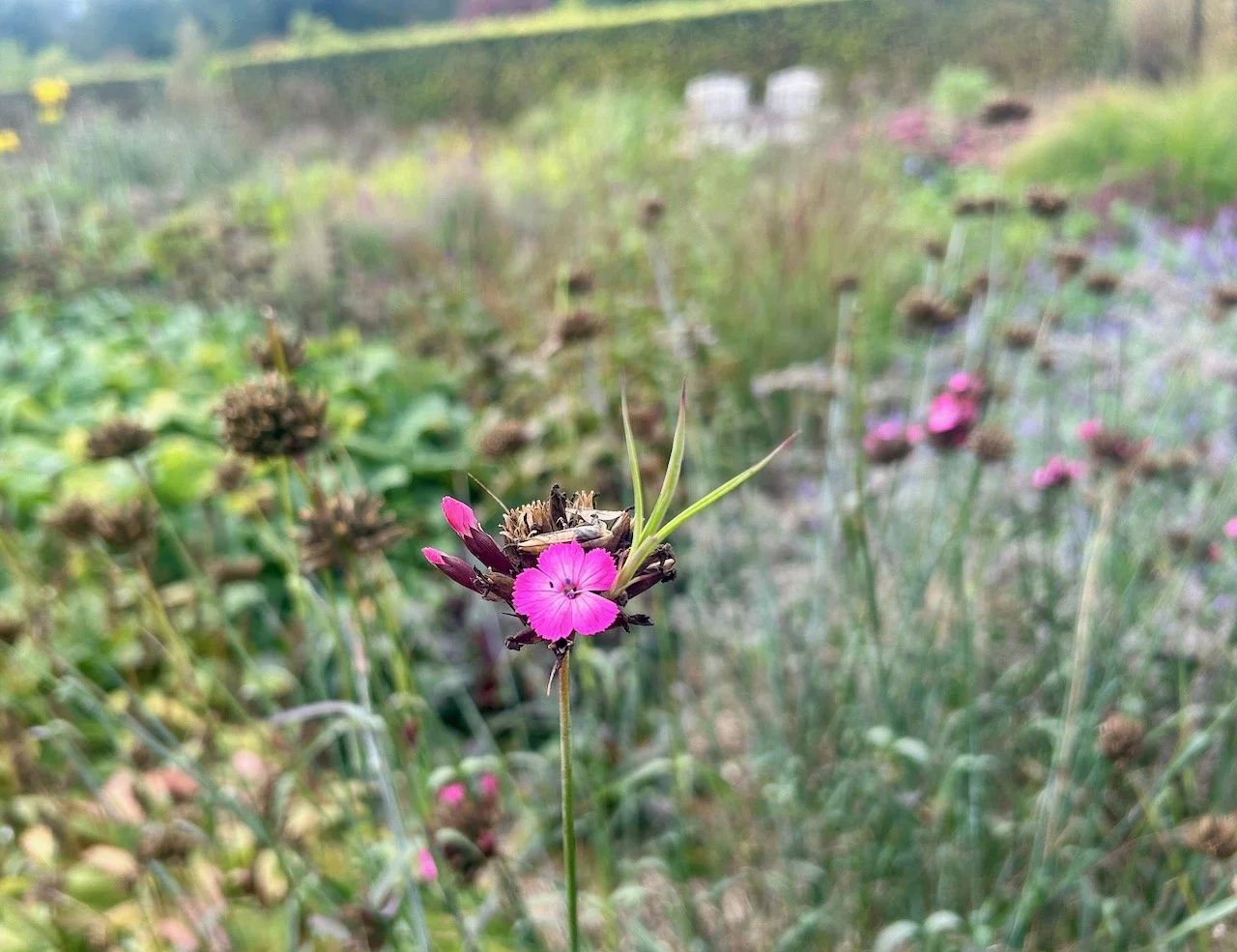
When the flower heads get to this stage, they’re still beautiful aren’t they - but to me now almost sculpturally and architecturally beautiful, and they were a great palate cleanser for the Silent Garden (garden number five).

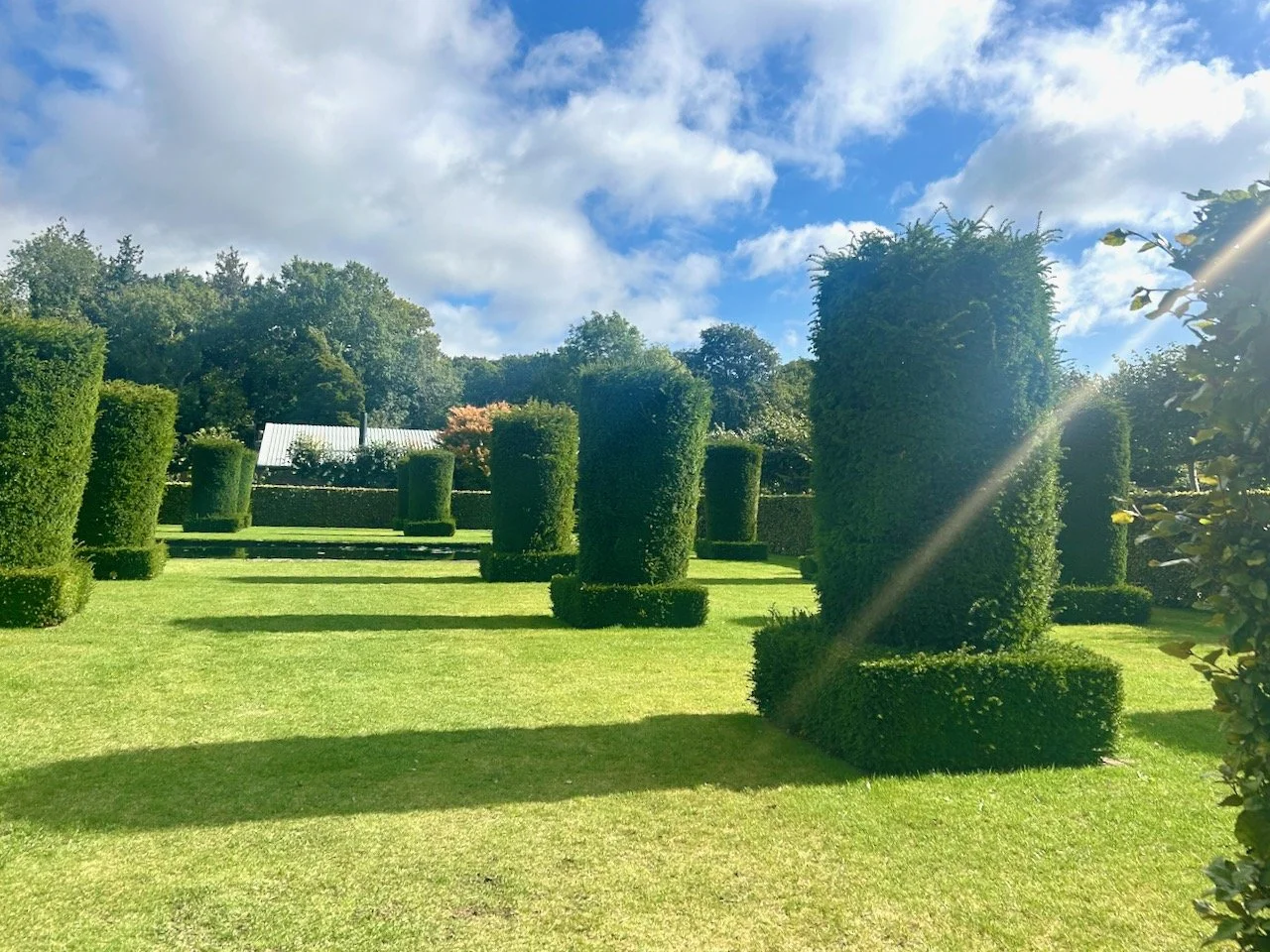
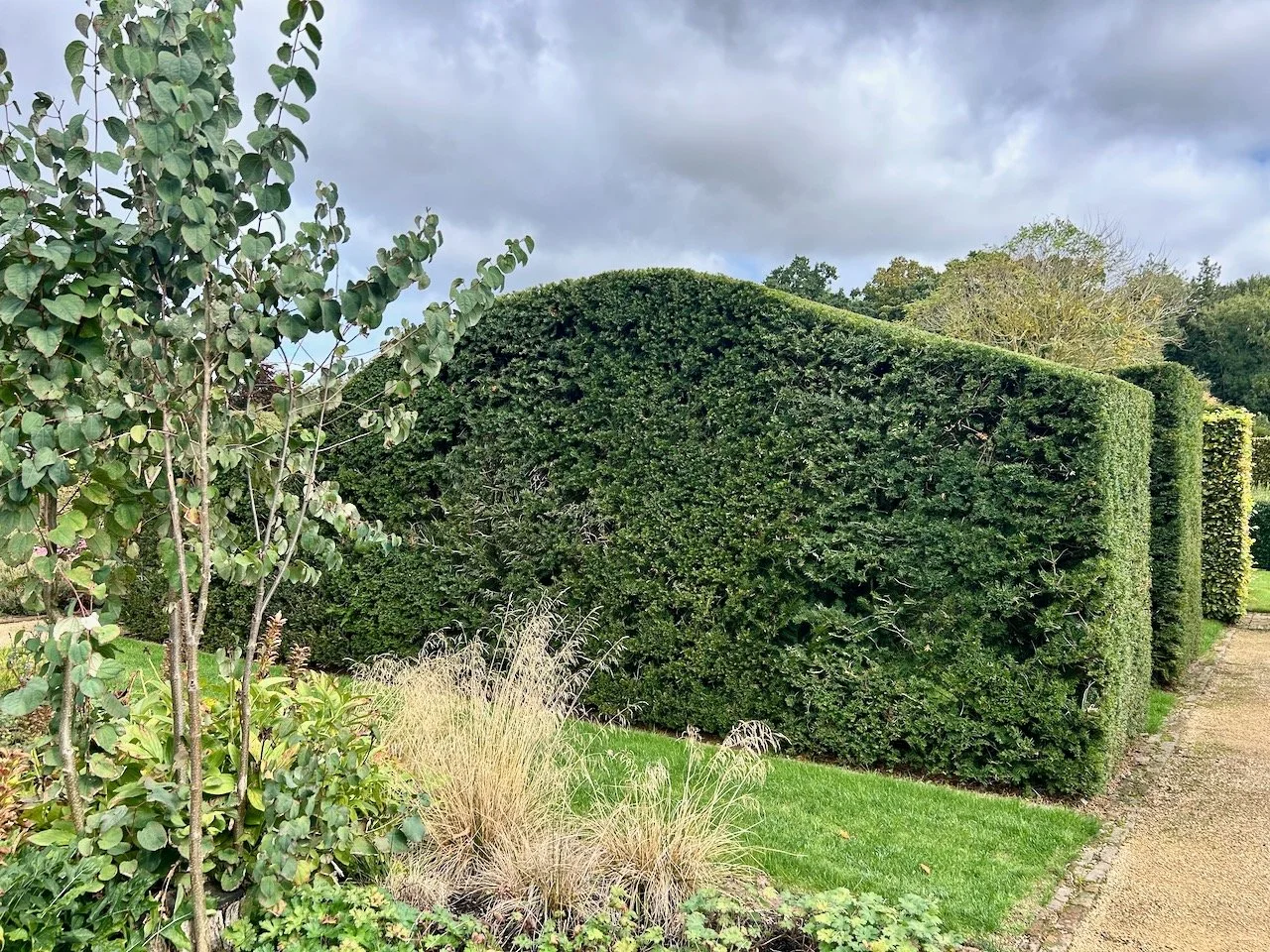
You know how much I like topiary, well after the large three metre squares we’d just walked past, to then come across 24 round columns of yew was a delight. These are permitted to grow to a height of three metres before their tops are levelled.

They certainly have impact.

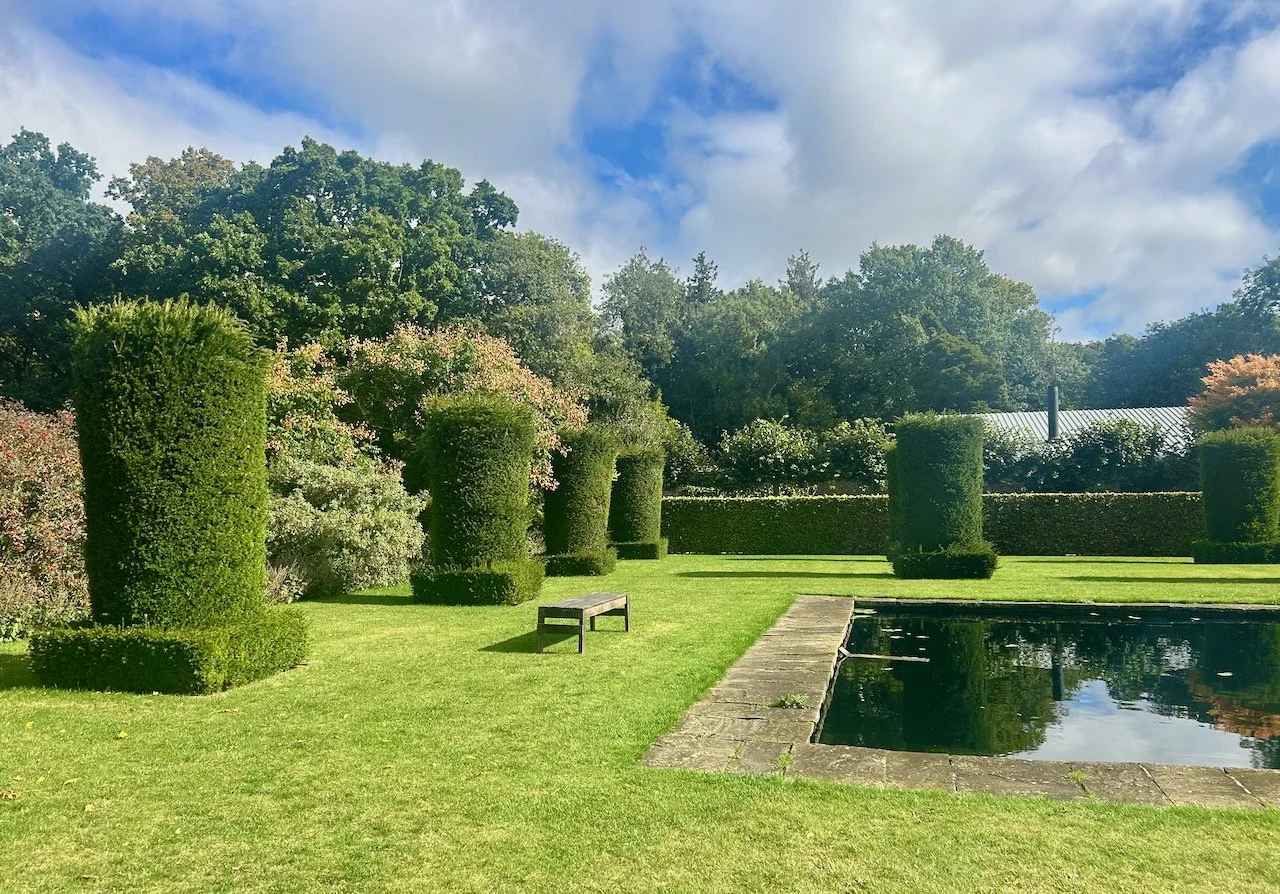
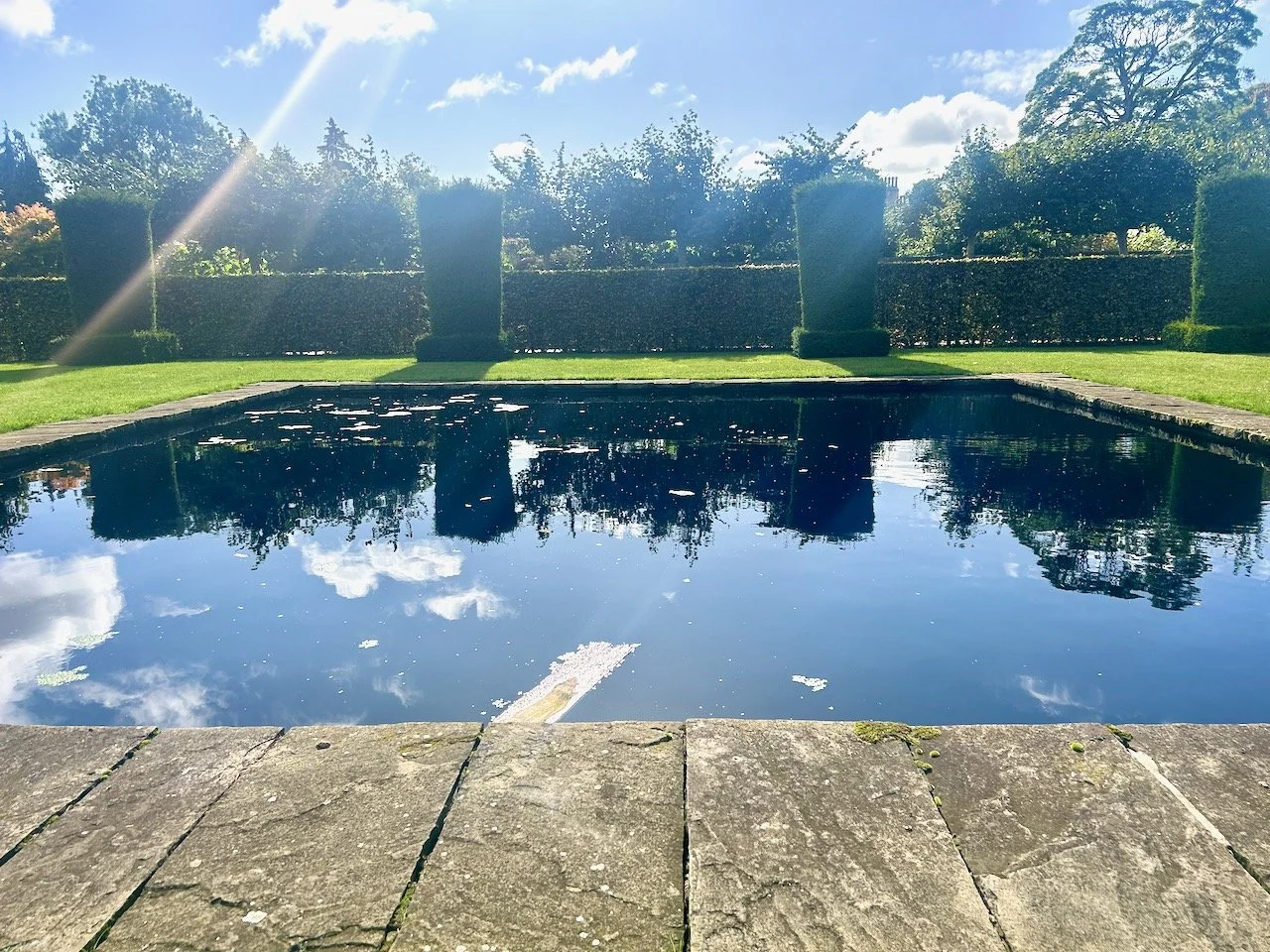
In the centre of the garden there’s a rectangular pond and the yew columns reflect majestically in this, and their symmetry is divine. It’s clearly a minimalist garden - so while I enjoy it, it’s probably not for me in my own garden - and it exudes calmness, and that low bench was a great place to sit and just be.

Though much of my sitting and enjoying the garden also included trying to work out if that was a plank of wood in the pond - it was - and wondering where it had come from. There’d been a bit of a storm the night before so it was relatively easy to work out how it got there, but it wasn’t obvious where it had come from though I think it had probably travelled a fair way.

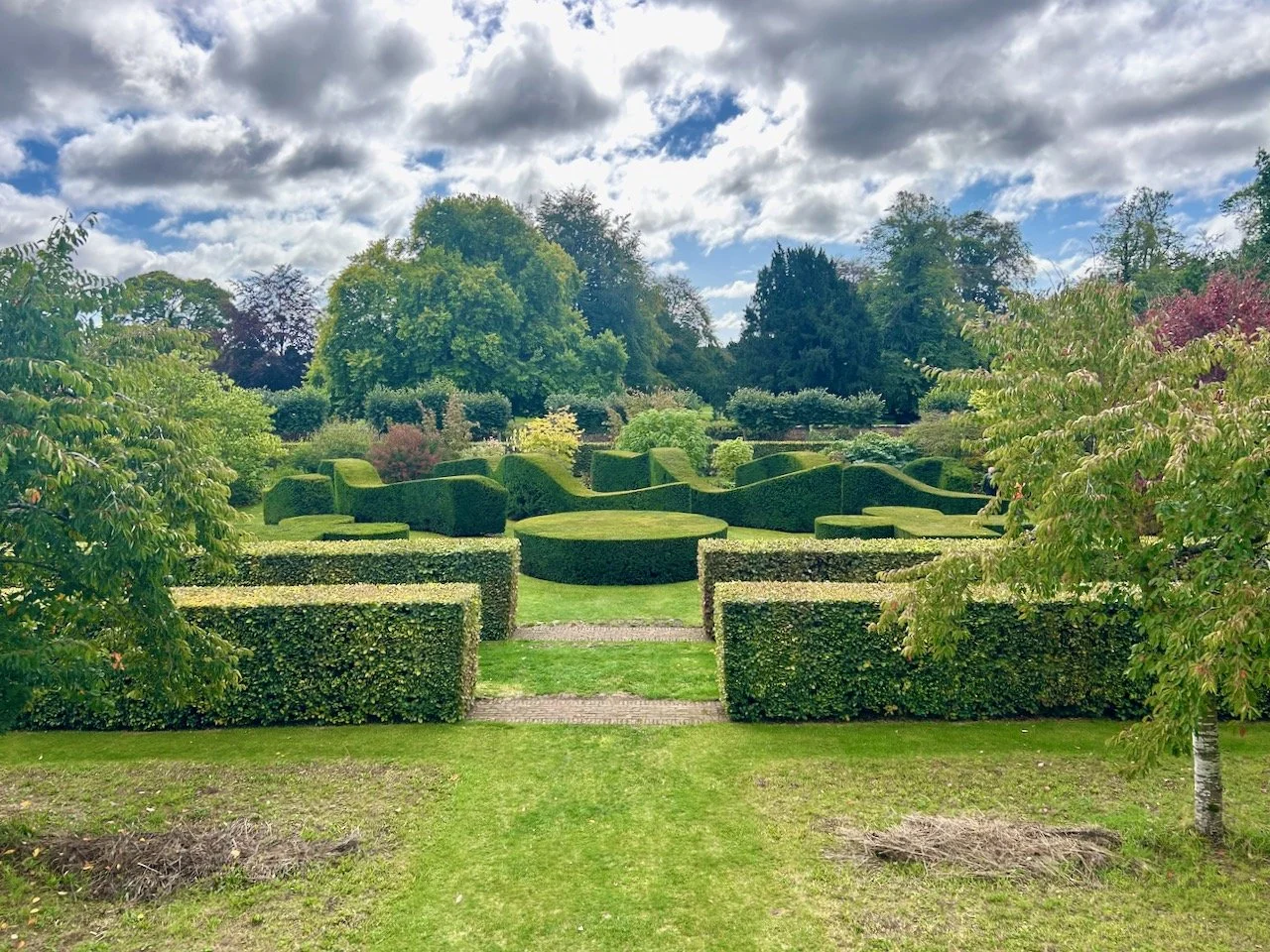
We headed back towards the borders with the large box borders, the spaces are edged with beech hedges so you can just imagine how great they look as the seasons turn to winter and as their leaves turn bronze.

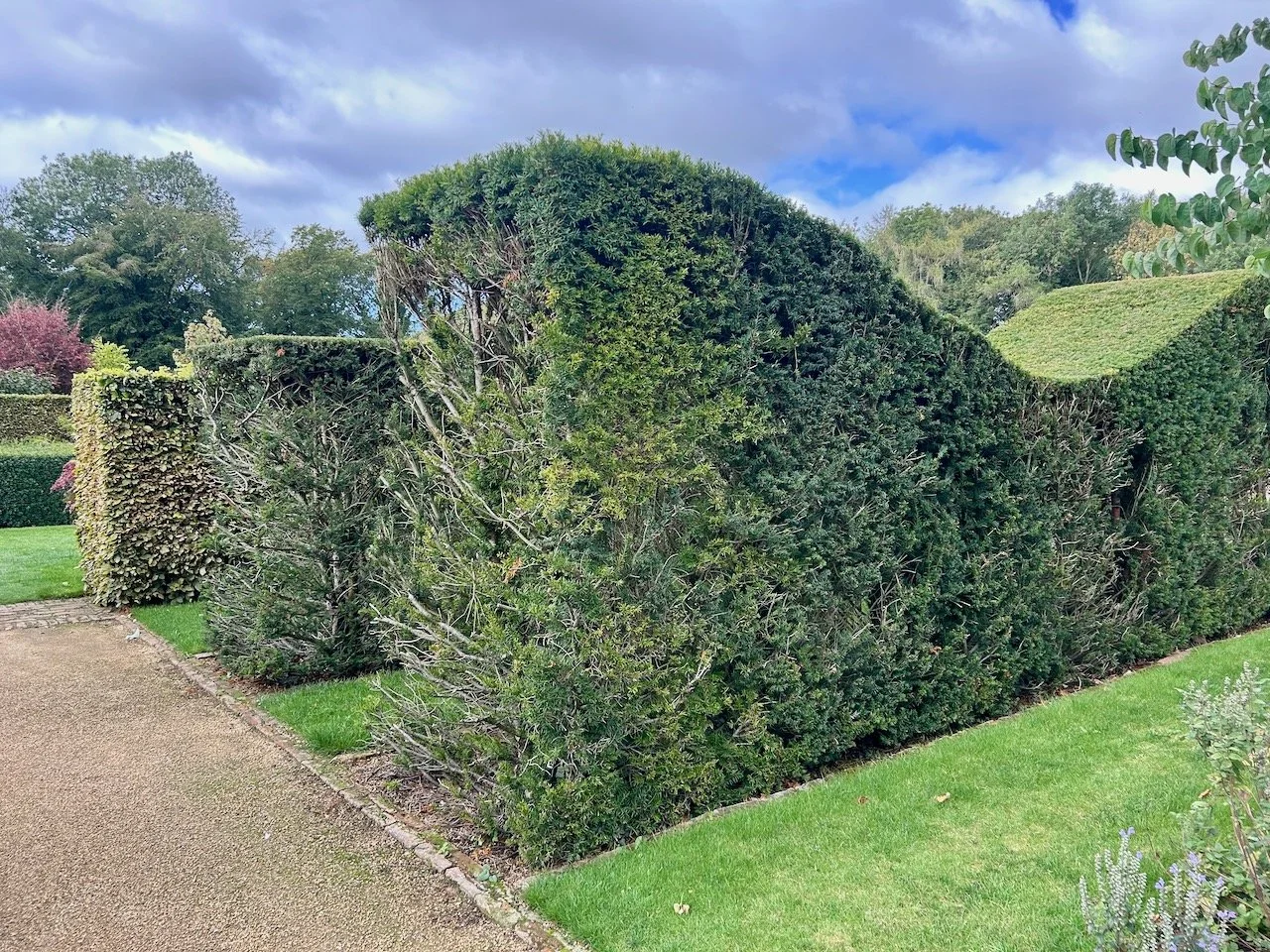
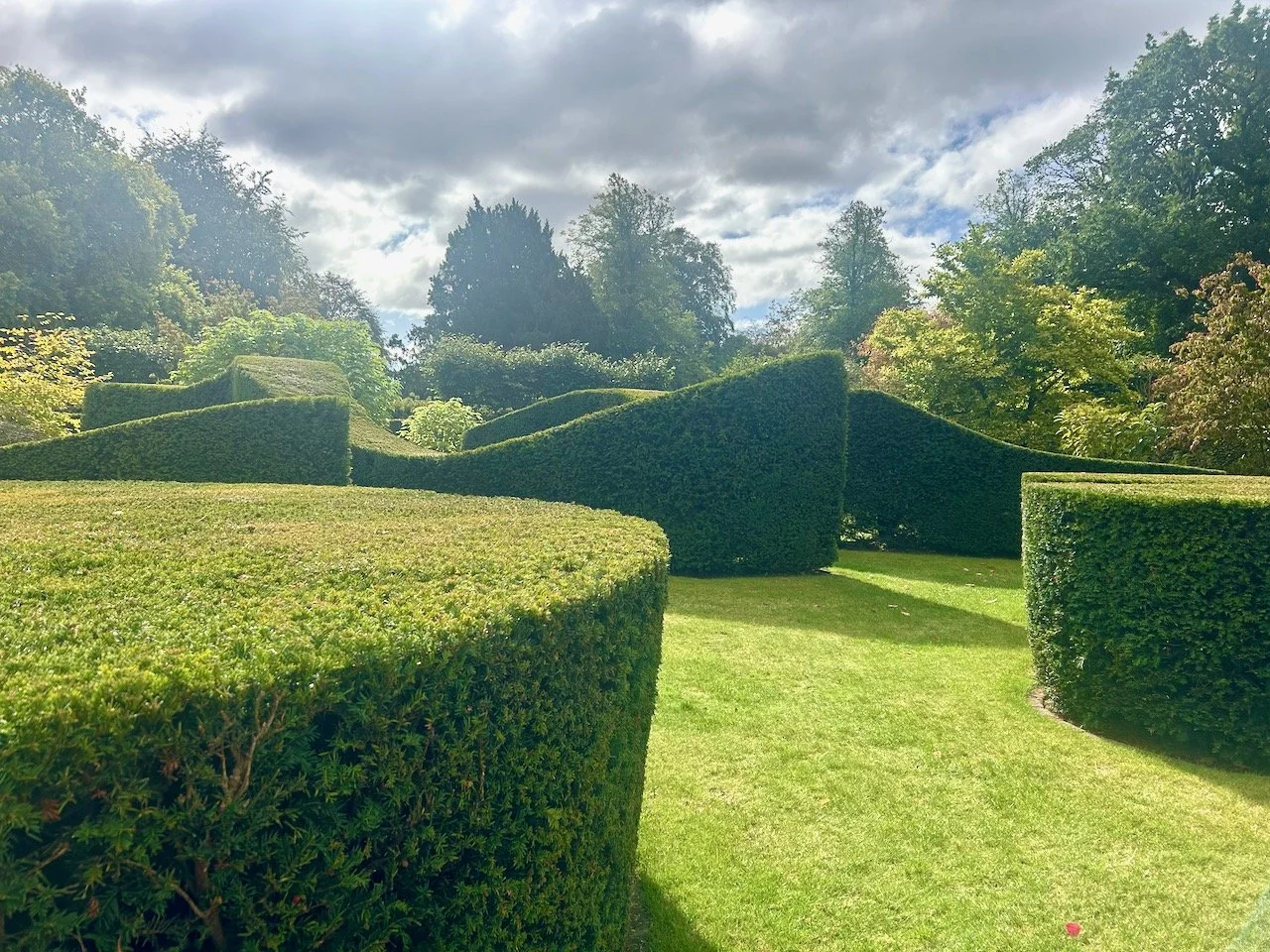
I could spy more topiary in the distance, and so as it was calling me we jumped the structured and numbered order of the gardens again this time making our way to garden 11, named the Serpentine Garden. Named so because it has six serpentine hedges of clipped yew - what a joy!

The clover shaped beds as you entered this garden were also full of spent flower heads which gave a hint to their fabulousness when in full flower.

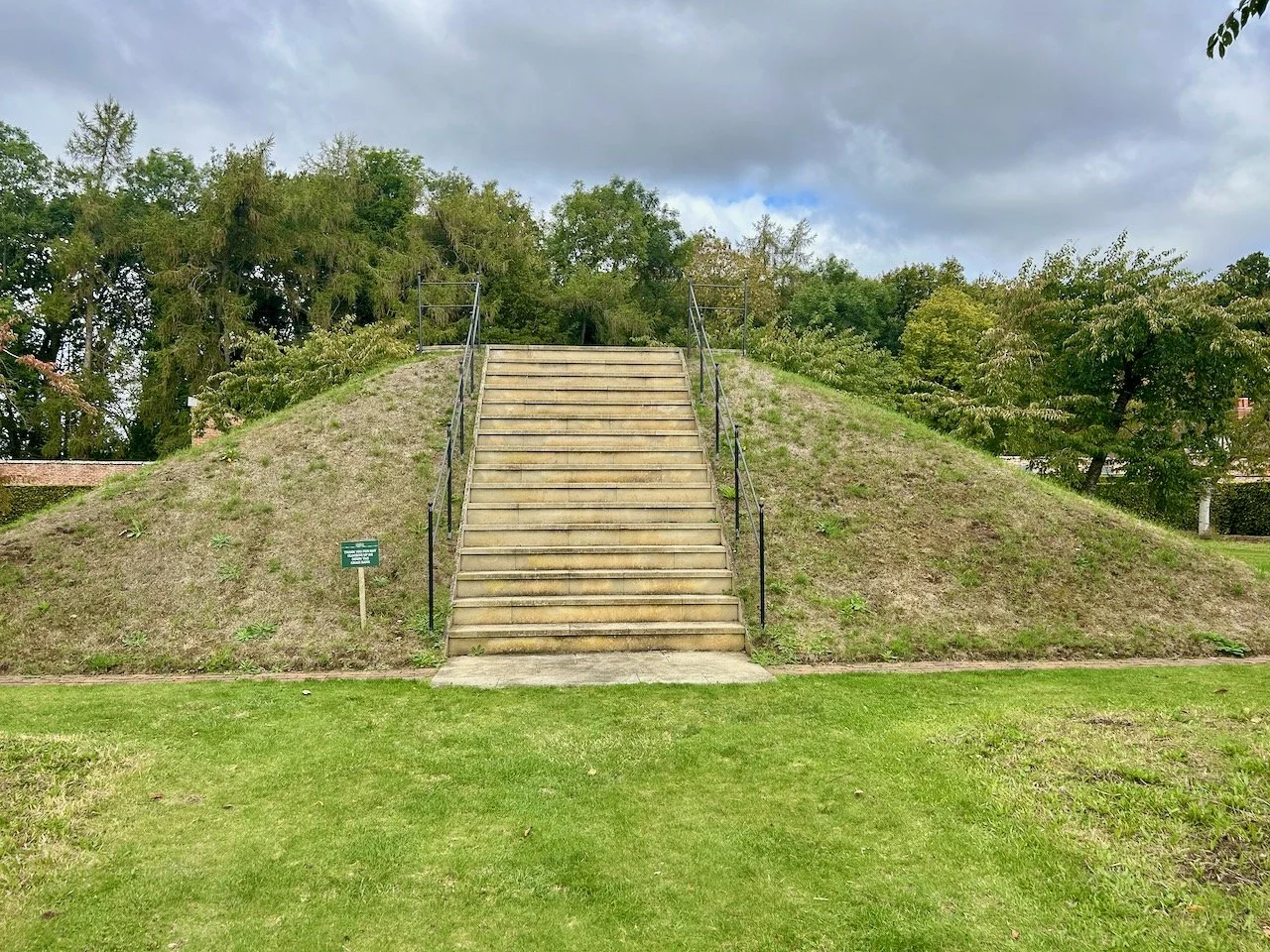
Behind us we spotted The Mount (garden 12) and not one to turn down an invitation to explore further we headed straight up the steps.

And oh, what views across the garden.

The guide to the garden suggests that this is where we should leave the garden, but as we’d skipped gardens along the way that wasn’t our plan. Instead we retraced our route past the serpentine hedges (which reminded me of the hedges at the Thames Barrier park) and garden 10 which had the same three metre squares of box as garden 3, bringing symmetry to the overall garden design.

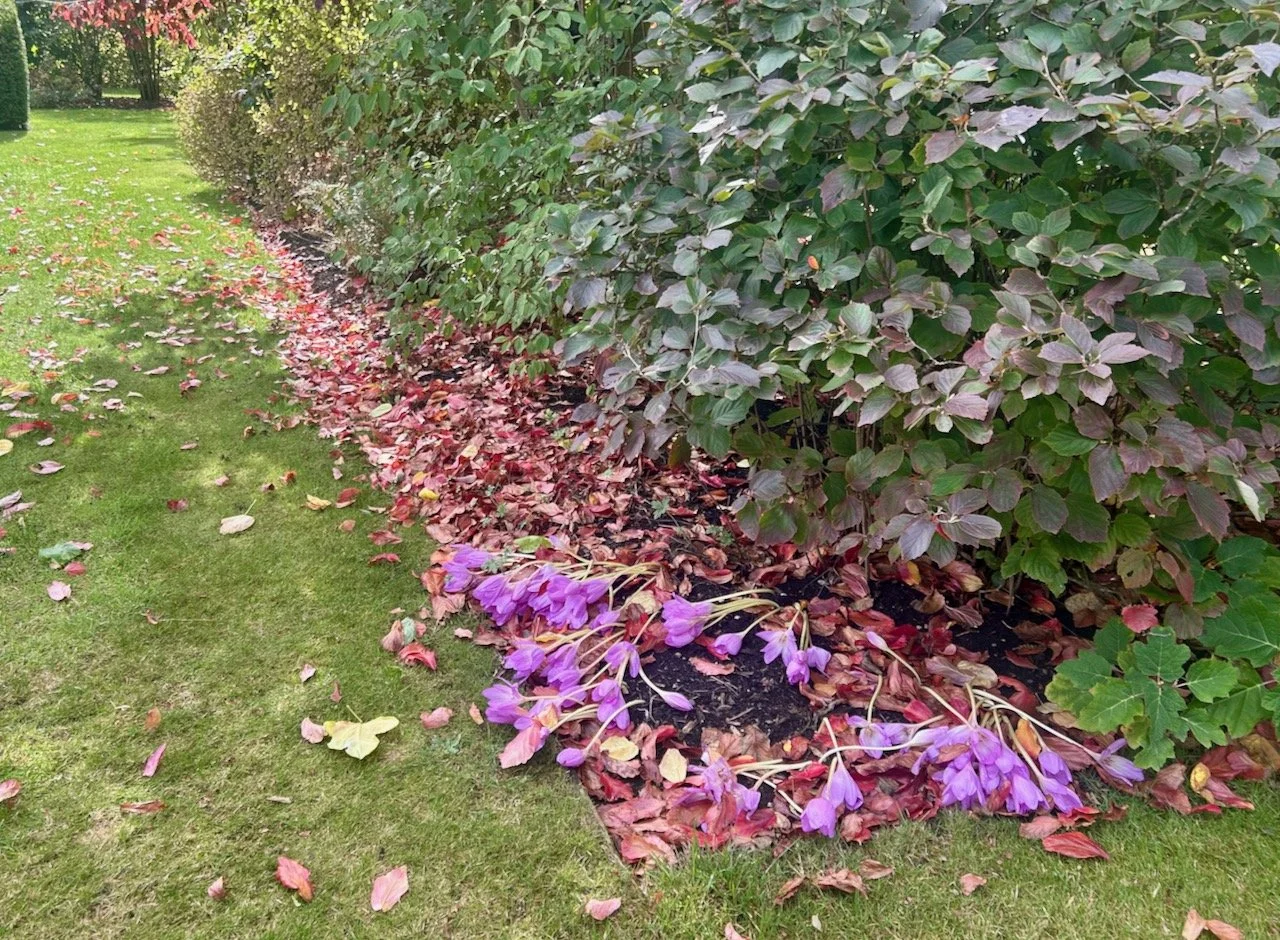
We walked past the Katsura Grove but didn’t spend much time here, but this picture of the exhausted colchicums (or autumn crocuses) made me smile, and reassured me too as mine in my previous garden always seemed to be more horizontal than vertical.

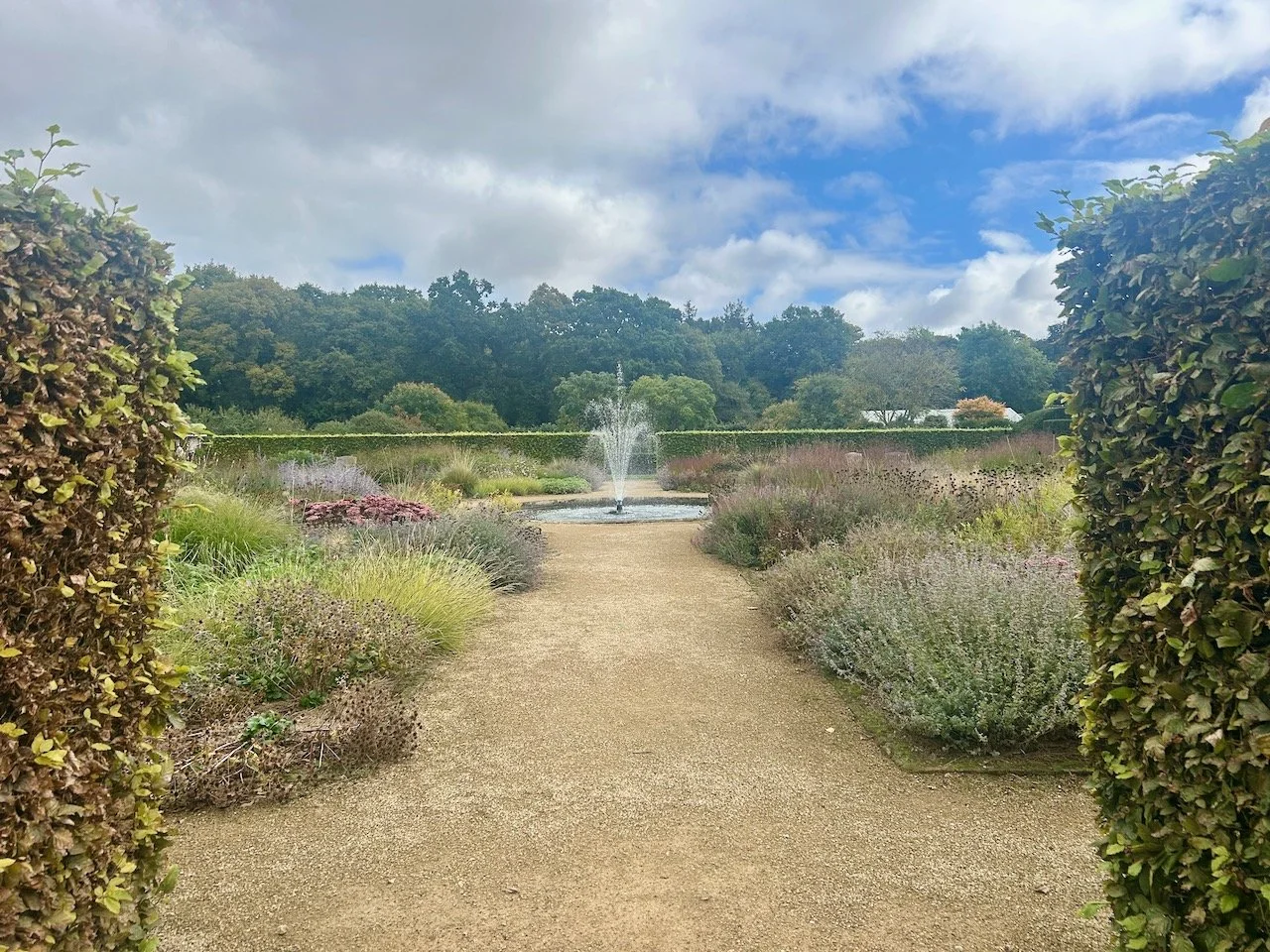
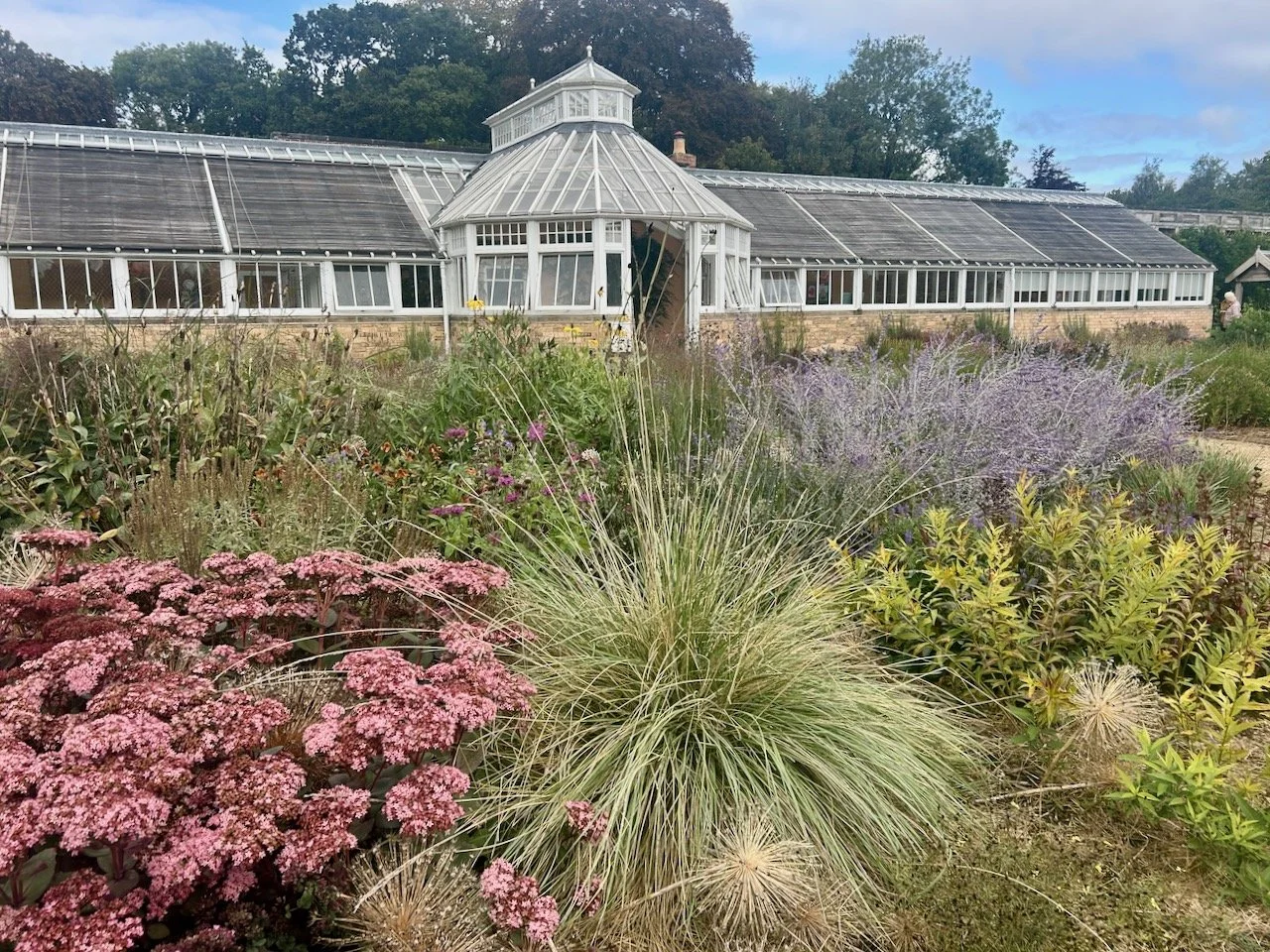
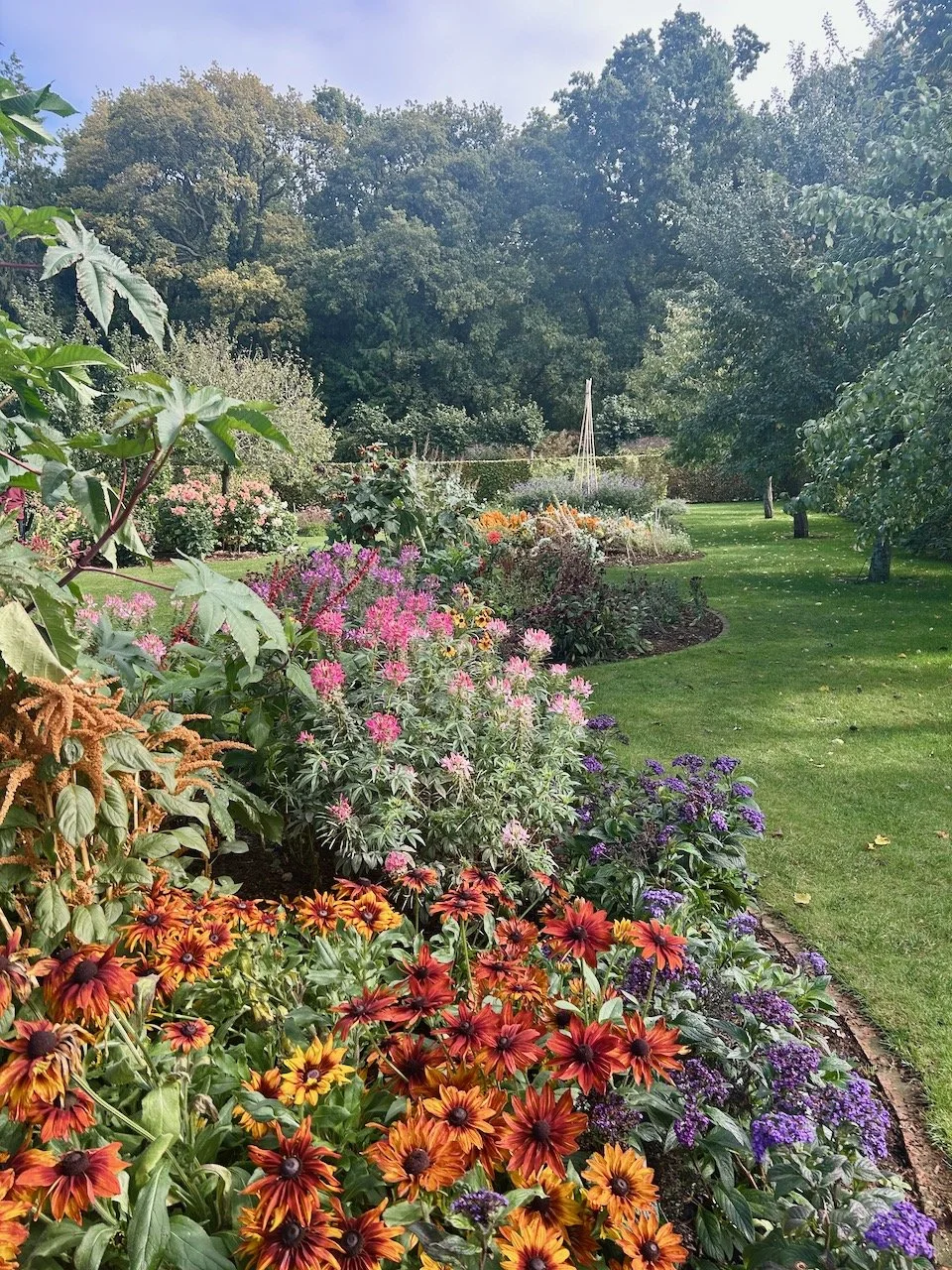
What drew us away from the Katsura Grove was the showstopper of the garden, even in autumn - the Perennial Meadow, located in front of the Conservatory. The Perennial Meadow, or garden seven, is pure Ouldolf and the naturalised planting has been chosen to give a long season of interest, and that certainly works doesn’t it?

The garden notes told us that ‘the form of each plant - leaf, flower head and stem - is just as important as its colour and scent.’ We also noticed that none of these plants were staked, and that again is down to the choice of plants alongside the maintenance routine in this part of the garden,

And as great as it was on our visit, I can’t help but imagine what it’s like in both spring and summer. No doubt it’s full of butterflies and bees, and it’s easy to see why.

So looking back we have covered more gardens in this second post - seven in total, but there’s still the conservatory and the gardeners’ yard and more to share so look out for more posts on those soon.

Exploring the Walled Gardens at Scampston Hall

When we arrived at Scampston Hall we discovered that there are actually twelve gardens within the walled garden, which is way too many to share in one post so I’ll share some here, some later and some of them in individual posts, like I did earlier in the week with our look at the Potager.

The individual gardens also form a rough route around the garden, though we didn’t follow the gardens in number order as well structure is good, but gardens are best wandered through, right?

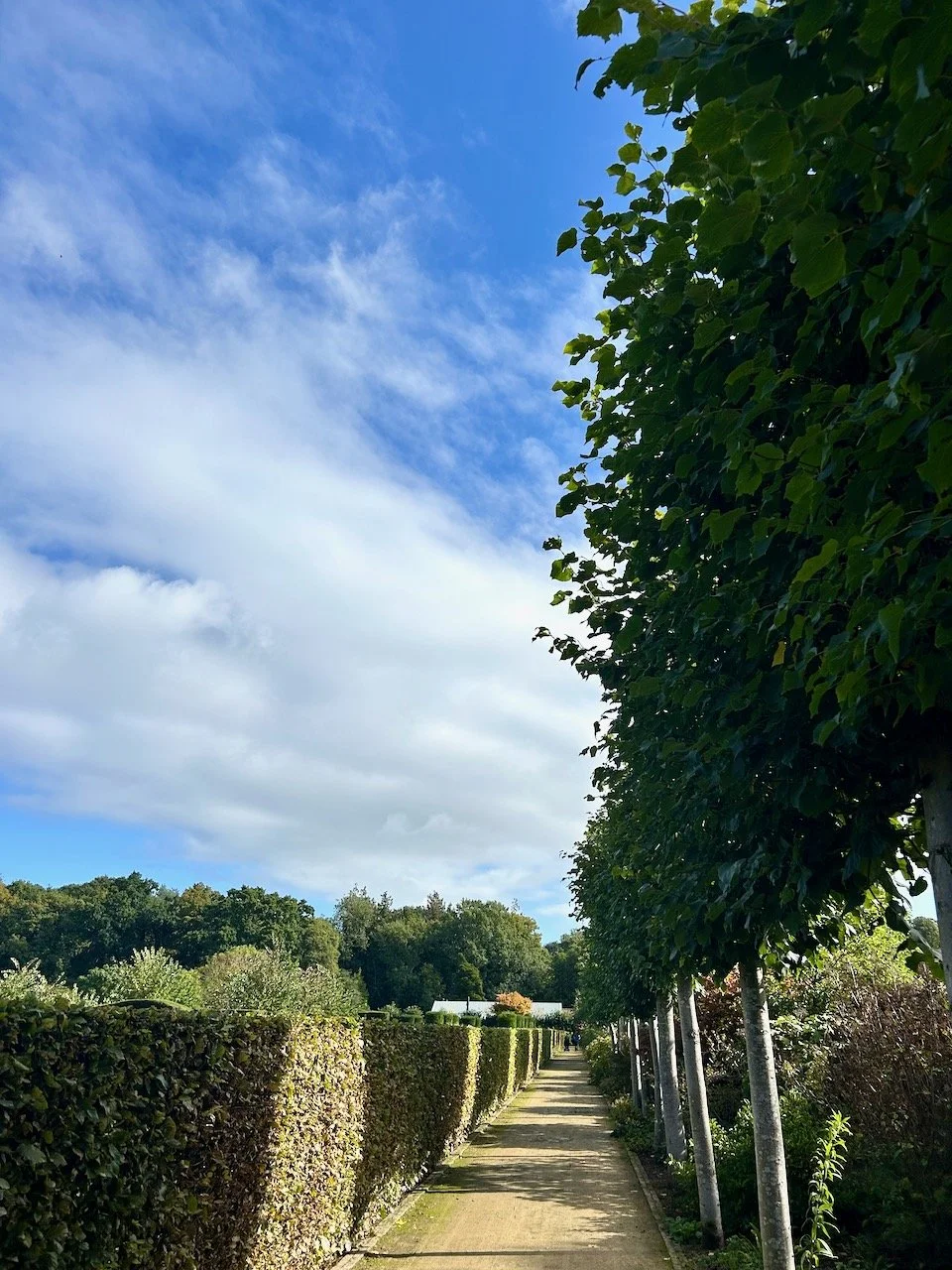
But let’s start with a wander down the Plantsman’s Walk which led us along the length of the garden, along an avenue of limes and plenty of flowers, colour and glorious sunlight - and it was a great way to introduce us to the garden.

Looking along the Plantsman's Walk at Scampston Hall
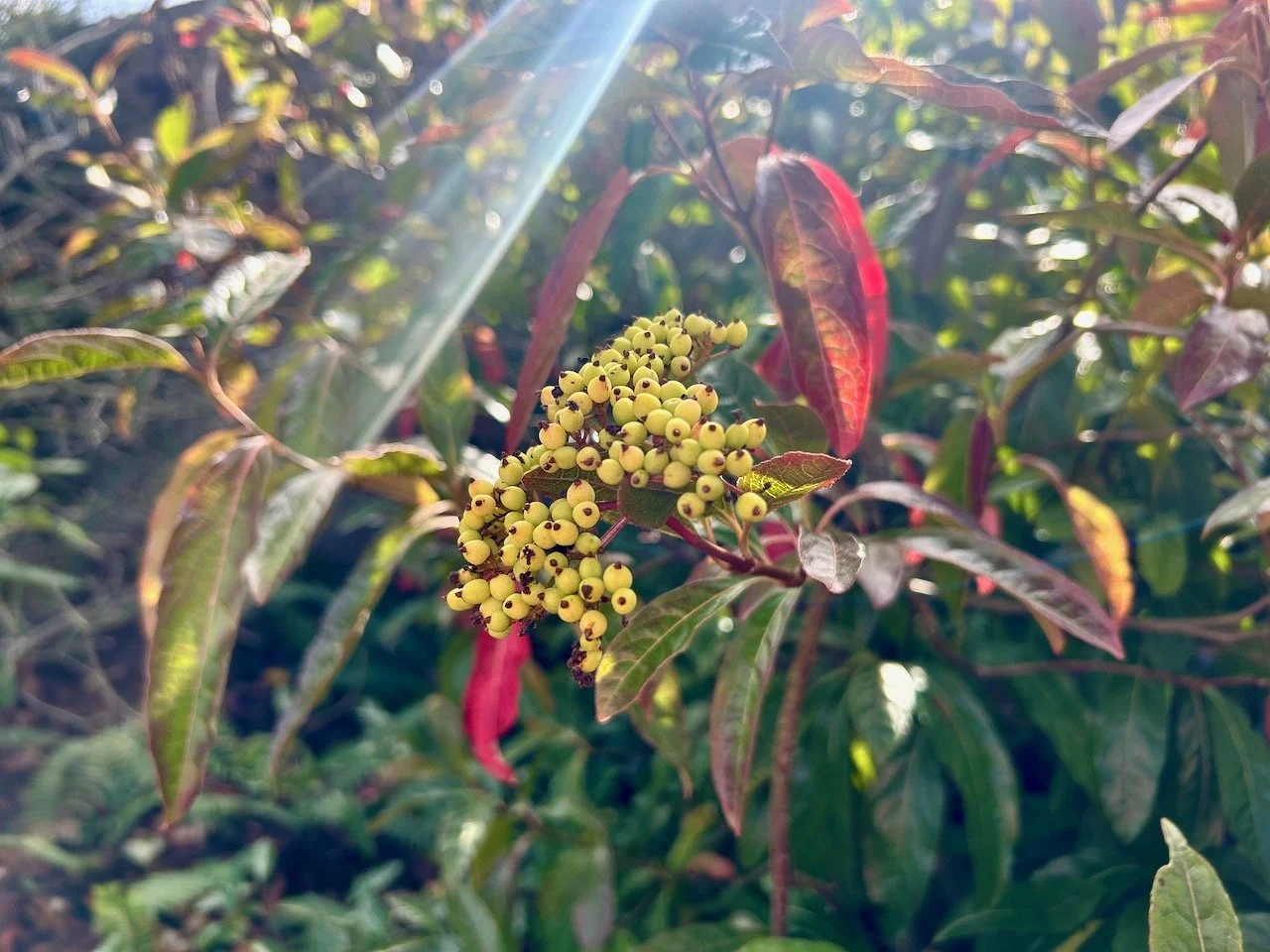
Sunlight shining through the leaves and onto berries and red leaves

The garden notes suggest there’s plenty to see in spring, summer and autumn - and that’s one of the joys of a well planted and thought out garden, and one of the worries I have for my own garden. Scampston looked great when we visited in the autumn and I’d be keen to visit again to see it at other times of the year.

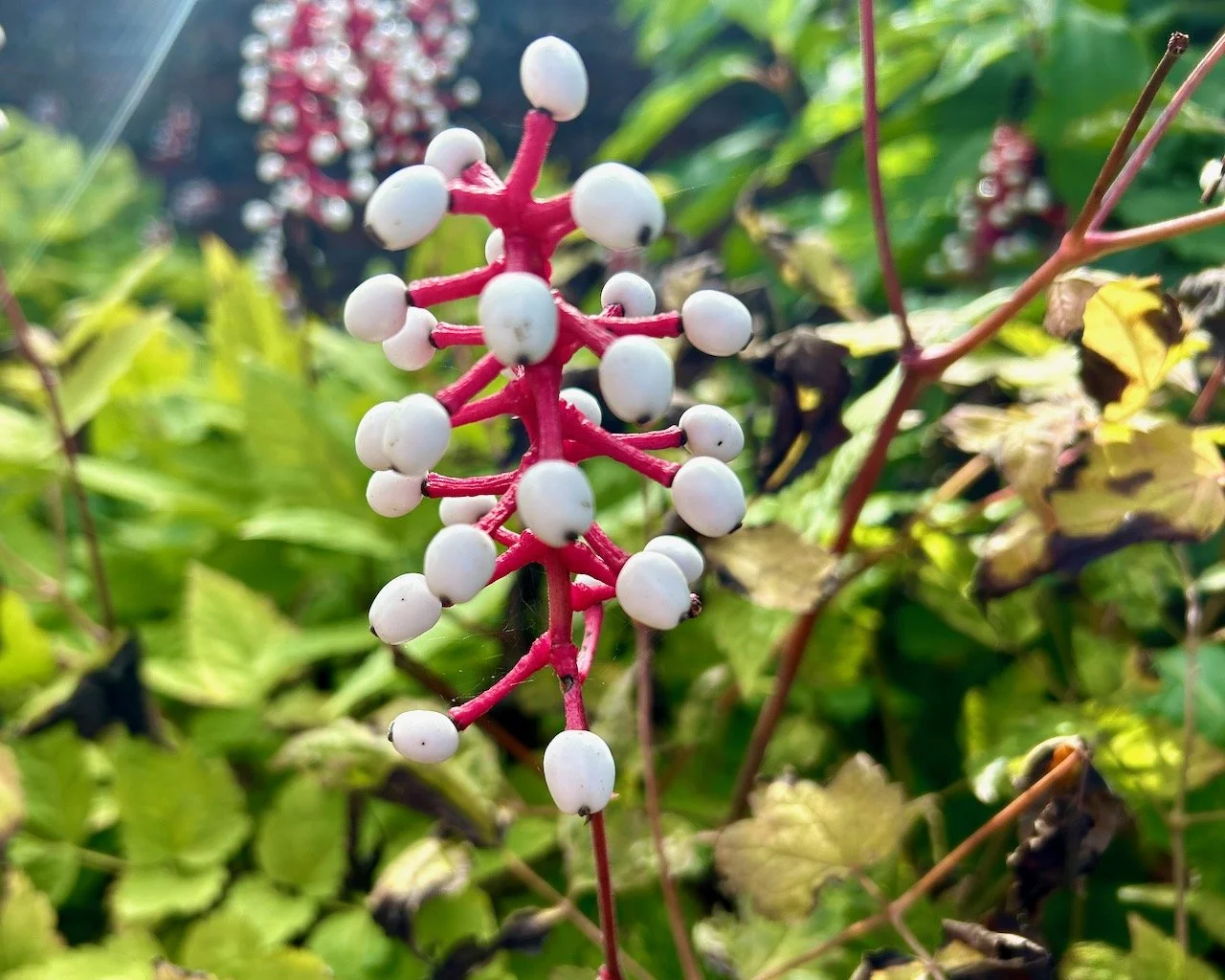
White berries on a red stem

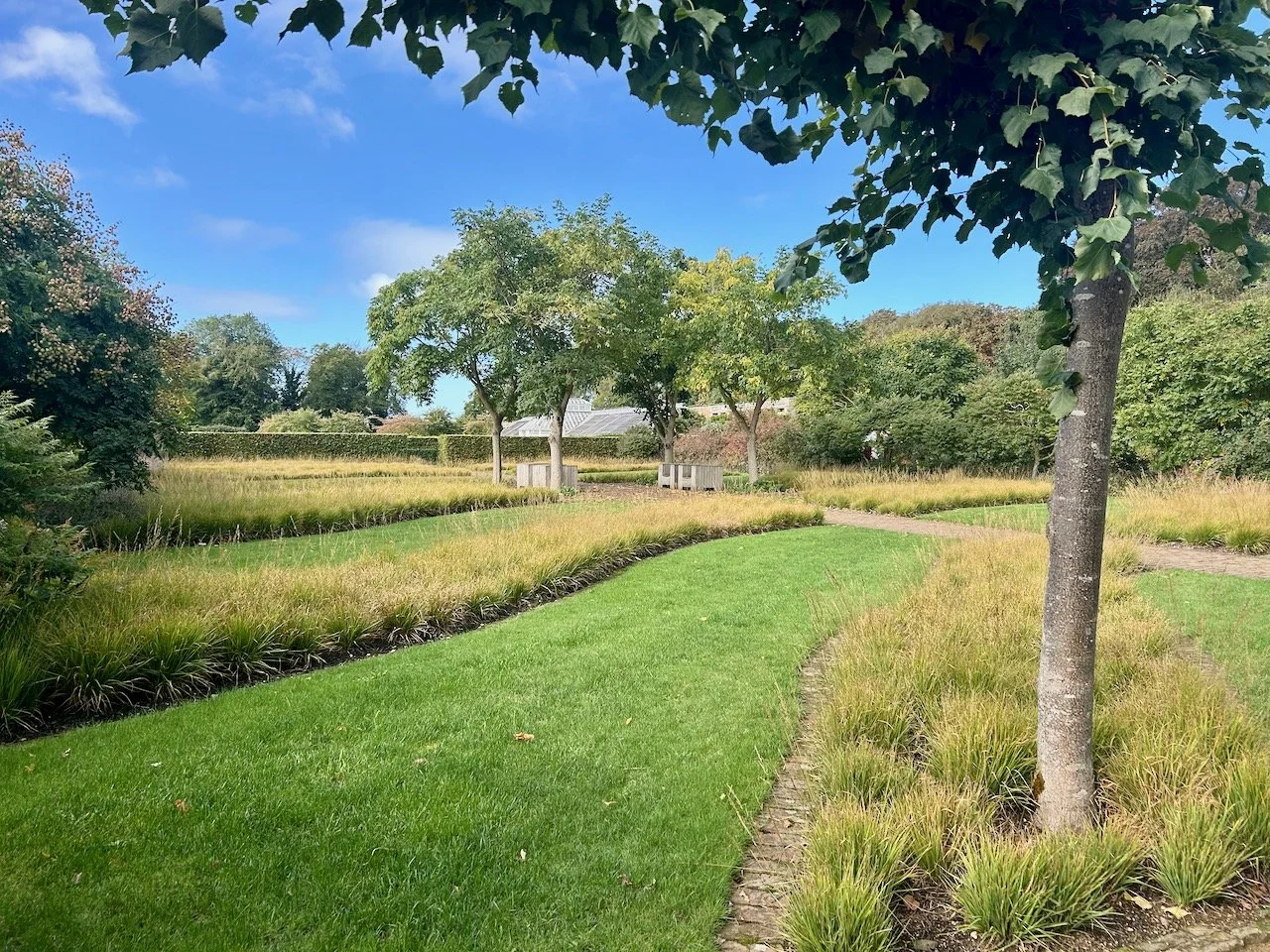
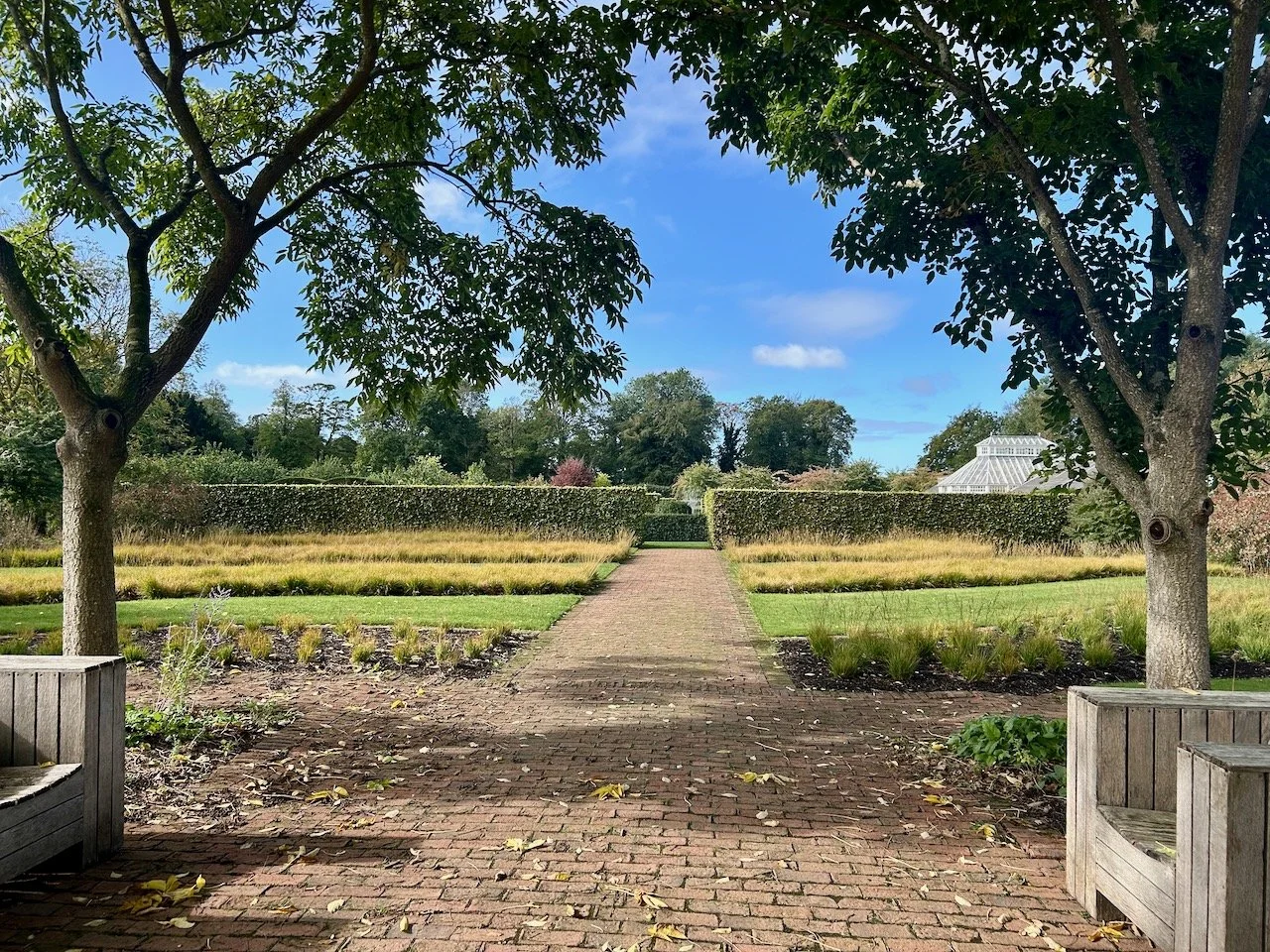
As we turned the corner of the Plantsman’s Walk we got our first glimpse of the second garden I’m sharing in this post, the Drifts of Grass. There’s swathes of grasses which form the design of the garden, and when you’re centre on you can really appreciate the symmetry of the garden, and elegant though it was after the Plantsman’s Walk it did feel incredibly minimalist.

Walking into the Drifts of Grass garden
Standing at the entrance to the Drifts of Grass garden and its symmetrical layout

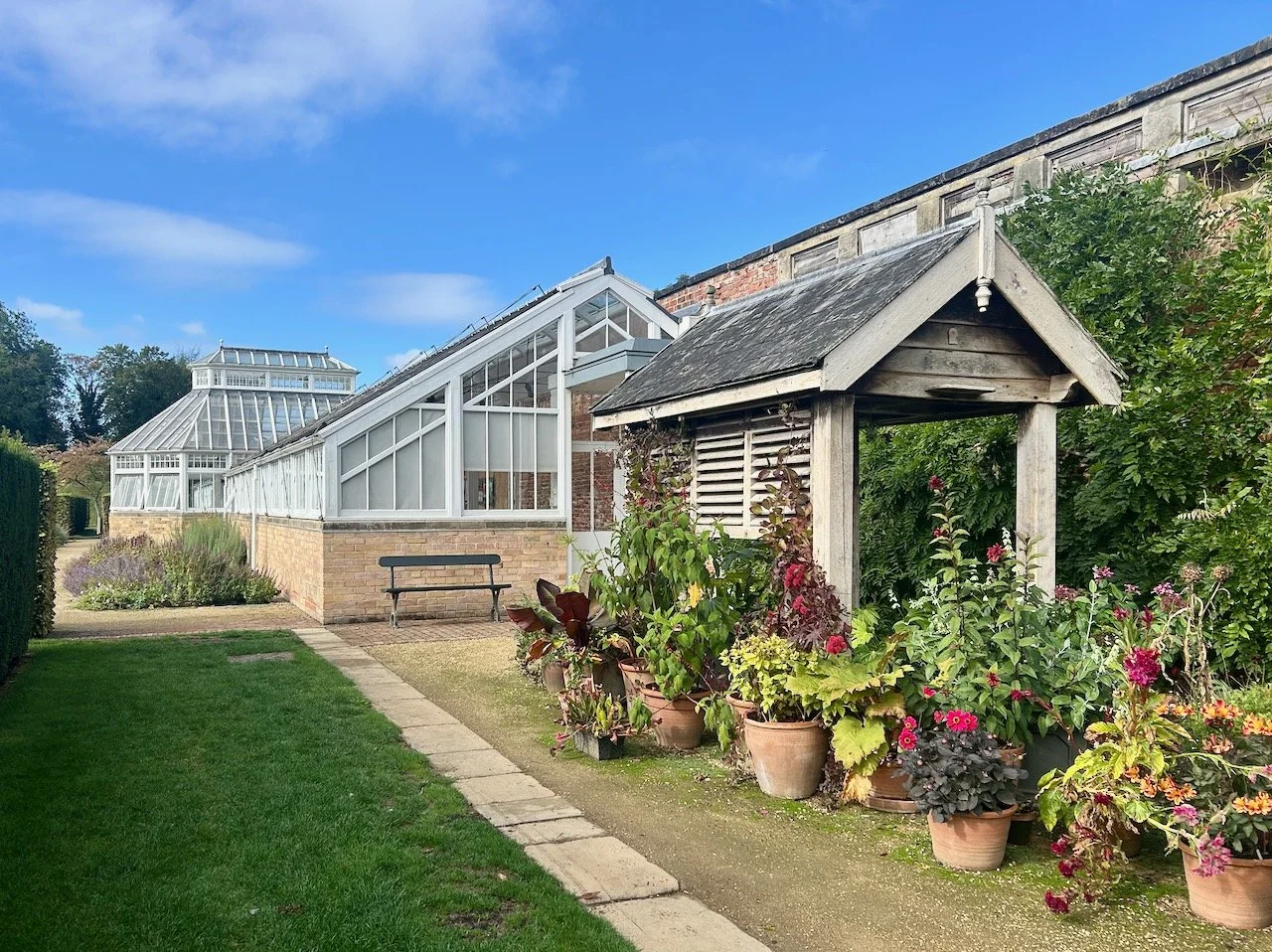
After enjoying the grasses, and admiring the wooden boxy chairs (you can just see in them in the bottom of the photo above) we headed around to the left and into the Cut Flower garden passing by with the greenhouse behind us.

The greenhouse is in the background, in the foreground there's an array of pots with a shelter behind

The cut flower garden wasn’t as I expected, it had many circular flower beds stretching down its length, and on the edges were the most laden of fruit trees. I hadn’t expected it to be so, well park-like - I’d expected something much more functional, so I was pleasantly surprised.

Entering into the Cut Flower garden with circular beds in the centre of the garden and orchard trees on the edges of the space
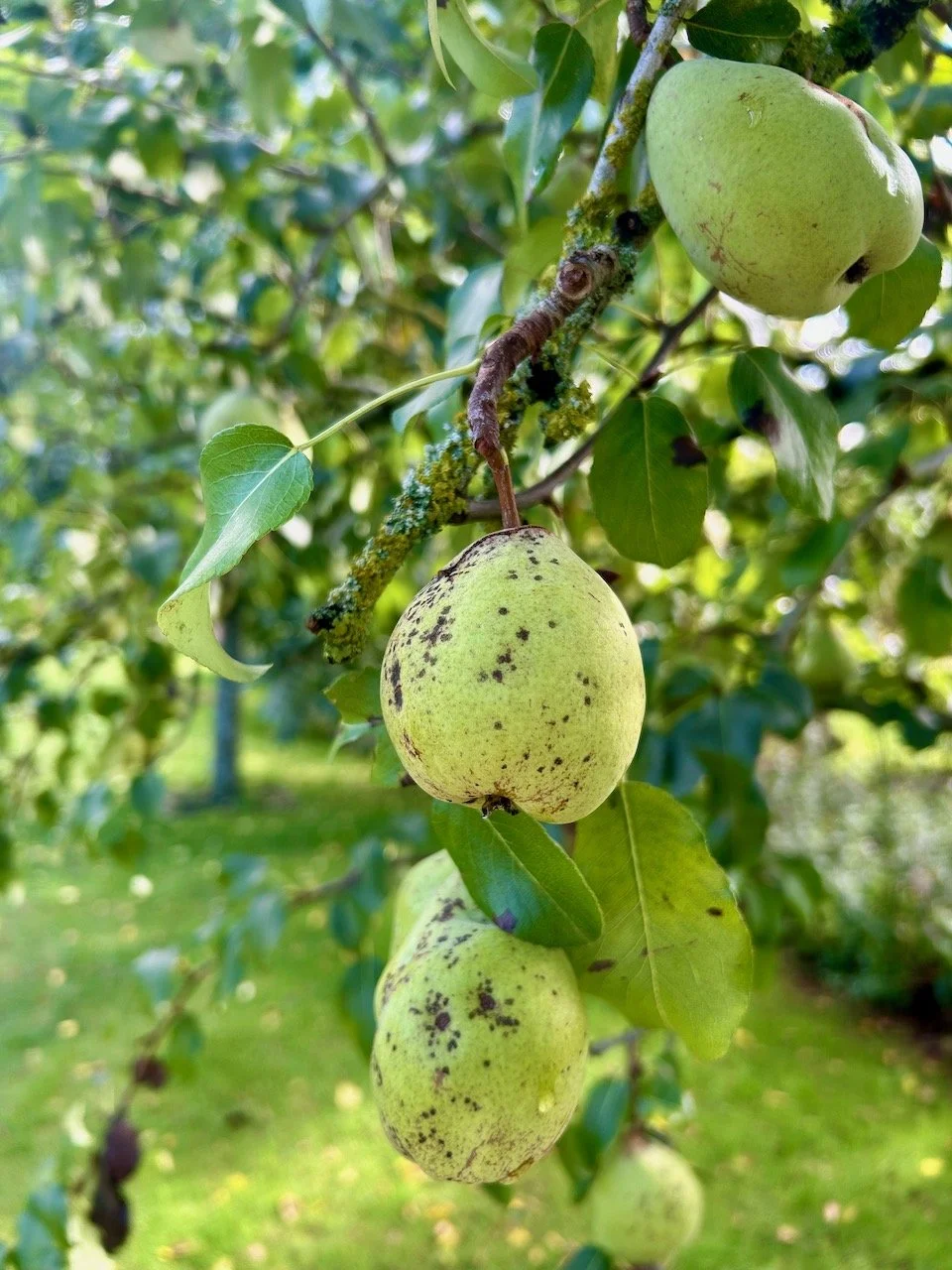
Pears growing plentifully at Scampston Hall

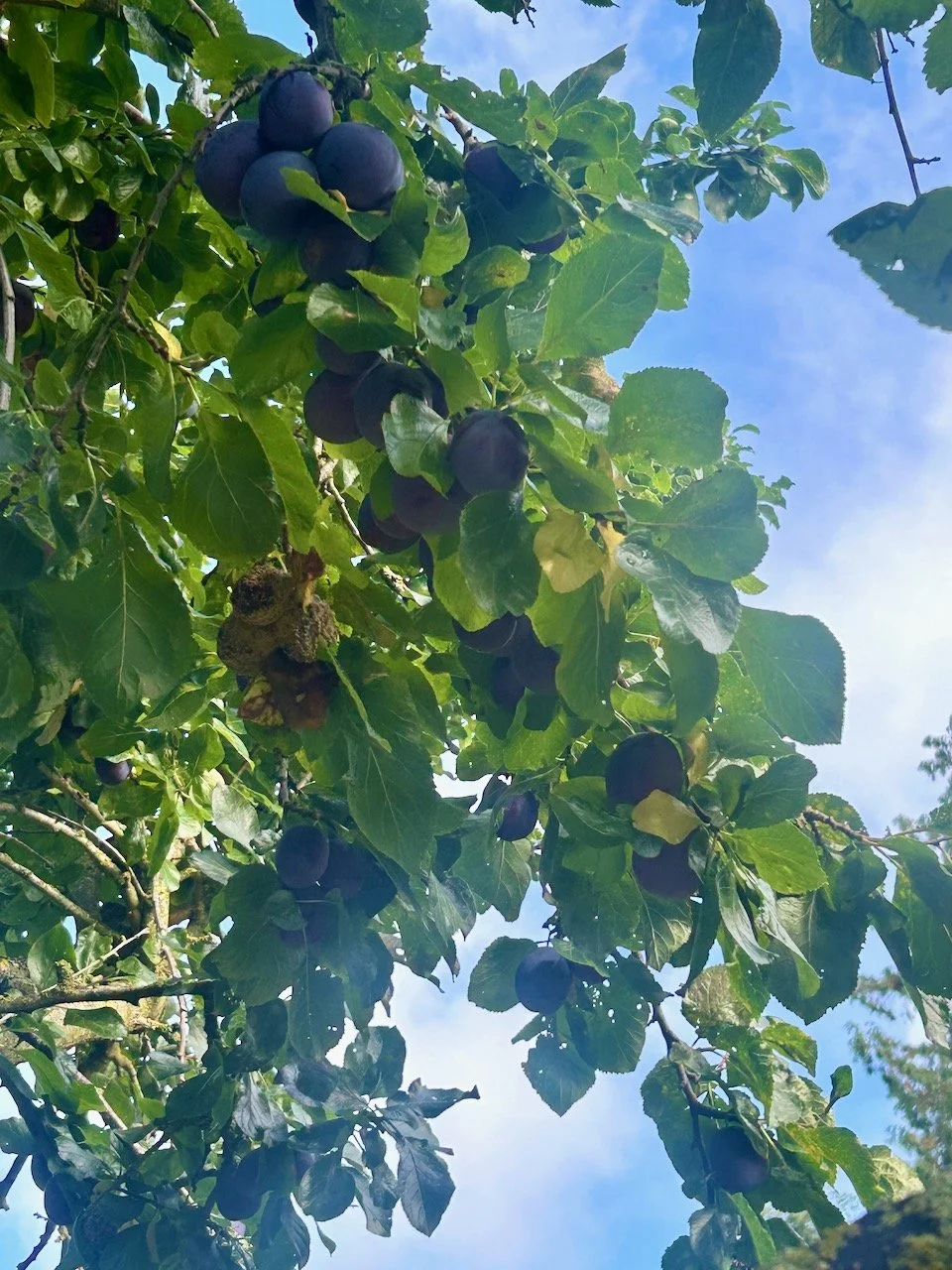
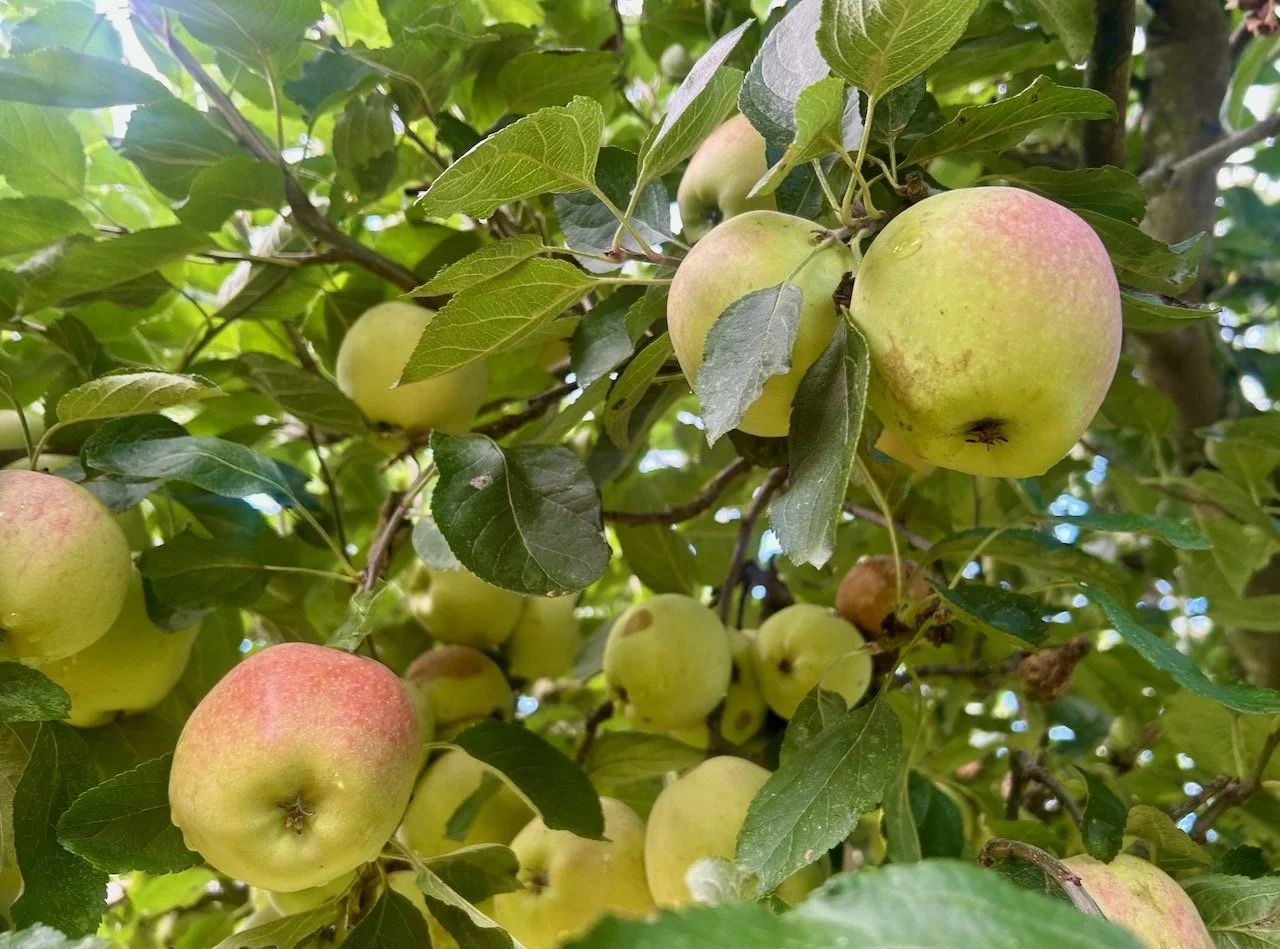
It seems that Scampston too was enjoying a lot of fruit on their trees, it wasn’t just my little crab apple tree that was heavily laden, which was reassuring. As well as plenty of pears, there were damsons and apples galore - it was going to be quite a harvest, and quite a year for crumbles, jellies and jams I’m sure.

Plums or damsons also growing at Scampston Hall
The apple tree was laden with many apples ready for picking

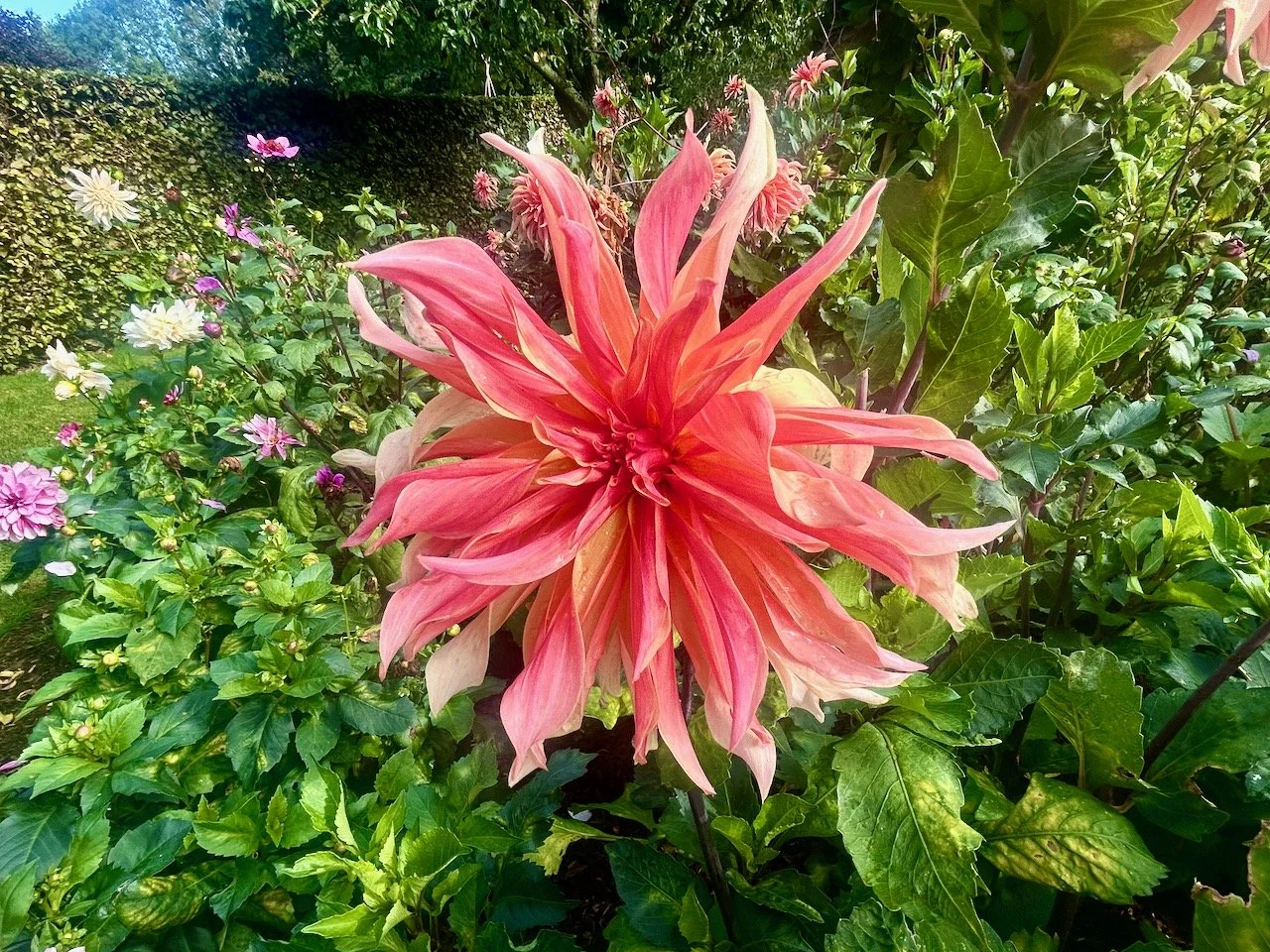
The dahlias were still out, and these dinner plate sized ones were just spectacular. I do really need to make sure I add some of these to my plant wish list, as every time I see them I’m smitten.

A flowering dahlia as big as your head (almost)
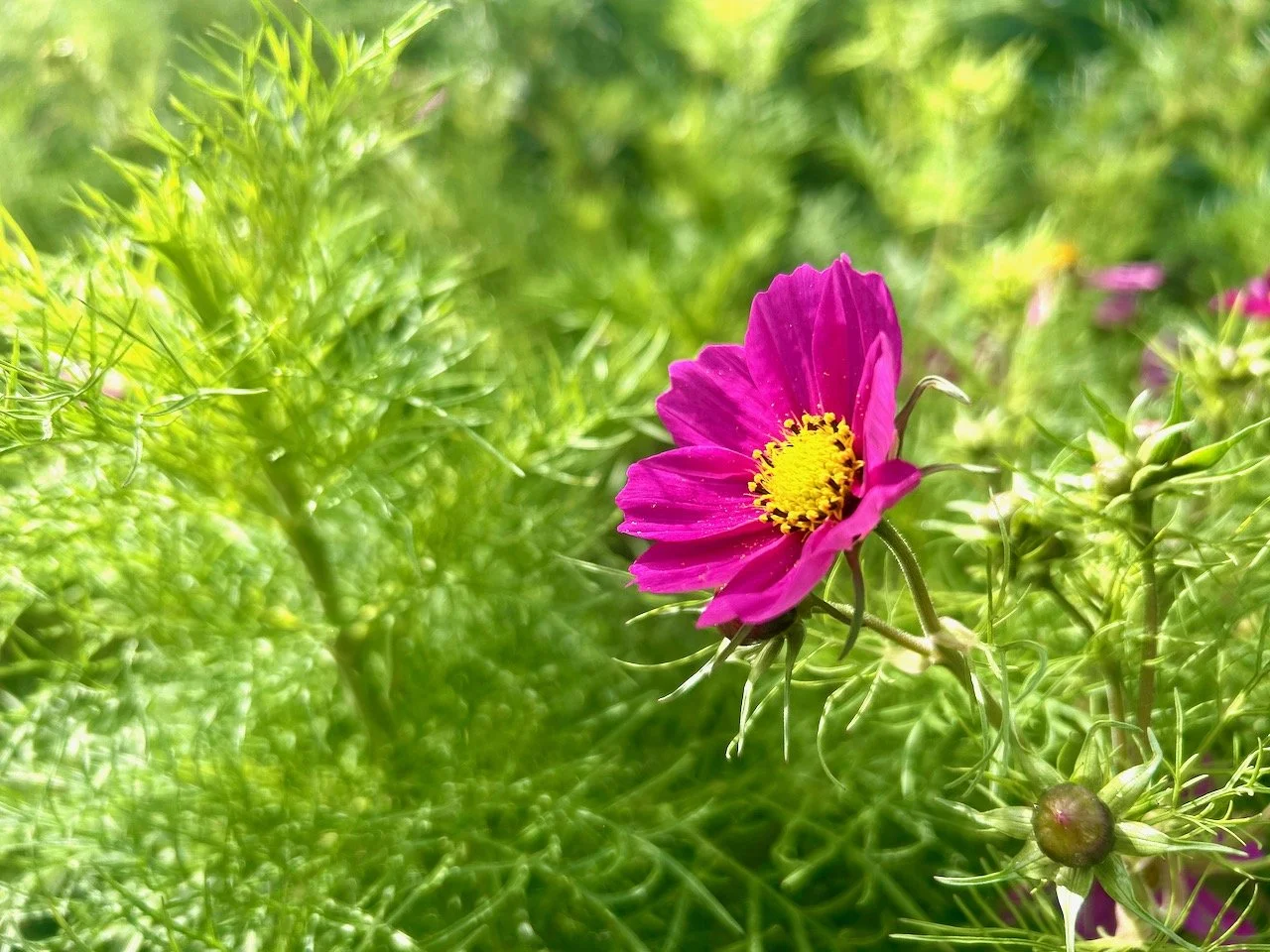
The sunlight catching a cerise pink cosmos flower

I told you we were lucky with the weather, and especially the sun - but how glorious does this Cosmos look bathed in the sunlight?

So there’s our first exploration of the walled gardens, though we’ve only covered three of the gardens today, four in total with the Potager - I thought we’d see more today, but don’t worry we will in a week or so. Until then, let’s hope we get similar sunlight (albeit spring sun) into our own gardens.

The Potager at Scampston Hall

It’s been a while since our weekend in Malton and I’ve been meaning to share more from our visit to the Walled Gardens and Parkland at Scampston Hall. I took many photos (no surprise there) and so I’ll be sharing a series of posts from our visit finally - it’s a great place to visit with a fab cafe too, so if you’re close by and considering a visit, then definitely go.

The Walled Garden was designed by Piet Oudolf in 1999, and while Oudolf is often now imitated this garden remains his largest private commission in the UK. There are twelve sections to the walled garden, and you know how much I love a potager, or a vegetable garden, so that’s where we’re starting.

Along with the cut flower garden, the vegetable garden supplies the house and cafe with a range of fresh flowers and vegetables. As with any productive garden the planting schemes change regularly, but isn’t that what we love about gardens?

Stepping through the Potager gate which contains the work Yat - Yorkshire dialect for gate

Any gate inviting you to come in in a garden is a welcome sight, and this one especially so with it’s modern block design by local craftsman Peter Coates. I seem to have cut my photo off though, so it’s not easy to see that it contains the word Yat, which is the Yorkshire dialect for gate. A gate with meaning, as well as good looks - yes, I’m definitely coming in!

The view of the potager after stepping through the gate

Wow. I so love a productive garden, and when we visited in September many veg plots are at their peak, so it’s a great time to visit.

Just look at that Ruby Chard, I’d forgotten how beautiful and structural they can be - I definitely want these in my garden, even though they’re one of the veg that MOH has been known to turn his nose up at, though thinking again that could be due to the sheer volume of chard we grew when we had our allotment!

The bright pink stems of the ruby chard growing at Scampston Hall
The almost flowering flowerheads of the fennel

I found two of my favourite pumpkins here too, this Turks Turban and the bluer skinned Crown Prince. The third that I’d add to my favourite pumpkin list is the Red Kuri or Onion Squash which I have managed to grow in my previous garden. I’m not sure if I’ll find a space for pumpkins here - they ramble a lot - but if I can I will.

A magnificient Turks Turban pumpkin growing in a large pumpkin patch
Vivid deep pink coneflowers in the potager at Scampston Hall

There’s nothing better than fresh sweetcorn on the cob is there, and none can be fresher than these - I can’t wait for the local sweetcorn this year, though there’s a good few months before I’ll see these in the farm shops, let’s hope there’s plenty of sun this summer to make them extra sweet.

Sweetcorn growing in the potager at Scampston Hall
The papery lanterns of the physallis starting to turn brown

I was pleased to see the red chicory growing in a Yorkshire garden - we’re a bit further south, so by rights that means we should be able to grow them too. I love their colour and structure, and I also love them in a blue cheese risotto which MOH makes - it’s the best flavoured risotto, most I can give or take but this one I’ll always have, thank you very much. Many years back I remember we scoured our part of South London for a red chicory without a huge amount of success, but times have changed and I see them much more often now, but to grow my own - and have that risotto almost on tap - now that would be the dream.

Red chicory growing in the Potager at Scampston Hall
Looking down into a red hearted cabbage, outer leaves quite nibbled

I’m also a sucker for photographing cabbages with their characterful, and clearly very tasty, nibbled leaves. I’ve long given up on my long held dream of growing many varieties of cabbages in perfectly straight rows (as once seen at the Lost Gardens of Heligan in Cornwall), and would settle for a couple of slightly less nibbled ones that could end up in the kitchen at some point!

The Walled Garden has so much more to see, and not everything that you’d expect to see so look out for further posts in the coming weeks to see what else this fantastic space has to offer.