








Softening our gabion seating area with plants

Right from the off, back in May when our plans were hastily redrawn after just happening to buy a pizza oven, I planned to have a second row of gabion baskets and plant them up with plants from our garden. MOH was less sure about this part of the plan, but as he wanted a pizza oven he went along with it.  I thought that adding at least a tonne of hardcore at the back of our garden would need some softening and I think the two photos below show that I was right.
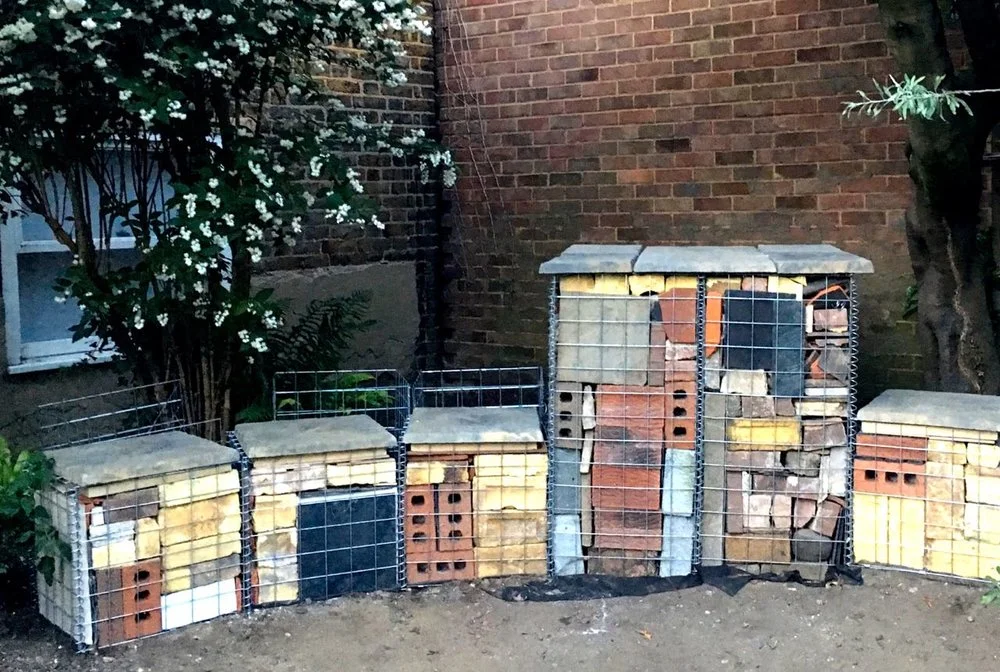
GABION BASKETS INSTALLED AND FILLED, BUT STARK...

GABION BASKETS INSTALLED AND FILLED, BUT STARK...

 
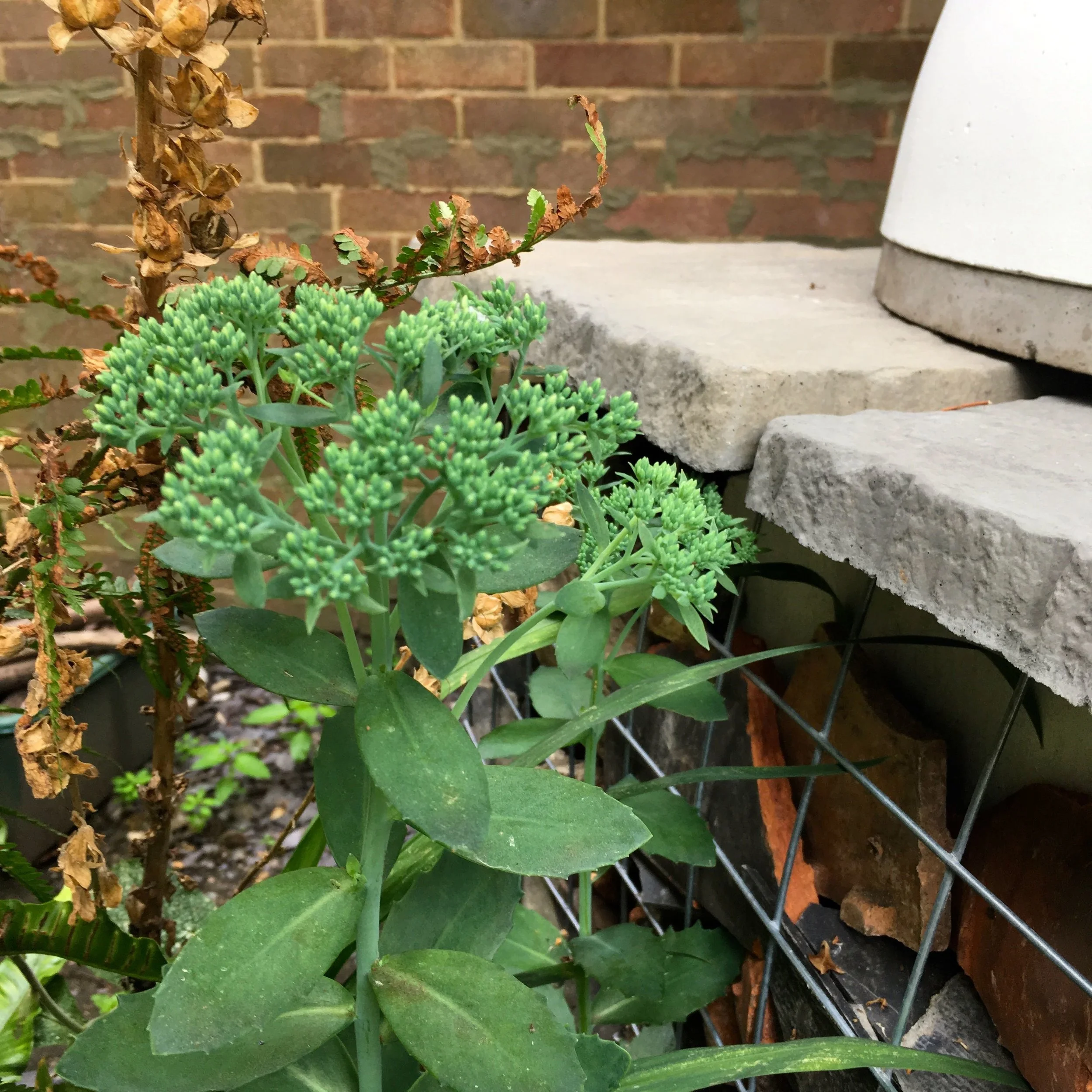
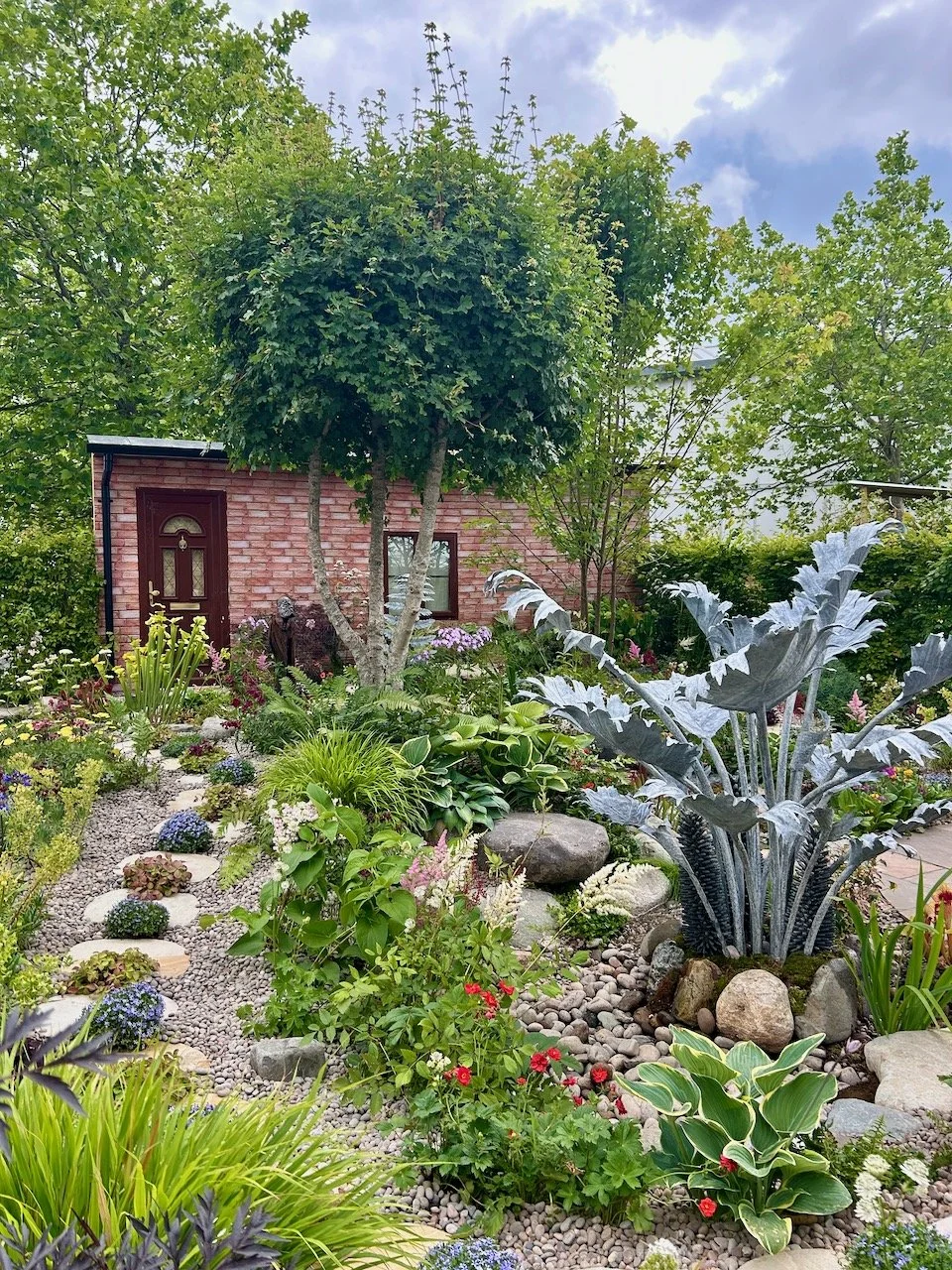
PART OF THE SECOND ROW OF GABION BASKETS PLANTED UP WITH FERNS, CROCOSMIAS, SEDUMS AND DIGITALIS

PART OF THE SECOND ROW OF GABION BASKETS PLANTED UP WITH FERNS, CROCOSMIAS, SEDUMS AND DIGITALIS

The difference is amazing isn't it? I'm pleased I persevered with this as not only did it help us lose some of the soil we've been collecting but it helps the new structure stand out less, which may seem an odd thing to say but it gives it a more natural feel. 

So how did I turn them into planters?

The answer is membrane. I could have used plastic but that's non-permeable and so they would eventually become like mini bog gardens, that's fine if that's the look you're going for, and if you're planting plants that like those conditions, but I wanted to use the plants that I'd displaced - the ferns, as well as some other plants from around our garden. Crocosmias seem to grow two a penny and I had a pot of those from where I laid some of the old patio paving slabs under the cherry tree. I'd also been collecting sedums and so those were destined for their too.  The final plant I wanted to include was a foxglove that was growing in a pot. Not the usual place for foxgloves but I wasn't sure if it was a weed or a plant (it was a plant) so had moved it there for observation. 

But first things first, membrane.
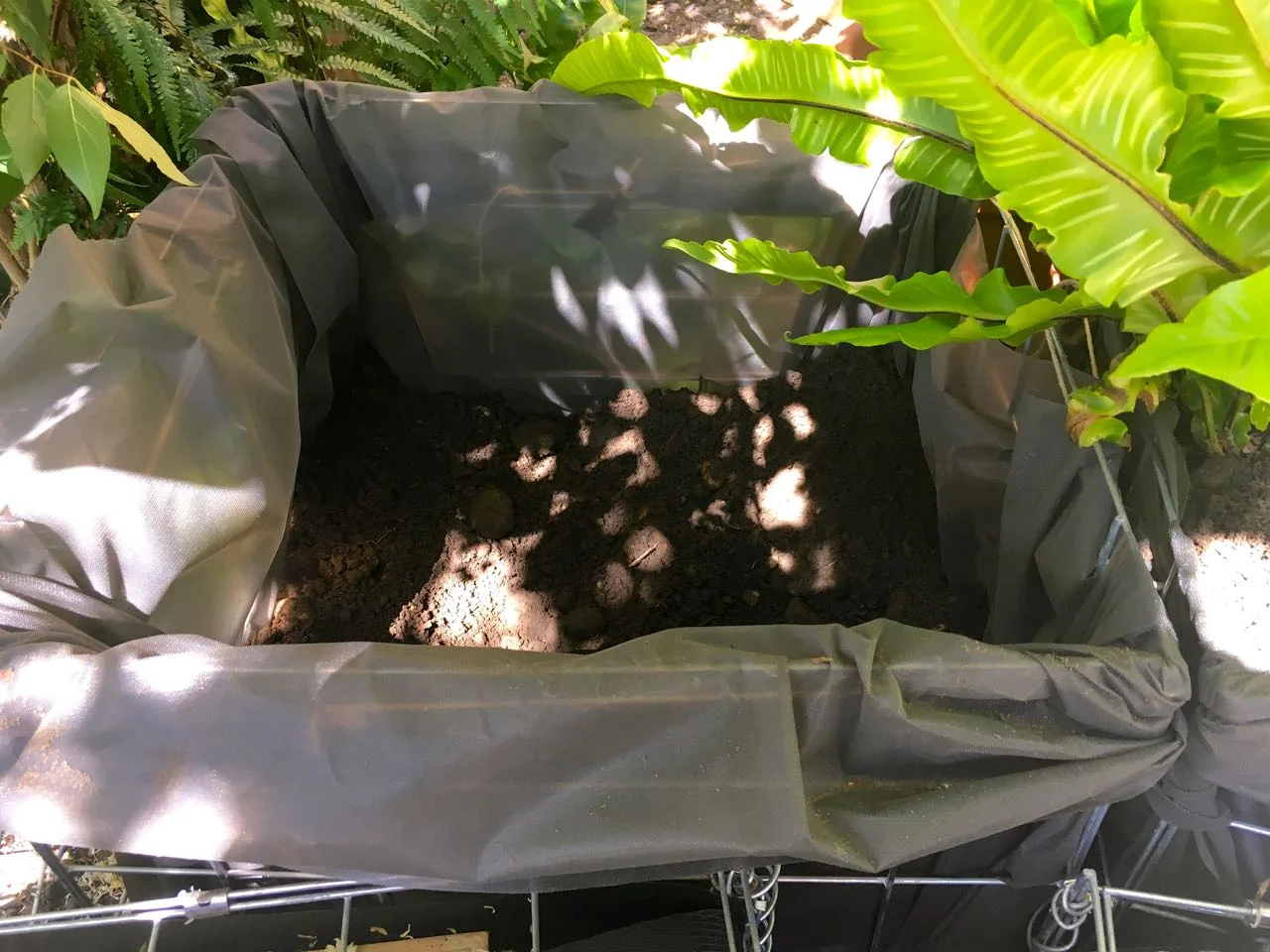
add membrane to gabion baskets to use them as planters

I cut two ultra-long lengths and used them to line the baskets in a cross form. I found that securing them with string worked well and quickly found a way to do this so the string was out of sight. On seeing them MOH said they looked like waste bins... Hmmmm.  With soil added, less so I think?

In went the plants, and more soil to top up the baskets. And as with any planting they got a good long water.
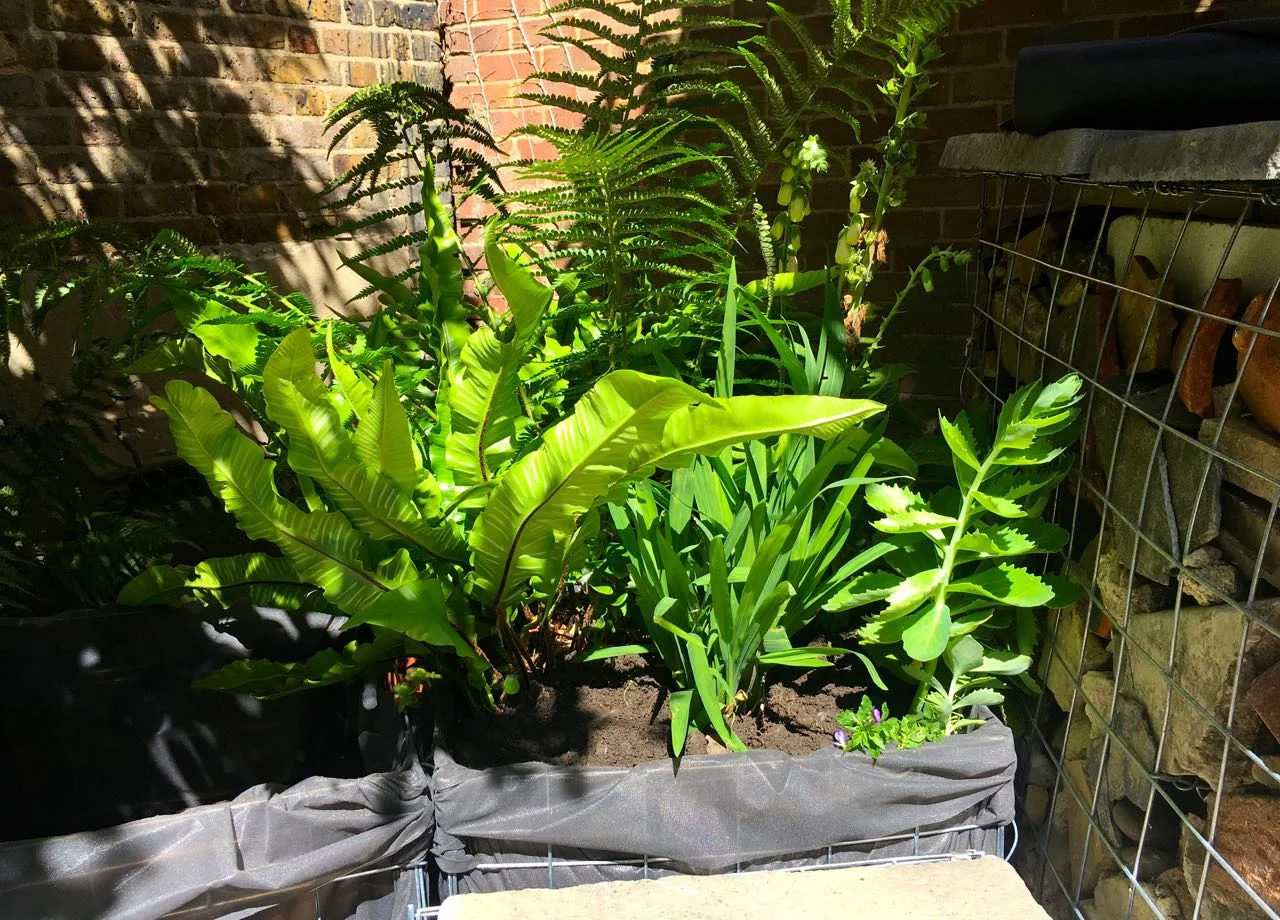
Planted with ferns, crocosmia, sedums and digitalis sourced from the garden

And they seemed to thrive. Even the foxglove that was moved while it was flowering seemed happy - phew. 
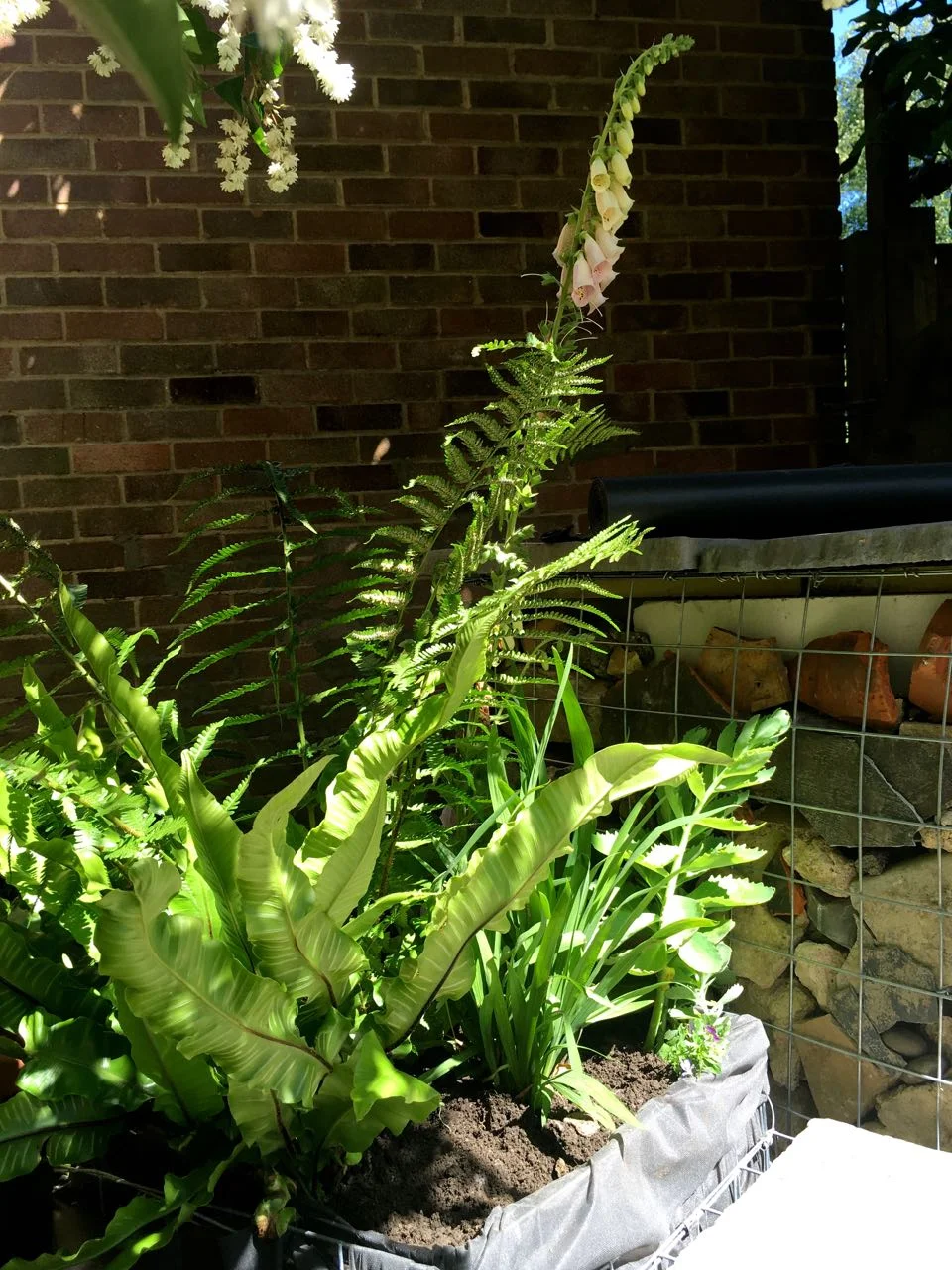
The foxglove was in flower when I moved it - it'd been growing in a pot - but it coped well with the move to our gabion planters

I'm a fan of dense planting and especially in this kind of space it's worked well. Nearly two months later and the plants have settled in really well, filling out and softening the space as I'd hoped. 

the plants have settled in well and are softening the area, just as I hoped
 
sedums growing in our gabion planters

We've still a little more to do, as I want to add a further gabion basket planter on the end so that each of the three seats have plants behind them, but that's just finding the time to level the soil, line the basket and fill it with soil. I've a couple more ferns and crocosmias waiting to go into that space, so the plants are sorted.

I also want to line the three triangular spaces between the seats with membrane in the same way and plant those up with camomile, penny royal (a ground covering mint variety) and thyme, so that when you sit there and brush against the herbs you get a waft of scent too.  This, alongside sorting out the front of the baskets - I think it needs some kind of step - and then I'll happily declare this part of the garden finished.

What do you think?

Home Etc

A year in Greenwich Park: July

Well I'm just fifteen days away from celebrating a year of my walking commute which as you know takes me through Greenwich Park each day. And I'm still not tired of it. It changes, and so do the people that use it. And I guess I do too, I have quite defined summer and winter routes through the park (the summer route goes over the grass, the winter route doesn't!) and to mix it up for a few days I walked the winter route in summer. I know, how rock and roll...

Actually it was a fortuitous as I learnt more about the opening times for the Queen's Orchard and finally I made it onto the other side of the gate, which felt a fitting tribute to mark the end of my first year.  It was great, and a space I plan to visit many times more before it shuts for the winter, as long as I can work out the opening times, that is...

But that's not all. July was the month that I noticed the banana plants were back in the flower garden. Last August they were my marker to turn right and head across the grass, the route has become second nature to me so I've not needed a visual clue, but it's good to see them back where I expect to see them.

Turn right at the banana trees in Greenwich Park - it's been a while since i needed the visual clue but it's good to see them back in place

This month I've been marvelling at the light on the trees, how it illuminates the leaves changing their greenness when it hits them. And while I was noticing this, I also noticed the conkers forming in the horse chestnut trees, they are only small, but even so...

light through the trees in Greenwich Park London

How the sunlight flows through the trees and forms shadows has also fascinated me this month. There's been sunny mornings, there's been damper mornings too - hence walking my winter route in the summer. As the schools have finished the park has got busier, not only with families but also tourists and it's great to see the space being so well used.

(Not quite) dancing with my shadow in Greenwich Park

This photo is from my winter route - just look at those clouds, you can see why I didn't want to walk over the grass now can't you? Everytime I walk this way, capturing a glimpse of London's skyline over in Canary Wharf, just takes my breath away. Even on a damp and drizzly morning, in July.

Looking over at London's skyline from Greenwich Park

There was another development in July too - I finally started to cycle to work. The plan was to build it up in time for our trip to Suffolk at the end of the month, and it was going well, although MOH's bike incident and a summer cold did see good intentions slip a little. But the cold has gone, and the traffic is much less now that it's school holidays, so I think when I'm back at work next week the bike could be making a regular appearance.

Another first for my year - a cycling commute - way easier there than coming back though!

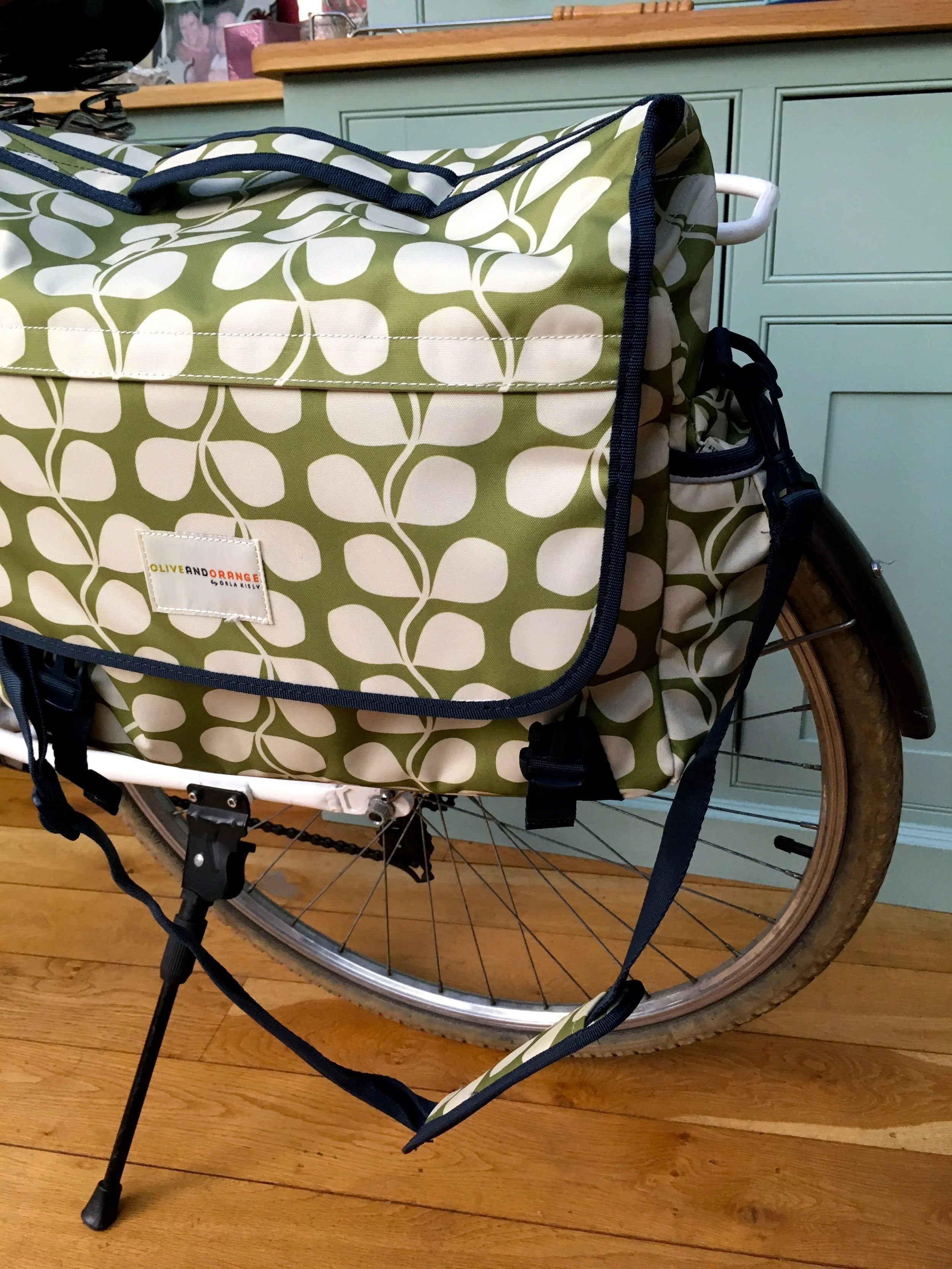
It gives me the chance to make use of this gorgeous pannier - so there's an added incentive - getting to work is downhill, so that's all good and it halves my journey time. Coming home though is a different matter and there's the not-so-small matter of cycling up the hill in Greenwich Park. The plus is that I know I can cycle up this hill, even if it takes me a little while (and it does). But I'm hoping that by tackling it more often it'll become as natural to me as turning right at the banana plants did almost a year ago.  

Who knows, but I'm hoping it will and you never know at some point I might treat myself to a new bike as well - well MOH can't be the only one with a new bike now can he?

Let's talk laminate flooring

You'll know that I'm a fan of wooden floors, but moving here was my first encounter with them as before that my only experience with non-carpeted floors was the laminate flooring in my kitchen and hallway. I was going to say I'd installed it, but that wouldn't be entirely true as dad did it!  So when Direct Wood Flooring got in touch about sharing where laminate flooring was suitable for, I was keen to know more.

We're still considering our next house project - our conservatory - and how much, or how little we tackle. There's some obvious contenders that need to be done, but the flooring is on our possibles list. We think it's a type of oak effect laminate flooring and the decision really is if we replace it or not. 

Laminate flooring has developed immensely since the last time I shopped for it, there is now so much choice. It's manufactured from a high density fibreboard and covered in a decorative layer. This can replicate the designs of premium solid wood and stone tiles in a convincing way, with the advantage over stone that it's warmer underfoot.  The advances in technology means it has come a long way from its humble beginnings and there's now a huge array of quality patterns and styles to choose from.

Which is great from a choice perspective, less so for actually having to choose one!

Photo courtesy of Direct Wood Flooring

Photo courtesy of Direct Wood Flooring

So where can you fit laminate flooring?

And the real answer to that depends on the type of laminate flooring, as while its composition makes it a versatile range, as with many flooring choices it can struggle under the pressure of excessive moisture, so flooring experts recommend avoiding fitting laminate in high risk areas and treat spillages as quickly as possible. 

Living room

The vast range of finishes, colours, patterns and designs mean it's a great choice for living areas and you'll find a style that's perfect for you whether you're looking something traditional for a family home or something more contemporary.

Photo courtesy of Direct Wood Flooring

Photo courtesy of Direct Wood Flooring

Dining room

The practicality of laminate flooring performs well in dining rooms, and if there is the odd food or drink spillage then it's easy to clear up. 

Kitchen

This is one of the areas that providers recommend caution, but as long as any spillages are tended to quickly I think it should be fine. As I said at the start of the post this is one of the areas that I had laminate flooring in my last house, and it was entirely practical. At the time I had four cats and they ate in the kitchen, I found it easier to keep clean than the mat that I'd had in there beforehand.  

Excessive moisture can cause the laminate to lift, warp or even crack - thankfully I never experienced that - so it is important to be attentive to spills quickly to prevent this.

Conservatory

Conservatories can often be more unusual shapes than conventional rooms - not always, ours is rectangular - but Direct Wood Flooring say this makes laminate perfect for your conservatory. The click system makes joining the boards fast and efficient as a floating installation doesn't require any adhesive. It simply clicks together. 

You might think laminate wouldn't be suitable for conservatories as the temperatures fluctuate - yes British Summer Time, I'm looking at you! - but all you need to do is leave space around the edge of the room to allow for it to expand, and it's easy to hid this with your skirting or a piece of quadrant.  We have this with our current wooden floors, so is quite a normal approach.

Hall, Stairs & Landing

These are all high traffic areas so while laminate works well in these areas it's important to get a laminate that is capable of withstanding lots of use.  It can make a great first impression too when people arrive at your home. 

In my house, I had a carpet runner on the stairs and landing, so only installed laminate in the hallway and into the kitchen. With the laminate panels running from front to back of the house it gave the impression that my house was longer than it actually was from the front door. In the wider areas I used some rugs to break up the space, or that was the plan anyway...

You know how cats can sometimes have a funny half hour? Well imagine that four times over, it seems that one of their favourite past times in their funny half hour was to launch themselves onto the rug near the bottom of the stairs and to "surf" along the floor. Quite funny to watch them as they were definitely doing it on purpose, but equally easy to stop them with some of that rug-grip felt. I think I spoiled their fun though...

Bedroom

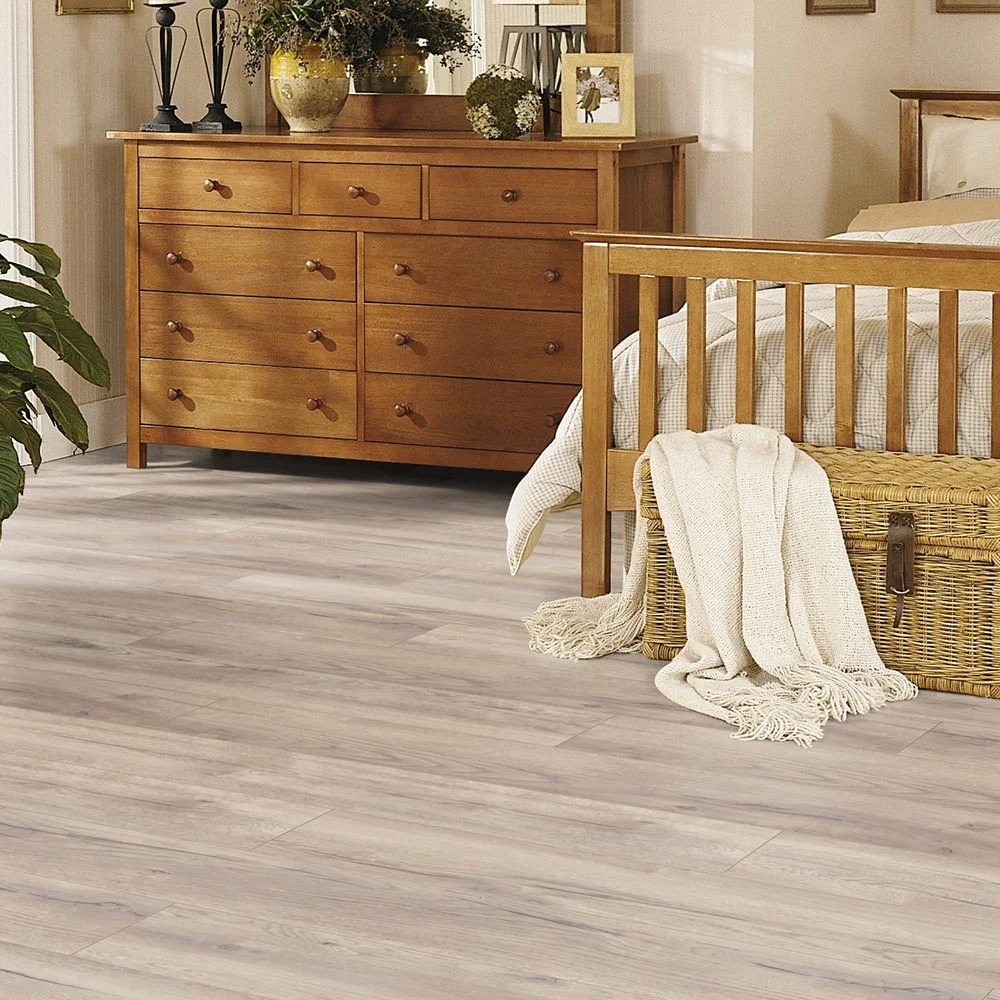
Laminate copes well in bedrooms providing a neutral setting to the rest of your decor; for maximum comfort consider installing a quality underlay, as as with most floor coverings this makes all the difference.

Photo courtesy of Direct Wood Flooring

Photo courtesy of Direct Wood Flooring

Bathroom

You can install laminate flooring in bathrooms, but you'll need to make sure it's waterproof as it can really struggle in this environment, and well, that's not surprising is it?  

One thing that I'd urge you to consider with laminate flooring though (wherever you install it) is underfloor heating. The density of the boards along with the varying thickness available makes the perfect combination for thermal conductivity and transferable heat. However, it is vital that you use the correct underlay, and one that is compatible with underfloor heating manufactured to allow heat to transfer through and enabling even distribution. A regular laminate underlay can block the heat from rising and redirect it to the edge of the room, causing the floor temperature to fluctuate which may lead to other problems, including a less than satisfactory room temperature!


So, some useful information there on laminate flooring - but there's still so many designs to choose from, so while I feel better informed, my conservatory plans - and flooring decision - continues.

Do you have laminate flooring, let me know where and what you opted for?