

Discovering the story behind the Baltic Exchange Gallery

Just a short post from me today, and another one that I've been meaning to share for a week or two. A couple of weeks ago I told you of my bonkers week and of my lunchtime visit to the National Maritime Museum in Greenwich. My plan for that lunchtime was to scout out inside places to spend my lunch hours, and to check out the cafe there too.

I decided to take in one of the galleries while I was there, but soon found myself diverted towards the Baltic Exchange Gallery. It's not something I'd seen before, either in person or on the signposts so I was intrigued to see what I'd find there. I never expected it to be this.

Stained glass from the Baltic Exchange at the NMM in Greenwich

Wow.

I was mesmerised. So much so that I spent my lunch hour in this relatively small space taking in each of the windows, and the story of how they'd painstakingly been restored after they were damaged by a terrorist bomb in the early nineties. I think partly the fascination was I remembered that bomb as I was working in the City at the time. I remember the devastation and the shock of the event, but had no idea these windows existed, their story, how much they were damaged and how much work went into piecing them back together.

That all changed in that hour though.

The information boards alongside these windows were excellent and told their story in a compelling way. I can sometimes flit through a museum and its exhibits, but these held my interest.  So much so that I had no time to fit in a visit to the cafe, so I think that tells you all you need to know.

The windows were commissioned shortly after the First World War and formed part of a memorial to the sixty members of Baltic Exchange staff who lost their lives during the war. They were unveiled in 1922 and consisted of a half-dome with five large windows below it. 

The information board told me "the subject is heroic and likens the British Empire to the Roman Empire." 

A section of the restored Baltic Exchange stained glass window

Above and below are excerpts of the two outer panels of the dome which names the major battles of the First World War.
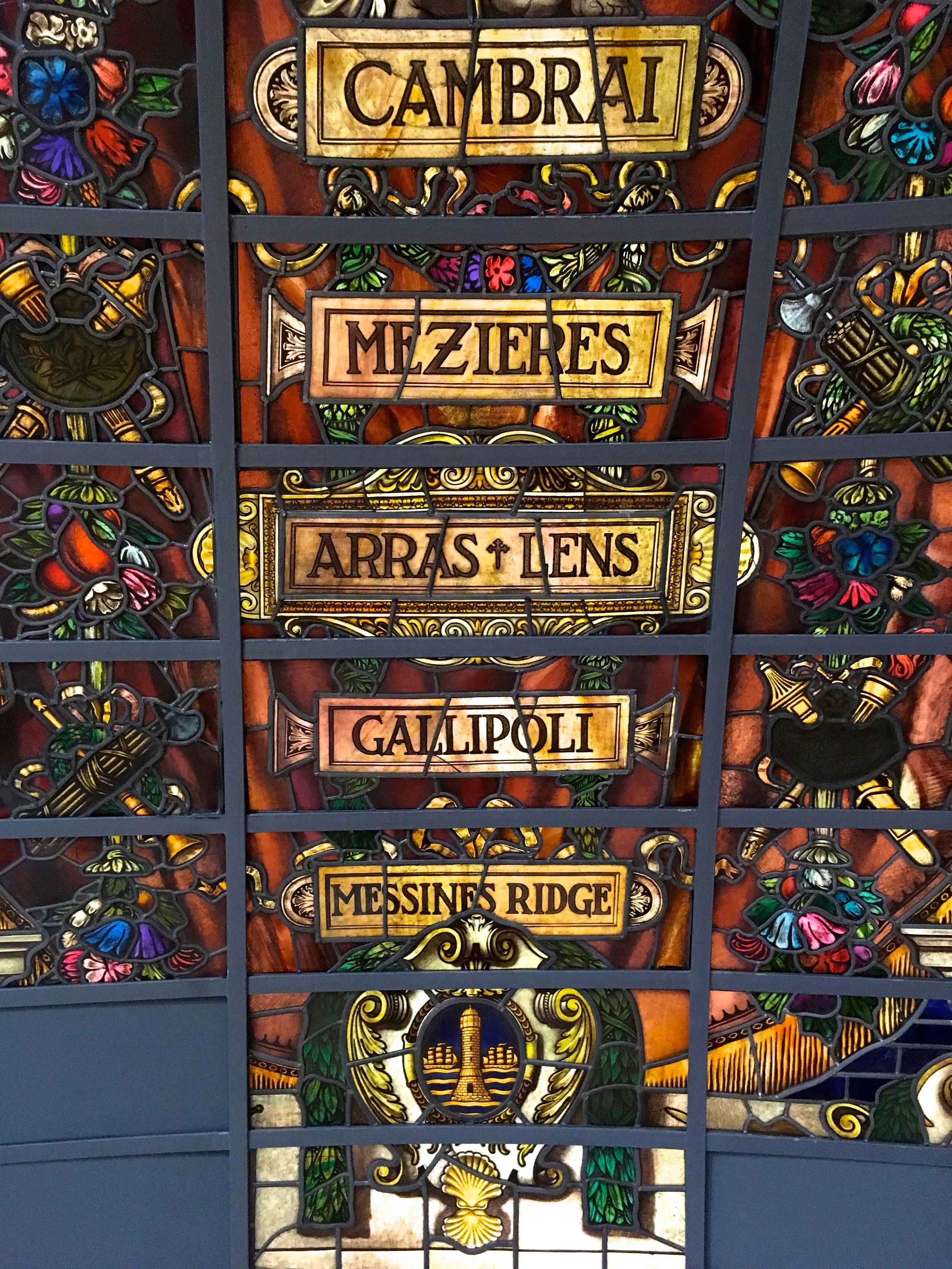
Part of the restored Baltic Exchange stained glass windows

The half-dome is over three metres in height and is just fabulous. Standing in the middle you get the most wonderful sense of history and my photo below hardly does it justice. If you're in Greenwich, then you really should make time to see this as however I describe this, I know I won't be able to do it justice.

The half-dome stained glass window from the Baltic Exchange London

While I stood learning about the restoration work I was completely oblivious to The Virtue Windows behind me. Originally these would have been under the panels of the half-dome. And you may have already worked it out but they're named for the Virtues of Hope, Fortitude, Justice, Truth and Faith, which the Romans established as qualities that all humans should aspire to.

What a way to spend a lunchtime.  

the Pigeon Pair and Me

The 10 best indoor succulents for your home

You'll already know that I'm a fan of succulents.

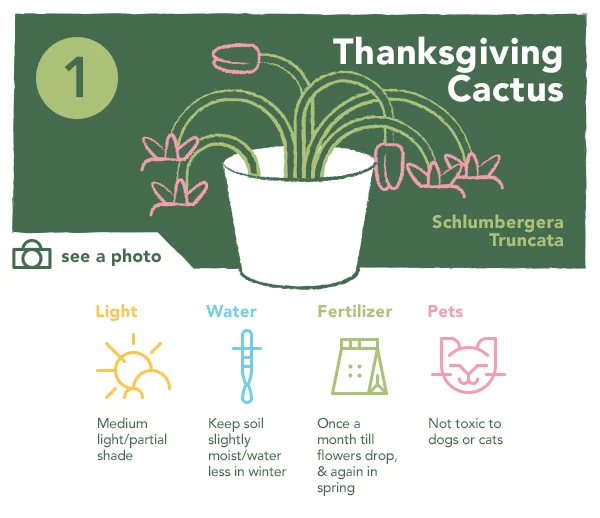
You'll have read how I've enthused about my Schlumbergera more commonly known as a Christmas Cactus (or in the infographic below a Thanksgiving Cactus); giggled along with me at the best plant name ever and pottered along with me in the greenhouse as I've tended my Aloes and marvelled as I've propagated new plants from discarded leaves

Yes it's safe to say I'm a fan of succulents.

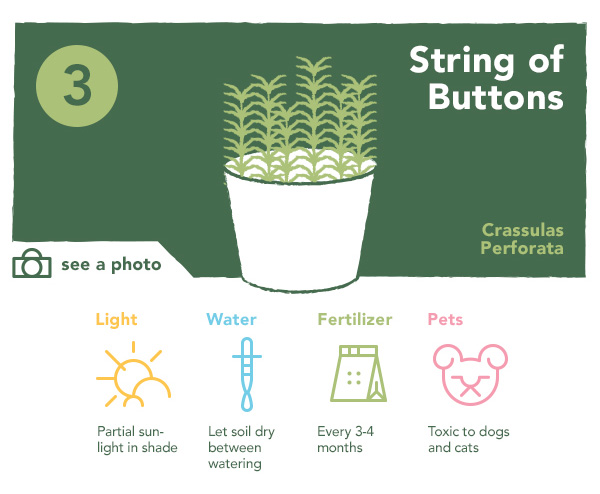
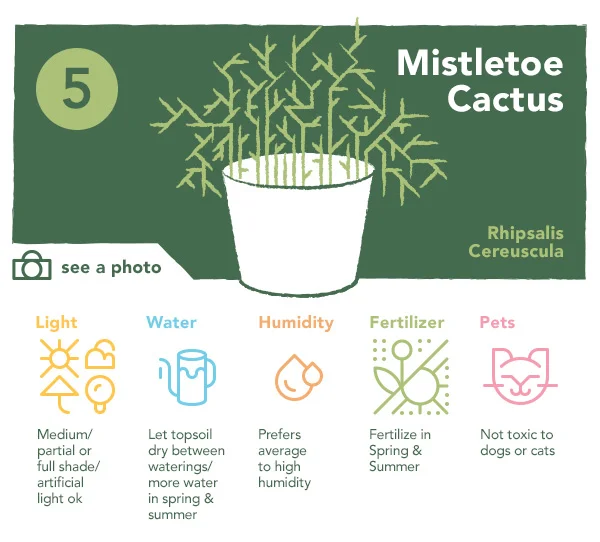
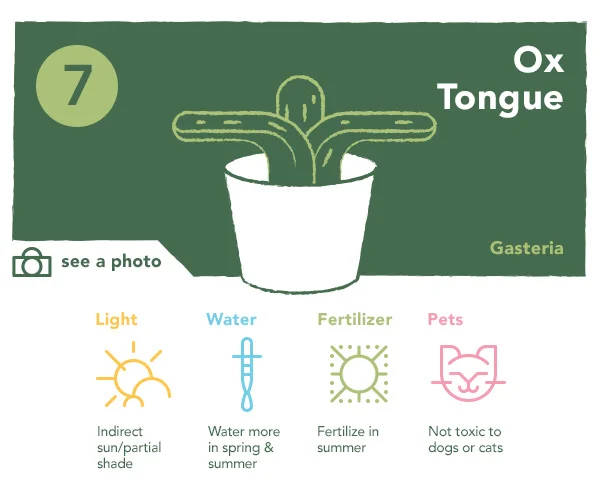
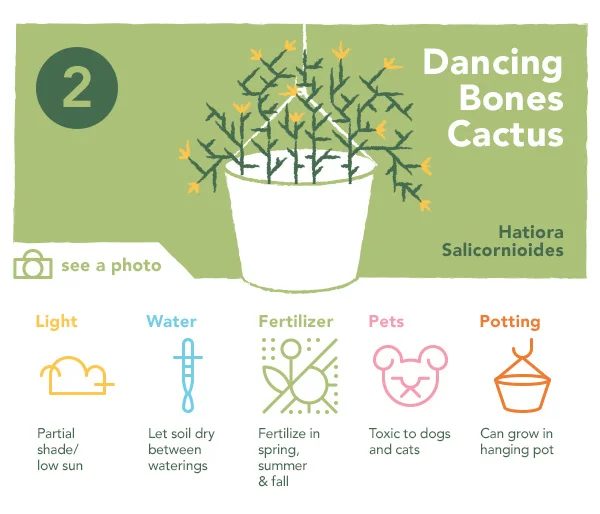
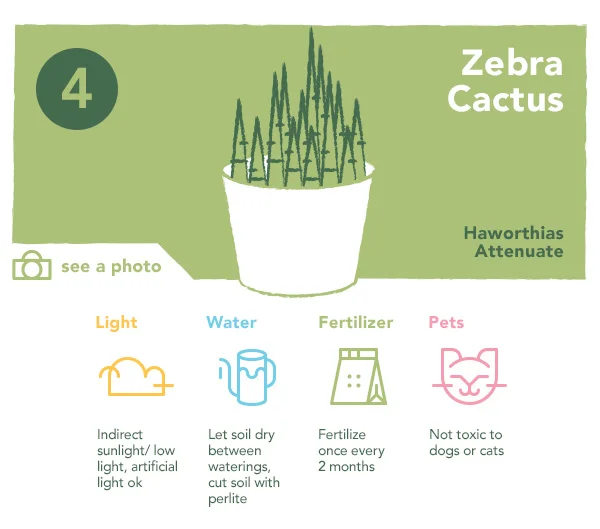
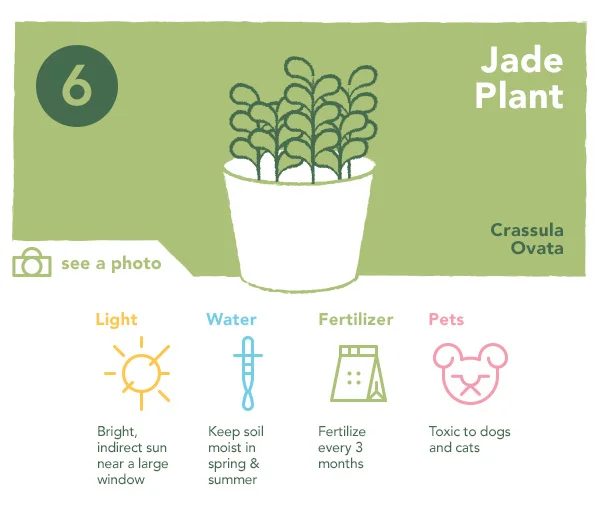
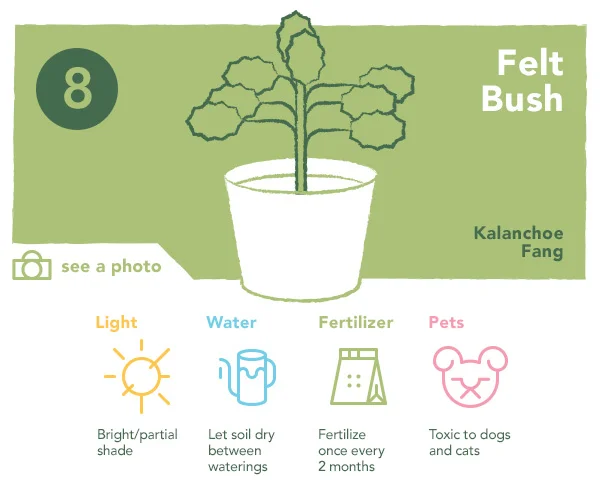
So when UncommonGoods got in touch with their infographic I was interested to know what was on their list.  And I wasn't disappointed. My favourite, the schlumbergera, was in number one spot. Looking through the list it made me realise that part of the reason I like succulents so much are for their names. There's not a plain one among them is there?

I realised too that they appeal to the lazy gardener in me, as they're resilient, hardy and versatile. And they still manage to look pretty. That surely has to be a win-win. If you're not sure where to start with succulents then there's a wealth of information on the type of light they like to how much water, as well as if they're toxic to pets in the infographic. Let me know if this encourages you to get started with succulents, I promise you they really are easy plants to grow and love.

My favourites are on this list, are yours?

10 best indoor succulents for your home

This is a collaborative post but all views and opinions are my own.  All images courtesy of UncommonGoods.

Looking down at RHS Hyde Hall

Back in July I spent a day at RHS Hyde Hall and have already shared a few posts from there. I seem to have so many photos left to share from my visit though, so I thought as the weather has notched down a degree or two, we could do with some photos from warmer days. Looking back at my photos, I remembered I became slightly obsessed that day by photographing plants from above, and looking down on them.

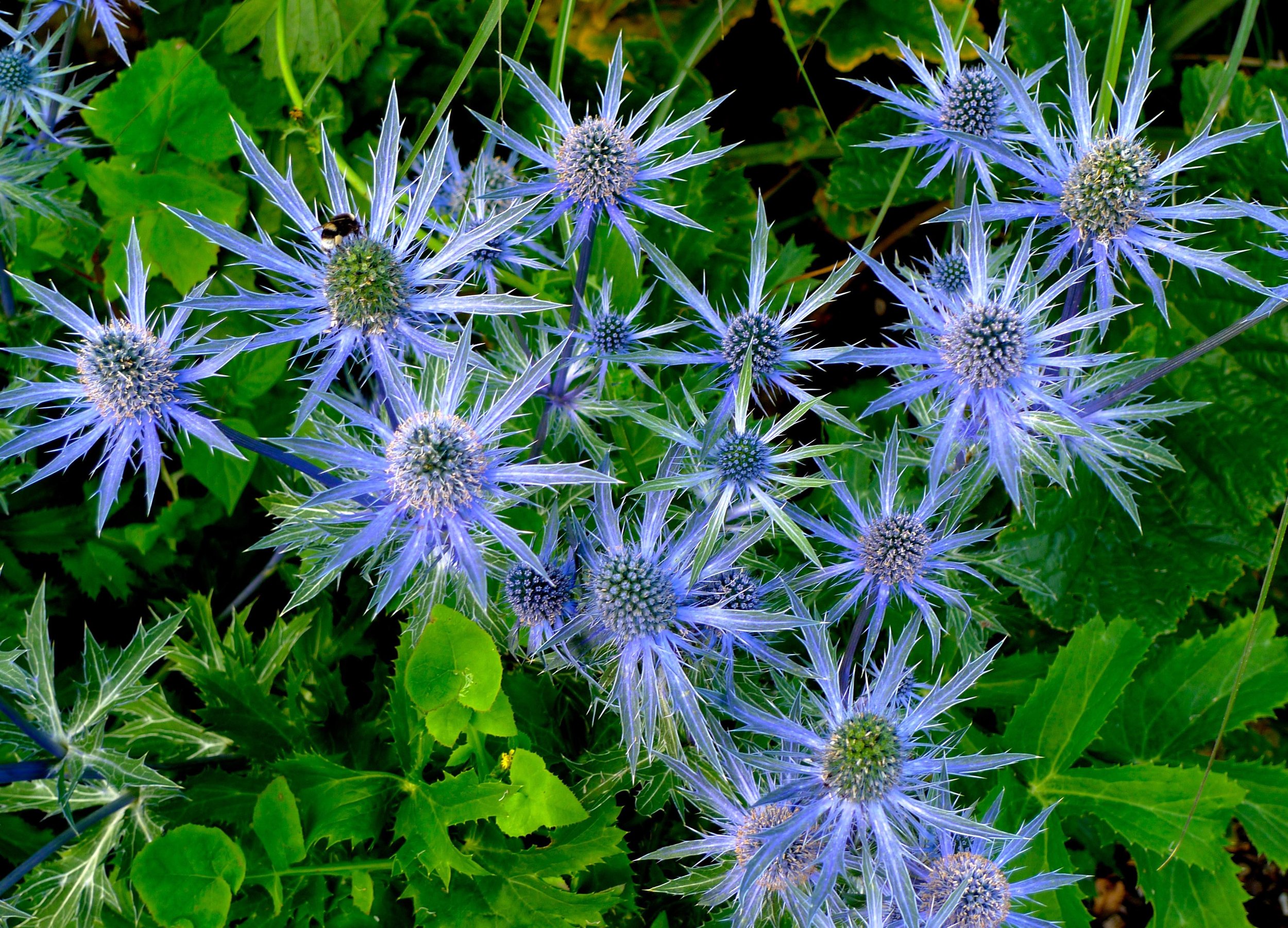
It's effective for lots of plant types, mostly those with striking lines, like this sea holly for example.

Looking down on Sea Holly

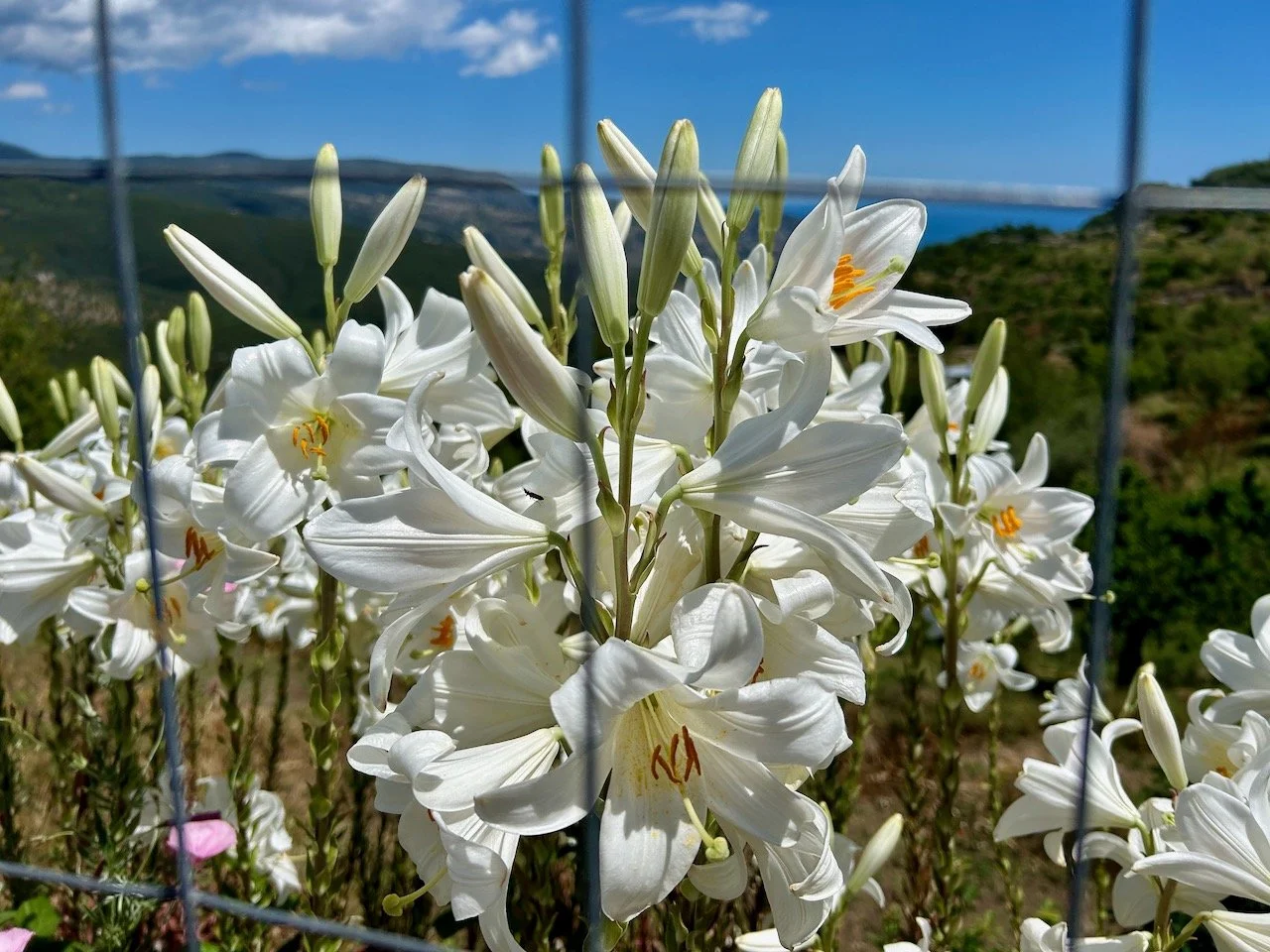
And this lily-like flower. And in case you're wondering the black spots on the petals are insects - it was clearly a popular bloom.

Looking down at RHS Hyde Hall

It worked on striking variegated grasses too, and the daisy-like mexican fleabane either side of the grass gives a soft touch. The top down approach didn't really work for some plants though, agapanthus for example, I discovered are best viewed side on. Who knew.  

Looking down on varigated leaves

Looking down on the plants I photographed somehow gave more prominence to their structure and form. And it also mean I got the benefit of them against the foliage behind them. Don't you think the green accentuates the silver? 

Looking down on the grey thistle like plants startling against the green foilage

The next few photos are my favourite examples of how photographing a plant from above can really work.

Looking down on a blue globe thistle
Looking down on a sea holly waiting to come into colour
Looking down on the bluest of blue sea holly

I'm not sure what the plant is below, but the leaves look prickly so maybe it's related to a thistle too. And if you look closely, you'll see an insect on the main flower, I hadn't spotted that when I was so close!

Looking down on pink flowers too

And remember when I first discovered Astrantias on our visit to Bosvigo in Cornwall, well I found them again here at Hyde Hall. I couldn't remember their name on my visit (of course!), but referring back to that blog post gave me the prompt I needed. It's progress, as I knew I knew what they were, just not what they were, if you know what I mean.  They're still as delicate and just as pretty as I remember them.

Looking down on the delicately pretty astrantia

I also found another yellow flower that photographing from the top down worked with. In my excitement at finding it though it seems that I didn't make a note of its name. It looks sunflower-esque but I know that's hardly likely as at just five foot it's highly unlikely I'd be looking down on any sunflower.  

And I couldn't leave some yellow flowers out of my looking down focused post now could I?

I'll concede it might be a miniature version, but maybe it's something else entirely. If you know what my mystery plant is then I'm happy to find out, so please let me know. I've realised though that without looking down on this plant I might now have seen its coffee-bean-like edging at the base of the petals. How exquisite is that?

And the other thing I learnt that day?

Well that's simple. It's sometimes you just have to look at things from a different place to see their beauty anew. That turned out to be more profound than I expected it to, but I think there's something in that, don't you?

Home Etc