



A dragon at Bodiam Castle

We’ve recently had a few days away with MOH’s family in East Sussex, staying in an AirBnB which looked out over Bodiam Castle. We spent more time indoors that first day than we planned, thanks to Storm Benjamin but as the day went on, and I think the rain finally ran out, we headed to the nearby castle built in 1385 by Sir Edward Dallingridge and his wife Elizabeth.
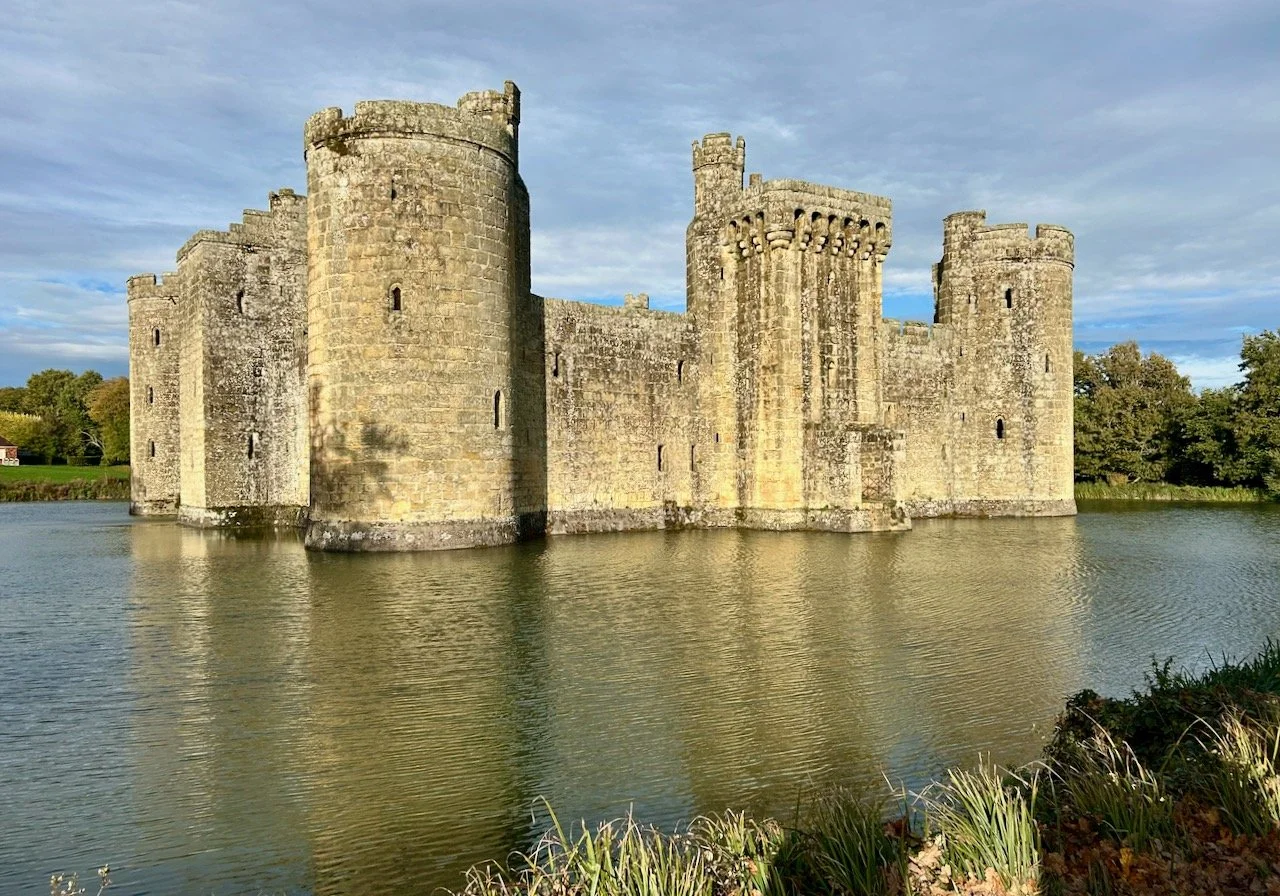
And it is the fairytale castle with a moat which was once part of a working estate with farmland, wharf and watermill. The site was ‘waterscaped’ by Sir Edward who built this castle with Elizabeth when they married. The purpose of the castle has been debated by historians and it’s believed to have been built as a defence, a status symbol and a home.
The castle had had a bit of a makeover for Halloween, and for the half term. The dragon was a great touch, because every castle needs a dragon, right?

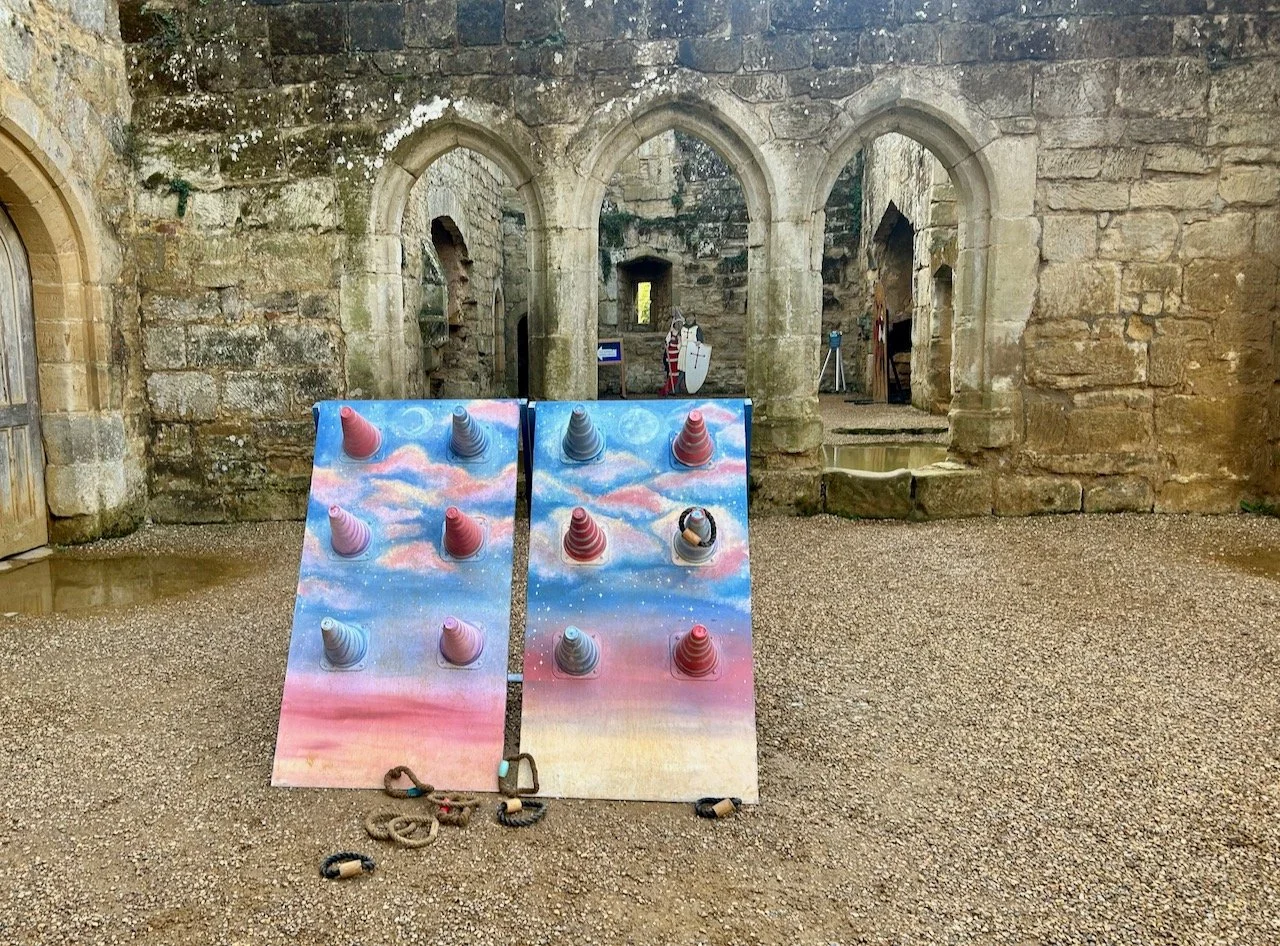
The big kids amongst us also couldn’t resist a quick game of quoits, which was way harder than it looks. That quick game became a battle of wills, as we couldn’t leave until we’d scored at least one - and here’s evidence of the one I scored. I’ll just say that I was the only one to manage this…
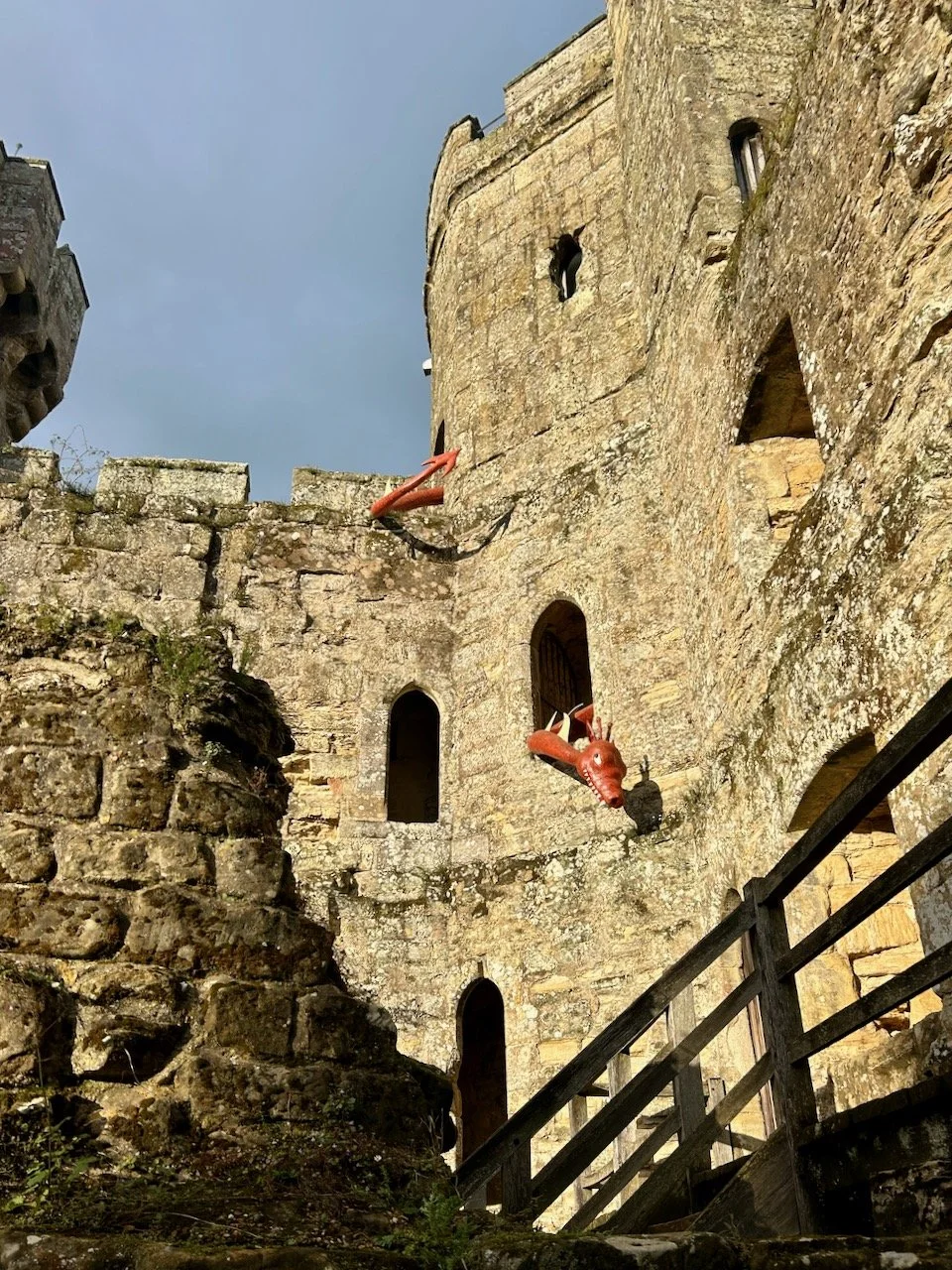
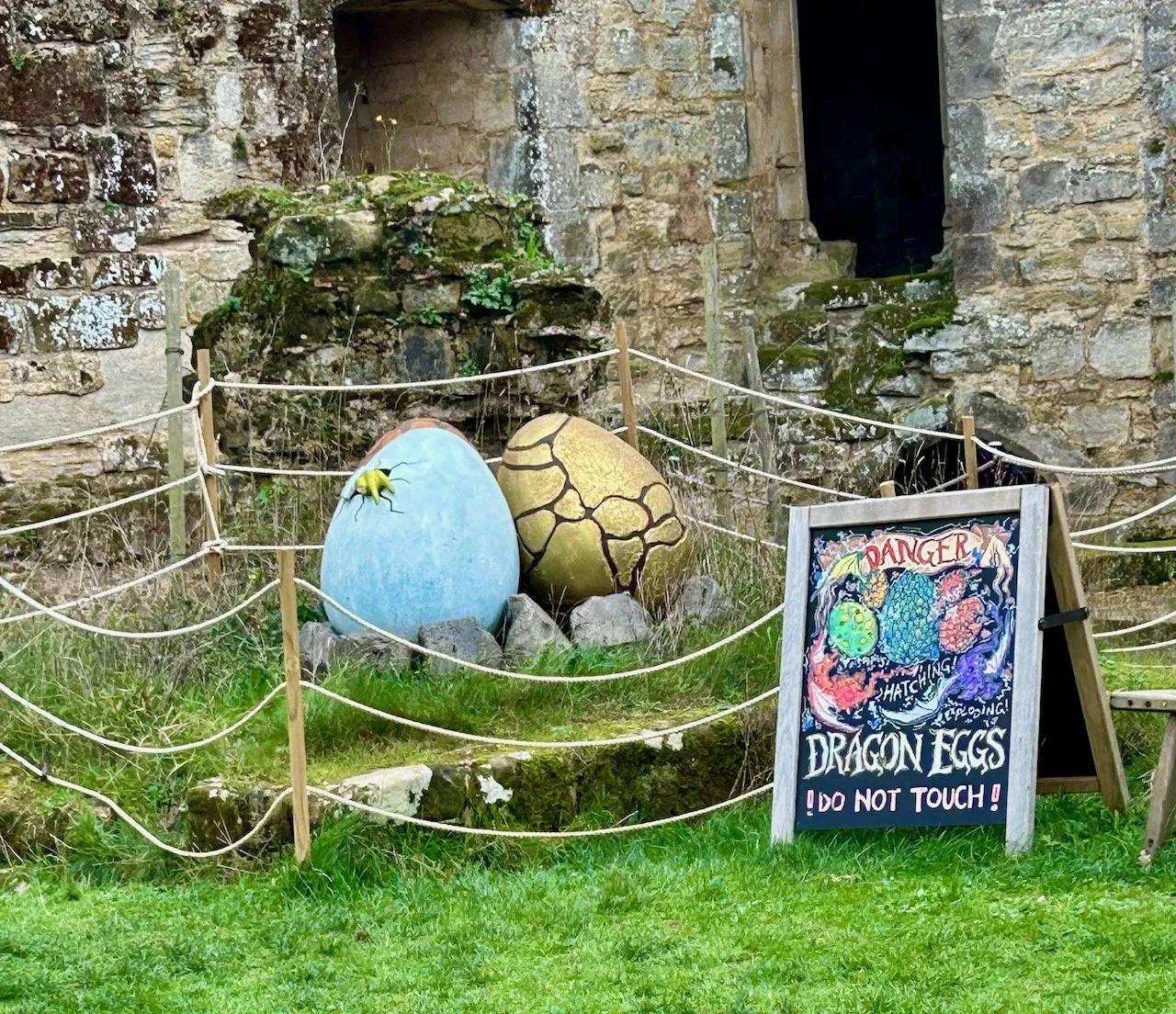
No wonder the dragon was looking over us - there were also dragon eggs hatching in the courtyard!
Bodiam also plays host to one of the most important bat roosts in the UK - they’re everywhere once you start noticing them - with three types of bats roosting here: Natterer, Daubenton and the tiny Pipstrelle which we see in our garden at twilight.

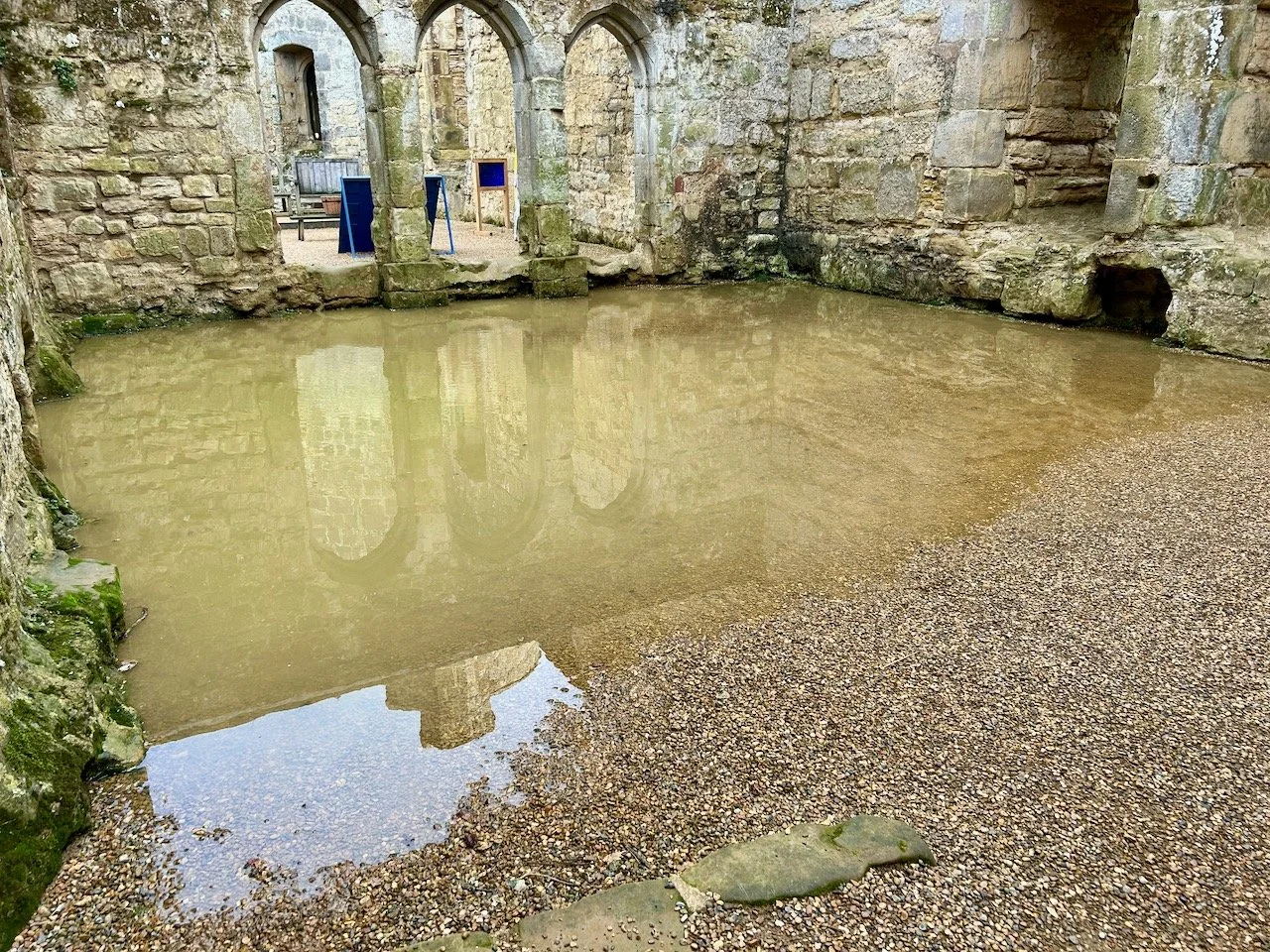
As I said it had rained a fair bit, and the lower half of the kitchen was wetter than I suspect it would have been in its day - and I bet cook would not have been amused.
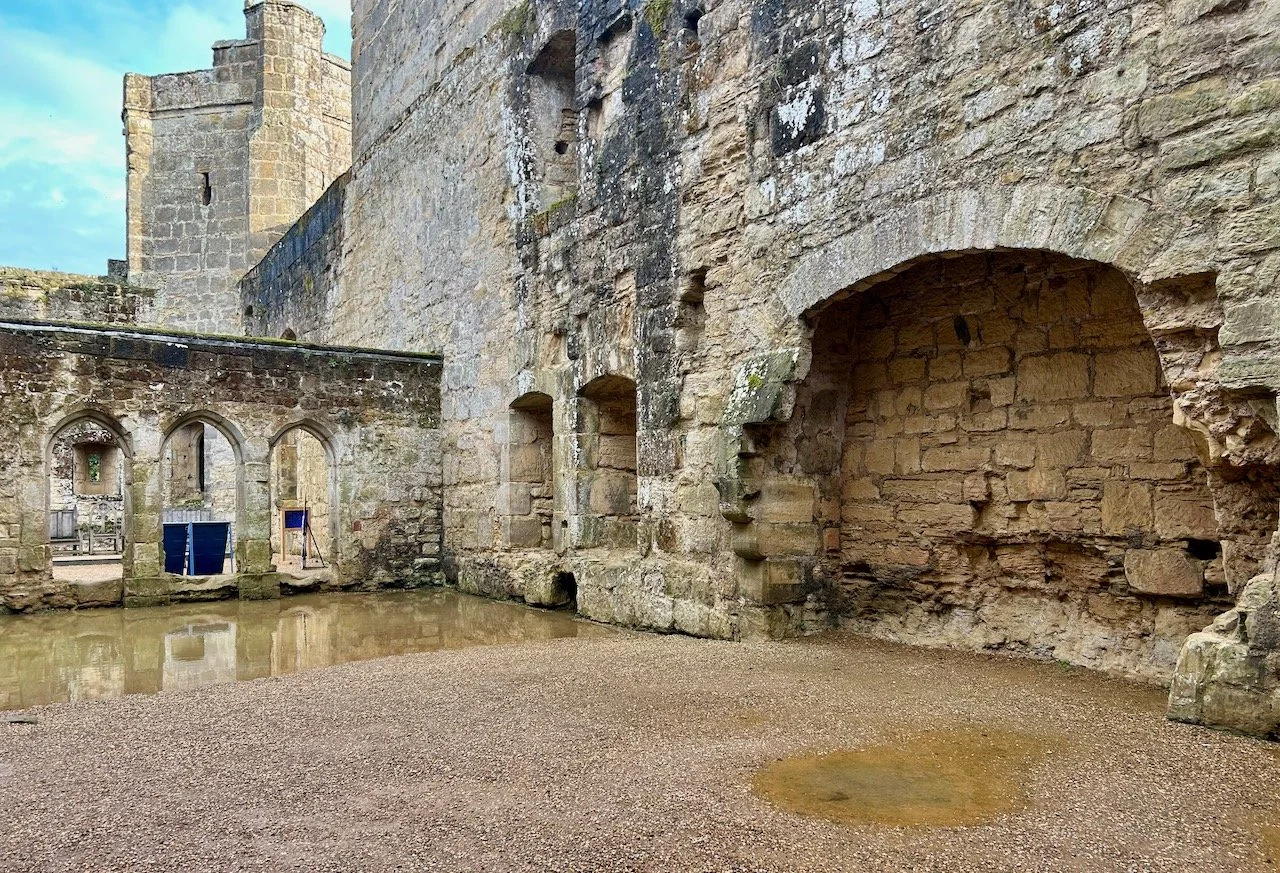
But I bet that large fireplace (one of two in the kitchen) would have been a roaring every day. There’s actually 33 fireplaces built into the walls at Bodiam Castle, and most of them are on the side where the Lord and Lady slept, and not on the servant’s side.
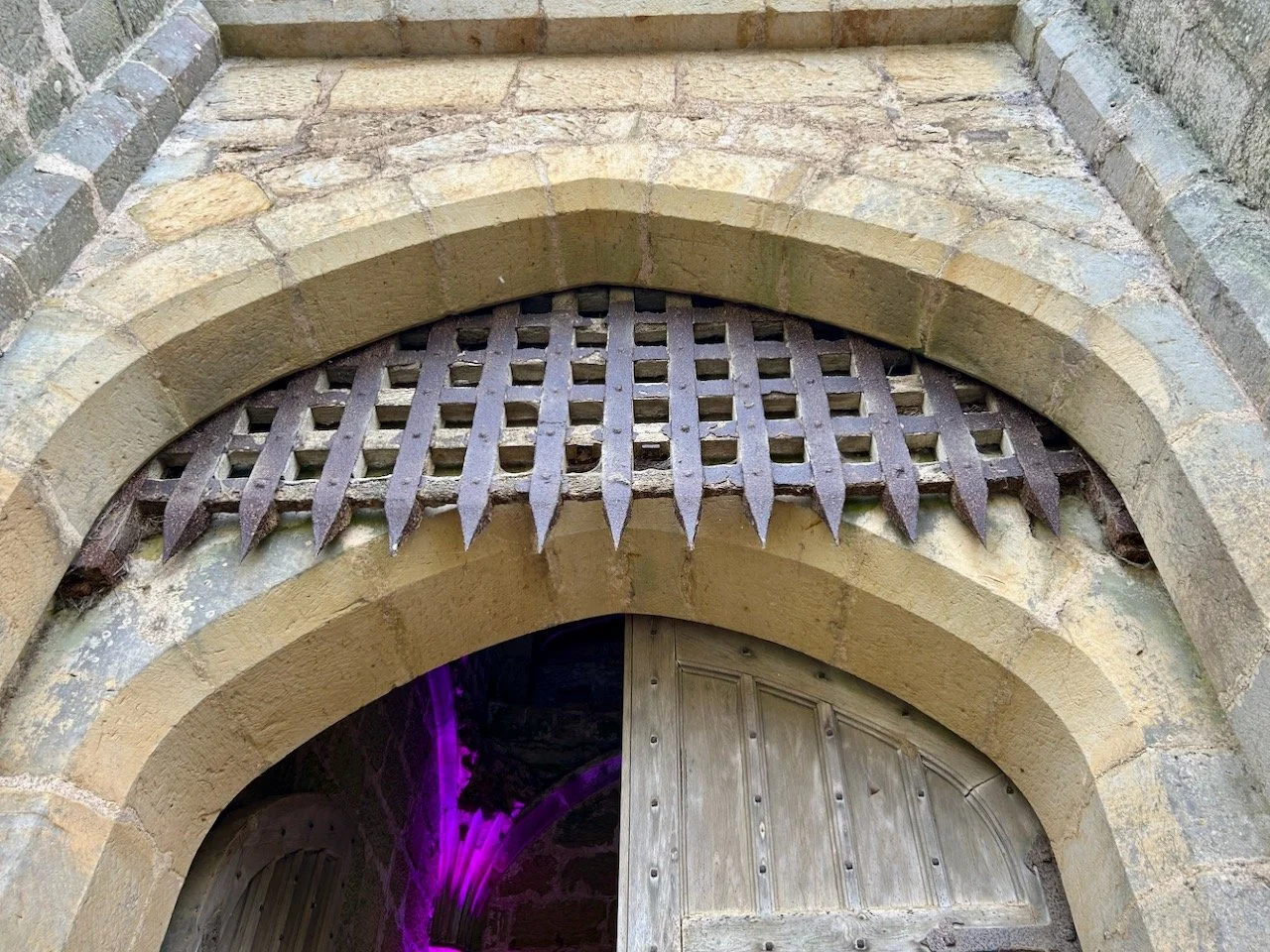
The original portcullis here is made of oak and is one of the oldest in the country, and walking underneath it really does make you wonder about its history, and what it would say if it could.

I took the photo below just above we left the castle, walking under the portcullis and it struck me that they couldn’t be more different, but were just metres apart.
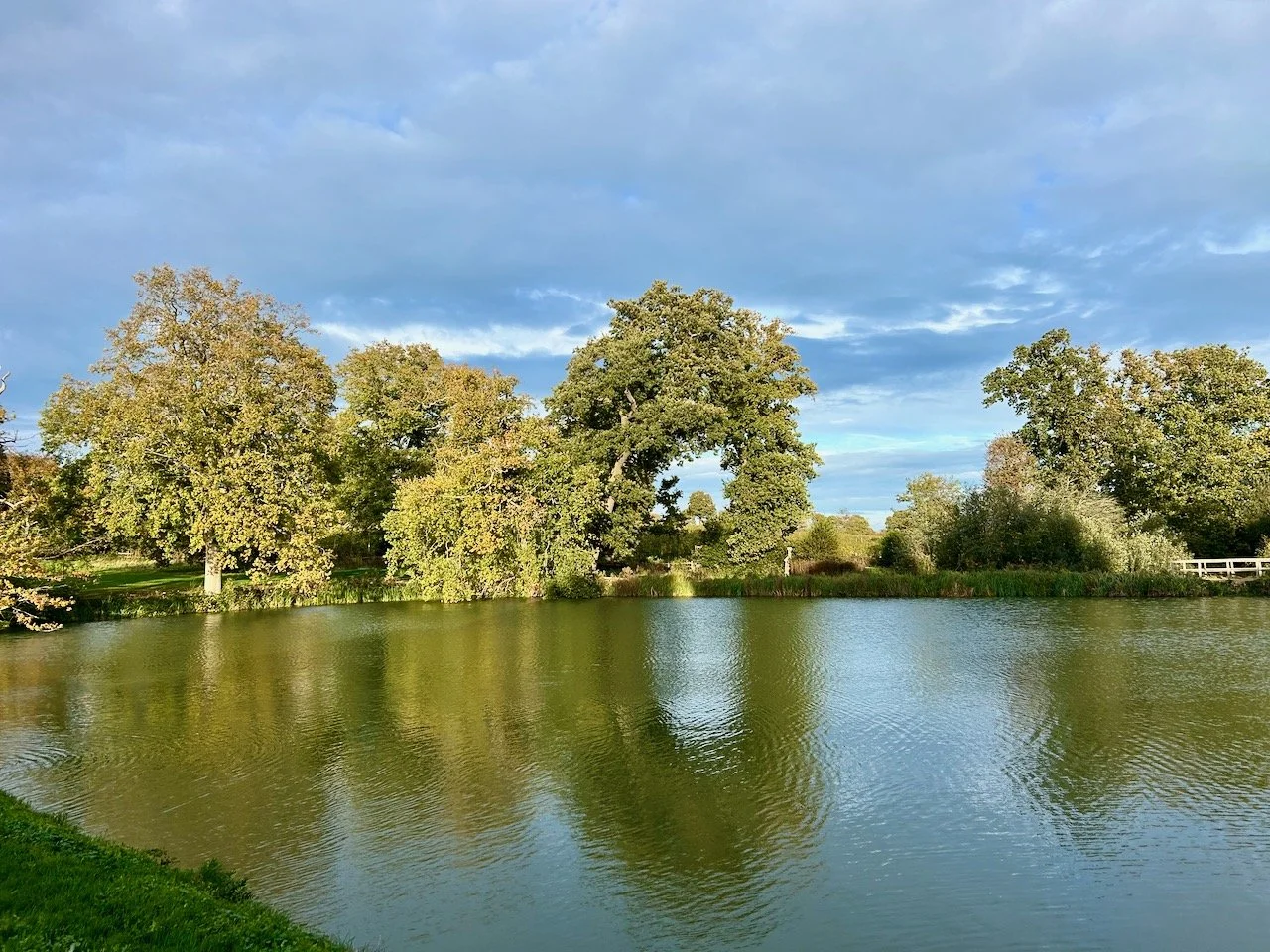
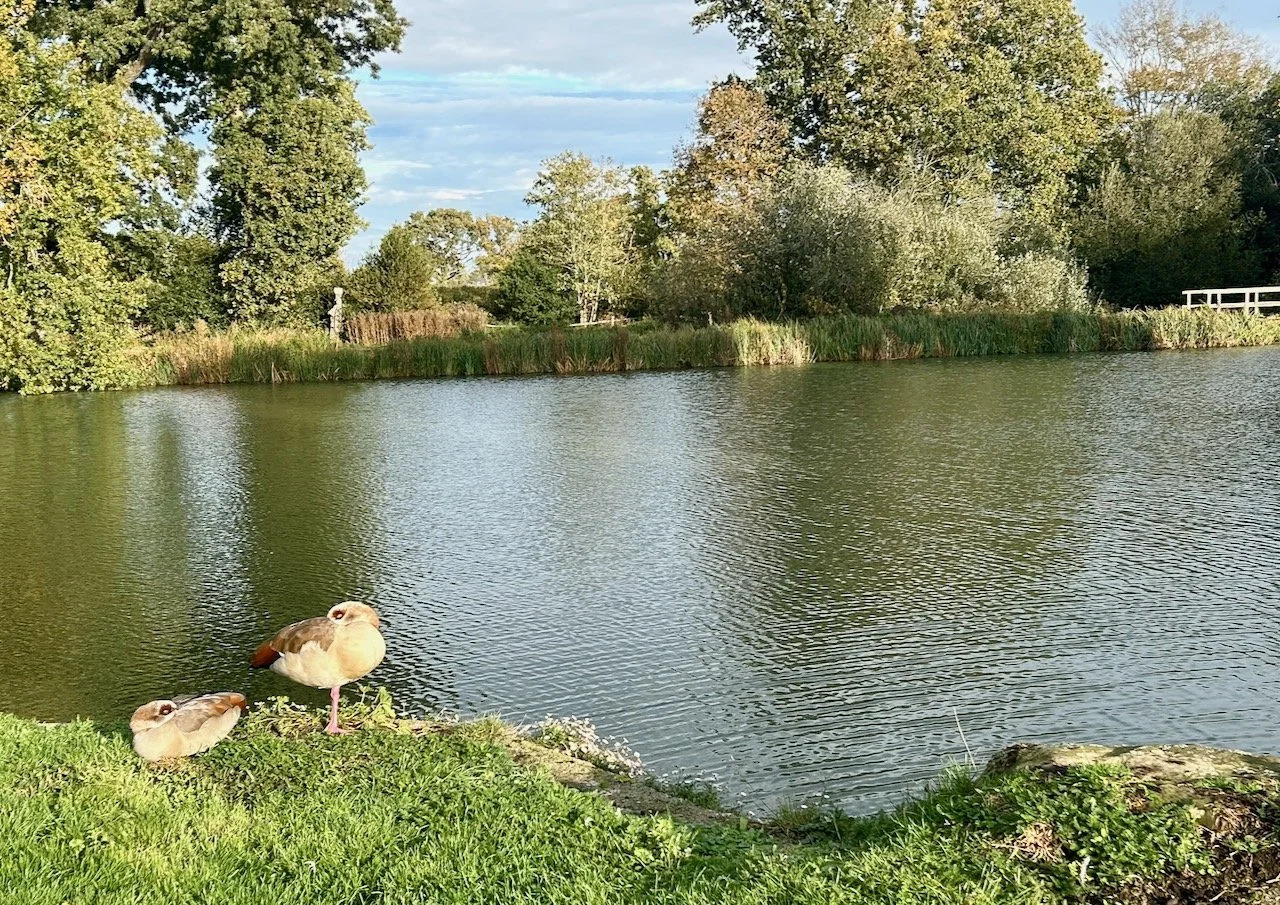
Pausing as we wandered back across the moat my eye was caught by the trees arching to frame a smaller oak tree in the distance. It as a good reminder of just how wonderful nature is and how calming it can be, and how quickly that calm can be restored after a storm.
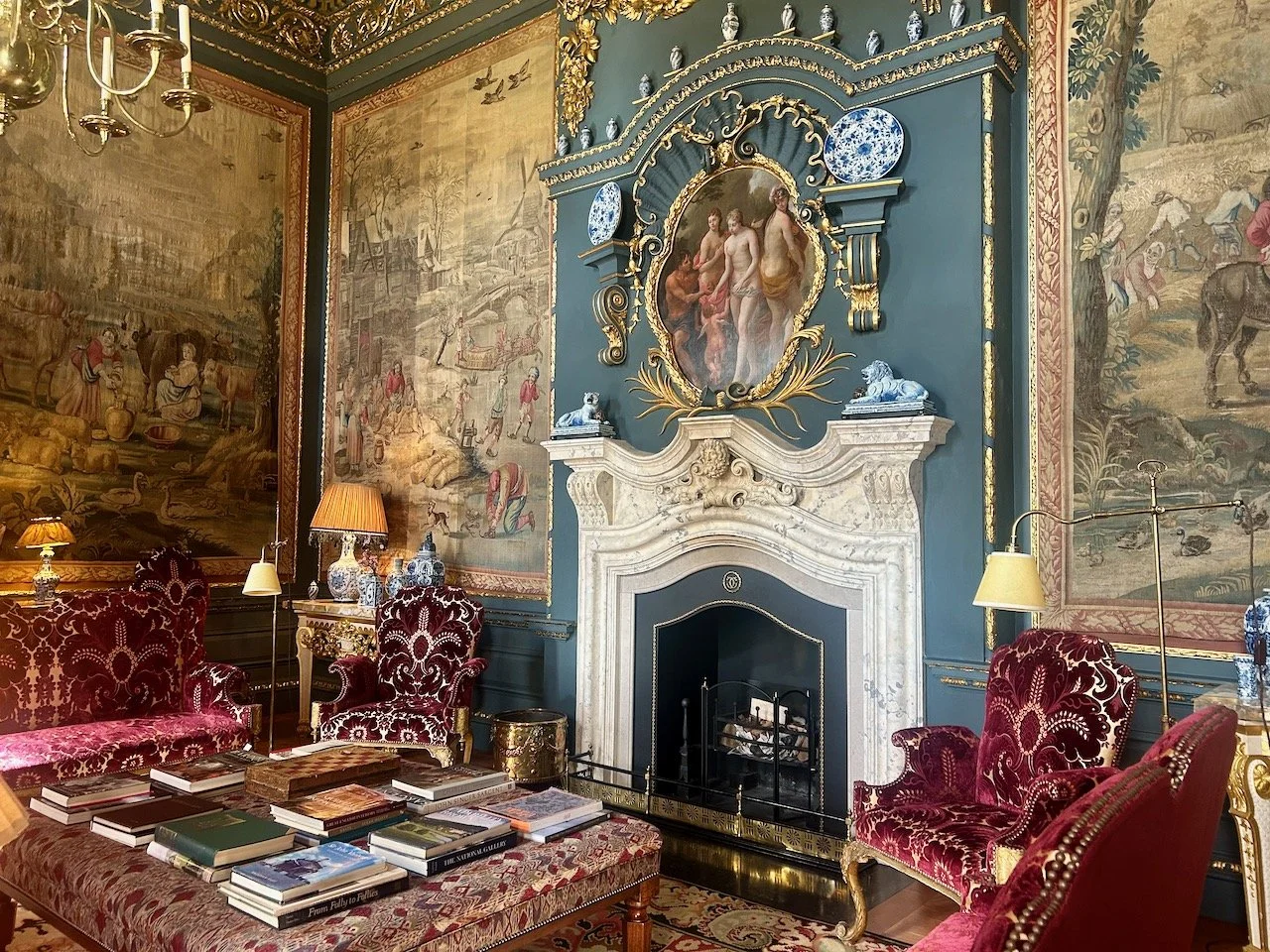
The Tapestry Drawing Room at Castle Howard

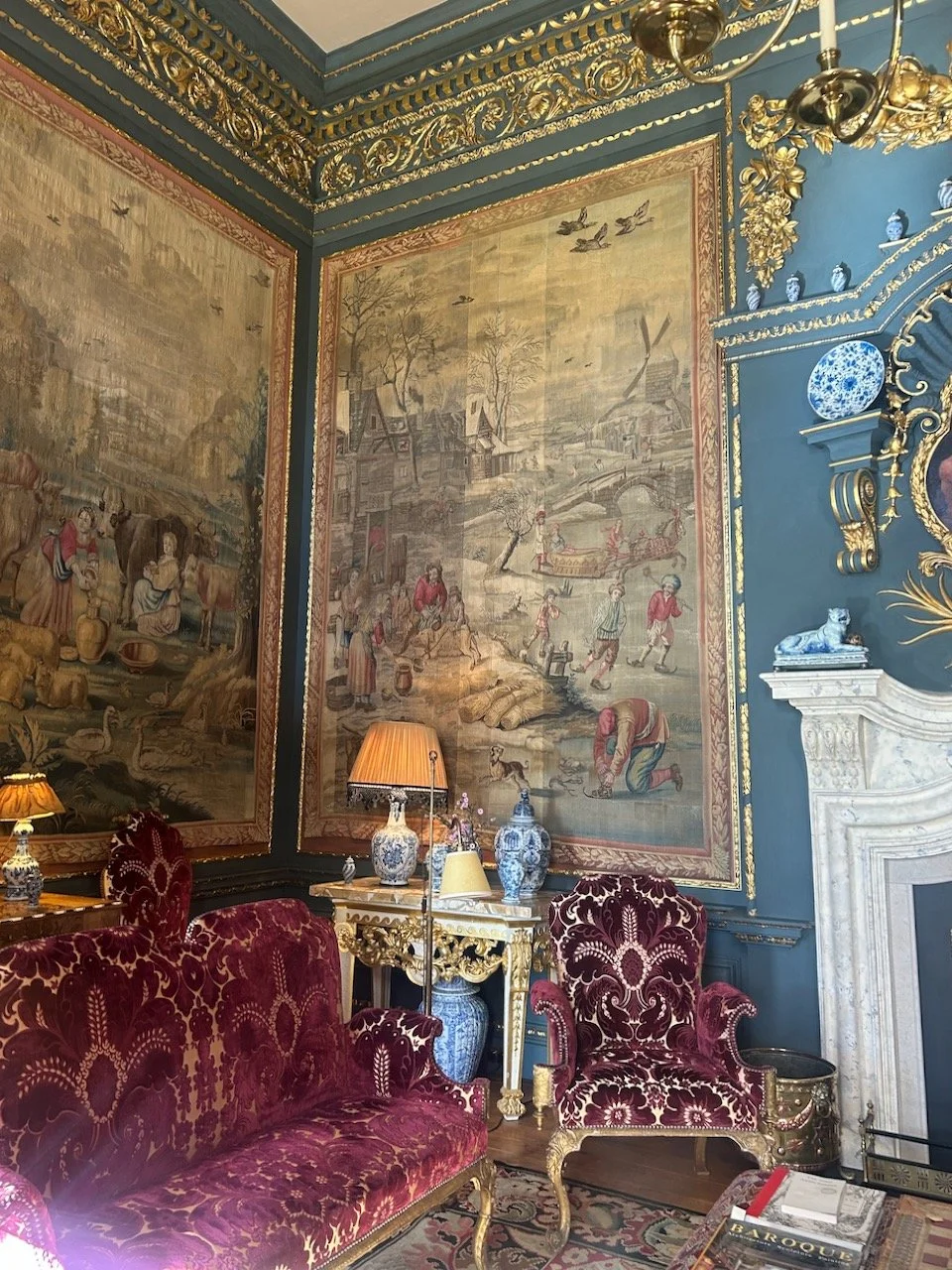
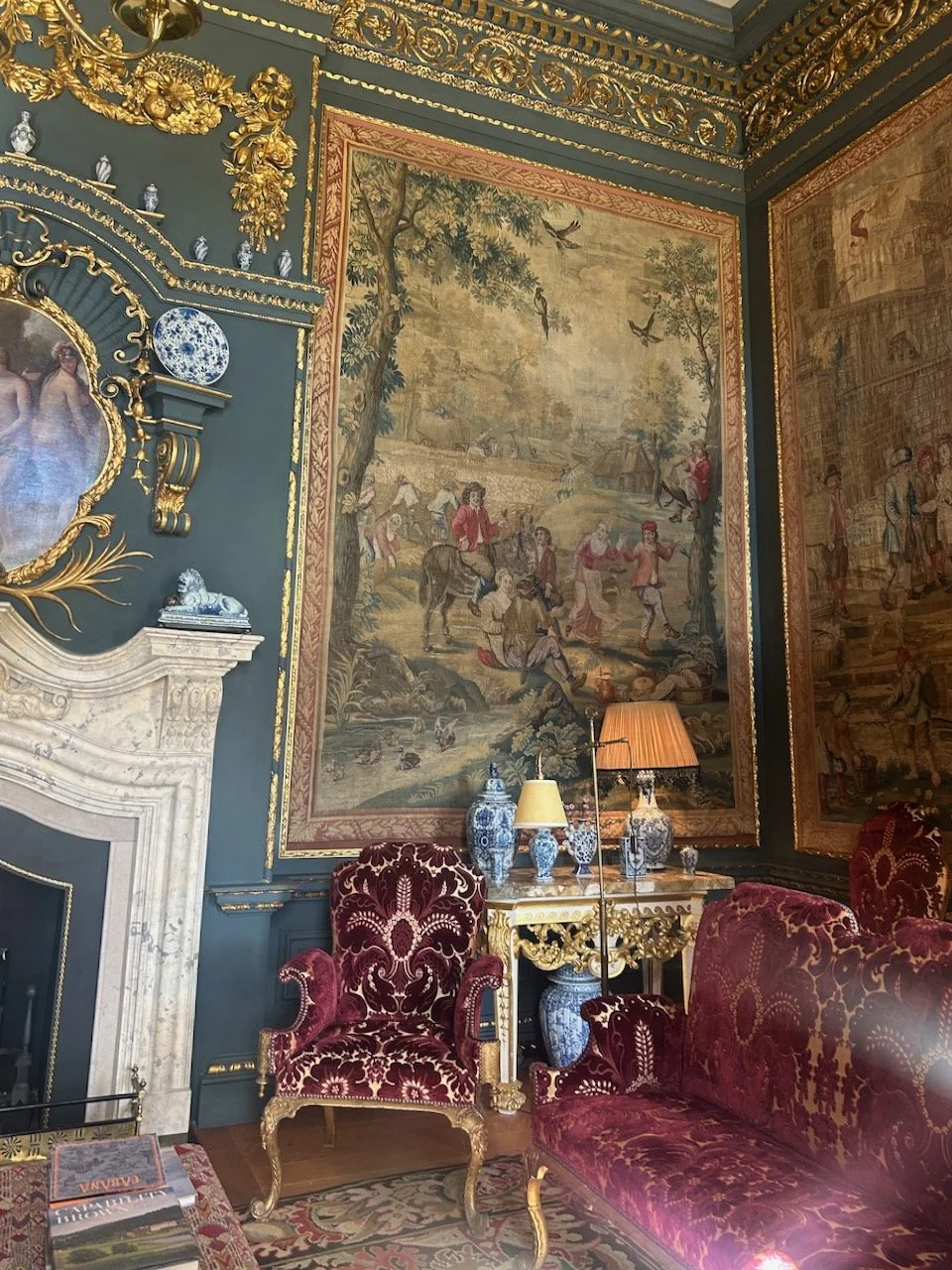
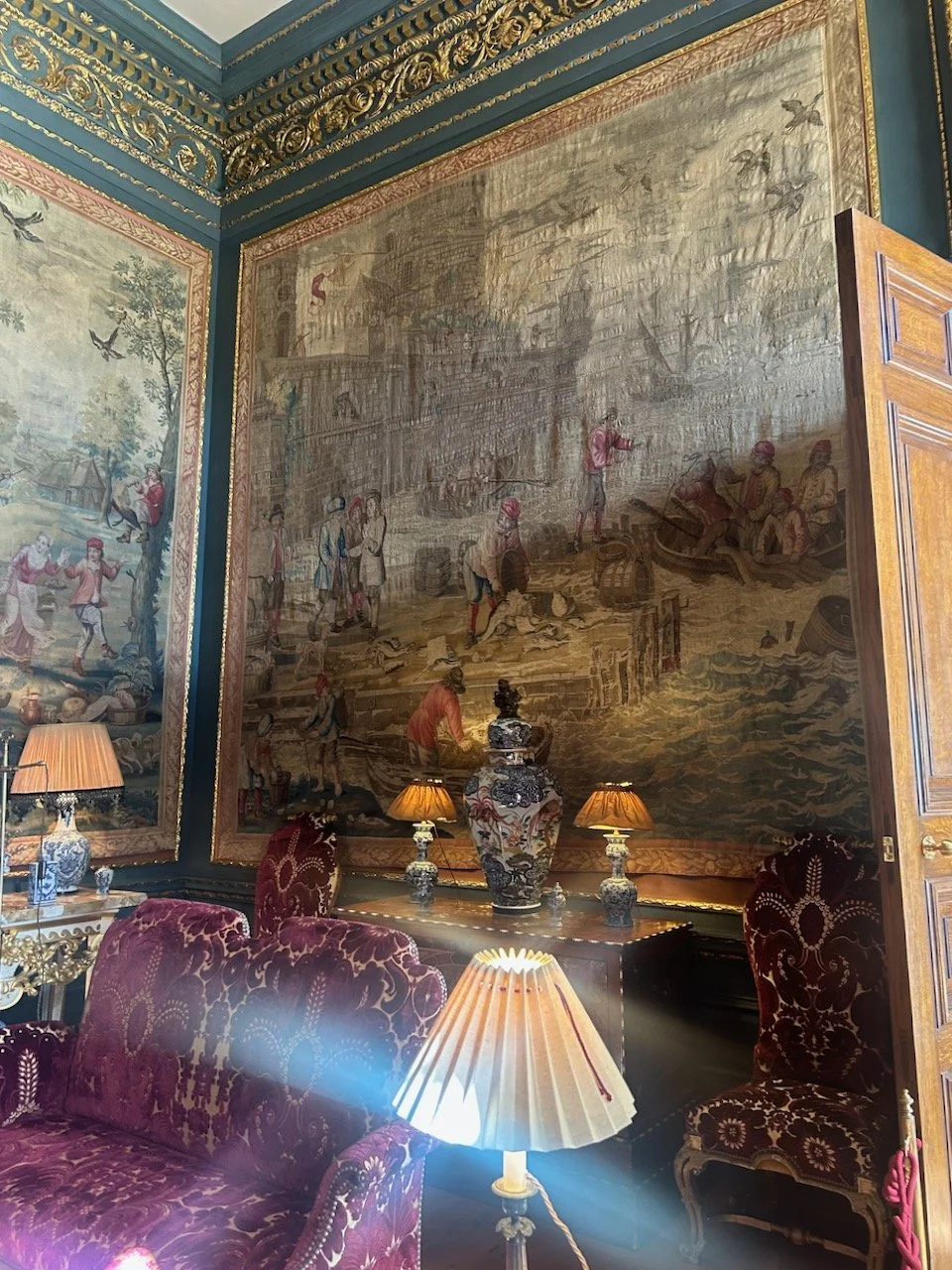
I was glad we opted for the House and Gardens ticket at Castle Howard, even though we’d been debating whether to or not, but it meant we could see the newly refurbished Tapestry Drawing Room. Entry to Castle Howard is expensive - and I’m sure that the upkeep and day to day running of the estate is also expensive so it’s great that they do offer a price reduction for buying your tickets in advance online, so that’s well worth doing.

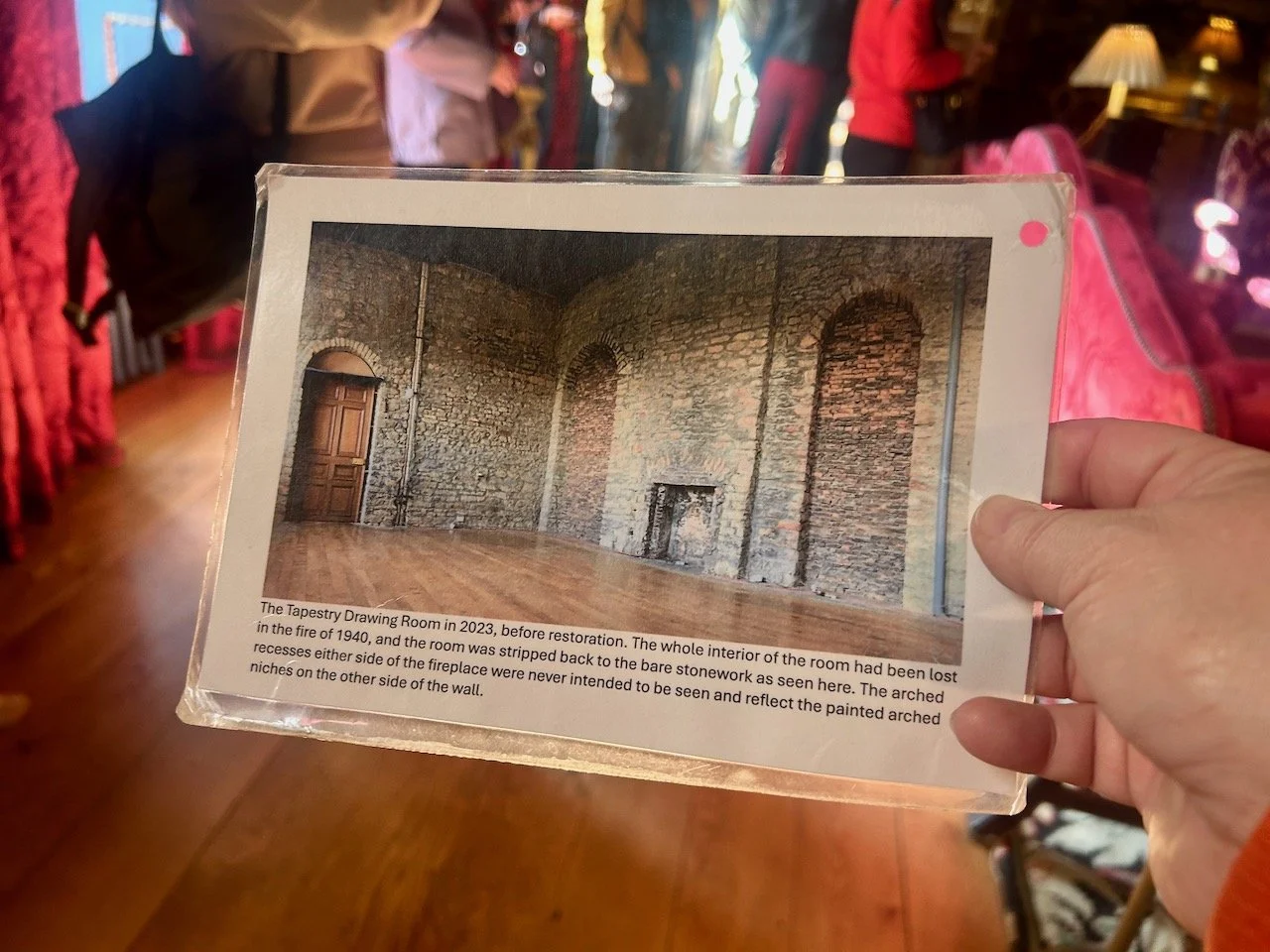
The room is breathtakingly beautiful now, but until recently it remained a shell of its former self destroyed by fire in 1940. The work to rebuild the room began in 2024 and as the blurb says is a ‘sensitive re-imagining’ of the space rather than a ‘slavish recreation’ of it.

It’s hard to believe that such a short time ago it looked like this, isn’t it?

The Four Seasons tapestries

Given that ‘tapestries’ features heavily in the name of the room, you’d expect to see them there, and they were - though luckily at the time of the fire they were hung in another part of the house, which saved them. They’d only been in this room for around 50 years, so they have come full circle with the recent project, bringing them back to the space for which they were originally created.

They were commissioned in 1706 from the London tapestry maker John Vanderbank and show rustic scenes which broadly represent the four seasons.

I’m pretty sure that the first one is Spring, the second is Winter - the river is frozen, the third Autumn - there’s harvesting in the background, and therefore the fourth could be Summer - but I could be convinced either way for the first and the last of these. When you’re passing through the room it’s hard to take all the history in and experience the room too, but the more I look at the tapestries, the more details I see.

SPRING?

WINTER

AUTUMN

SUMMER?

It’s a stunning room, and an amazing transformation and definitely worth a look first hand if you’re that way, and wondering if the ticket price is worth it.

Now if only I could work out which is Spring and which is Summer!

Thisaway or thataway?

Today I’m sharing a more lighthearted look at something that became so important to us as we explored the Gargano Peninsular and quite literally pointed the way ahead as we undertook the routes between our accommodation (our bags were transferred ahead of us) and the circular routes helping us explore our current location.

We became quite adept at spotting them as we walked, and quite often they also lifted your spirits especially towards the end of the walk. No one likes unintended detours, or worse having to retrace your steps, especially when the kilometres have already racked up.

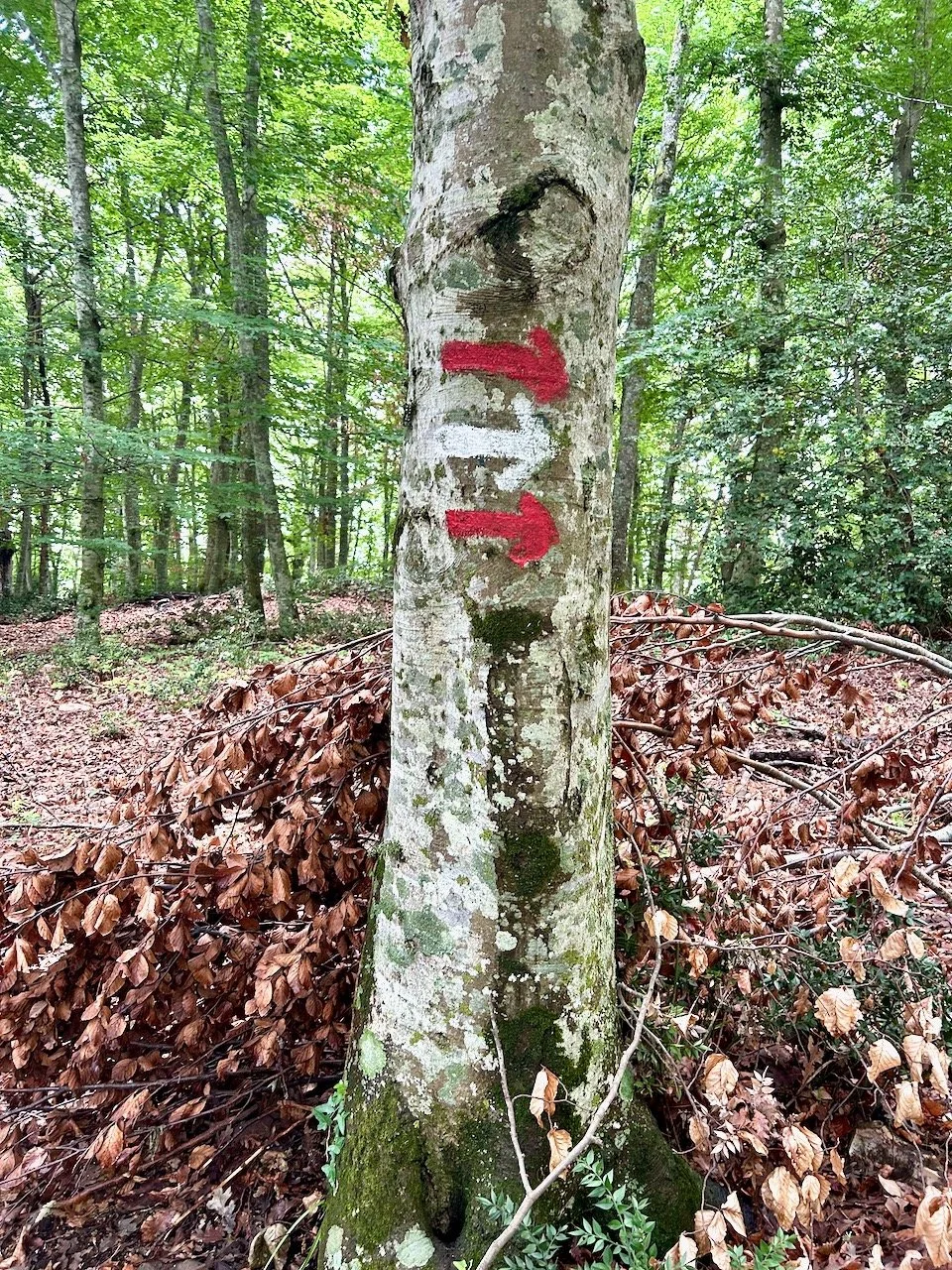
Several of the way markers we so though, did make me smile - like this one, they really didn’t want you to miss it did they?

A tree in the forest marked with two red arrows and a white arrow in between - all pointing right
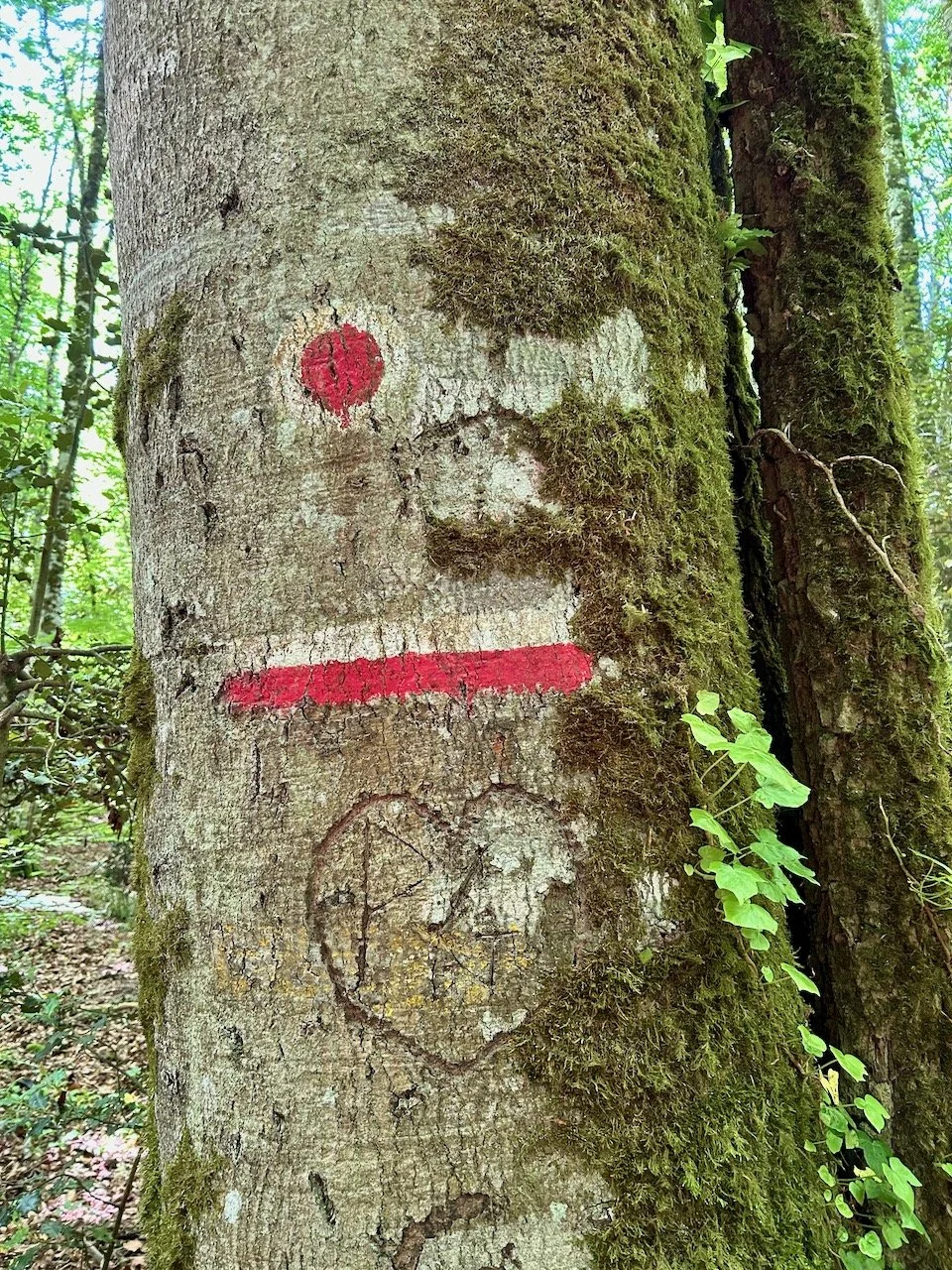
Another tree marking - top a red dot circled in white, but with the tree markings looks like a fish to me, beneath it is the white/red dash marking, and a large heart carved into the tree's trunk

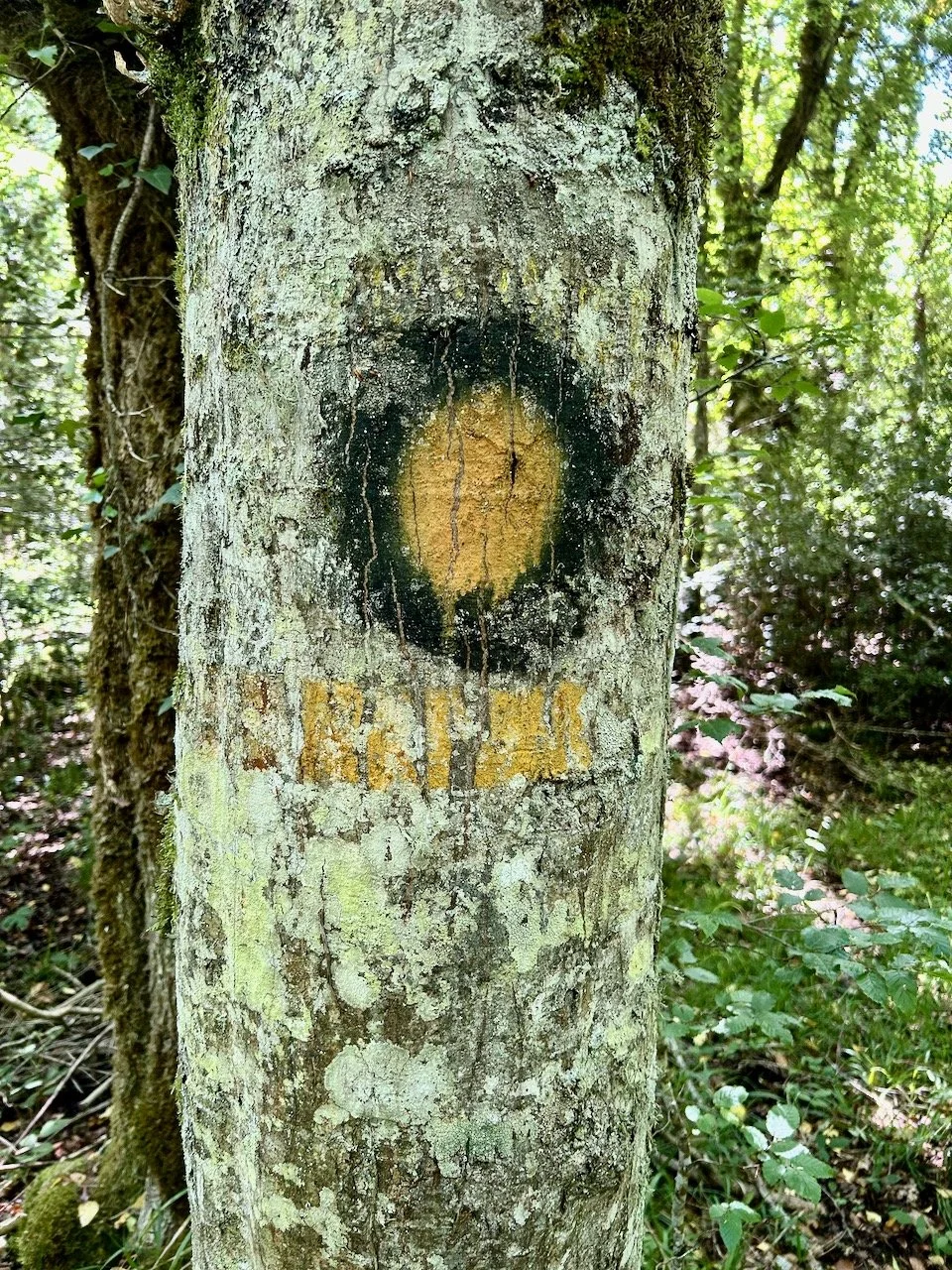
We were used to following the white and red dash marks on previous walks and holidays we’ve been on, but a few new ones appeared on this trip; the red and white circle above - which wierdly looks like a fish to me, and also some yellow and black markings.

A yellow circle edged in black on a tree trunk, with some illegible stenciled text below in yellow

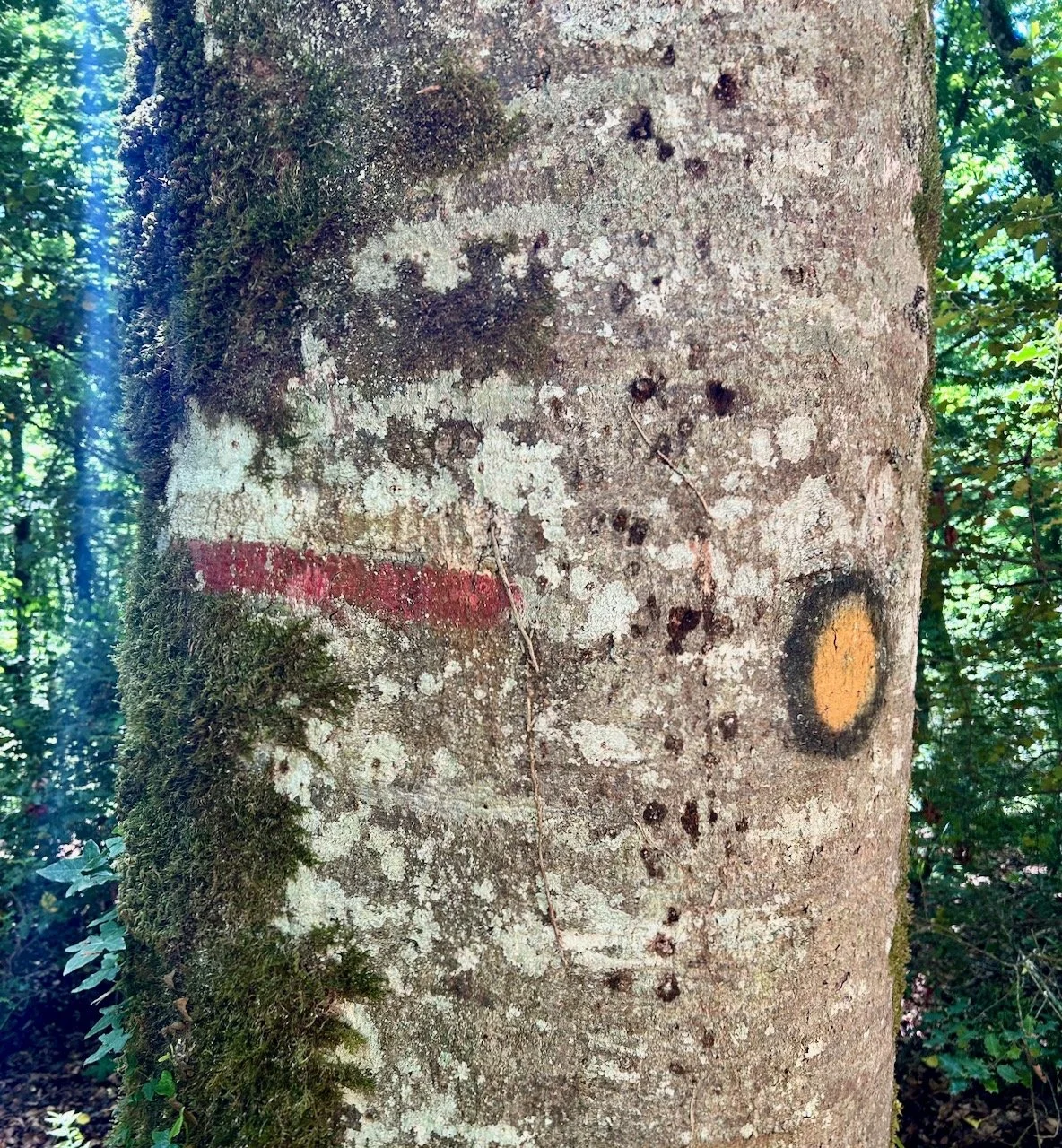
Often they’d appear together.

The white/red dash on the left and yellow/black circle meet on a tree trunk

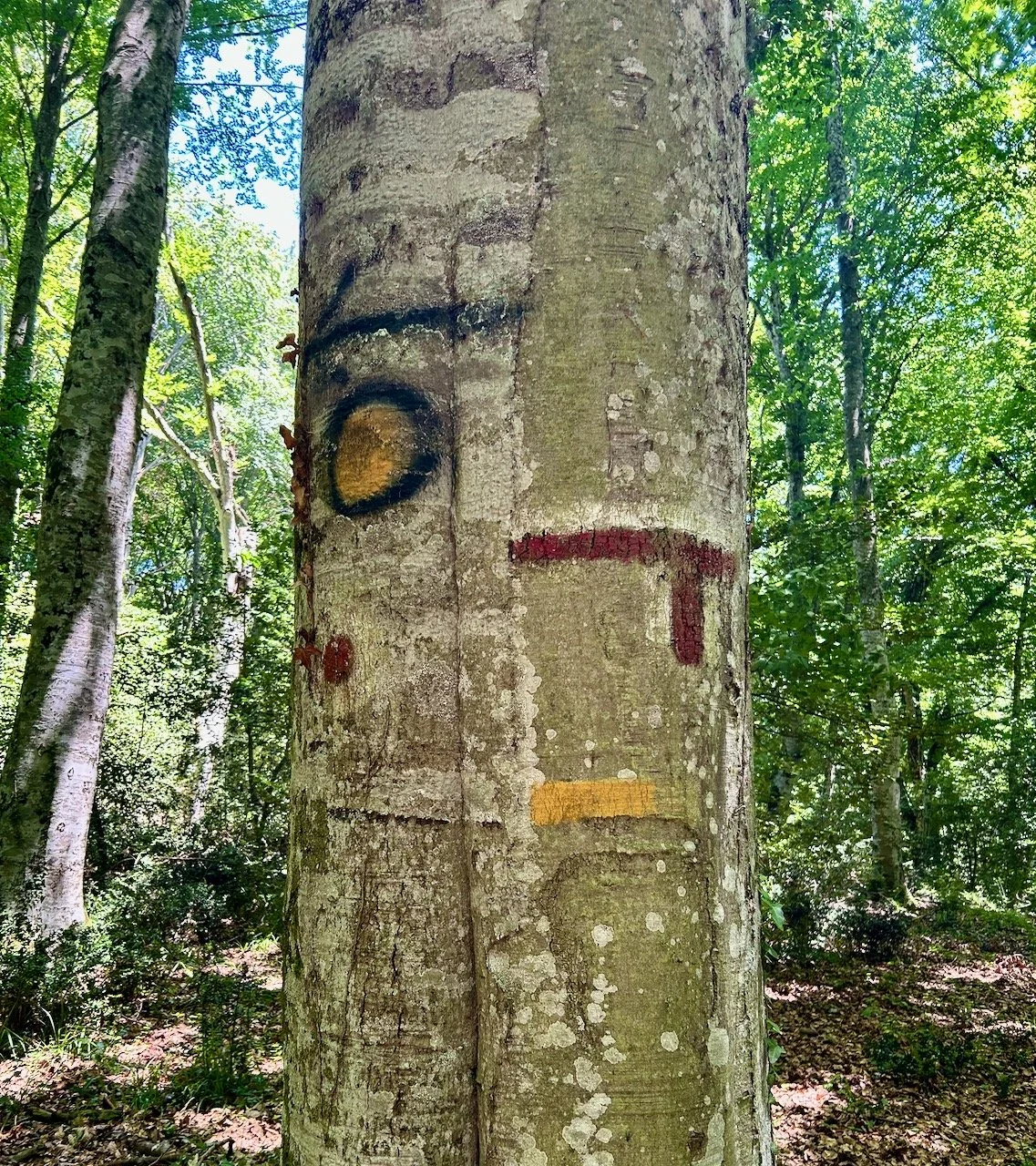
And on opposing ‘sides’ of the tree. Which I’m sure made perfect sense as you approached the tree from either direction, but standing alongside the tree just spelled confusion.

A black arrow pointing left, a yellow and black circle and red markings on the left.  on the right of the tree is a red and white inverted L mark and a yellow dash

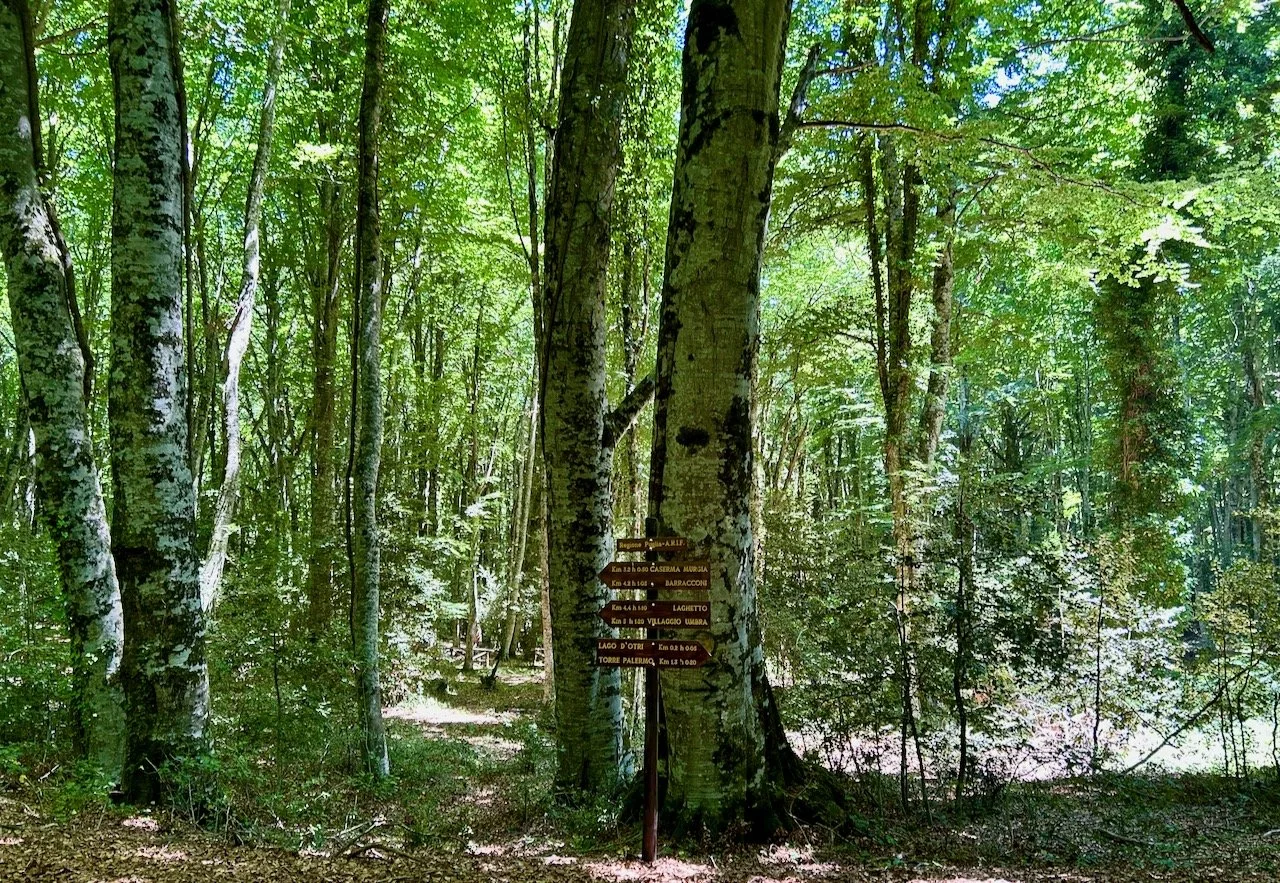
In the heart of forest they was clearer signage, as you’d expect - no one wants anyone lost in there! It’s also more geared up to day visitors so it made sense, and it was much appreciated as being able to follow the signs without relying heavily on our walking notes was appreciated.

Wooden signposts with place names and distances in the Foresta Umbra

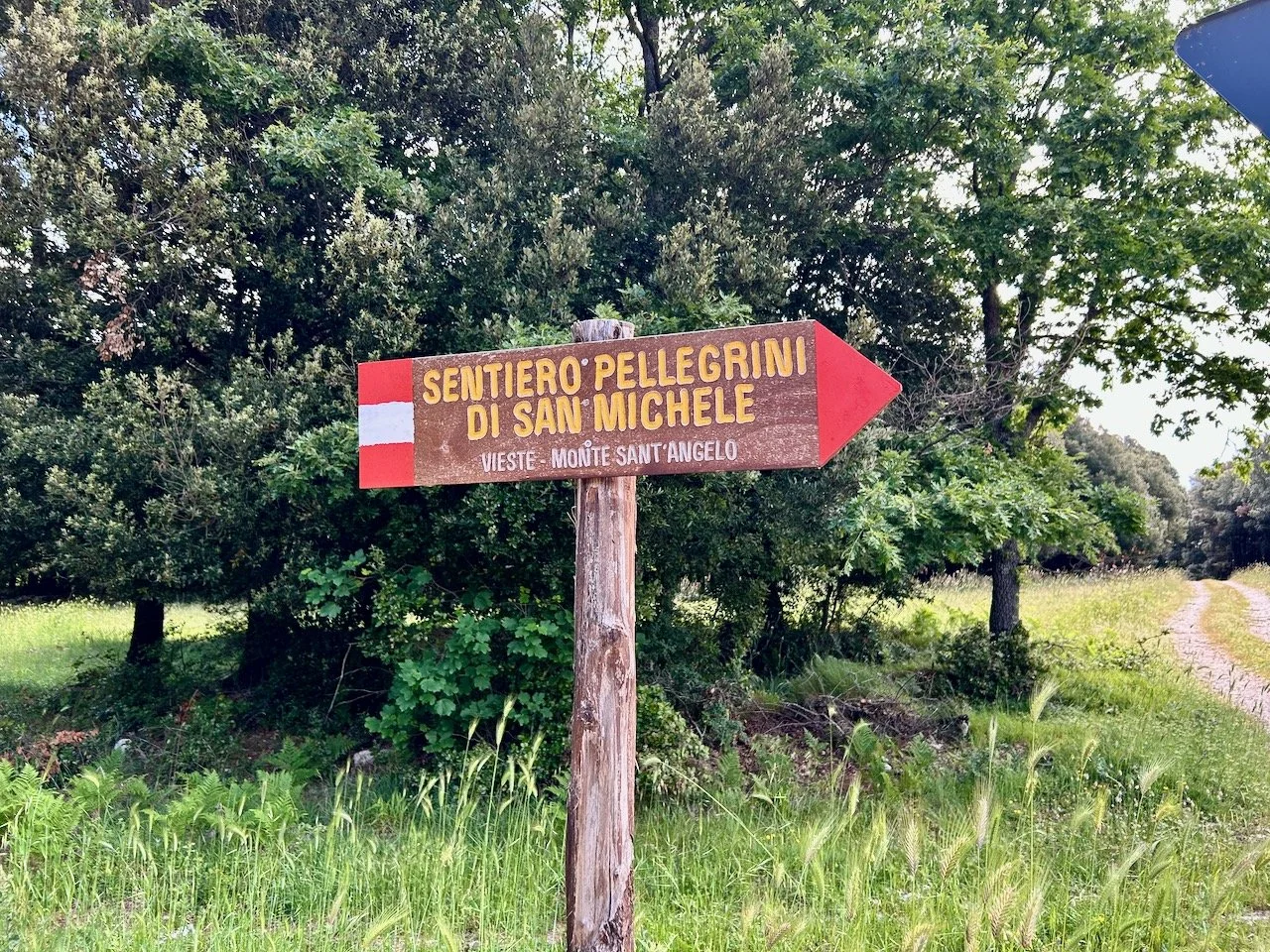
Likewise on the Pilgrim Trail the signage was good, though as this was a move on day we were still checking the walking notes to make sure we didn’t stray off our route unintentionally. Though once we got to the bottom of the valley, with the only way being up we focussed on getting up there rather than the notes!

Another wooden sign on the Pilgrim trail, this one is edge with red and white stripes and a red point for the direction
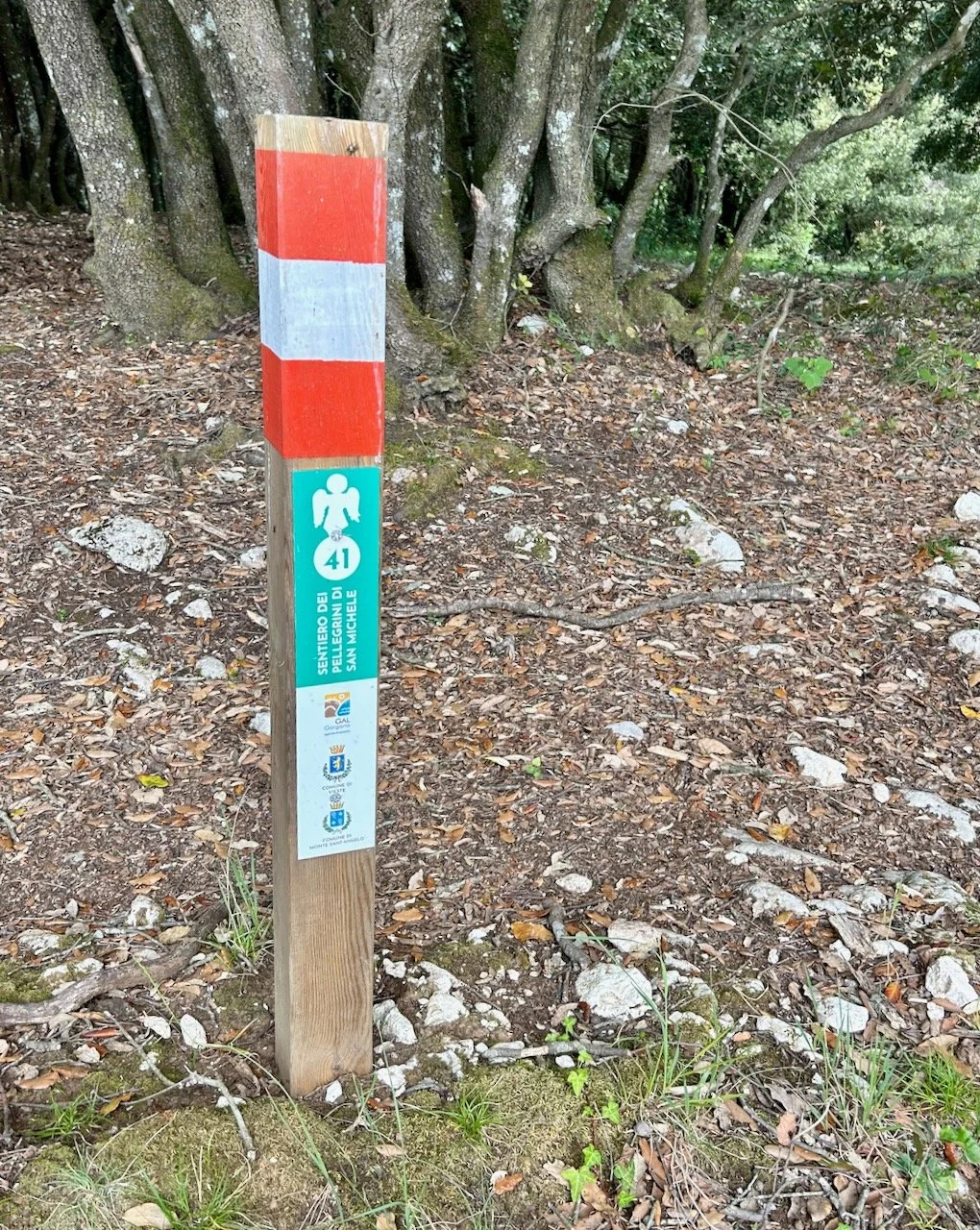
The Pilgrim trail signs changed slightly but retain their red and white stripes.

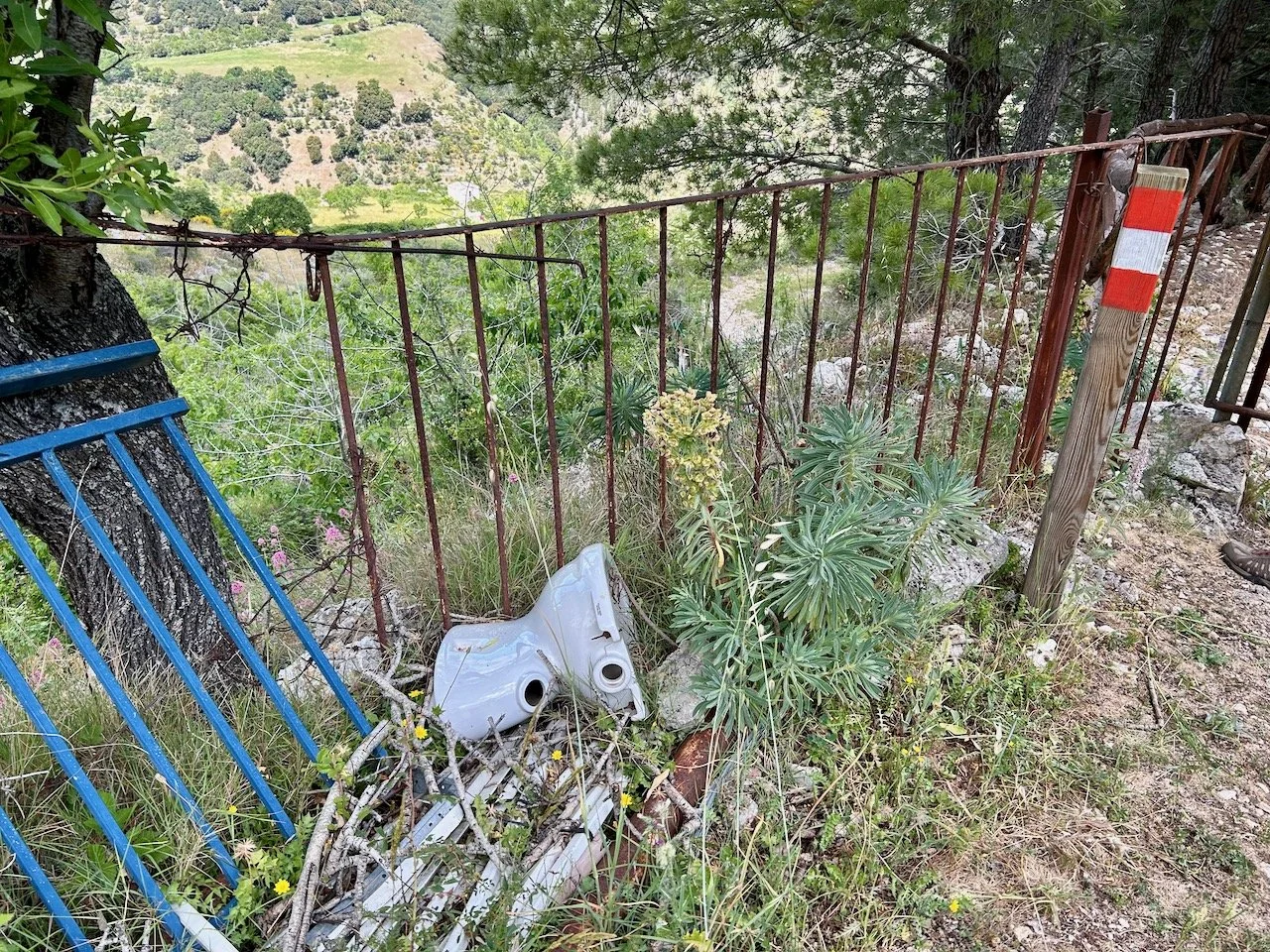
On this route we did encounter some ad-hoc gates too, not all of them like this one came with modern conveniences!

Alongside the red/white stripe topped pole is a discarded WC with a homemade metal gate tied to the tree

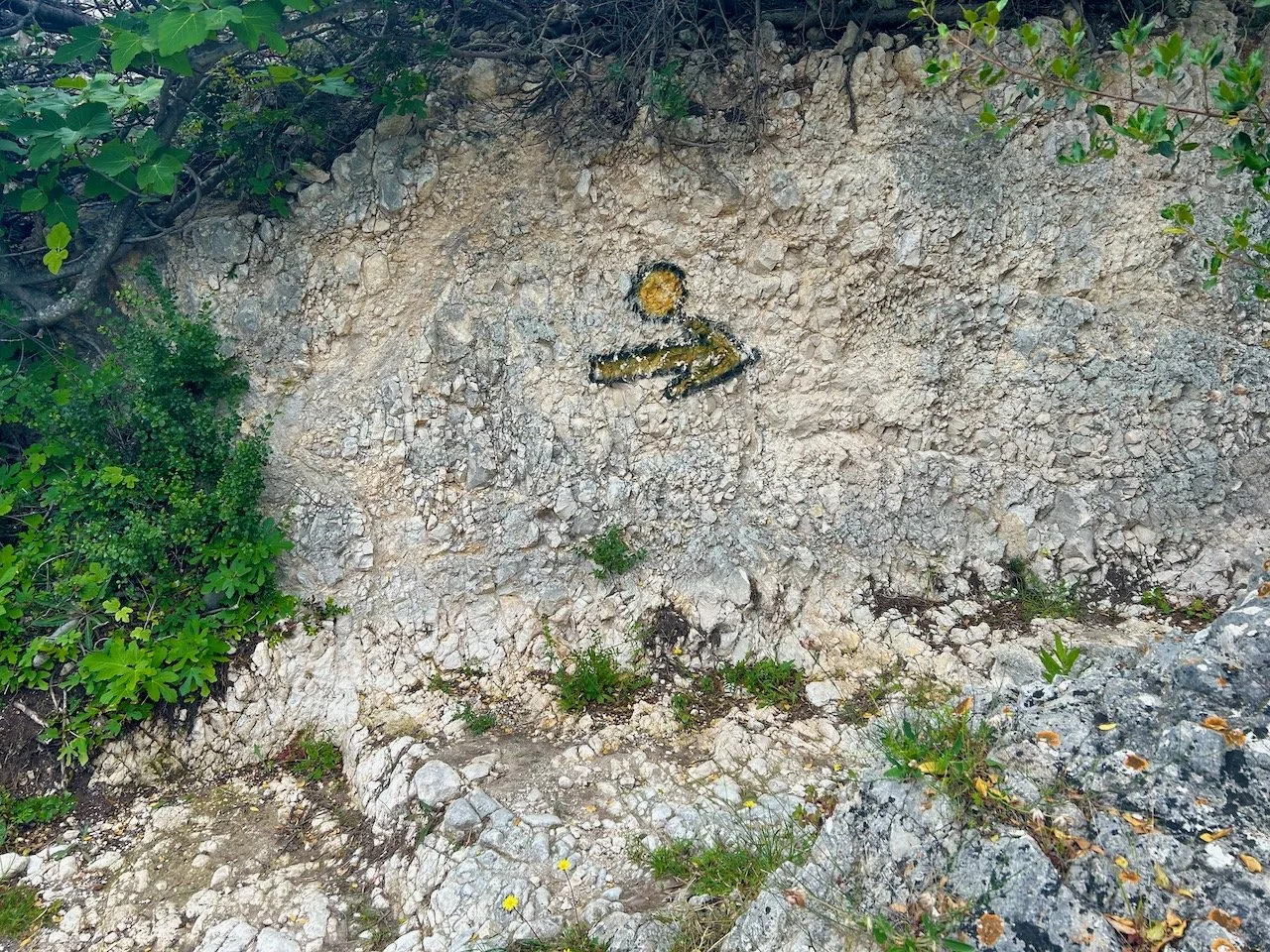
But it was the yellow and black markings which we followed as we headed up Mount Saraceno as the trip drew to a close, and they didn’t want you missing any turns either.

painted on the side of the rock is a large yellow circle and arrow beneath, both edged in black - the arrow points right
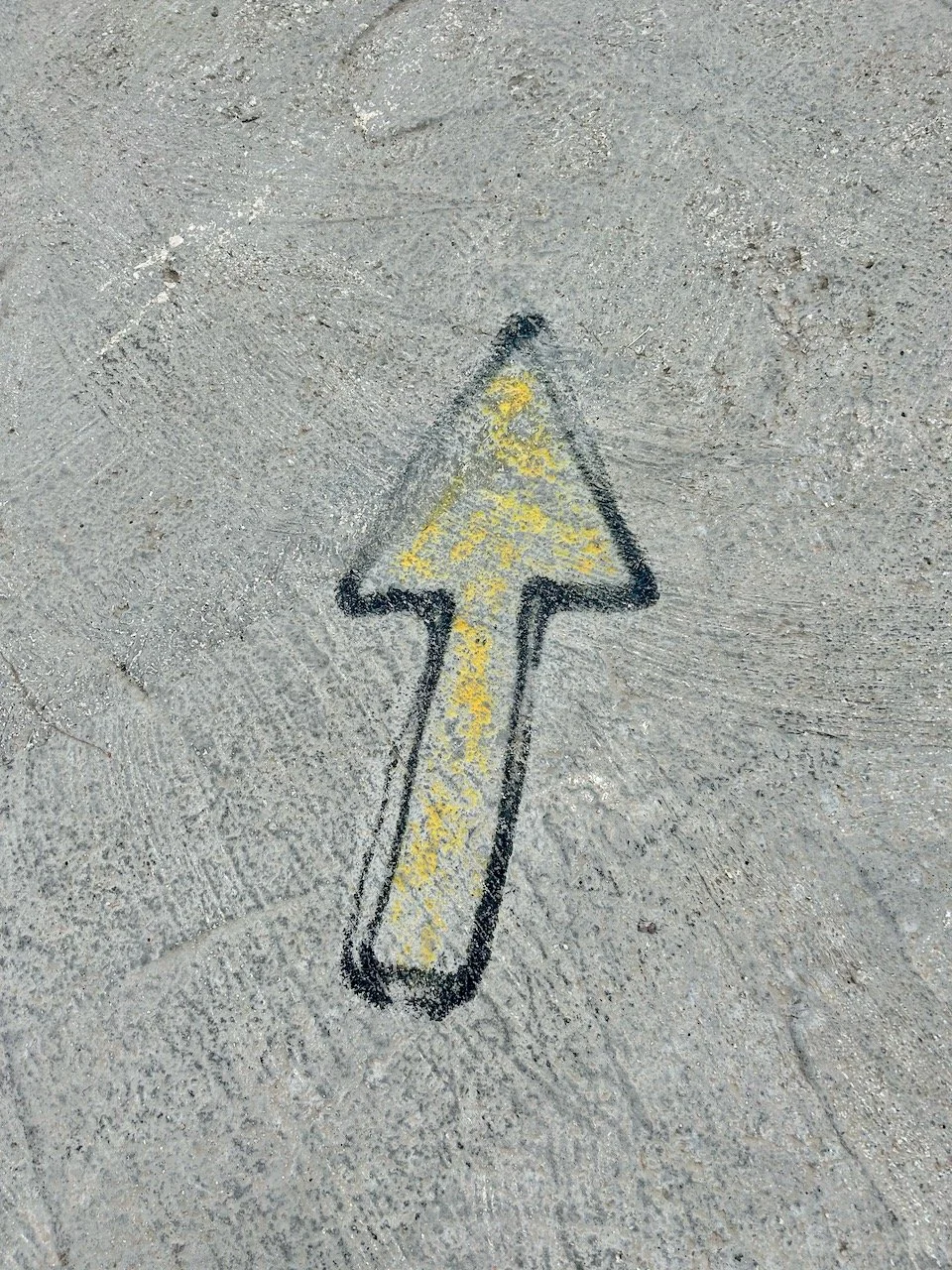
A yellow arrow edged with black pointing up - but is actually ahead, as this one was painted onto the ground

These were hard to miss, but somehow that last walk was the walk where we needed to retrace our steps - thankfully not by much though. All of the markers are much appreciated by many walkers, so this is definitely a post to celebrate the markers and those that maintain them.

Vive the way markers!