



A bargain Hyacinth

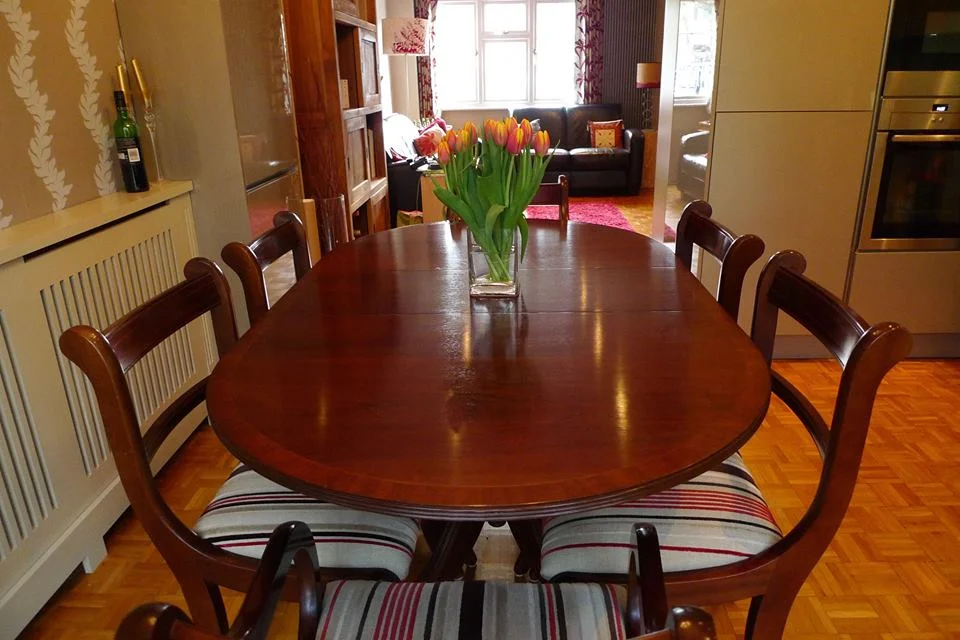
I've been seeing lots of hyacinth's around this year, and tulips too and I've been feeling as if I was missing out. I bought some tulips at the weekend - the rhubarb and custard sort, if you know what I mean. To start with one insisted on doing its own thing, but after an overnight banishment to the cooler conservatory I was pleased to see that it had righted itself.
And that was, I thought that. Tulip envy satiated.

Then on Monday, it was just too nice to sit at my desk at lunchtime so I wandered off to the local supermarket to pick up some milk. Just inside the door were trays of hyacinths, which I couldn't quite bring myself to walk past without taking a peek.

Needless to say it wasn't long before I was deciding which one I'd put in my basket. And at just £1.49 each I was wondering how many I should leave with...
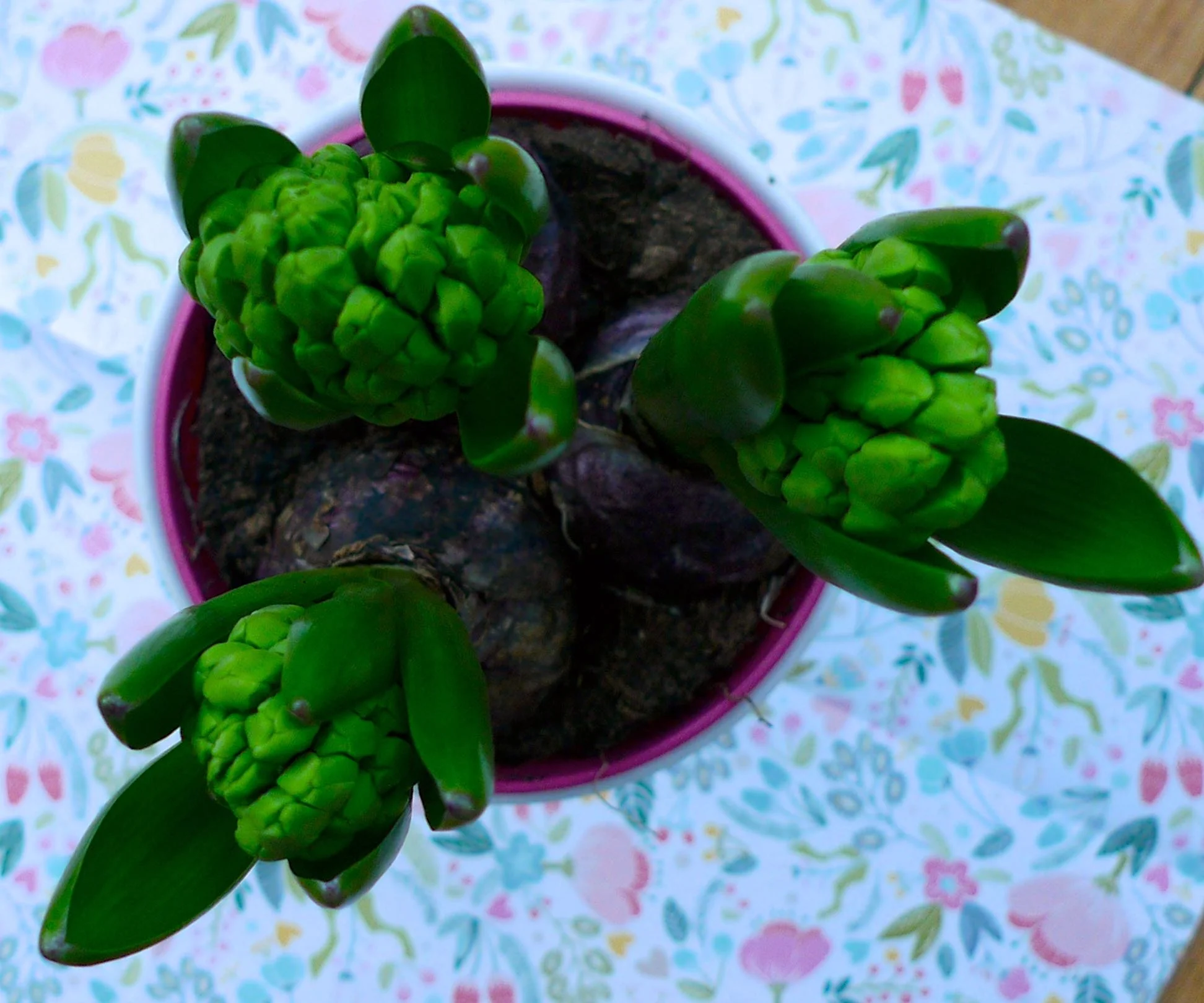
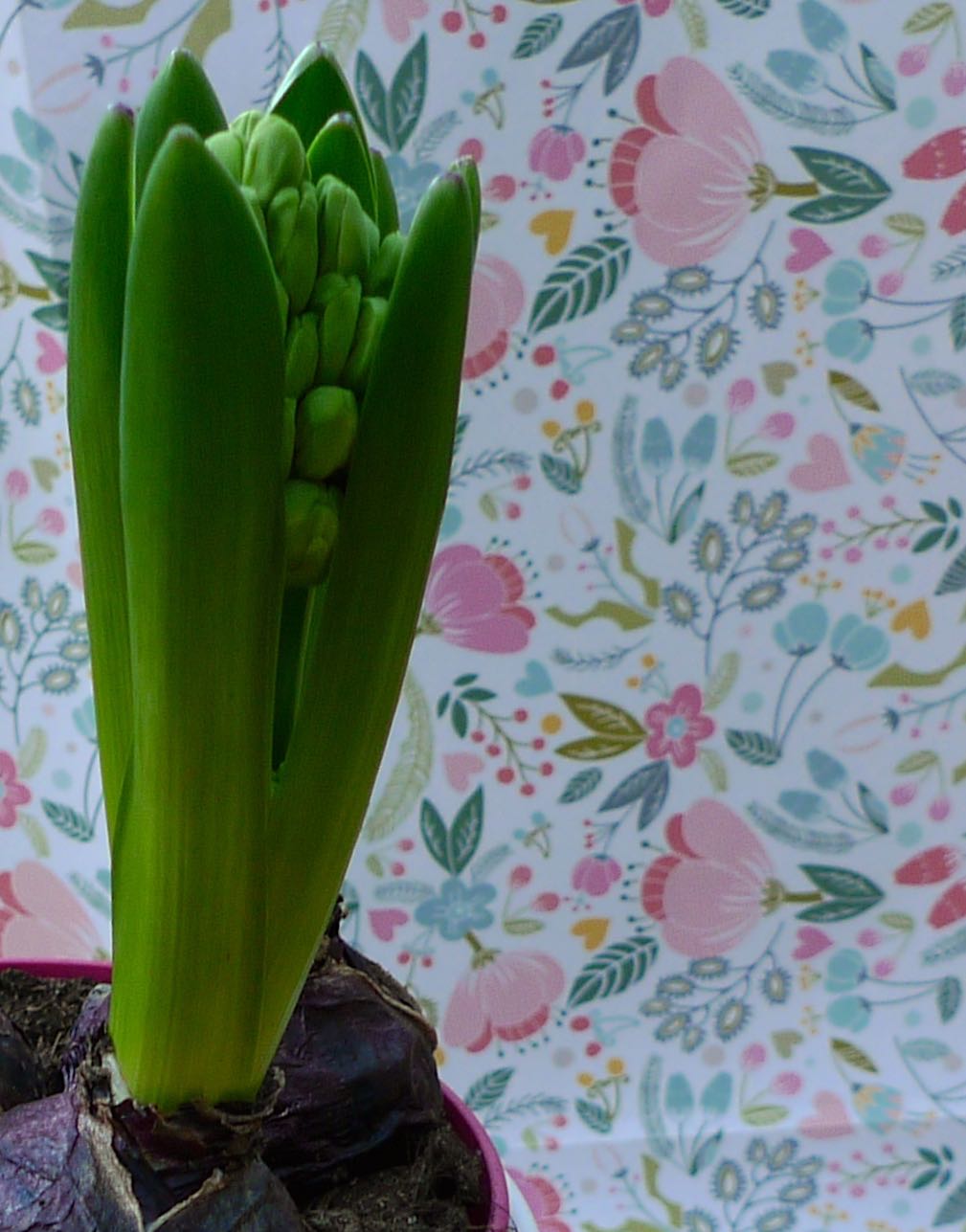
hyacinth

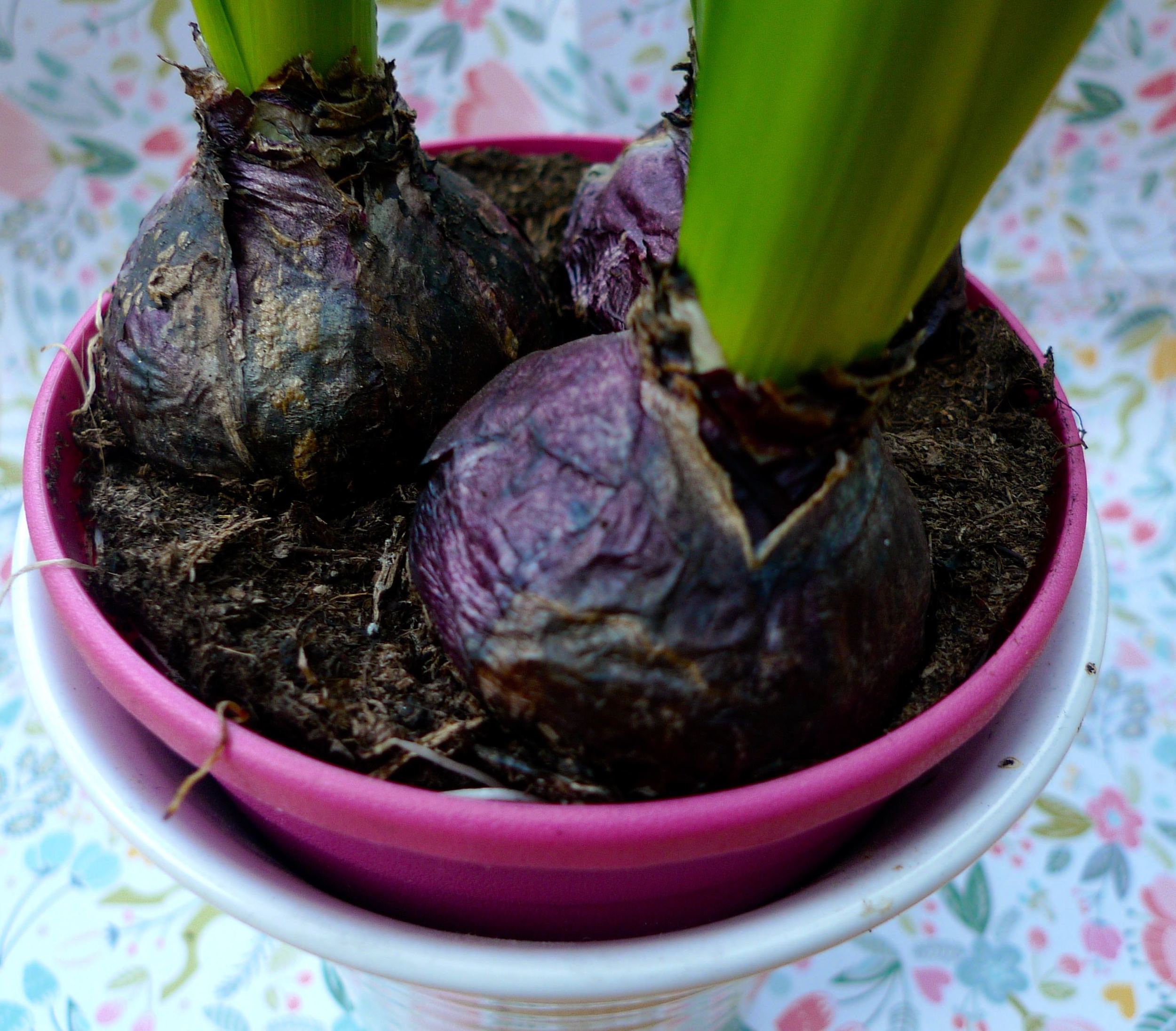
And stumped for anything garden related to write about today I managed to grab a few photos of my bargain hyacinth in the morning light before heading off to work. Imagine what a treat it was then to get home from work and have around half an hour of daylight too, not that I did anything productive with it, but it was good to see.

Spring is definitely on its way.
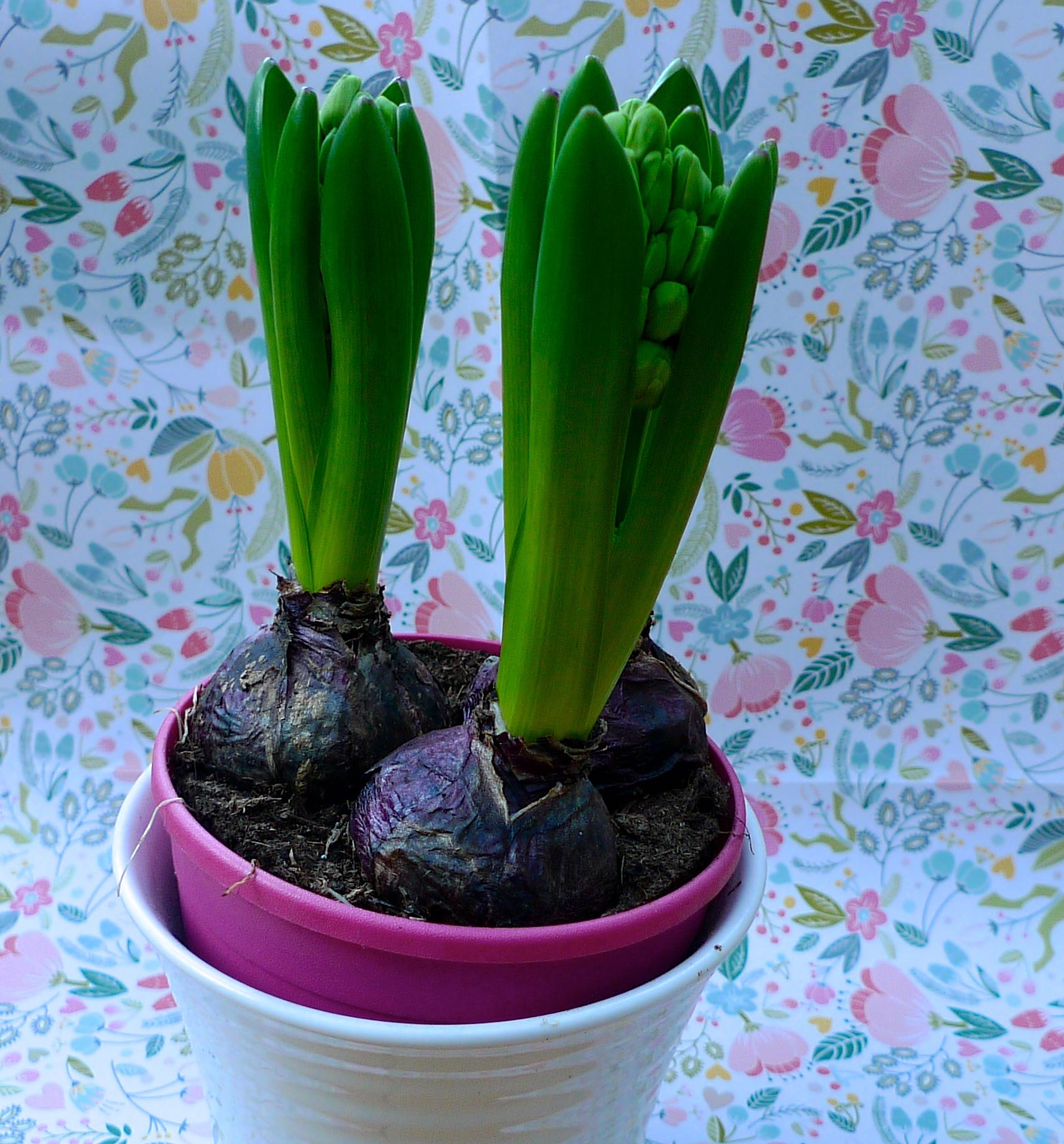
hyacinth in a pot
hyacinth
hyacinth bulbs

And in case you're wondering I did leave with just one - hopefully a pink one. Although I did consider going back the next day and buying a few more, but I've resisted so far...
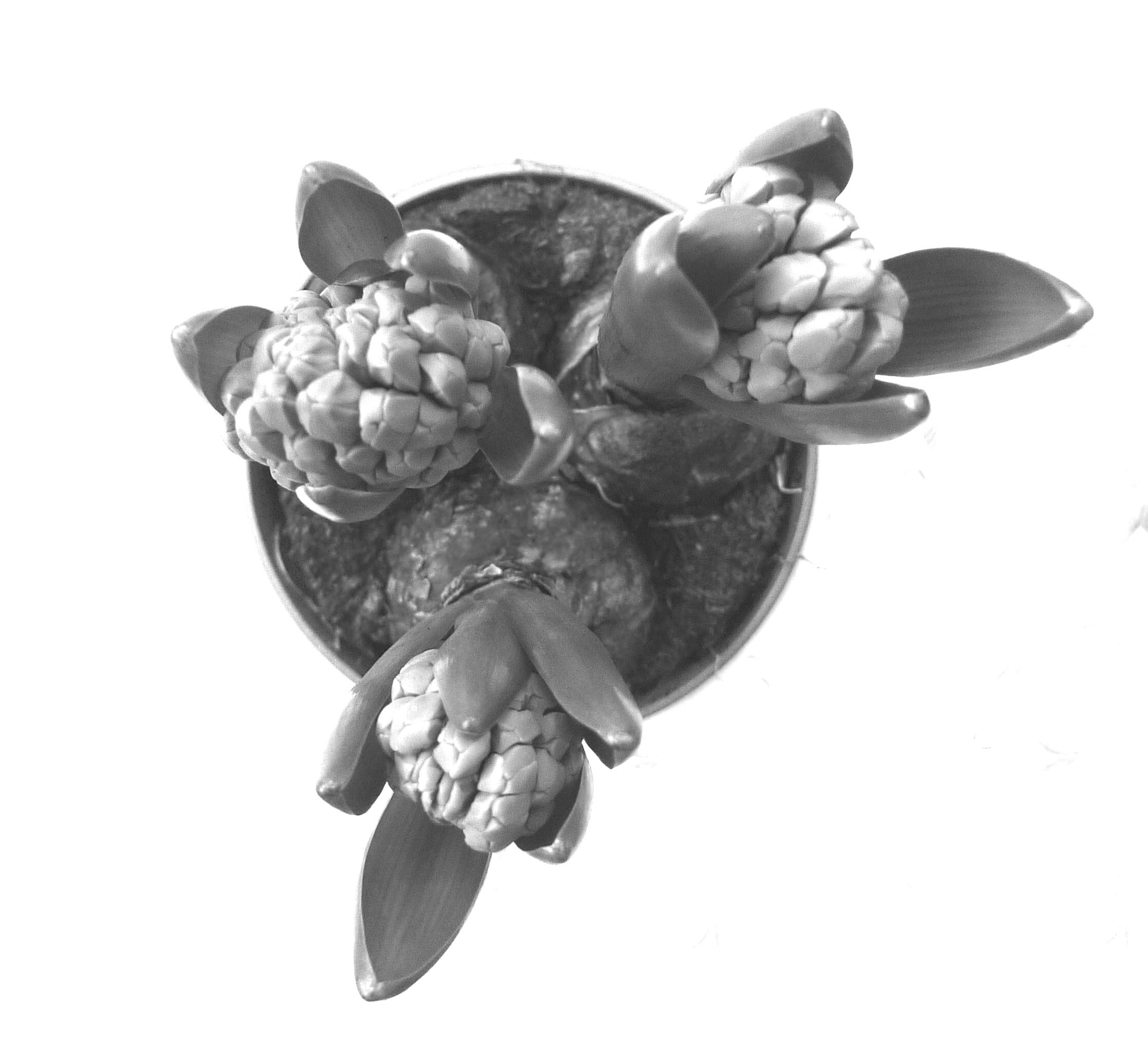
hyacinth in black and white

Getting ready for a strimming Spring

Our grass is as confused as the rest of the plants in our garden, it doesn't know whether to grow, stop or just be a muddy mess from where we don't have a path and have walked on it as we've nipped up to the shed or the greenhouse, or as I wrote about more recently to retrieve some escaping bubble wrap.

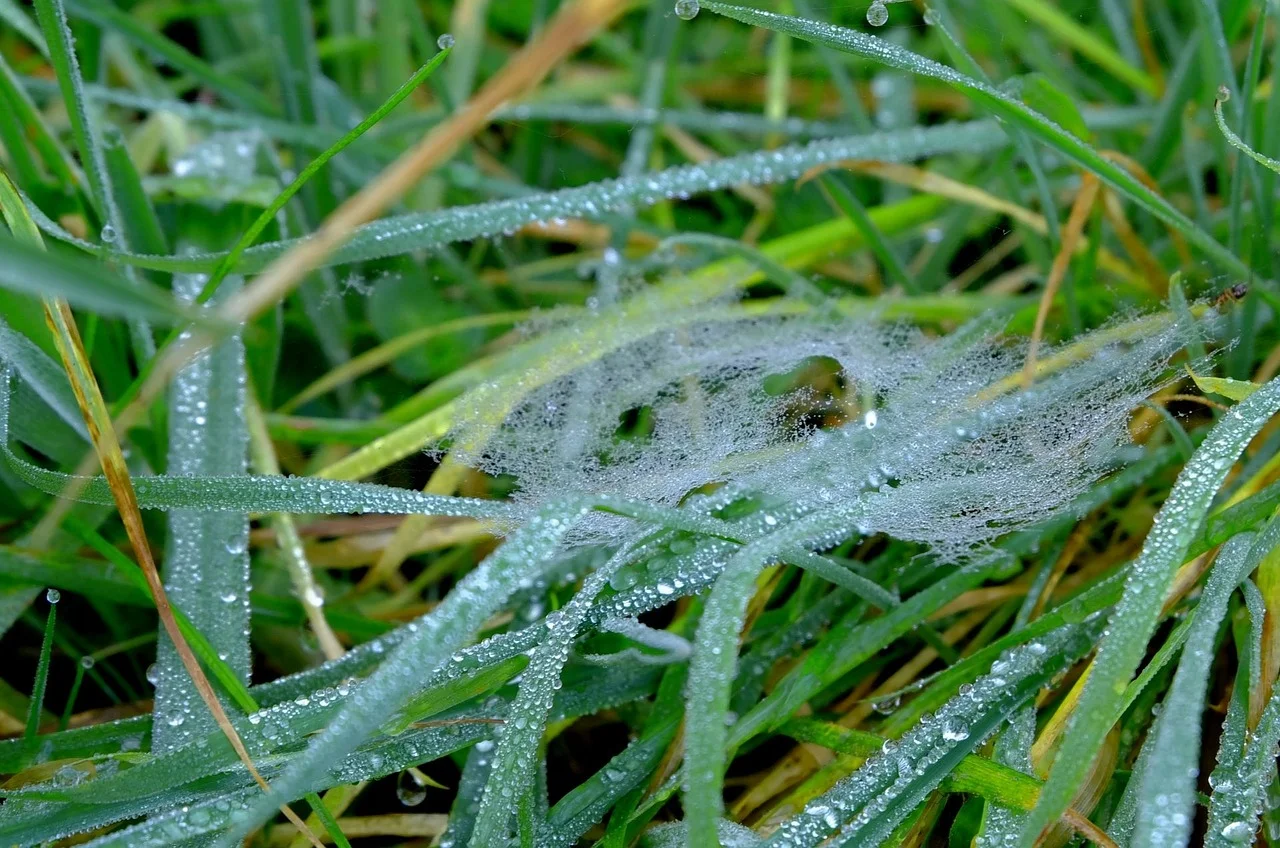
So if your grass is anything like mine, it's probably looking a bit like this, but perhaps not quite so pretty.

IMAGE SOURCE: PIXABAY

IMAGE SOURCE: PIXABAY

Checking our strimmer

Either way, pretty or not our grass is probably already too long to use the lawn mower straight away, so MOH will most likely tackle the longer parts - or the bits we haven't walked on all winter - with the strimmer first. And with it being noticeably lighter in the evenings this week - yay! - this weekend I'll be recommending that MOH checks out our strimmer to make sure it has enough line to do the whole garden in one session. There's no point in him doing half a job now is there?

In his ideal world I'm sure he'd like a petrol strimmer or a cordless one, like these strimmers on the SGS site, but in reality I think he'll be making sure our corded version is still up to the job.

Checking for wildlife

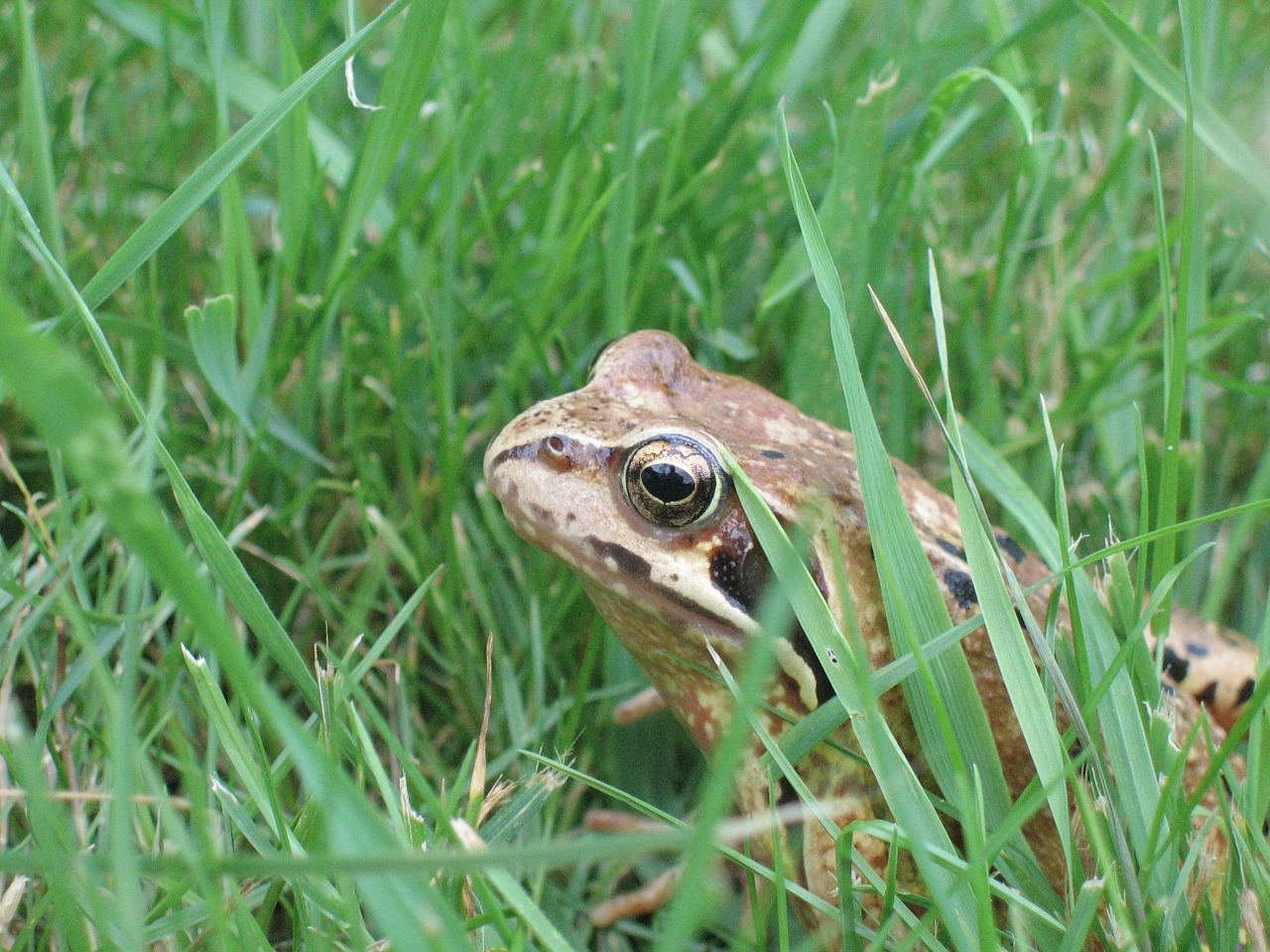
Before he starts though, we'll be checking the grass for wildlife. Although we don't have a pond in our garden, we regularly see toads in our garden and can hear them on summer evenings when they're on manoeuvres, as I call their nightly journeys to the pond next door but one (well, I assume that's where they go).

It's funny as even though I know they're there and I'm used to seeing them, every time they make me jump. I imagine they're pretty surprised to see me peering at them too though...

IMAGE SOURCE: PIXABAY

IMAGE SOURCE: PIXABAY

Here's a couple of tips for alerting your wildlife:

  1. Use a stick to rake through longer, tufty grass
  2. Walk over the area you're about to cut
  3. Cut the tuftier bits of grass with shears, in case any wildlife hadn't got the message.

I read recently that frogs and toads are more likely to be out and about after it's rained or early in the morning when the grass is damp, and that hedgehogs are more likely to be found during the day especially early or late in the year when they may be out looking for food.


So now's the time to check out your strimmer, and before you use it check your grass for any wildlife and give them a chance to move on before you start work.  What other tips do you have?

Let's talk spotlights...

We have a lot of spotlights in our home. 41 in fact.

I told you it was a lot. It's not as bad as it seems though, as the 41 are split between our main living room, kitchen, master bedroom, two bathrooms and my craft room (which MOH still refers to as our study).  

Most of them - thirty - are halogen spotlights, but the newer ones - just eleven - are LED spotlights and it's easy to tell the difference. Even for a novice spotlight spotter like me, and yes, you can still be a novice spotlight spotter with over forty in the house.

Halogen or LED?

Halogen

Halogen

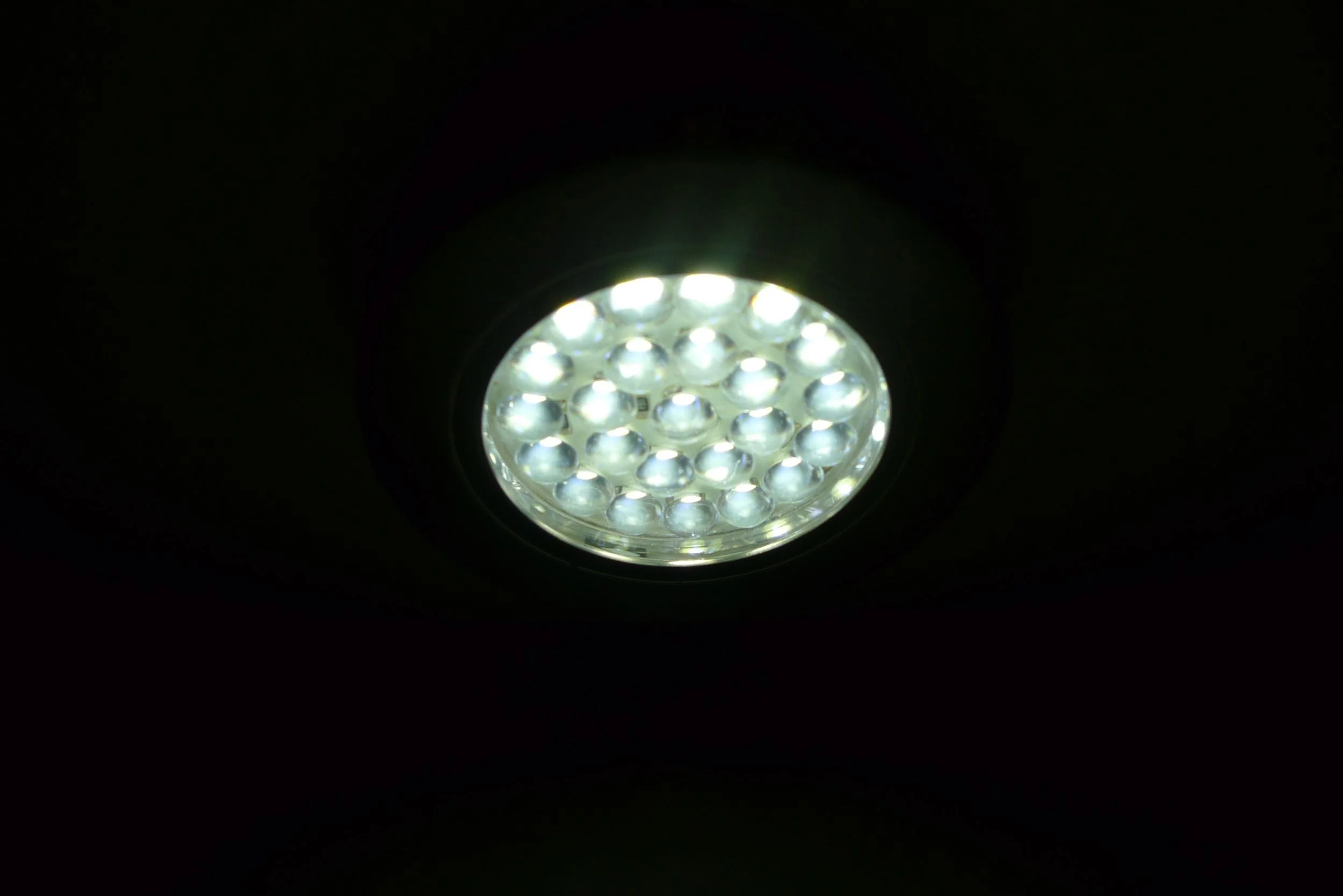
LED

LED

See - the LED spotlights on the right, are easy to identify.

Halogen

It's likely that older (but not ancient) spotlights are halogen. When we bought our house in 2002 one of the first jobs we did was to have the whole house rewired and the spotlights fitted. At that time halogen spotlights were the thing and they've served us well. 

Most of our halogen spotlights, but not all, are fitted with dimmer switches which I personally think helps their life time. Typically a halogen light would have a 2000 hour life time, and I assume this is calculated for a maximum output. I prefer a much lower level of lighting and MOH and I regularly have "discussions" about what's too bright and what's too dim, but that's a whole 'nother blog post (if I'm feeling brave enough)!  

But it means we've rarely changed a bulb in all that time, and despite what MOH may tell you we don't sit in the dark.

LED

Our newer spotlights, like these from LED Hut, are LED spotlights. We have them as downlighters to our new wardrobes in our bedroom and under-cupboard downlights in our kitchen. LED spotlights are environmentally friendly and the latest form of low energy light bulbs and easily distinguishable by their almost bobbly texture. The light too is different, some people say it's more natural looking I'd describe their light as whiter. By comparison research suggests their life time can be as much as 40,000 hours which clearly makes them extremely durable and cost efficient.

So will we swap our halogens?

In reality we won't be swapping them over wholesale until we think about changing how we light a room. But if we are adding new spotlights then, as we've already done we'll look at the newer and more efficient LED spotlights, which makes a lot of sense to me. Don't you think?

Do you have spotlights, which sort do you have?  


PS  MOH has just told me that we have another six "star lights" to add to that total of 41, so I stand corrected. We have 47!


This is a collaborative post with LED Hut, but all opinions and words are my own.