





Hedges and huts at Houghton Hall

Houghton Hall in Norfolk was built for the first British Prime Minister Sir Robert Walpole. It's Grade I listed and is a key building in the history of Palladian architecture and is surrounded by 1,000 acres and its estate borders the Sandringham estate.

We visited at the start of September and cycled there from Hunstanton and eventually got there after a bit of drama (more on the drama here) It was a beautiful day, once the downpour happened and we'd dried out. And it's an impressive looking country house. There's plenty to do there and we hardly scratched the surface so I can see it being somewhere we'll go back to.

In this post I'm focusing on just part of what we saw, the hedges and huts. Yes there's a lot of H's at Houghton Hall.

As we walked through the grounds we saw this sign. Hmmmnnn.
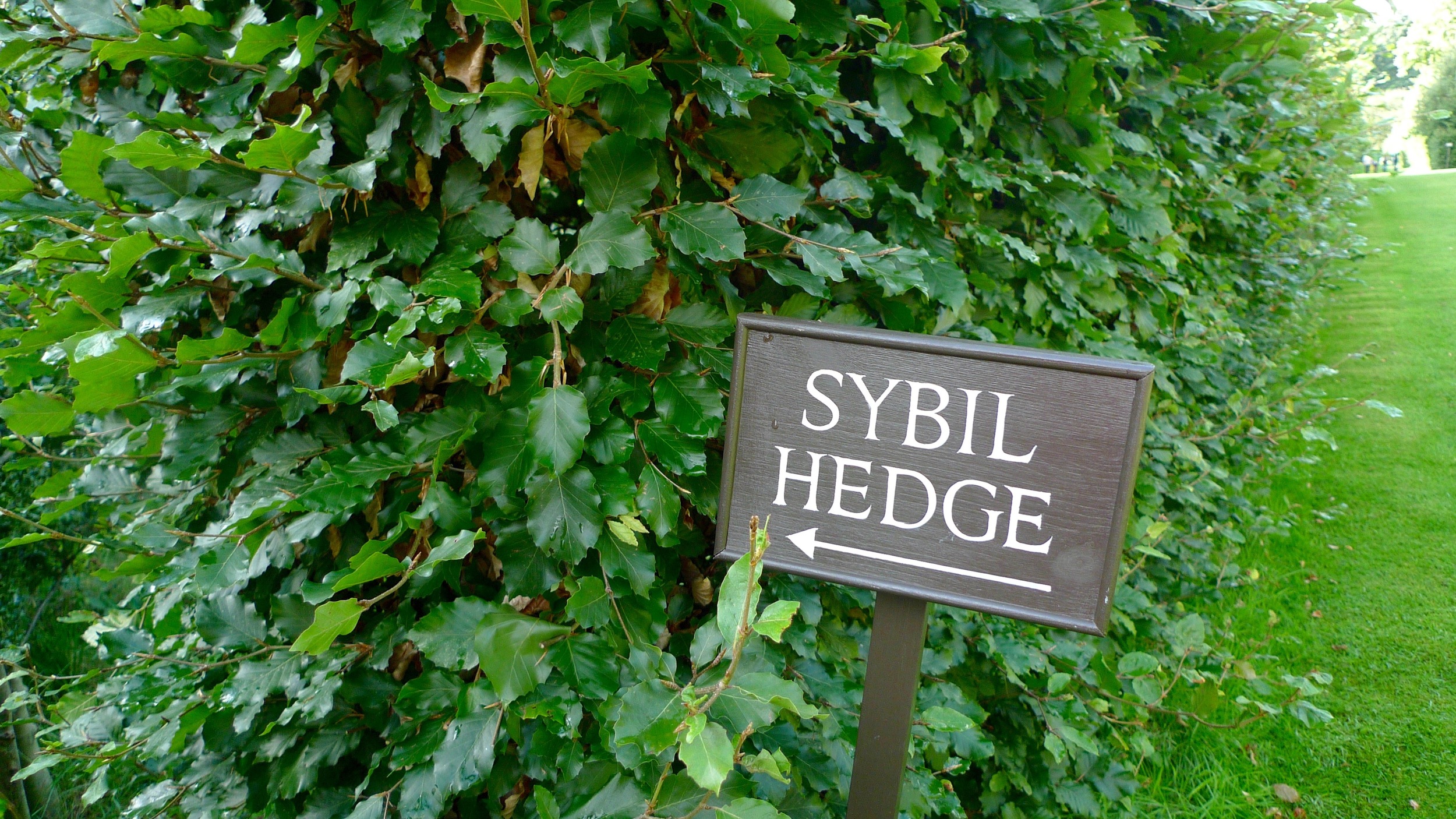
And not knowing what to expect, we headed in and found ourselves on this path.
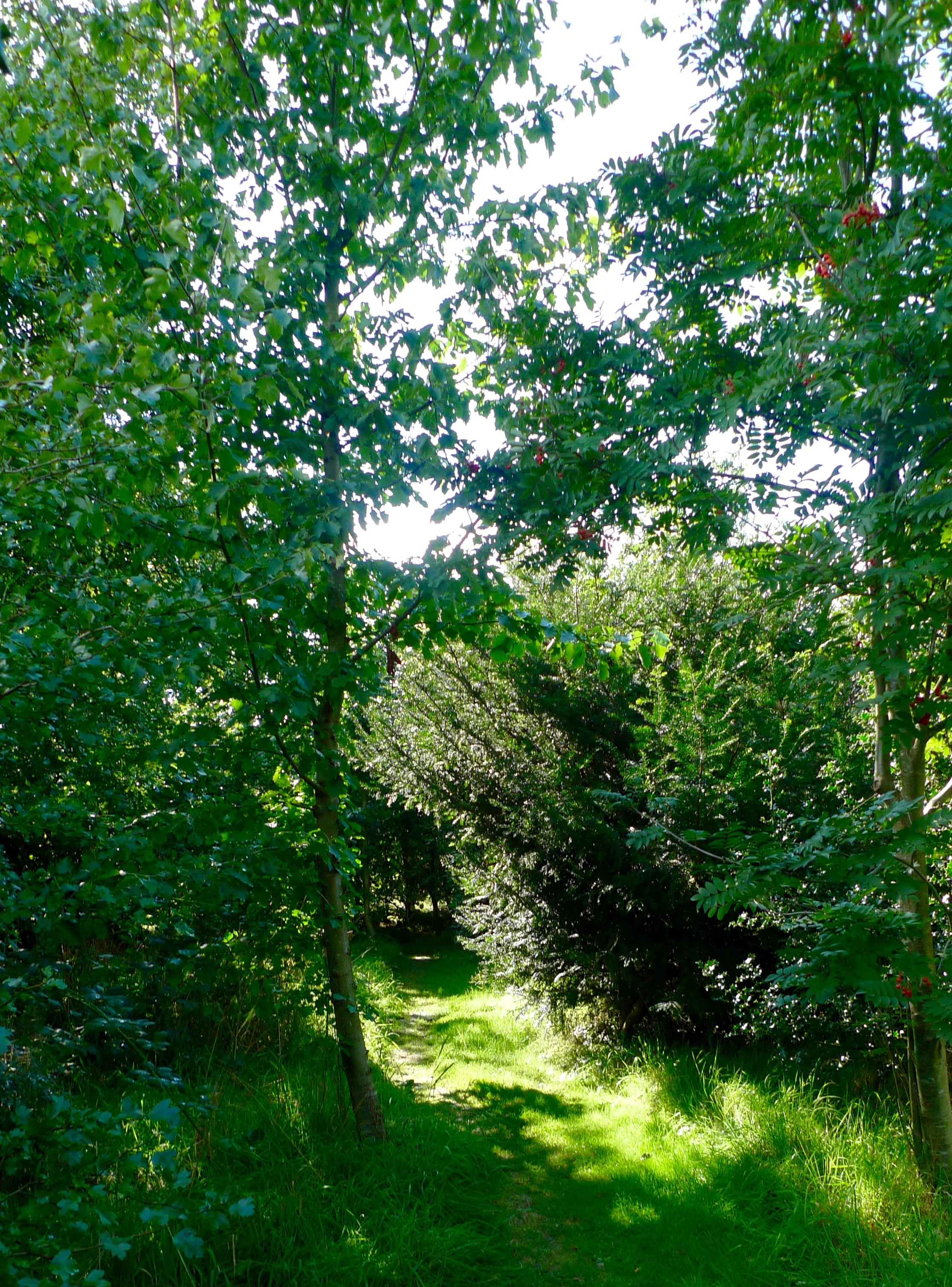
As we turned the corner we saw this redder hedge. Assuming this hedge was called Sybil (like you do!) we explored further.

We worked out it was an S, but it's only when I looked on the internet that I saw it's a hedge that spells Sybil. My first thoughts weren't that far off after all.

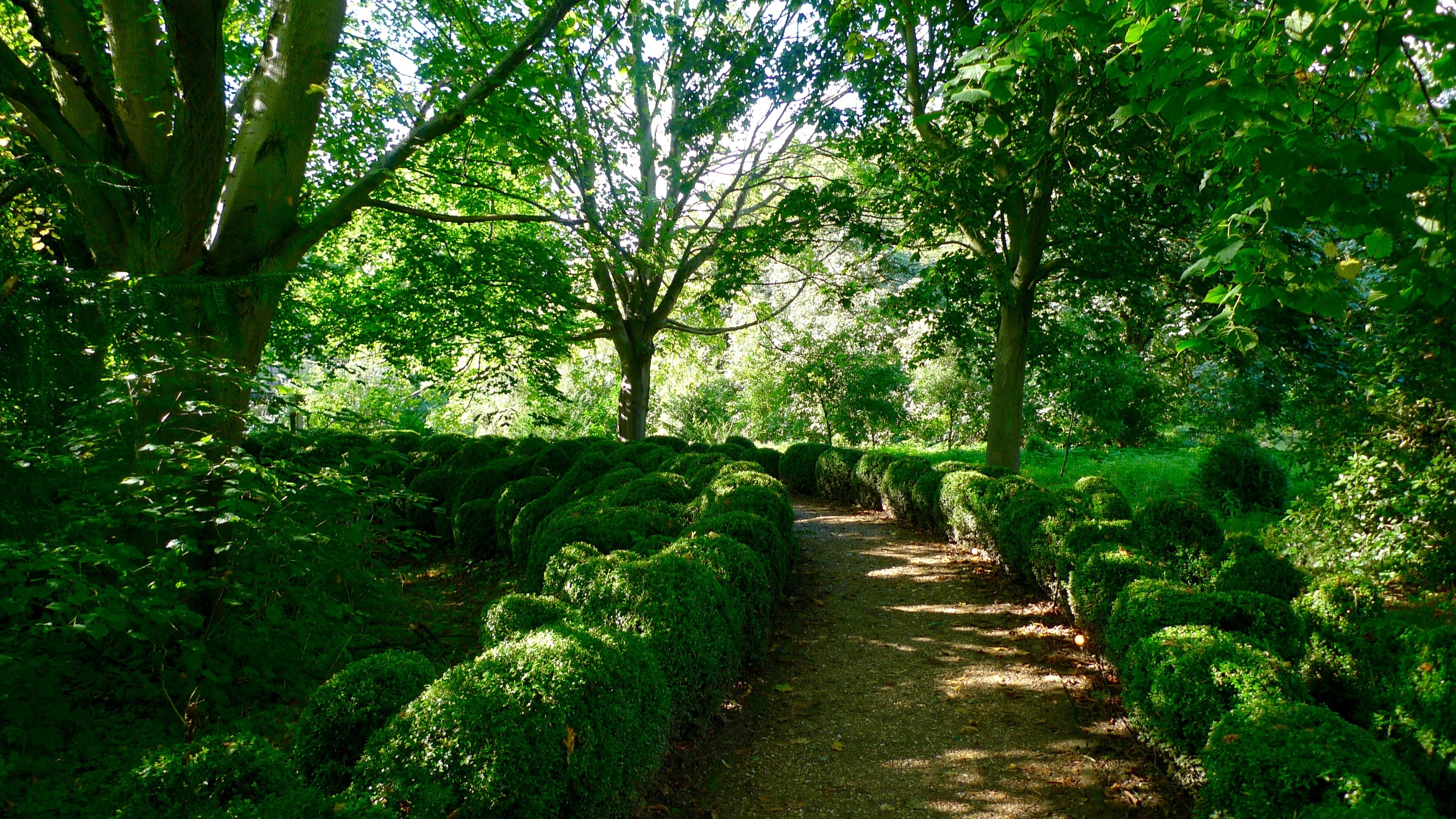
We returned to the grassy walkway encased with hedges and headed towards the Skyspace installation.  The path that led us there was edged with box hedges that merged into each other like bubbles.
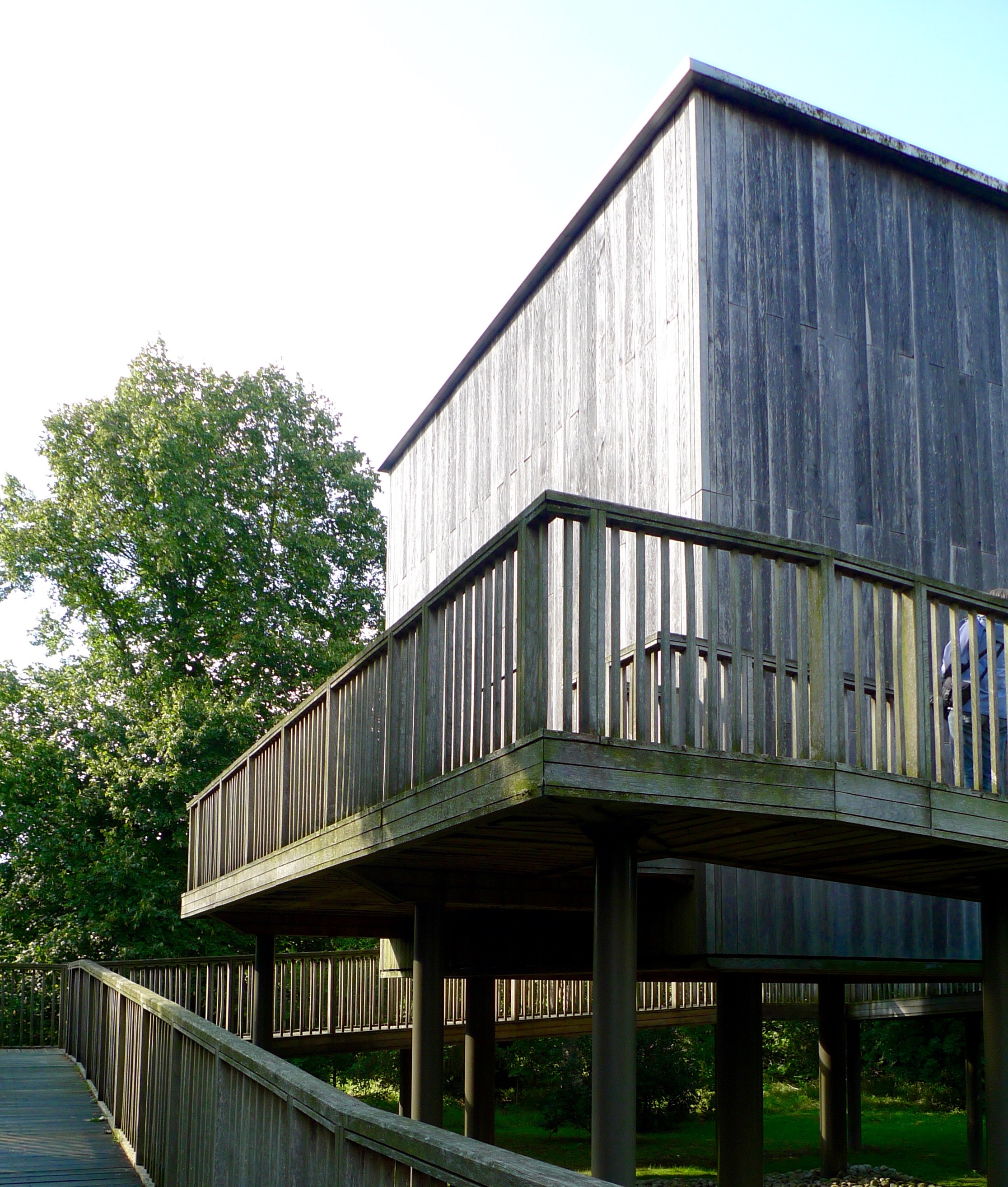
At the end of the path, there was this very large hut with a walkway around it. So off we went.

At the top there was a doorway on its own. So in we went. 
We weren't sure what to expect, but I don't think either of us expected this.

It had the sky framed perfectly. We stood there for a while just watching and wondering. Then we realise there was still so much more to see and hurried off.

This was the view along the hedged, grassy path. It was unusual, but really did lead you along.

It wasn't long though before we saw another sign and headed off towards another hut.

And sure enough, there was the hut. 

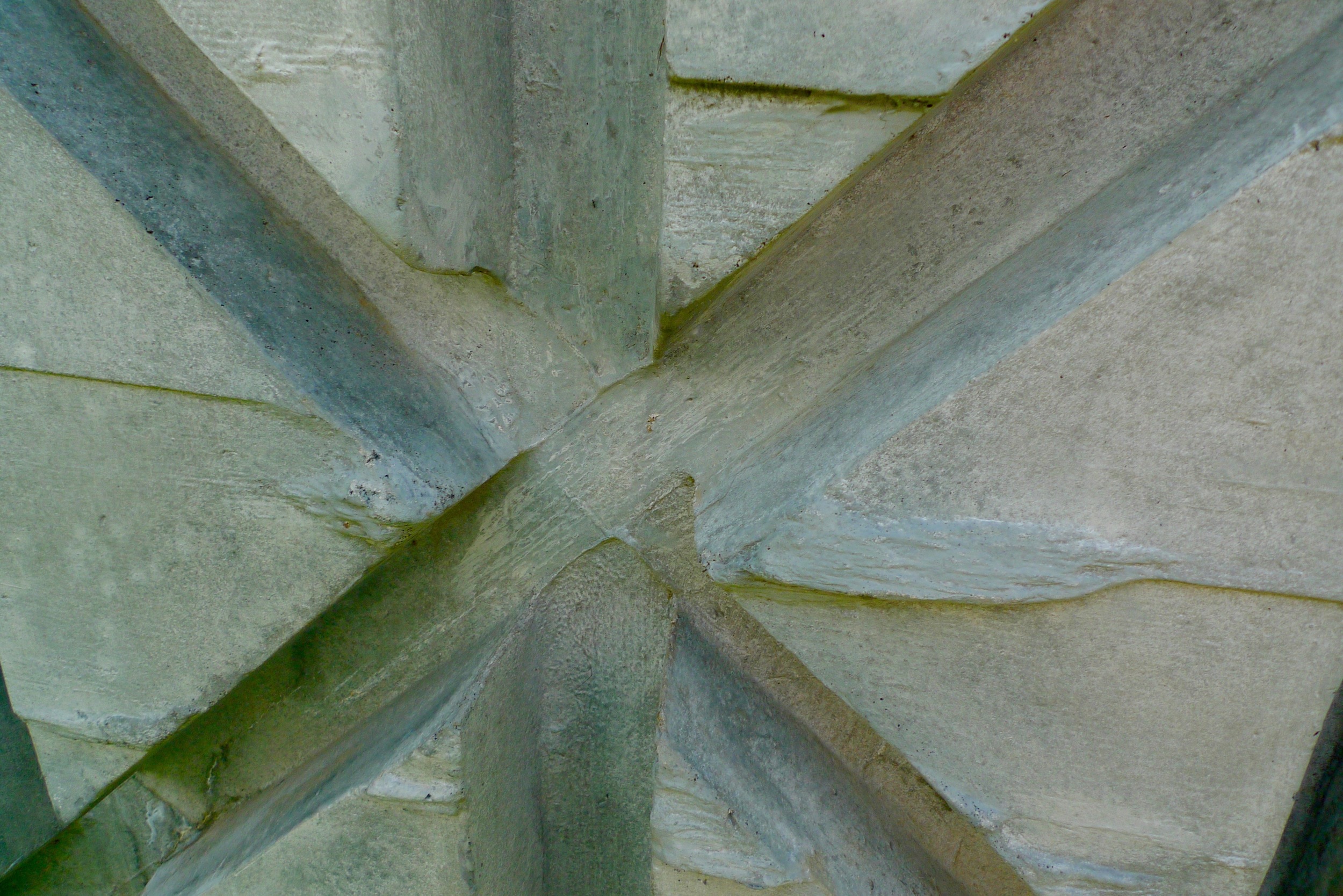
It looked like a normal garden shed and totally out of place in such a grand estate. But closer up, it wasn't quite what it seemed.

It wasn't wood at all, but what I think is concrete - I haven't found out much more about it yet. To me, it looks as if a shed has been filled with the stuff and then removed to leave the hut - what do you think?
Either way, this part of Houghton Hall - part of the Sculpture Park - was interesting, thought inspiring and most unexpected. It was somewhere that brought a smile to my face, and there was lots more to see before cycling back - but I'll save that for another day.

Mammasaurus


Our World Tuesday

The RSPB Reserve at Titchwell

I've already shared the walk to the beach along the West Bank path, and the beach so I thought it was time to share more from the actual RSPB Reserve, where my dad volunteers each week.

As we headed back from the beach, guess what we saw?

RSPBTitchwellNorfolk.jpg

Yes, I know I shouldn't have been surprised to see a bird given where I was, but it was the first one I'd seen.  And as I tried to get closer he hopped off over the bank on the right and scuppered that plan.

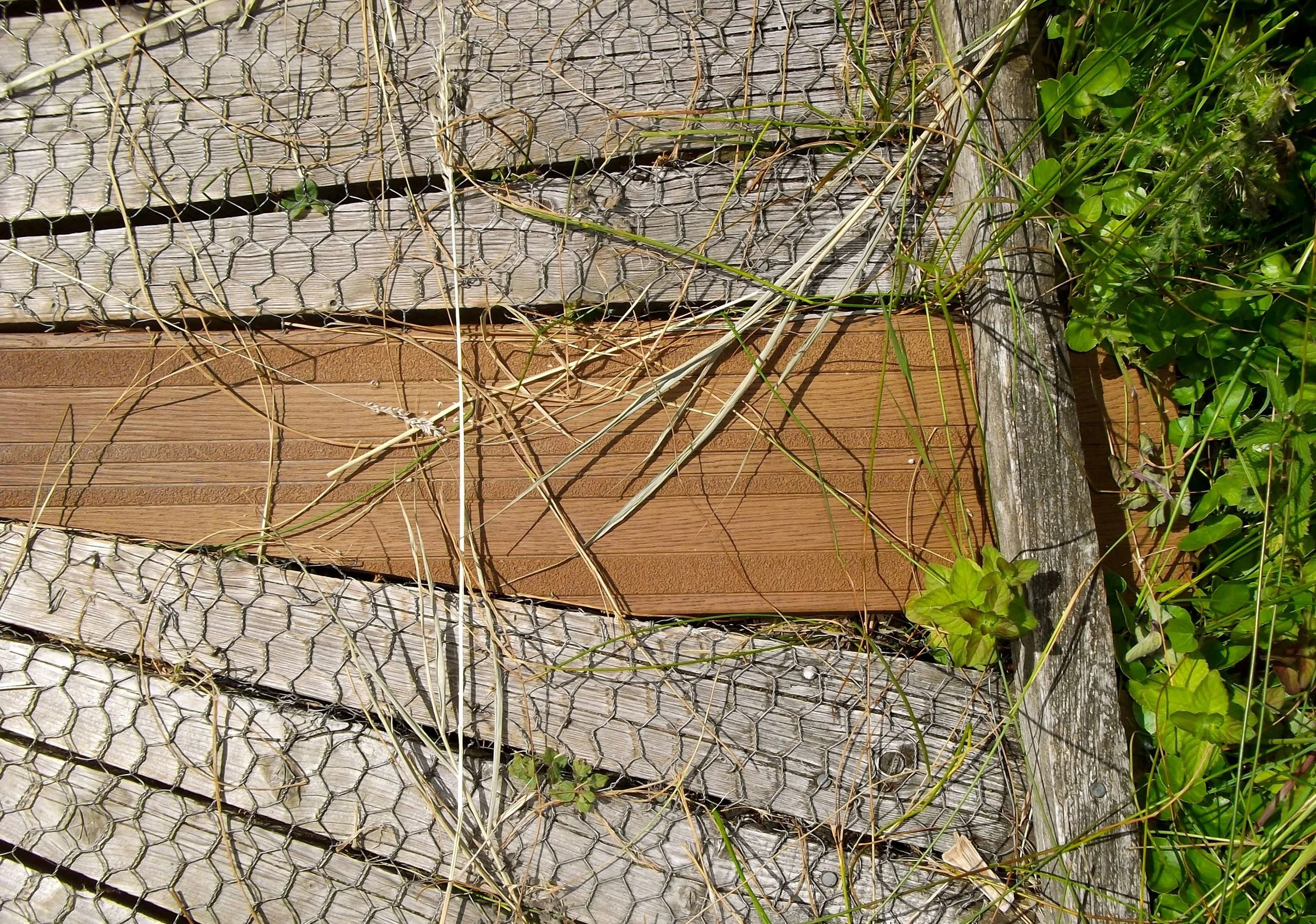
Having walked back inland we took a left instead and headed off around the Meadow trail on the boardwalk. The older wooden boardwalk is gradually being replaced with a plastic kind of boardwalk, made from used carrier bags - which sounds like a great use for them to me.

NEW AND OLD BOARDWALK

NEW AND OLD BOARDWALK

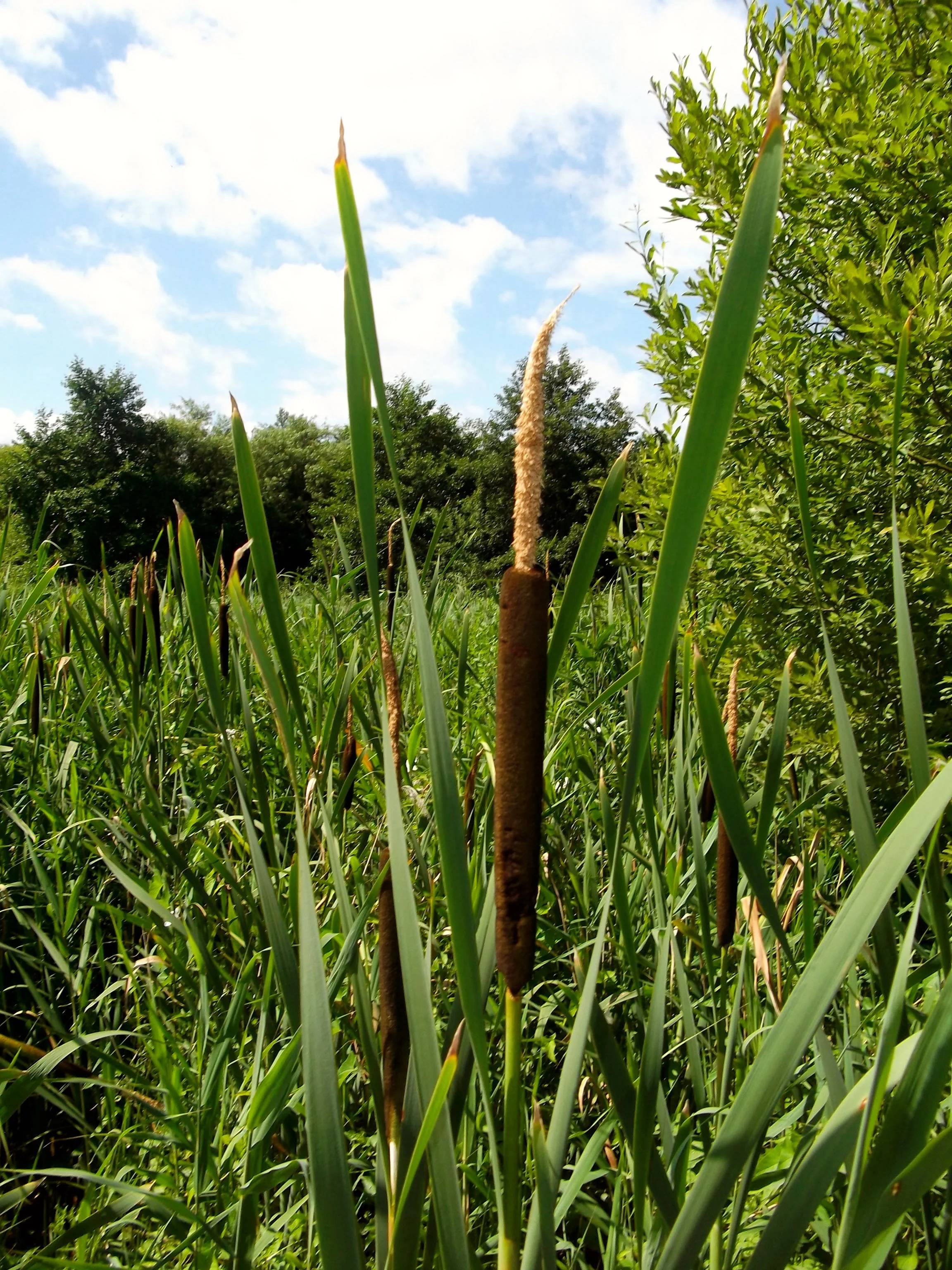
We were back up near the Reed beds and that meant I could snap some pictures of the bullrushes close up.

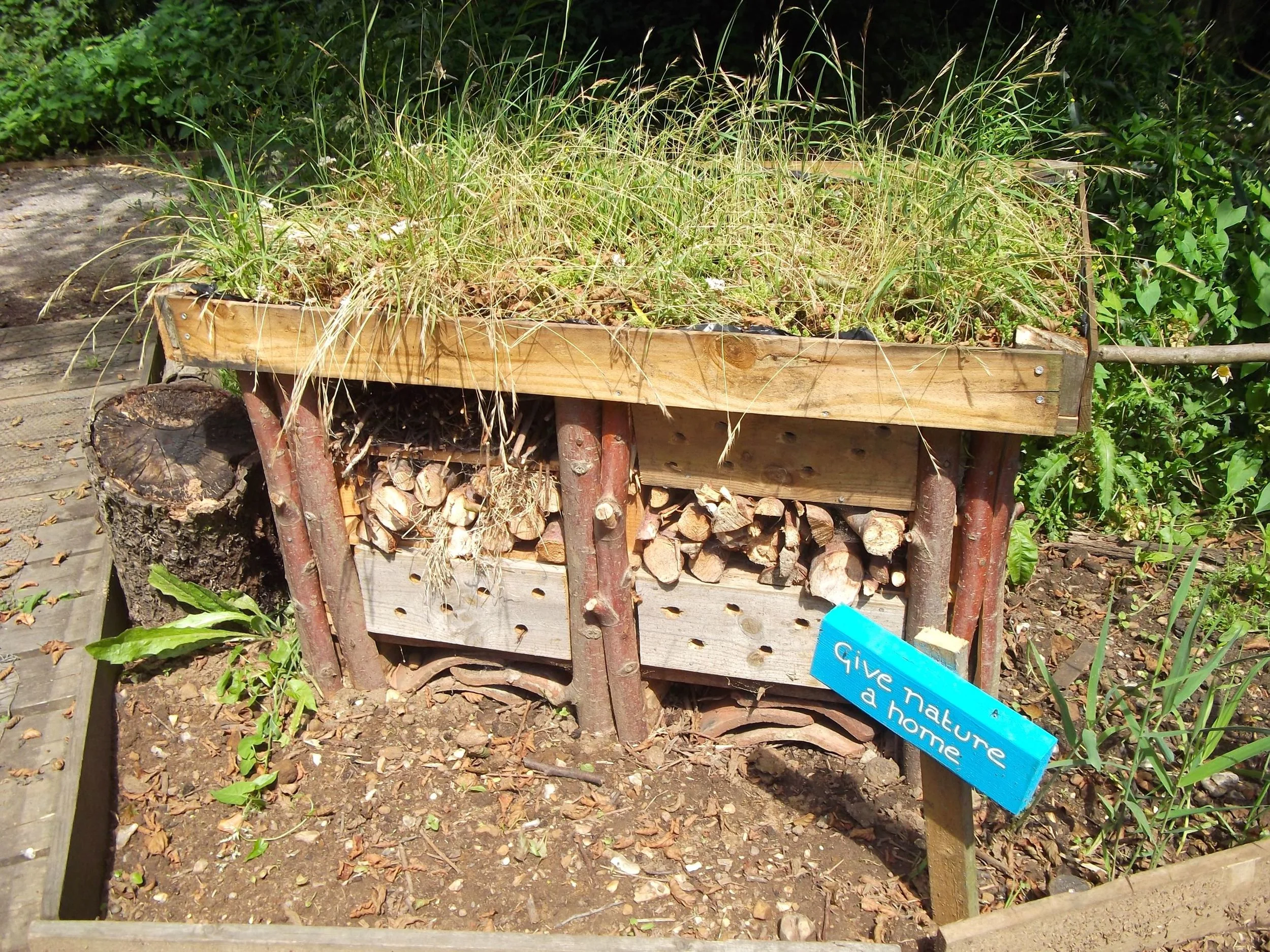
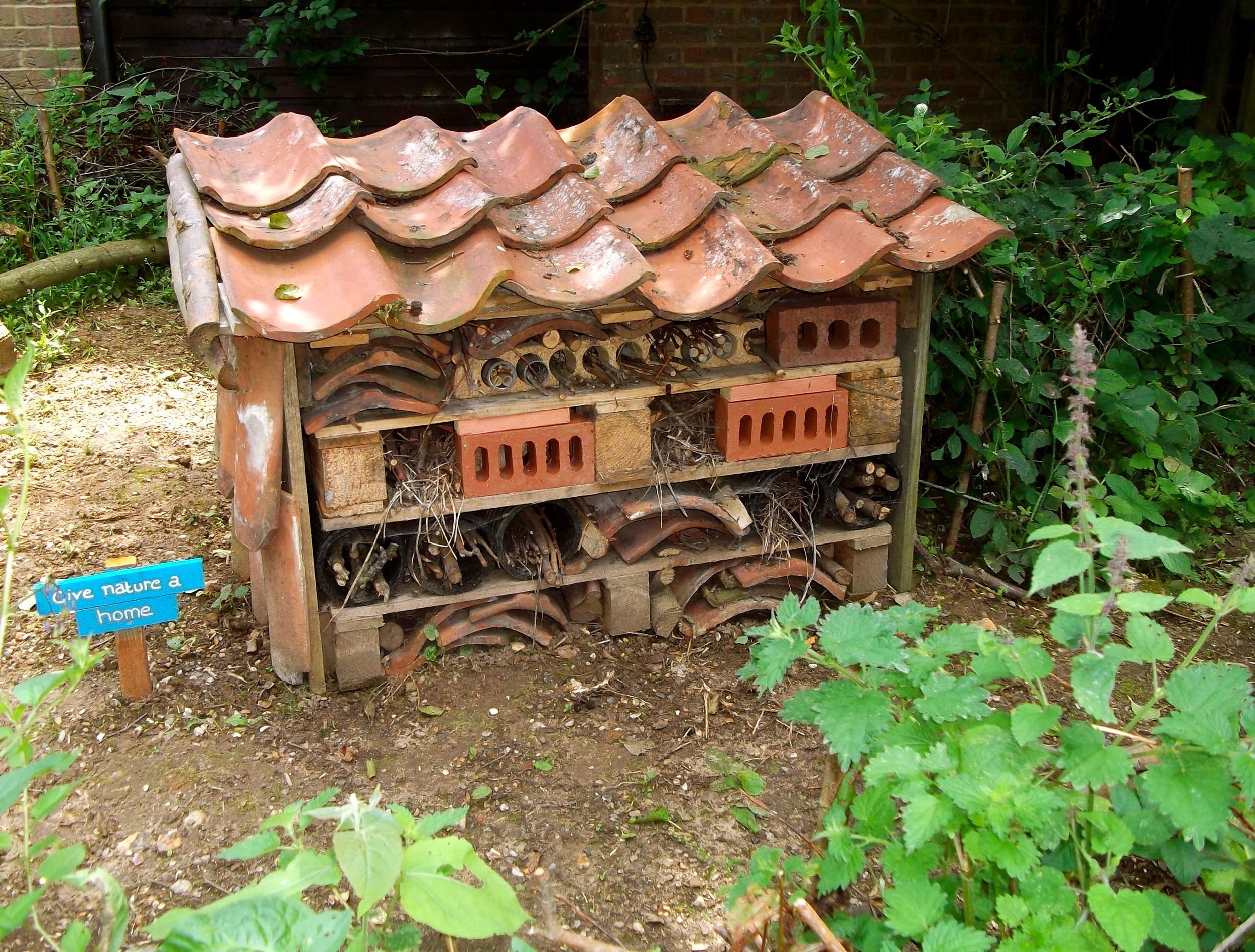
As we got closer to the visitor centre there were plenty of examples of how to give nature a home, which coincidentally (or not) is one of the RSPB's campaigns. You can see how you can give nature a home in your garden too.

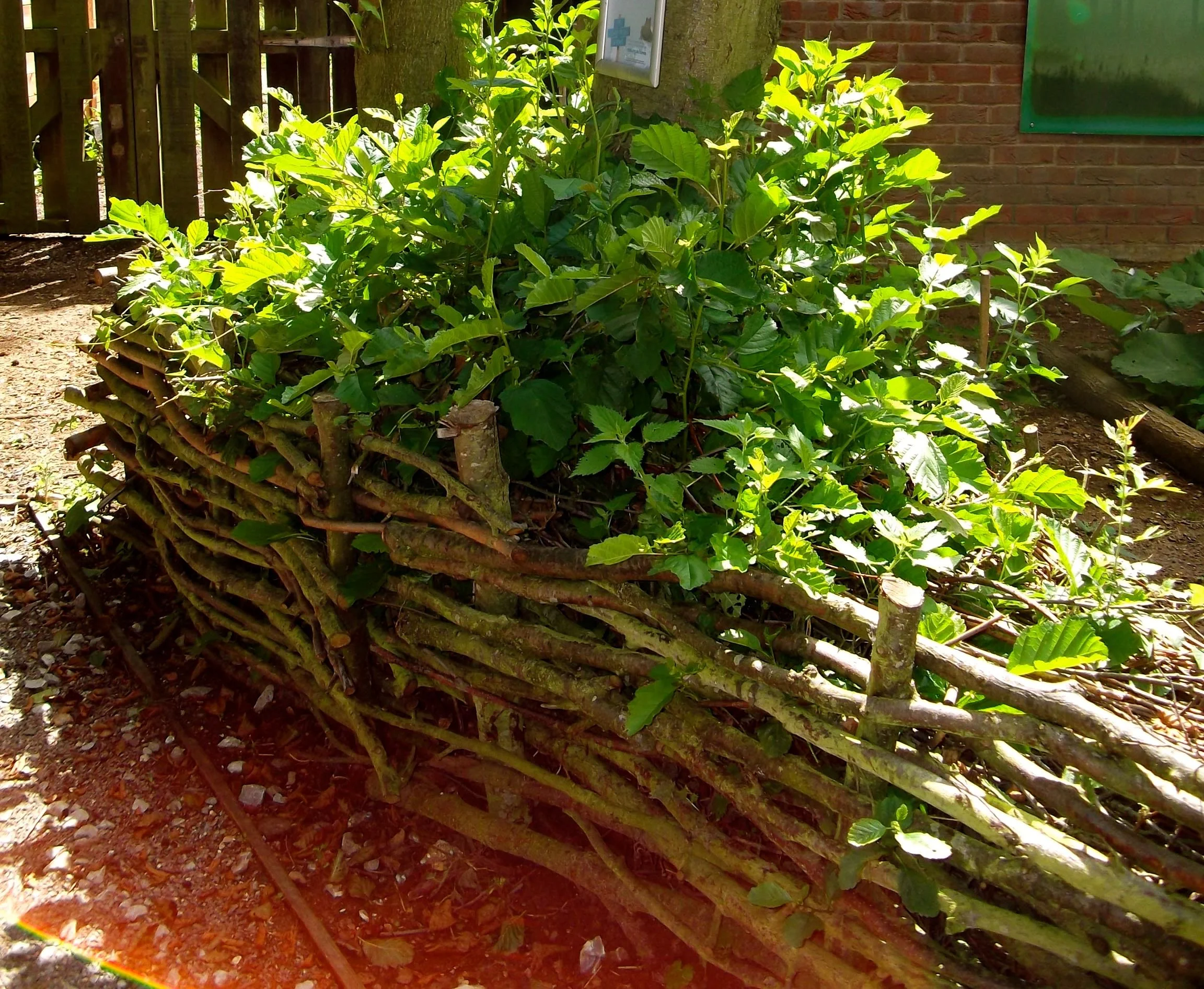
Below is a dead hedge for wildlife, and if you want to make one at home you can use cut branches and stems which make a great habitat for insects, small mammals and roosting birds. And you can make one in three easy steps:

  1. Knock some uprights into the ground in two staggered rows
  2. Lay the smaller branches or pruning sideways on top of each other, alternating in front and behind the uprights in the ground
  3. Fill any gaps with leaves, then pile on the rest of the stems - and top it up throughout the year.

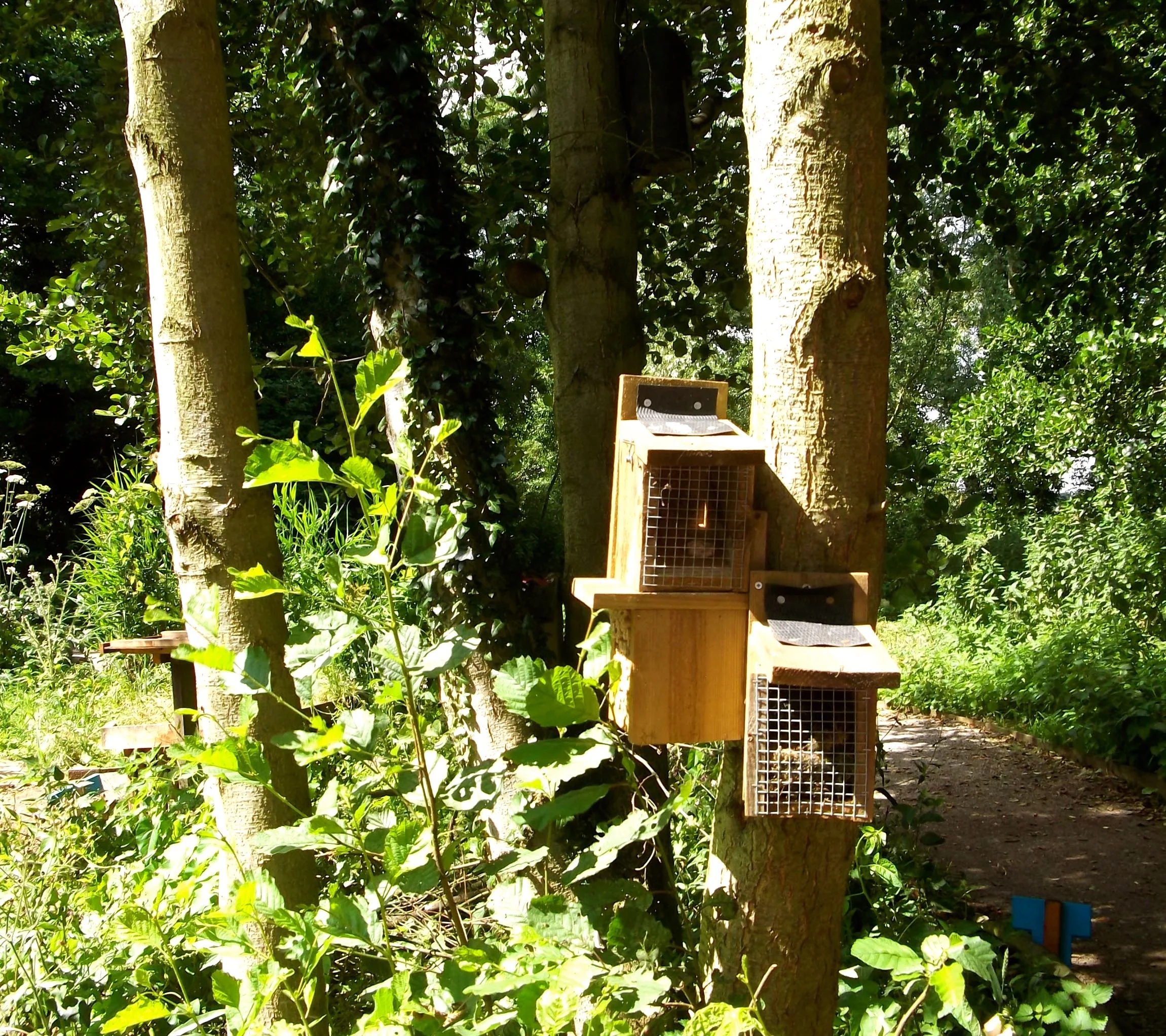
And there were a couple of bug hotels too - I've still not got around to making mine, but it's still on my garden to do list (along with many other things!)

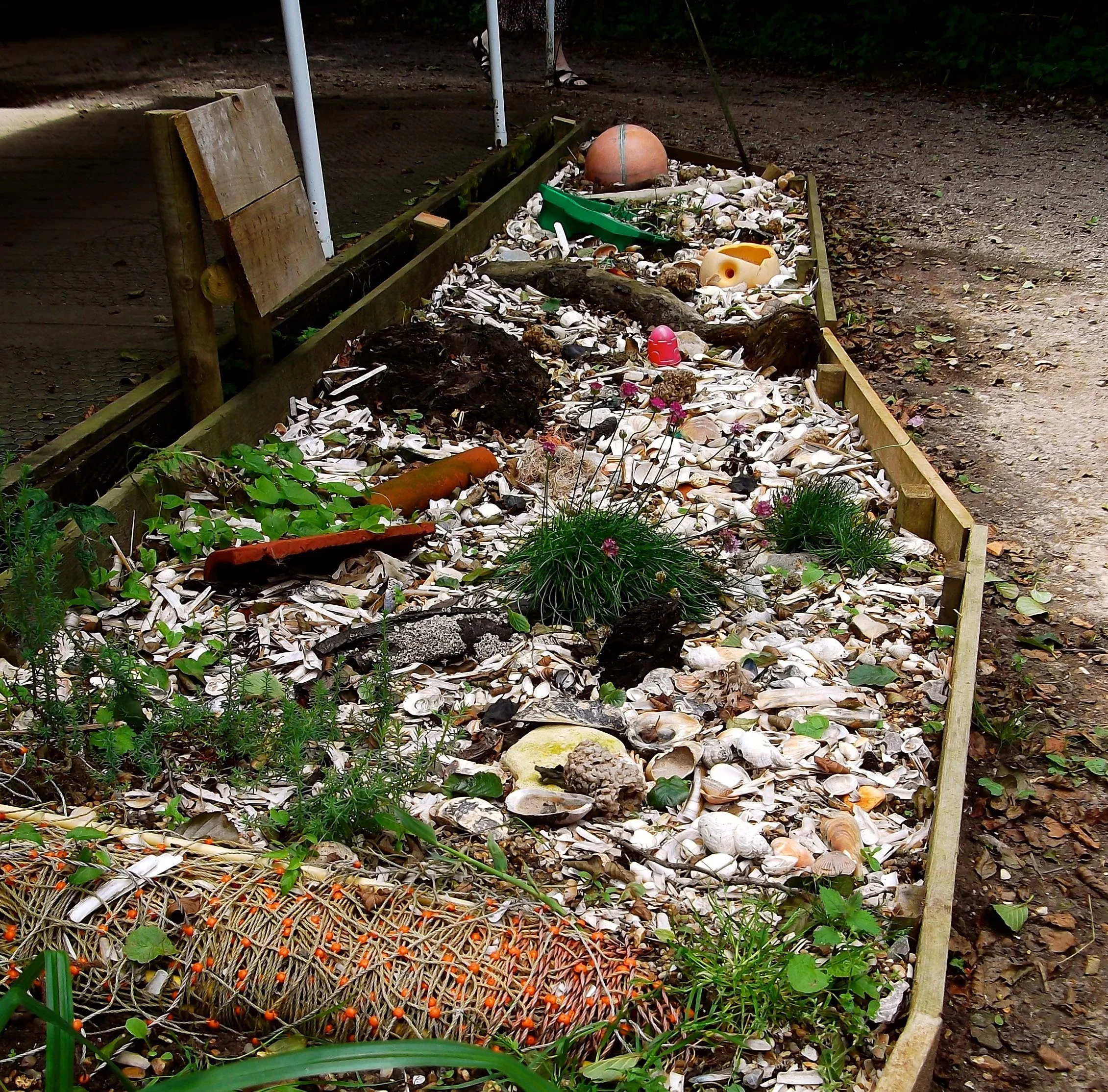
The next area was full of shells and represents the sea bed, which given we're so close makes sense. 

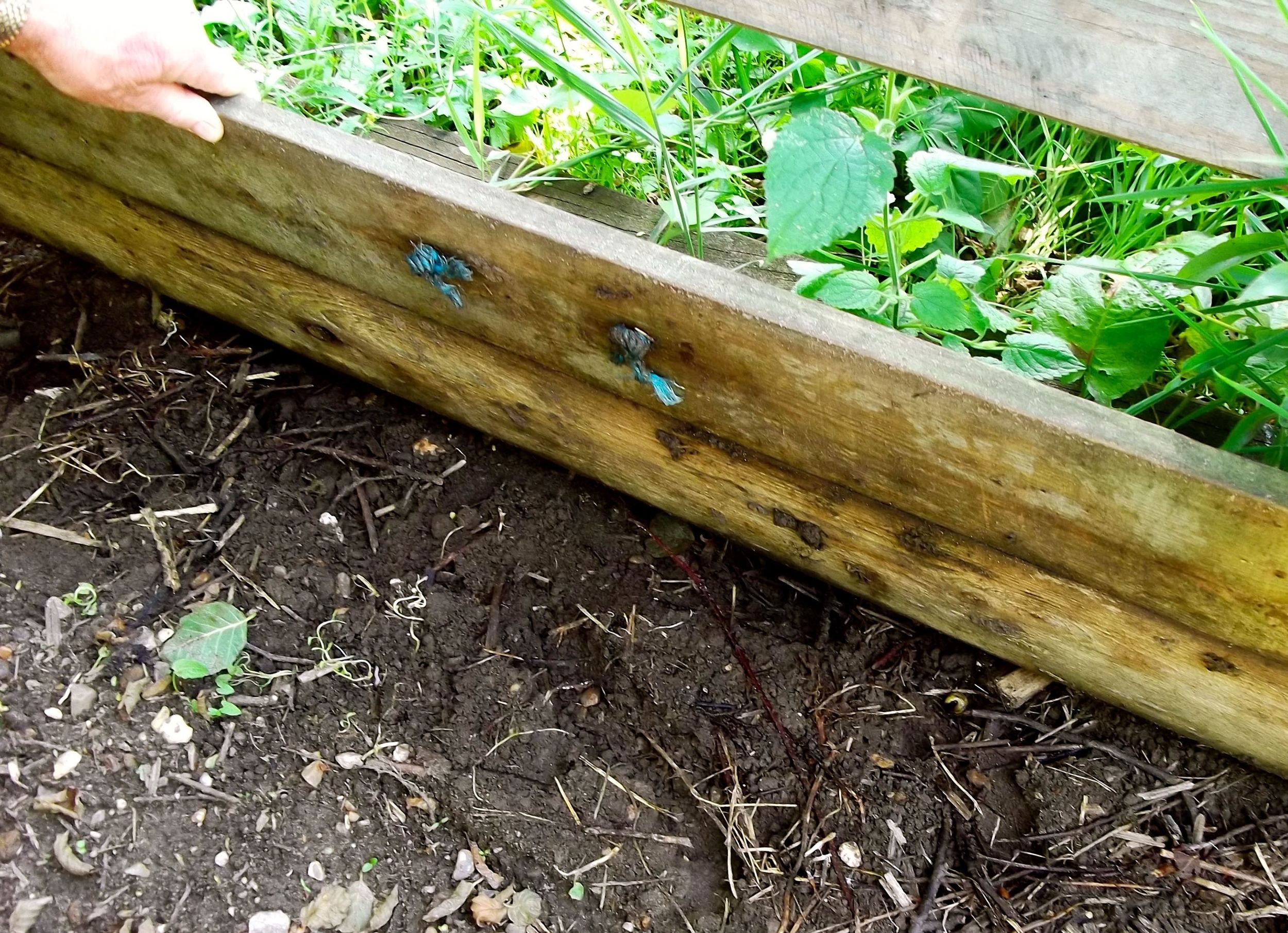
The volunteers maintain this garden and there's plenty to keep everyone interested, and you can lift planks up to see what wildlife is underneath - I delegated that part to my dad!

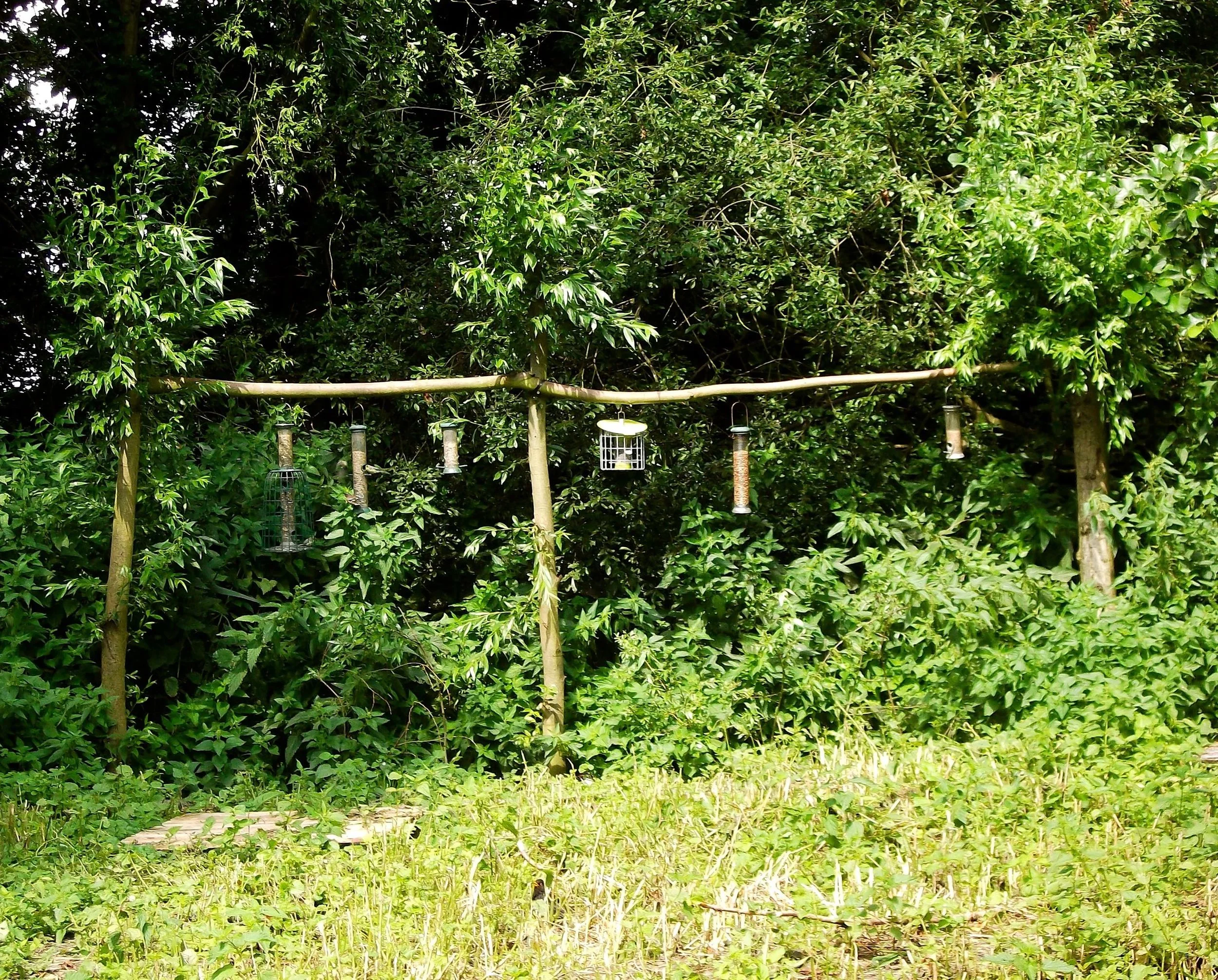
Opposite the visitors centre is an elaborate bird feeding station, well what else would you expect? I suspect for the local bird population it's the equivalent of a Michelin starred restaurant!

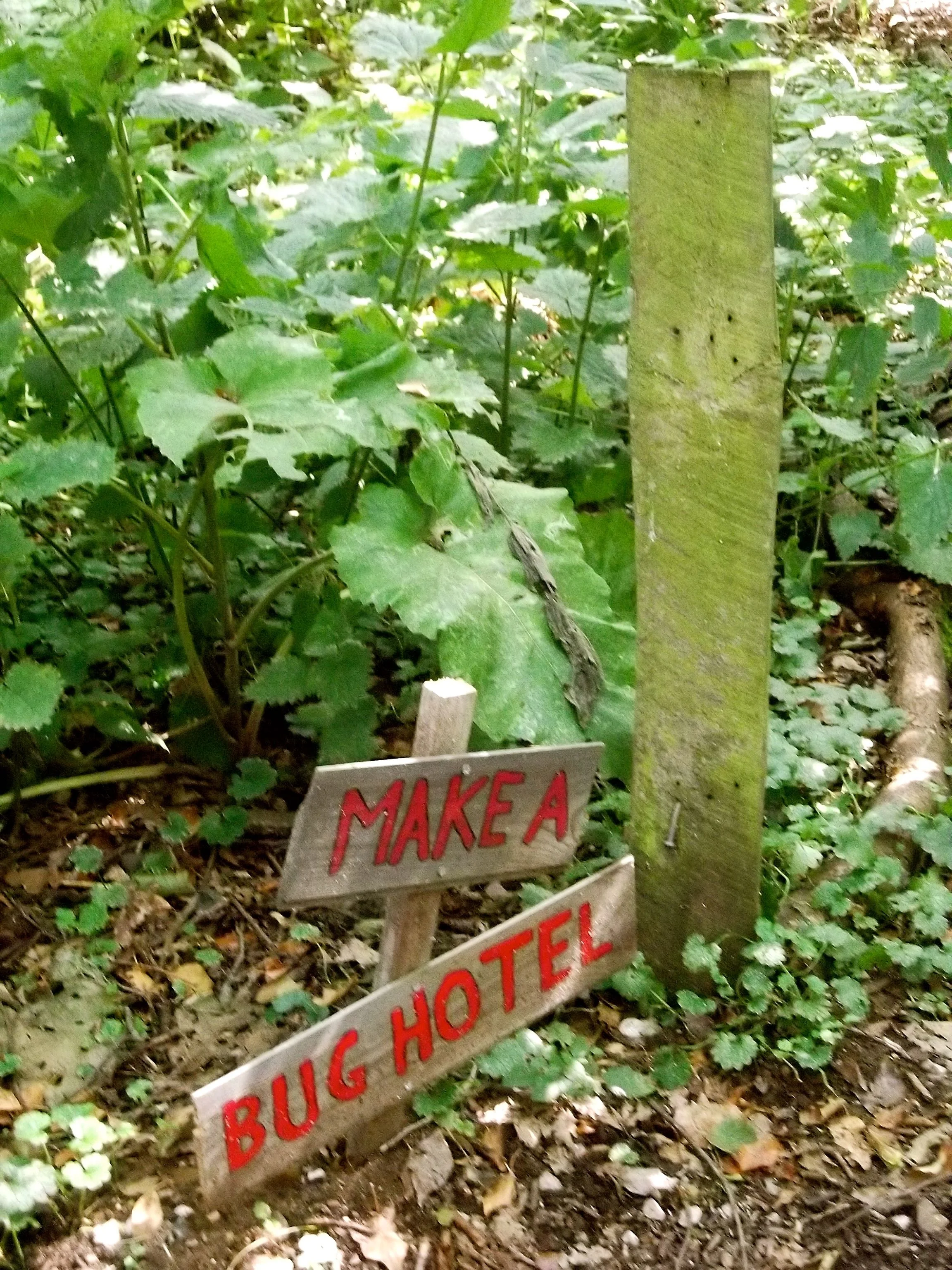
And as we left, I spotted this sign leading to an area where you could make a bug hotel - perhaps I should have stopped and picked up some tips! 

It wasn't what I expected from an RSPB reserve, there was a lot more going on than I expected and it was more accessible for non-bird watchers too. It's definitely somewhere I'd go back to - and having a cafe is a bonus, as it's always useful to know where potential cake stops are if I were to be cycling by!

I've got bird feeders - that reminds me, I'll need to buy some fat balls soon and I plan to build a bug hotel at some point, but what do you do to encourage wildlife into your garden?

My Travel Monkey


Our World Tuesday

The beach at Titchwell, another of Norfolk's great beaches!

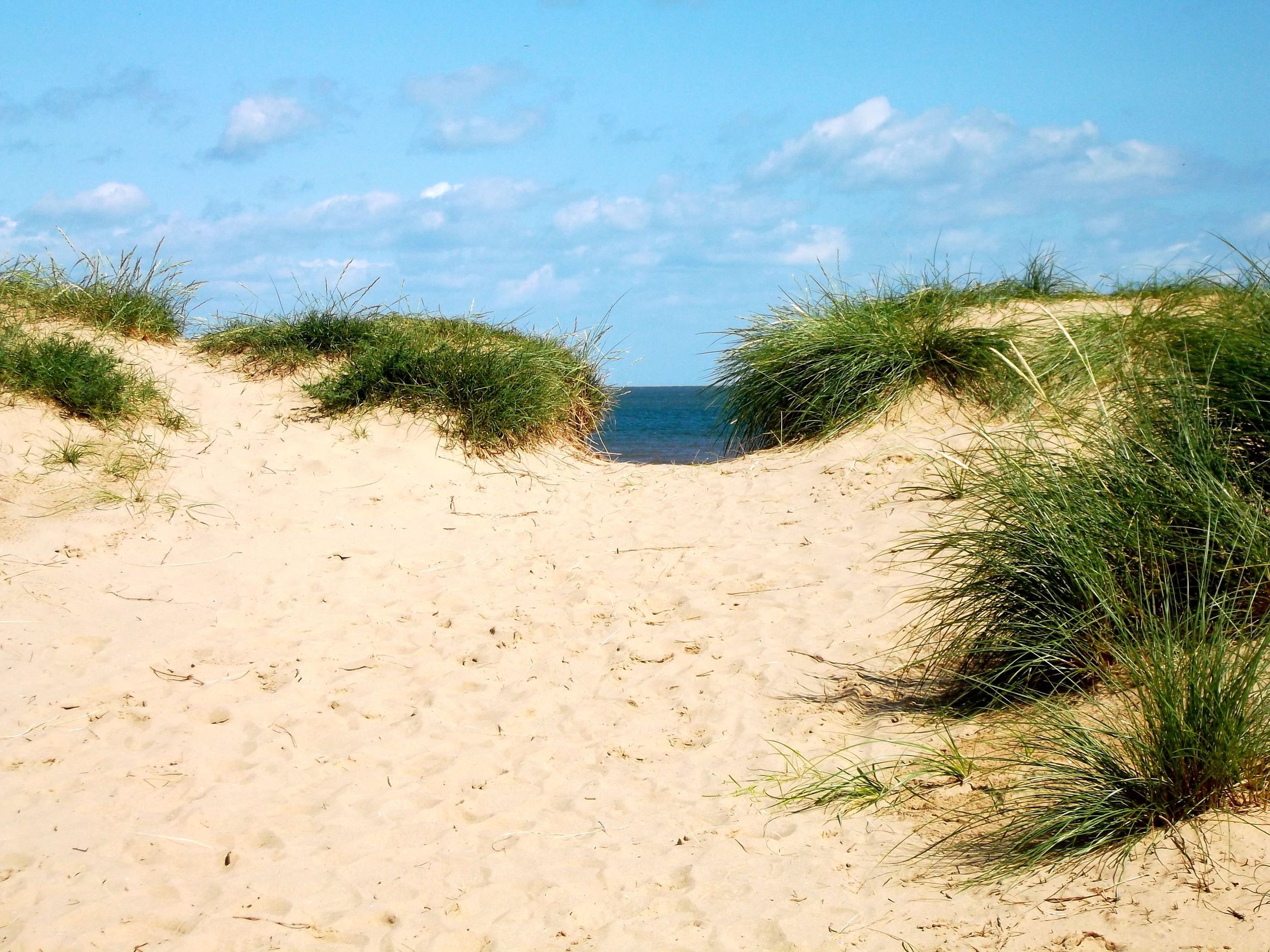
In my post where we walked to the beach down the West Bank path of RSPB Titchwell I left you with this image of the dunes, well today we're going over them and onto the beach.

Yes, what a view! 

On the horizon at the left you can clearly see the wind farm - let me tell you Norfolk is a great place to site one!

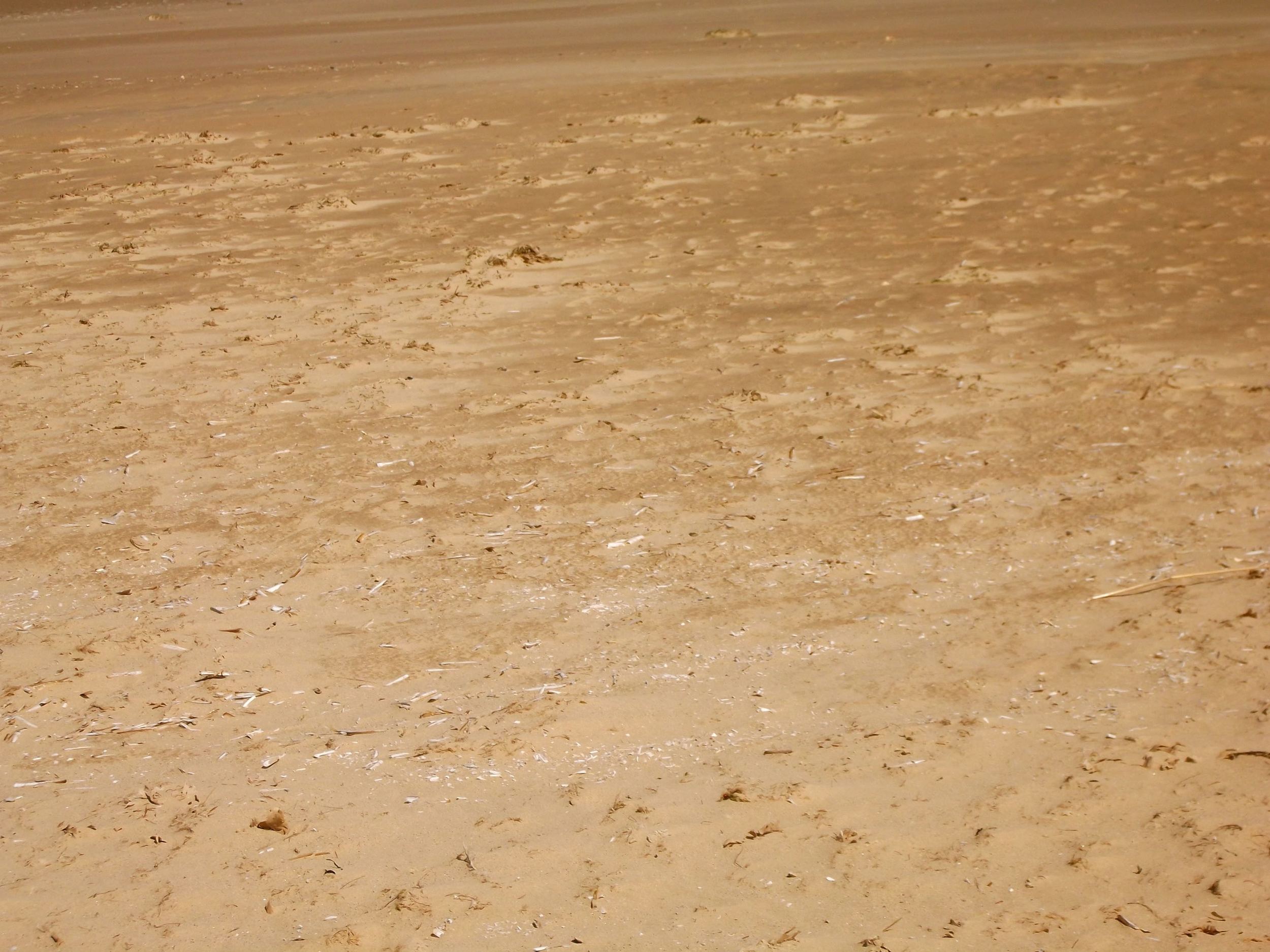
Ah, but look at the sand...

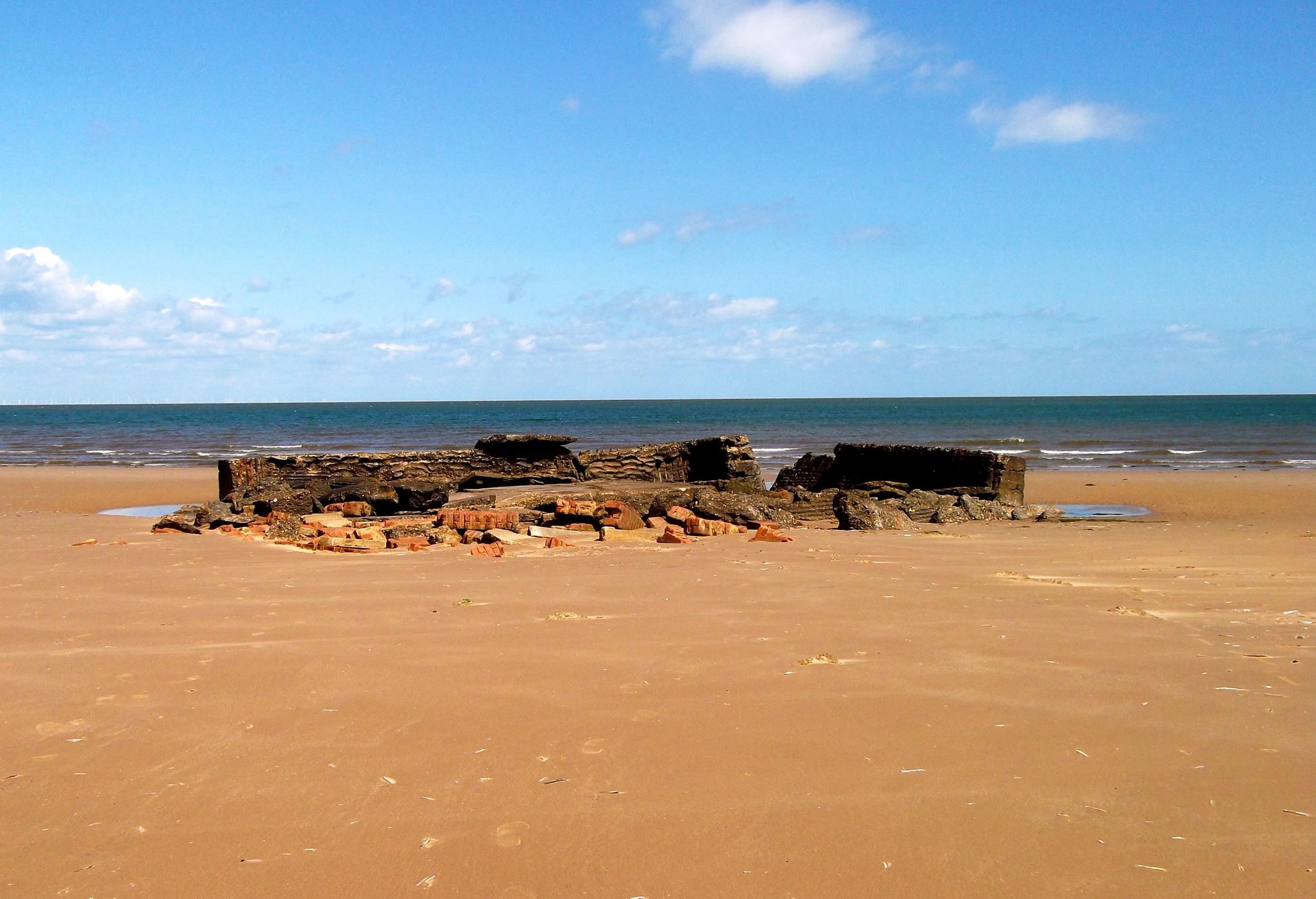
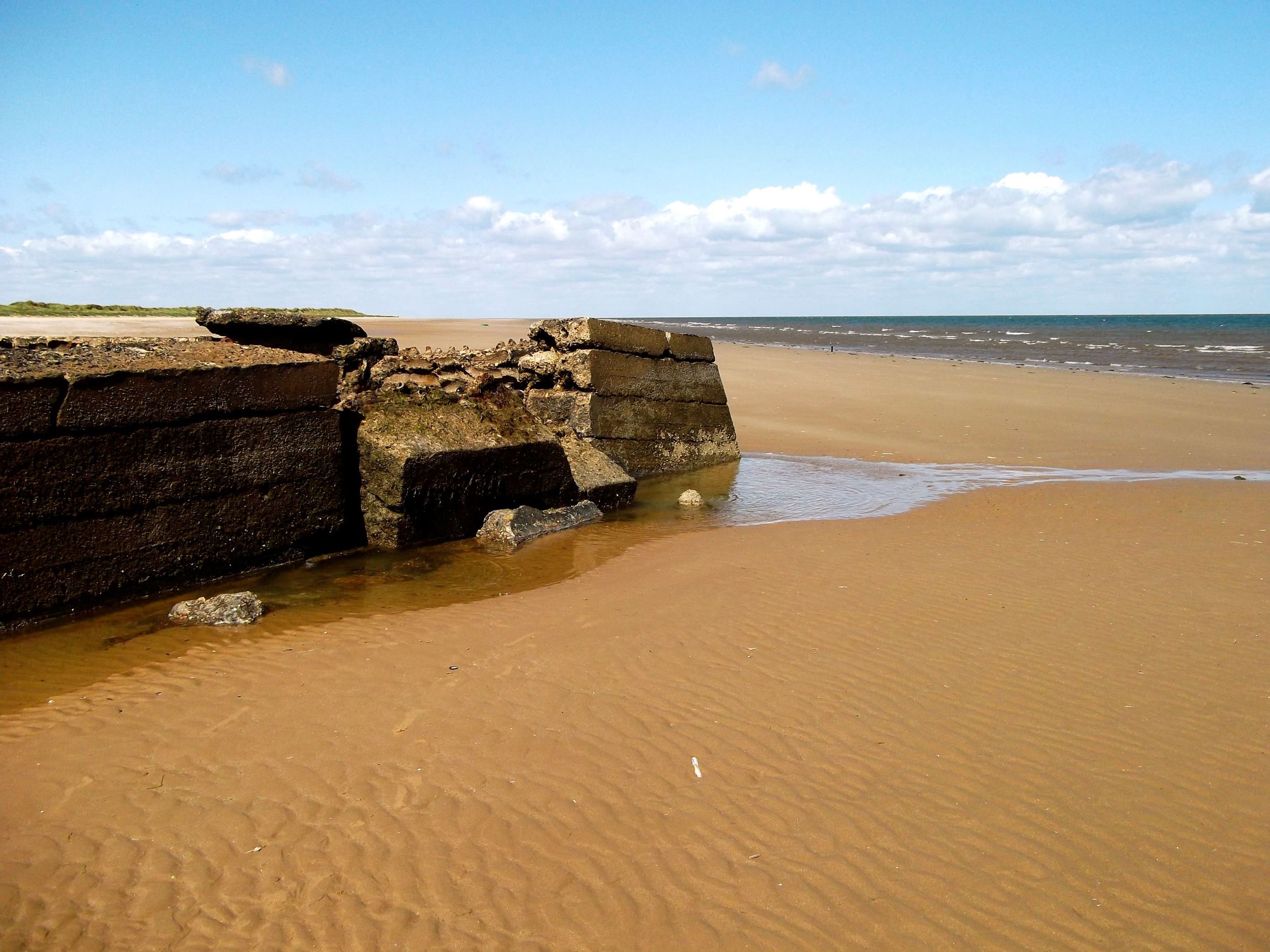
Almost straight ahead you see this pile of ruins, and I was keen for a closer look.

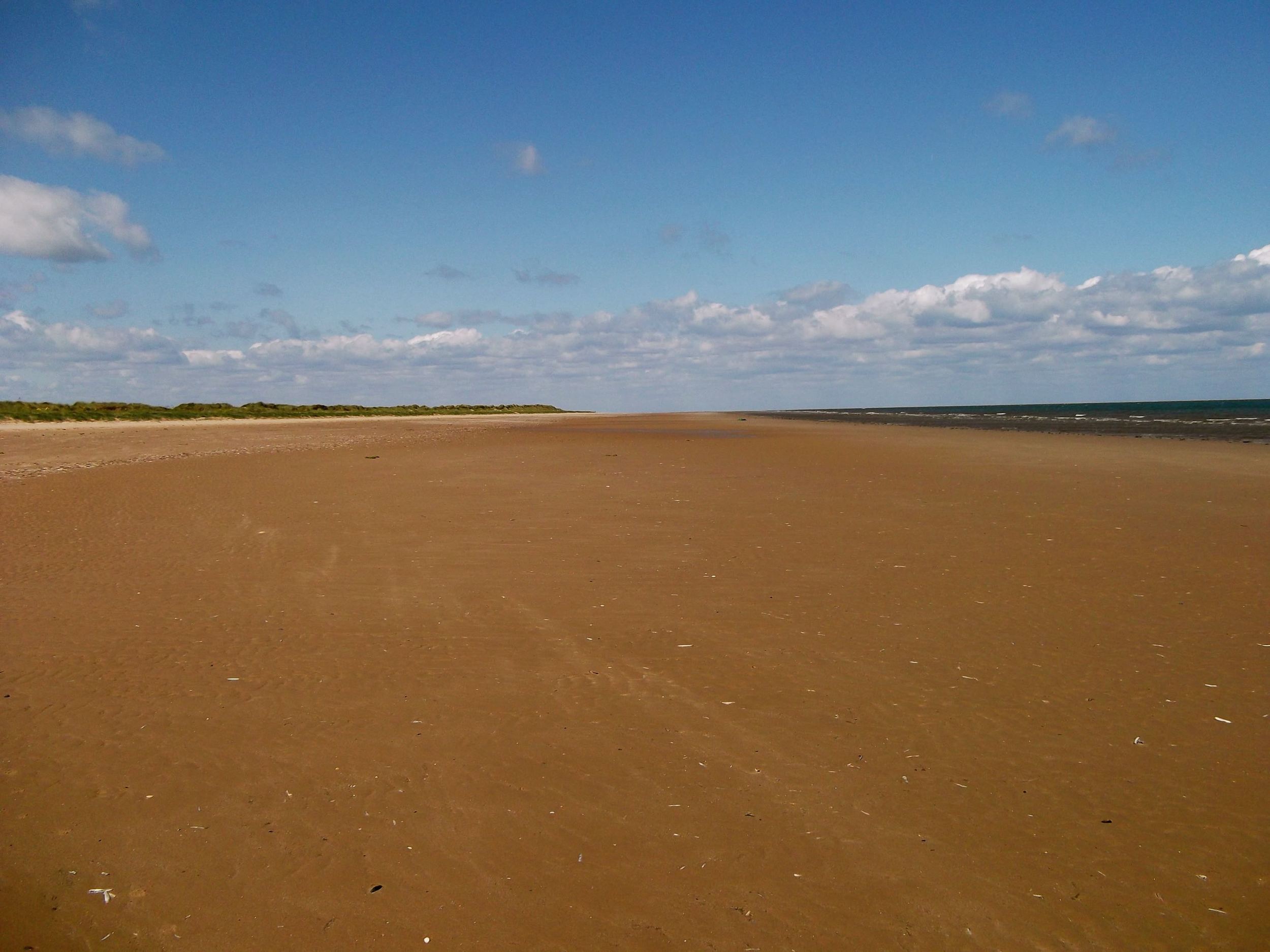
Before I tell you more about them, just look at this beach - and we almost had it to ourselves.

I could see no obvious signs of what it once was but after a bit of internet research I've discovered it was the Old Watch Tower. But let's start at the beginning.

Titchwell was once a firing range, where gunners practised their aim and instructors watched from the watch tower.  Further along the beach there are the remains of the rusting tanks, but I didn't see those, and only learnt about them from the internet.

It seems Titchwell has has quite an interesting military history and you can read an interesting account of it here.  The main control tower was at the end of the West Bank path, the one we'd just walked down so this must be its remains.

It survived the 1953 floods - which claimed many lives,  and was demolished by the RAF in 1962 as it was becoming unsafe. And there it still is.

I'll leave you with another shot of the beach...

Norfolk has many great beaches, each of them as expansive as this - and each time we visit a place like this, it really does make my heart sing.

What places make your heart sing?

My Travel Monkey