






Bosvigo: A plantsman's garden

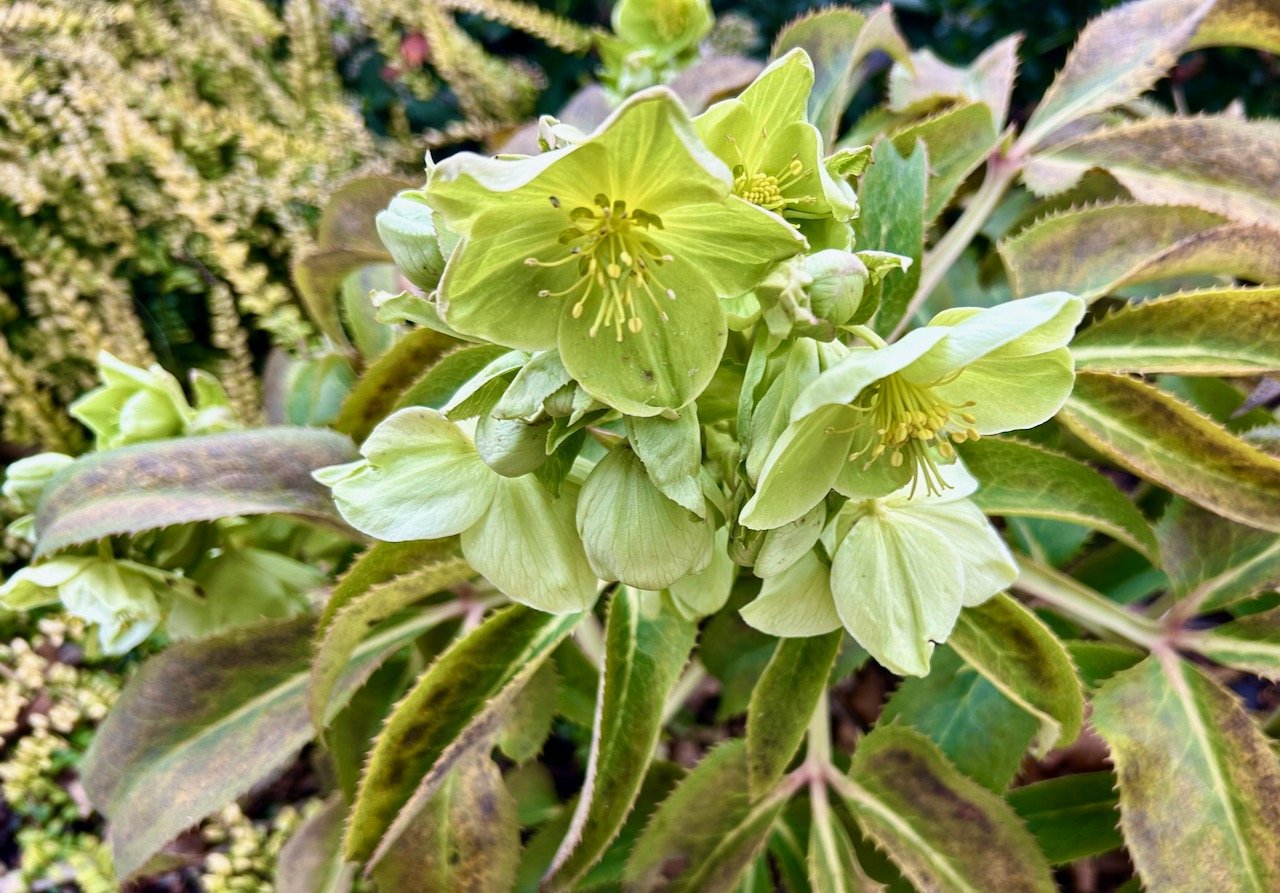
We visited this small, but gorgeous two acre Cornish garden during our week in Cornwall in September. I'd seen it much earlier in the year on Gardeners World and had added it to one of my many lists for when we ended up in Cornwall, and luckily that turned out to be sooner than I thought. Bosvigo is well known for it's hellebores, but by the time we arrived so late in the year the small nursery had already sold out. 

Its website -  www.bosvigo.com - says it's Cornwall's best kept secret and it's true as we had the garden to ourselves on our visit, with a couple of other visitors just leaving as we arrived. Hopefully it was nothing we said...

image.jpg

It was definitely a low key arrival (apart from the departure of the two other cars already parked in the gravelled drive) and was just like turning up at a friend's house, albeit a very grand friend's house!  We made our way over to the porch to discover a small table, some leaflets, an honesty box and a hand bell in case we needed assistance. At this point I think we both knew we were going to like this garden!

image.jpg

So before we head towards the garden, Bosvigo means the House of Vigo and there's been a dwelling on this site since the 12th century although none of the original building remains today. Wendy, whose garden it is has lived there since 1969 and yearned for a summer garden, filled with rare and unusual plants, a balance between the formal and the informal, with a series of distinct gardens.  Judge for yourself, but I think she's achieved this and has created a remarkable garden at the same time.

We started with the Hot Garden - a firework display timed to explode into life in August with oranges, reds, yellows set against dark foliage. And as luck would have it, it still had some fizz. 

image.jpg
image.jpg
image.jpg

And views that framed the house beautifully. 

image.jpg
image.jpg

As we moved towards the woodland garden the plants changed - lush green leaves and colchiums (think of pale and delicate) crocuses for autumn. 

image.jpg
image.jpg
Beautifully delicate, an Astrantia not a hardy geranium - thanks @pknewhaven!

Beautifully delicate, an Astrantia not a hardy geranium - thanks @pknewhaven!

image.jpg

And the largest fungi!

image.jpg

This led to the Vean Courtyard and Garden which belongs to a smaller property, Bosvigo Vean attached to the main house and is Cornish for "Little Bosvigo House" - the garden has a colour scheme of white, blue and gold. 

image.jpg
image.jpg
image.jpg

There are stunning views over the rooftops towards Truro too.  And to the topiary and wood store close to the house. 

image.jpg
image.jpg
image.jpg
image.jpg

Next we moved into the Walled Garden where the colour scheme changed again and there were the most gorgeous coloured dahlias.  What a view to have from your window. 

image.jpg
image.jpg
image.jpg

I seem to have photographed many chairs and benches in this garden, and I suspect they've been placed there for visitors - as well as the owners - to spend some time enjoying the garden. Well maybe not that lichen covered chair...

image.jpg
image.jpg

From here we were enticed into the conservatory, which we'd spotted as we approached the house. Again there were more chairs, unusually a water feature but also a poignant note saying that this garden was dedicated to the memory of Wendy's daughter Hannah who tragically lost her life in the Boxing Day Tsunami 2004, aged 36. 

image.jpg
image.jpg

The conservatory was a beautiful and no doubt treasured part of the garden and we felt privileged to be able to see it and the rest of the garden. If you're ever in Cornwall and this garden is open, be sure to pay it a visit.  

Killerton's more unusual additions

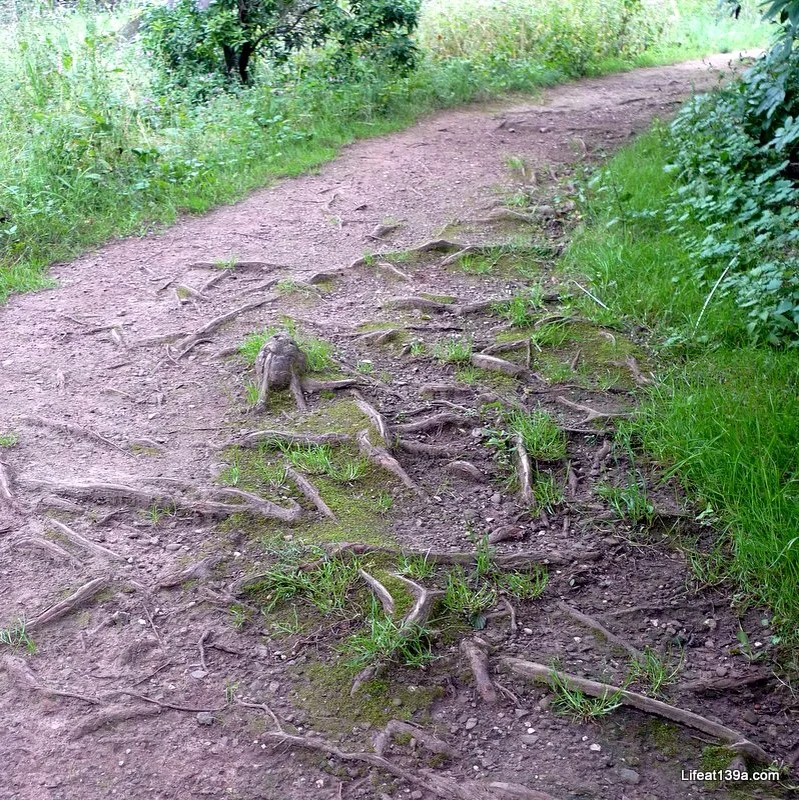
So for my final instalment of my Killerton Fest I'm sharing some of its more unusual additions, which include a Bear's Hut and an Ice House, but first we explored some more of the grounds and walked off a very nice lunch! We headed over the rustic bridge, which I couldn't resist photographing from many different angles and soon afterwards we quite literally stumbled across the tree roots and I was off again...

image.jpg
image.jpg

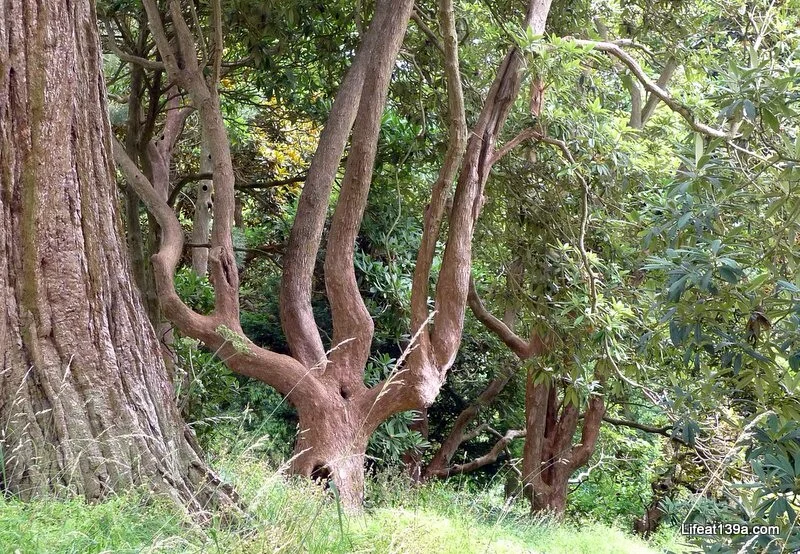
The trees too, came in many different shapes and sizes. Big and small, and some felled too - see Black & White photo #15: Inside a tree.

image.jpg

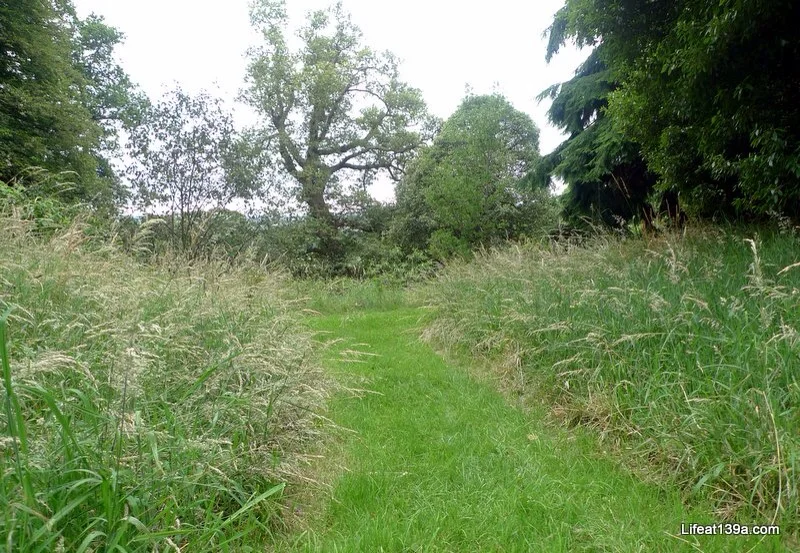
As with many National Trust gardens there were plenty of paths allowing you to explore the grounds in your own way, in your own time. There were also plenty of benches, lots positioned to take advantage of the vistas across the Devon countryside. There's also an interesting trail around the garden explaining how the plants were used as natural dyes which complements the fashion exhibition - The Nature of Fashion - in the house. 

image.jpg
image.jpg

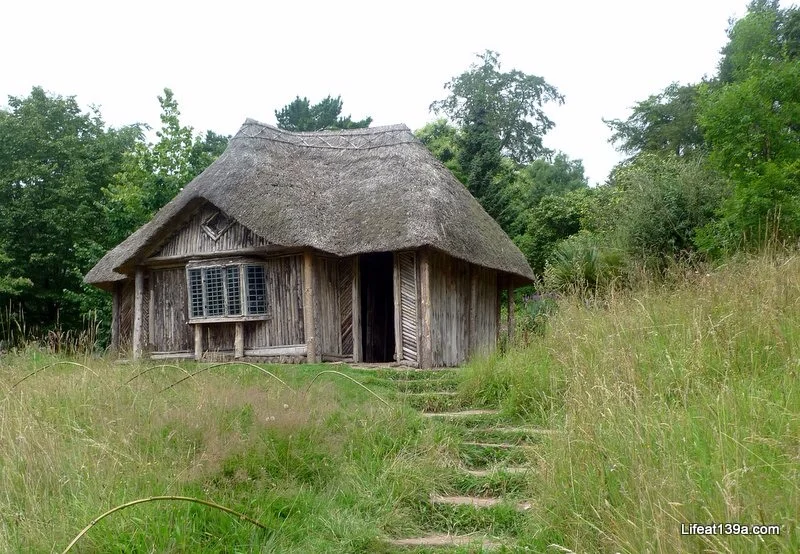
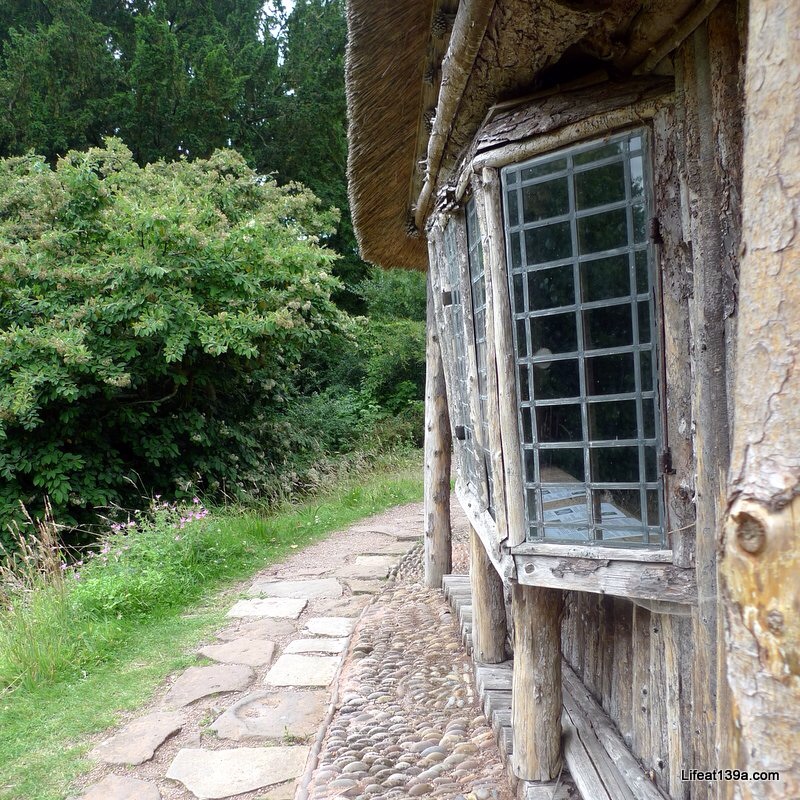
You're probably thinking that it doesn't sound very unusual so far, well our next stop was at the Bear's Hut. Yes, that's a bit more unusual isn't it?  The summer-house, which was built for Lady Lydia Acland later became known as the Bear's Hut after her grandson, Gilbert, housed a pet bear there which he had shipped over from Canada. Like you do!

The summer-house turned Bear's Hut

The summer-house turned Bear's Hut

The bear lived in somewhat luxury (well I imagine, for a bear). There's three rooms in this small building, each of which are built of different materials. There's floors of cobbles, log sections and deer's knuckle bones (yes!) and for the ceilings there's basketry, matting and deer skins. Sadly my pictures don't do them justice, but it's a fascinating little place, even more so for its unusual occupant!

image.jpg

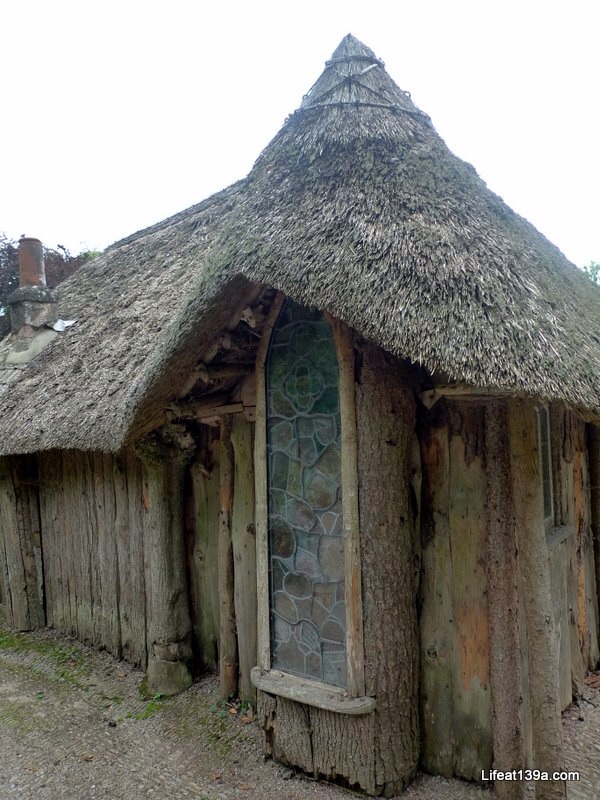
One of the rooms even has a stained glass window - just what every bear needs - which dates back to the sixteenth century. 

The stained glass window viewed from the outside

The stained glass window viewed from the outside

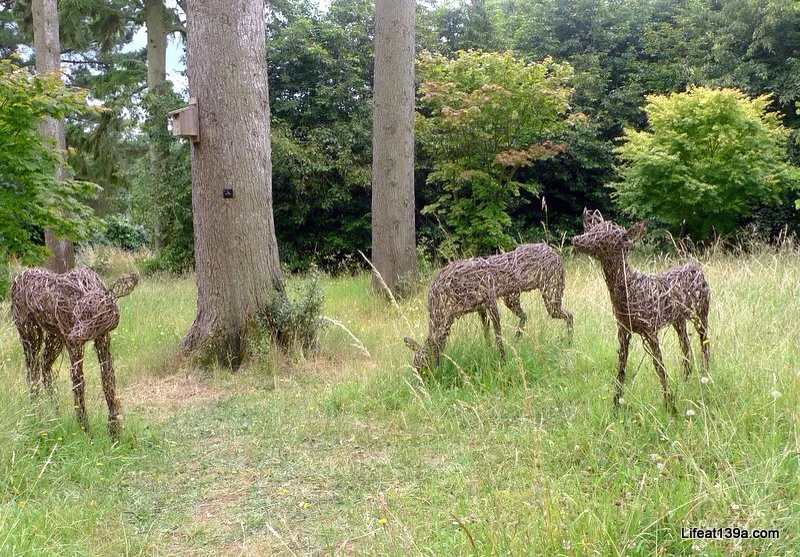
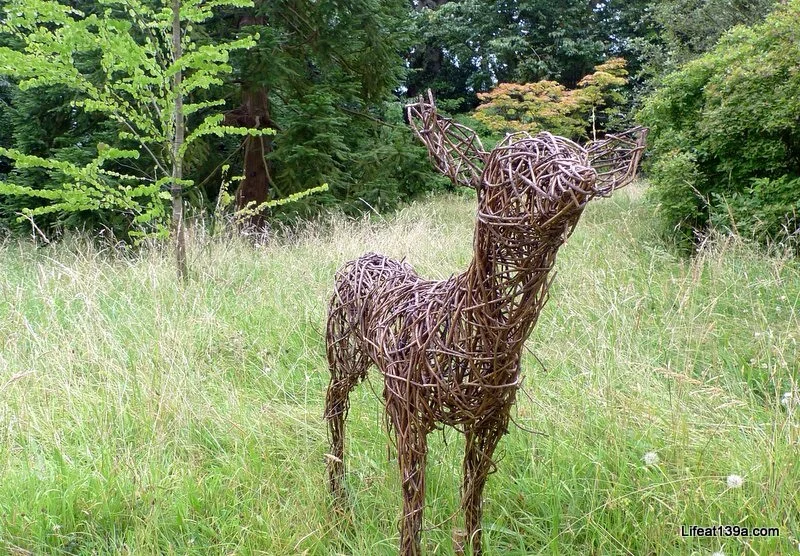
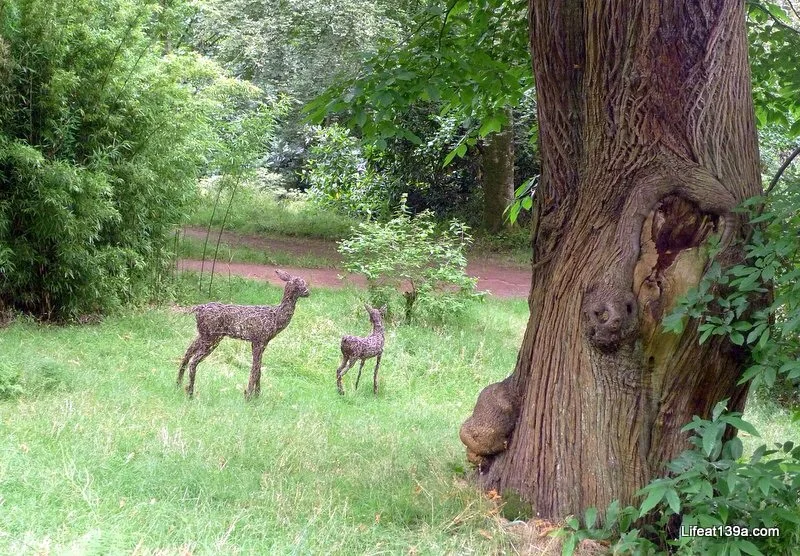
Throughout the gardens there's some enchanting deer sculptures (thankfully there weren't any bears) grouped in naturalistic layouts and poses. I was really quite taken with these and would quite happily have taken (at least) one home with me. MOH clearly worried that we'd end up with our own herd of (static) deer hurried me along to the next unusual addition.  

image.jpg
image.jpg
Just look at the patterns of the bark on this tree

Just look at the patterns of the bark on this tree

We walked through lush green paths with rocky boulders which led to the estate's Ice House.  It was built in 1808 and is a brick-lined pit over 20 feet deep and is complete with a drain at the bottom. In 1809 it took 30 men over five days to stow 40 tons of ice.  Insulated with straw this was considered enough to last the household about three years.  Imagine that. There was a definite drop in temperature as you entered, but storing ice for three years seems an amazing feat. Just as I was wondering what on earth they'd use to store the gin in and how big that might be, I read that the ice was used in the kitchens and cellars for cooling rooms or soothing fevers. Oh well...

image.jpg
image.jpg
image.jpg

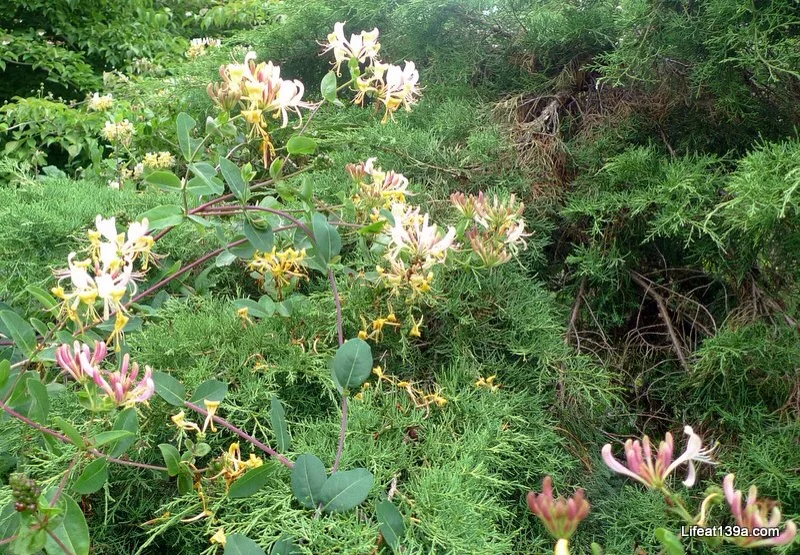
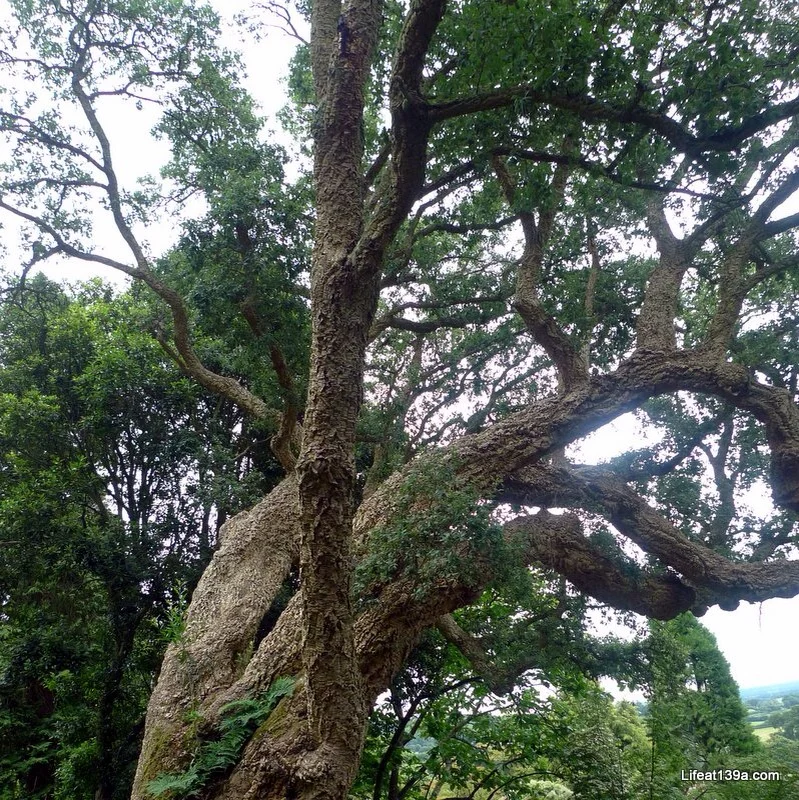
Out of the Ice House and back at the normal temperature we spotted this beautiful honeysuckle and one of the blue-est hydrangeas I think I've seen. And more gnarly trees. 

image.jpg
image.jpg
image.jpg

It was about now that the cow's prediction came true (see - Killerton: colourful borders & a love of Sea Holly) so we took the opportunity to see the house. Once outside again I was determined to use this elegant gate to head towards the chapel.

image.jpg

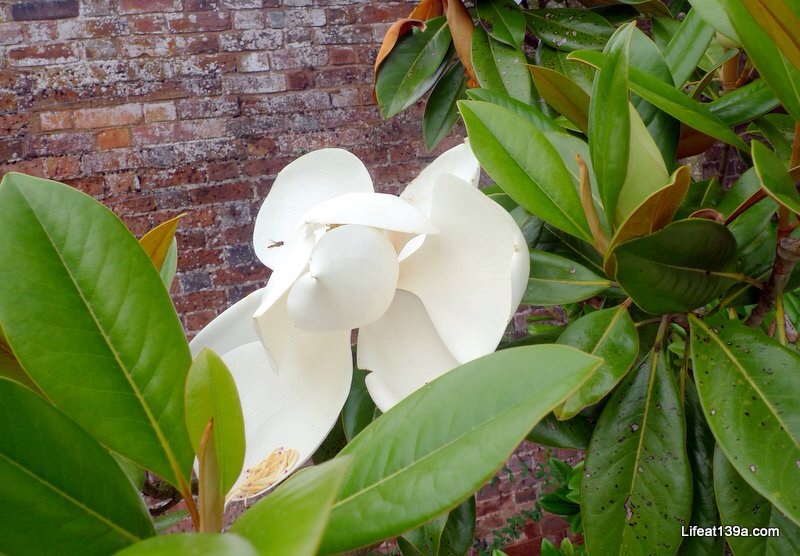
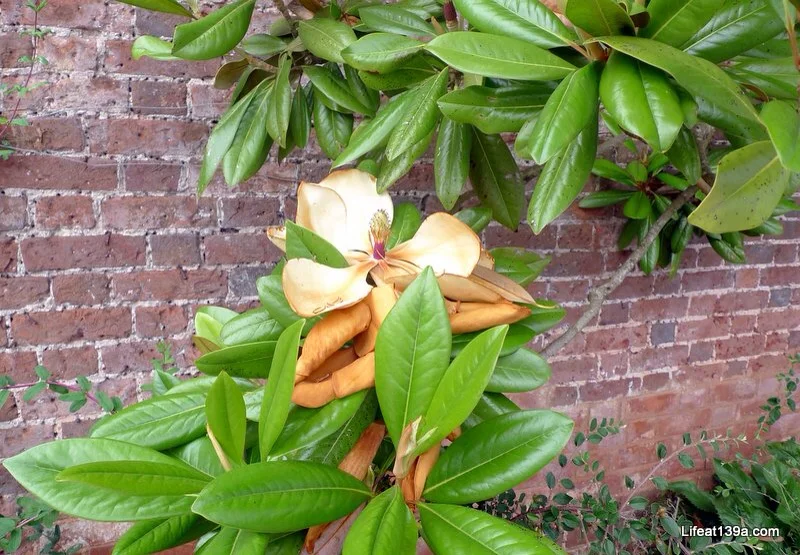
And then with our visit complete we headed back to the car park where we spotted some beautiful magnolia trees which were too pretty not to photograph. 

image.jpg
image.jpg

We thoroughly enjoyed our visit to Killerton and it'd be great to go back at different times of the year to see how the garden changes. So there's a high chance you may see more pictures at a future date from Killerton, but for now this is the last post in my very own Killerton Fest!

Killerton: Colourful borders & a love of Sea Holly

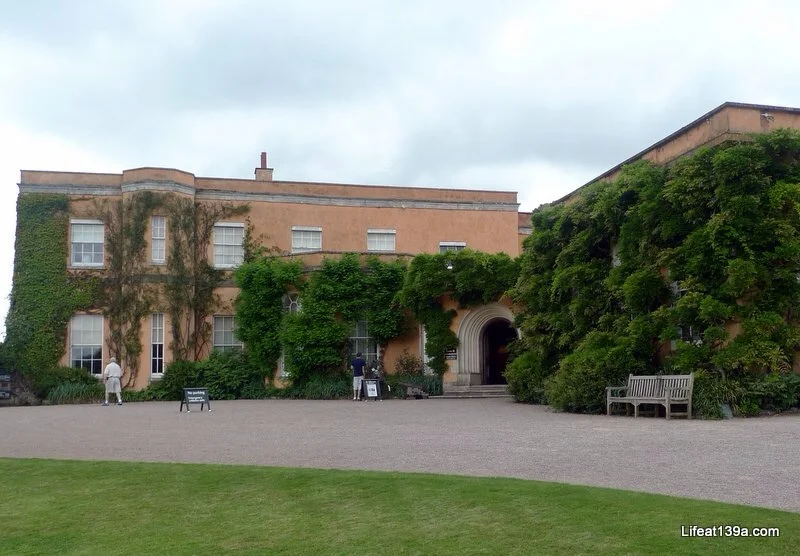
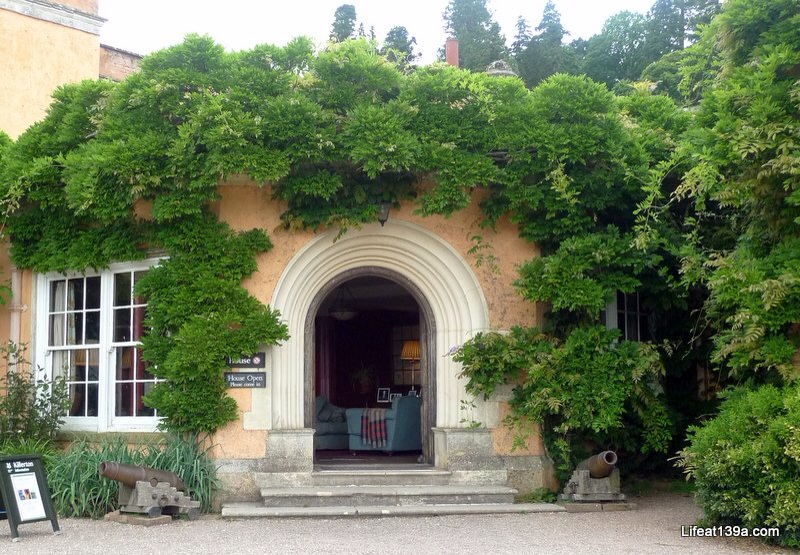
Over the summer we visited Killerton, a National Trust property near Exeter in Devon.  Its a huge estate - one of the largest that the National Trust has acquired - and given away because of political beliefs by Sir Richard Acland.  The NT website describes Killerton House as a "model of elegance" and inside it was beautiful and the sort of home you could feel quite at home in.  But from the outside to me, it looked odd and quite boxy and very peach.  However I soon forgot that as the views over the countryside were stunning and something you'd never tire of seeing. 

image.jpg
image.jpg
Oh dear, it looks like rain

Oh dear, it looks like rain

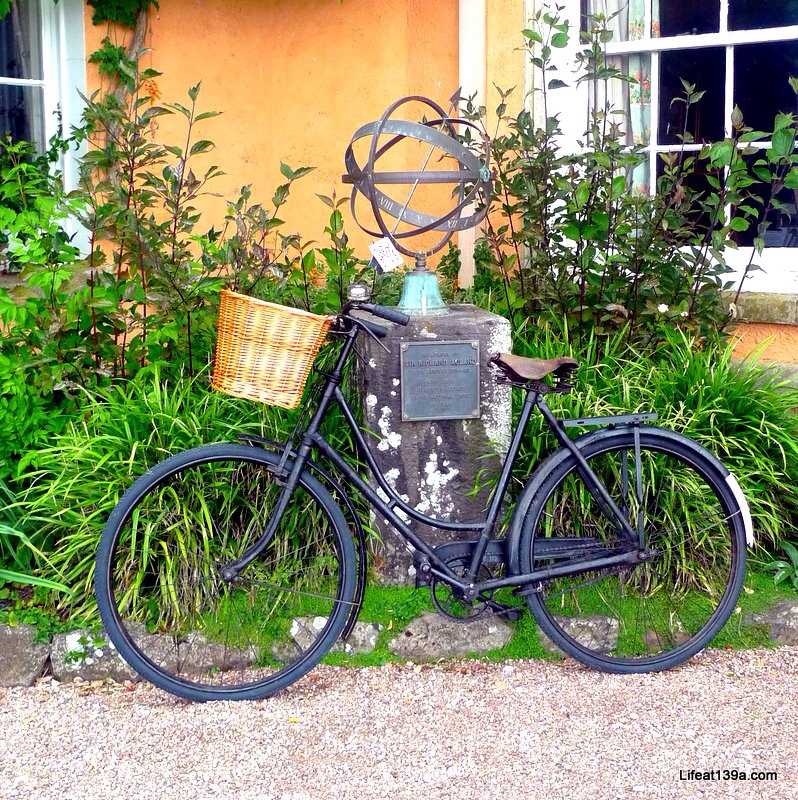
I've a serious case of bike envy...

I've a serious case of bike envy...

We nipped around the side of the house and entered the garden through the side gate, leaving the tour of the house for when it rained (and it did - those cows know their stuff). The colour on show in the borders was amazing and we hadn't appreciated how much garden and beyond there was to explore until it was right in front of us.

So, let's start with the borders. I only know some of these plants, but there was one of those laminated "border plans" to help us however, after much turning it at 45° and a fair bit of head scratching we returned it to the box and pointed at the stuff we knew, and the ones we didn't!

image.jpg
image.jpg
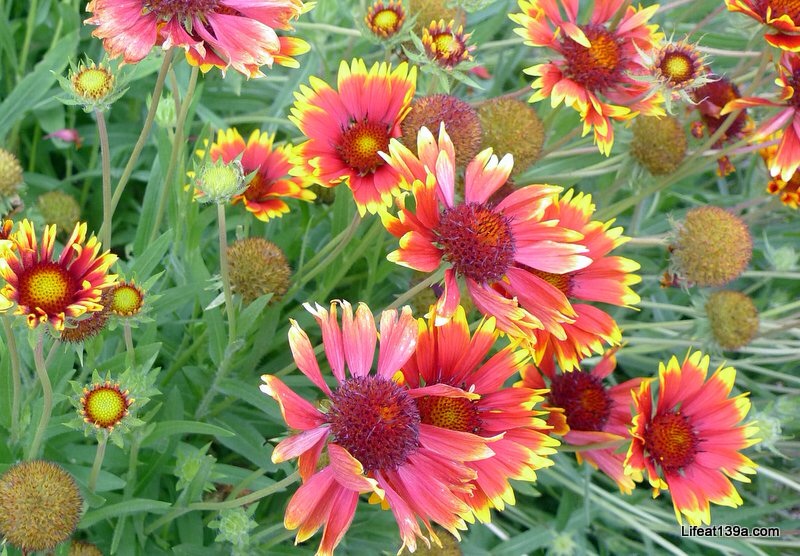
Reds, oranges, pinks and purples looking beautiful together

Reds, oranges, pinks and purples looking beautiful together

image.jpg

Somehow when nature puts these garish colours together it just works. But equally, the muted purples of the Sea Holly is just as beautiful. Put them together and the effect was just stunning. 

image.jpg
image.jpg
image.jpg
I know this one, Liatris Spicata

I know this one, Liatris Spicata

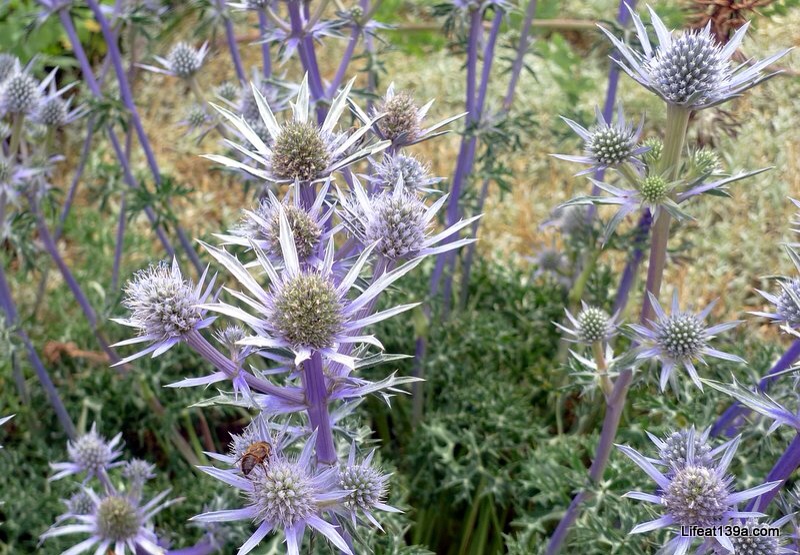
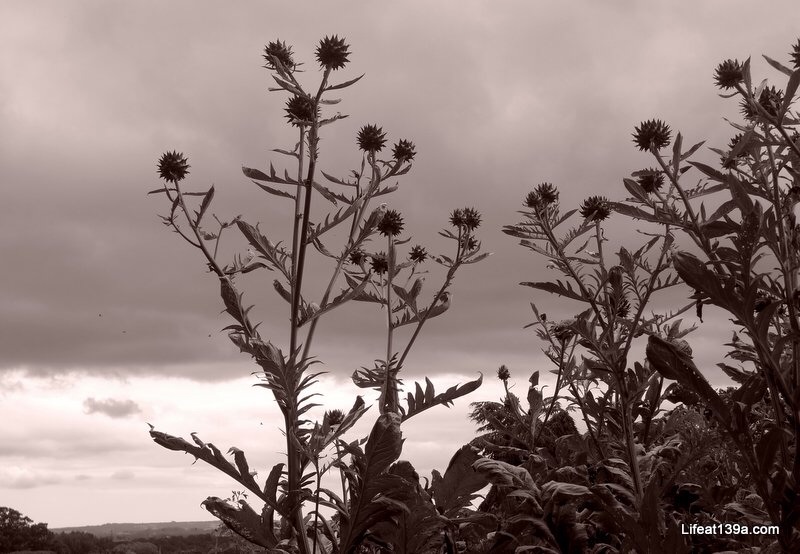
Ah yes, time for more Sea Holly.  Some of it was really quite tall, although I was probably crouching on the floor to get this shot, which looks quite dramatic and sinister. 

image.jpg

And as usual I can't resist a Red Hot Poker, even if it's yellow!  And red crocosmias too, this photo is messing with my head as in my garden they're both orangey... well they would be if my Red Hot Poker ever decided to flower!  I did branch out this summer though and sent for some yellow and red crocosmias to pep up the area I dug out a load of self-seeded-bird-gifted-Holly. They arrived too late (and too poorly after a week in the Sorting Office) to do much of anything this year, so hopefully next year I'll have a Killerton-inspired section in my garden. 

image.jpg
Usual service restored, an orange crocosmia.

Usual service restored, an orange crocosmia.

image.jpg

And with that our route had led us to the cafe - funny how that always seems to happen - so we stopped for lunch before heading out into the grounds to see some of Killerton's more unusual additions, explore the winding paths and see ancient trees, but I'll save that for another time as I've already shared way more photos than I intended too. I think I got carried away with all that colour!

But if you want another peek at that view, remember we've been at Killerton once before with S is for... Sundial - enjoy!